Fast Growing Trees is now Trees.com!


Pomegranate Trees
Filters
Only items for my growing zone
Zone -
My Location
Only items for my zoneCollection Results


Sweet Pom taste from your own garden.
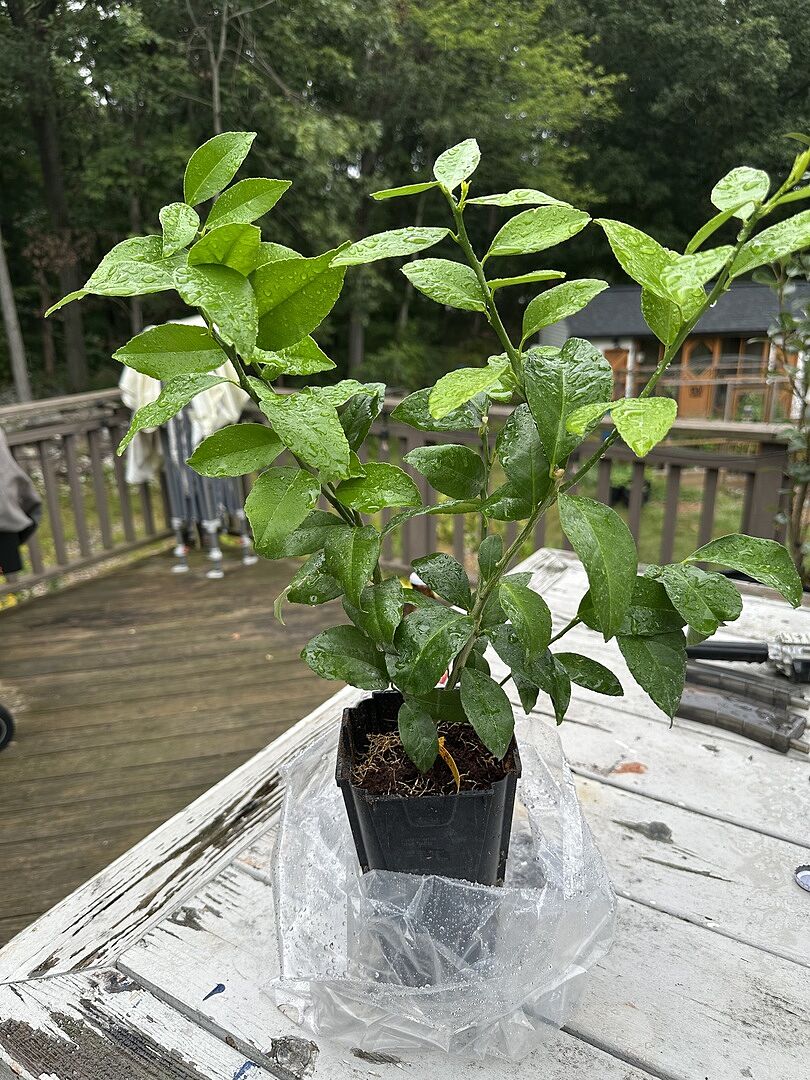
Meticulously planted, grown and nurtured for success, our Pomegranate Trees offer home-grown taste and easy benefits, just like all of our other fruit trees. From seedless growth to year-over-year harvests, you get the best of the best with our Pomegranate Trees.
How to Grow Pomegranate Trees
Specific planting directions depend on the variety you choose, but all must be grown in the proper growing zones (or grown indoors). The most important factors for Pom success? Sunlight and watering needs. Most prefer well-drained soil and full sun, or 6 to 8 hours of sunlight per day, but exact instructions will depend on the variety you choose.
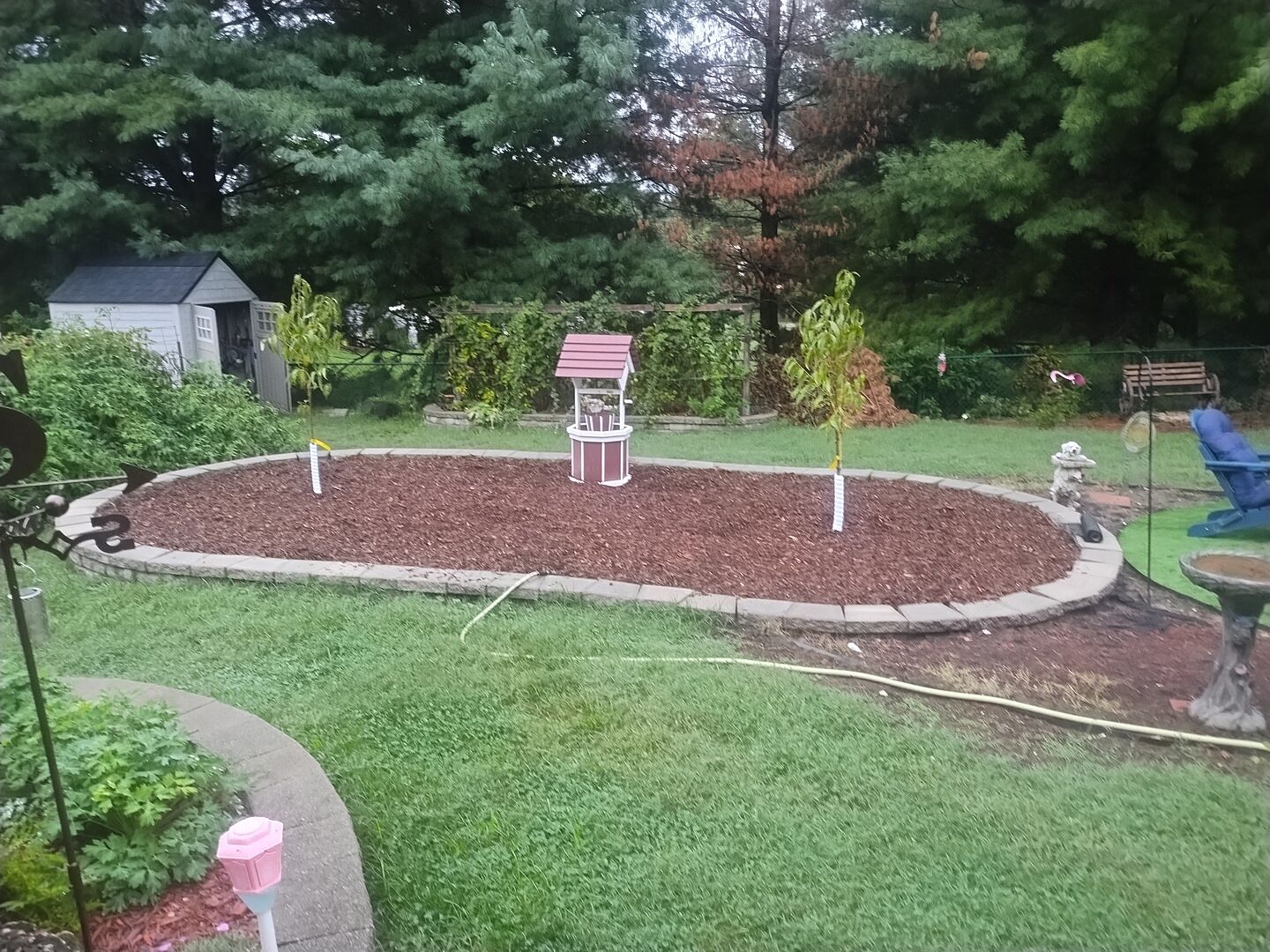
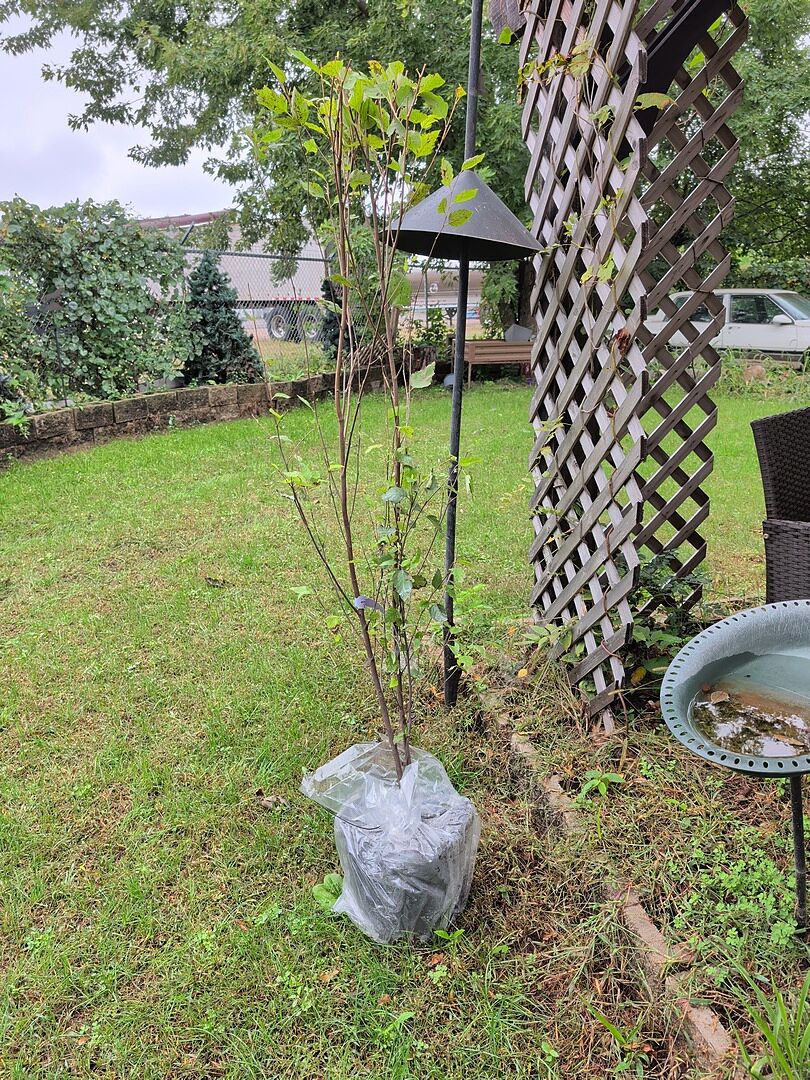
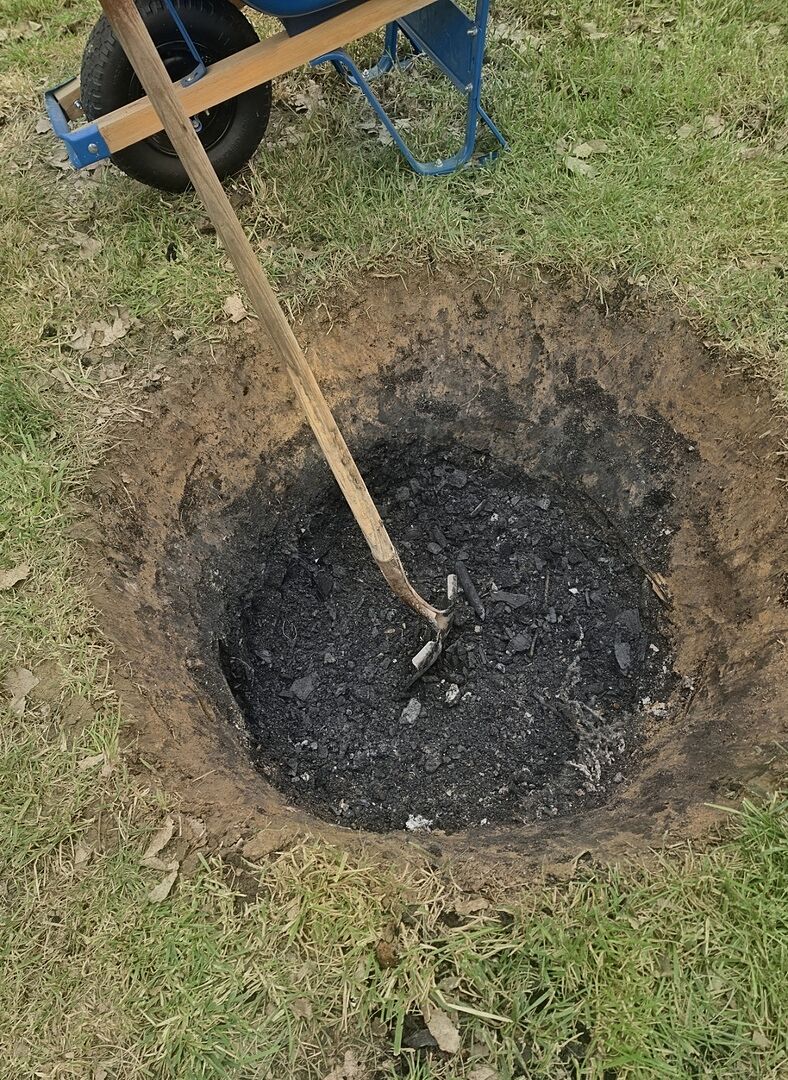
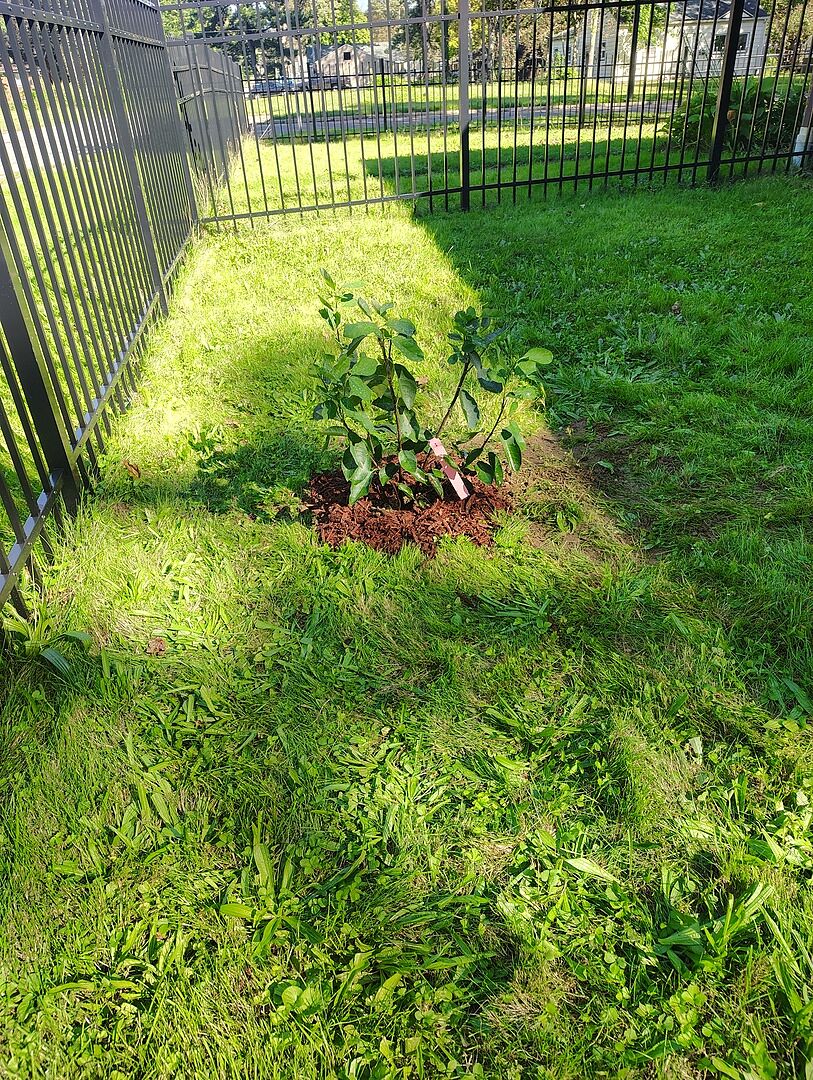
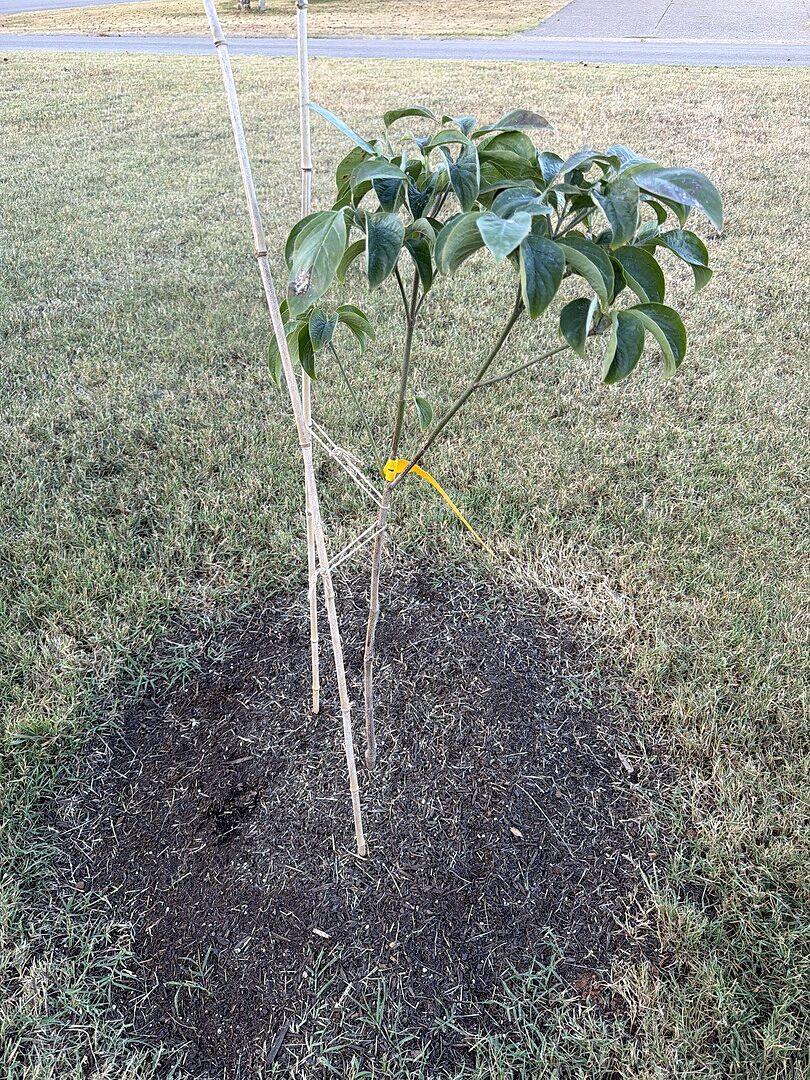
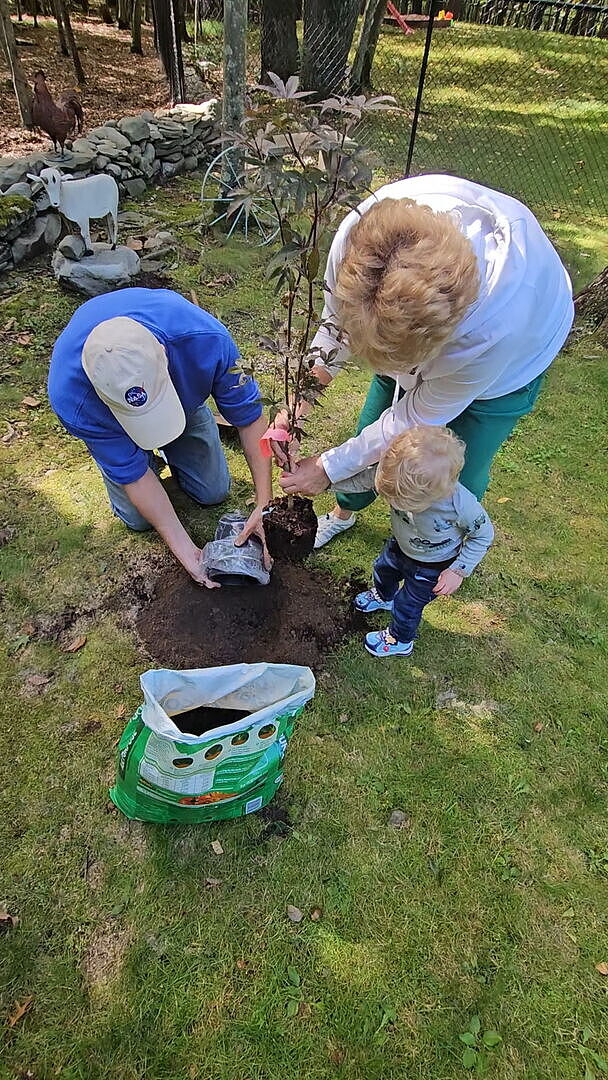
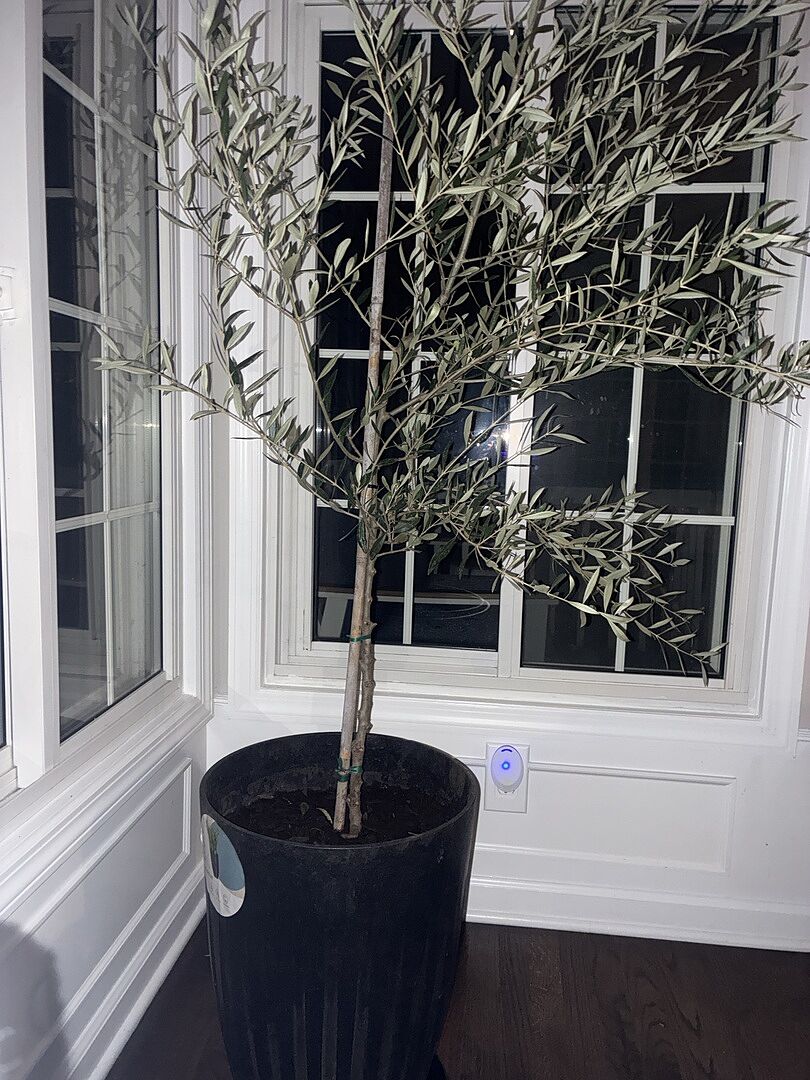
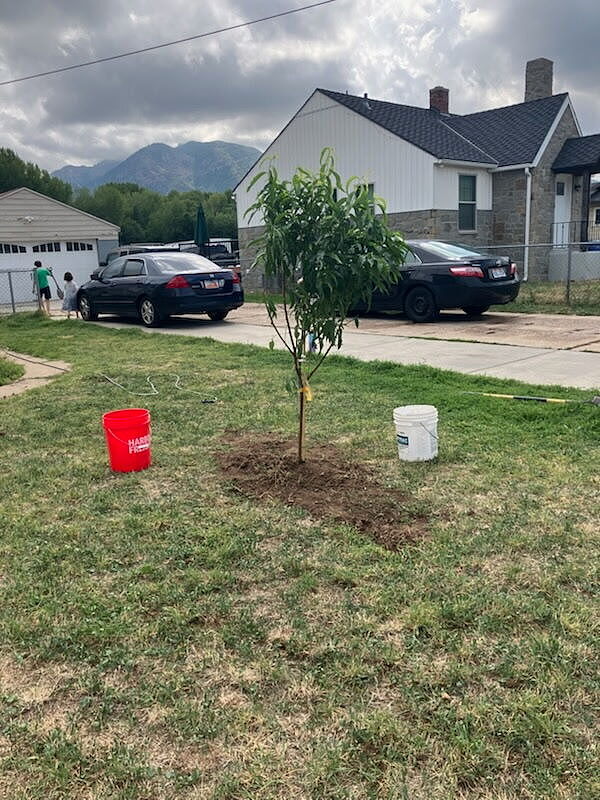
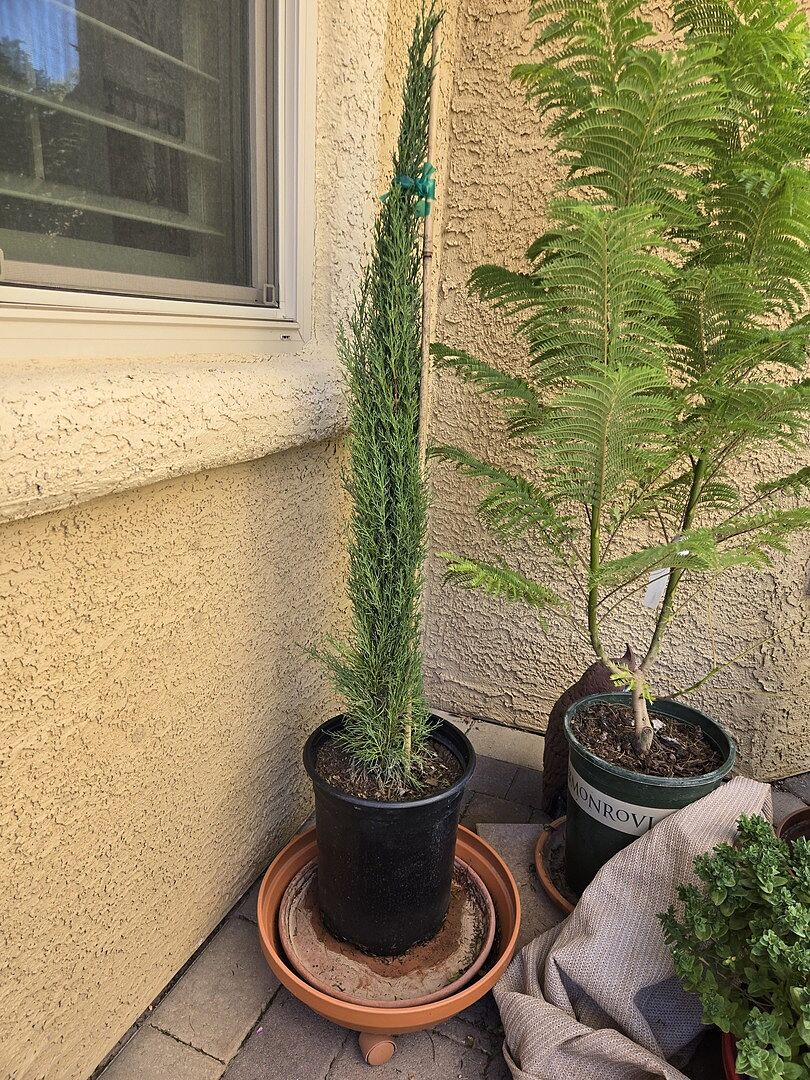
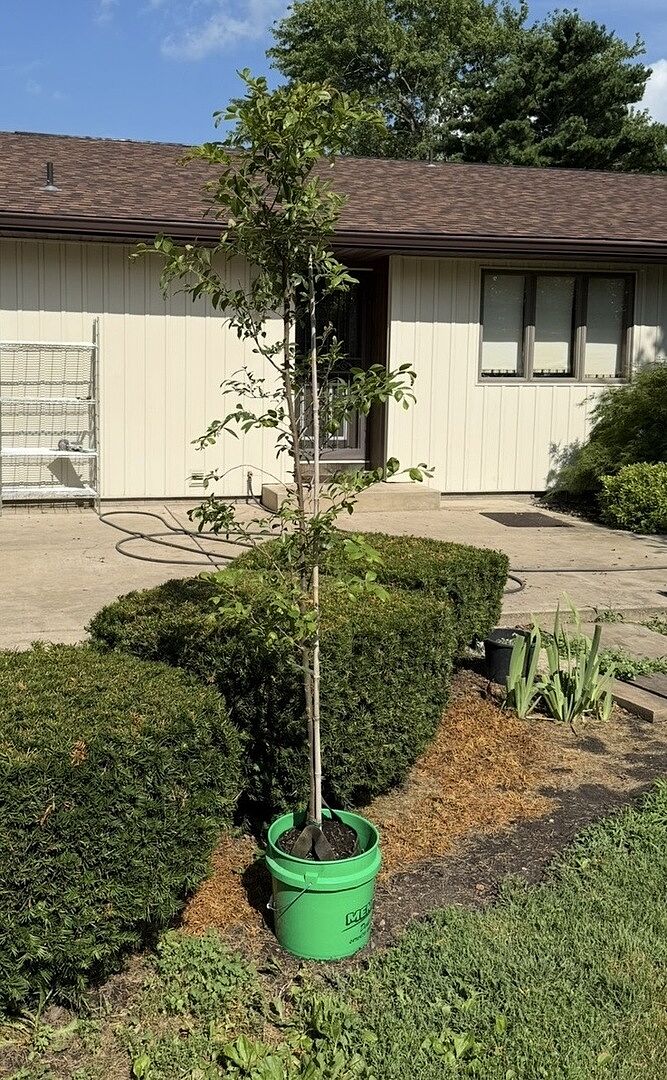
And planting your Poms is hassle-free. Find an area with well-drained soil or select a container large enough to accommodate your tree’s root ball, place your tree and back fill the soil. Finally, water the surrounding soil to settle your tree’s roots and mulch to conserve moisture for best results.
Pomegranate Tree vs. Pomegranate Shrub: What's the Difference?
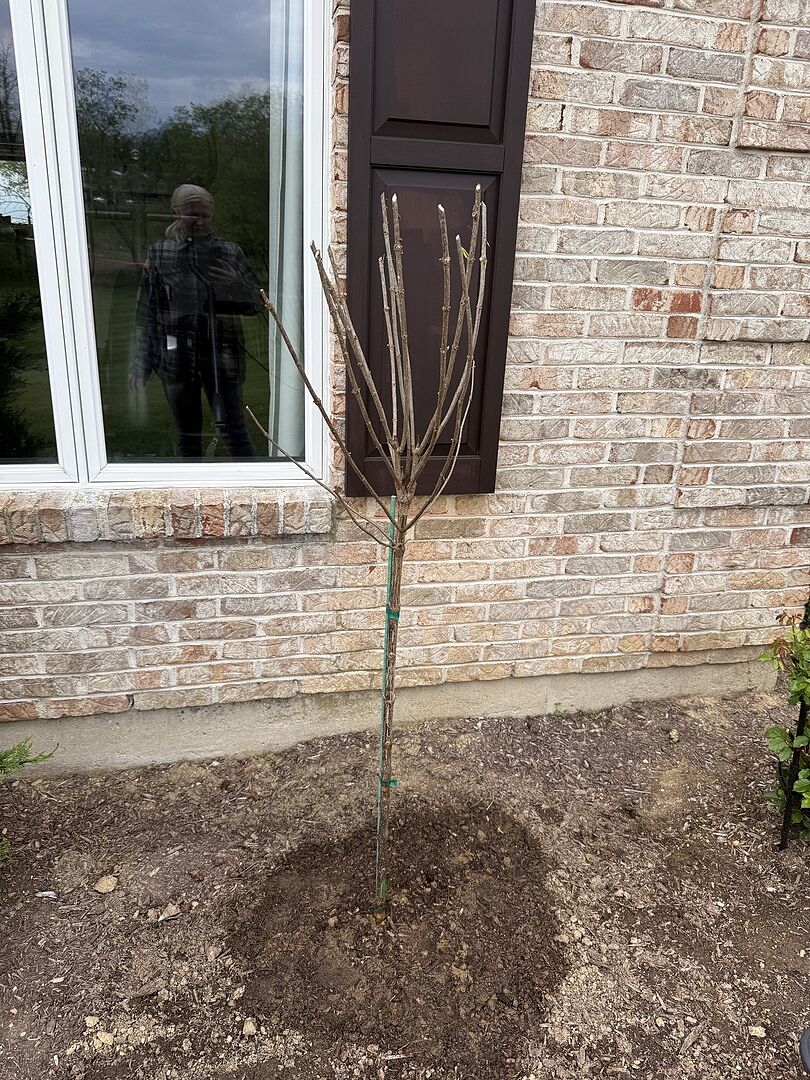
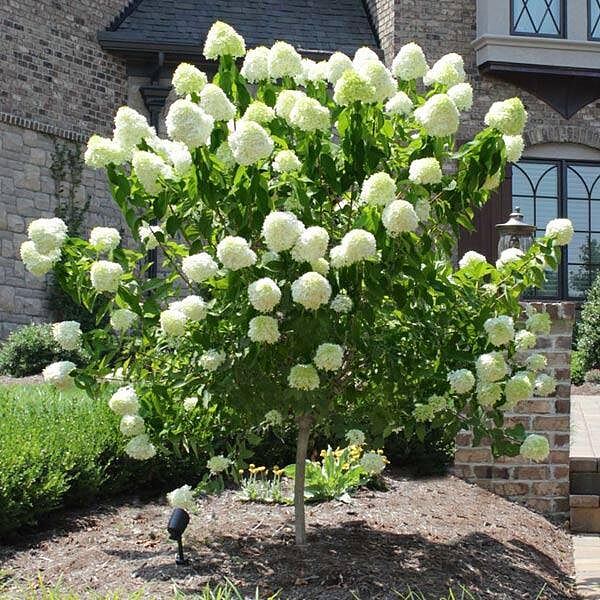
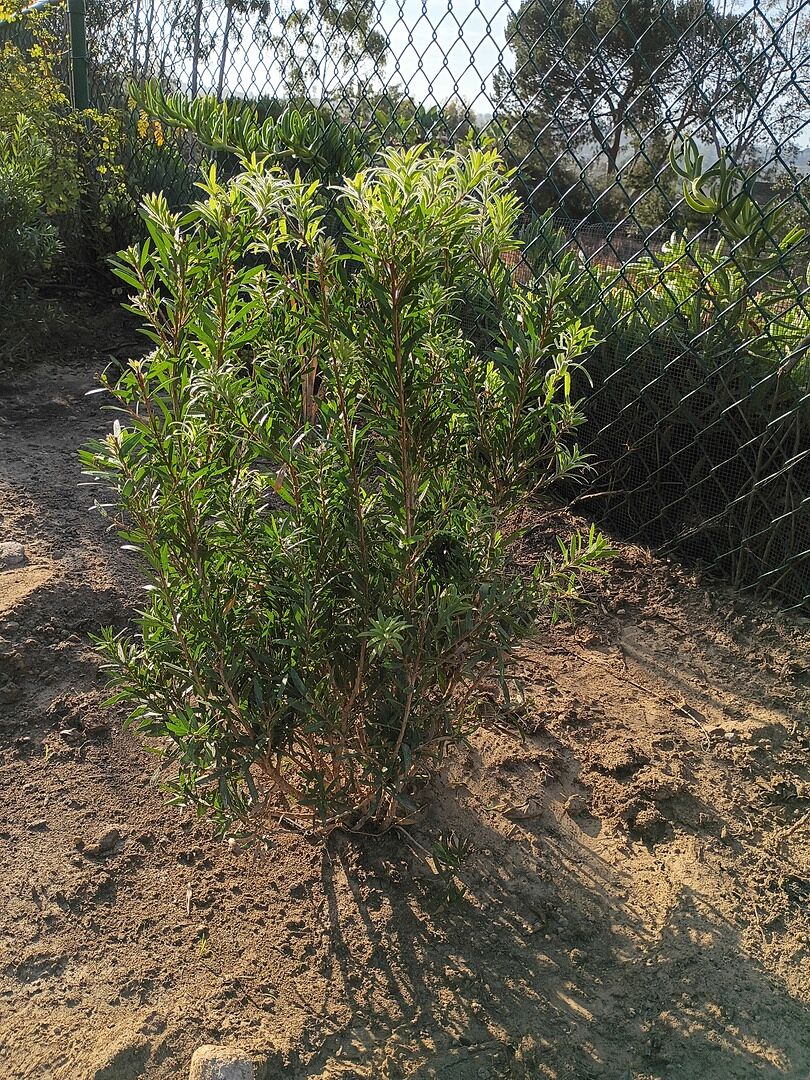
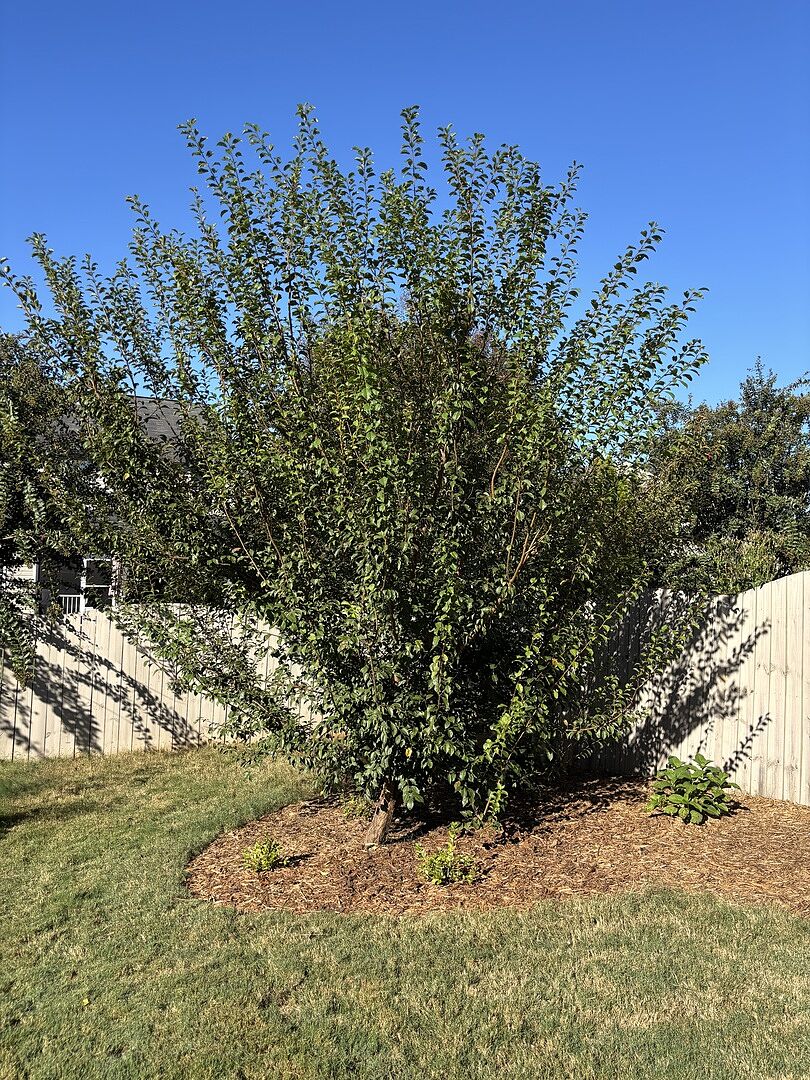
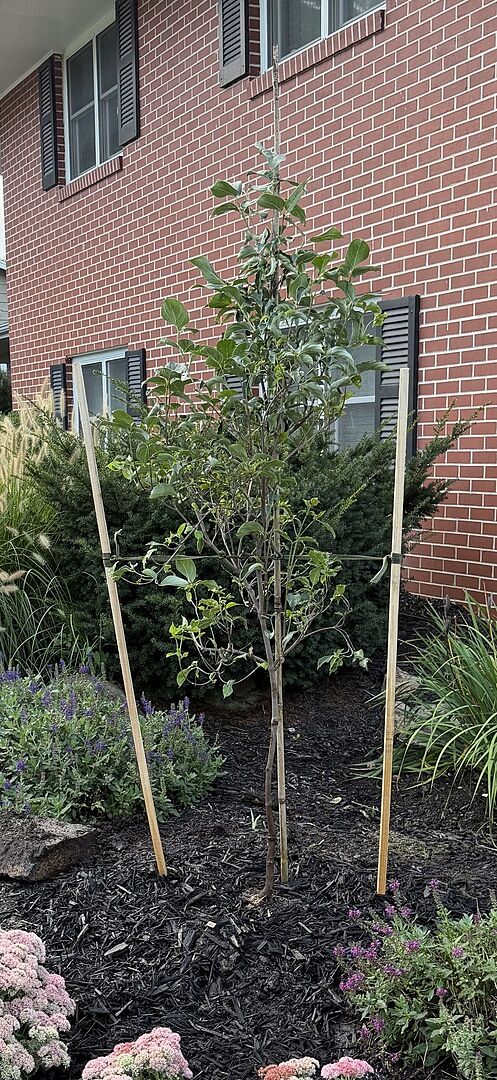
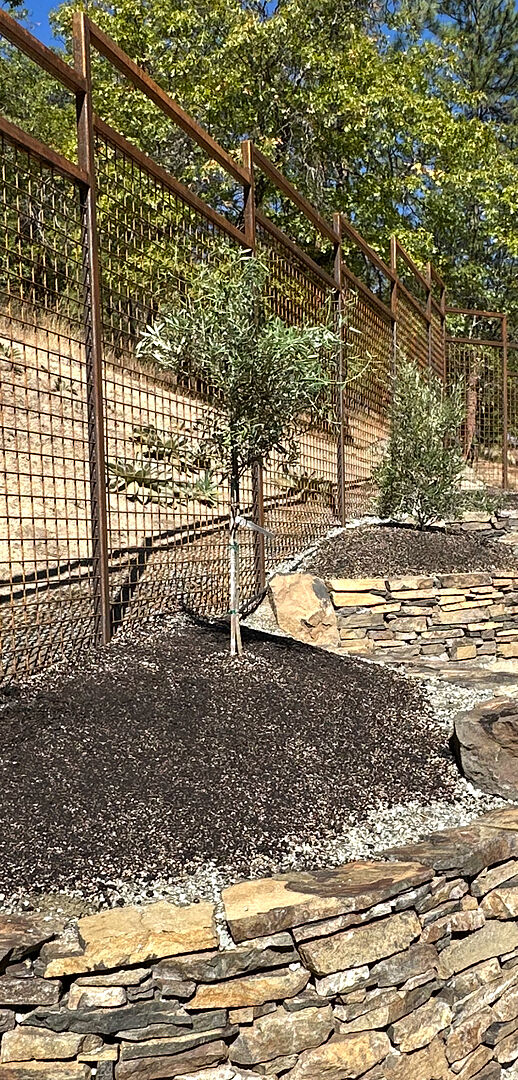
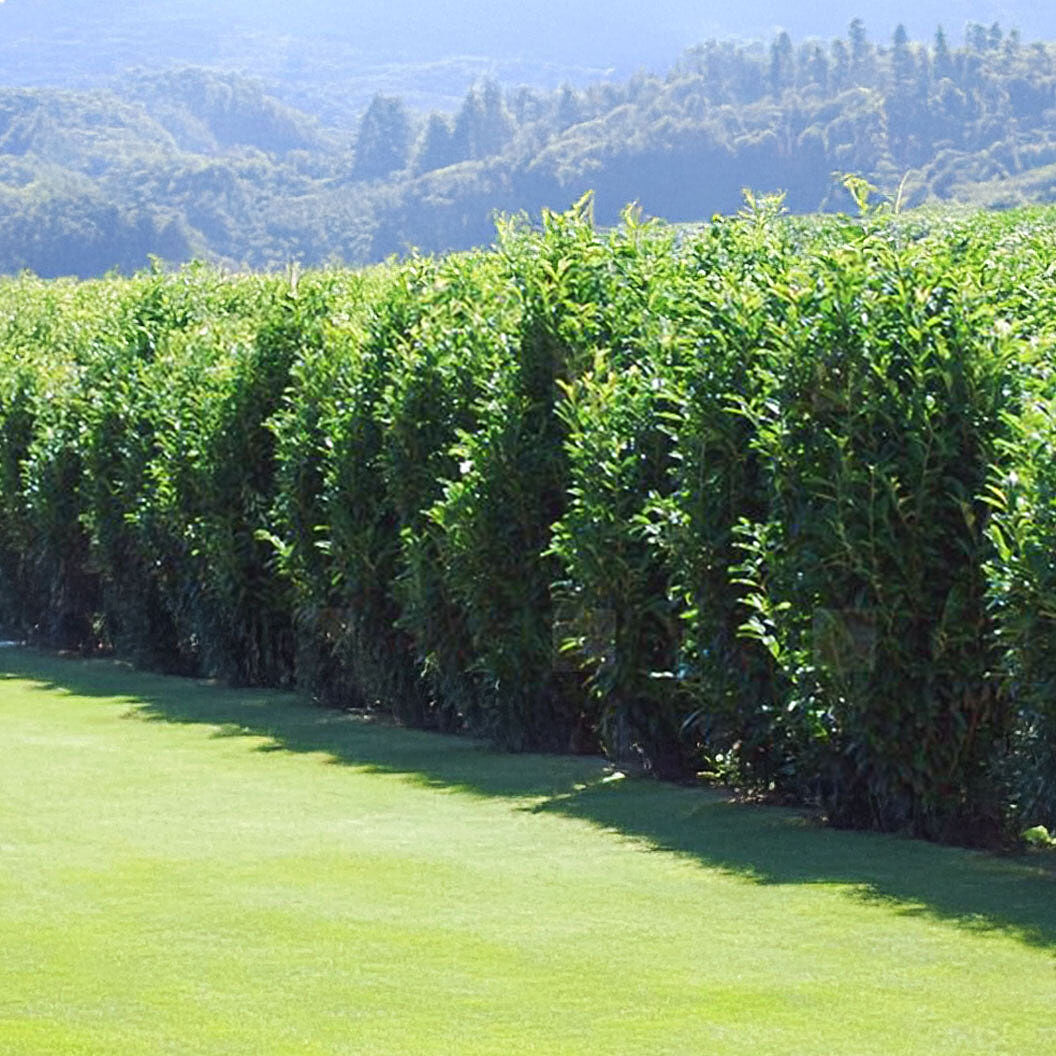
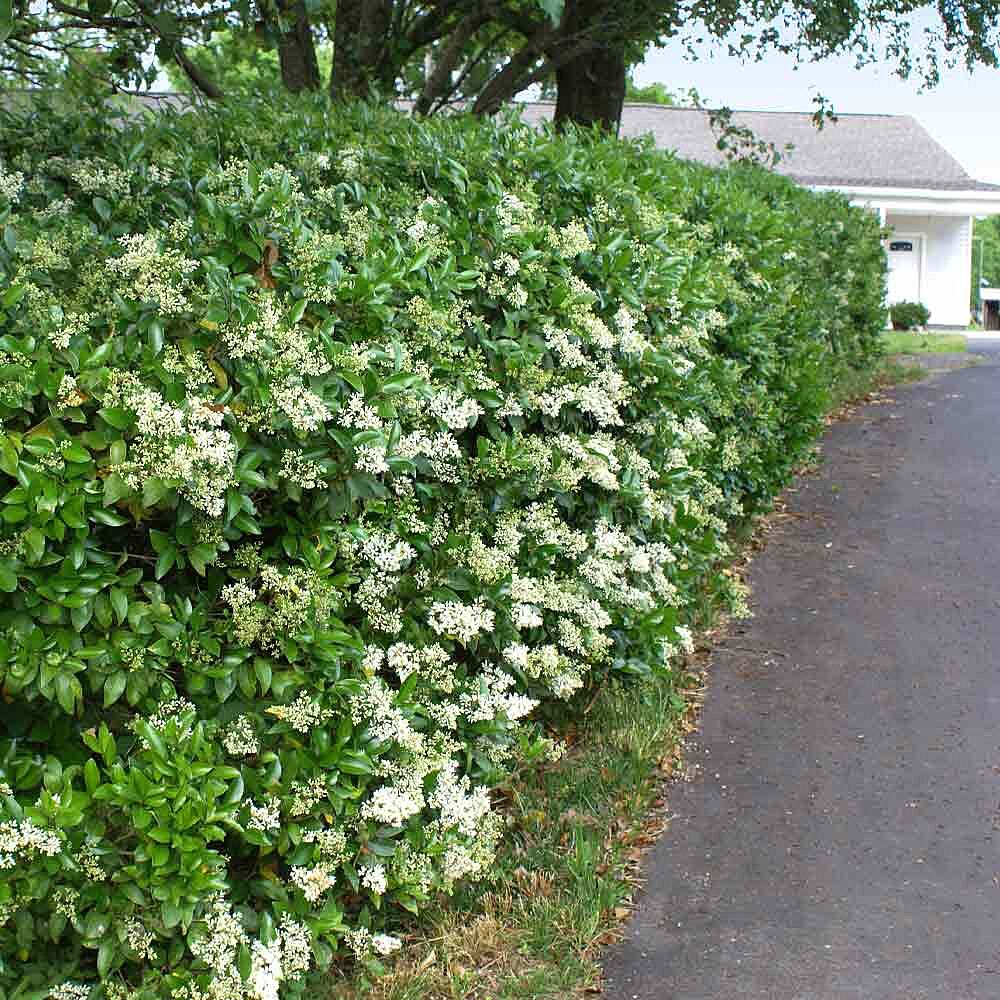
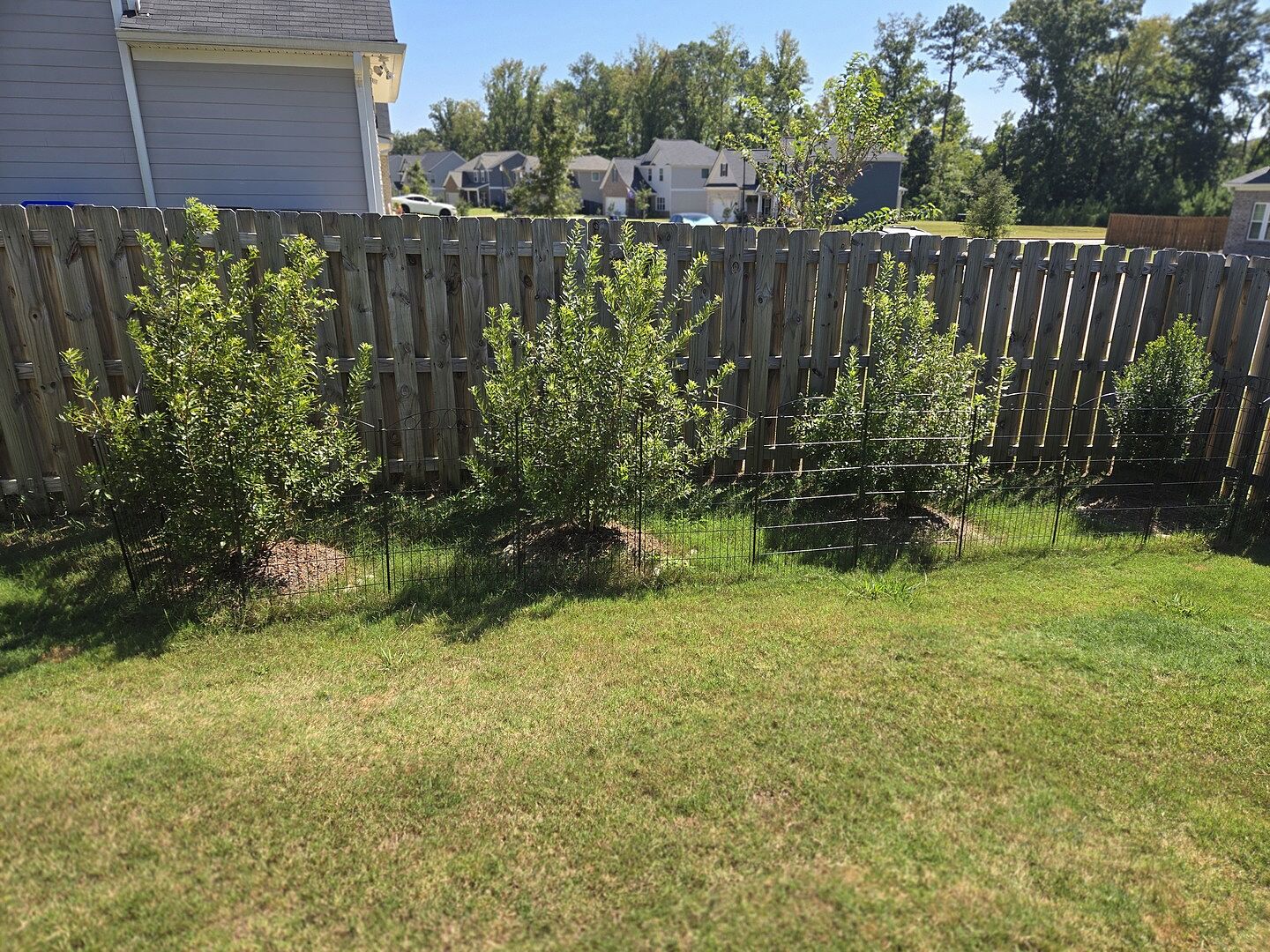
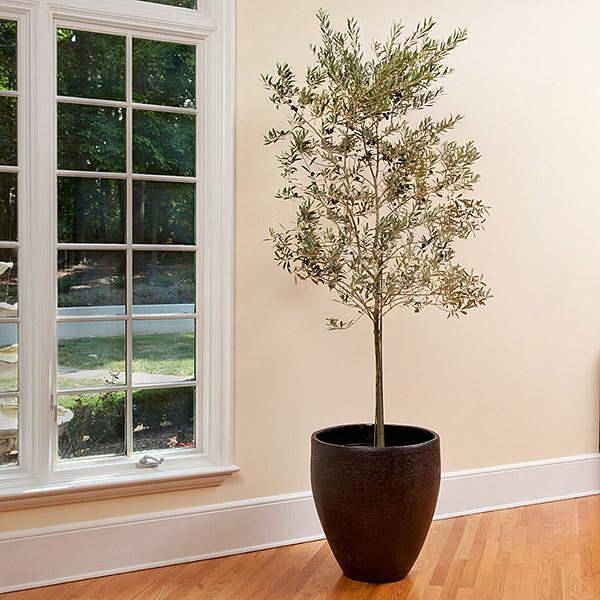
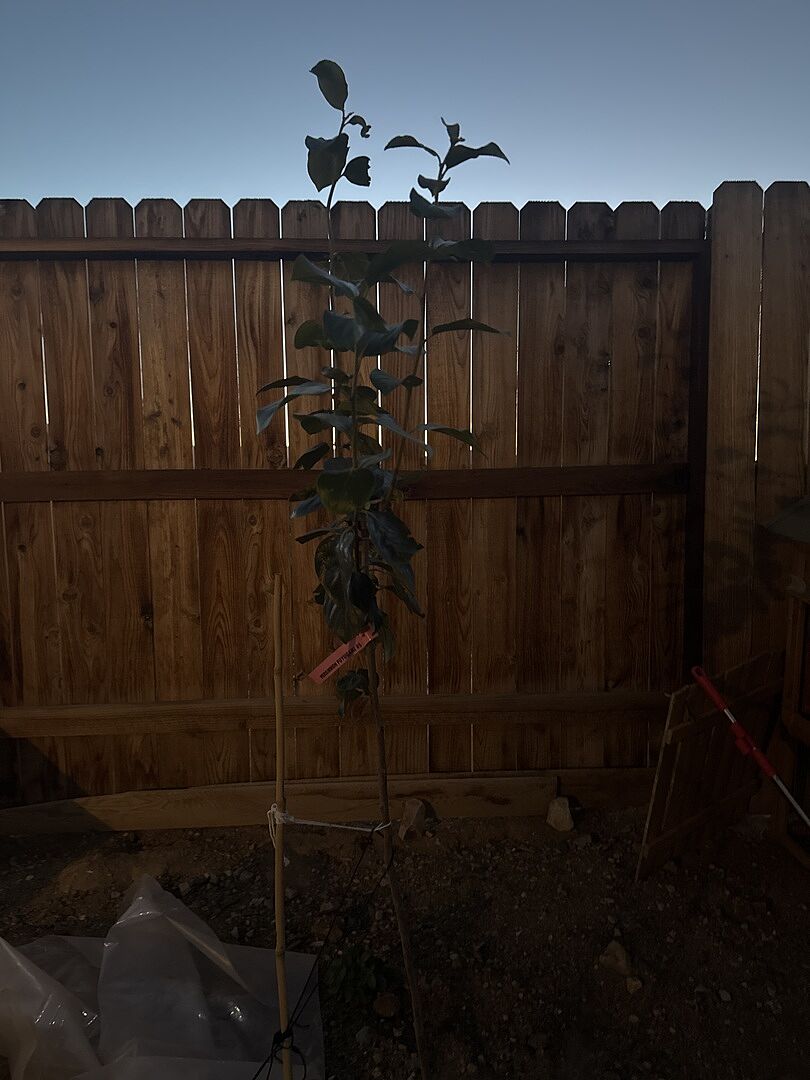
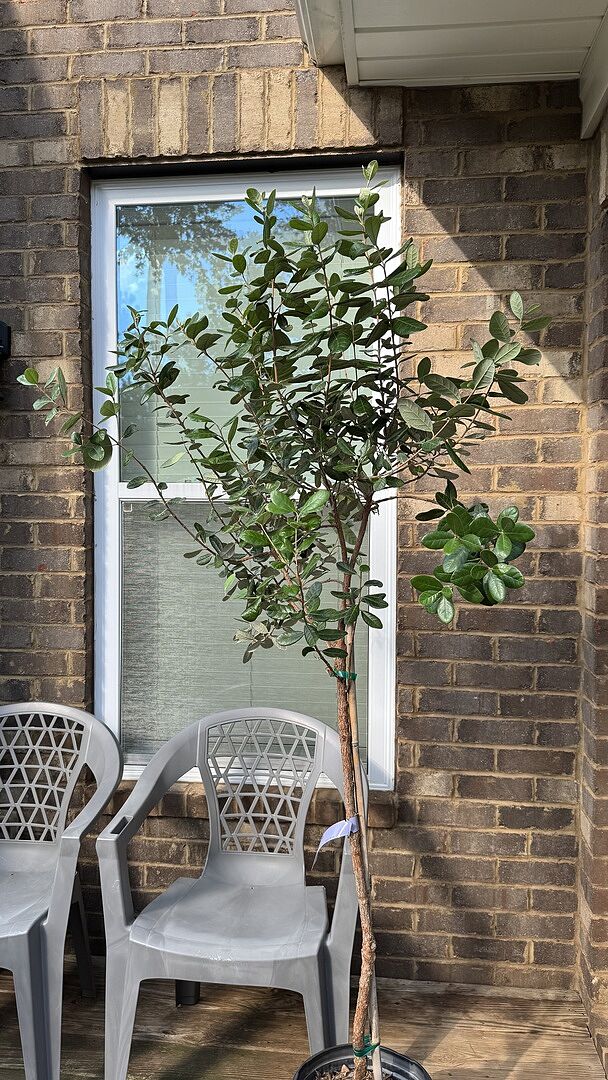
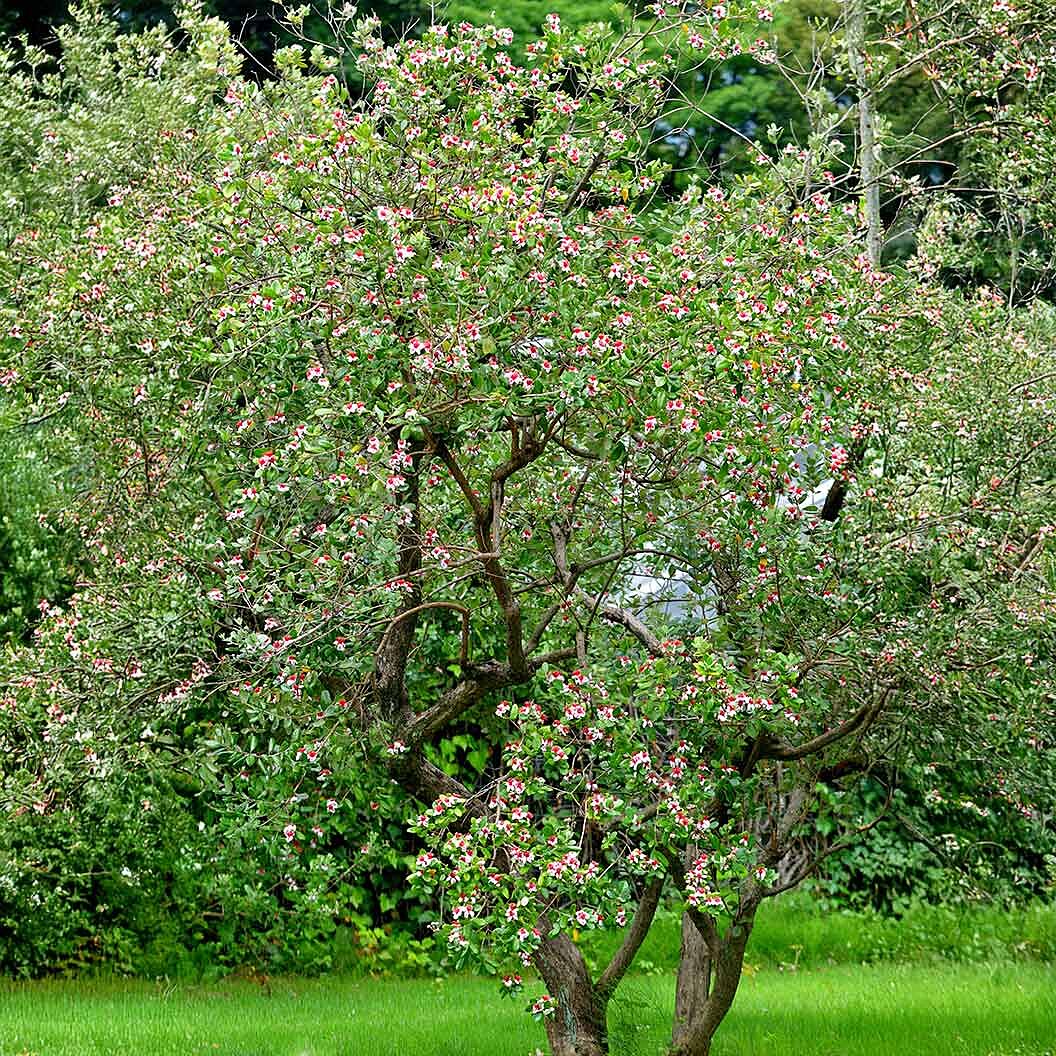
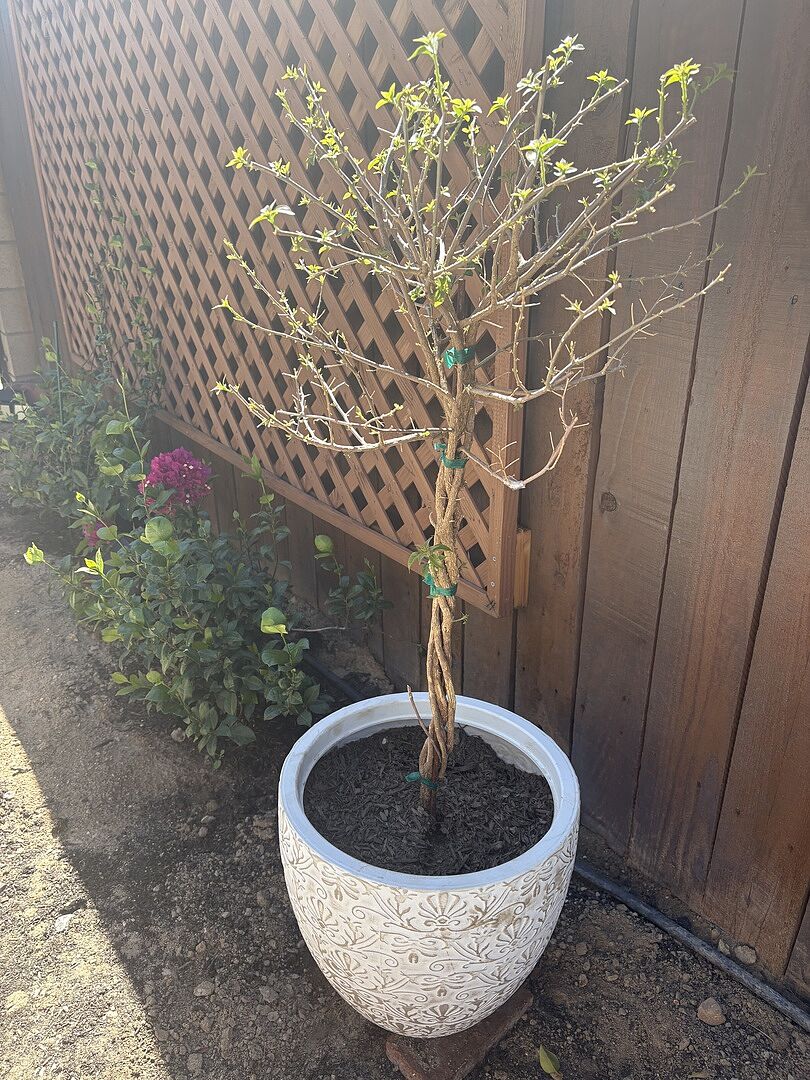
Pomegranates naturally grow as multi-stem shrubs, but with a little pruning, they train into a single-trunk tree just as easily. A shrub form stays low and bushy, which makes it a good fit for compact spaces, hedges, or a fence line planting. A tree form gives you a defined trunk, a more traditional look, and easier access underneath for lawn care or seating. Both forms produce the same fruit. The choice comes down to how you want the plant to look and fit your yard, not which one grows better pomegranates.
When to Plant Pomegranate Trees
Generally, you should plant your Poms in early spring. However, you can also plant your Pomegranate Trees in pots to stay on the porch or move indoors nearly any time of year.
When to Harvest Pomegranates
Pomegranates ripen in fall, typically September through November depending on your climate. Unlike some fruit, a pomegranate won't keep ripening once it's picked, so timing matters. Look for fruit that's turned a deep, rich color and feels heavy for its size. A slight metallic sound when you tap it is a good sign the arils inside have filled in. Cut the fruit from the branch with pruning shears rather than pulling it, since pomegranate skin splits easily under stress.