Winter Planting Guide: How to Plant and Protect Trees and Shrubs This Winter

Last updated: Nov 11 2026

Key takeaways
Plant trees and shrubs in winter in warmer zones, only when the soil is workable, then water deeply and mulch to help roots settle in during dormancy.
Protect new plantings from frost cracks, windburn, and heavy snow by wrapping trunks, insulating roots with mulch, and covering plants before hard freezes.
Water newly planted trees and shrubs during dry winter spells when the ground isn’t frozen, checking soil moisture first to avoid overwatering.
Winter looks quiet, but it’s not a season off. Dormant plants aren’t pushing out new growth, which makes planting easier on them, and where the ground stays workable, winter can be a good time to plant. Where it freezes solid, it’s the season to protect what you’ve already planted and get ready for spring.
This guide covers when you can plant in winter, how to care for new plants through the cold, and the simple steps that keep trees and shrubs healthy until the weather turns.
Can You Plant in Winter?
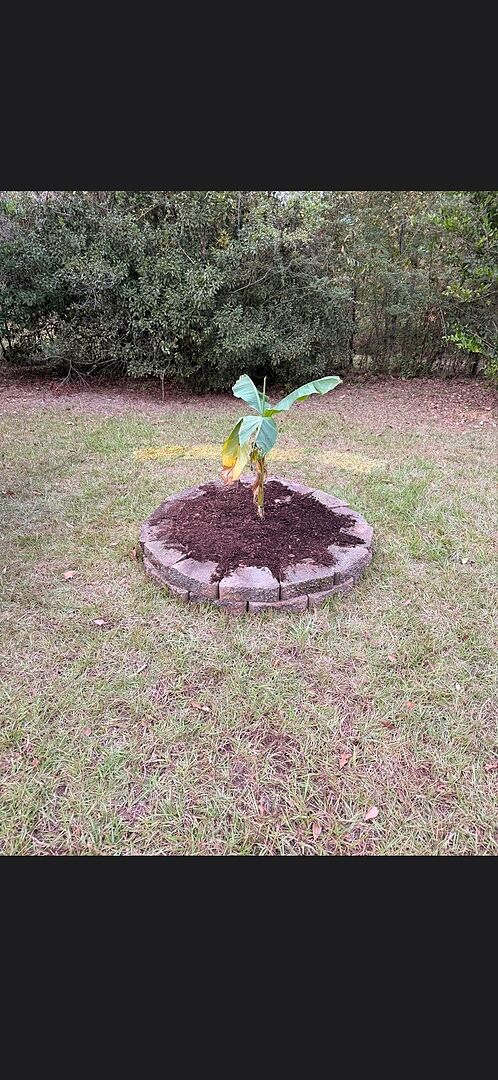
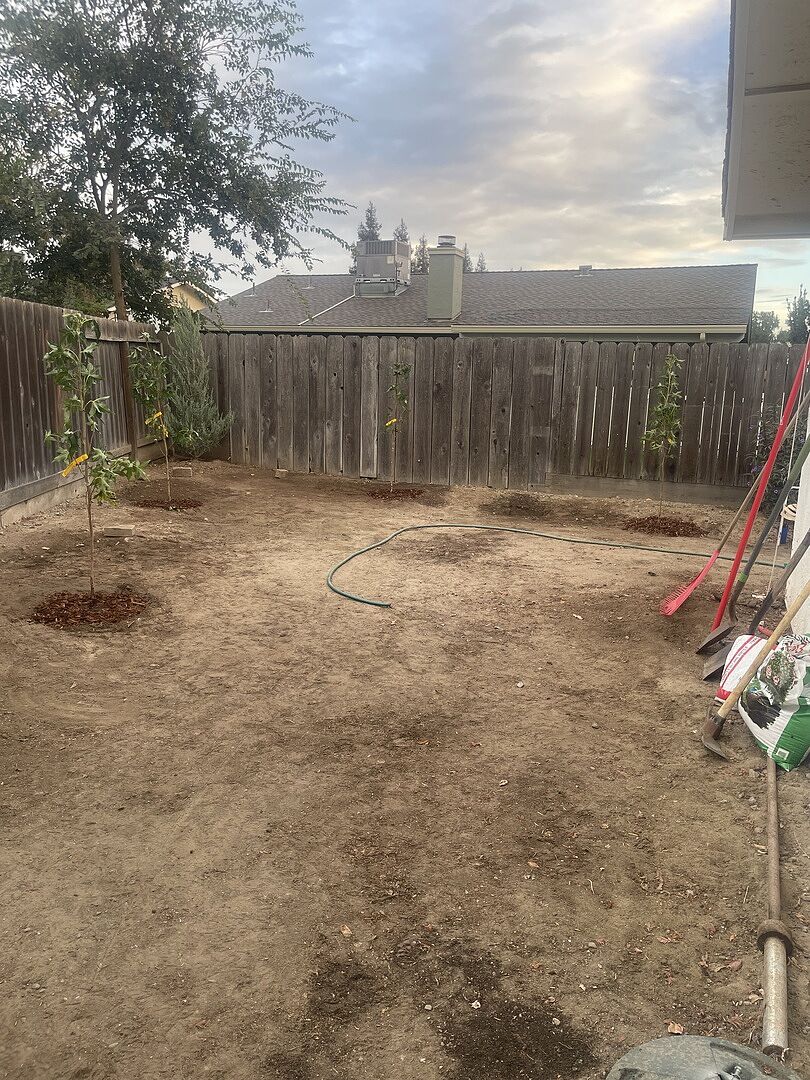
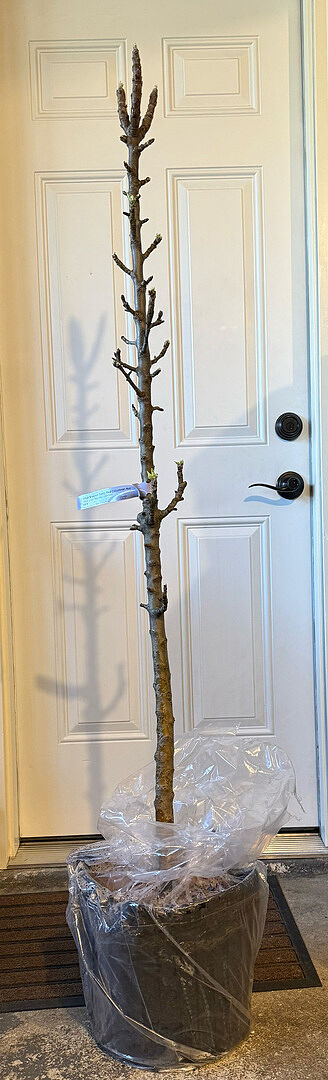
Yes, as long as the ground isn’t frozen. Dormant trees and shrubs aren’t growing leaves or new shoots, so they can focus on settling in. In milder climates, that makes winter a workable planting window. In colder zones, the ground may stay frozen for weeks, and it’s best to wait for a thaw.
A simple test: if you can dig a hole at least 1 foot in depth without hitting frozen soil, you can plant. Check our Hardiness Zone Map and first and last frost dates by zone to see what winter looks like where you live.
If Your Plants Arrive and the Ground Is Frozen
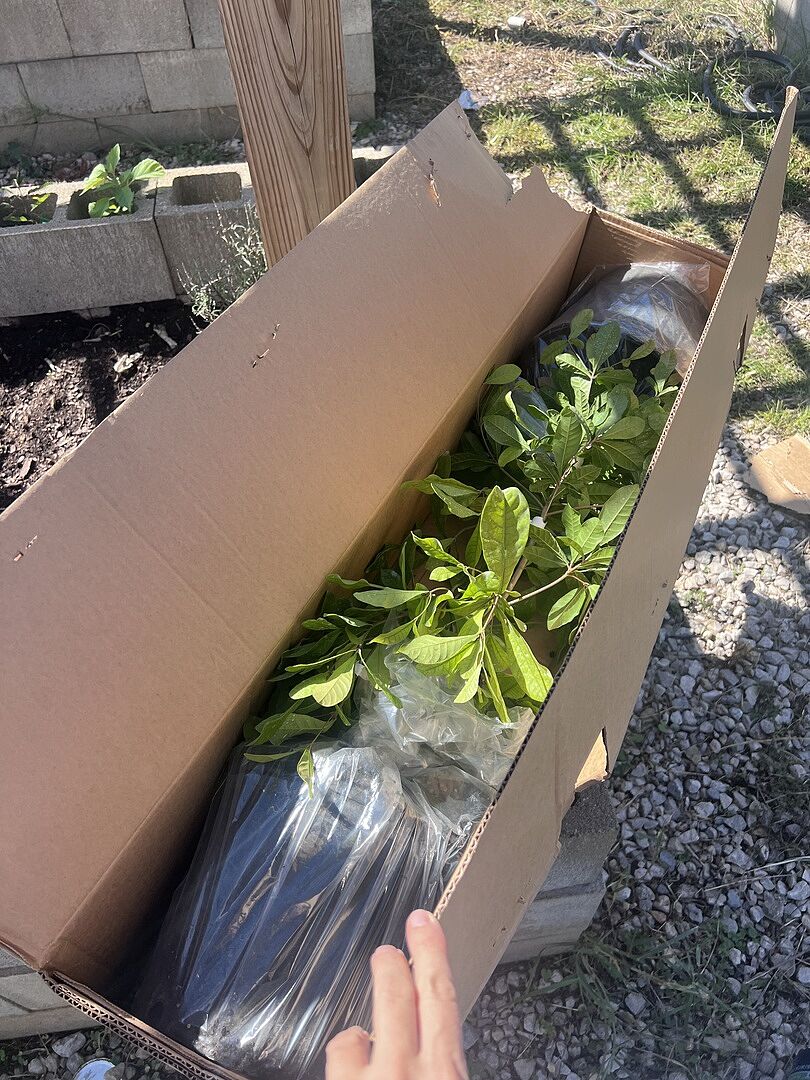
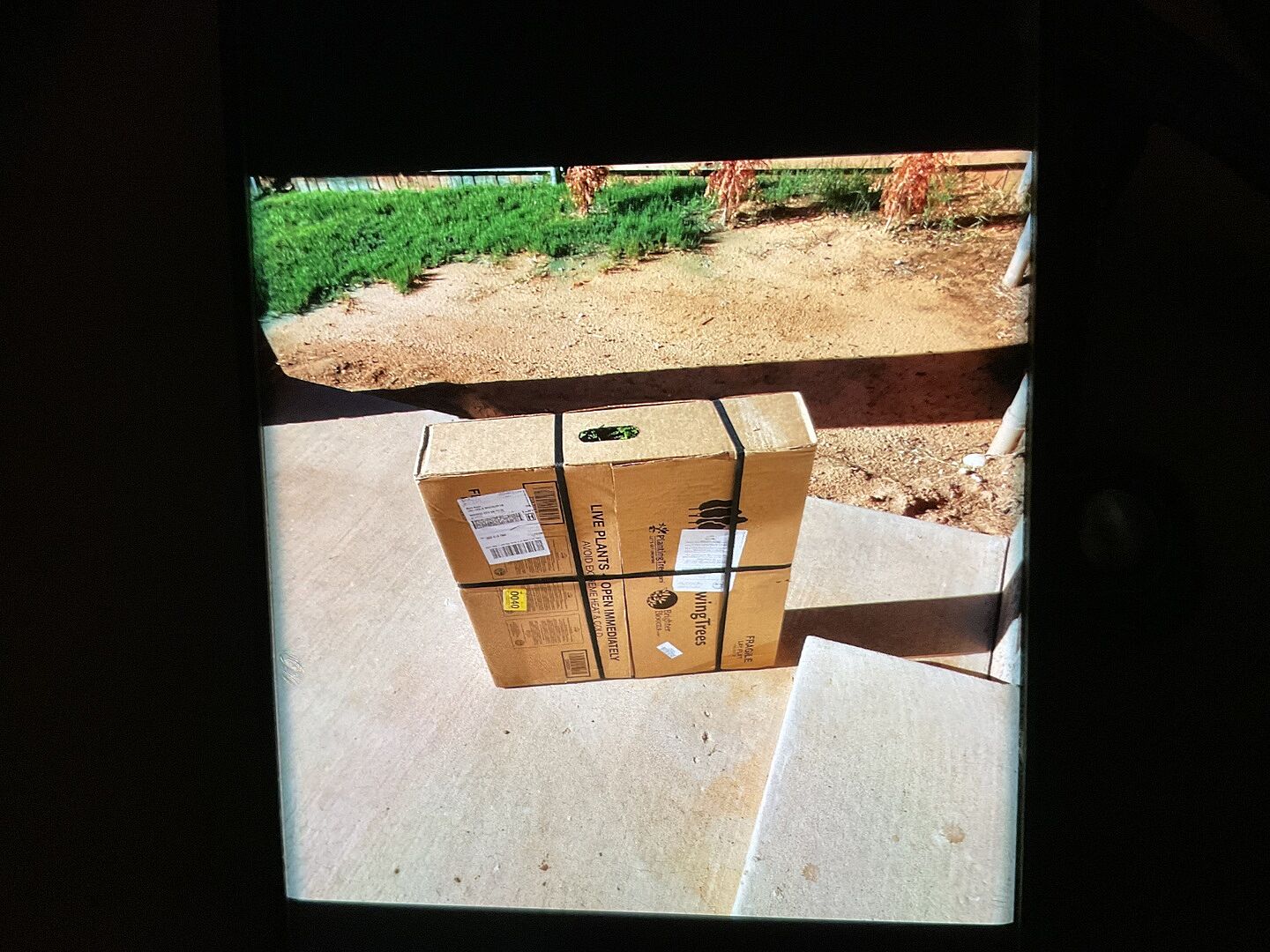
Don’t worry, your plants can wait a little while. Here’s how to hold them:
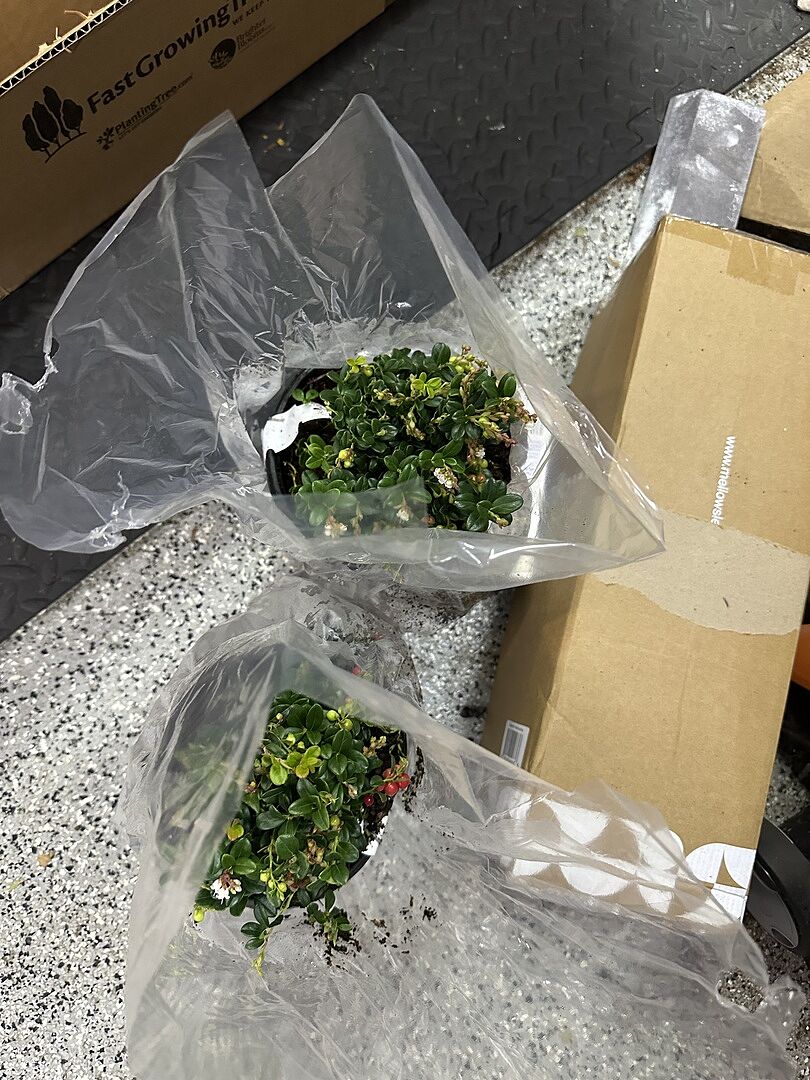
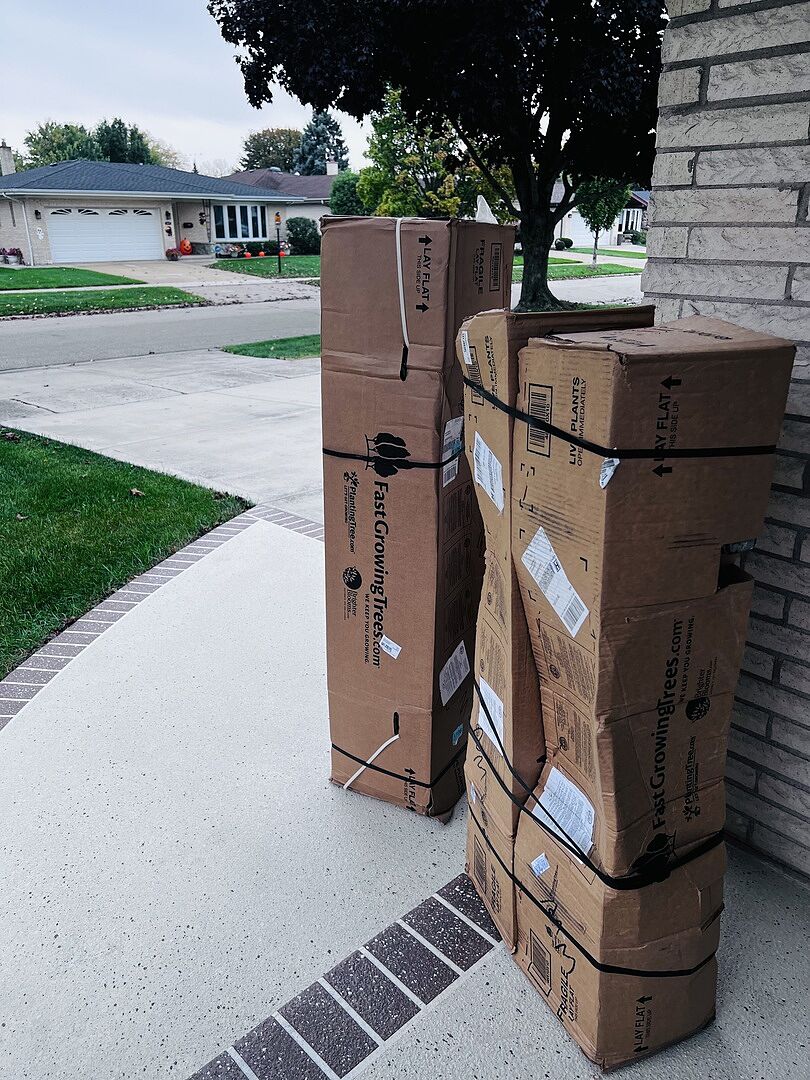
- Unbox them right away
- Keep them in a sheltered spot out of the wind, like against the house or in an unheated garage
- Check soil moisture and water lightly if it feels dry
- Skip the warm house, since hardy plants can wake from dormancy too early indoors
- Plant as soon as the ground thaws
How to Plant in Winter
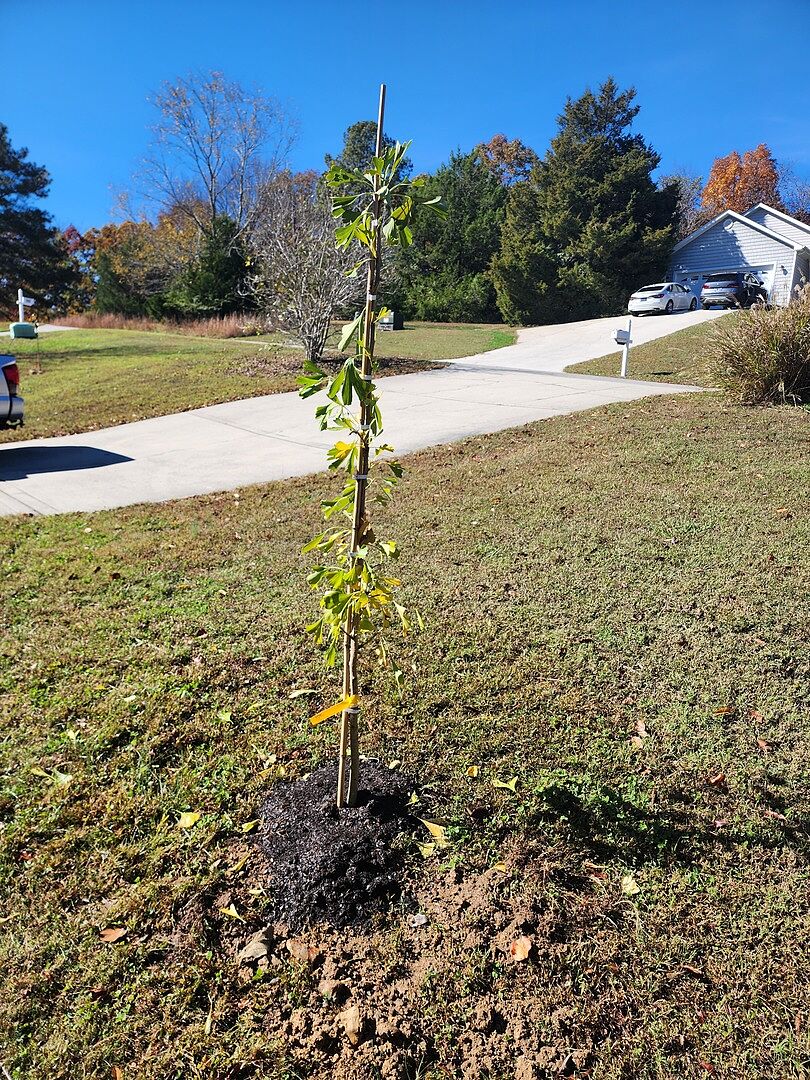
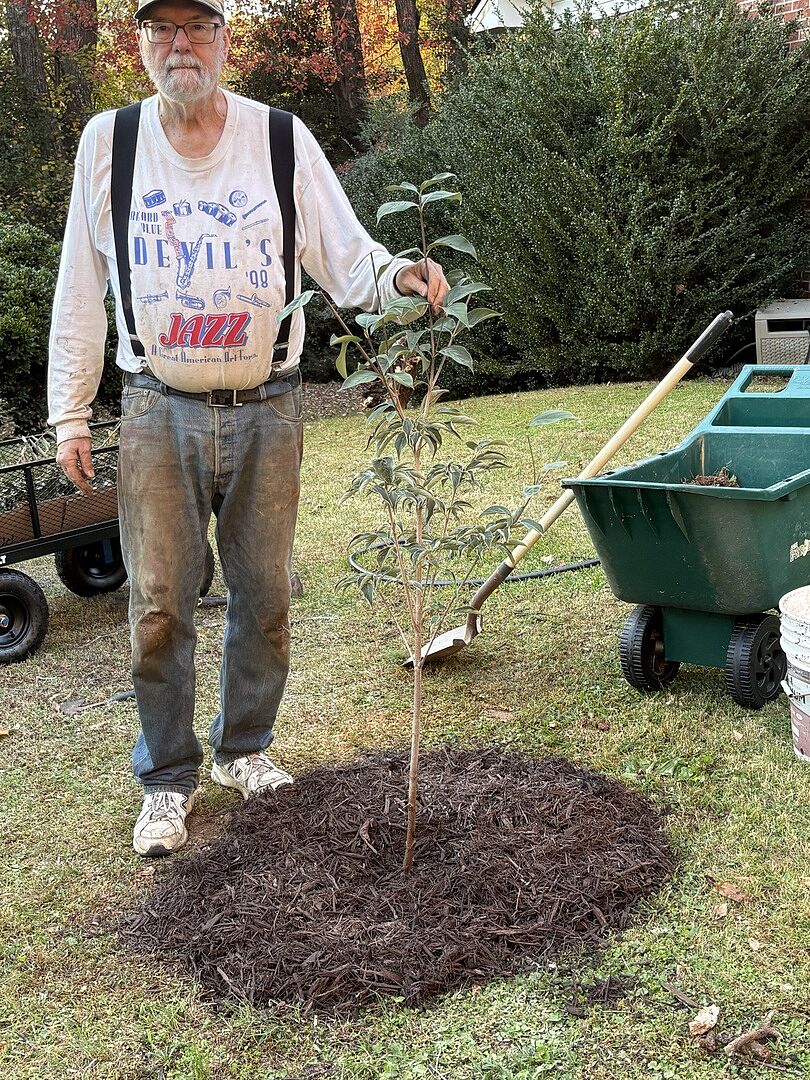
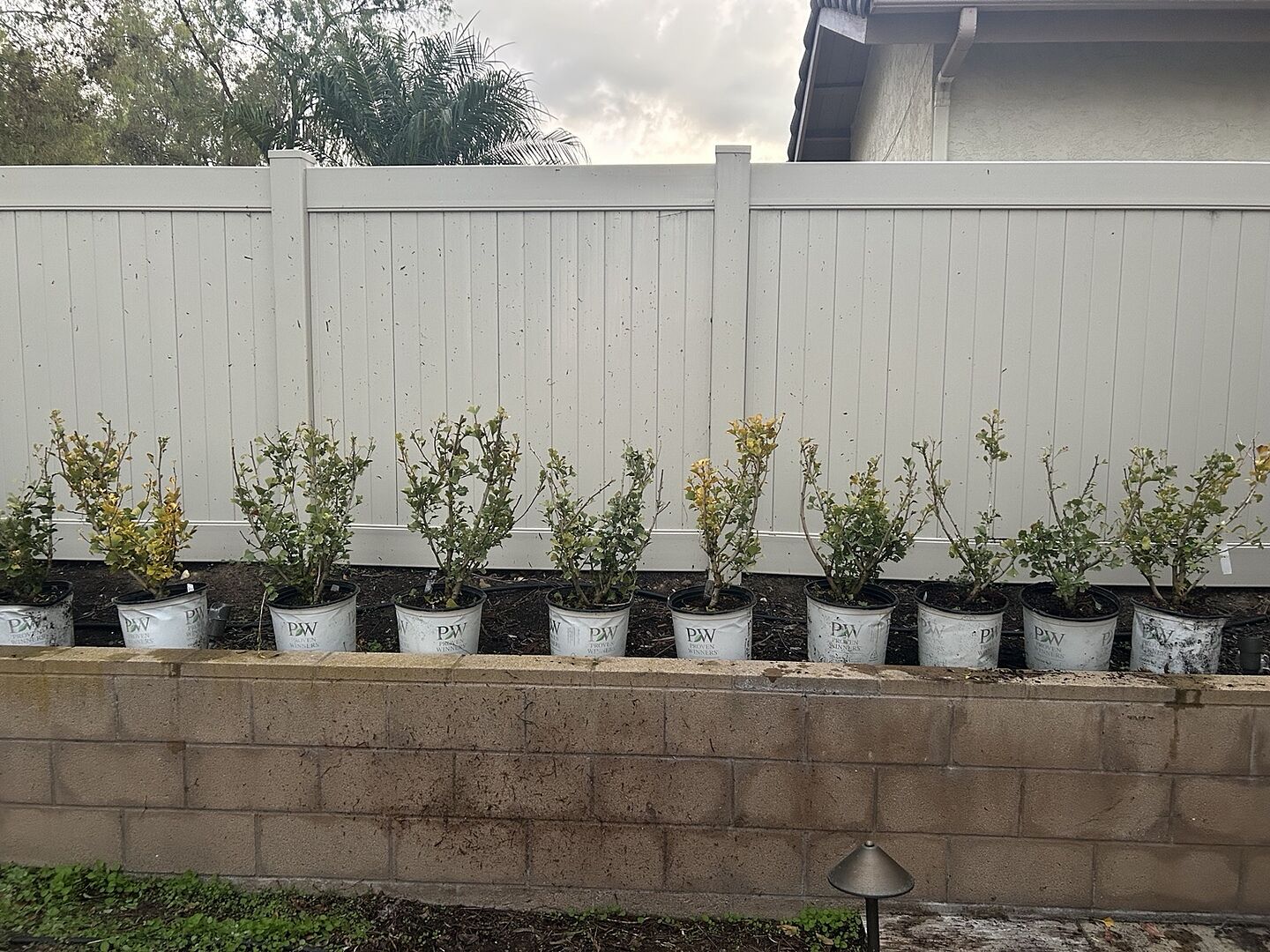
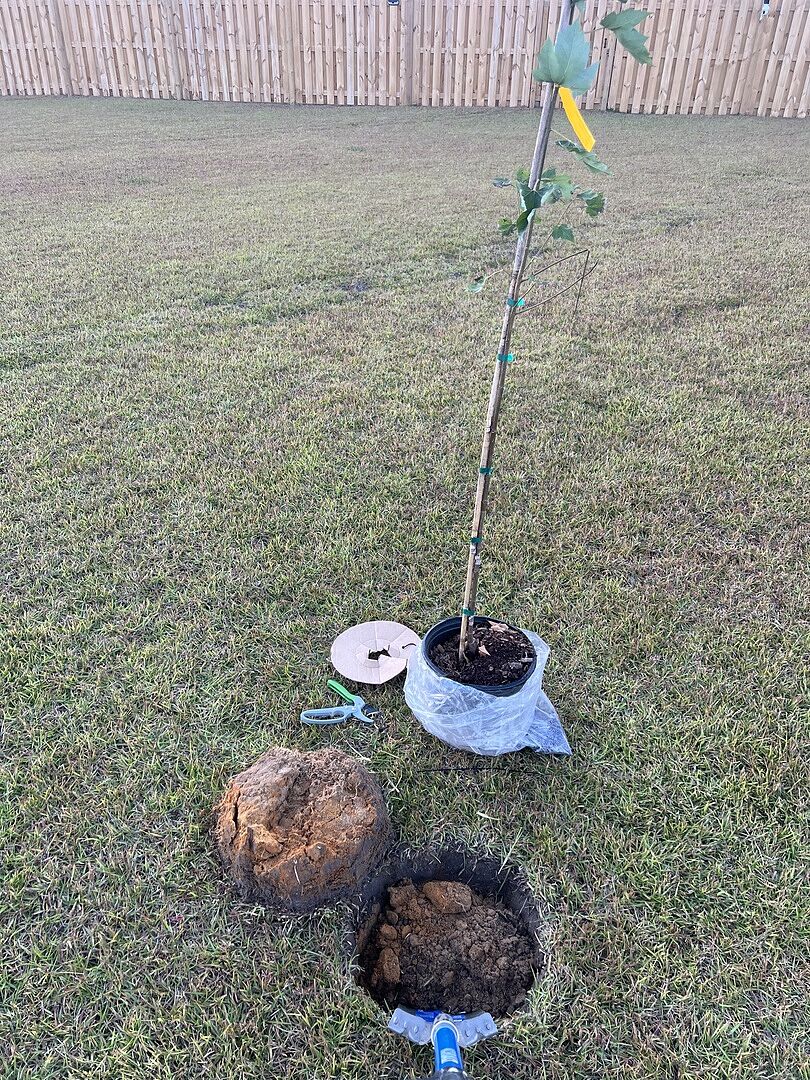
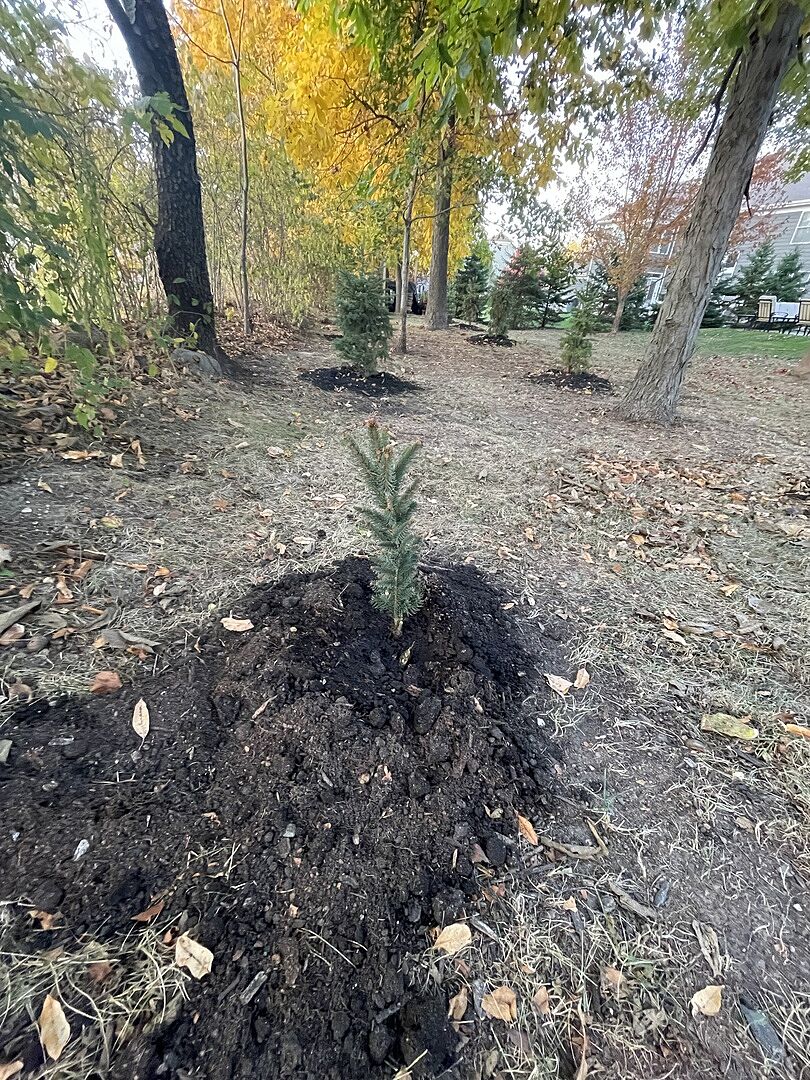
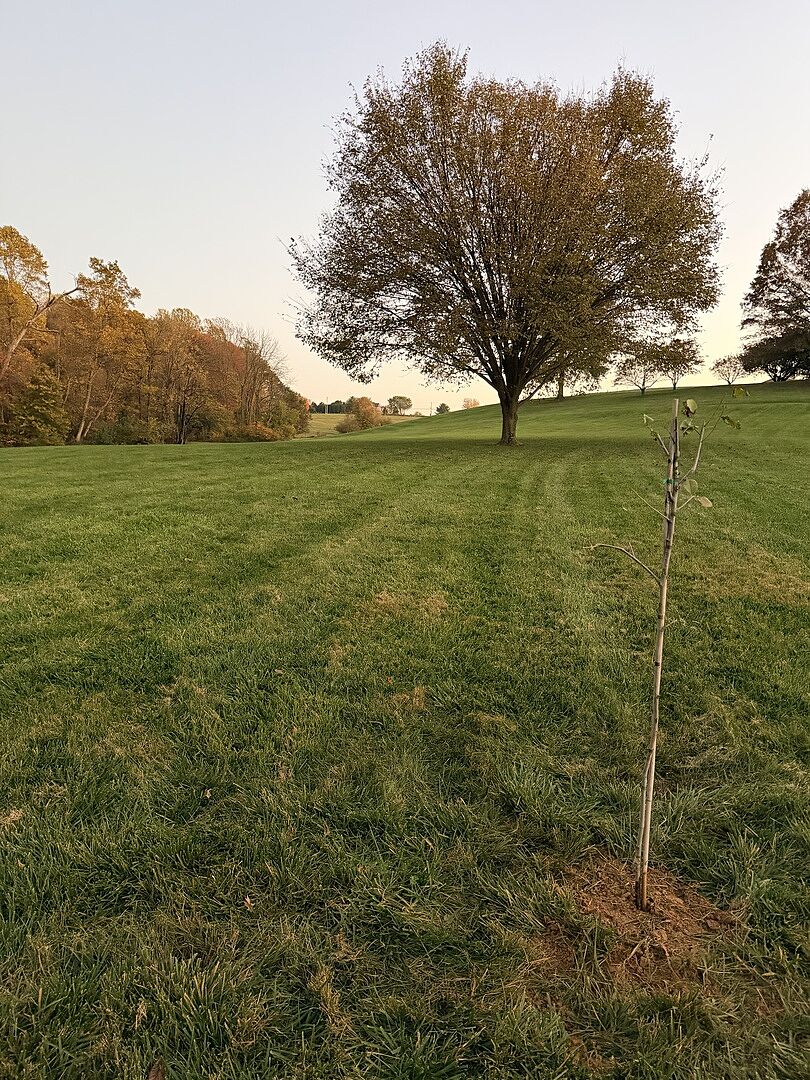
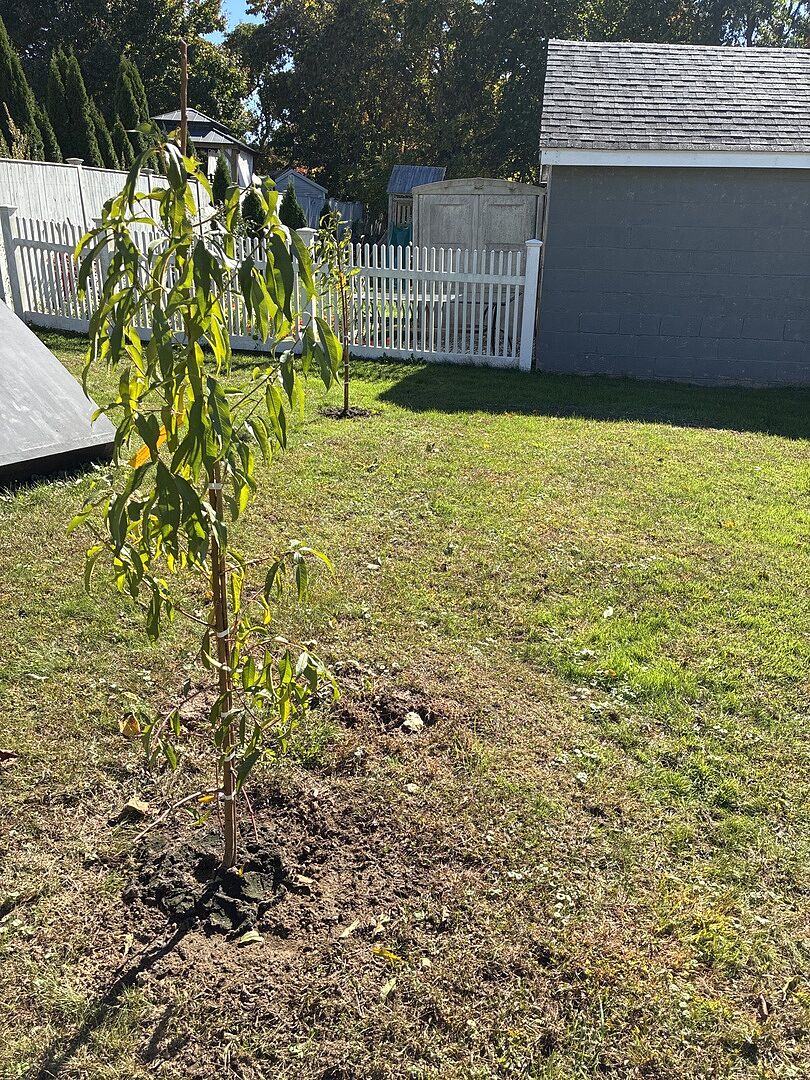
When the soil is workable, planting works the same as any other season:
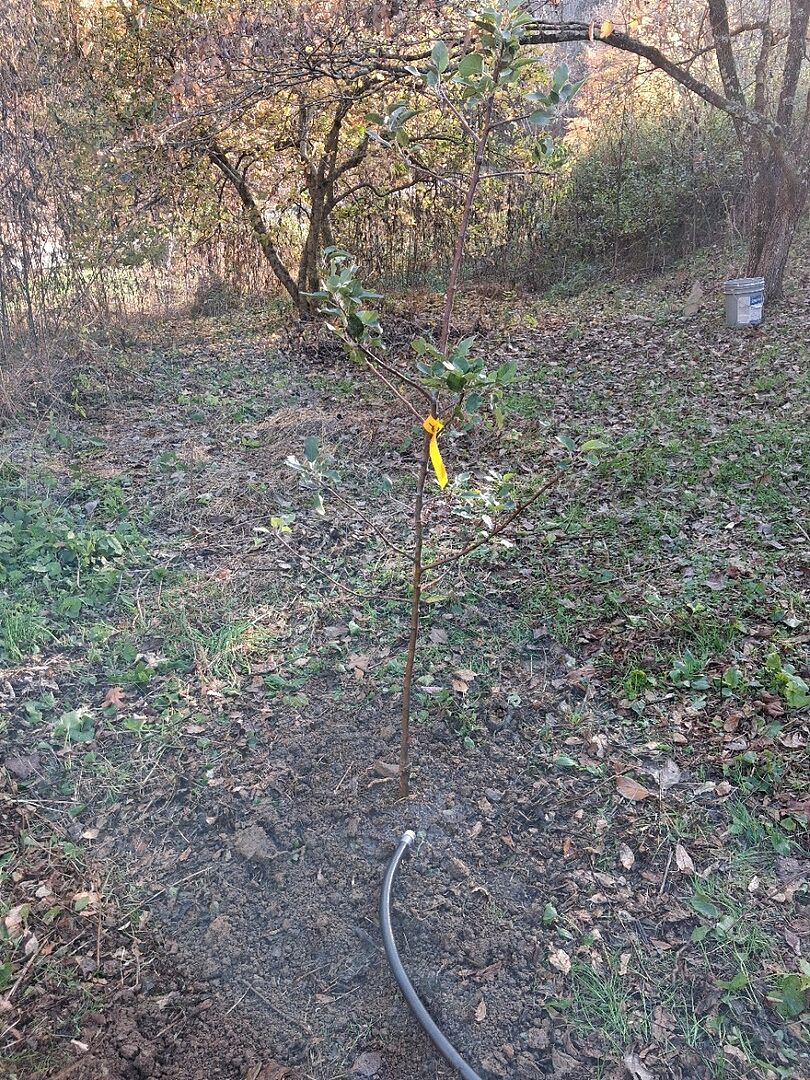
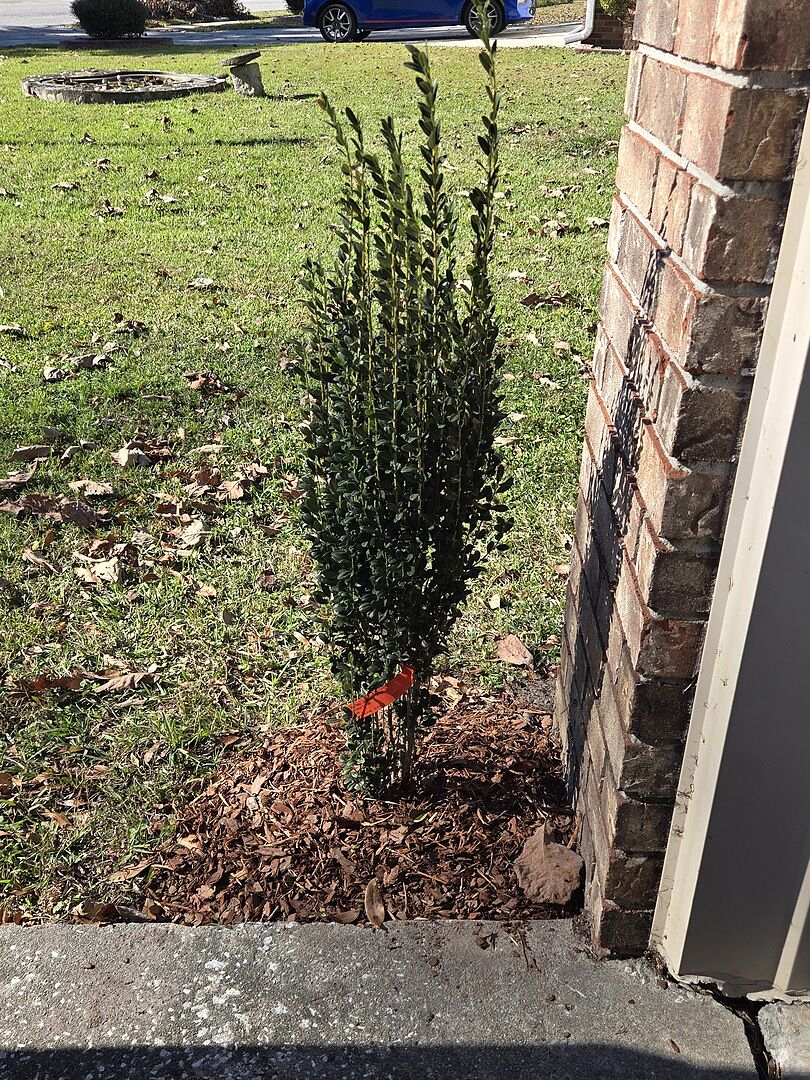
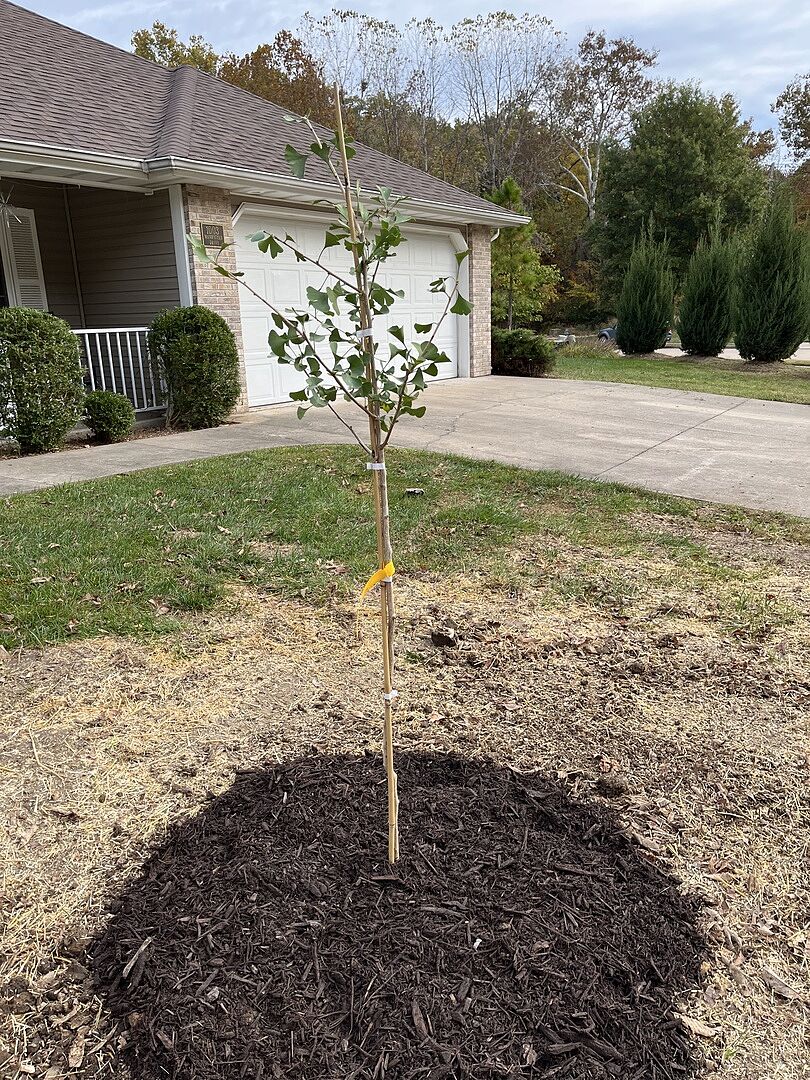
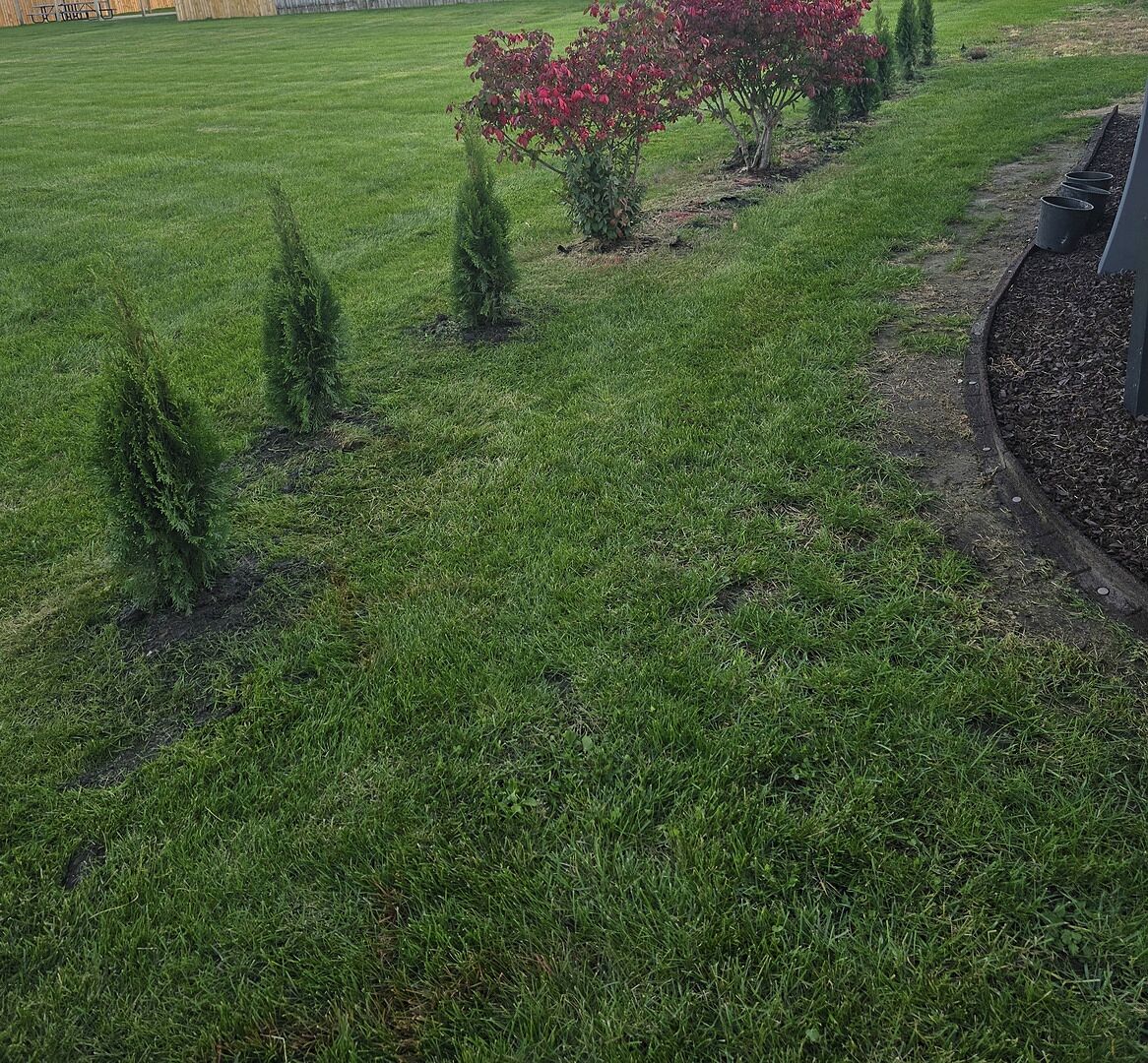
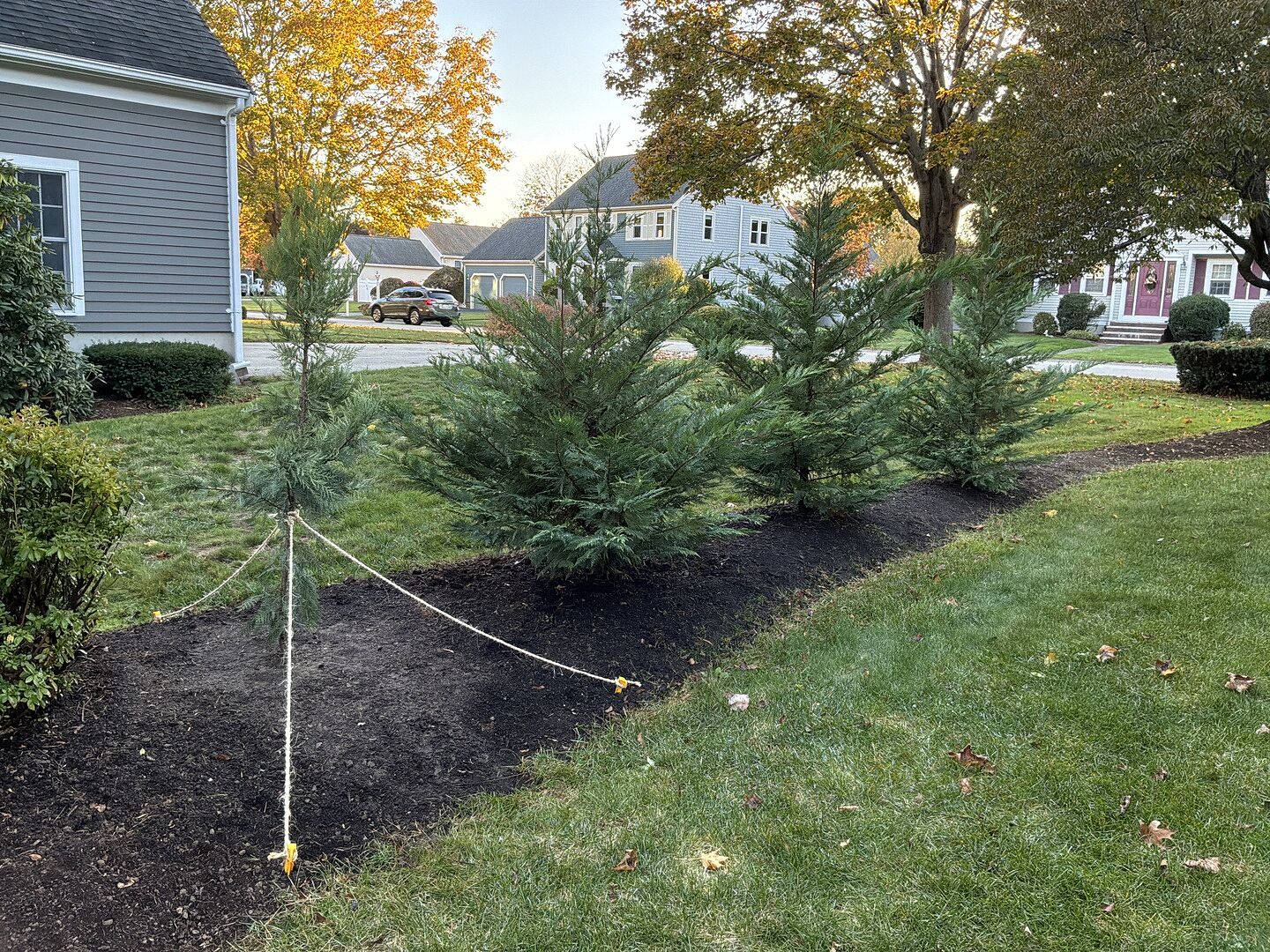
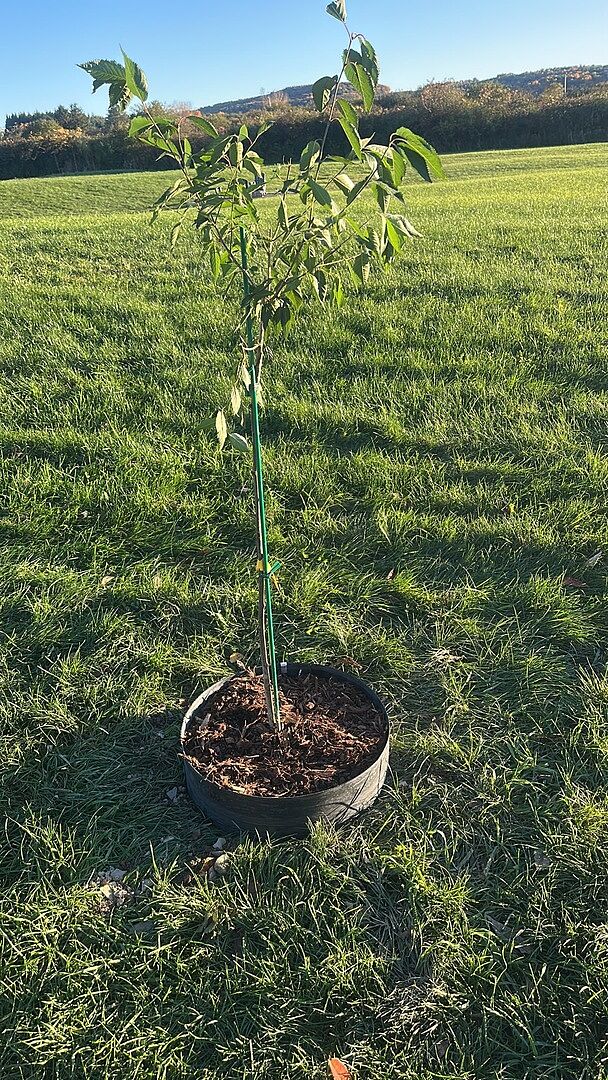
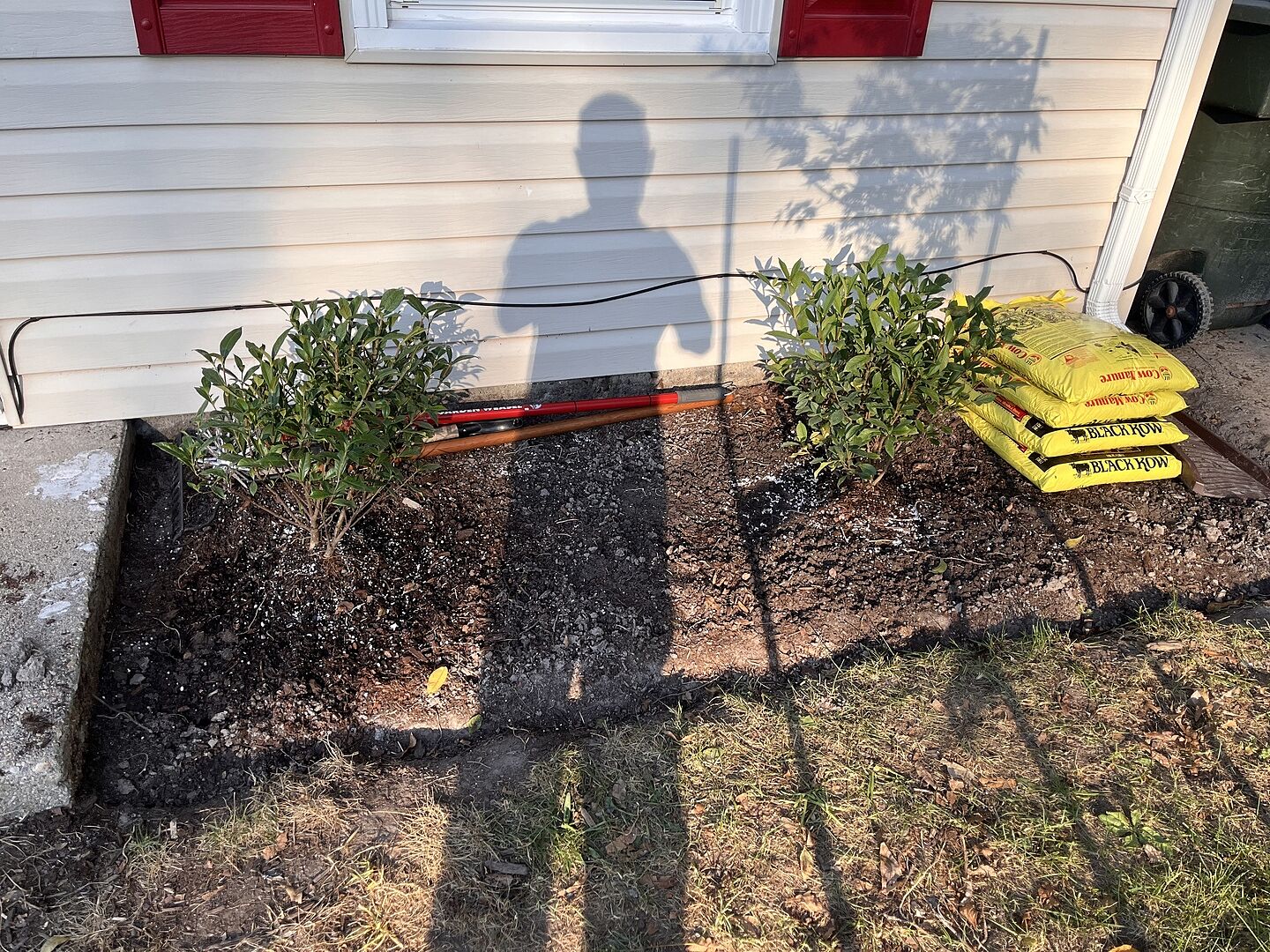
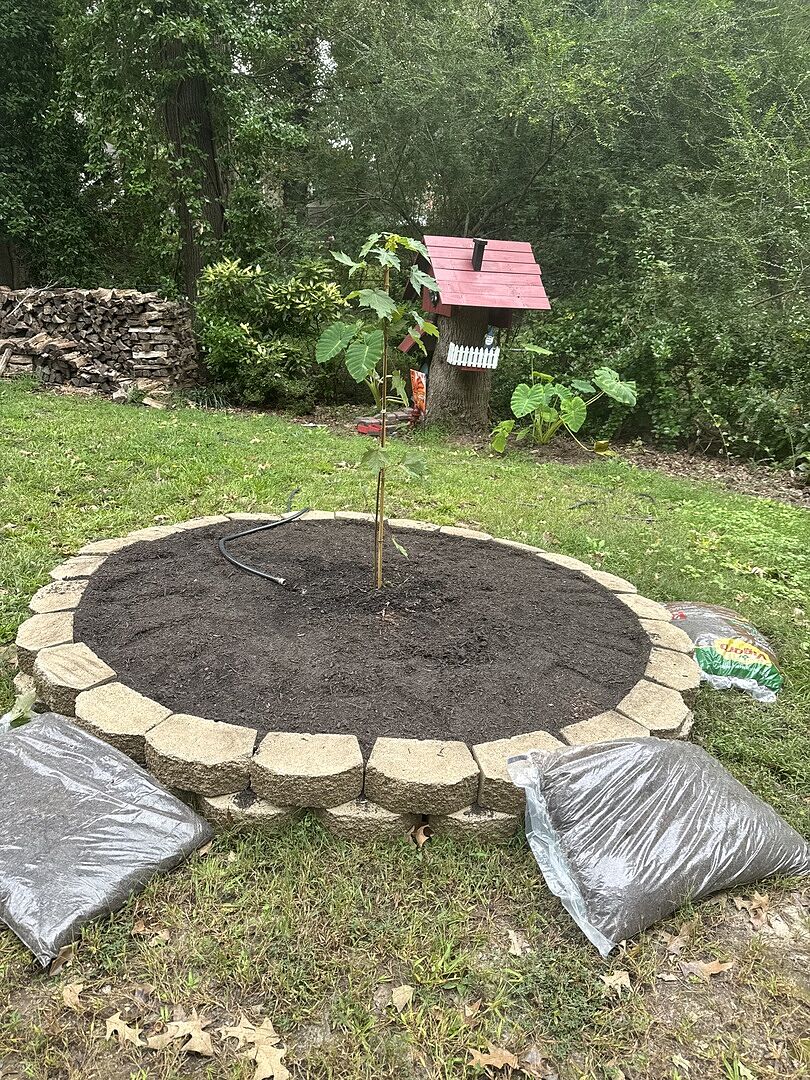
- Dig a hole twice as wide and just as deep as the root ball.
- Place the plant in the hole, holding it straight.
- Backfill with a mix of 50/50 native soil and organic compost, tamping down as you fill to avoid air pockets.
- Water deeply.
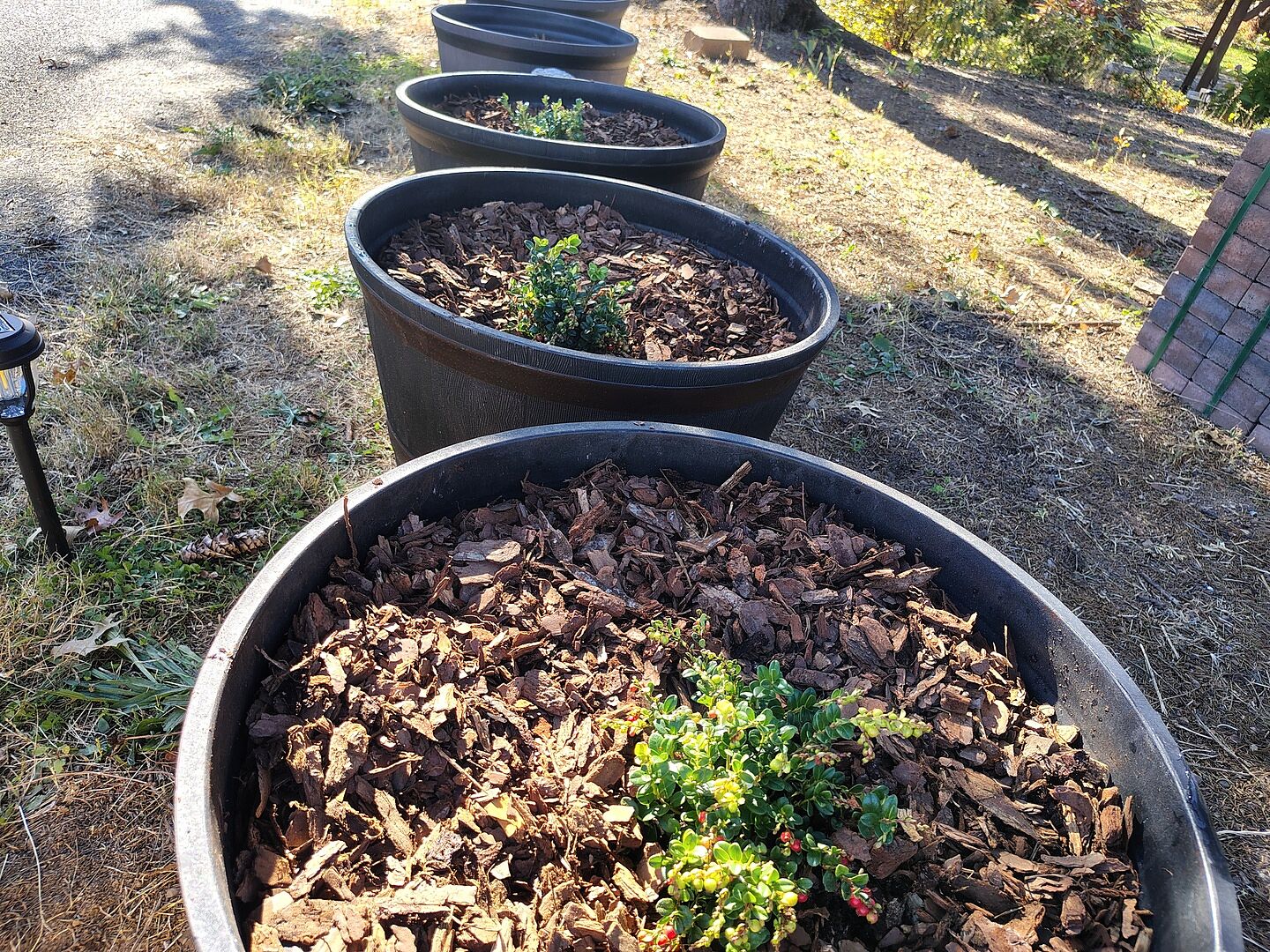
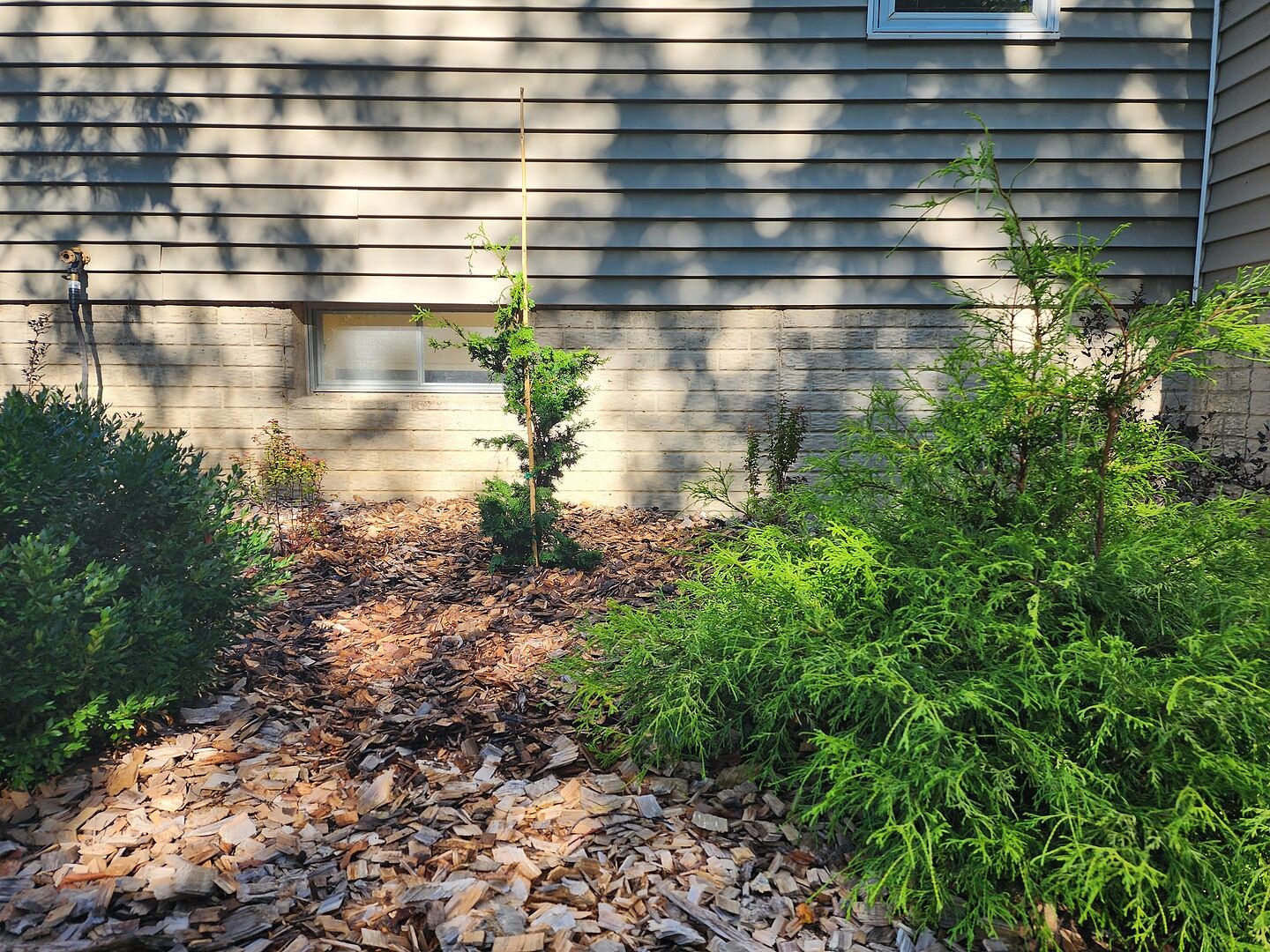
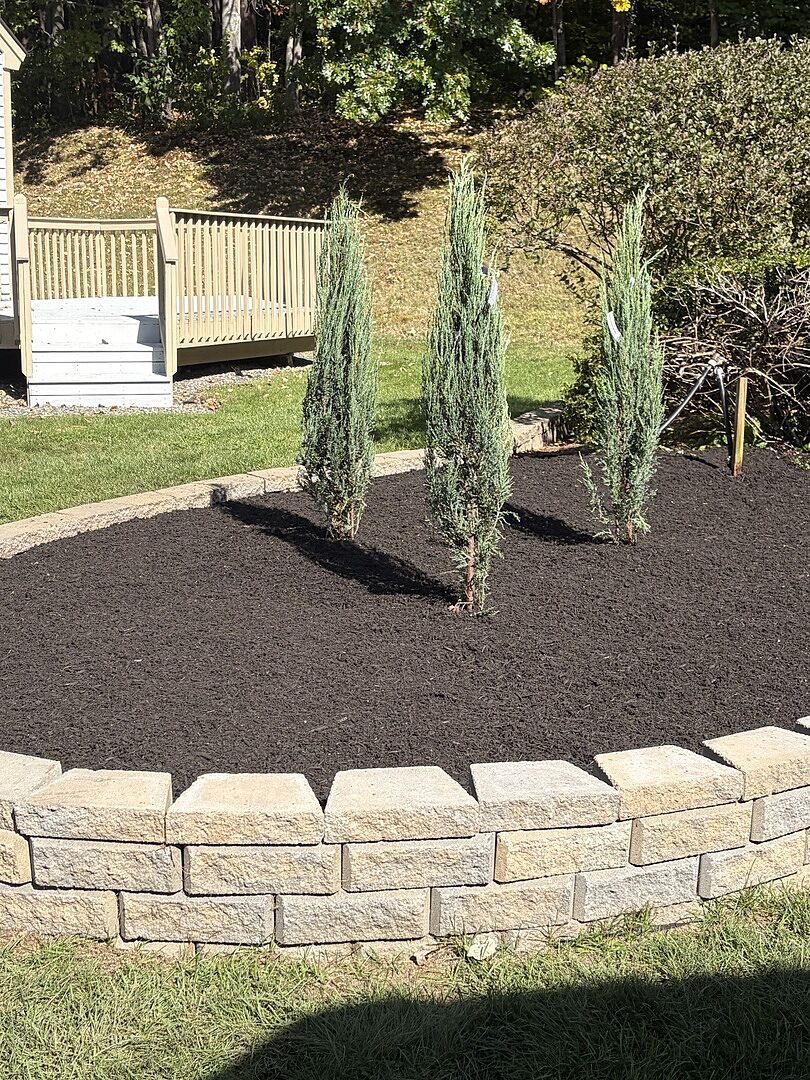
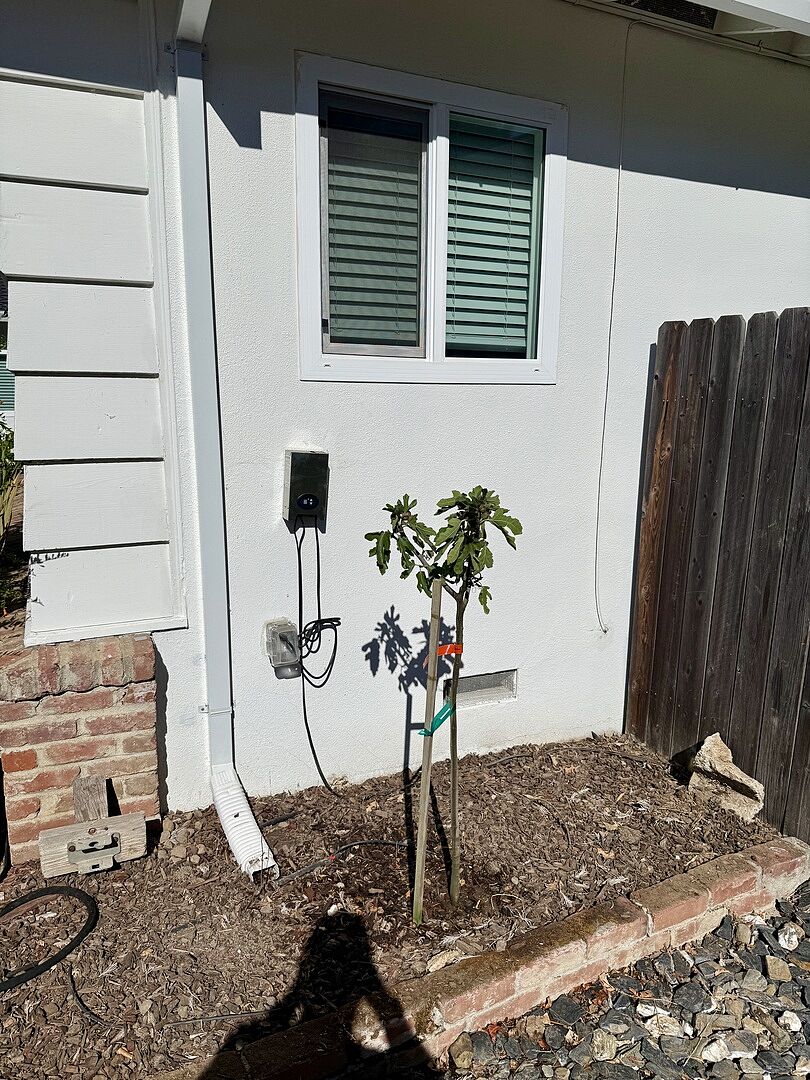
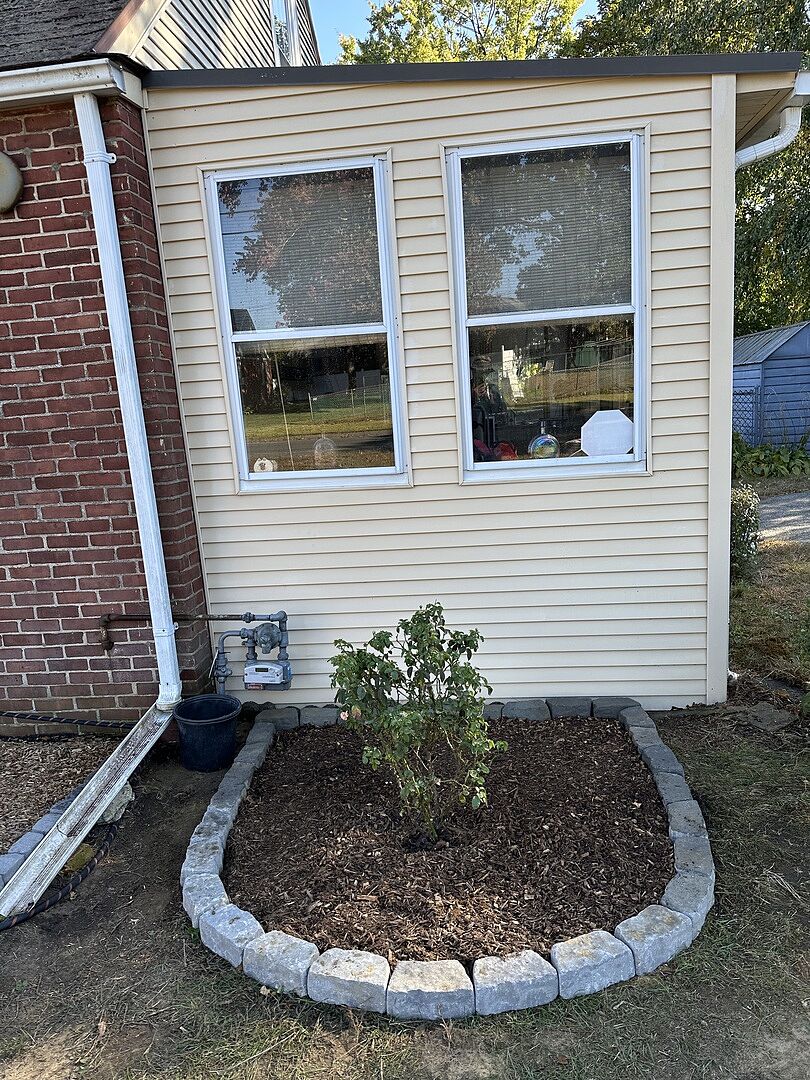
- Cover with 2 to 3 inches of mulch, keeping it away from the base of the plant.
Winter Watering for New Plants
Water newly planted trees and shrubs during dry winter periods when the ground isn’t frozen. Roots are still active in cool soil, and dry winters can stress young plants.
- Check soil moisture before watering rather than following a schedule
- Water deeply, not often. Cold soil stays wet longer, so overwatering is the bigger risk
- Water before a hard freeze if the soil is dry, since frozen ground blocks water from reaching roots. This helps to prevent the water in the roots from freezing and allows the water in the ground to act as an insulator for the roots.
Mulch to Insulate Roots
Ground temperatures swing more than most people realize, and repeated freezing and thawing can cause frost heaving. That’s when the soil expands and contracts and pushes on roots, which can damage them. A layer of mulch, hay, or pine straw around the base evens out those swings.
Fallen leaves make great free mulch. Keep any mulch a few inches away from trunks and stems.
Prevent Frost Cracks and Sunscald
Warm winter days followed by freezing nights make bark expand and contract, which can cause long vertical or horizontal cracks called frost cracks. Sunscald, a similar condition, causes lesions in bark. Trees can usually survive both and often heal by the next growing season, but cracks leave them open to pests and disease.
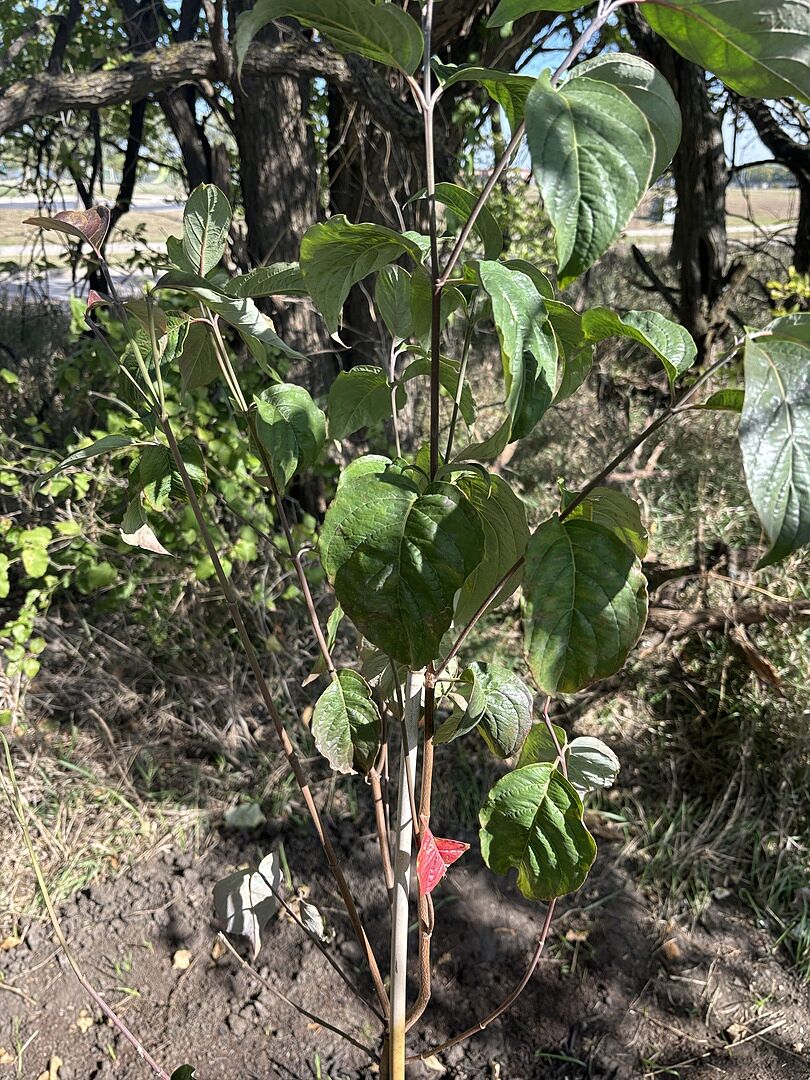
To prevent them, wrap young trunks with a light-colored, durable tree wrap that reflects sunlight. Remove it when consistently warm weather returns in spring.
Cover Plants Before a Hard Freeze
When a hard freeze is in the forecast, cover trees and shrubs the evening before. A bedsheet works in a pinch, or try a breathable frost cover like our Planket.
- Use breathable fabric, not plastic
- Don’t wrap too tightly. Plants still need airflow
- Remove covers once temperatures rise consistently about 50 degrees Fahrenheit
If you have snow, leave it. Snow insulates soil and roots better than you’d expect. Just avoid salt and chemical de-icers near plants, since roots absorb salt and it can damage foliage.
Protect Plants From Snow, Ice, and Wind
Snow and ice add serious weight to branches, especially on young trees.
- For evergreens, tie branches gently upward toward the trunk, about one third and two thirds of the way down from the top
- For deciduous trees, burlap helps spread the weight of ice and snow more evenly
- After a storm, gently knock snow and ice off branches. Branches are brittle in the cold, so go slowly
- If a branch breaks, make a clean cut rather than leaving a jagged break
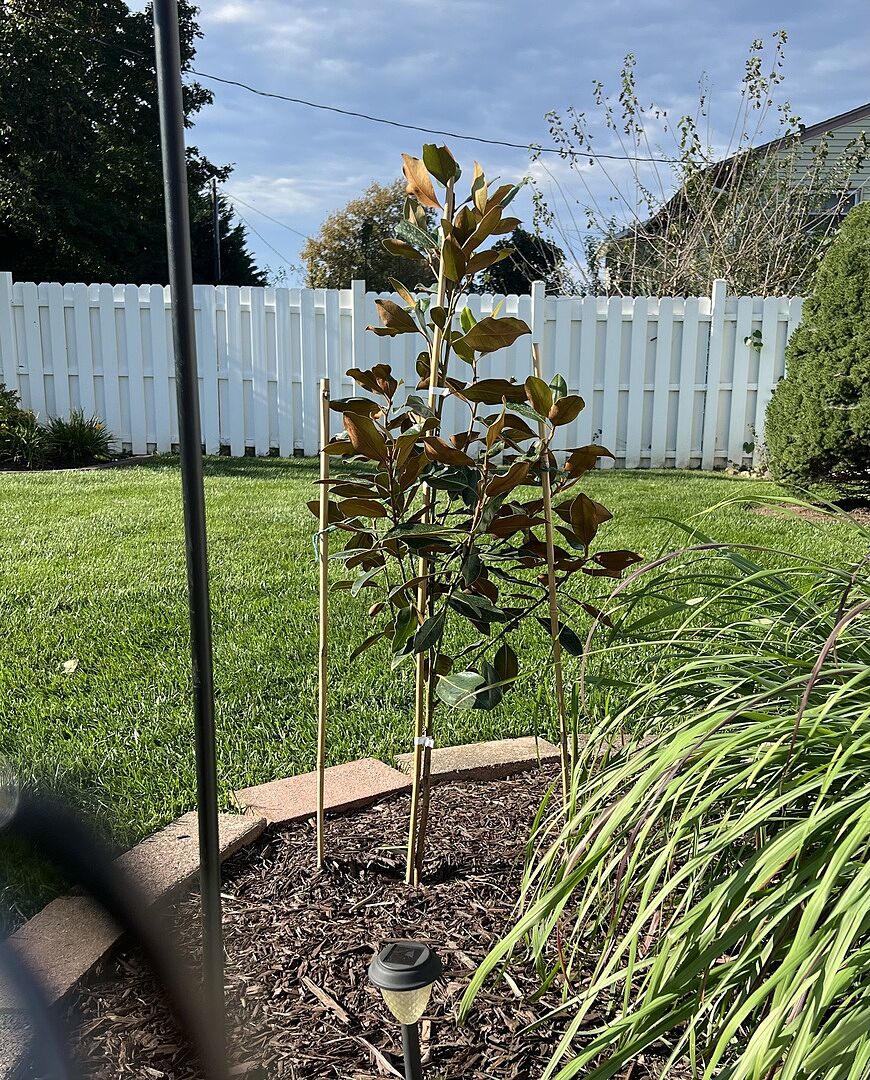
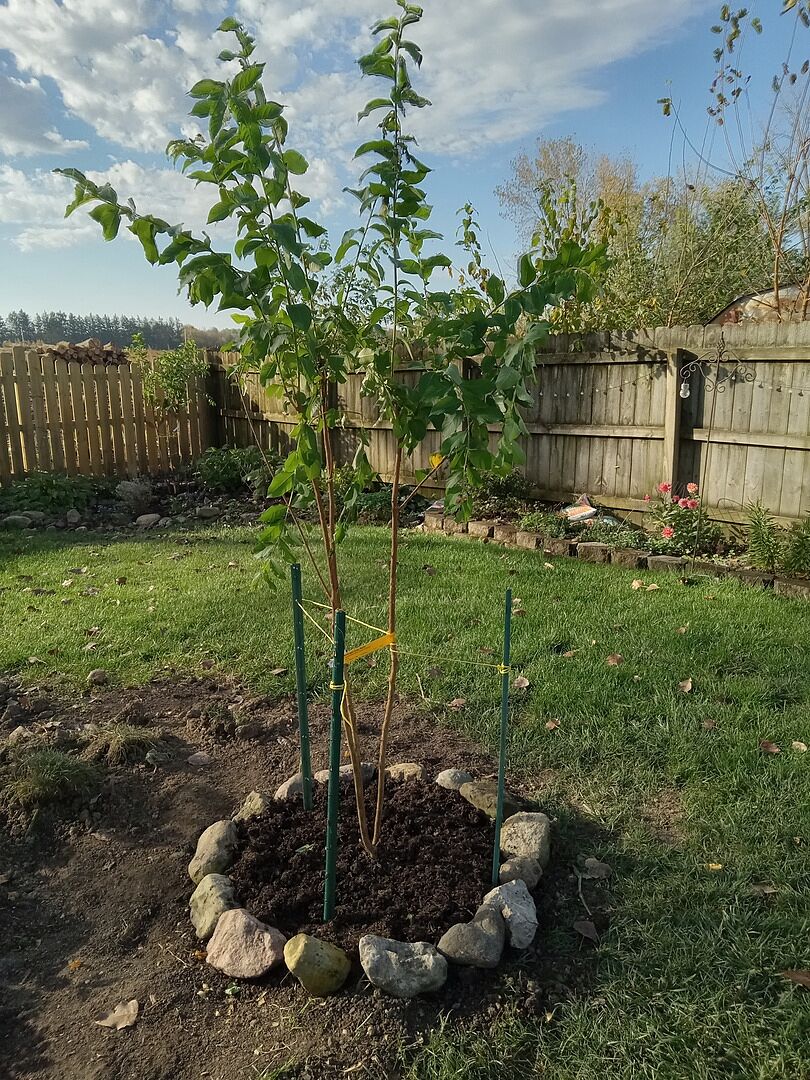
In windy areas, consider staking young trees and setting up a temporary windbreak.
Which Plants Need Winter Protection?
Not every plant needs help. Here’s a quick guide:
|
Needs winter protection |
Usually doesn’t need protection |
|
Plants not cold hardy for your growing zone |
Established shade trees and evergreens, like maples, oaks, and pines |
|
Plants in the ground less than 3 years |
Cold hardy plants for your area |
|
Plants in very windy spots |
Plants in insulated containers |
|
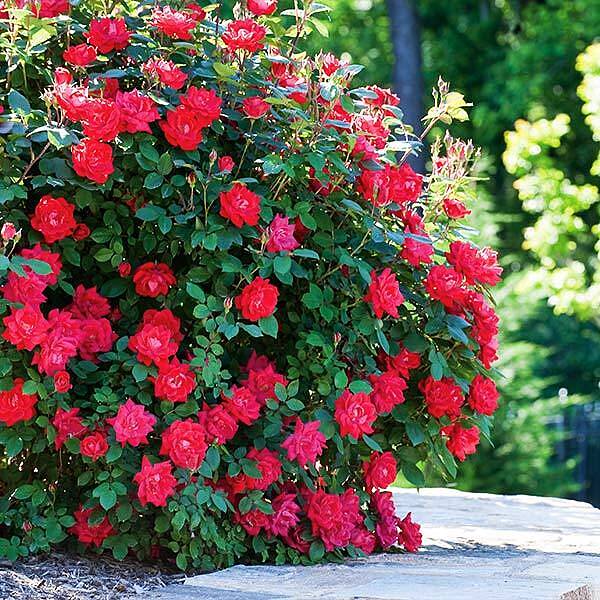
Tender shrubs, such as some rose varieties |
Protect Plants From Hungry Animals
When food is scarce, deer, rabbits, voles, and mice may nibble on bark and lower branches.
- Wrap trunks with a tree guard
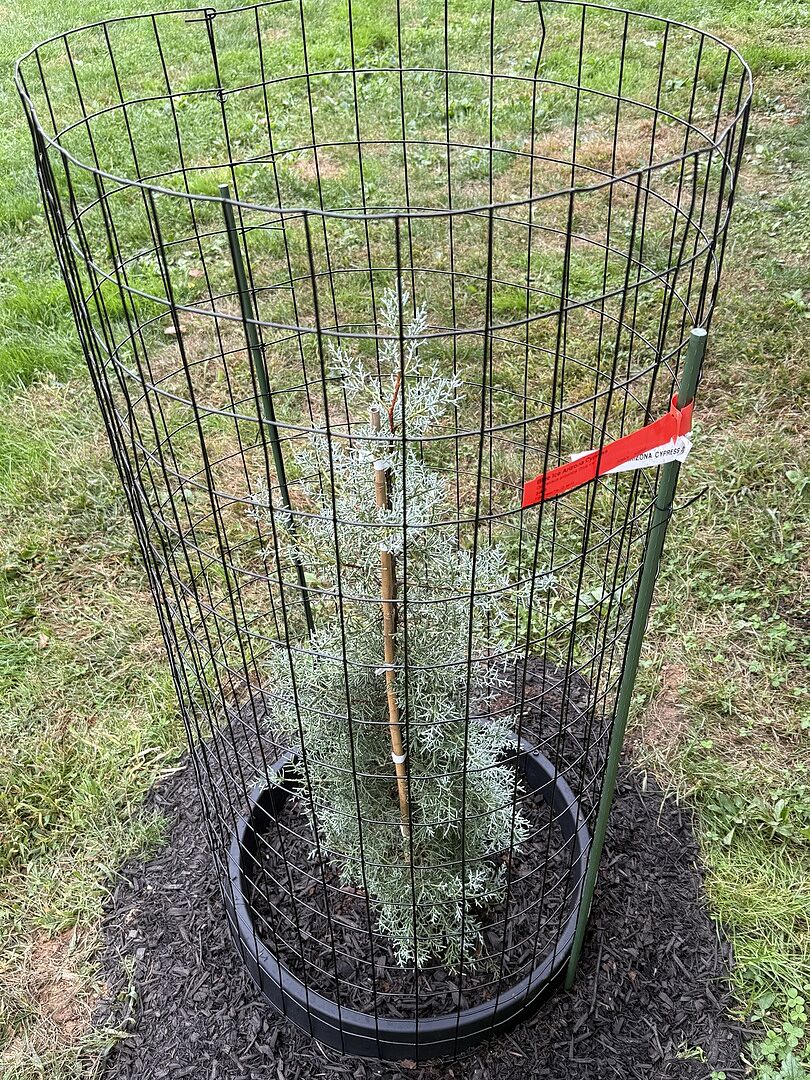
- Place a 2-foot mesh wire fence around the base of young trees to stop rabbits and mice
- Use a 4-foot mesh fence around trees to keep deer away
- Check fences every few days to make sure no animals have become trapped inside
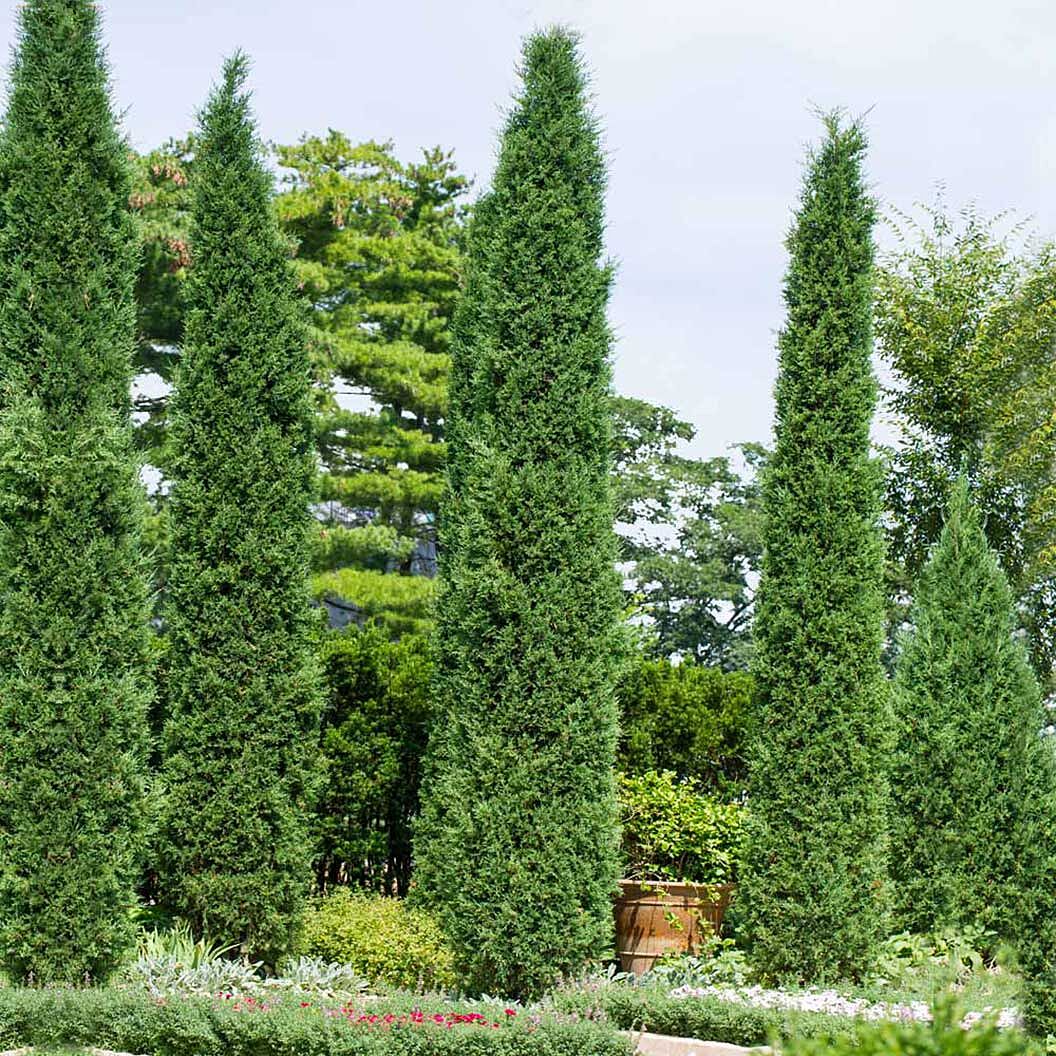
- Try an all-natural repellent, or choose deer-resistant evergreens like Junipers.
Your Winter Garden To-Do List
Winter is a great time to get ahead on spring:
- Use fallen leaves as mulch
- Walk the yard and look for damage or branches that need pruning, since bare branches make it easy to see
- Save major pruning for late winter and early spring
- Clean and sharpen tools
- Empty and wash pots so they’re ready to reuse
- Start planning spring plantings and projects
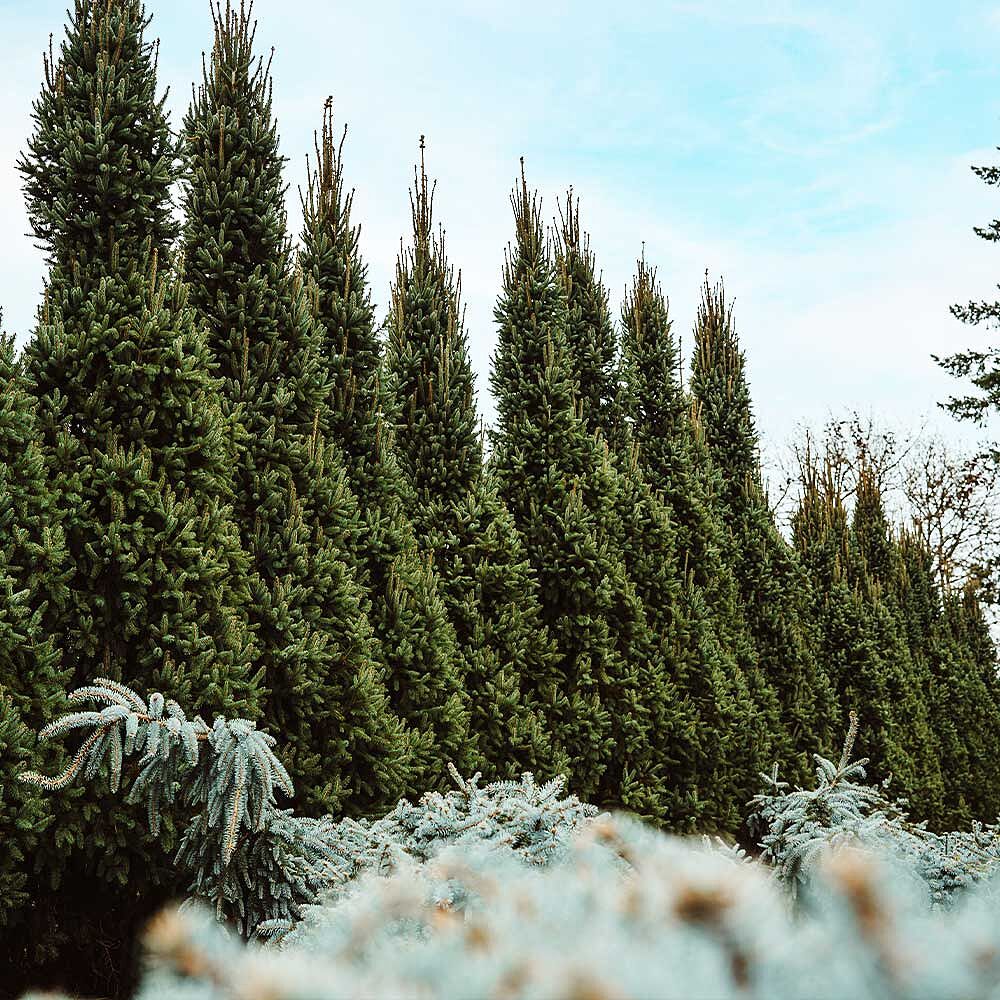
Winter Care for Evergreens
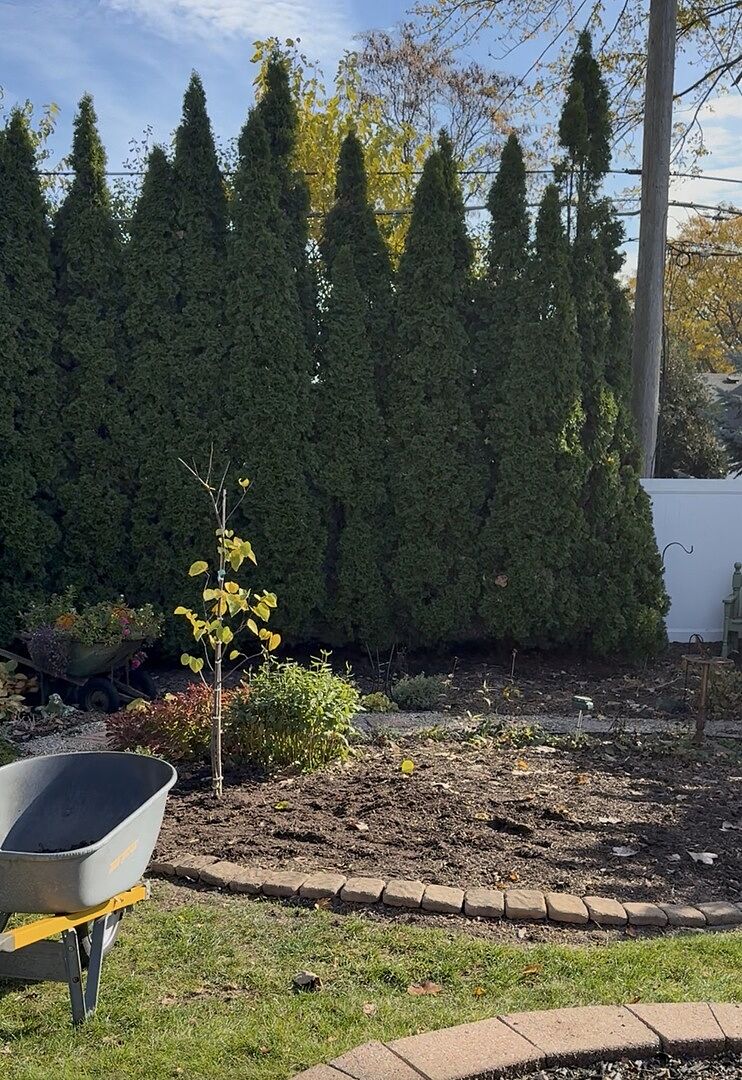
Evergreens keep their foliage all winter and keep losing moisture through it, so they need a little extra attention, especially in their first few years.
- Water well in fall before the ground freezes, then mulch to hold moisture
- Watch for winter burn. Cold, drying winds pull moisture from needles while frozen ground keeps roots from replacing it, leaving brown or rusty foliage, usually on the windward side
- Wrap with burlap or build a burlap screen on the windward side. Sun reflecting off snow can also scorch needles, so shield the east and south sides. This also helps with prevent animal damage.
- Prune browned or dead areas in spring. New growth will fill in
If an entire tree turns brown, not just one side, look for disease or pests. And choose varieties hardy for your growing zone, since planting outside the recommended range raises the risk of winter damage.
Patio and House Plants in Winter
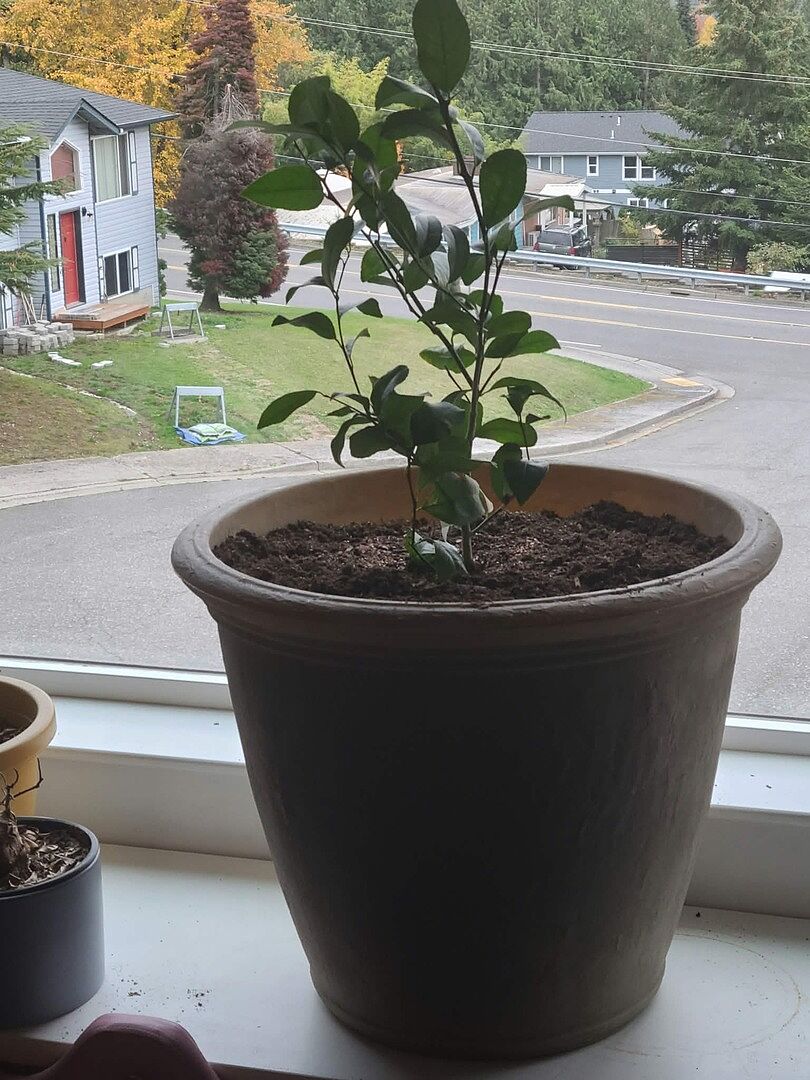
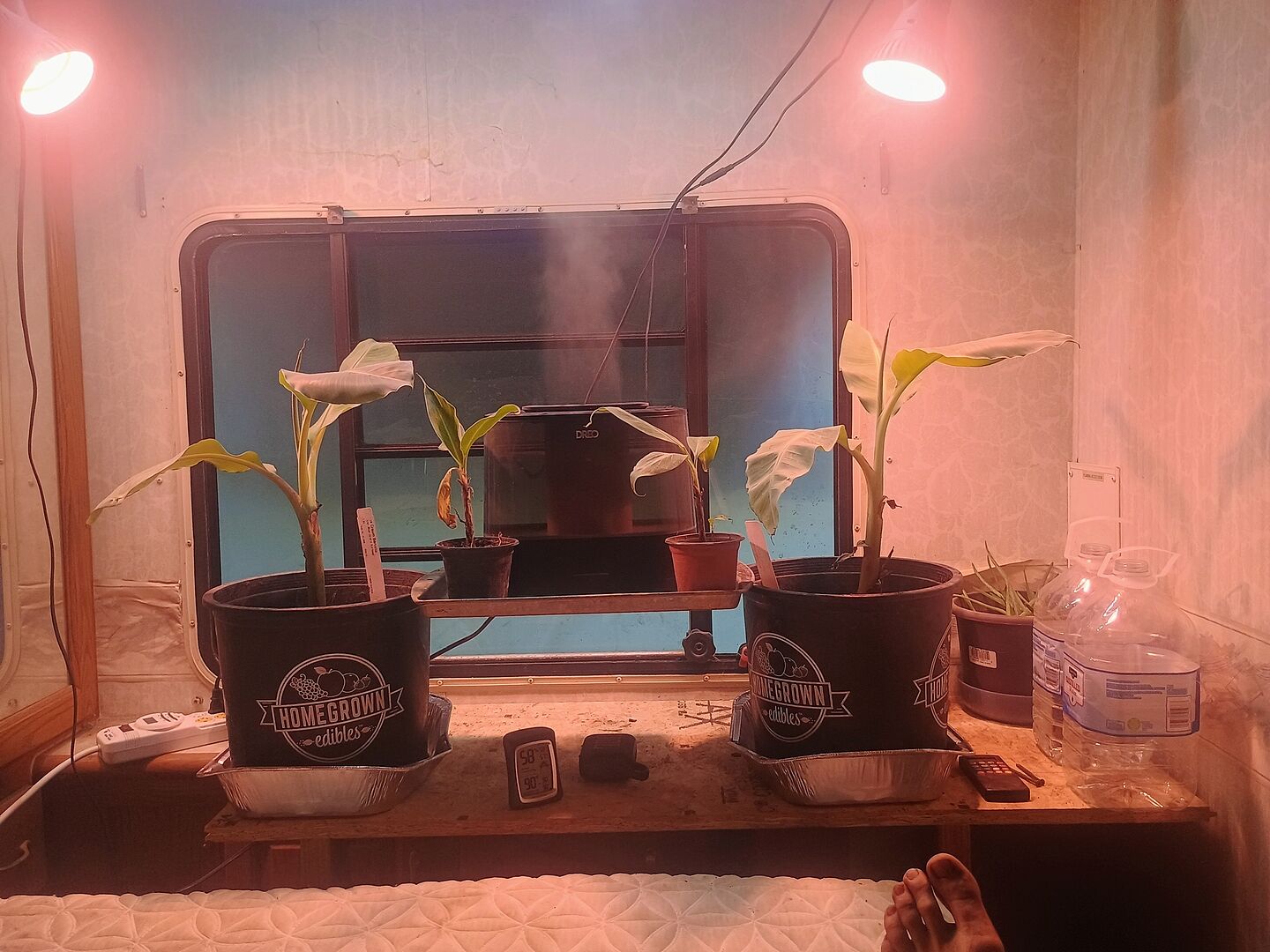
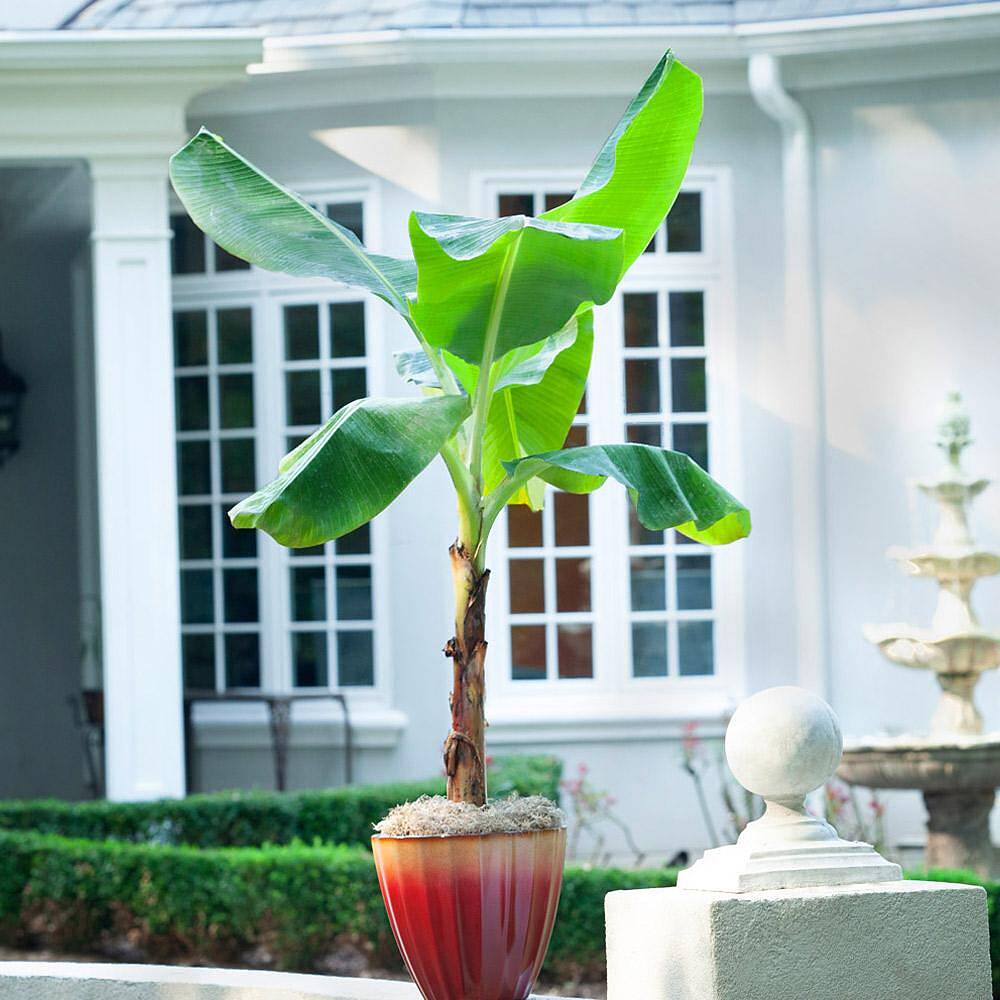
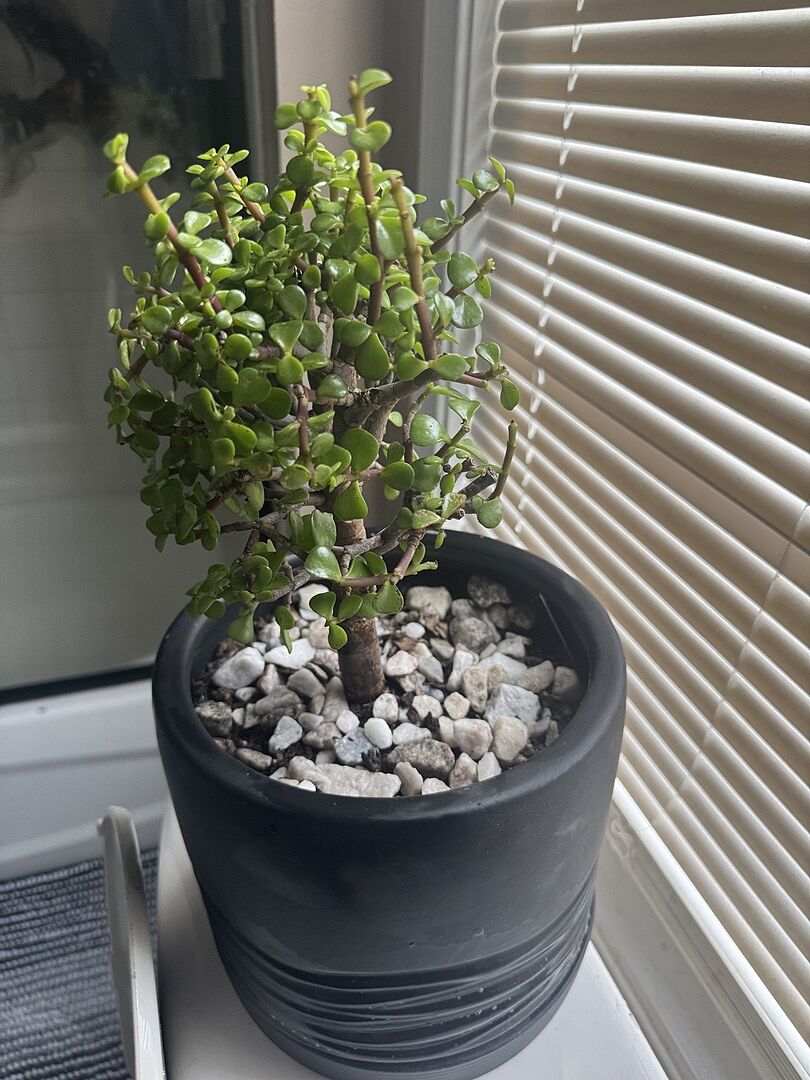
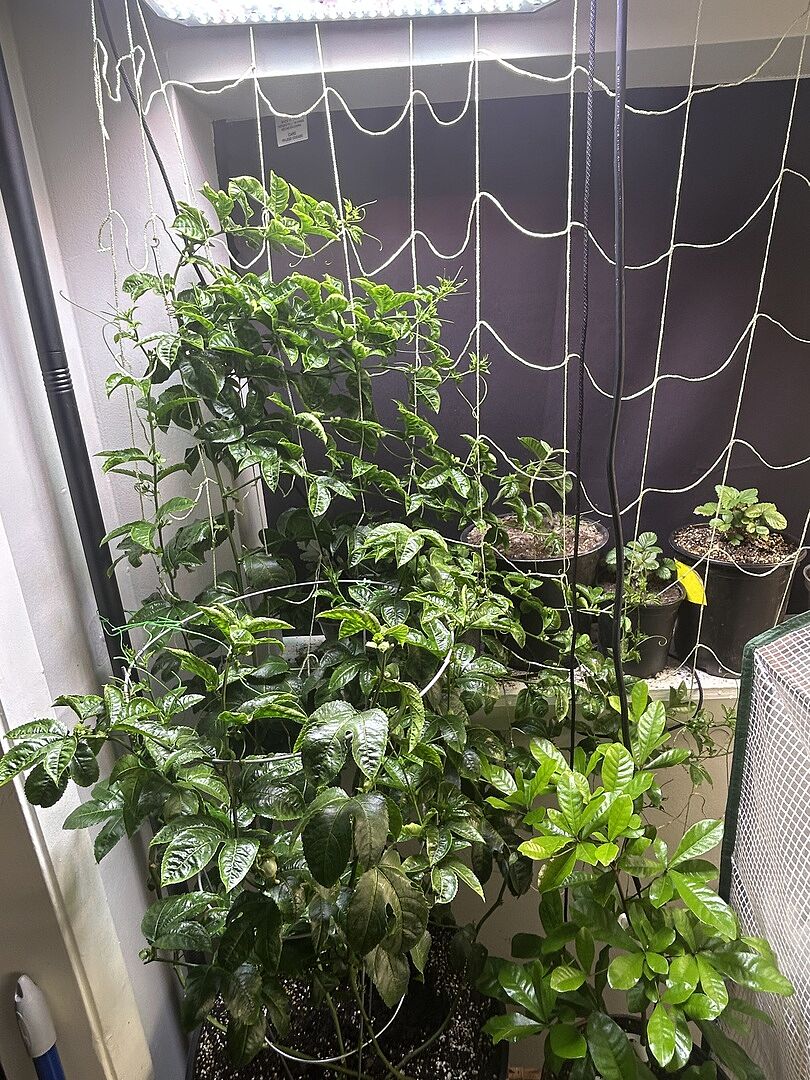
Tropical and tender plants need to come indoors before nights dip into the 40s. Check them for pests first, keep them away from vents and drafts, give them bright light, and water only when the top inch of soil is dry. It’s normal for plants to drop a few leaves while they adjust. For the full rundown, read our guide to winter care for house and patio plants.
Plan for Winter Interest
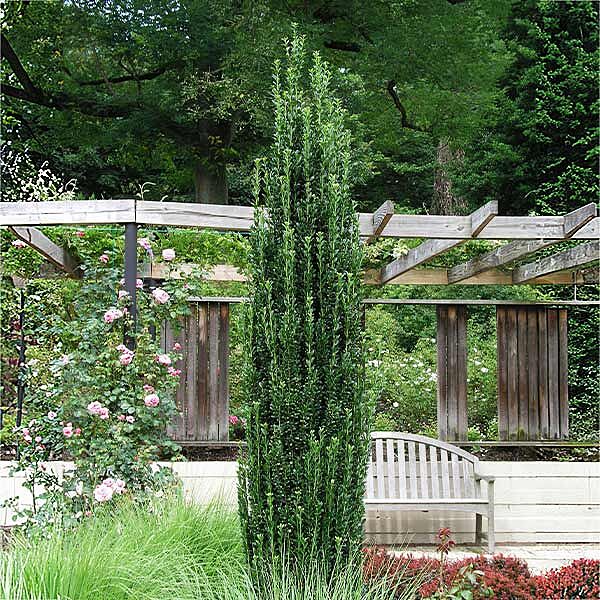
A winter yard doesn’t have to look bare. Evergreen foliage, colorful bark, lasting berries, and sculptural shapes keep your landscape interesting while everything else sleeps. Browse our Winter Interest collection to see what could work in your yard.
When Spring Comes
The shift from winter to spring can be hard on plants. Be patient with trees waking from dormancy and watch for late frosts, keeping a frost cover handy to protect tender buds. Remove tree wraps once warm weather is here to stay.
Order Ahead for Spring
Winter is also a great time to dream up spring. With our Pre-Order Now, Plant Later selection, you can order trees and plants in advance, so your spring plans are set before the season gets busy. Browse now, choose what you love, and plant when the weather’s ready.
Frequently Asked Questions
Can you plant trees in winter?
Yes, as long as the ground isn’t frozen. Dormant trees and shrubs can be planted any time the soil is workable. If the ground is frozen, hold plants in a sheltered spot and plant after a thaw.
Do I need to water new plants in winter?
Yes, during dry stretches when the ground isn’t frozen. Check soil moisture first, since cold soil stays wet longer and overwatering is the bigger risk.
Do established trees need winter protection?
Usually not. Established, cold hardy trees handle winter on their own. New plantings (less than 3 years), tender varieties, and plants in windy spots benefit most from extra care.
Why are my evergreen needles turning brown?
Often it’s winter burn, caused by cold winds and frozen ground that keep the tree from replacing lost moisture. It usually shows on the windward side. Prune damaged areas in spring. If the whole tree turns brown, check for disease or pests.
Should I shovel snow off my plants?
No, snow insulates the soil and roots. Just gently knock heavy snow and ice off branches to prevent breakage, and avoid piling salt-treated snow around plants.
When should I remove tree wrap?
When consistently warm weather returns in spring.
Can road salt hurt my plants?
Yes. Roots absorb salt, which can damage foliage and overall health. Avoid planting near heavily salted roads, and choose salt-tolerant varieties if that’s unavoidable.
Still have questions?
Our Plant Experts are always here to help. Reach out to our team for personalized guidance on planting and protecting your trees this winter.
More winter guides:
- Winter Plant Protection: How to Guard Your Garden
- Winter Plant Protection for Evergreens
- Winter Garden Maintenance: What Should You Be Doing Right Now?
- Winter Plant Care for Patio and House Plants
Written by
Sydney Brodo
Featured Product

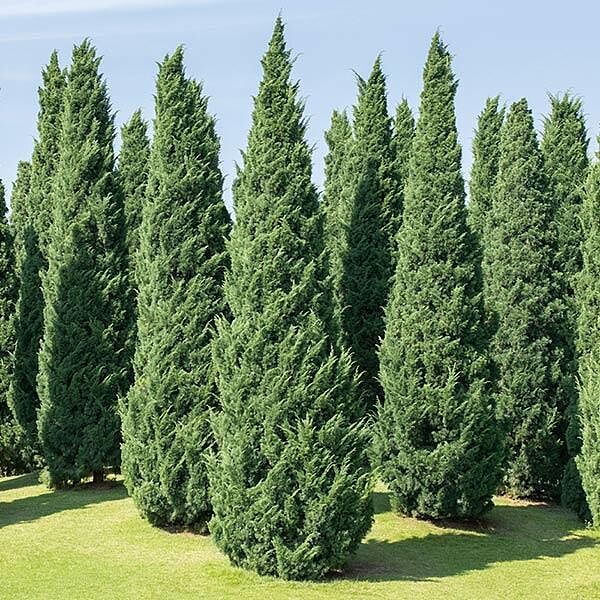
Taylor Juniper Tree
159 reviewsStarting at $64.95
Featured Product