Avocado Tree Care Guide: How to Plant, Grow, and Harvest Avocados

Last updated: Mar 31 2022

Key takeaways
Avocado Trees need 4–6 hours of direct sunlight daily and grow best in containers with excellent drainage or well-drained garden soil.
Water Avocado Trees deeply once or twice a week, allowing the soil to dry slightly between waterings to prevent root rot.
Avoid fertilizing Avocado Trees during their first year, then feed established trees with a balanced fertilizer to support healthy growth.
Updated Nov 4, 2026
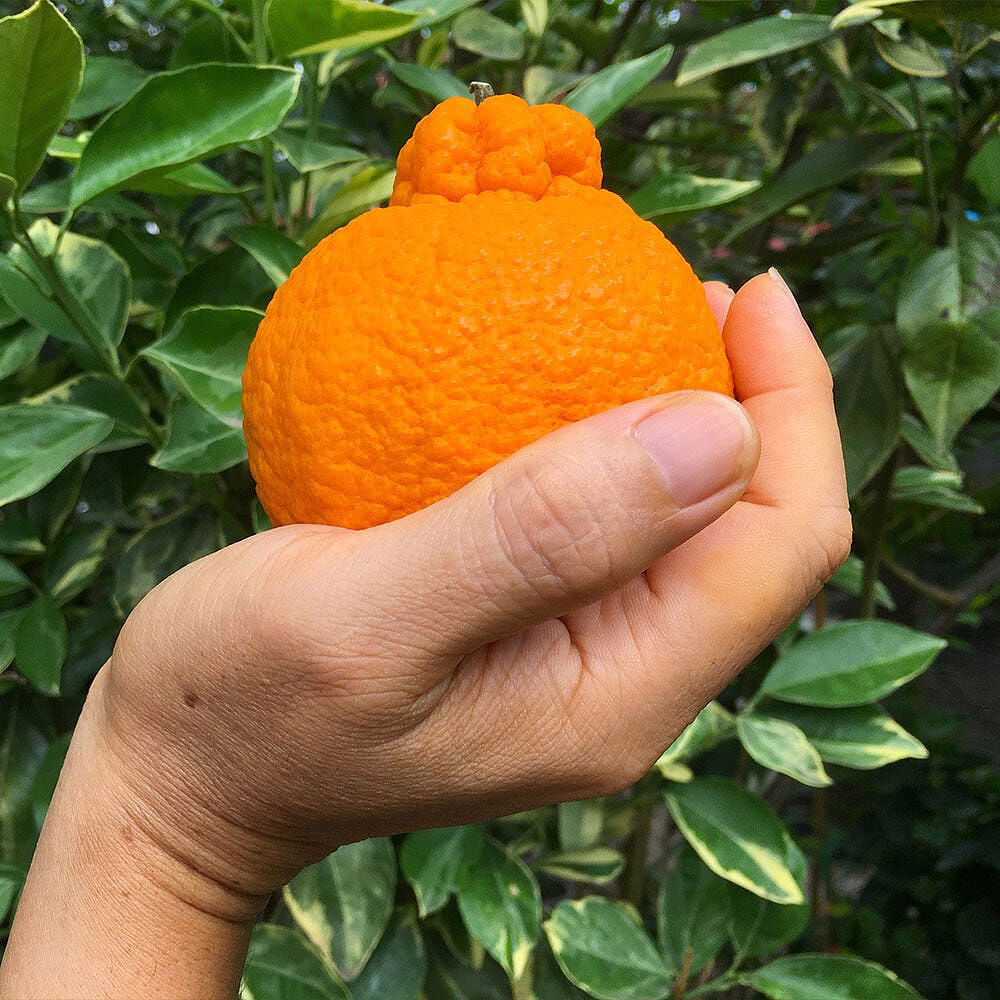
From toppings on toast to guacamole, avocados are the star ingredient in your favorite dishes and recipes! And though store-bought avocados are great, there’s nothing like the home-grown version of your favorite superfood. Learn how to plant, care for and harvest home-grown avocados below!
One quick tip before you get started: if you want fruit, skip the temptation to sprout a pit from your kitchen counter. Pit-grown avocado trees can take years to mature and often produce disappointing fruit, if they fruit at all. Starting with an already-grafted nursery tree gets you a reliable, named variety like Hass, Cold Hardy, or Gem, and a real shot at homegrown avocados in a few years instead of a decade.
What’s great about these powerful trees is that they’re fairly hassle-free and low-maintenance. It doesn’t matter if you don’t have a green thumb, either. You can still ensure these trees thrive, right in your backyard or garden. Check out our tips and tricks for Avocado Trees and their care – it’s as easy as 1-2-3!
How to Grow Avocado Trees in Containers Indoors
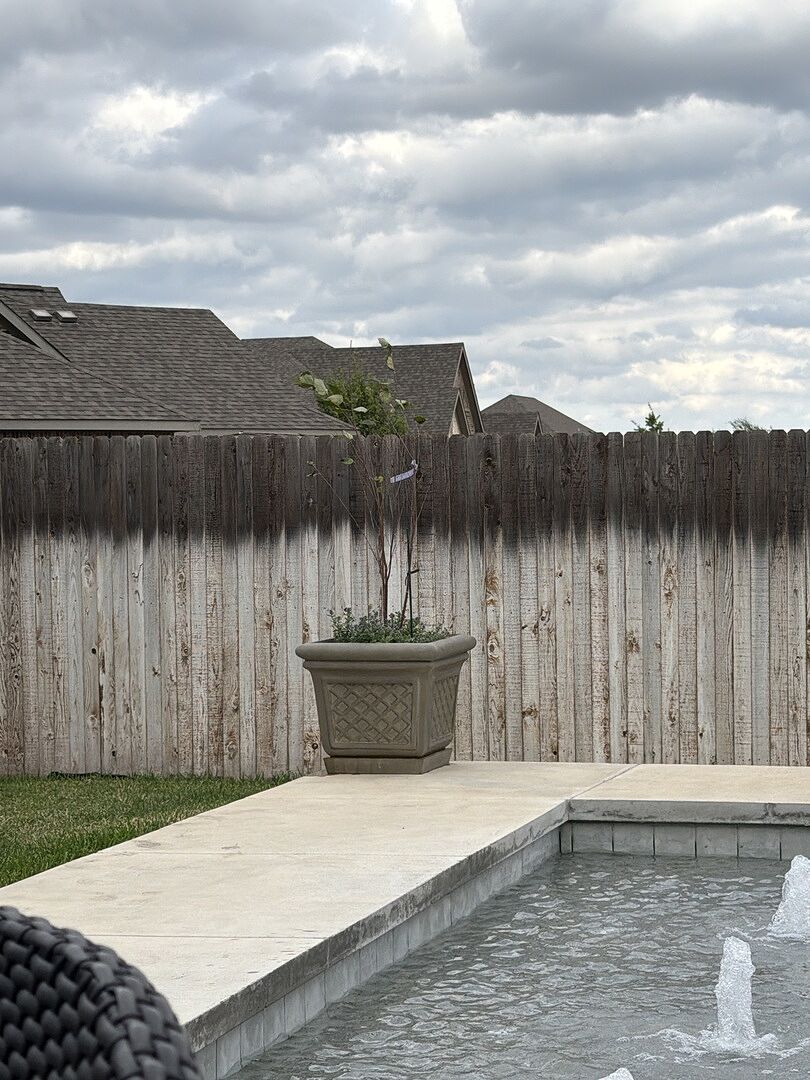
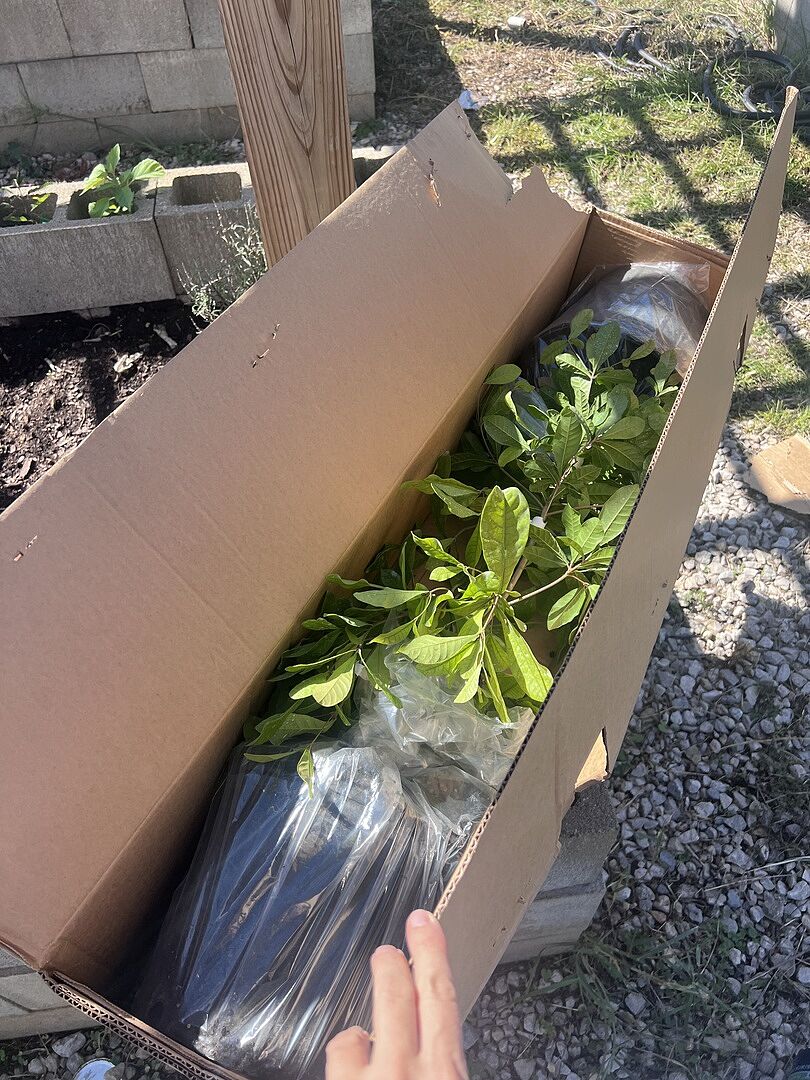
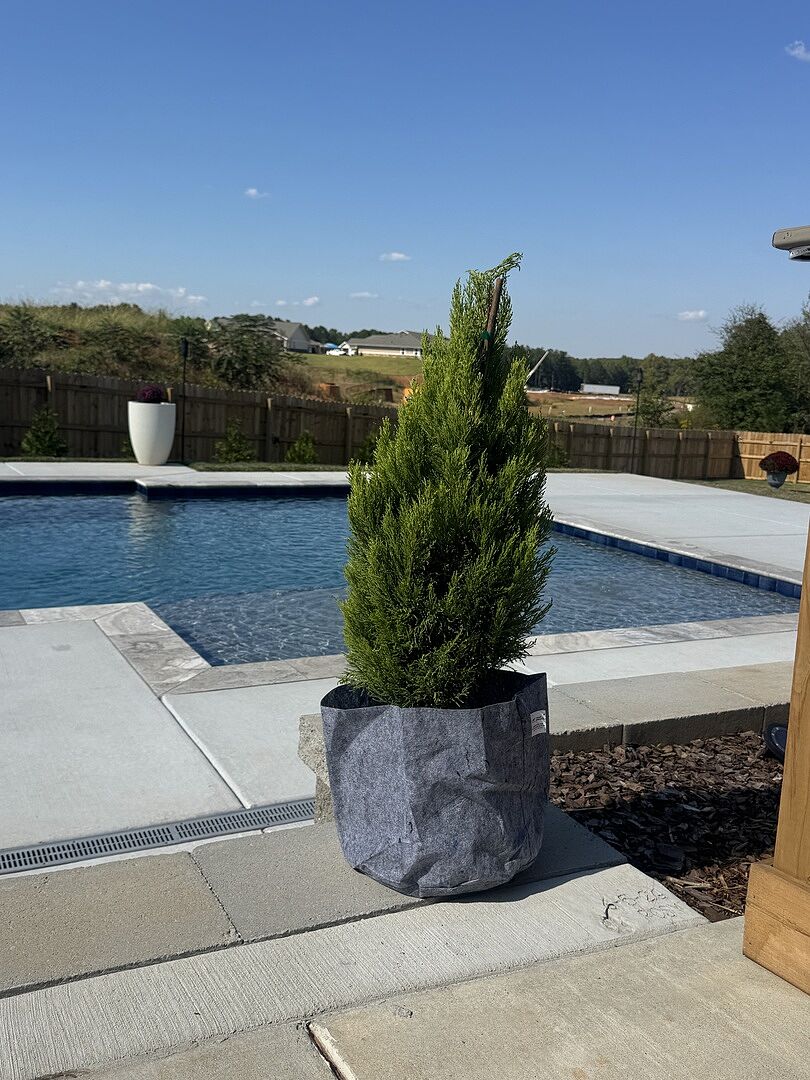
First, find an area that receives at least 4 to 6 hours of direct afternoon sunlight daily. In especially hot climates, though, intense afternoon sun can scorch leaves and fruit. If you're in a hot region, look for a spot with morning sun and afternoon shade, or dappled light, instead. After you’ve found the best location for your Avocado Trees (more than one tree is best!), take them out of their shipped nursery container and plant them in containers that are about 2" wider in diameter than the nursery container it arrives in. Ensure the containers you use for planting have drainage holes, as these will help to keep the plant from catching root rot. And be sure to dispose of any standing water in your containers’ saucers to avoid fungal growth.
Growing Avocado Trees Outdoors
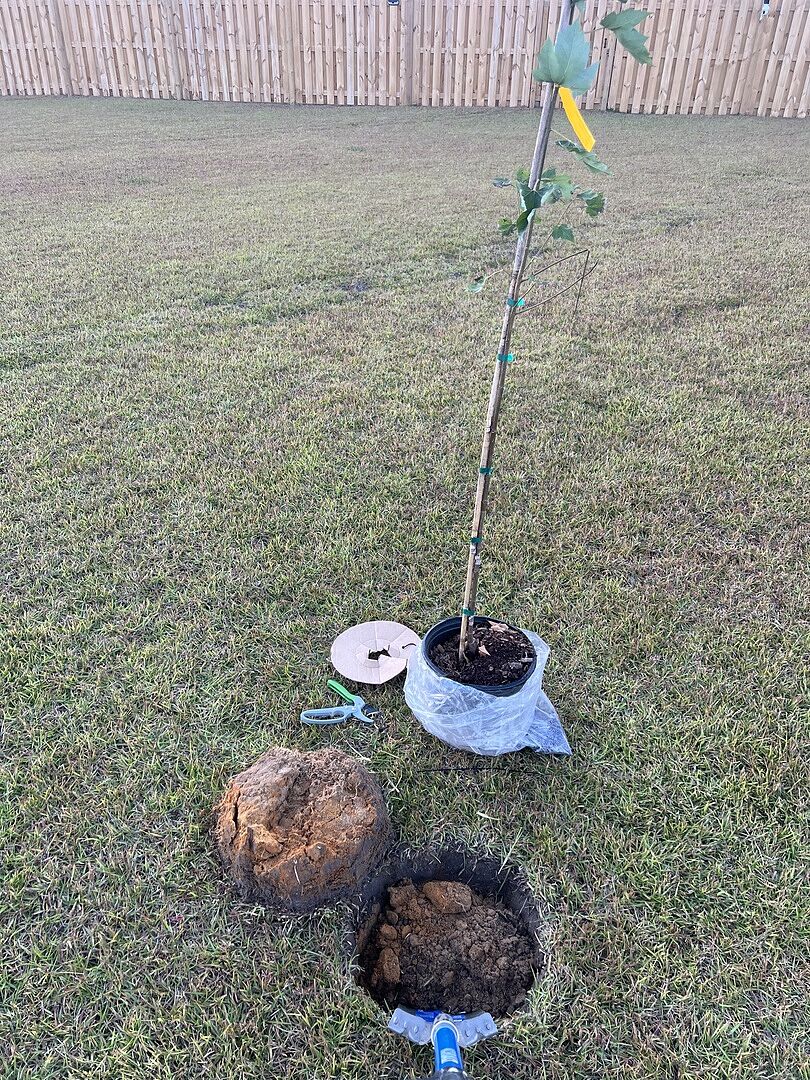
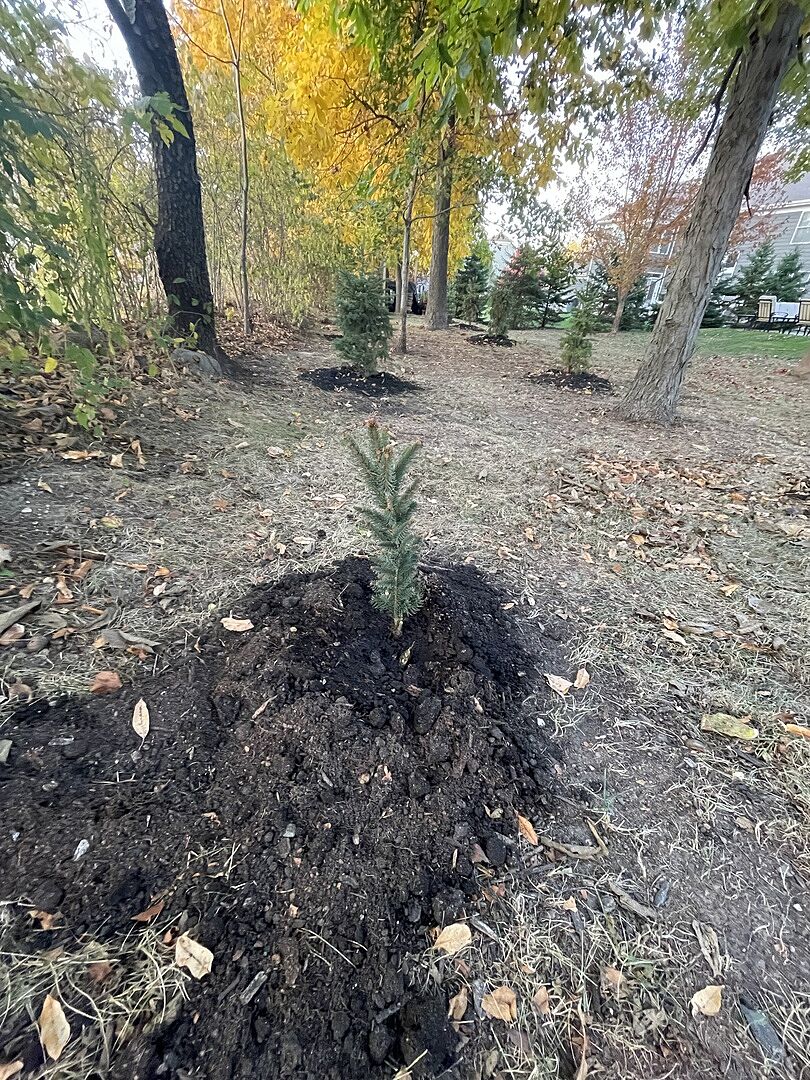
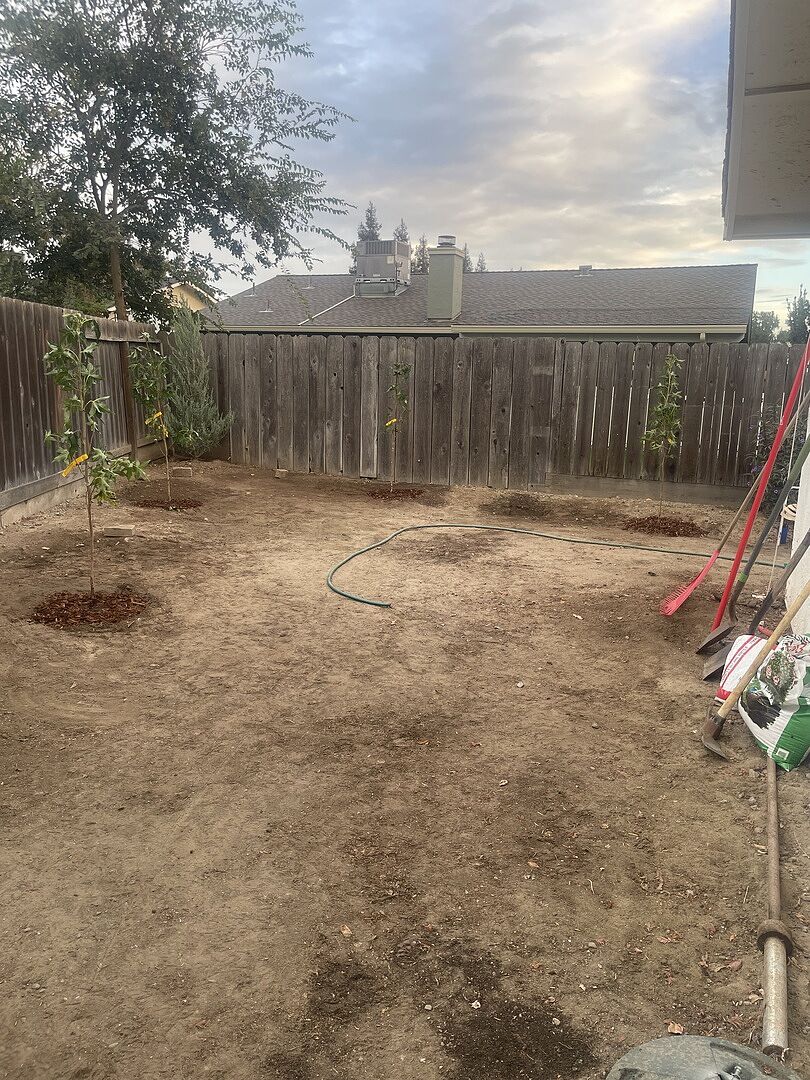
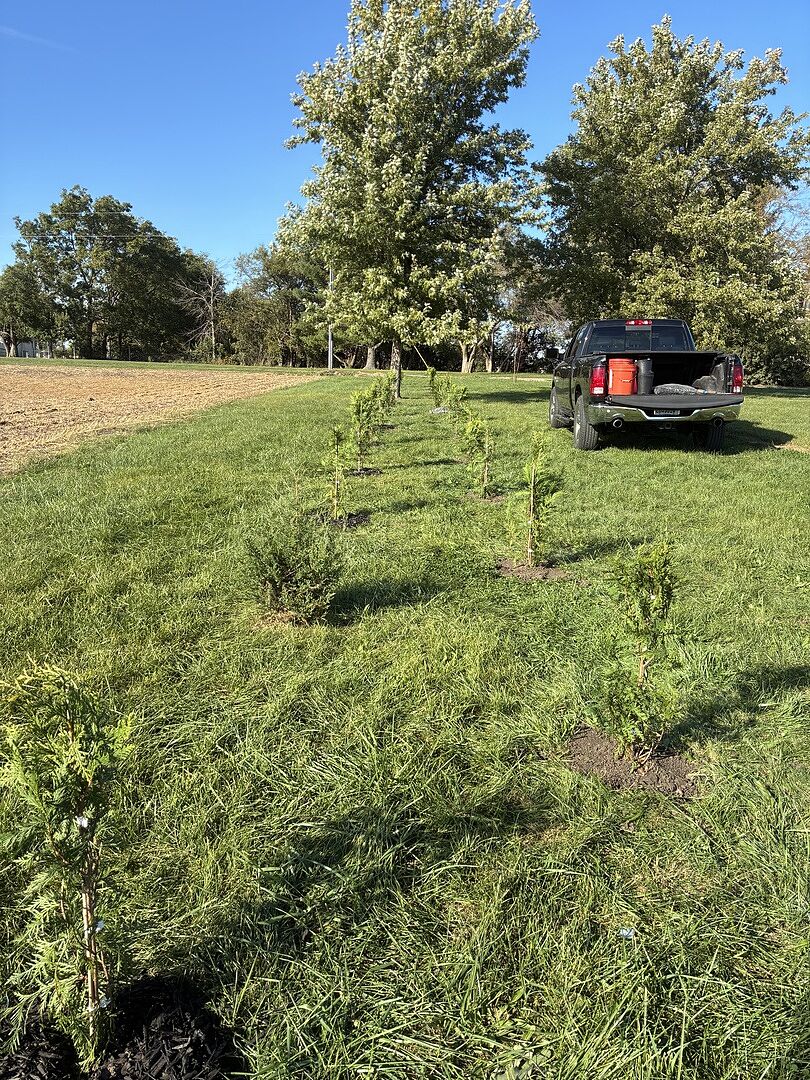
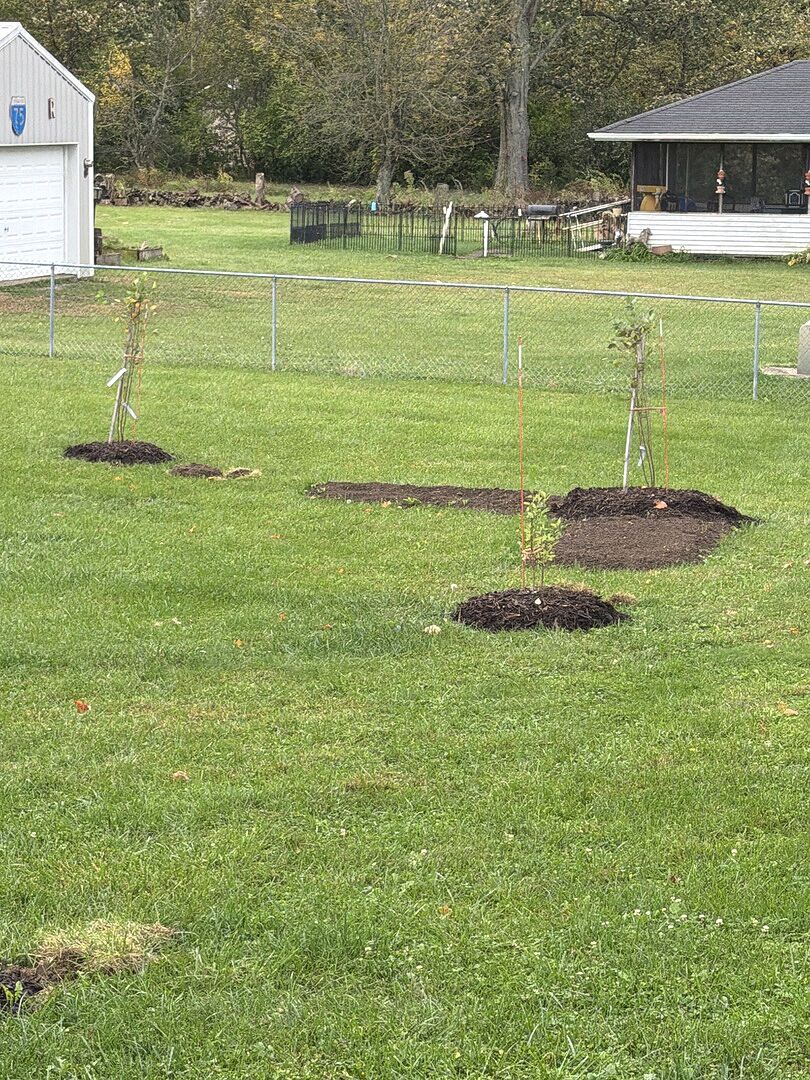
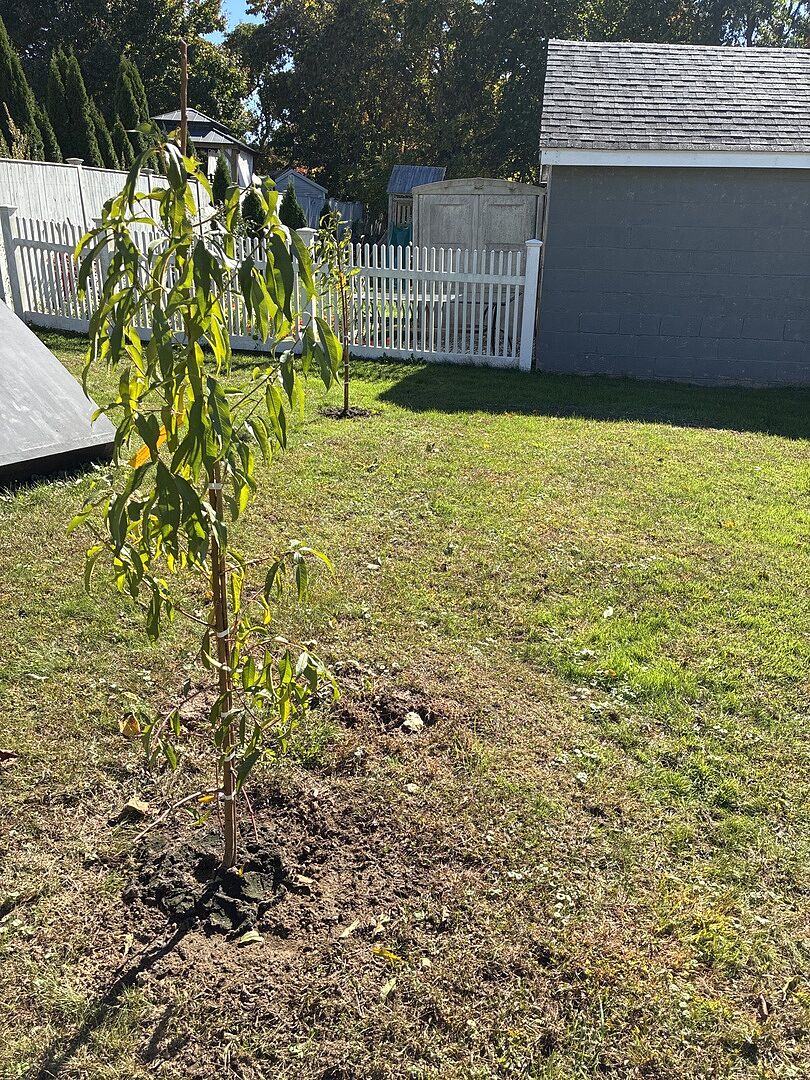
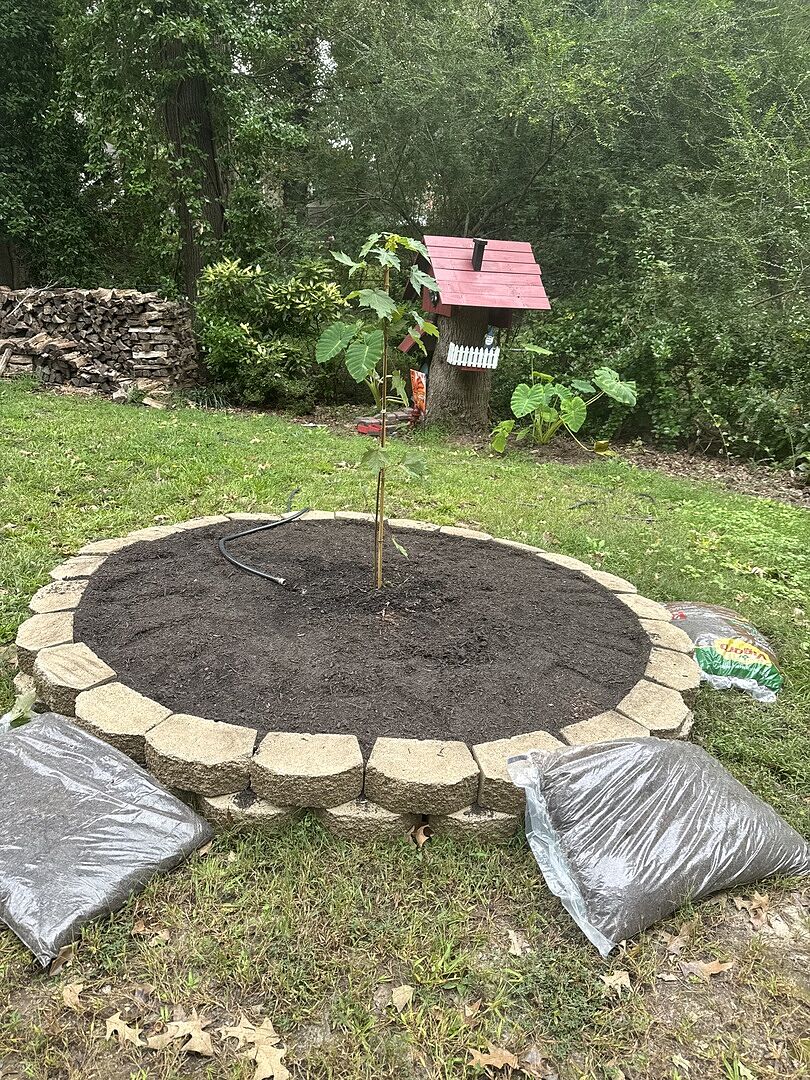
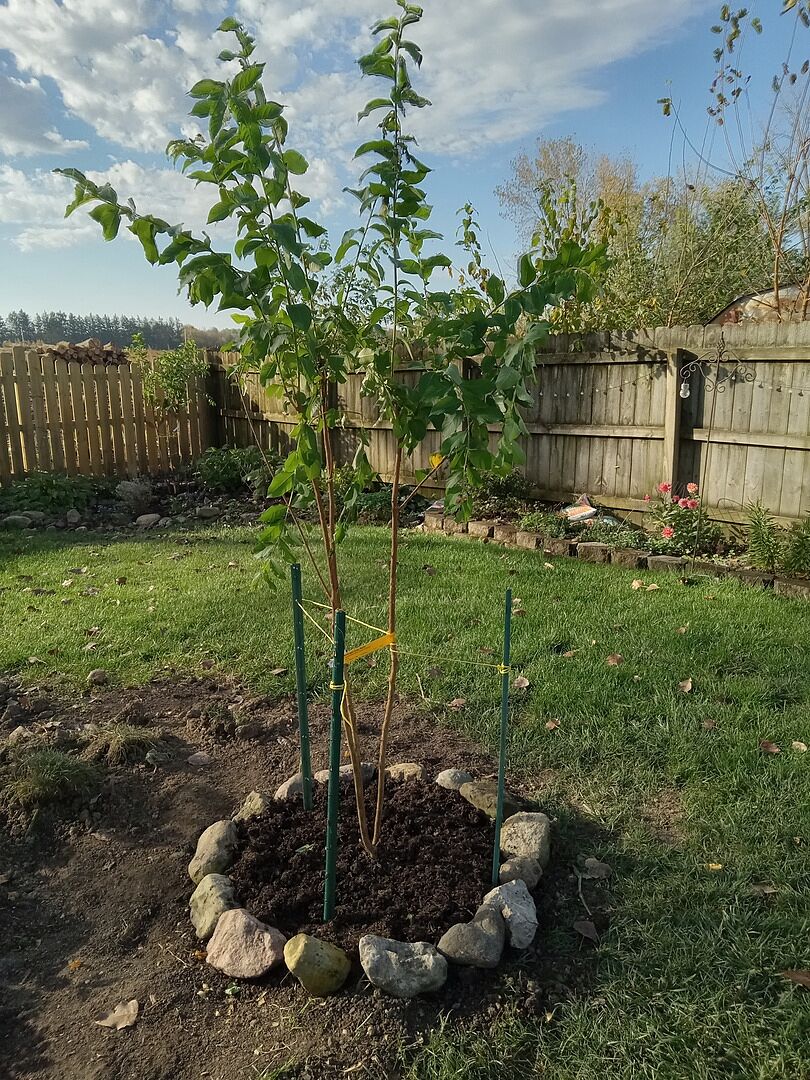
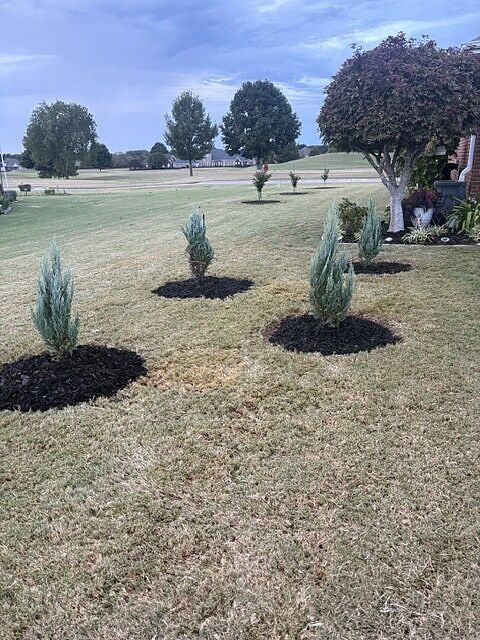
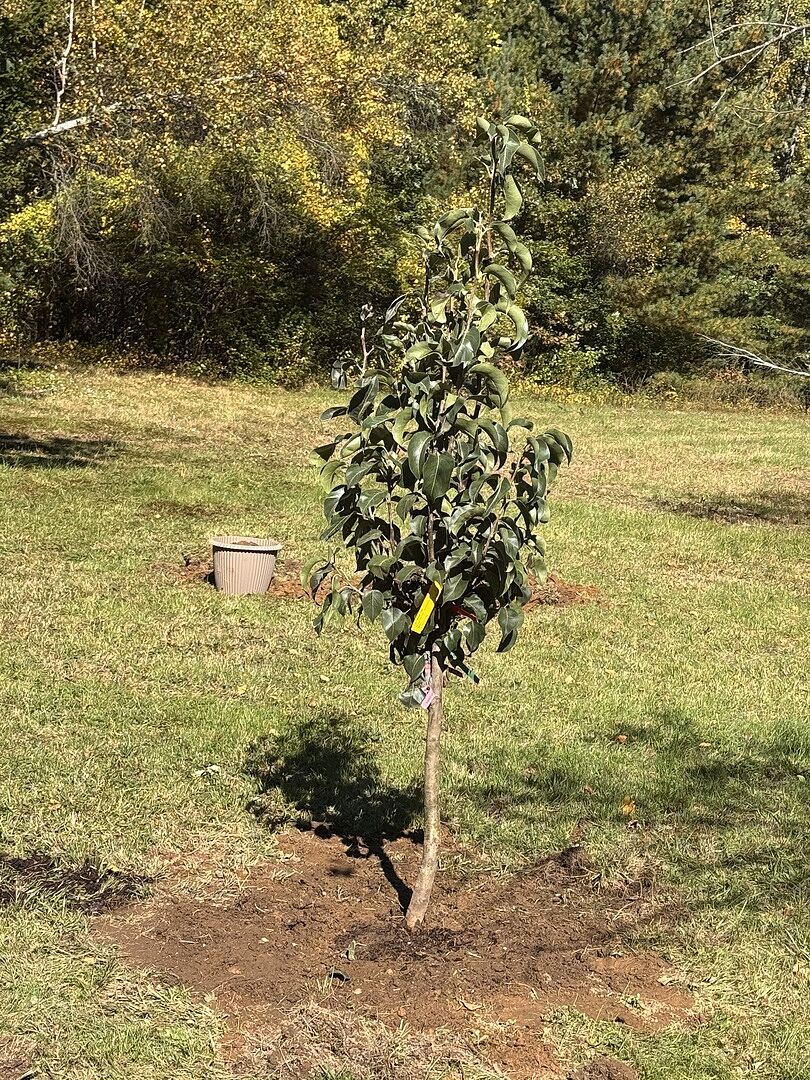
If you’re planting multiple trees outdoors, leave approximately 5 to 8 feet of space between your trees and other structures. Dig a hole that is twice as wide as the container it was shipped in and as deep as the rootball, so that your roots have space to get established - it’s that easy! Avocado trees are also sensitive to wind, especially while young. If your site is exposed, consider planting near a wall or fence, or set up a temporary screen until the tree is established.

How to Care for Avocado Trees
So, Avocado Trees boast no-fuss maintenance, but proper care prepares them for a lush life. Your tropical fruit will need frequent, deep waterings once or twice a week, with enough time between waterings to let the soil dry out a bit. That's the pace during the height of spring and summer. As temperatures cool, ease off: water every two weeks or so in fall, and just once a month in winter. Also, avoid fertilizing trees their first year because fertilizer can burn the roots and cause damage.
And we said Avocado Trees are effortless, right? The only time you will need to prune your tree is during late winter or early spring to get rid of dead wood. If you want to maintain a certain height, trim your tree lightly by cutting the tallest, protruding branch off the tree.
Choosing the Right Spot: Containers vs. In-Ground Planting
Like we mentioned above, one of the great perks of Avocado Trees is that they can be planted in a container or in the ground. Again, if you’re planning on container planting, make sure that you place your pot-planted Avocado Tree in an area that gets a minimum of 6 hours of sunlight, preferably in front of a large window with direct afternoon light.
If you’re planting in the ground, choose an area on the southern side of your home with well-drained soil. And it’s no problem if your soil needs work – you can amend the soil with sand or other gritty matter to soak up the moisture. One type of soil to avoid altogether is heavy clay; it holds too much water, and avocado roots can't tolerate sitting wet.
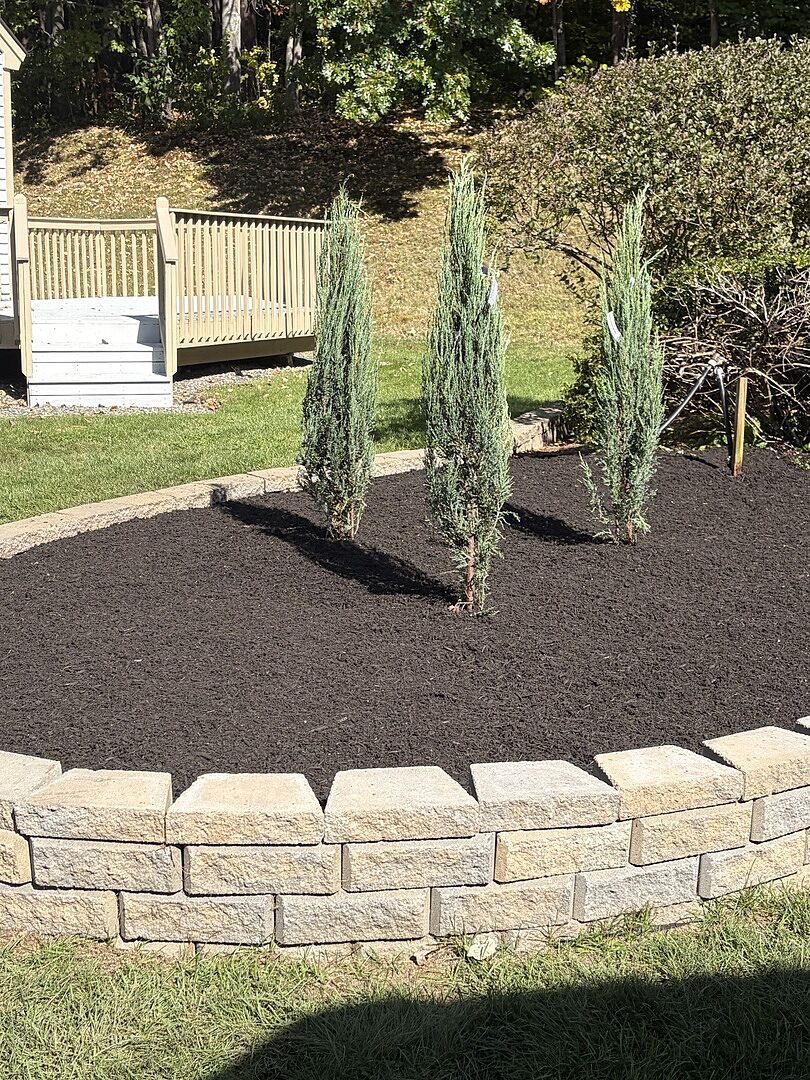
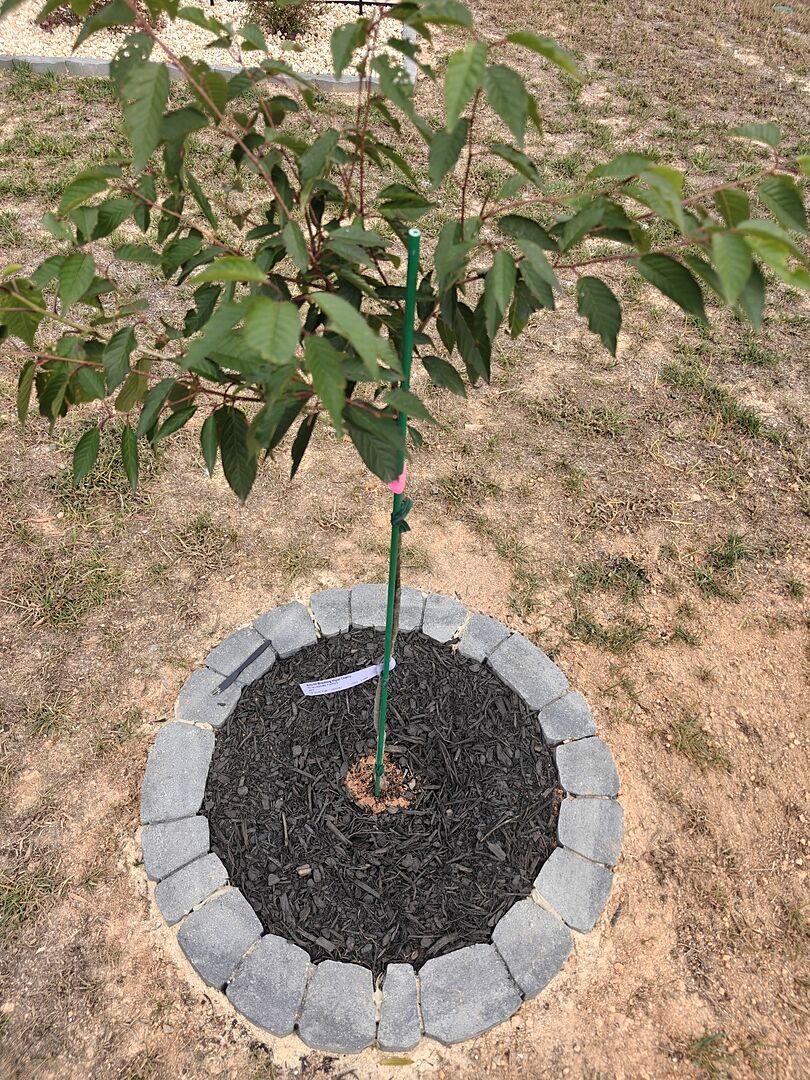
A 6-inch layer of organic mulch around the base helps hold that moisture in and slowly feeds the roots as it breaks down. Just leave about a foot of bare space right around the trunk, so the mulch isn't sitting against the bark.
Protecting Avocado Trees From Frost
Even in areas that rarely dip below freezing, an occasional cold night can catch an avocado tree off guard. If frost is in the forecast, mound soil 6 to 8 inches deep around the base of the trunk for extra insulation, and give the tree a thorough watering beforehand. Moist soil holds heat better than dry soil.
For young trees especially, cover them overnight with a blanket or tarp, and remove it again in the morning once temperatures rise. Placing a small light bulb or camping lantern under the cover can add just enough warmth to keep the air around the tree above freezing.
Avocado Tree Pollination
Ah, the power of pollination. Your mature Avocado Trees may grow millions of green flower clusters during the flowering season, clusters with both female and male organs. However, these male and female clusters don't work at the same time. Though the Hass, Cold Hardy, and Gem varieties of avocados are all self-fertile (meaning you’ll get fruit with just one plant), more is always better for a bigger bounty of fruit.
Harvesting Avocados
It’s time to reap the rewards of planting your own superfood! The harvest months are the most exciting time to have home-grown fruit.
Hass Avocados are ready to harvest as early as February, and their harvest can extend as late as September. By contrast, Cold Hardy Avocados usually ripen between November and March. Last, but definitely not least, Gem Avocados are harvested from July through September. However, it depends on the weather in your area, their fertilization, and the bearing pattern of the tree.
Avocados have to be harvested by hand. If you don't pick the fruit, they won't fall off the tree and will never ripen. But your Avocado Trees can be used as a sort of storage unit for your delicious fruit for as long as eight months. The longer the fruit stays on the tree, the richer the taste – just don’t leave them on too long.
Check out the chart below for more information on our favorite varieties of avocados, and pick a few trees of your own today!
|
Avocado Type |
Growing Zone |
Mature Height |
Years to Bear Fruit |
Annual Growth |
Spacing |
Sunlight |
Characteristics |
|
9-11 Outdoors 4-11 Indoors |
15-20 ft. |
3 to 4 years |
Fast |
5-8 ft. |
Full (6 to 8 hrs.) |
Oval shape with pebbly, thick skin and pale green flesh. Skin turns from green to an almost black hue once ripe. |
|
|
9-11 Outdoors 4-11 Indoors |
15-20 ft. |
4 to 5 years |
Fast |
5-8 ft. |
Full (6 to 8 hrs.) |
Oval shape with smooth and thin, green skin. Yellowish-green flesh. |
|
|
9-11 Outdoors 4-11 Indoors |
8-10 ft. |
3 to 4 years |
Fast |
5 ft. |
Full (6 to 8 hrs.) |
Club-shaped avocado with smooth, green skin. |
Don't forget to shop our entire collection of avocados for more inspiration! Plus, check out our blog to learn more avocado tree growing tips.

Avocado Tree Pests and Diseases
Avocado trees are relatively low-maintenance, but a few problems are worth knowing how to spot:
- Root rot: usually caused by overwatering. Prevention is easier than treatment, so let the soil dry between waterings.
- Canker: can be serious if it reaches the trunk, but usually just cosmetic on branches. Prune away affected areas.
- Fruit rot: a fungal issue that spreads through plant debris. Clear fallen leaves and fruit from around the tree, and harvest promptly once fruit ripens.
- Sunblotch: a viroid that causes yellowing and reduced yield. There's no cure, so the best protection is buying certified disease-free trees, like ours.
- Borers: can weaken branches enough that they snap under the weight of fruit. Check for small holes in the bark, and treat with insecticidal soap if you spot them.
- Thrips: tiny insects that scar the fruit's skin. Dormant oil or a pyrethrin spray usually takes care of them.
FAQs
Do you need 2 avocado trees to produce fruit?
Our varieties of avocados are self-fertile, meaning you'll get fruit with just one plant, but planting multiple avocados together is recommended, as it'll increase your fruit harvest.
How long does it take for an avocado tree to bear fruit?
This will depend on your specific avocado variety and the growing conditions, but our varieties typically bear fruit within 3-5 years.
Do avocado trees need a lot of sunlight?
Avocado trees prefer full sun locations. They'll need about 6-8 hours of direct sunlight each day to thrive, so be sure to pick a sunny spot for them to grow!
How do I know when to pick an avocado?
Unlike most fruit, avocados don't ripen on the tree, so color and firmness won't tell you much while it's still hanging. The best method is the clip test: pick one fruit and set it on the counter for several days. If it softens up, the rest on the tree are ready to harvest too. If it shrivels instead of softening, give the tree more time.
Why isn't my avocado tree producing fruit?
A few possibilities, roughly in order of likelihood: the tree is still too young (ours typically start bearing fruit within 3 to 5 years), it isn't getting enough sunlight, or it needs a second tree nearby to improve pollination. Rule those out one at a time before assuming something's wrong.
Can avocado trees survive a freeze or frost?
It depends on the variety and how cold it gets. Cold Hardy Avocados can handle brief dips into the low 20s°F, while other varieties are far more sensitive. For any avocado tree, an unexpected frost is still worth protecting against: mound soil around the trunk, water beforehand, and cover young trees overnight.
Can I keep my avocado tree in a pot permanently, or does it eventually need to go in the ground?
You can keep it in a container long-term, no problem. Just plan to size up the pot every couple of years as the tree grows, and know that a container-grown tree will generally stay smaller and may take a bit longer to bear fruit than one planted in the ground.
Why are my avocado tree's leaves turning brown or black?
Usually one of three culprits: frost damage (especially if it follows a cold night), overwatering or poor drainage leading to root stress, or canker. Check the timing and pattern first. Damage right after a cold snap points to frost, while blackening spreading from a wound or branch points to canker.
Written by
Blair Brown
Blair is the Content Marketing Manager at Trees.com, and though she's not your traditional gardener, the planting world is definitely growing on her (pun intended!). She's enjoyed digging into plant care and maintenance and growing her plant collection, especially with exotic indoor varieties.