13 Best Flowering Trees for Zone 8

Last updated: Sep 28 2026

Zone 8 sits in a rare spot. You get a long growing season and plenty of options for flowering trees, from early spring redbuds and cherries to crape myrtles that bloom well into fall, so there's color in your garden for months.
The trick is choosing trees that can handle both sides of zone 8: winter lows to 10°F and in many areas, long stretches of summer heat.
What makes a tree a good fit for zone 8?
Zone 8 has an average annual minimum temperature of 10 to 20°F, with zone 8a being 10 to 15°F and zone 8b being 15 to 20°F. You can confirm your own zone on the USDA Plant Hardiness Zone Map.
But cold hardiness alone doesn't make a tree a good fit for zone 8. A tree also needs to handle the heat and growing conditions it will encounter during the rest of the year. These are a few important factors:
- Summer heat and humidity matter. Whether it's humid or arid, a tree may survive a zone 8 winter and struggle in summer.
- Chill hours still play a role. Many flowering trees need a certain amount of winter cold to set buds. Most of zone 8 lands in the 400 to 800 hour range, which is enough for lilac and dogwood. But warmer parts of zone 8b may not provide enough chill hours for some varieties.
- Zone 8 is not one climate. It covers Texas, Louisiana, Mississippi, Alabama, Georgia, South Carolina, the North Carolina coastal plain, and the Pacific Northwest lowlands, all with different growing conditions. That’s why it’s important to look beyond the zone.
How we chose these trees
Every tree in this list is rated for zone 8 and grown in our nursery. We also looked for a mix of bloom times, sizes, colors, and shapes, so you can choose a tree that fits both your landscape and the season when you want it to shine.
Best spring-blooming trees for zone 8
1. Wisteria Tree

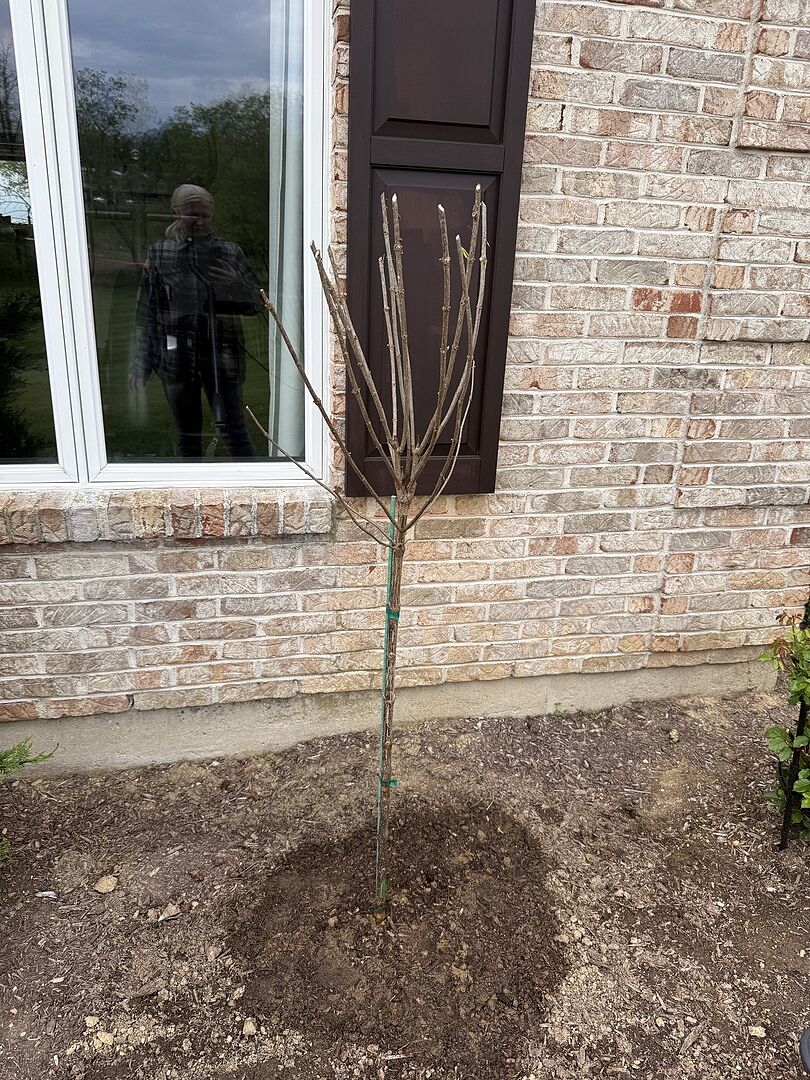
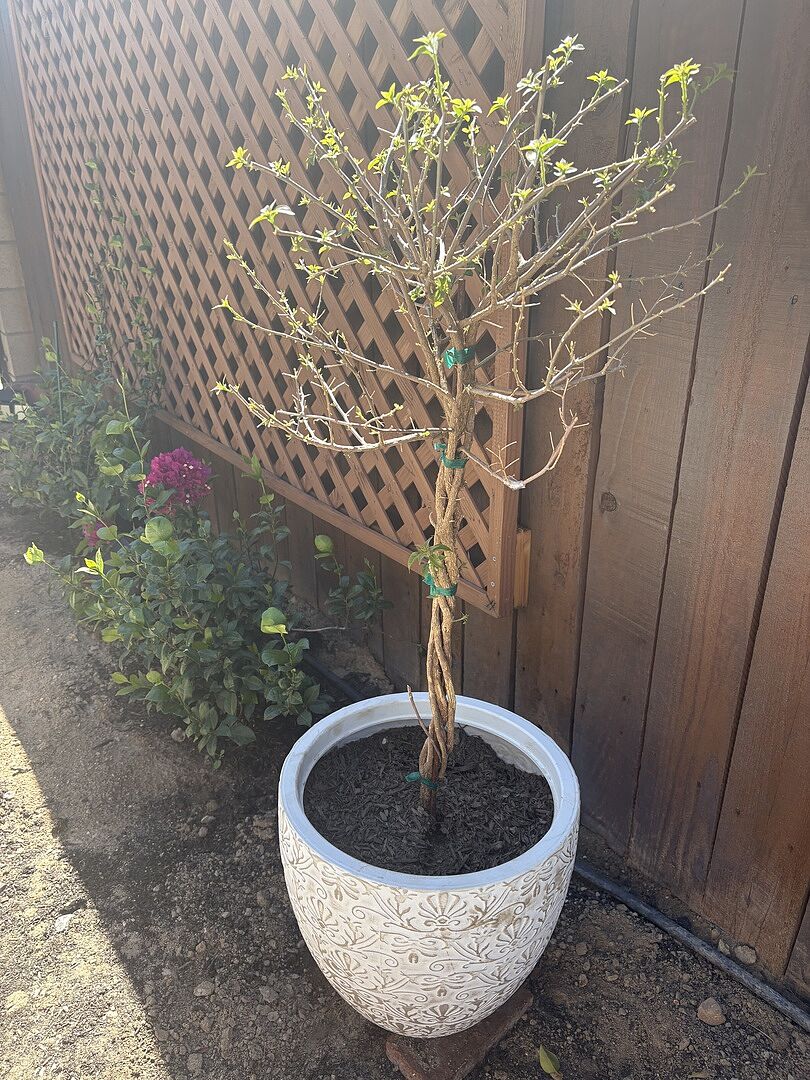
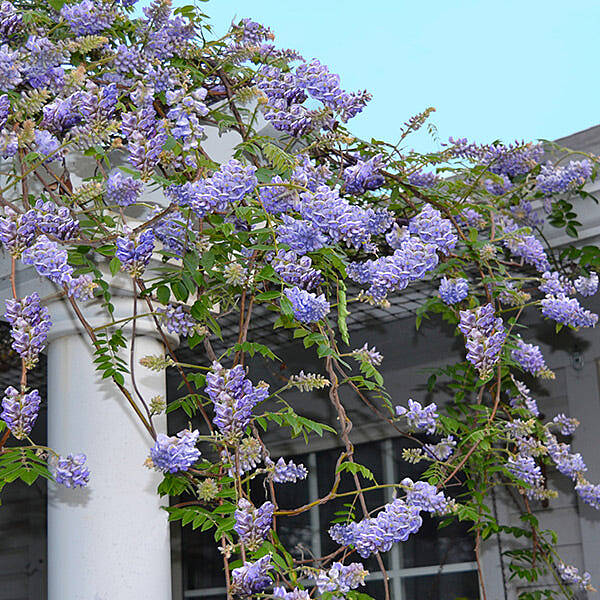
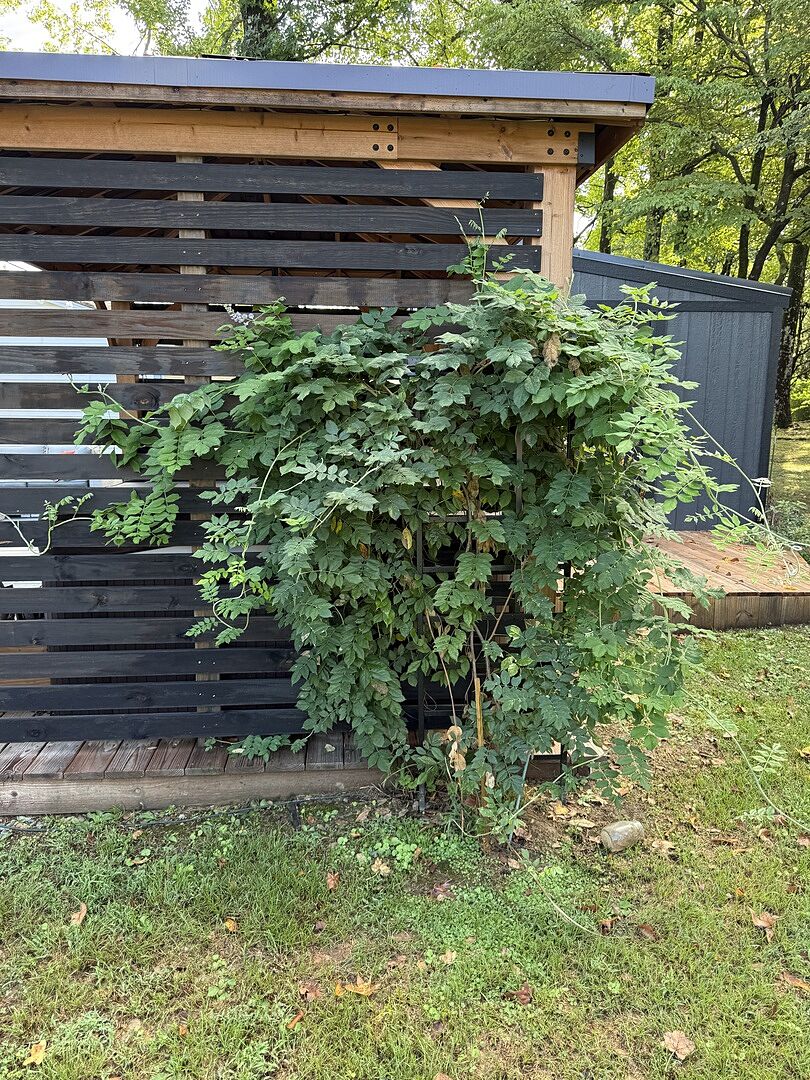
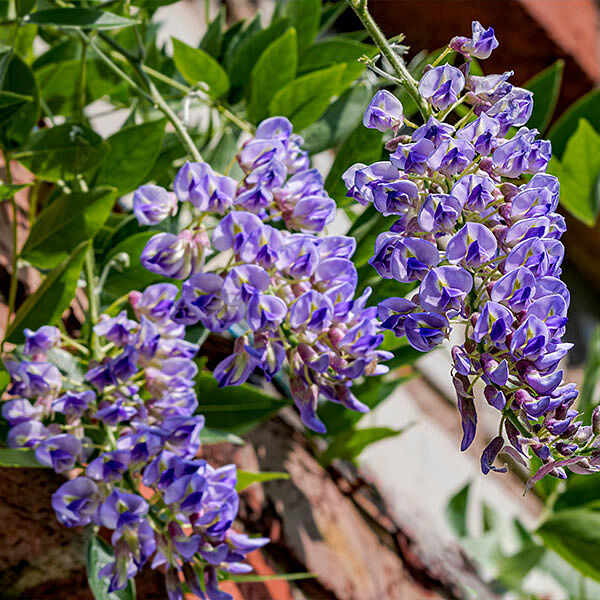
Grafted to a standard, the Wisteria Tree can be maintained as a tree form with regular pruning throughout the season, so you get cascading purple flowers.
- Mature size: 6–10 ft. tall, 8–10 ft. wide
- Zones: 4–9, hardy to -20℉
- Sunlight: full sun to partial shade
Fragrant blooms arrive in mid spring. One caveat to know up front: this is Wisteria sinensis, Chinese wisteria, which is invasive across much of the Southeast. If you'd rather not manage it, American wisteria such as Amethyst Falls is the native alternative.
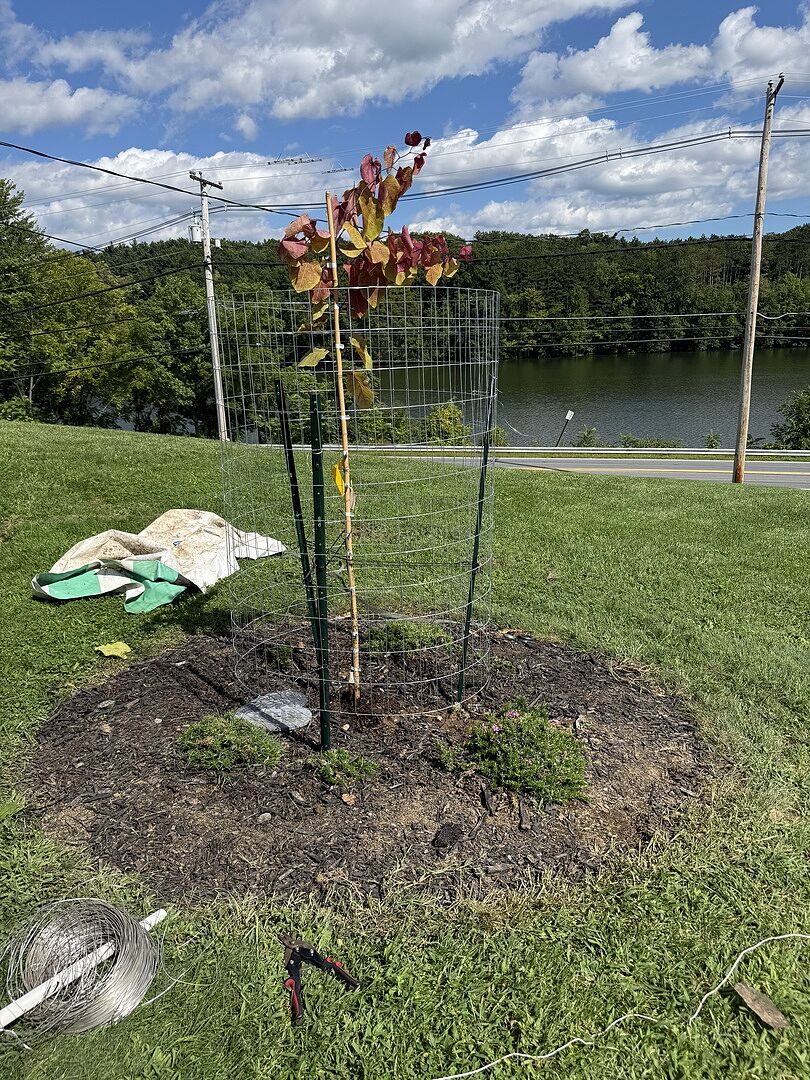
2. Flame Thrower® Redbud Tree

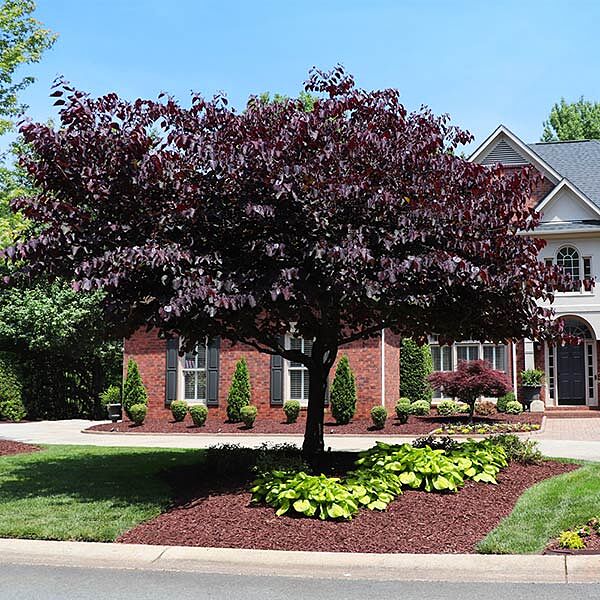
The colorful foliage is the selling point of the Flame Thrower Redbud tree. New growth emerges burgundy, then shifts through orange and yellow to green, so all four colors show at once.
- Mature size: 15–20 ft. tall, 15–20 ft. wide
- Zones: 5–9, hardy to -10℉
- Sunlight: full sun to partial shade
Pink pea-shaped blooms open on bare wood in early spring before the leaves arrive. This is the best fit for anyone who wants a redbud that keeps earning its space after the bloom ends.
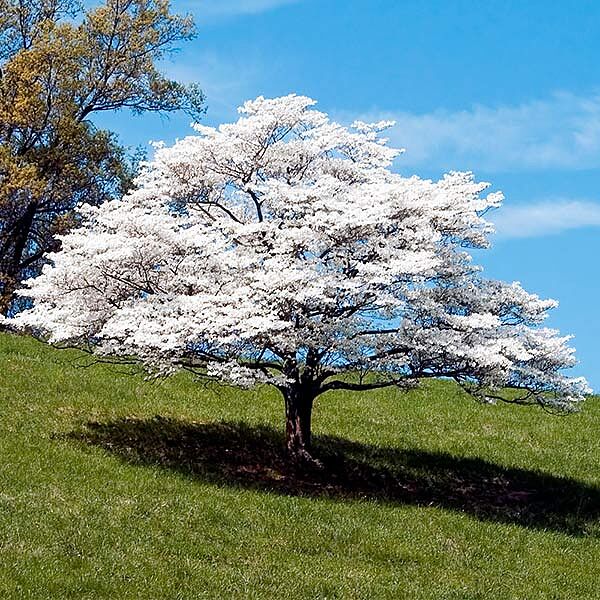
3. White Dogwood Tree

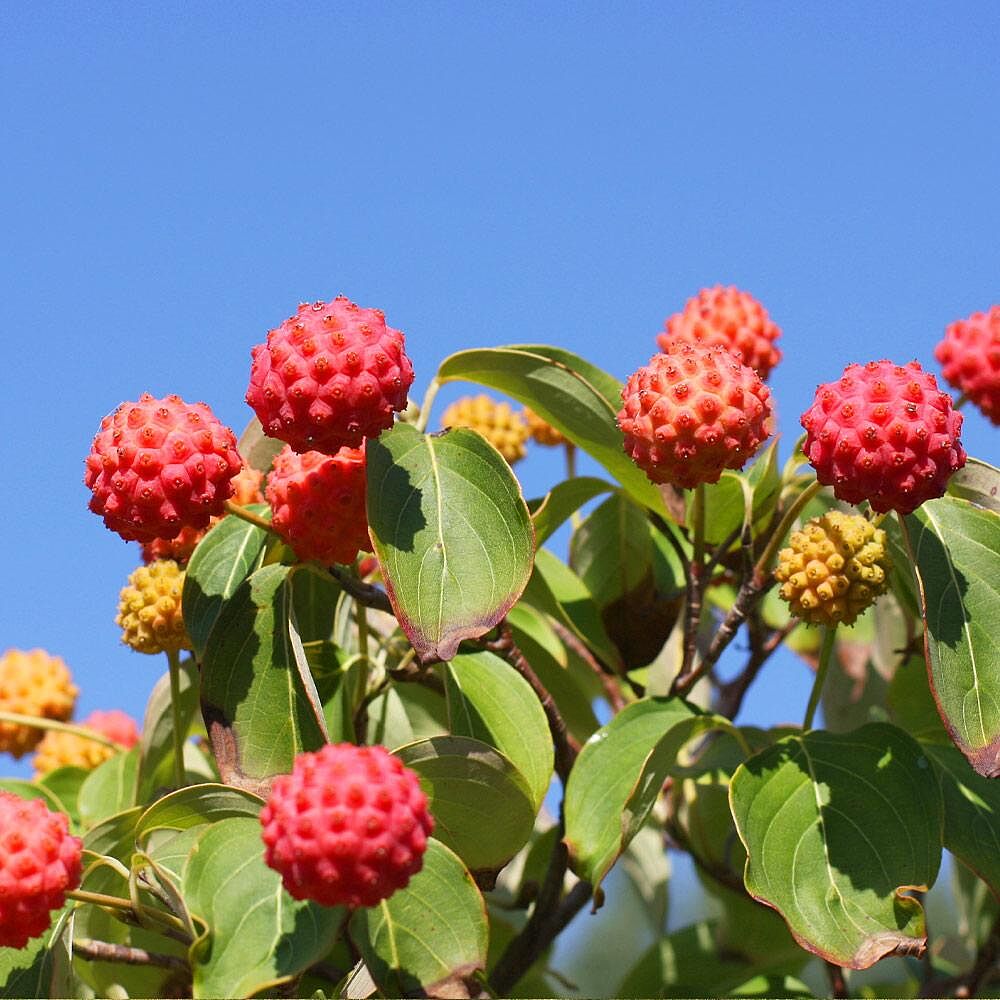
The White Dogwood is a classic for a reason. Cornus florida opens white bracts in early to mid spring, followed by red berries birds love and red fall foliages.
- Mature size: 20–25 ft. tall, 20–25 ft. wide
- Zones: 5–9, hardy to -10℉
- Sunlight: full sun to partial shade
Placement is what makes or breaks a flowering dogwood. It's an understory tree, meaning it naturally grows beneath taller trees. In zone 8, plant dogwoods in morning sun and afternoon shade to protect them from leaf scorch and heat stress. It also prefers acidic, well-drained soil with consistent moisture.
4. Pink Dogwood Tree

The same tree as the White Dogwood with pink to rose bracts. Plant a Pink Dogwood on its own, or alongside White Dogwood. Pairing the two gives you a beautiful two-tone spring display.
- Mature size: 20–25 ft. tall, 20–25 ft. wide
- Zones: 5–9, hardy to -10℉
- Sunlight: full sun to partial shade
Like the White Dogwood, protection from intense afternoon sun is appreciated in zone 8.
5. Eastern Redbud Tree

Native across most of zone 8, the Eastern Redbud puts on an early show, with magenta blooms appearing directly on its trunk and branches.
- Mature size: 20–30 ft. tall, 25 –35 ft. wide
- Zones: 4–9, hardy to -20℉
- Sunlight: full sun to partial shade
Heart-shaped leaves follow and turn yellow in fall. It's hardy to zone 4, so zone 8 sits at the warm edge of its range. This is a large tree, too. Give it room to spread, because at 25 to 35 feet this is the widest tree in the spring group.
6. Jane Magnolia Tree

The Jane Magnolia is a late-blooming magnolia, which is exactly the point. It flowers after the frost window that ruins saucer magnolias.
- Mature size: 10–15 ft. tall, 8–12 ft. wide
- Zones: 4–8, hardy to -20℉
- Sunlight: full sun to partial shade
Fragrant purple-pink, tulip-shaped blooms arrive in mid to late spring and it often reblooms lightly in summer. Zone 8 is its southern limit, so give it afternoon shade in 8b and expect a lighter bloom at the warm edge of its range.
7. Kwanzan Cherry Tree

If you want a head-turning spring display, the Kwanzan Cherry tree produces showy double pink blooms with about 30 petals per flower. Bonus: There’s no messy fruit to clean up.
- Mature size: 15– to 25 ft. tall, 15– to 25 ft. wide
- Zones: 5–9, hardy to -10℉
- Sunlight: full sun
It grows in a vase-like habit with bronze new leaves and orange fall color to round out the year. It blooms slightly after the Yoshino Cherry Tree, which makes it useful for extending the cherry window in your yard.
Best summer-blooming trees for zone 8
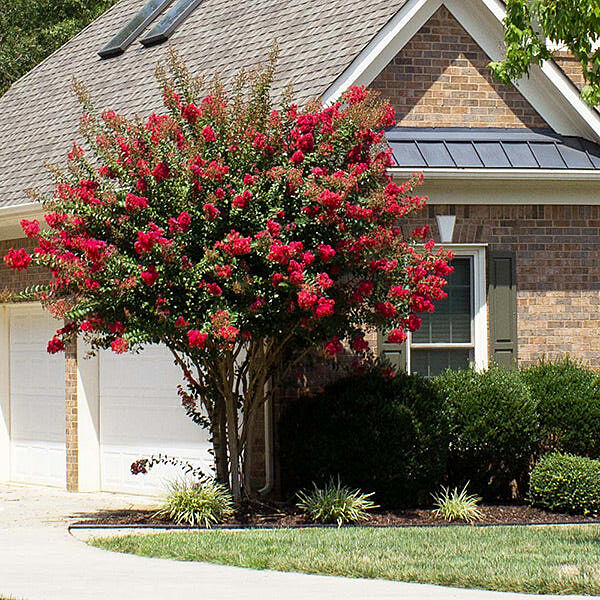
8. Muskogee Crape Myrtle Tree

Zone 8 is ideal for crape myrtles, and Muskogee stands out for its height and long bloom season. It produces lavender flowers for up to 120 days, typically from June through late summer and into September.
- Mature size: 20–30 ft. tall, 10–15 ft. wide
- Zones: 6–9, hardy to 0℉
- Sunlight: full sun
Exfoliating cinnamon-colored bark carries the winter interest. At 20 to 30 feet, this is the tallest option on the list for that use.
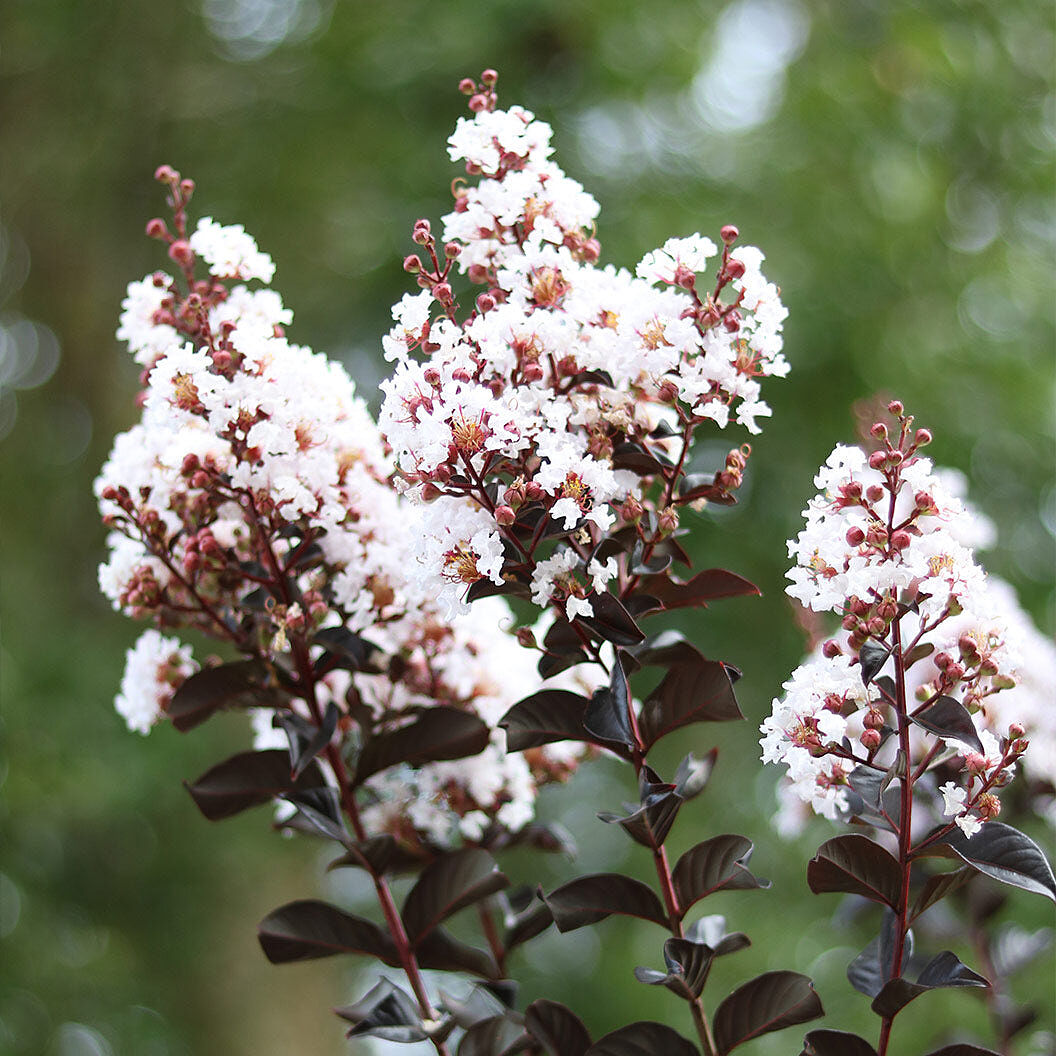
9. Natchez Crape Myrtle Tree

Natchez combines white blooms and the strongest cinnamon-colored bark in the crape myrtle line, on a fast-growing tree..
- Mature size: 20–30 ft. tall, 15–20 ft. wide
- Zones: 7–10, hardy to 10℉
- Sunlight: full sun
It's mildew resistant and heat tolerant, which are especially useful in humid zone 8 summers. White also reads differently than lavender in a landscape, holding up at dusk when colored blooms go flat.
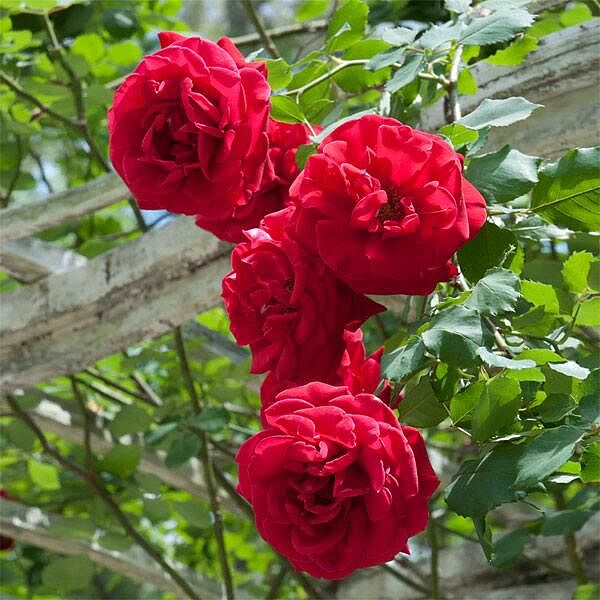
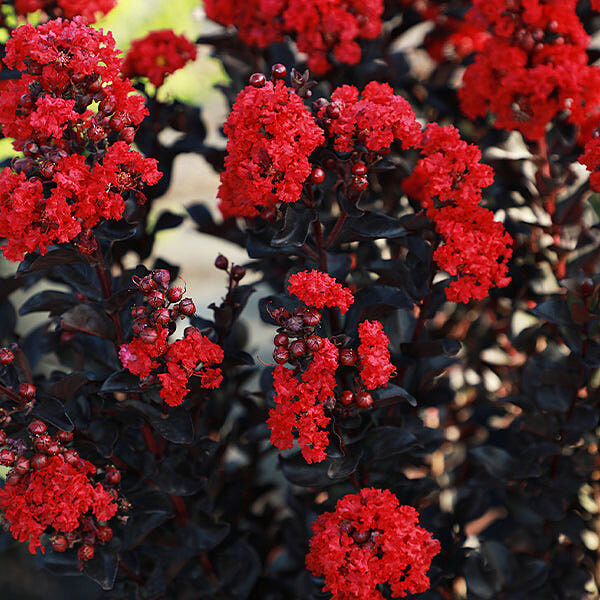
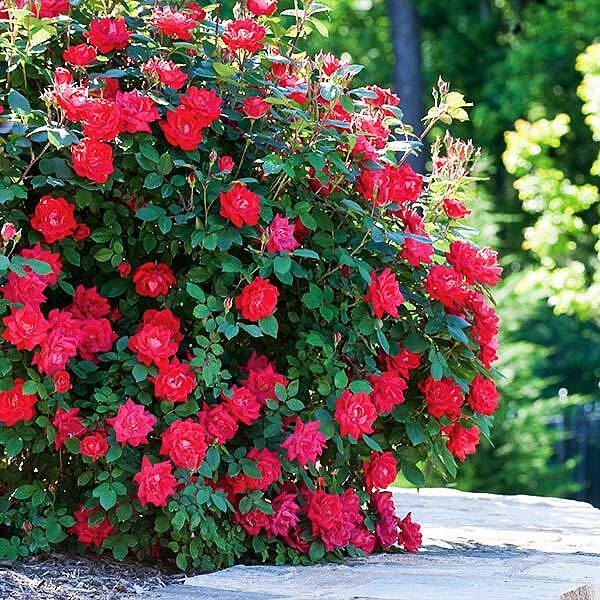
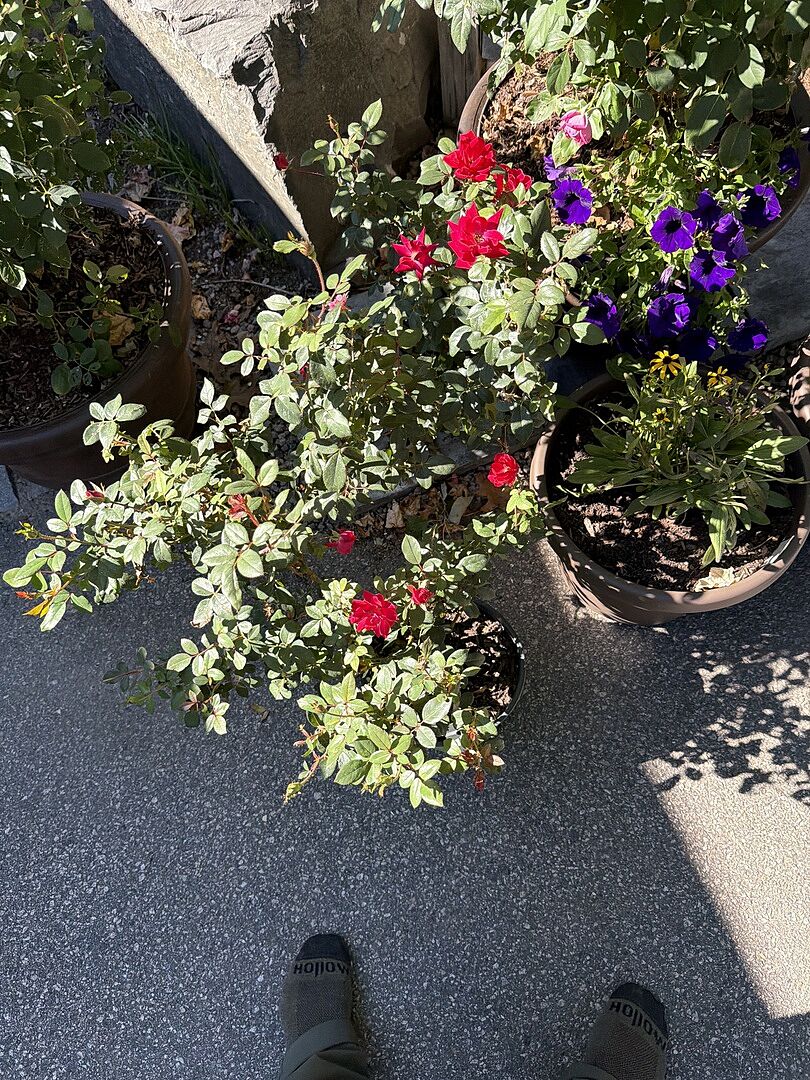
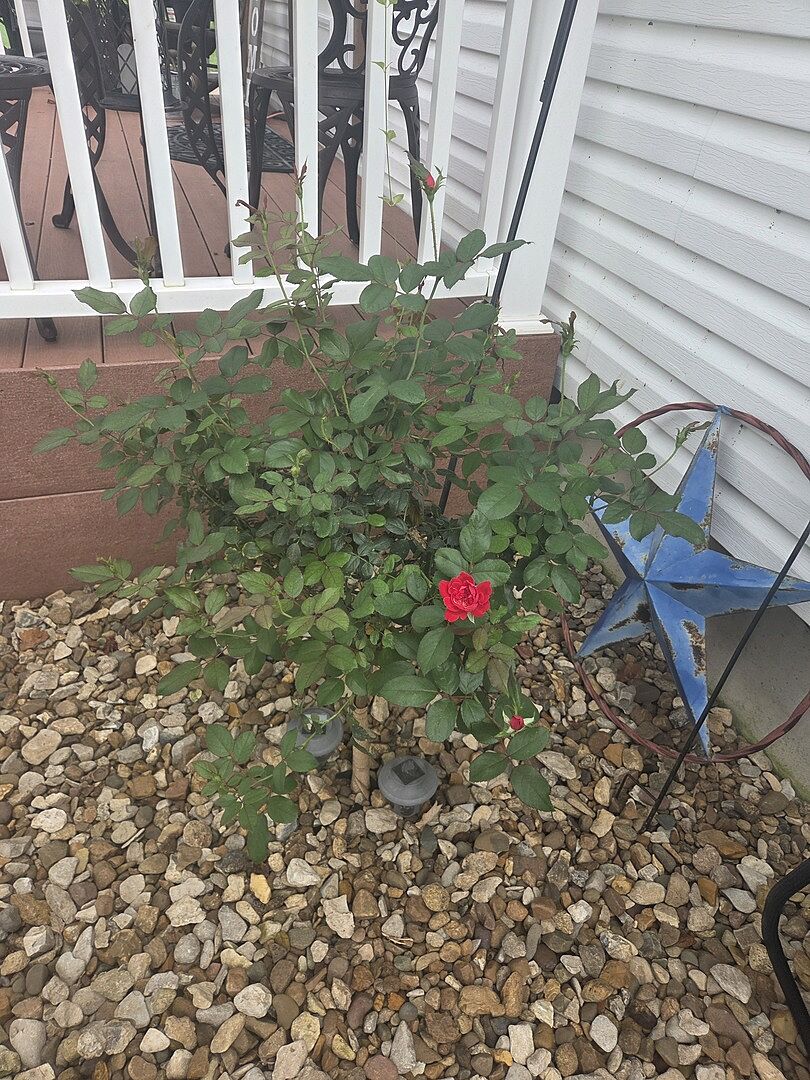
10. Knock Out® Rose Tree

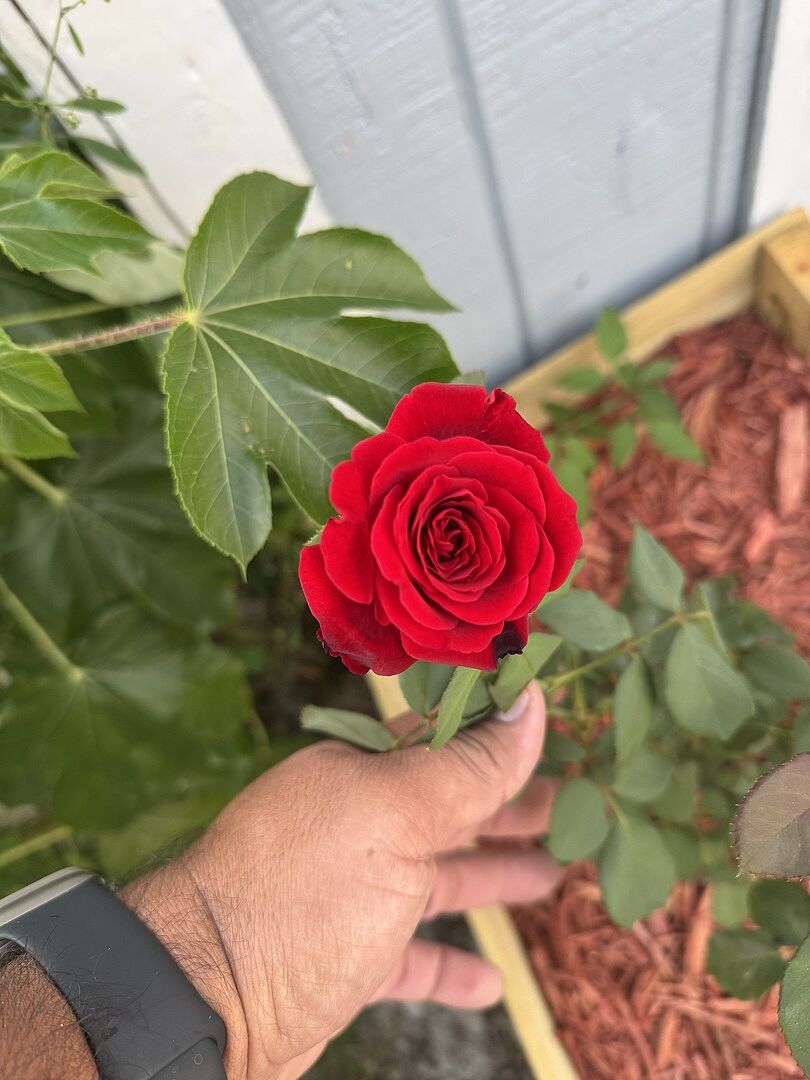
The Knock Out Rose tree is a rose grafted to a standard, so treat it as a patio tree rather than a canopy tree.
- Mature size: 3–4 ft. tall, 3–4 ft. wide
- Zones: 5–10, hardy to -20℉
- Sunlight: full sun
In a sunny spot, cherry-red blooms continue from spring through frost, giving it the longest bloom window on this list. It's also disease resistant and needs no deadheading, which makes it about as low-effort as a rose gets.
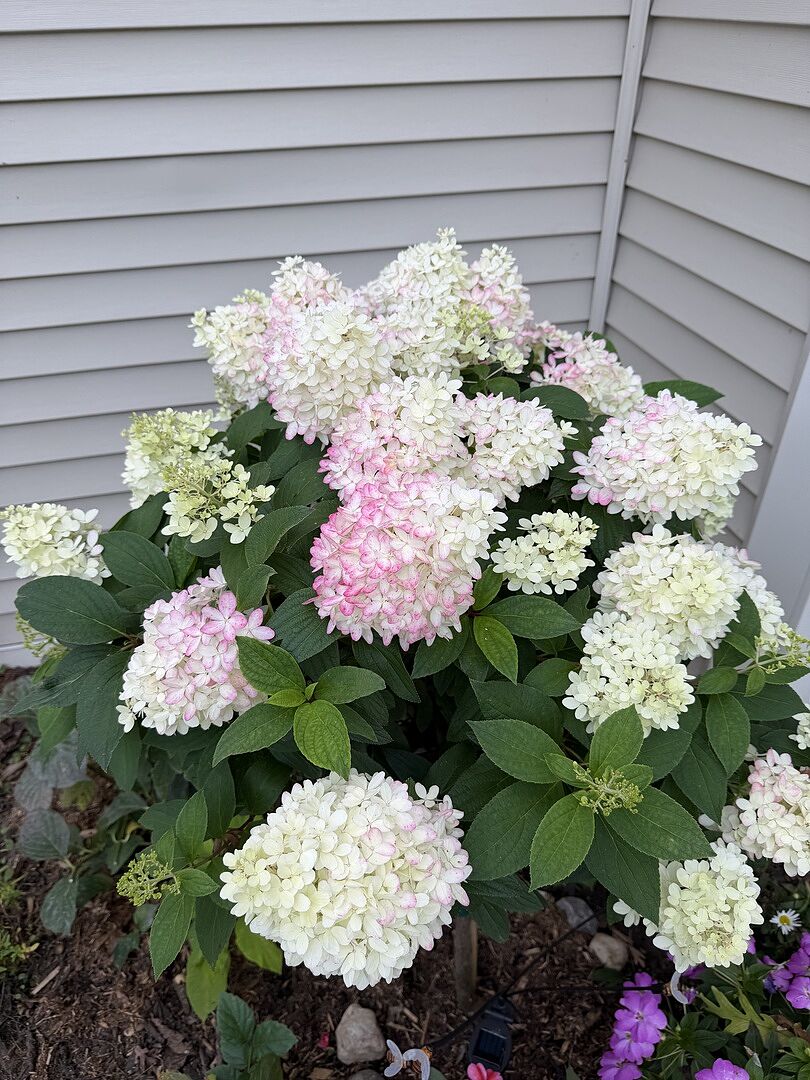
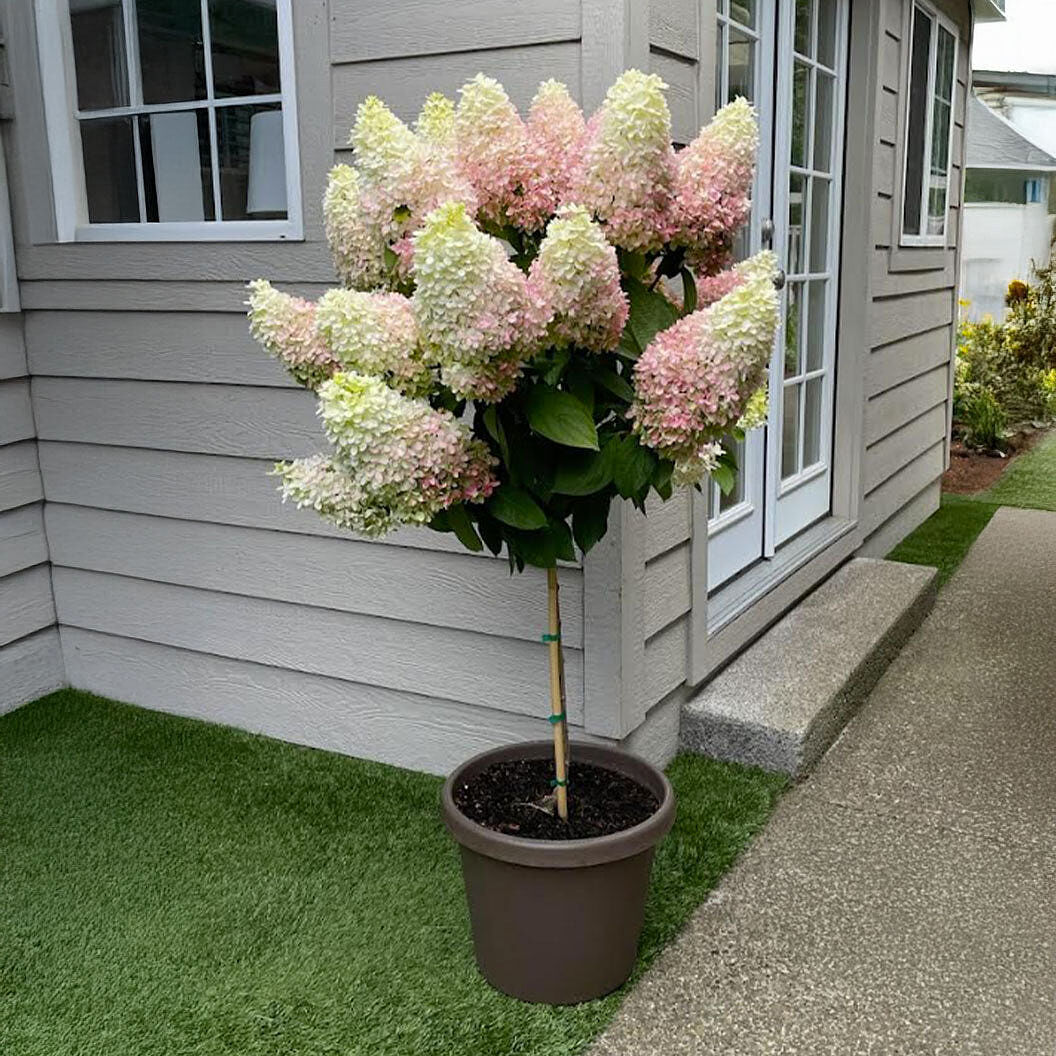
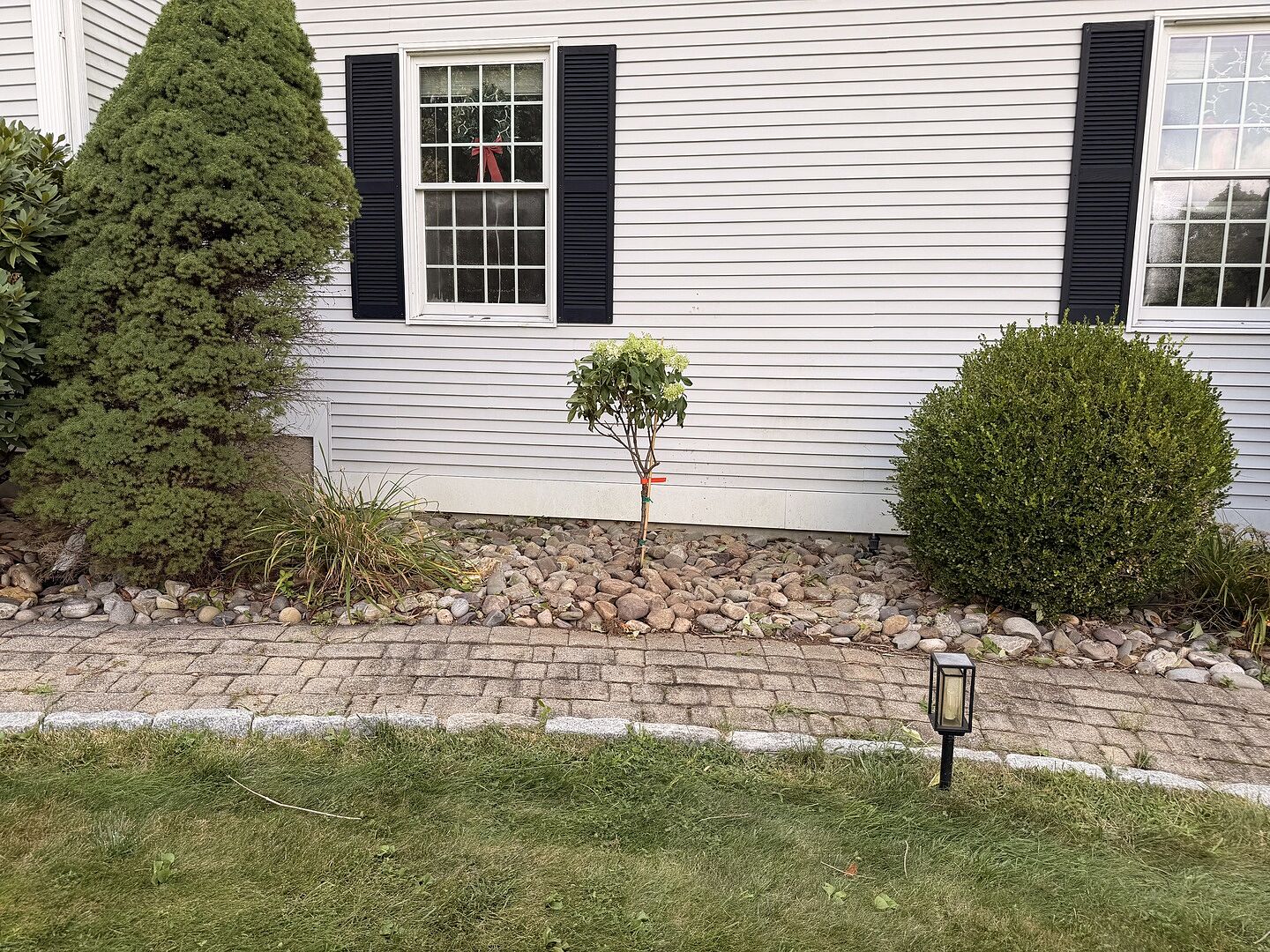
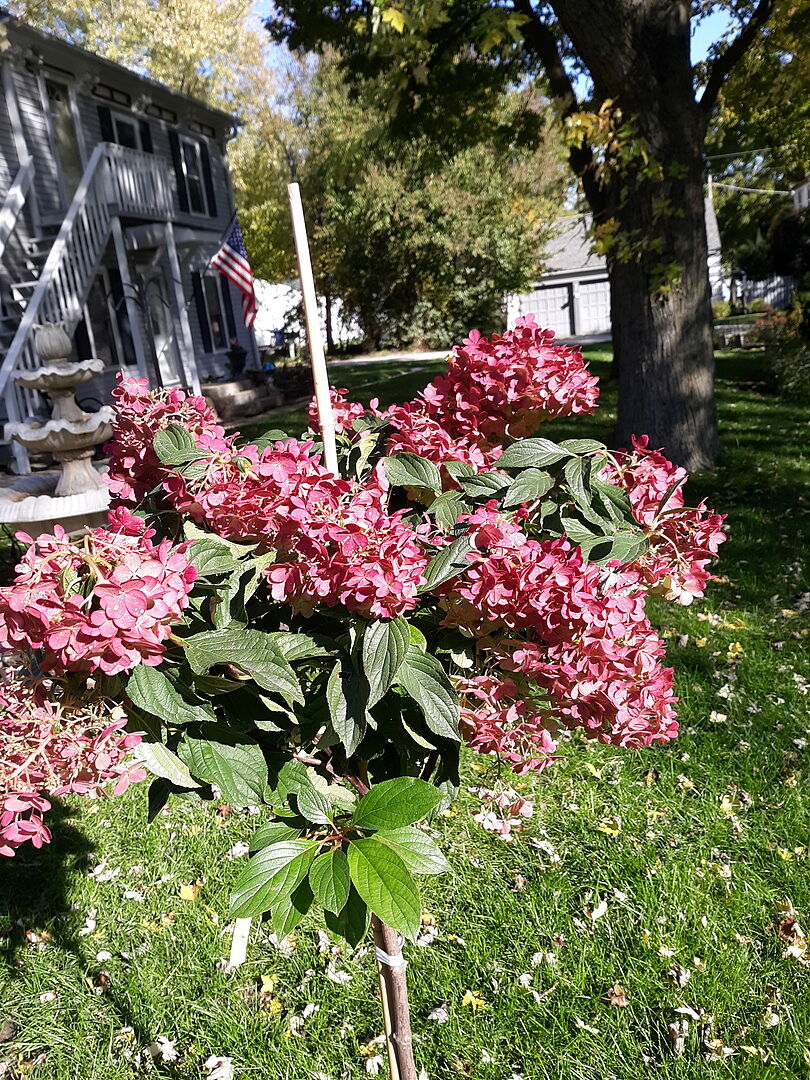
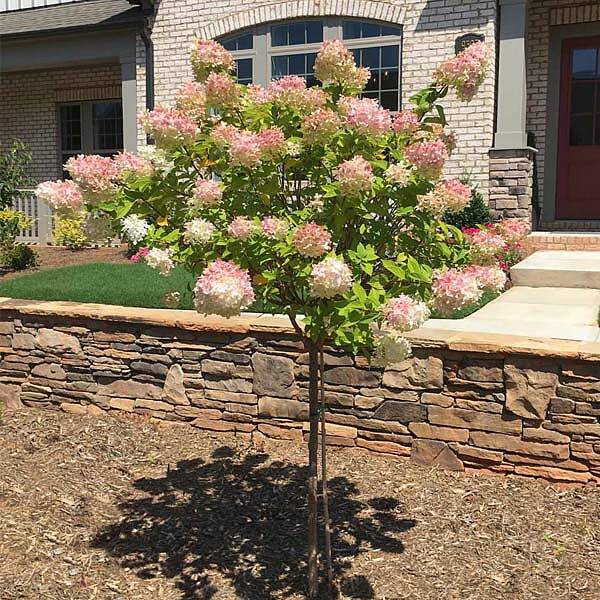
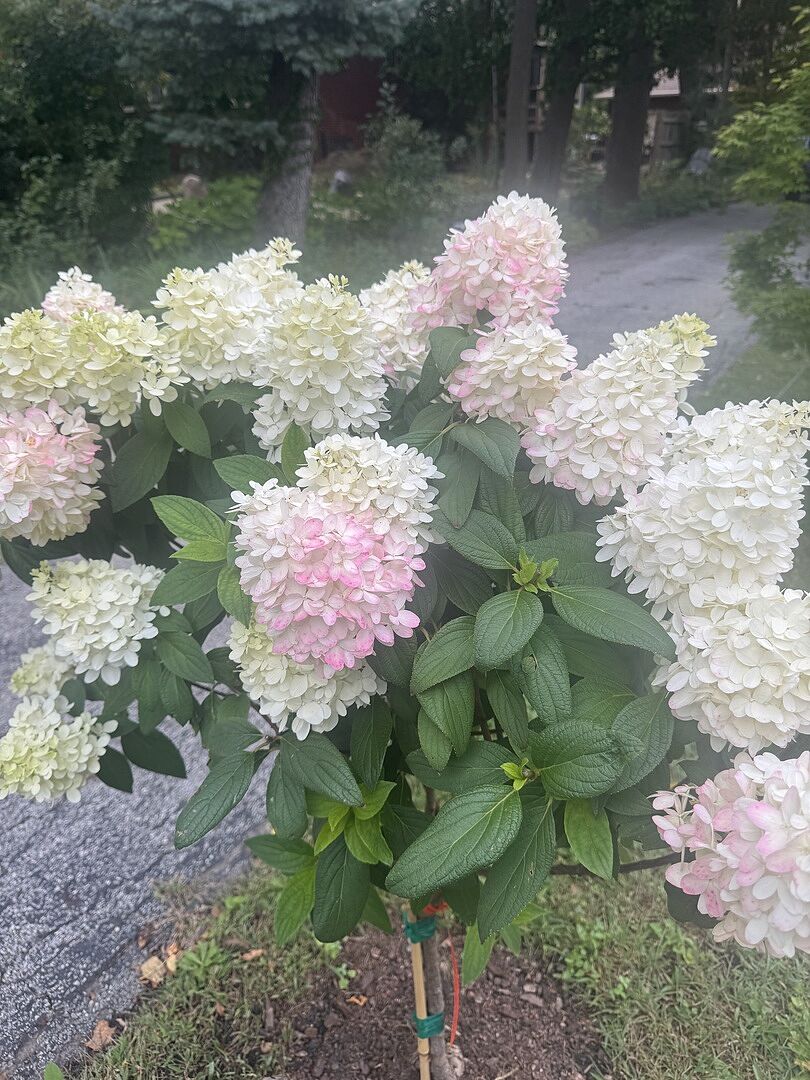
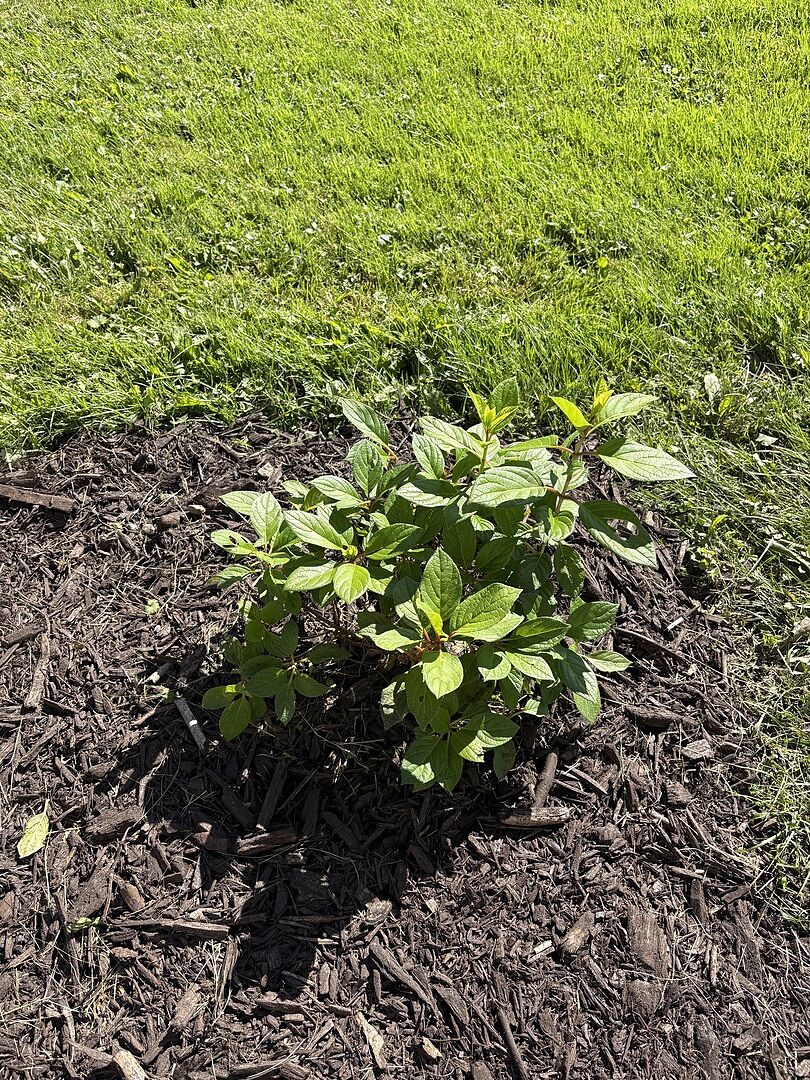
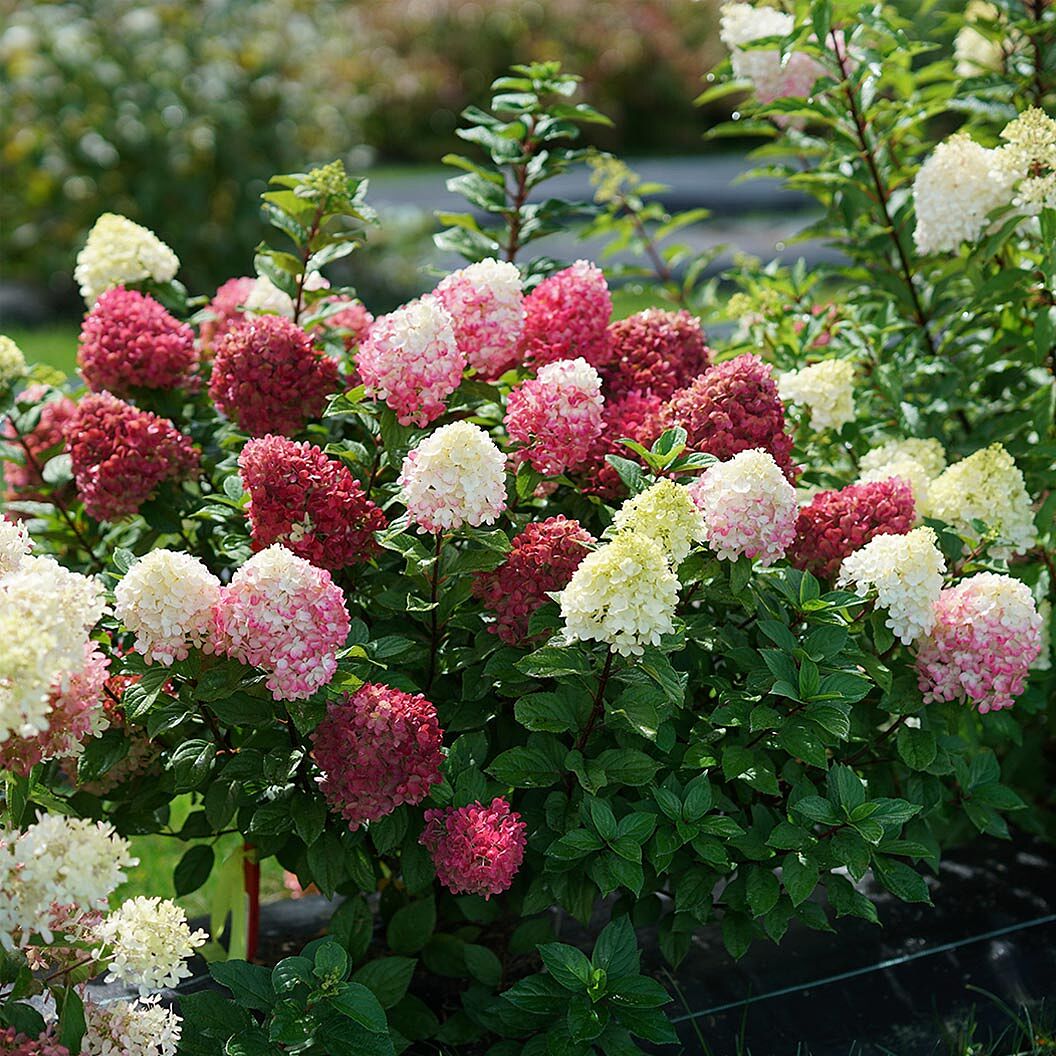
11. Vanilla Strawberry™ Hydrangea Tree

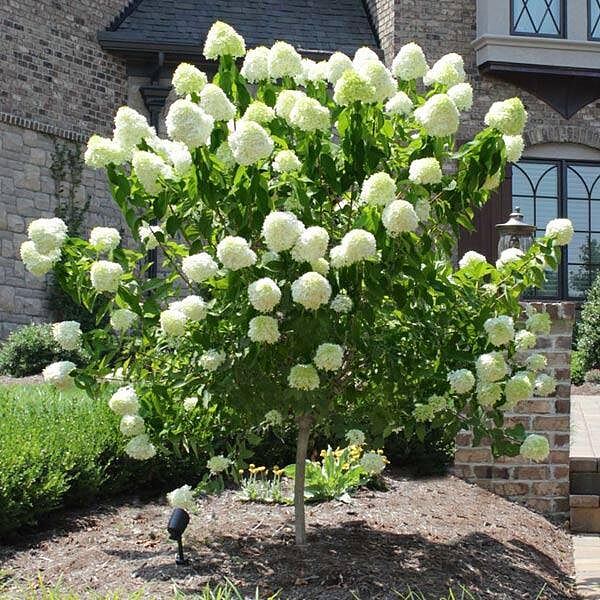
With the Vanilla Strawberry Hydrangea, blooms open creamy white in early summer, age to pink, then finish bright strawberry red, so all three colors appear on the plant at once.
- Mature size: 6–8 ft. tall, 4–5 ft. wide
- Zones: 4–8, hardy to -20℉
- Sunlight: full sun to partial shade
This is a panicle hydrangea, so it takes considerably more sun than a bigleaf would. Zone 8 is its southern limit, which means afternoon shade and consistent water are required in zone 8.
Best fragrant and compact trees for zone 8
12. Little Gem Magnolia

Little Gem gives you the glossy dark green leaves and fragrant white flowers of a Southern Magnolia in a much more manageable size.
- Mature size: 15–20 ft. tall, 8–10 ft. wide
- Zones: 7–9, hardy to 10℉
- Sunlight: full sun to partial shade
Fragrant creamy white blooms come in spring and summer, while the evergreen foliage provides year-round interest. It's also deer resistant. Zone 7 is its northern cold limit, and it does not ship to AK, AZ, HI, or OR. Its compact size makes it small enough for a foundation planting, a corner accent, or a focal point near a patio.
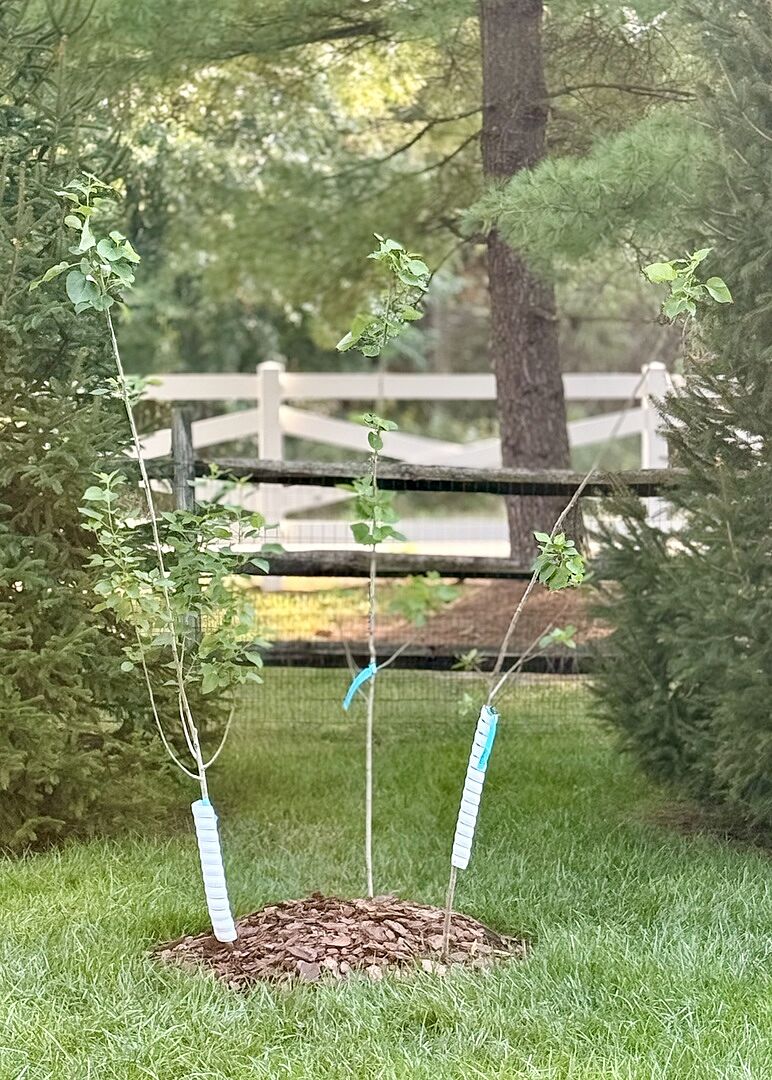
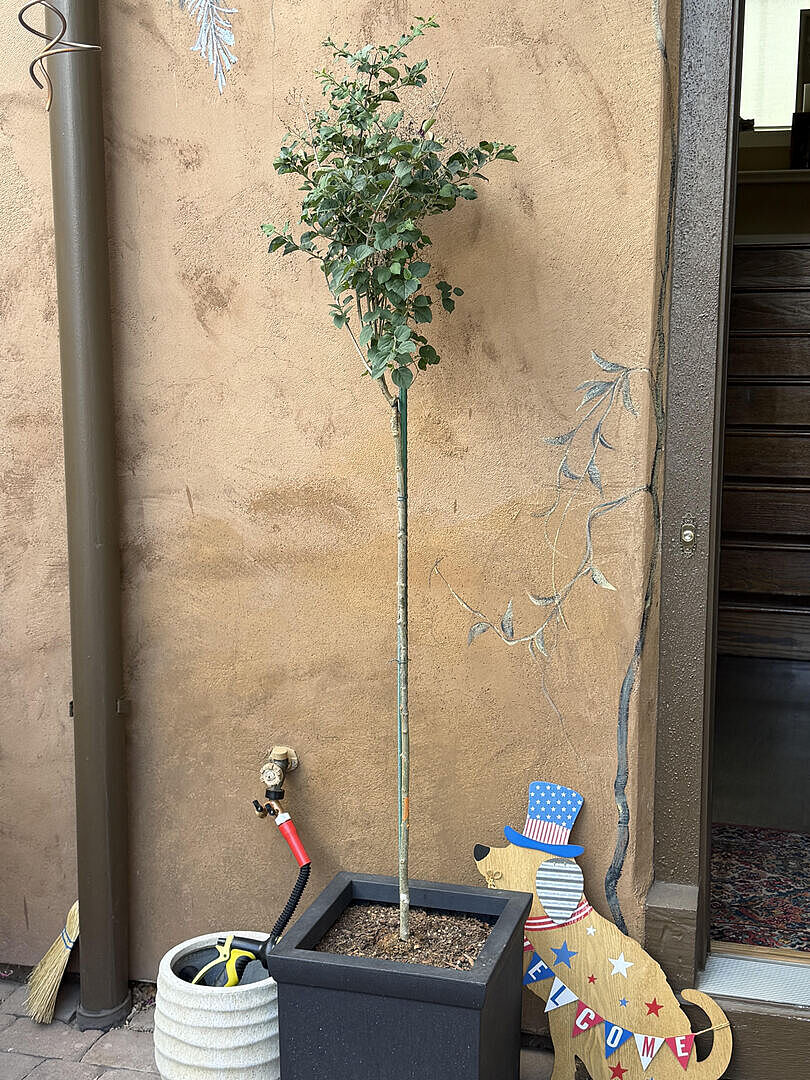
13. Dwarf Korean Lilac Tree

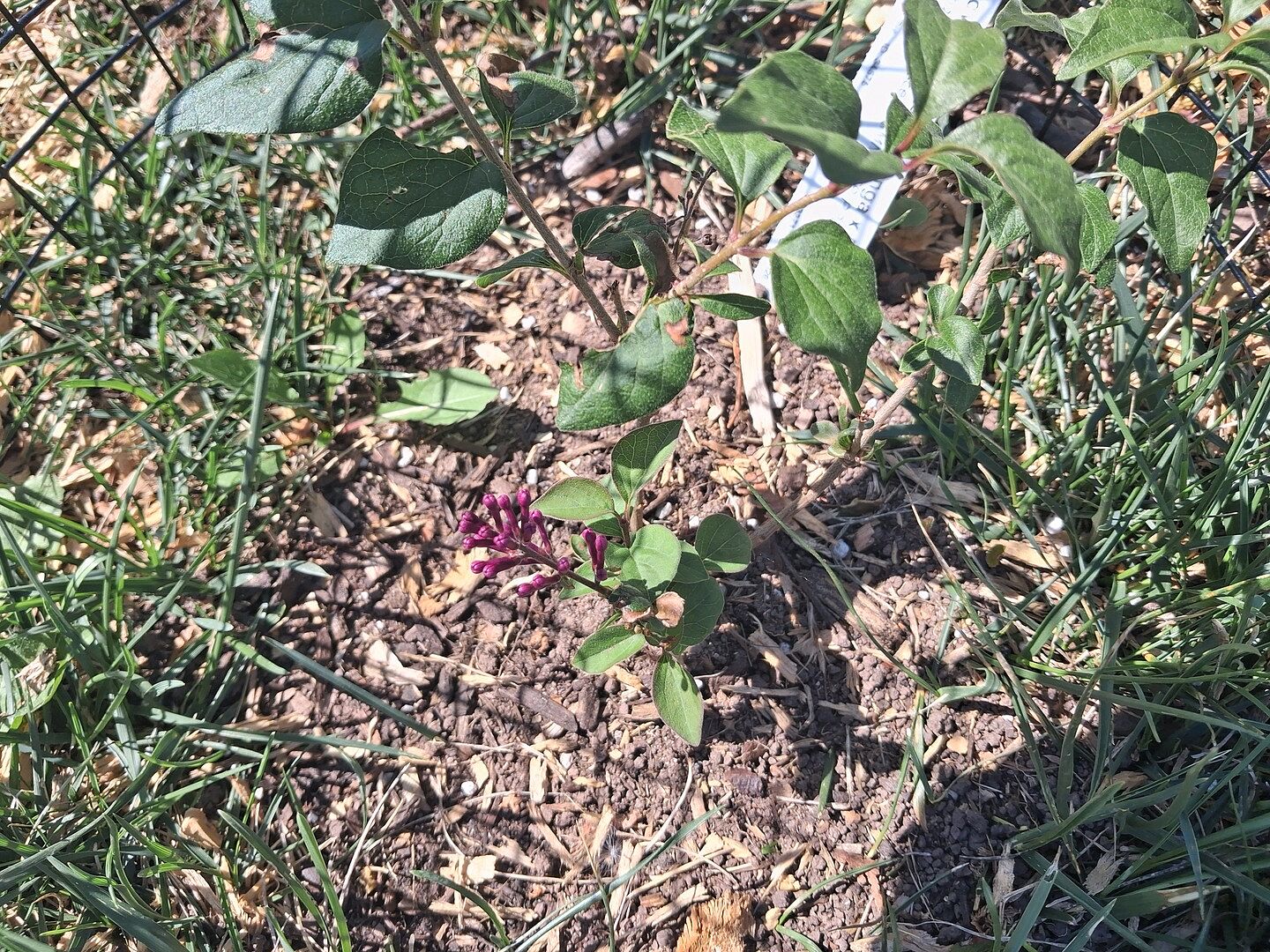
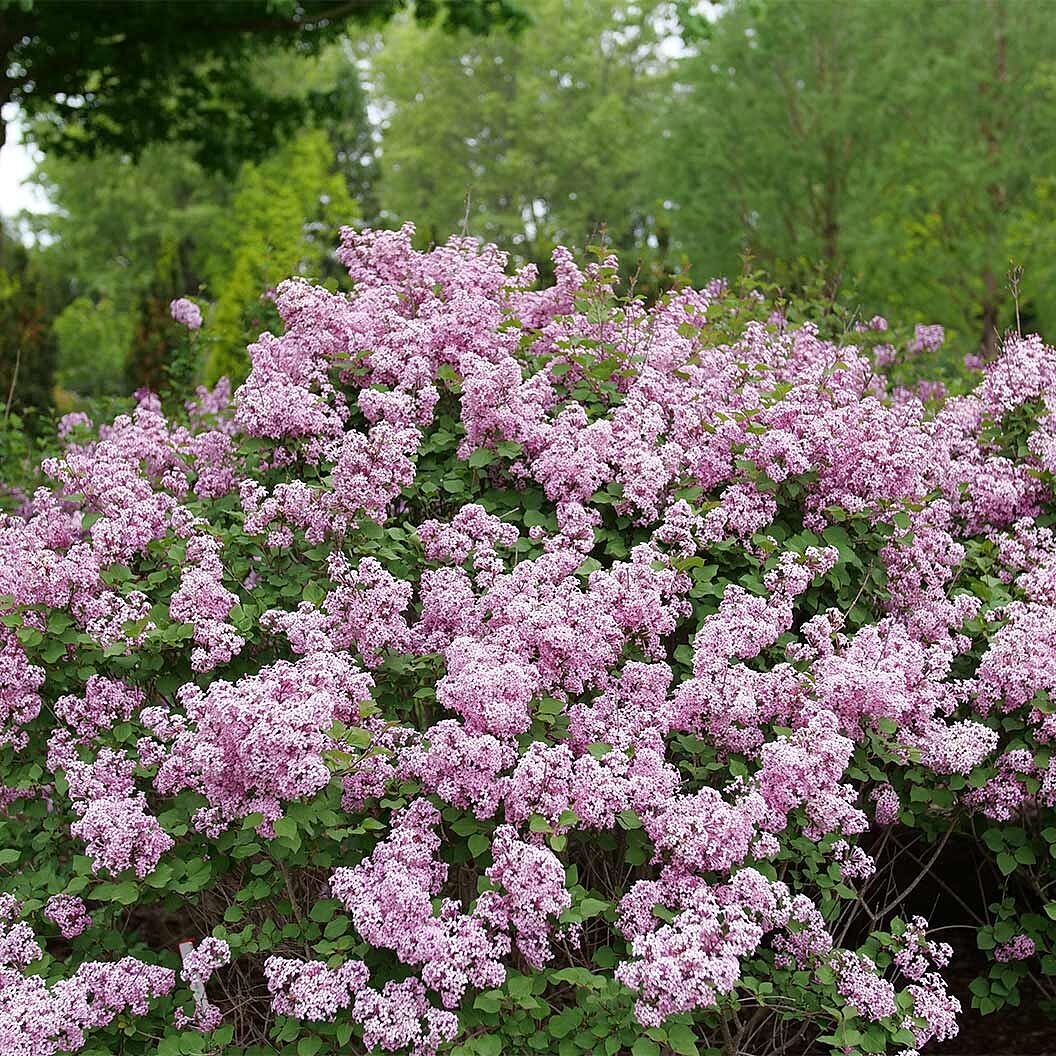
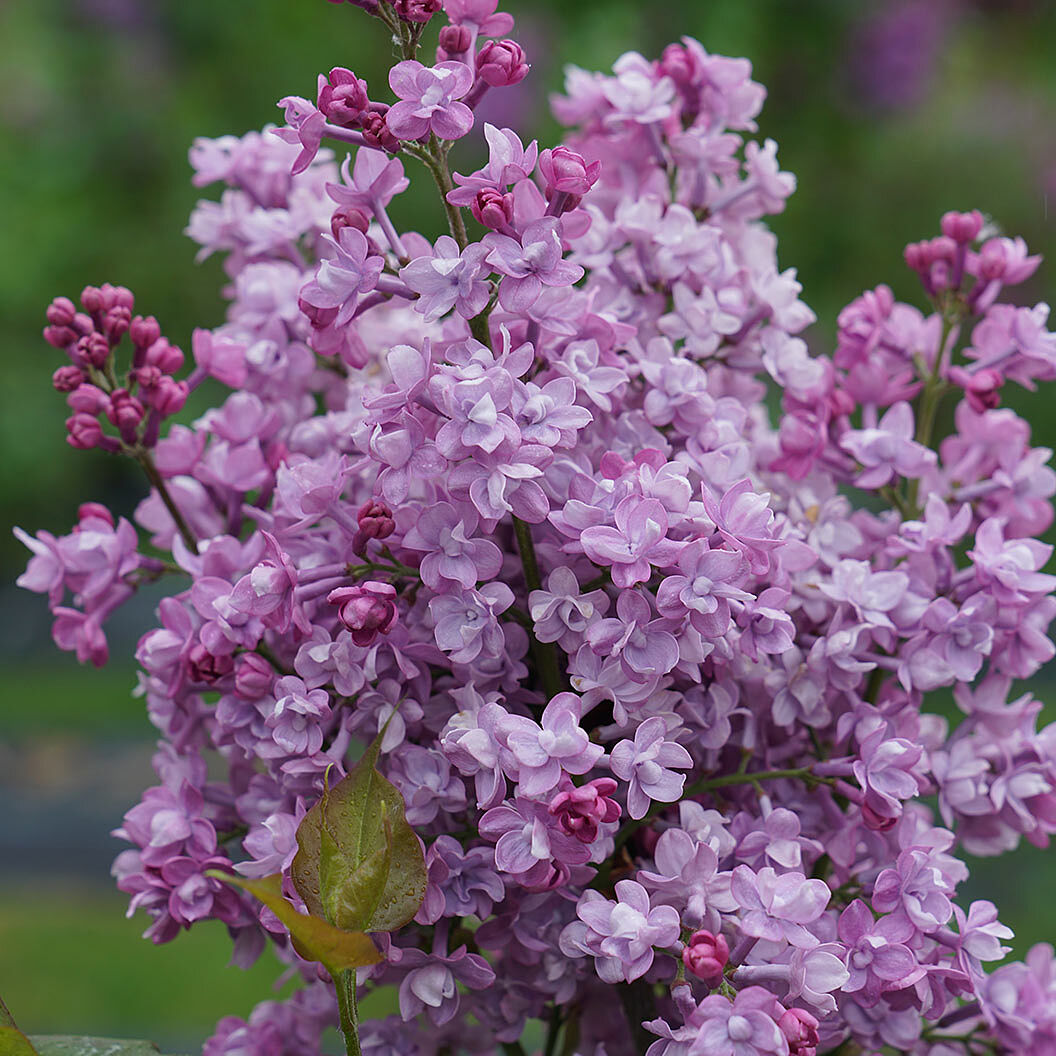
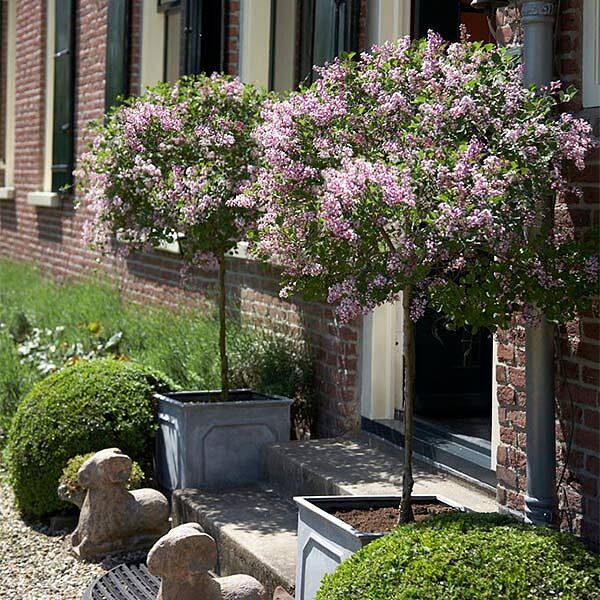
Yes, you can grow lilacs in zone 8, and this the Dwarf Korean is the one. Grown in tree form, Syringa meyeri 'Palibin' carries fragrant pale purple flower clusters in late spring. Lilacs are best suited to zones with cool summers and alkaline pH soil. They grow well in high desert climates in parts of the Intermountain West.
- Mature size: 5–7 ft. tall, 5–7 ft. wide
- Zones: 4–8, hardy to -20℉
- Sunlight: full sun to partial shade
It's the smallest footprint on the list and it's deer resistant. Zone 8 is its southern limit, so it joins Jane Magnolia and Vanilla Strawberry in the group that wants afternoon shade in 8b.
Zone 8 Flowering Trees at a Glance
|
Tree |
Mature Size (H × W) |
Zones |
Bloom Season |
Bloom Color |
Sunlight |
Growth Rate |
|---|---|---|---|---|---|---|
|
Wisteria Tree |
6–10 × 8–10 ft. |
4–9 |
Mid spring |
Purple |
Full sun to partial shade |
Moderate |
|
Flame Thrower® Redbud |
15–20 × 15–20 ft. |
5–9 |
Early spring |
Pink |
Full sun to partial shade |
Moderate |
|
White Dogwood |
20–25 × 20–25 ft. |
5–9 |
Early to mid spring |
White |
Full sun to partial shade |
Moderate |
|
Pink Dogwood |
20–25 × 20–25 ft. |
5–9 |
Early to mid spring |
Pink to rose |
Full sun to partial shade |
Moderate |
|
Eastern Redbud |
20–30 × 25–35 ft. |
4–9 |
Early spring |
Magenta |
Full sun to partial shade |
Moderate |
|
Jane Magnolia |
10–15 × 8–12 ft. |
48 |
Mid to late spring |
Purple-pink |
Full sun to partial shade |
Moderate |
|
Kwanzan Cherry |
15–25 × 15–25 ft. |
5–9 |
Mid spring |
Double pink |
Full sun |
Moderate |
|
Muskogee Crape Myrtle |
20–30 × 10–15 ft. |
6–9 |
June to September |
Lavender |
Full sun |
Moderate |
|
Natchez Crape Myrtle |
20–30 × 15–20 ft. |
7–10 |
June to September |
White |
Full sun |
Fast |
|
Knock Out® Rose Tree |
3–4 × 3–4 ft. |
5–10 |
Spring to frost |
Cherry red |
Full sun |
Moderate |
|
Vanilla Strawberry™ Hydrangea |
6–8 × 4–5 ft. |
4–8 |
June to August |
White to pink to red |
Full sun to partial shade |
Moderate |
|
Little Gem Magnolia |
15–20 × 8–10 ft. |
7–9 |
Spring and summer |
Creamy white |
Full sun to partial shade |
Moderate |
|
Dwarf Korean Lilac |
5–7 × 5–7 ft. |
4–8 |
Late spring |
Pale purple |
Full sun to partial shade |
Moderate |
Bold zone ranges mark the three trees for which zone 8 is the upper limit. These need shade in zone 8.
When each tree blooms in zone 8
Treat this as a rough calendar, since 8a and 8b typically run two to three weeks apart. Zone 8 extends from the Southeast to Texas to the Southwest and up through California and the Pacific Northwest. When a plant bloom is more dependent on the local region than the cold hardiness zone, so use this as an estimation.
- Late February to March: Eastern Redbud, Flame Thrower® Redbud
- March to April: White Dogwood, Pink Dogwood, Kwanzan Cherry, Wisteria
- April to May: Jane Magnolia, Dwarf Korean Lilac
- June to September: Muskogee Crape Myrtle, Natchez Crape Myrtle
- June to August: Vanilla Strawberry™ Hydrangea, shifting color through the window
- Spring to first frost: Knock Out® Rose Tree
One thing to note: While trees are the backbone of your landscape, a well rounded landscape design depends on shrubs, perennials, and annuals for color throughout the seasons.
Planting and care for zone 8 flowering trees
- Zone 8 planting depends on your region. In regions with mild winters, like the South and Pacific Northwest, plant in fall. In regions with harsh winters like the Intermountain West, plant in spring.
- Water deeply and infrequently rather than shallow and often. Aim for the root zone, not the surface.
- Give trees at their southern limit some afternoon protection. Dogwoods, Redbuds, Jane Magnolia, Vanilla Strawberry™ Hydrangea, and Dwarf Korean Lilac want afternoon shade in 8b.
- Mulch 2 to 3 inches deep, but leave a few inches of bare soil around the trunk to keep the bark dry and reduce the risk of rot.
Pruning by Bloom Time
Pruning at the wrong time can mean cutting off next year’s flowers, but the rule is fairly simple once you know it.
- Old-wood bloomers, pruned right after flowering: dogwood, redbud, lilac, wisteria, magnolia, and cherry. Pruning these in winter removes next season's buds.
- New-wood bloomers, pruned in late winter: crape myrtle, panicle hydrangea, and Knock Out® rose. These bloom on the current year's growth.
On crape myrtles specifically, avoid topping, or cutting the main branches back to thick stubs to control the tree's height. This can lead to weak, fast-growing shoots and fewer flowers. Instead, selectively thin branches to maintain the tree's natural shape.
Common mistakes to avoid
- Reading a zone rating as a guarantee. Zone 8 as a southern limit means the tree survives, not that it thrives. Growing zones measure cold hardiness, or a tree that survives winter, not that thrives in all regions.
- Planting dogwoods in full afternoon sun in zone 8. This is the most common dogwood failure in the Deep South. Give them protection from the hottest part of the day.
- Planting in the wrong season: Zone 8 regions with warm summers should plant in fall, while regions with colder winters should plant in spring.
- Winter-pruning old-wood bloomers, then wondering why the tree didn't flower.
- Planting Chinese wisteria without knowing it's invasive in the region.
- Siting an Eastern Redbud on 15 feet of spacing when it wants 25 to 35 feet of spread.
Which zone 8 flowering tree is right for your yard?
Start from what you want rather than from the list.
- Longest bloom: Knock Out® Rose Tree, then the crape myrtles.
- Smallest footprint: Dwarf Korean Lilac and Knock Out® Rose Tree.
- Fastest color: Natchez Crape Myrtle.
- Native options: Eastern Redbud and White Dogwood.
- Fragrance favorites: Dwarf Korean Lilac, Wisteria Tree, and Jane Magnolia.
Browse the full zone 8 flowering trees collection to see what's available for your address, or the wider flowering trees range to compare beyond zone 8.
Shop with confidence
Whichever tree you choose, it’s covered by our 1-year Alive & Thrive Guarantee™, so it arrives alive and healthy. If it dies of natural causes in its first year, we’ll provide a one-time replacement. Check out the policy page for the full details.
And if you're building a sequence rather than buying one tree, book a consultation with one of our Plant Experts. Tell them whether you're in 8a or 8b and they'll help you stage bloom across the whole year.
Frequently Asked Questions
What are the best flowering trees for zone 8?
For spring color, the Eastern Redbud and the dogwoods are strong choices. For summer blooms, Muskogee and Natchez Crape Myrtles deliver long-lasting color. Little Gem Magnolias add evergreen foliage and fragrant blooms, while Knock Out® Rose Trees have the longest bloom window, flowering from spring through frost.
When do flowering trees bloom in Zone 8?
Bloom starts in late February with the redbuds, runs through the dogwoods, cherries, magnolias, and lilacs across spring, then hands off to the crape myrtles and hydrangeas from June into September. Blooming periods for zone 8 vary based on climate.
What is the fastest-growing flowering tree for Zone 8?
Natchez Crape Myrtle. It's the only fast grower on this list and it reaches 20 to 30 feet, so it's the quickest way to have a full-size flowering tree. The rest are moderate growers.
Can lilacs grow in zone 8?
Yes, with the right variety. Dwarf Korean Lilac is rated for zones 4 to 8, so zone 8 is its southern limit. It will grow there, but give it afternoon shade in 8b and expect it to perform best at the cooler end of the range. Lilacs typically struggle in high heat and humidity. They are best planted in regions with low humidity and alkaline soil.
What flowering tree blooms all summer in zone 8?
Muskogee Crape Myrtle blooms lavender for up to 120 days, roughly June through September, and Natchez blooms white on the same schedule. The Knock Out® Rose Tree beats both for duration, flowering from spring straight through to frost.
When should I plant flowering trees in zone 8?
In zone 8 regions with warm summer, like the Southeast, Texas, and the Pacific Northwest, plant in fall. In zone 8 regions with cold winters, like the Intermountain West, plant in spring, after the ground thaws.
What are the best flowering trees for small yards in Zone 8?
A small tree is often the better fit for a small yard. The Knock Out® Rose Tree, at just 3 to 4 feet tall, is the smallest option on the list, followed by Dwarf Korean Lilac at 5 to 7 feet. The Vanilla Strawberry™ Hydrangea and Wisteria Tree also stay relatively compact at 6 to 8 and 6 to 10 feet, respectively.
Do zone 8 flowering trees need full sun?
Not all of them, which is useful in a hot climate. Kwanzan Cherry, both crape myrtles, and Knock Out® Rose Trees want full sun. Most of the rest take full sun to partial shade, and in Zone 8 that afternoon shade is an advantage rather than a compromise.
Written by
Abby Healy
Abby is an avid plant lover and the Director of Content at Trees.com. She grew up in Maine, graduated from Davidson College, and now resides in Charlotte, North Carolina with her husband and two dogs. Her previous roles include leading content teams at Red Ventures, a large digital media company, and launching the content and marketing functions at an ecommerce analytics start-up.
While her indoor plant collection is always growing, she also loves landscaping tips and learning more about plant care and maintenance. Her favorite plants are Japanese maples, roses of all kinds, and unique house plants.