29 Best Deer-Resistant Shrubs to Consider Planting

Last updated: Aug 19 2026

You plant something beautiful, you picture how it'll fill in, and then one morning the deer have treated it like an all-you-can-eat salad bar. If that scene feels familiar, you're not alone—and you're not out of options. The smartest move isn't a taller fence or a nightly patrol; it's choosing shrubs that deer tend to walk right past.
Before we dig in, it’s helpful to remember that "deer-resistant" means rarely browsed, not deer-proof. No plant is truly off the menu, and how reliably deer skip a shrub depends on your region, the season, and how hungry they are. In winter and other lean times, a hungry deer will nibble almost anything. Choose from the rarely-damaged end of the spectrum, though, and you tilt the odds firmly in your favor.
So which shrubs earn their spot? Our Plant Experts pulled together 29 reliable deer-resistant shrubs worth considering, spanning a wide range of sizes and styles for every landscape, with the growing details that actually help you match a plant to your yard. Read on to find the ones that fit your zone, and your style.
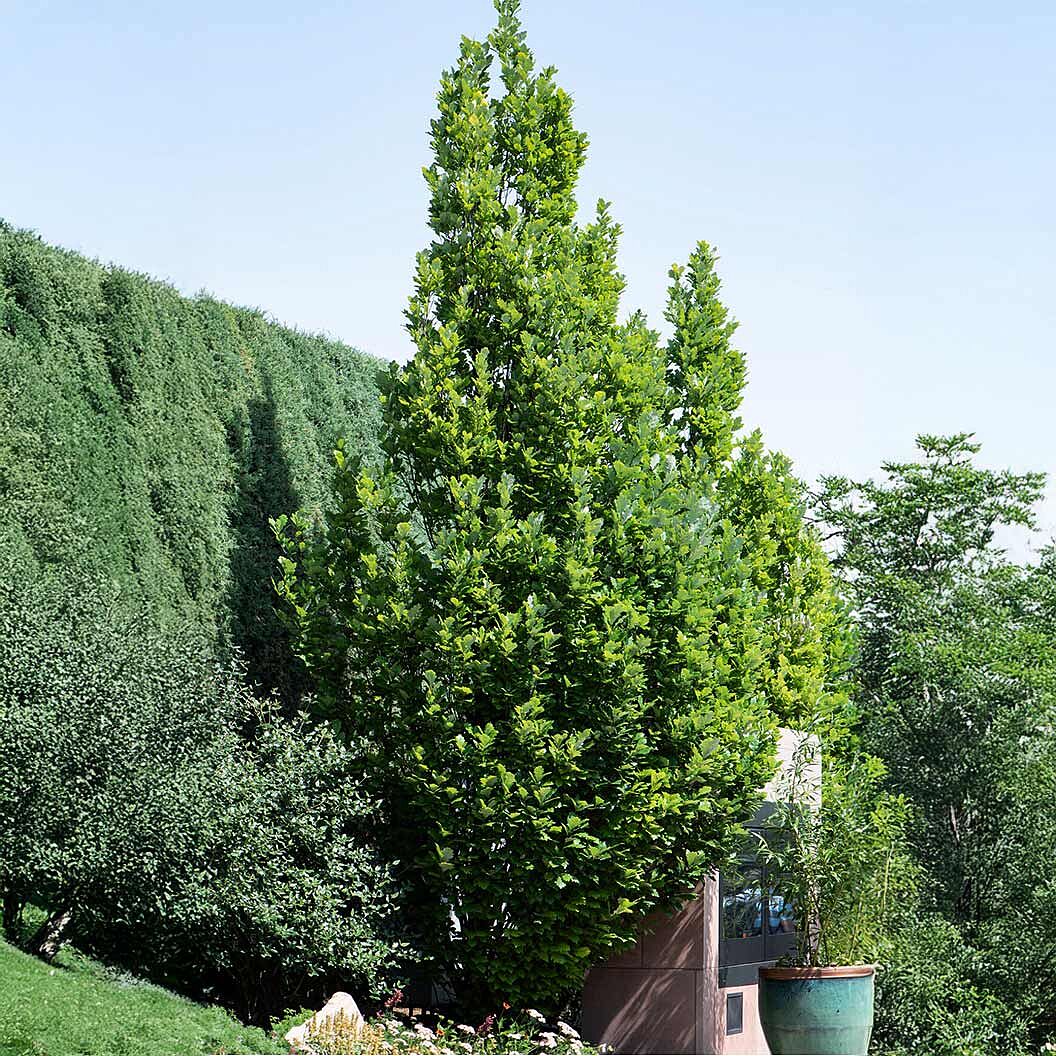
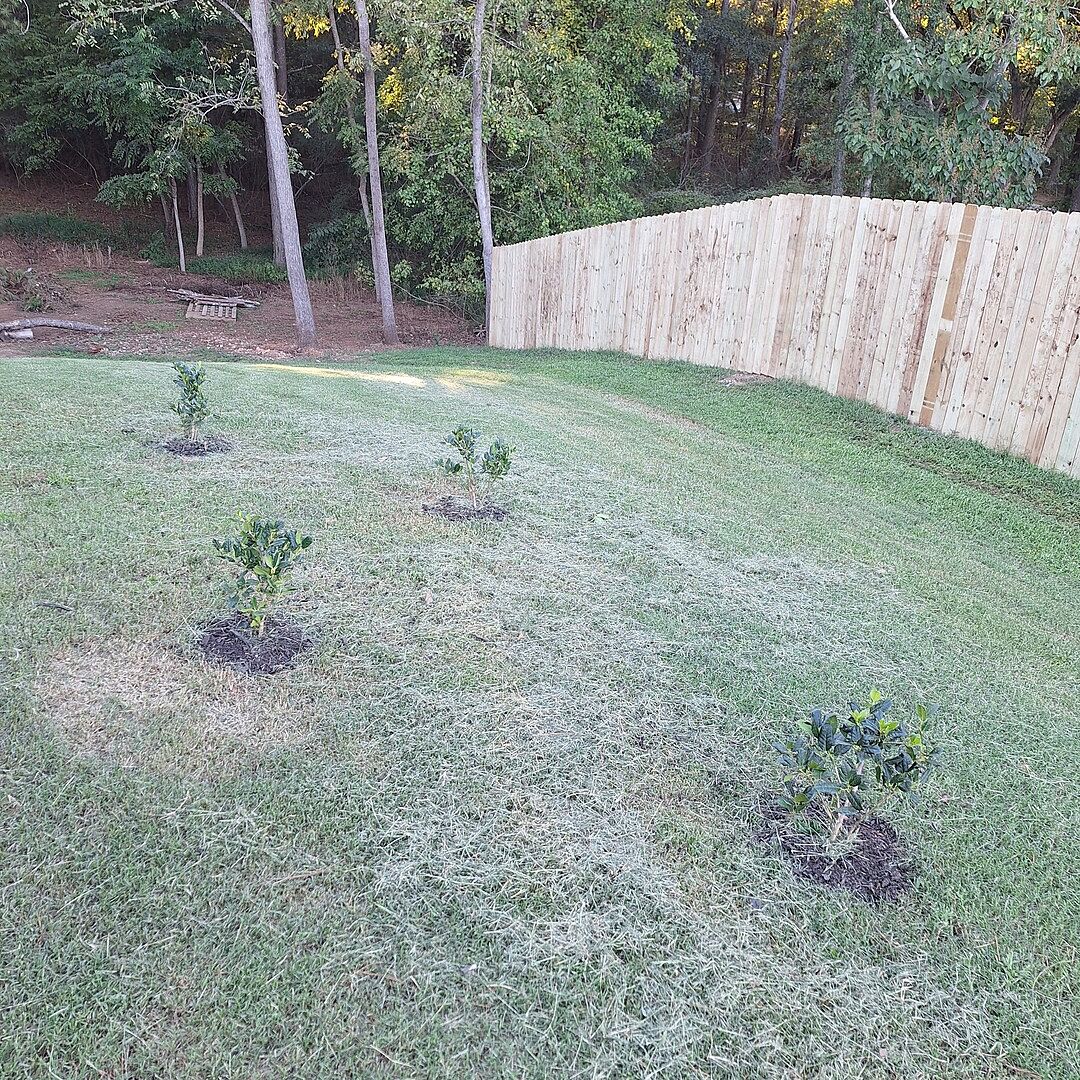
Nellie Stevens Holly

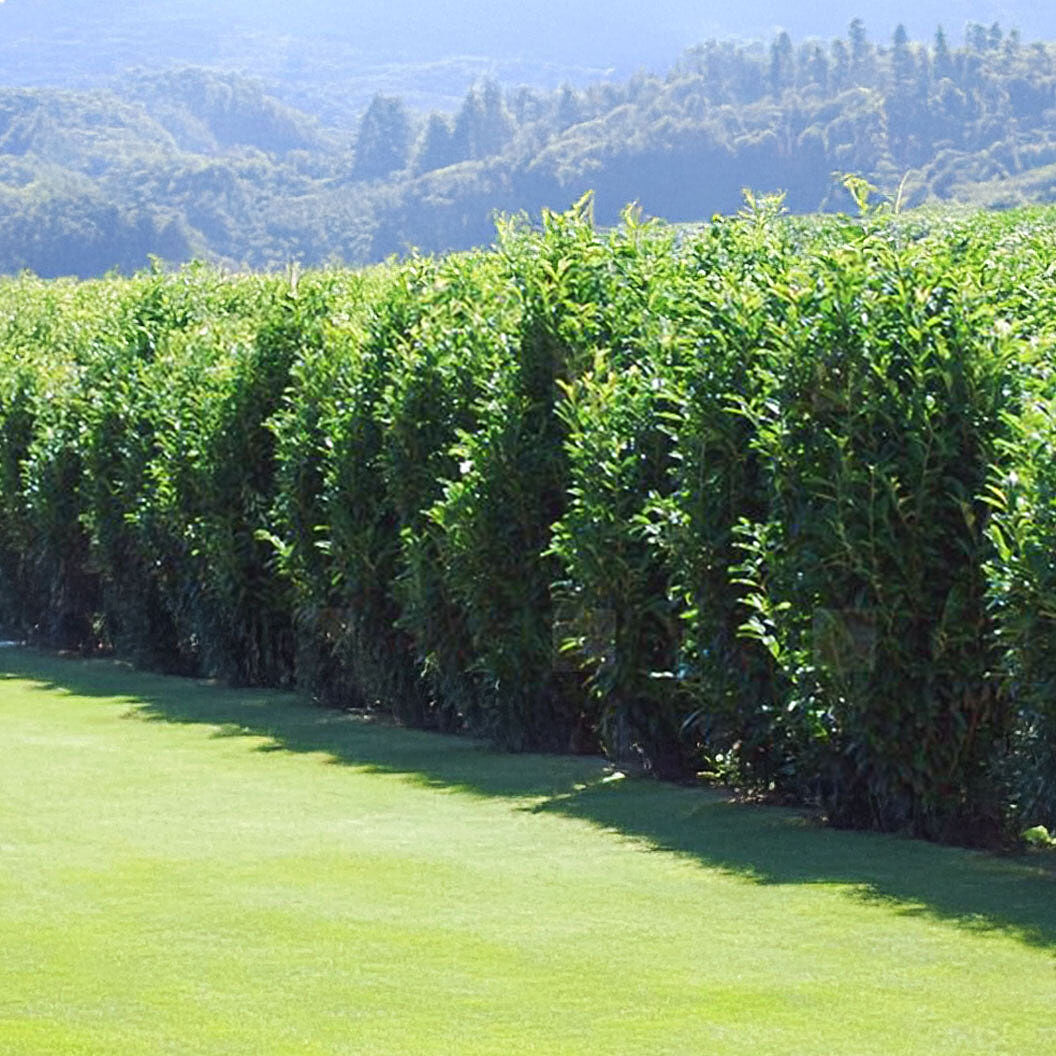
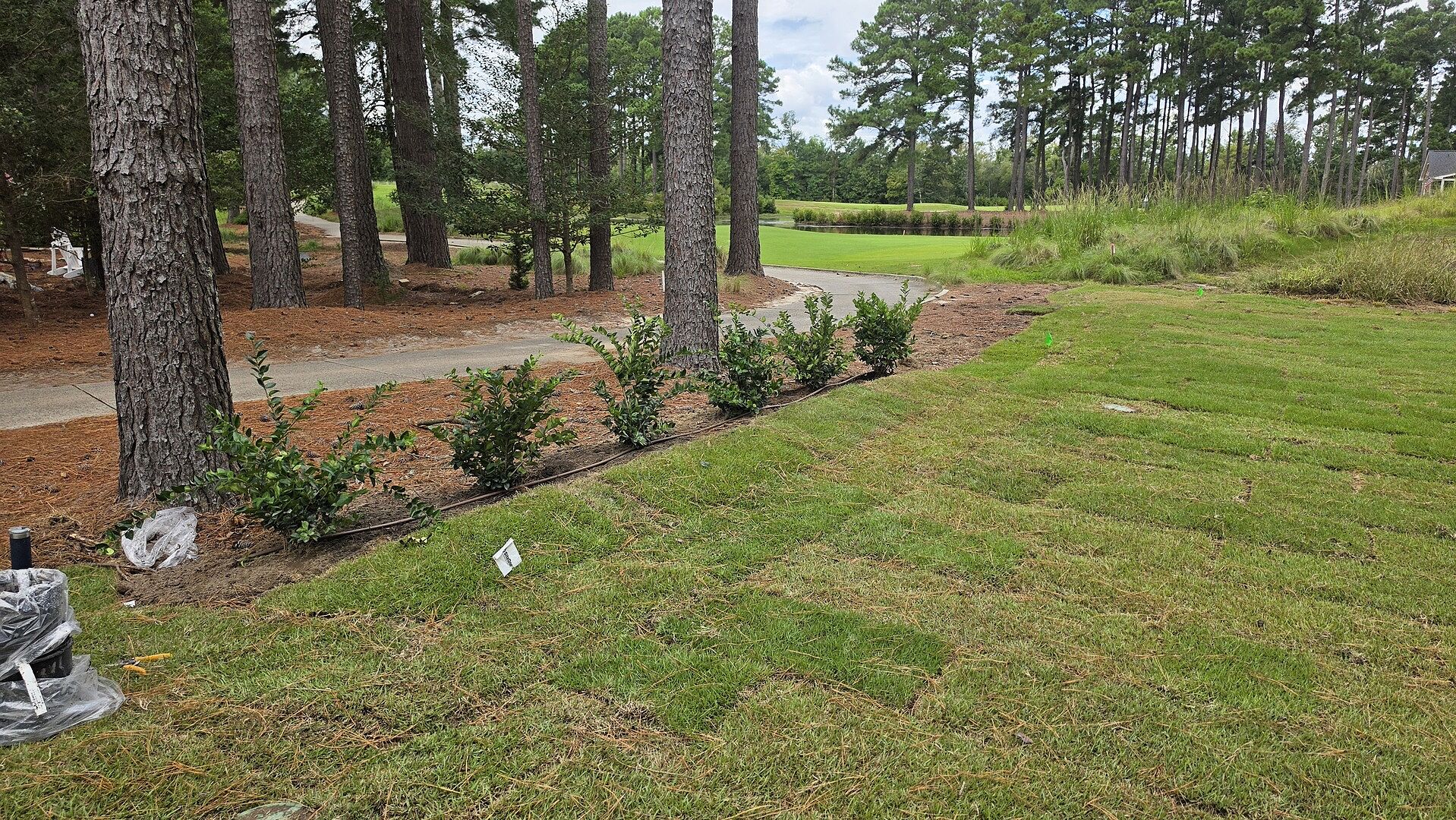
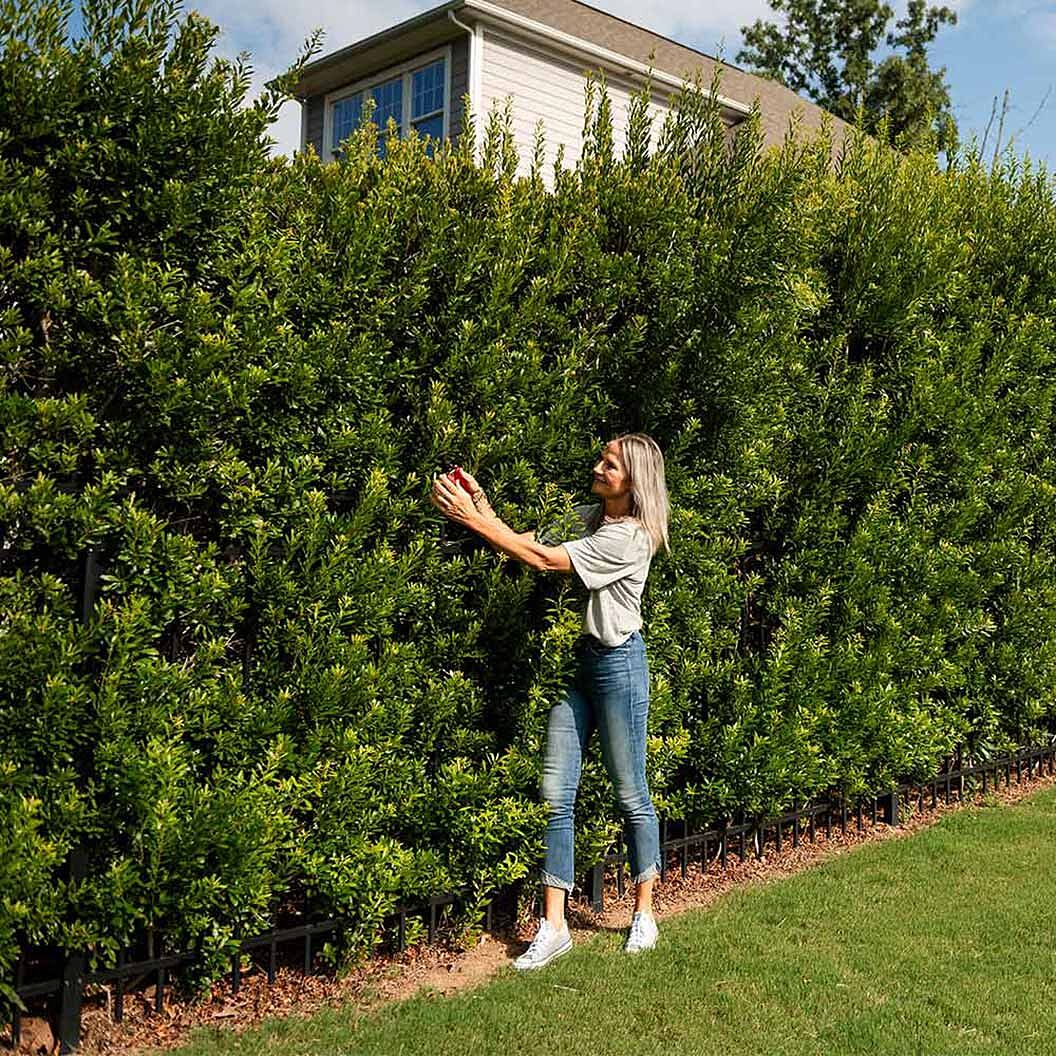
If you want a privacy screen that deer usually leave alone, the Nellie Stevens Holly is a reliable choice. Its dense, pyramidal form and glossy, spined evergreen leaves make a handsome living wall, and it produces bright red berries on its own without needing a separate male pollinator nearby. Those spiny leaves are also part of why deer keep their distance.
It grows well in USDA zones 6 to 9, thriving in full sun to partial shade. With a moderate growth rate, it reaches a mature size of 15 to 25 feet tall and 8 to 15 feet wide. Give it plenty of room to stretch, and it will reward you with year-round structure and winter color.
Black Knight Butterfly Bush

The Black Knight Butterfly Bush brings the drama with deep purple, honey-scented flower spikes that bloom from midsummer all the way to frost. With flowers on arching branches that give it a relaxed, informal shape, the blooms attract pollinators and the aromatic foliage keeps deer moving along.
Expect fast growth in zones 5 to 9 with full sun, reaching a mature size of 4 to 6 feet tall and wide. Something to consider: butterfly bushes can reseed in some regions, so check whether it's a concern where you live and deadhead spent spikes if you'd like to keep it in bounds.
Lynwood Gold Forsythia

Few deciduous shrubs announce spring as loudly as the Lynwood Gold Forsythia. Its bright, bell-shaped yellow flowers open along bare branches before the foliage arrives, so the whole plant reads as a wall of gold when little else has woken up. That upright, arching form fills in quickly, making it a favorite for a seasonal hedge or a big, cheerful mass planting.
It's a fast grower in zones 4 to 8, thriving in full sun to partial shade. At maturity it grows to roughly 8 to 10 feet tall and wide. After the flowers fade, it settles into a tidy green backdrop for the rest of the season.
Dwarf Burning Bush

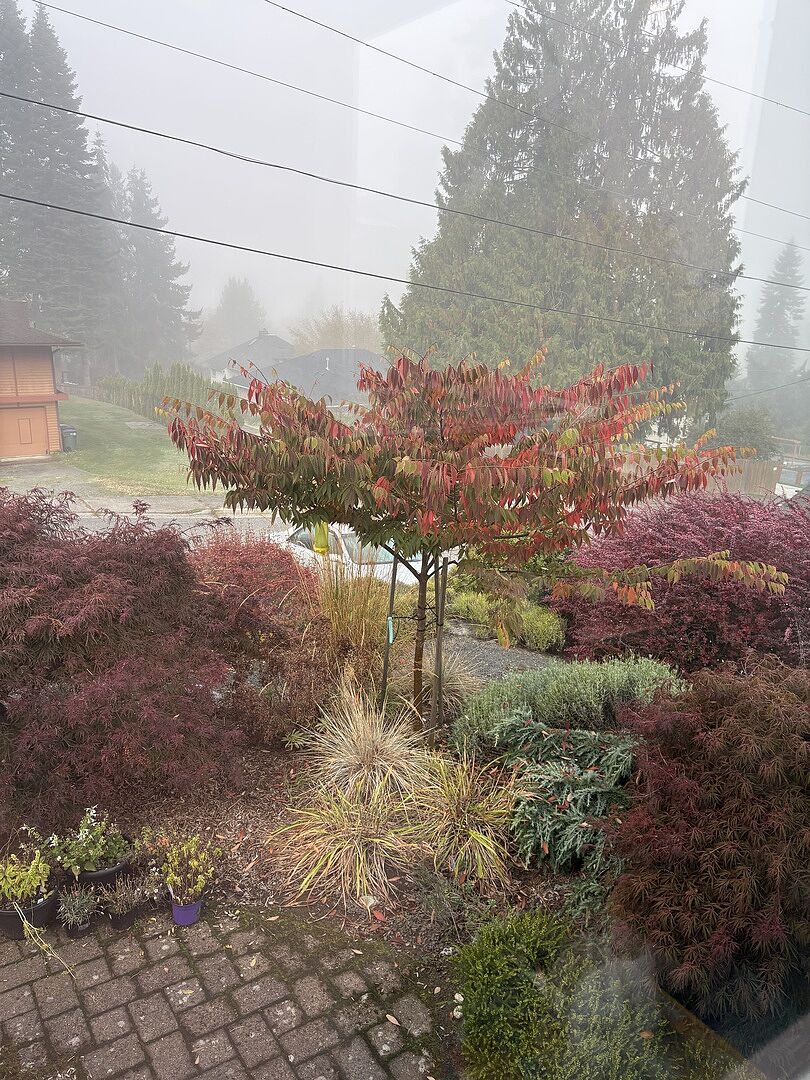
The Dwarf Burning Bush is prized for its showstopping blue-green summer foliage that ignites into brilliant scarlet, sometimes shading to deep maroon, come fall. Even after its leaves drop, its compact, rounded shape and distinctive corky stems give it lasting interest..
It grows at a moderate pace in zones 4 to 8, thriving in full sun to partial shade. It matures to about 6 to 8 feet tall and 8 to 10 feet wide. One important caveat: this species is considered invasive and is restricted in several states, so we can't ship it everywhere. Check your state's rules (and our shipping restrictions) before you fall for that fall color.
Frost Proof Gardenia

Gardenias are famous for fragrance, and the Frost Proof Gardenia delivers those creamy, double white blooms with their signature scent against glossy evergreen leaves. What sets this one apart is right there in the name. It tolerates cold better than most gardenias, so it can handle chills that would leave other varieties struggling.
Plant it in zones 7 to 10 in full sun to partial shade, where it slowly grows to a manageable 3 to 4 feet tall and 3 to 6 feet wide. Tuck it near a patio or entry and let that scent do the welcoming.
Soft Touch Holly

Not every holly is prickly, and the Soft Touch Holly proves it. Its foliage is soft, rounded, and spineless, while the plant forms a neat, mounded shape that needs very little shearing to look intentional. That naturally compact shape makes it a great choice for foundation plantings and low borders along walkways.
It grows at a moderate pace in zones 5 to 9 in full sun to partial shade, staying compact at about 2 to 3 feet tall and wide. If you want holly's evergreen reliability without the prickles, this is your pick.
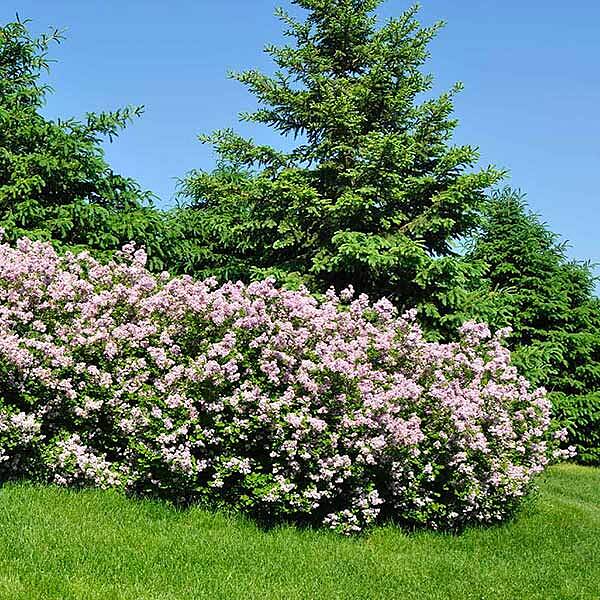
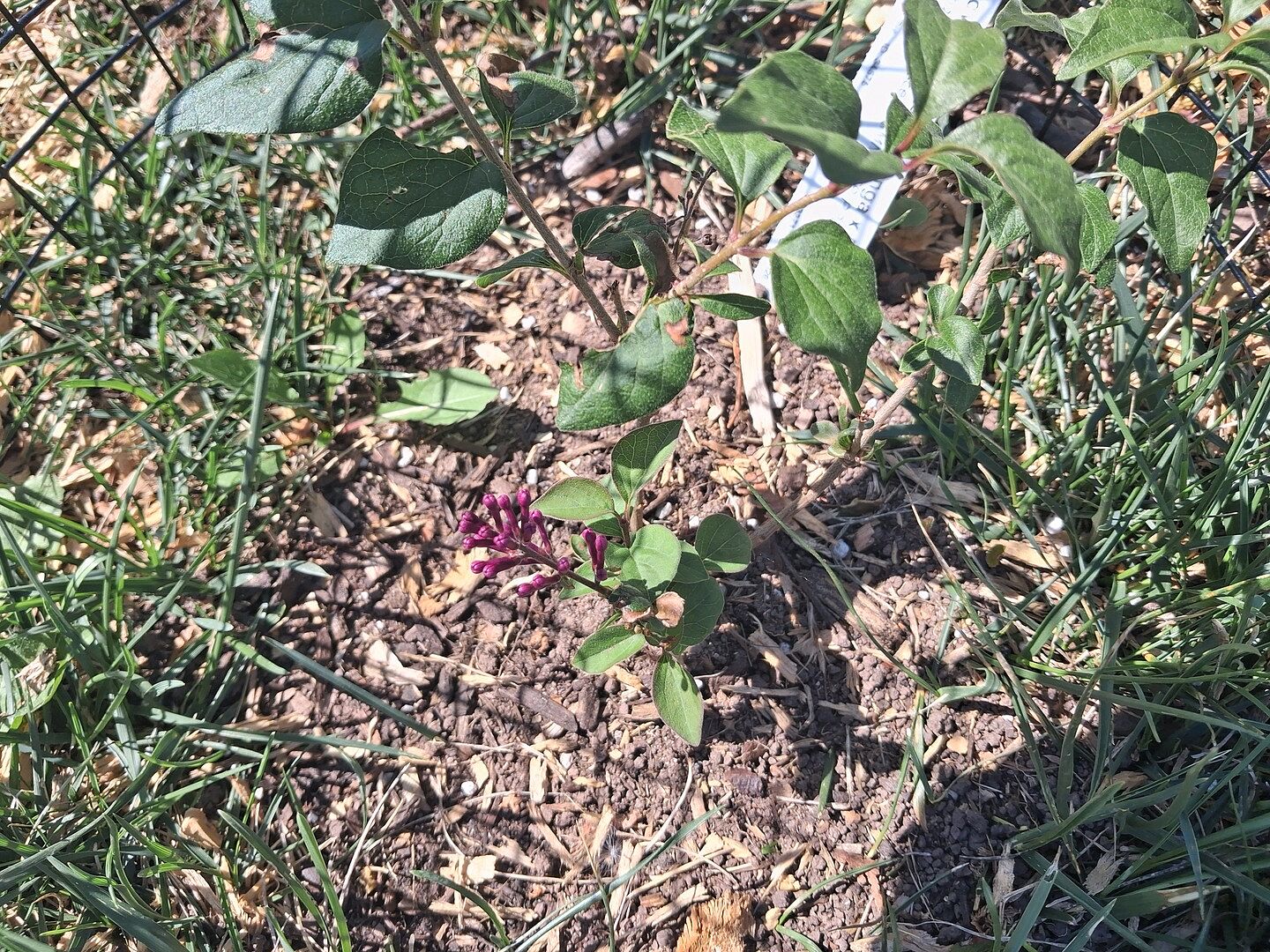
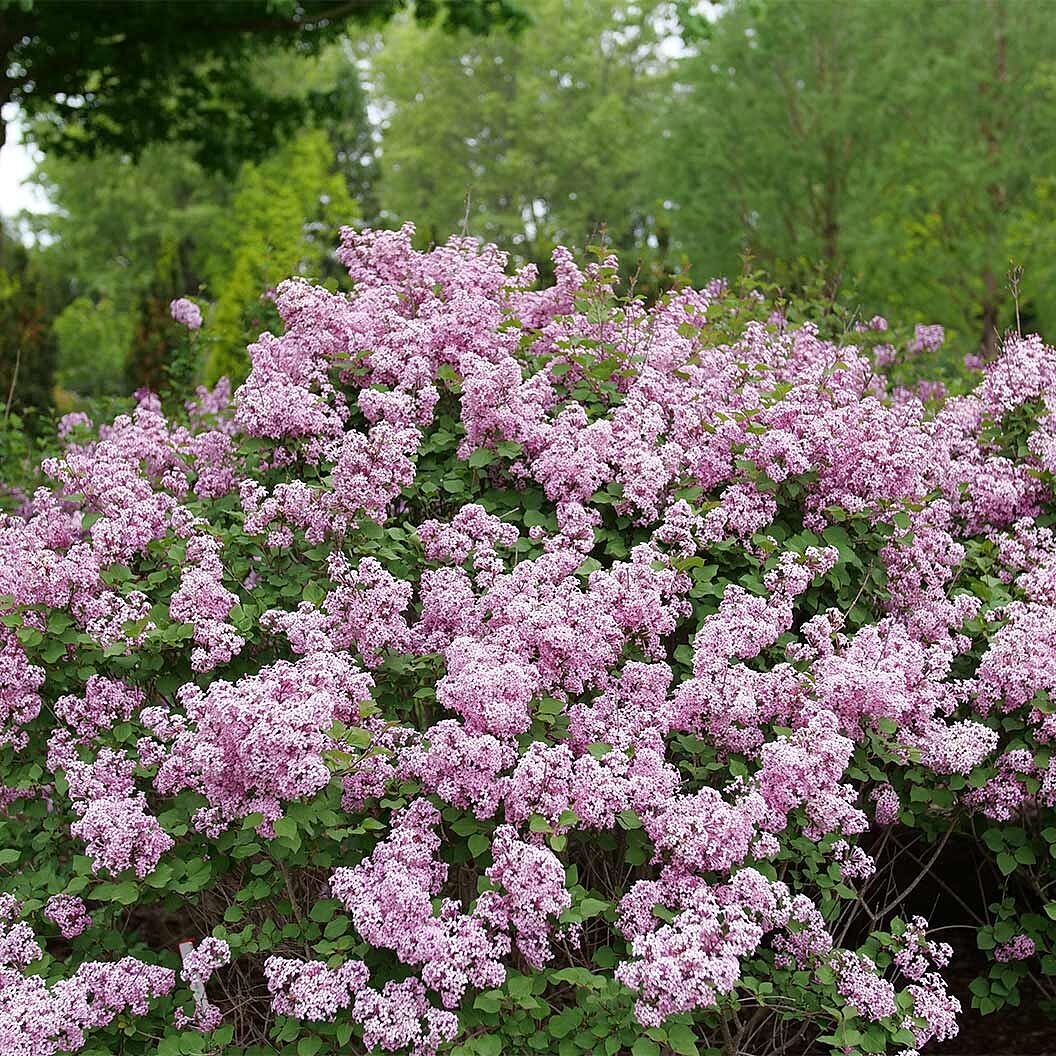
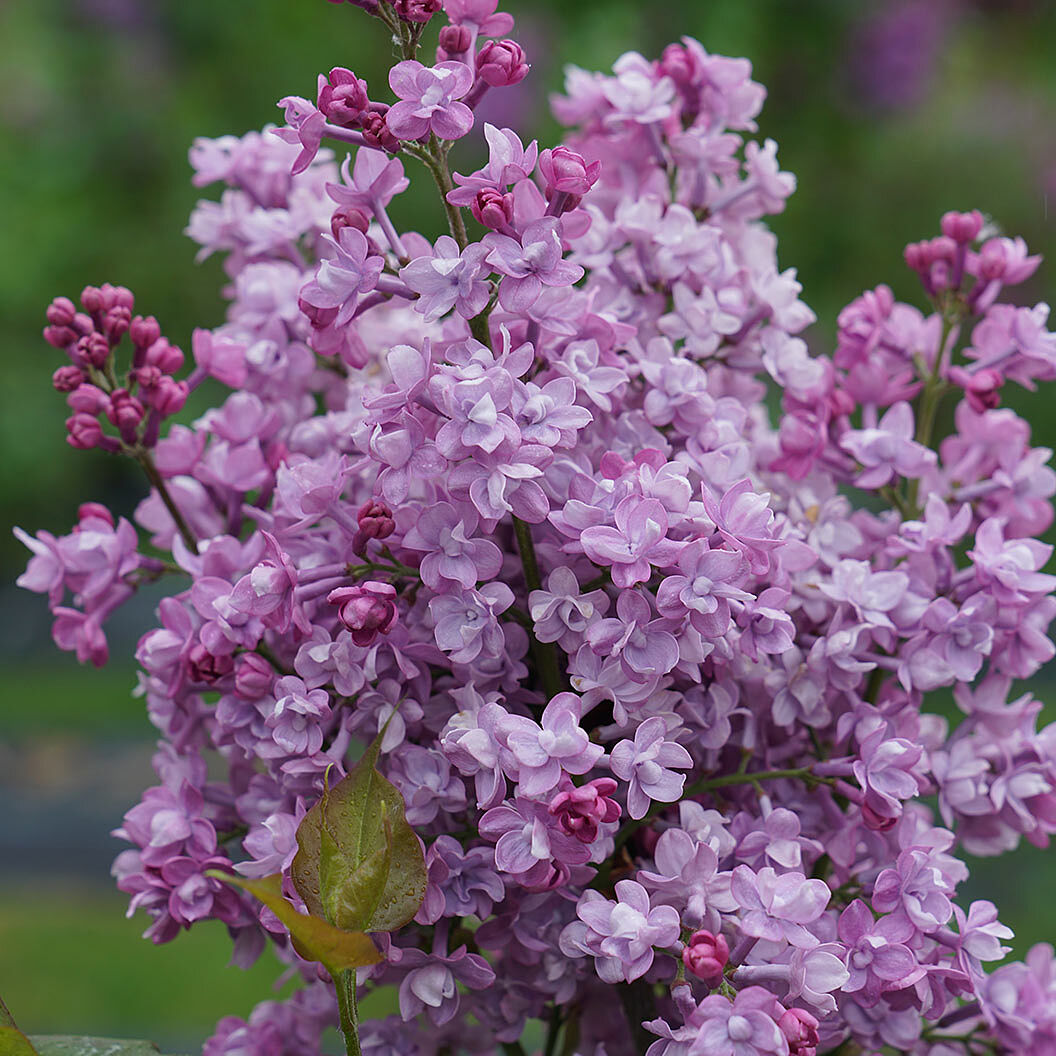
Miss Kim Lilac Shrub

The Miss Kim Lilac Shrub packs the classic, fragrant lavender-purple spring flowers onto a tidy, well-behaved frame. A Korean lilac variety, its compact size fits smaller yards and mixed borders where a full-size lilac might overwhelm nearby plants.t, In fall, the foliage picks up pretty burgundy tones for a second act.
Grow it in zones 4 to 8 in full sun to partial shade. It's a slower grower that matures to around 6 to 8 feet tall and wide, so it holds its shape without much fuss.
Pieris Mountain Fire

The Pieris Mountain Fire lives up to its name. New growth emerges a fiery flame-red before maturing to deep green as the season goes on. In spring it hangs cascading clusters of small white flowers against that evergreen backdrop, giving you color across several seasons.
It grows at a moderate pace in zones 5 to 8 in full sun to partial shade, reaching a mature size of 4 to 8 feet tall and 3 to 6 feet wide. In hotter climates, it appreciates a spot with a little afternoon shade.
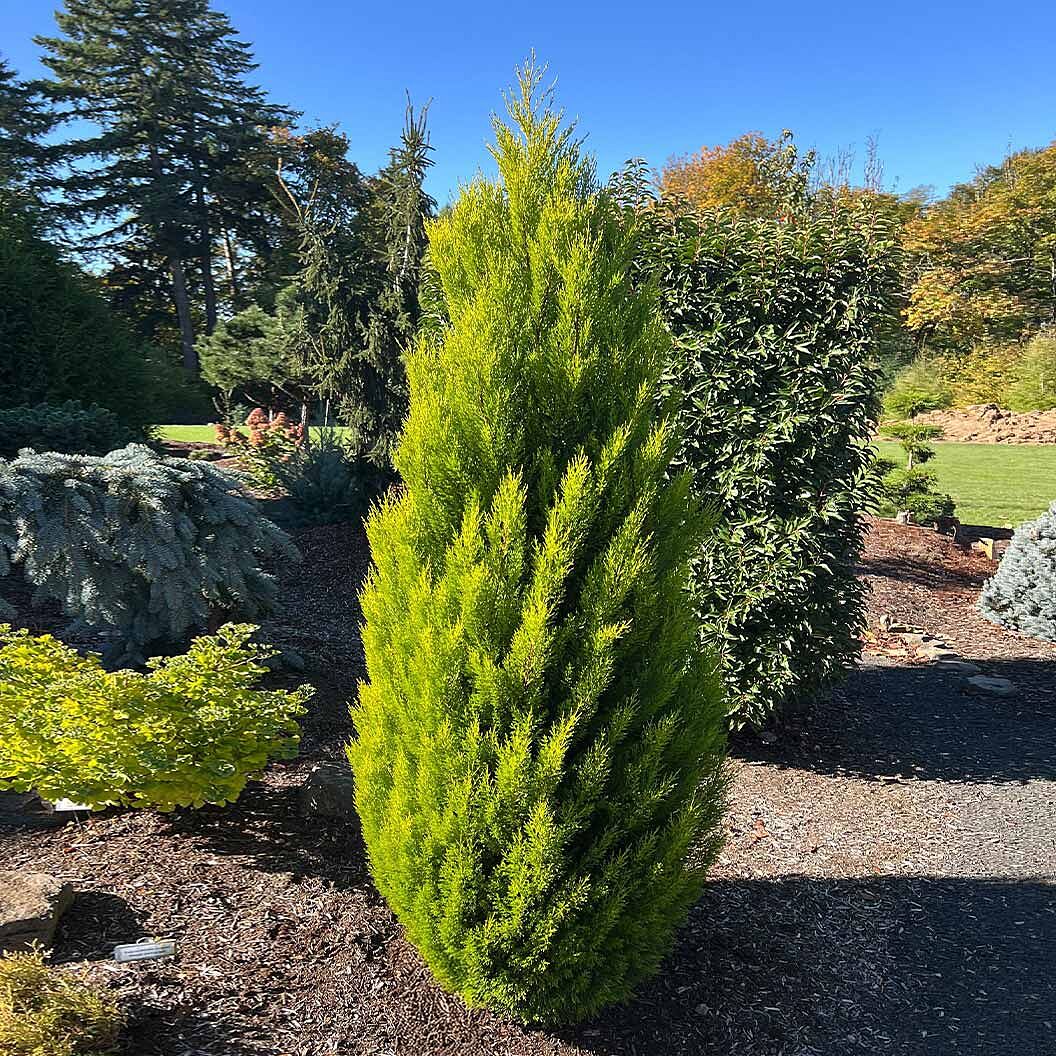
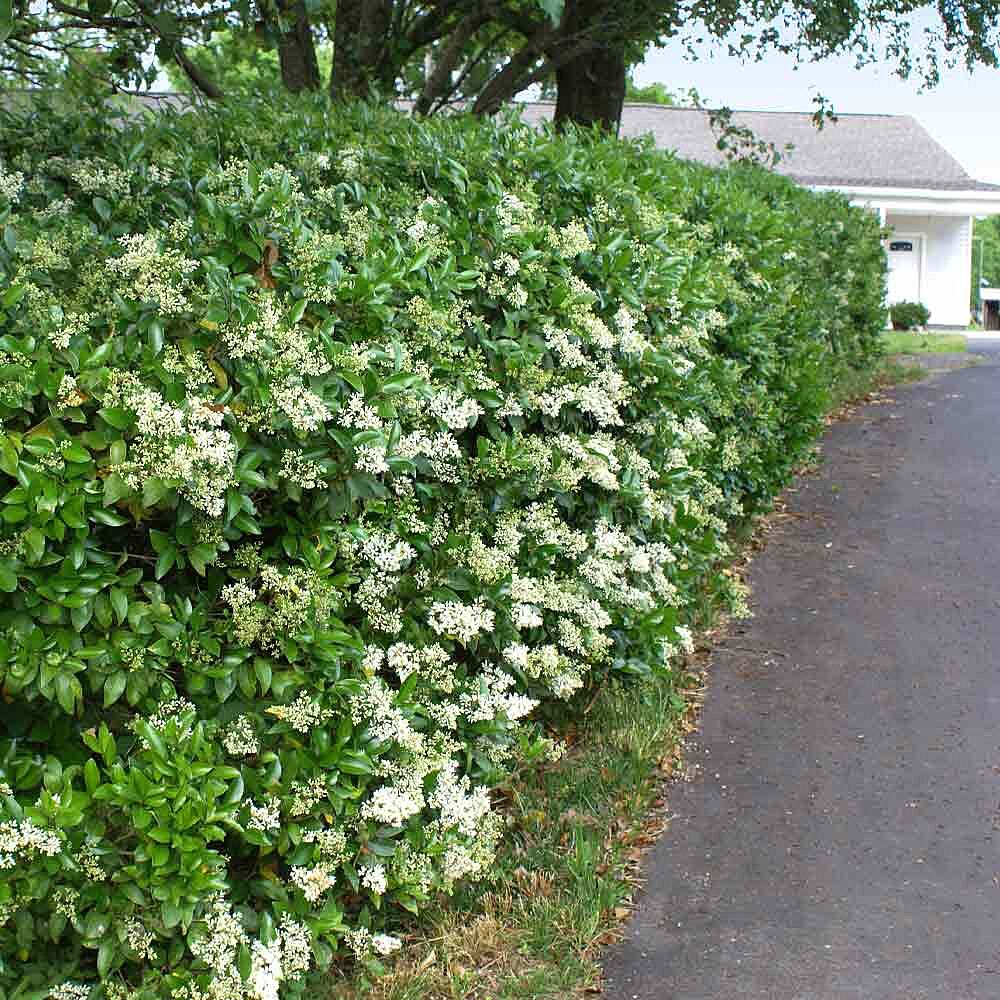
Southern Living Sunshine Ligustrum

Want a jolt of color that never quits? The Southern Living Sunshine Ligustrum keeps its gold-yellow evergreen foliage all year, and its dense growth makes it easy to shape with regular shearing. Keep it formal as a bright hedge, or let it glow as a single accent among darker greens.
It grows at a moderate pace in zones 6 to 10 in full sun, where that golden color is most vivid, and matures to a compact 3 to 4 feet tall and wide.
Snow-N-Summer Asiatic Jasmine

For areas where grass struggles to grow, the Snow-N-Summer Asiatic Jasmine is a great alternative as a trailing groundcover with real personality. That tender new growth shows off creamy variegation. As the leaves mature, they settle into a more solid green color. This plant spreads low and dense to knit together bare areas, edge a bed, or spill over a wall.
It grows at a moderate pace in zones 7 to 9 in full sun to partial shade, staying low at about 8 to 10 inches tall while spreading 2 to 3 feet wide. Give it a season to establish and it'll cover ground you thought was hopeless.
Wax Myrtle

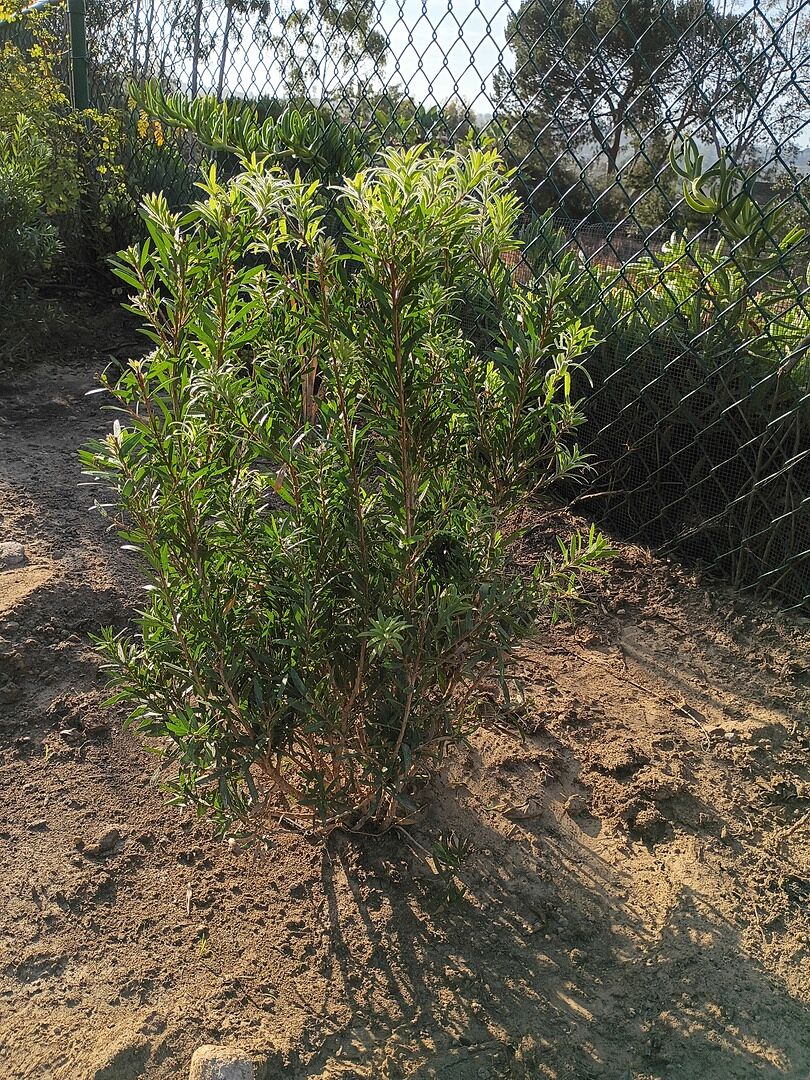
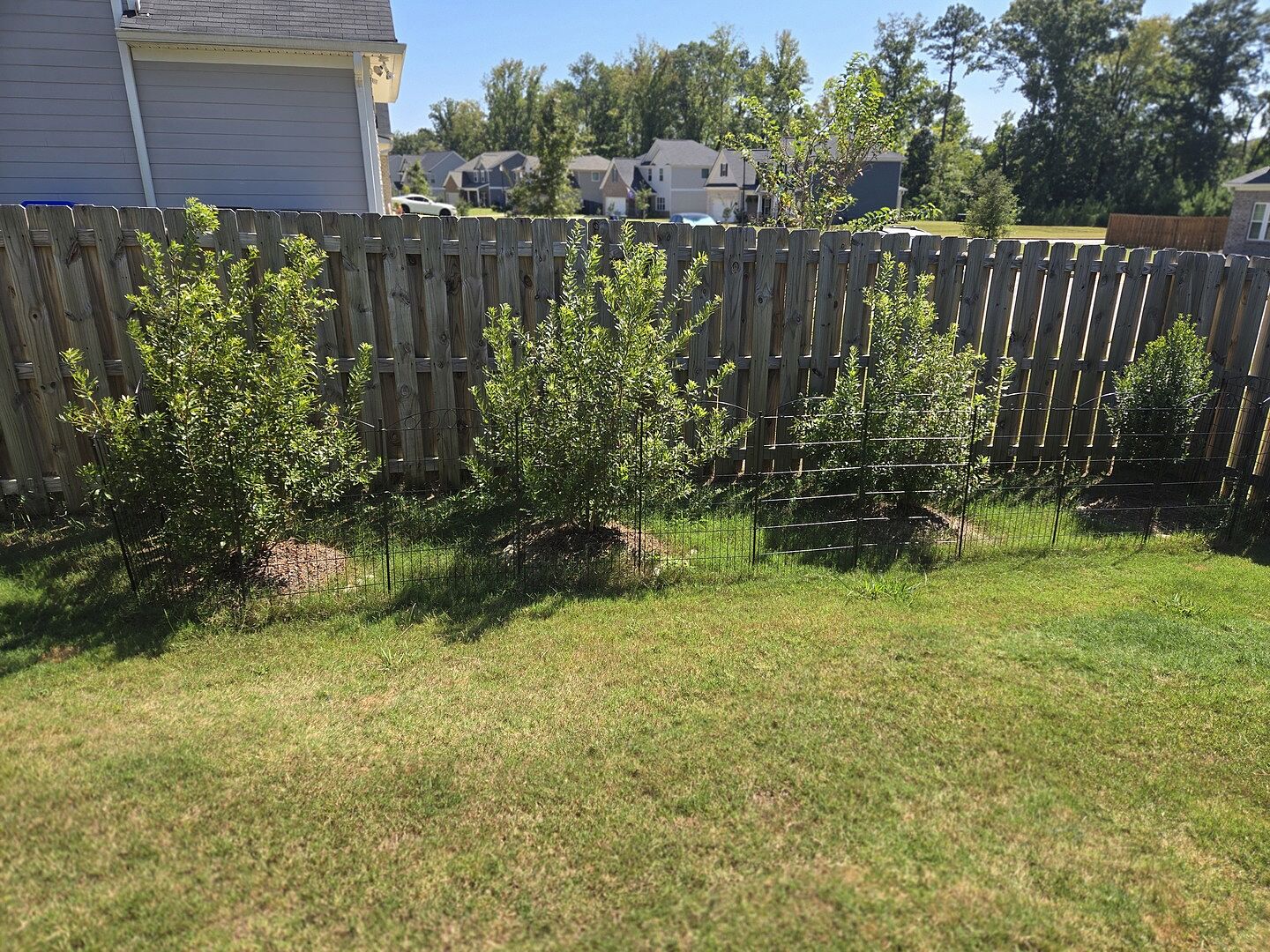
Need privacy in a hurry? The Wax Myrtle is a fast, adaptable, multi-stemmed evergreen with aromatic olive-green foliage, and that very scent acts almost like a natural repellant, part of why deer tend to leave it be. Its quick, dense growth makes it a go-to for screening.
It grows at a moderate pace in zones 7 to 11 in full sun to partial shade, maturing to around 15 feet tall and wide. Plant a row and you've got an informal privacy hedge without a long wait.
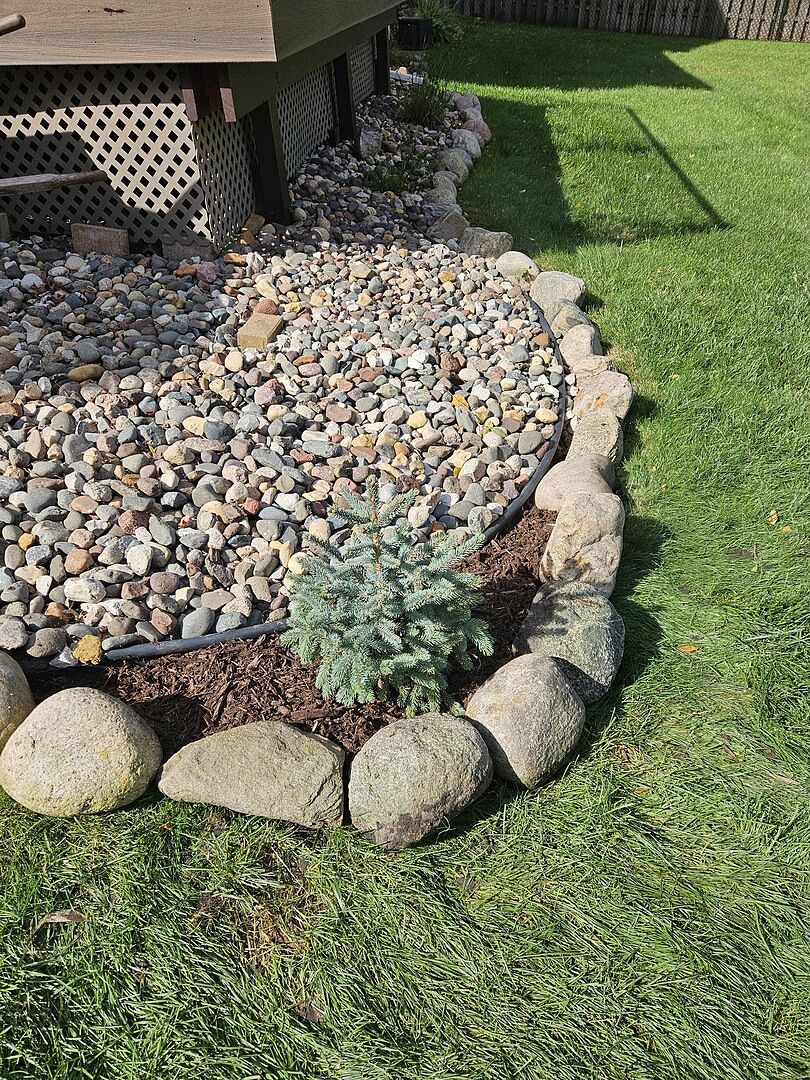
Dwarf Mugo Pine

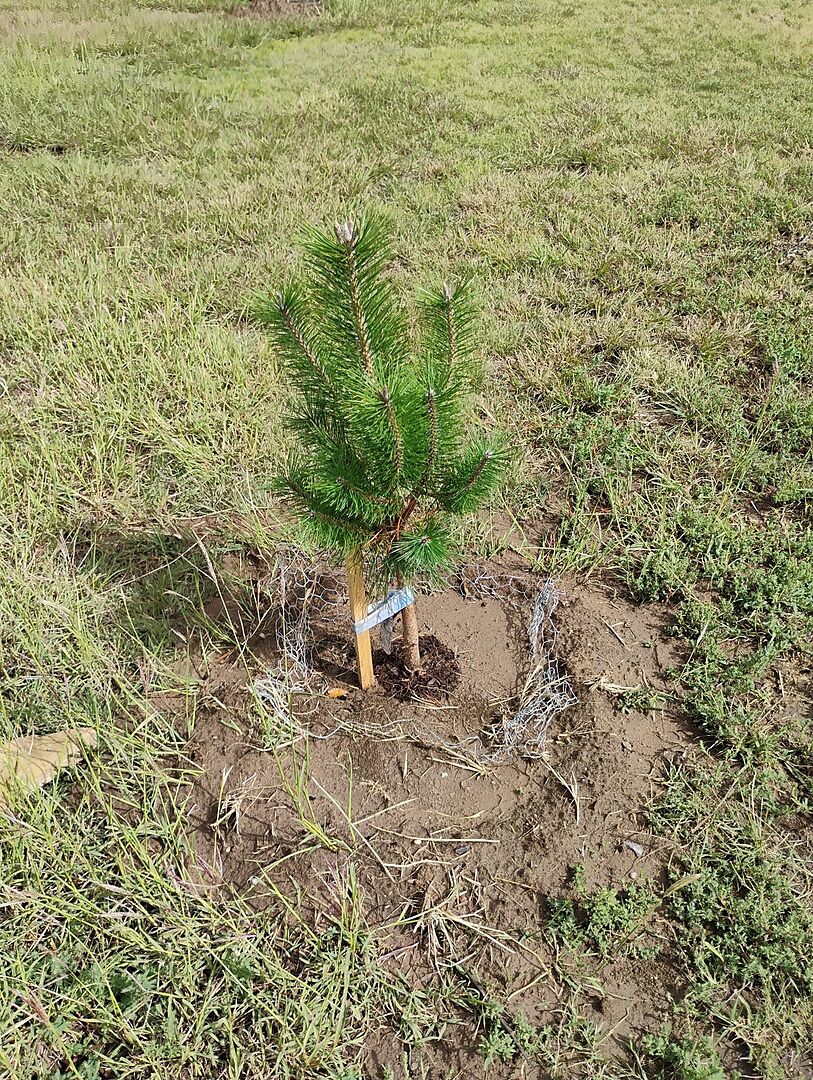
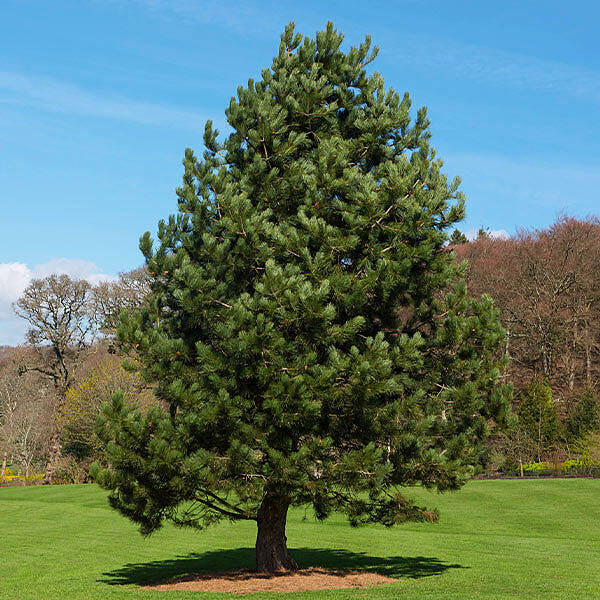
The Dwarf Mugo Pine is the low-maintenance evergreen you plant and then happily forget about. Its compact, mounding form and dense, dark green needles stay handsome all year, asking for almost nothing once established.
It's a slow grower suited to a wide range of climates and quite tolerant of poor soil, thriving in zones 2 to 8 in full sun to partial shade and maturing to roughly 3 to 5 feet tall and 6 to 10 feet wide. Tuck it into a rock garden, a border, or a large container where you want evergreen structure.
Green Velvet Boxwood

A classic for a reason, the Green Velvet Boxwood keeps its fine-textured foliage a rich green straight through winter when many shrubs fade to bronze. Its naturally rounded form needs minimal shaping to hold a clean, formal look, which is why it remains a go-to for hedging and knot gardens.
It's a slow, steady grower in zones 4 to 9, happy in full sun to partial shade, and matures to a neat 3 to 4 feet tall and wide. If you're building a boxwood hedge, you can explore more boxwood shrubs to round out the design.
Arrow Point® Japanese Holly

Arrow Point® Japanese Holly brings the tidy, structured look of boxwood with a taller, more upright shape. Its glossy green foliage stays attractive year-round, and its naturally neat form requires little shaping to look polished.
It grows at a moderate pace in zones 6 to 9 in full sun to partial shade, reaching about 7 to 10 feet tall and 3 to 6 feet wide. Use it for formal hedges, foundation plantings, or narrow spaces where you want evergreen structure without a lot of maintenance.
Flowering Quince

The Flowering Quince opens vivid coral-to-red blooms in early spring, often before much else has stirred. Its thorny, tangled branching is a bonus on the deer front, adding a physical "no thanks" that browsers respect, and small, fragrant fruit can follow the flowers later on.
It grows at a moderate pace in Zones 5 to 9 in full sun, maturing to about 4 to 6 feet tall and 3 to 5 feet wide. Those thorns make it a handsome, functional barrier plant along a property line.
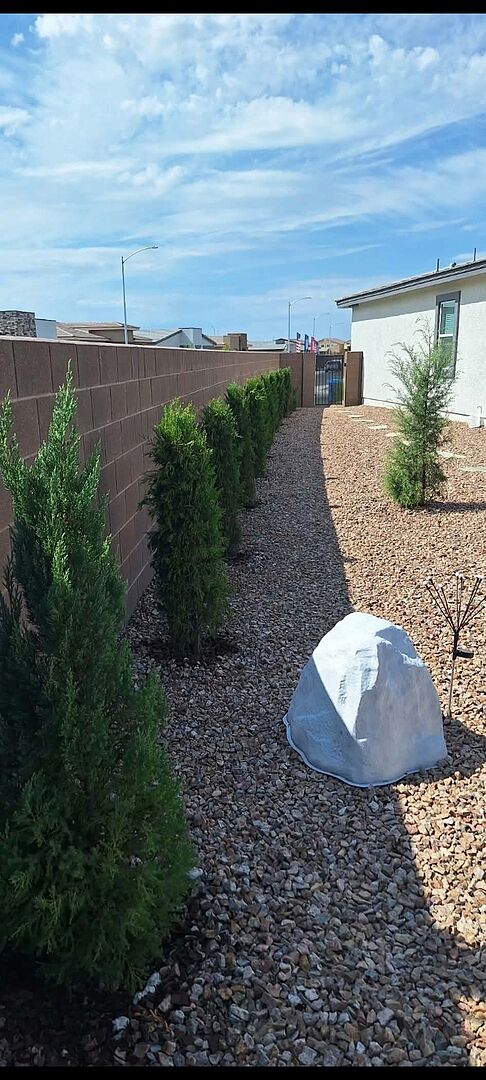
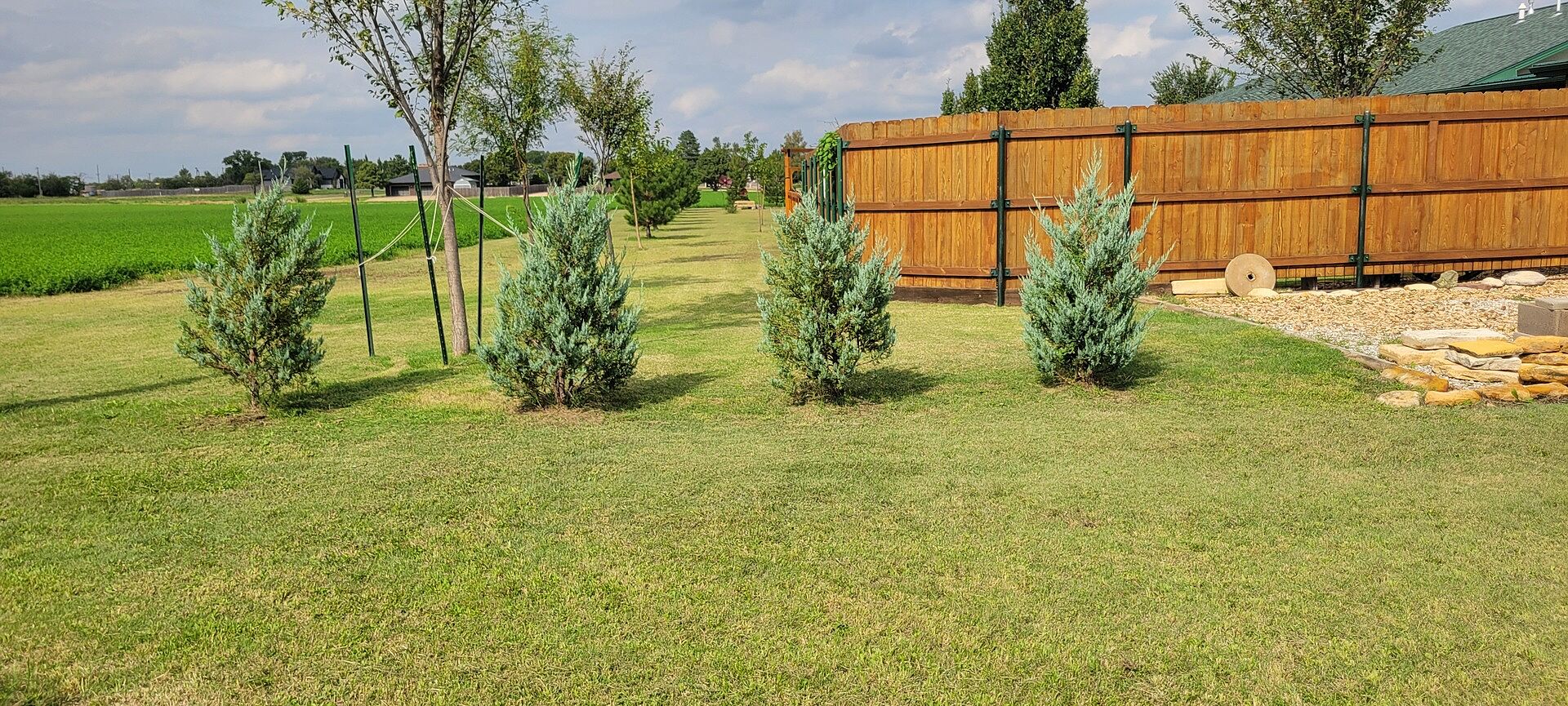
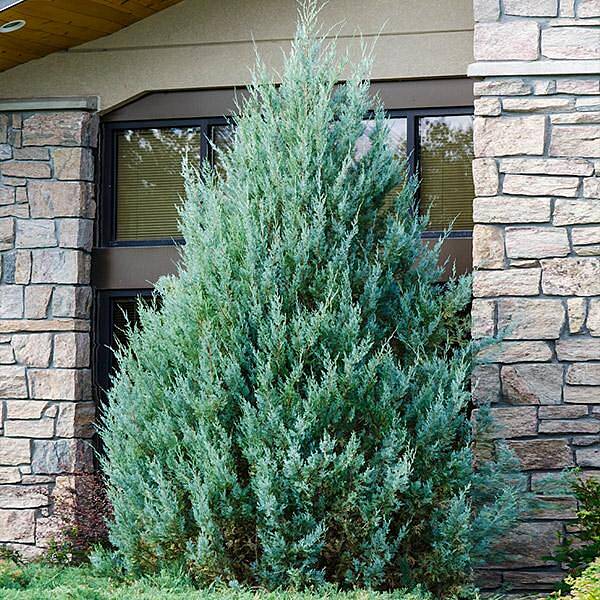
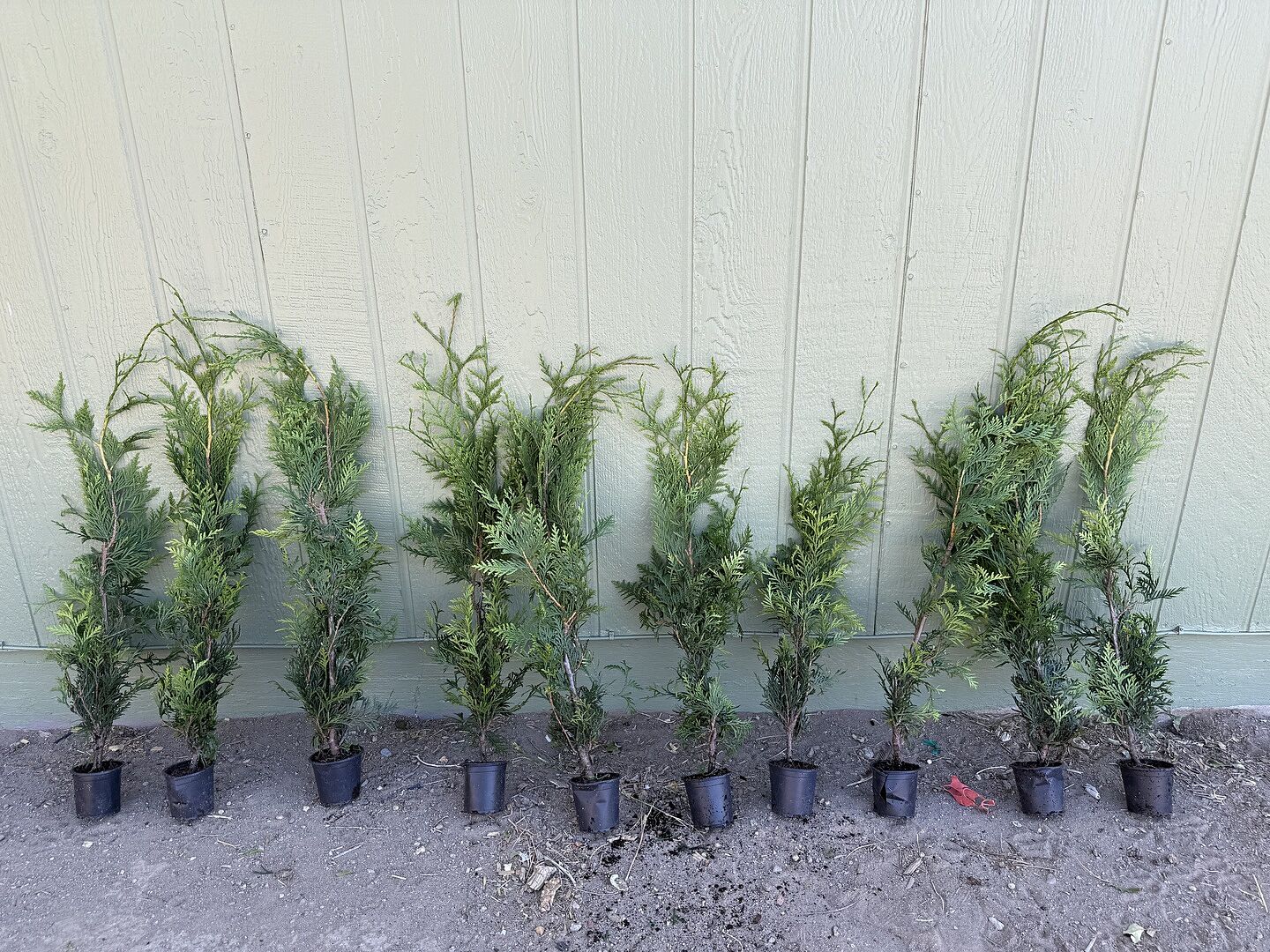
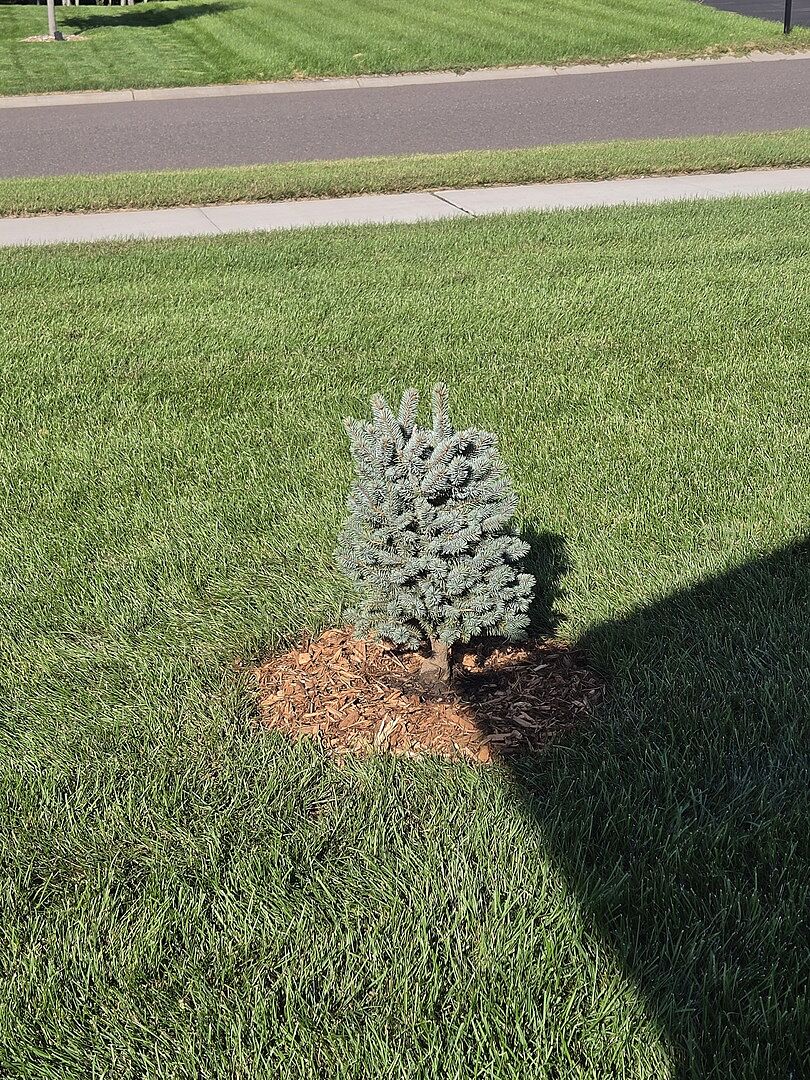
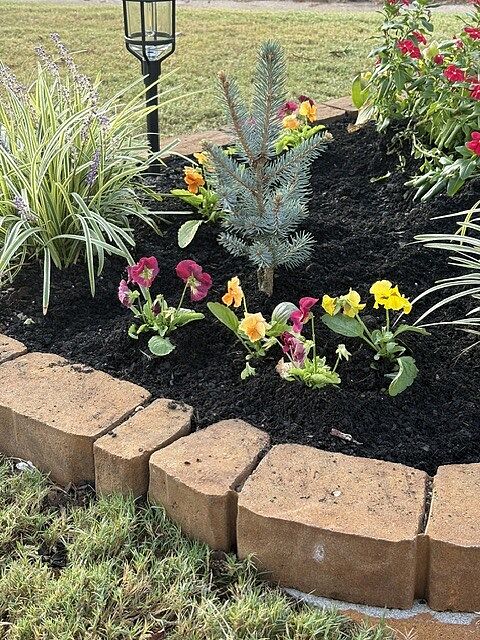
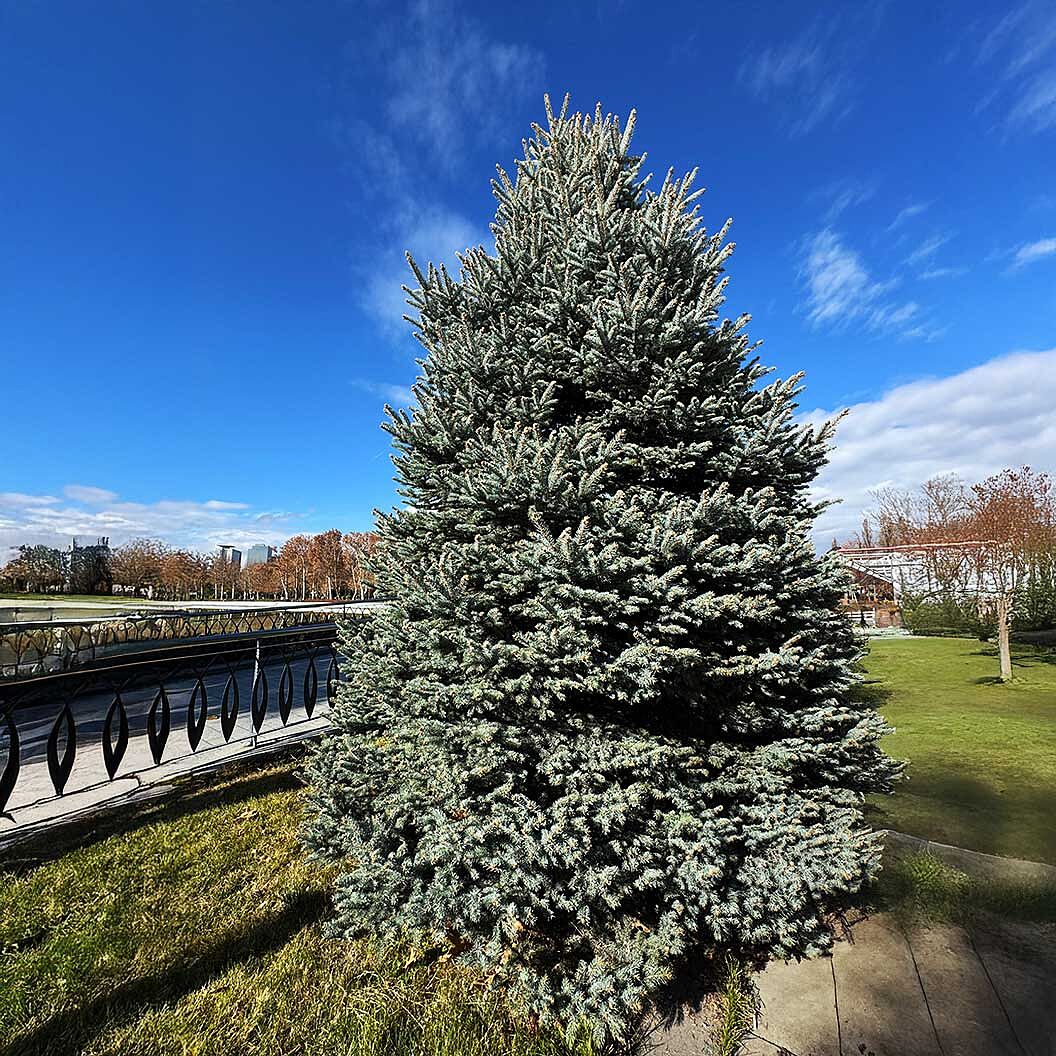
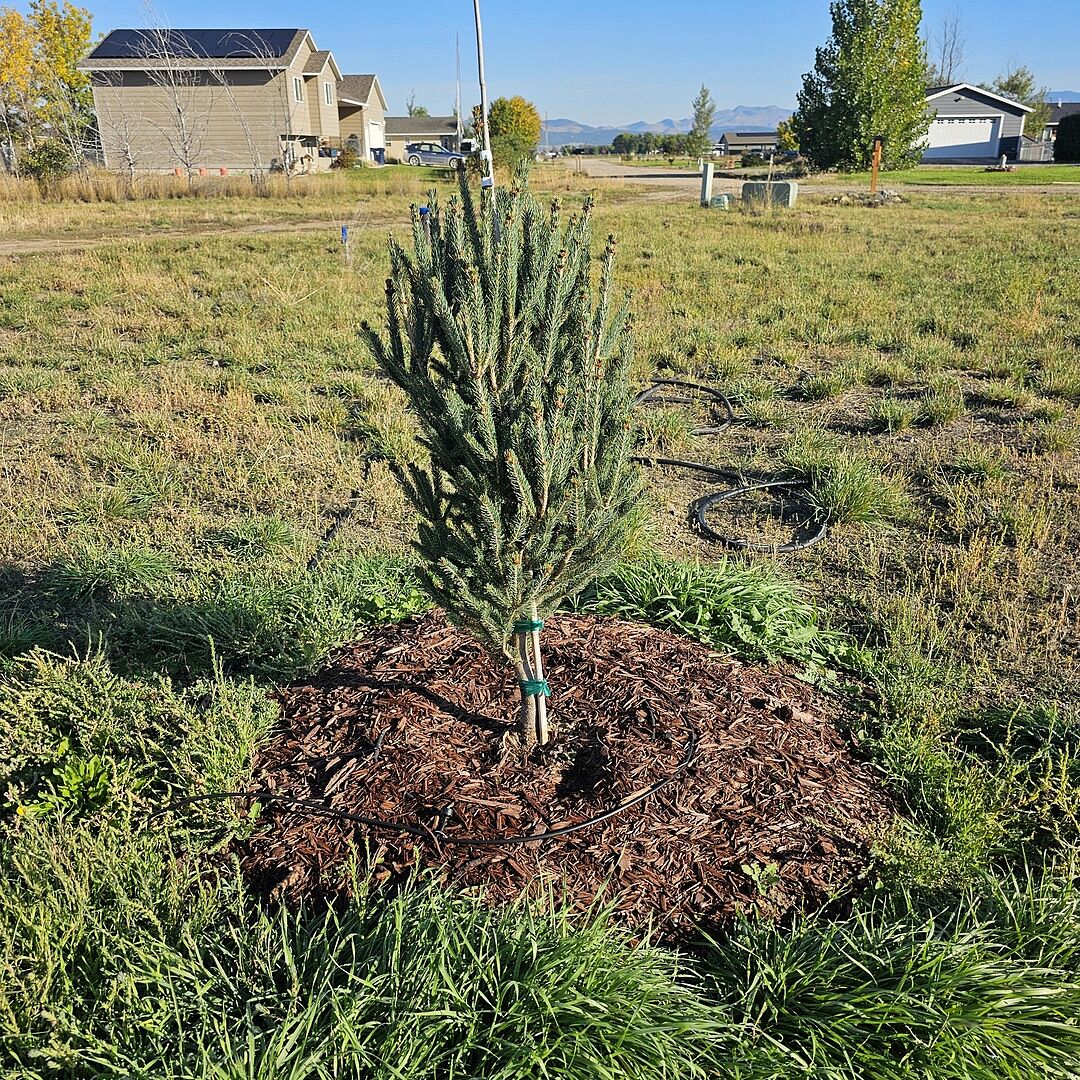
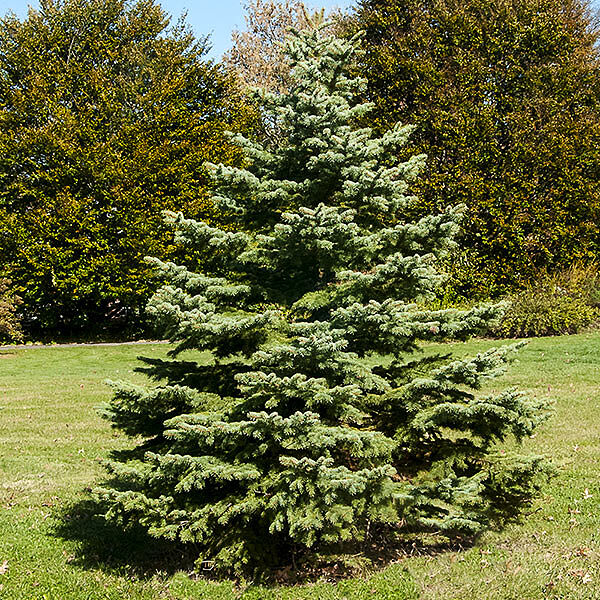
Blue Arrow Juniper

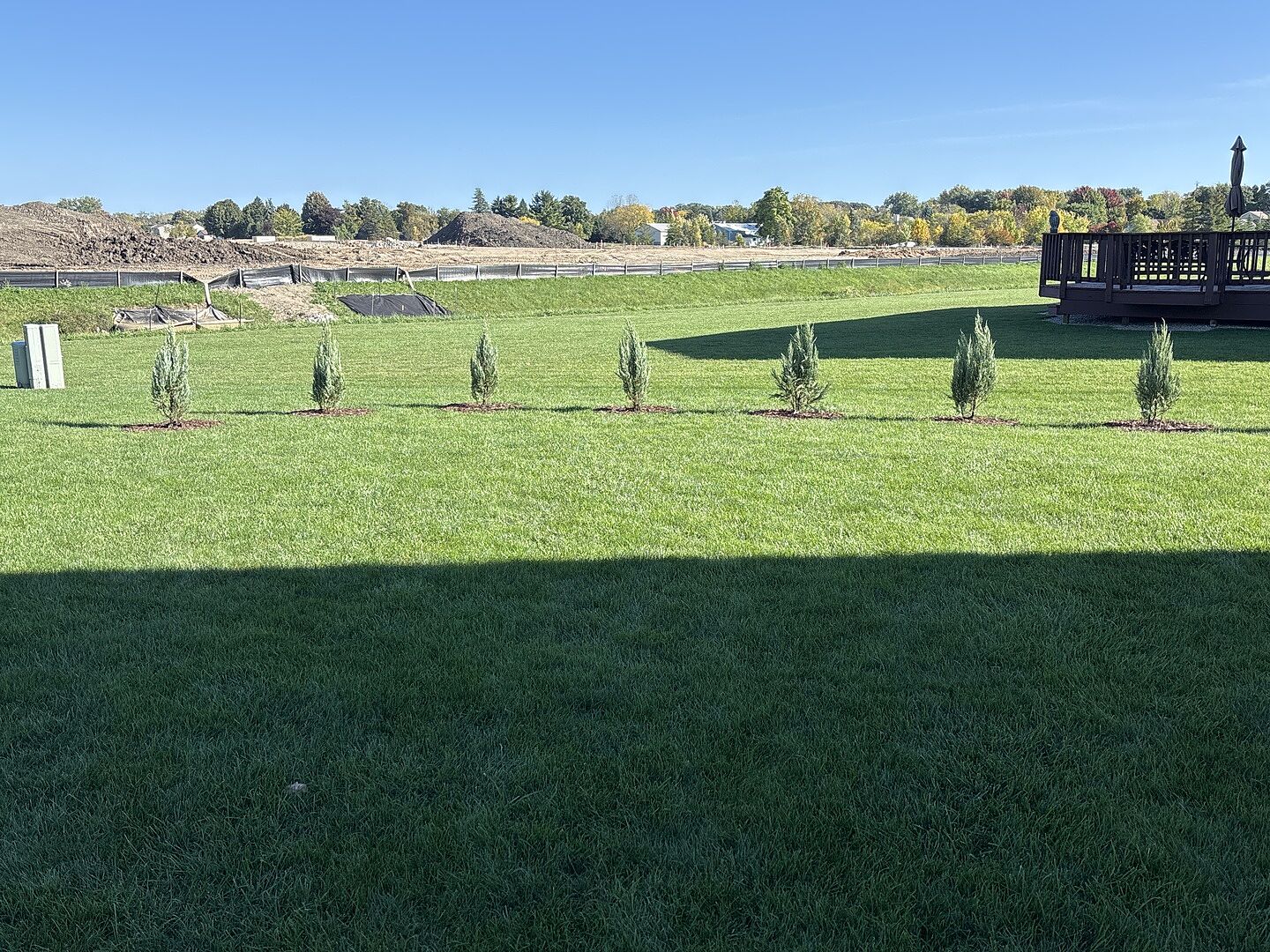
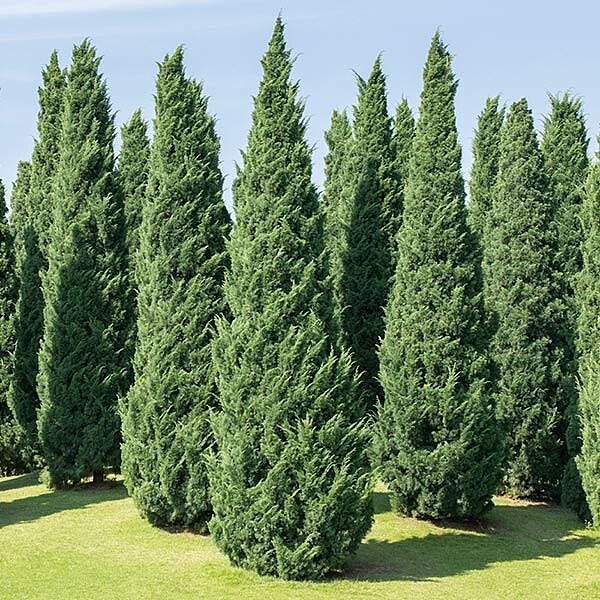
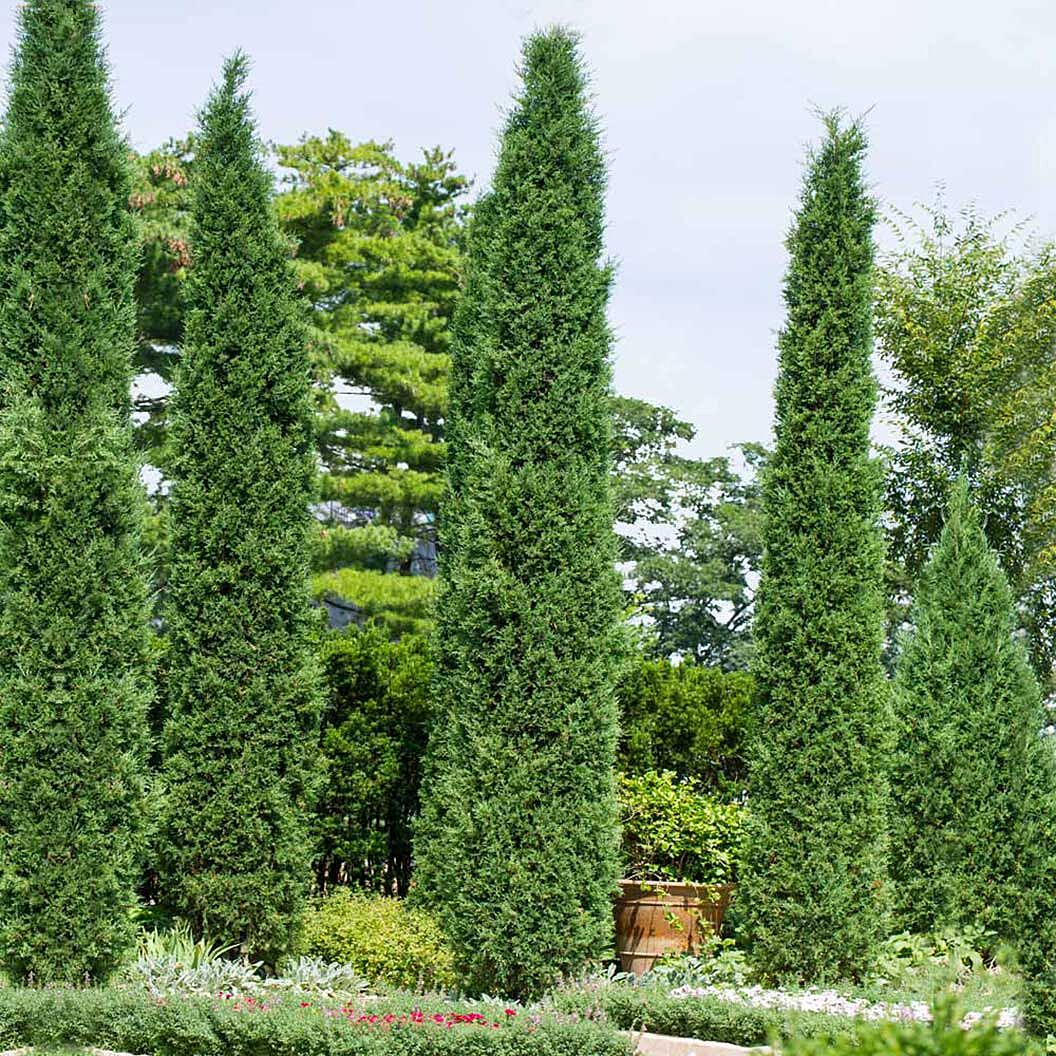
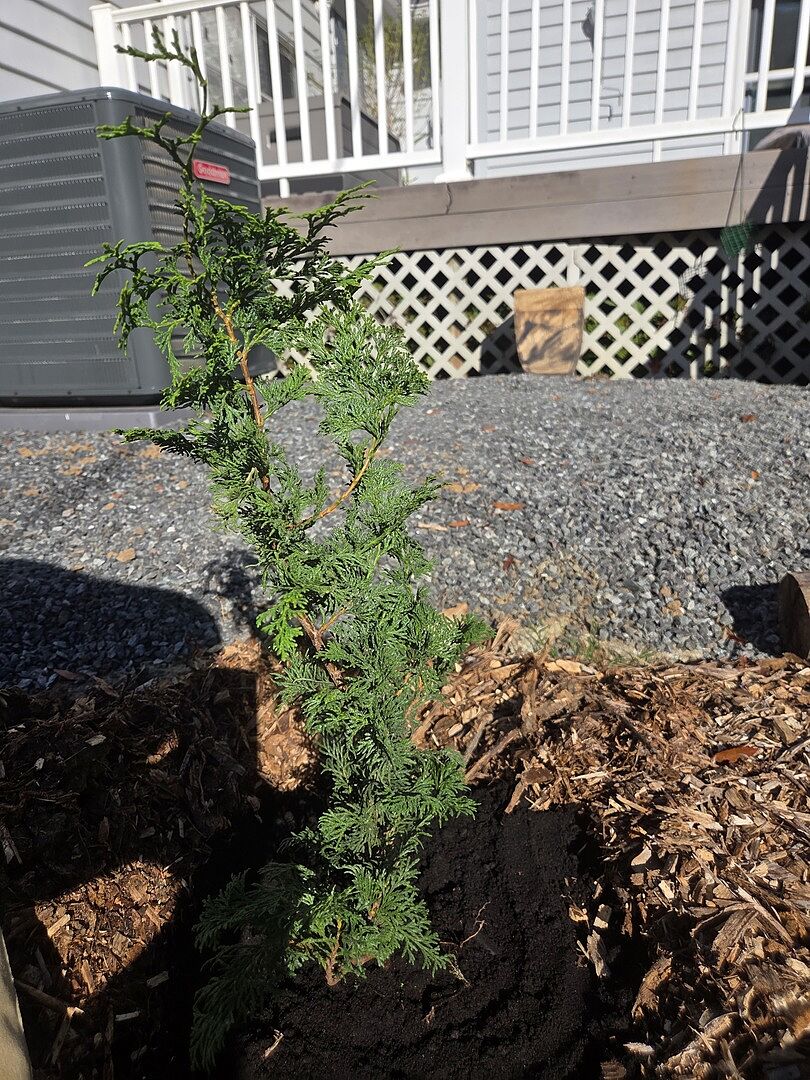
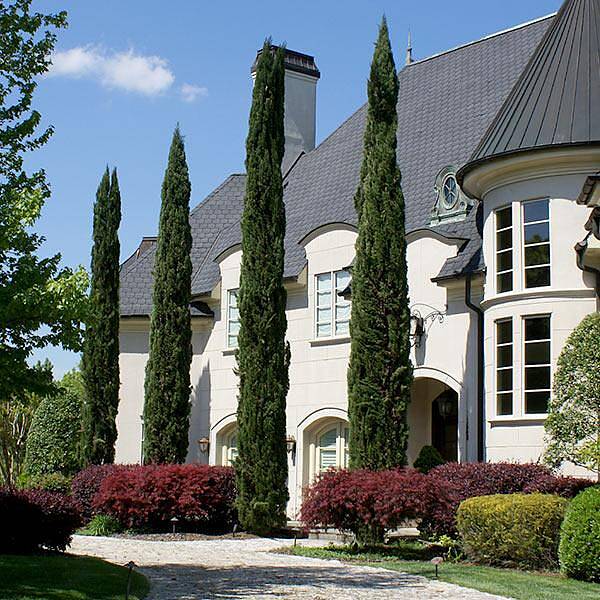
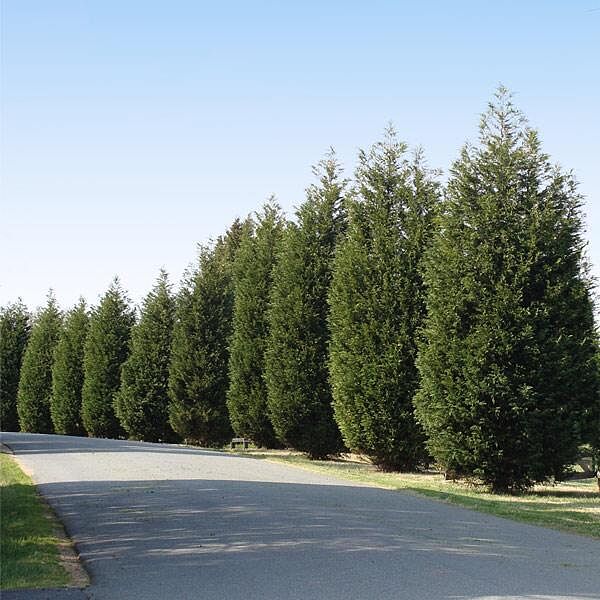
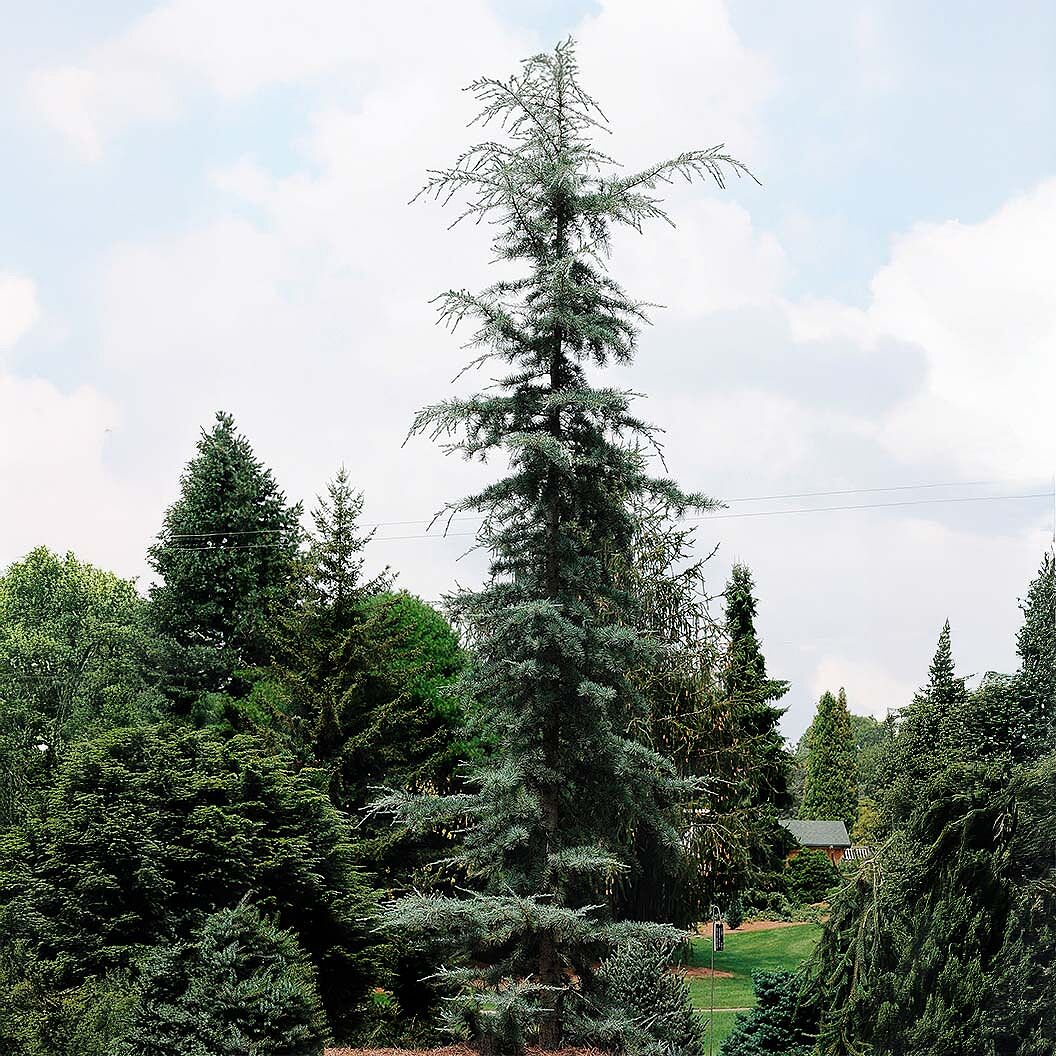
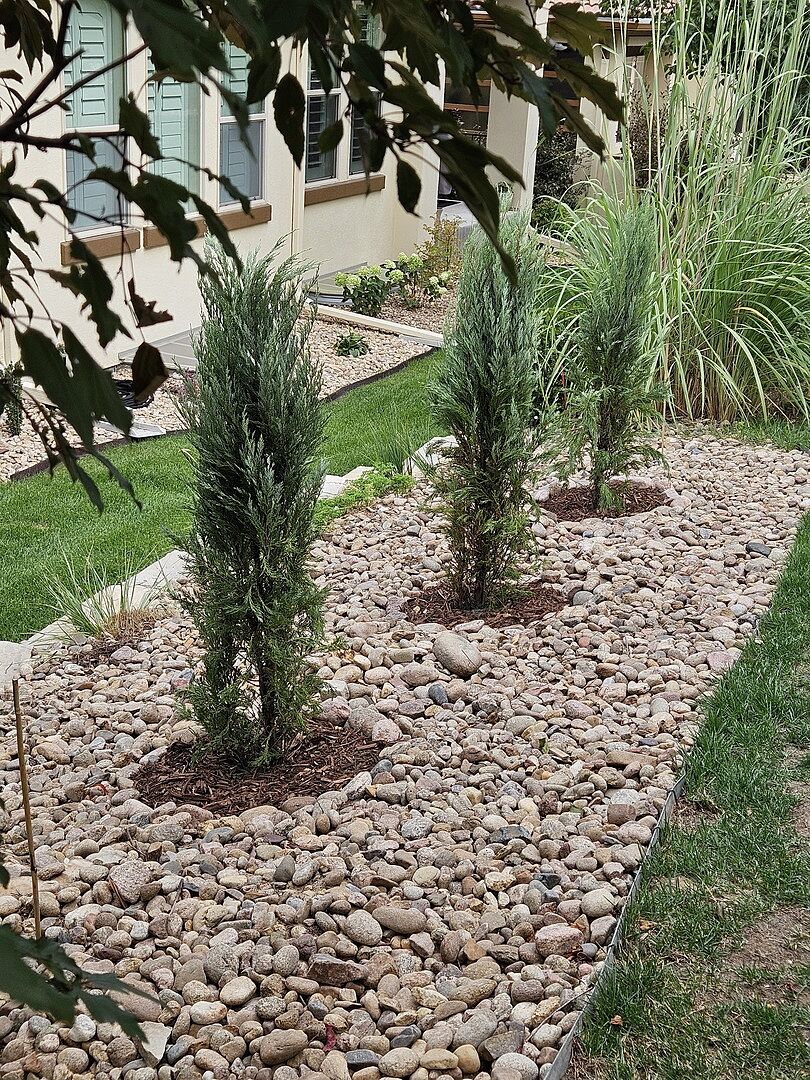
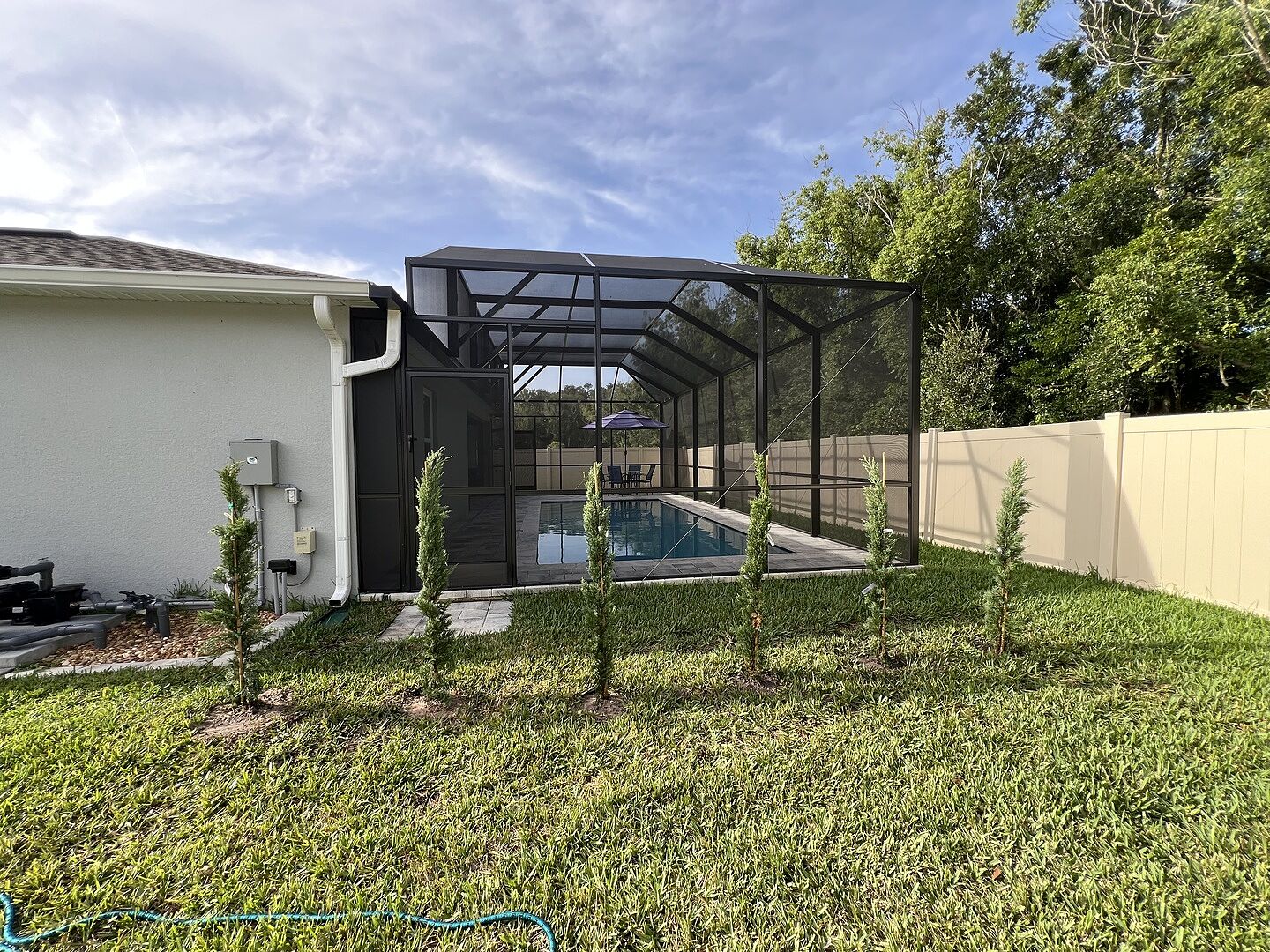
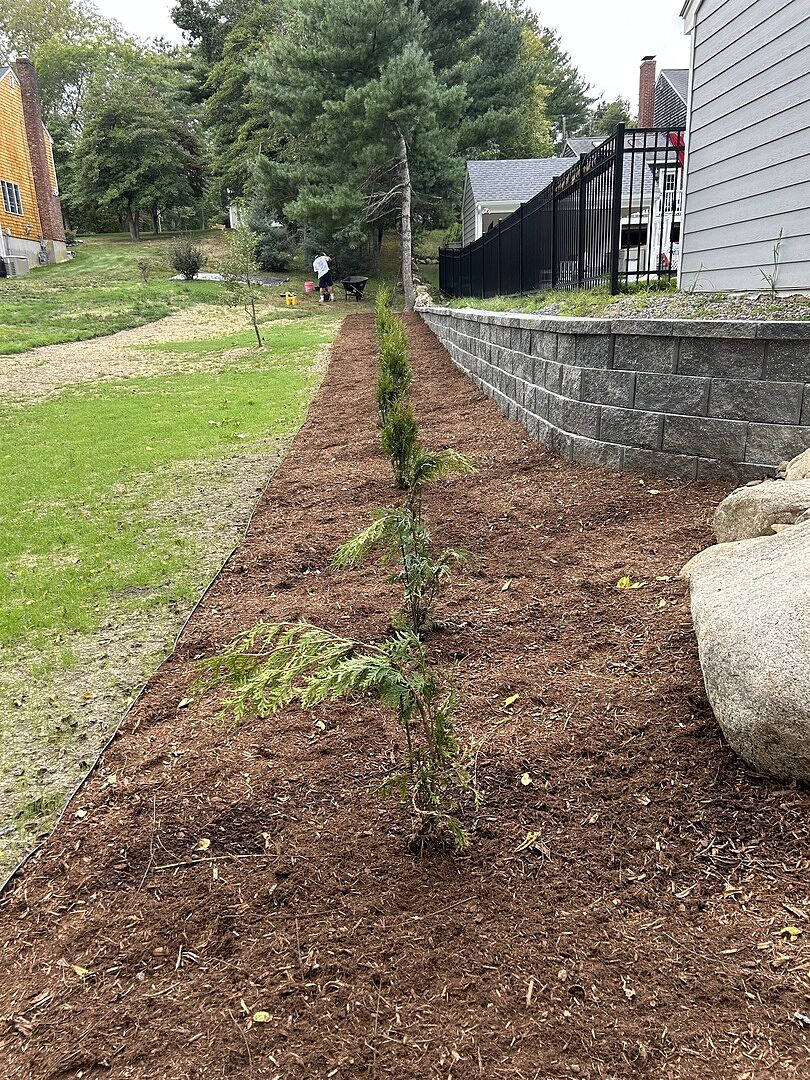
When you need privacy but have no room to spare, the Blue Arrow Juniper is the answer. It's a narrow, columnar evergreen dressed in silvery blue-green foliage, and its tight, upright form takes up almost no horizontal space. It also holds its own on a slope or narrow side yard where a wider shrub wouldn't fit.
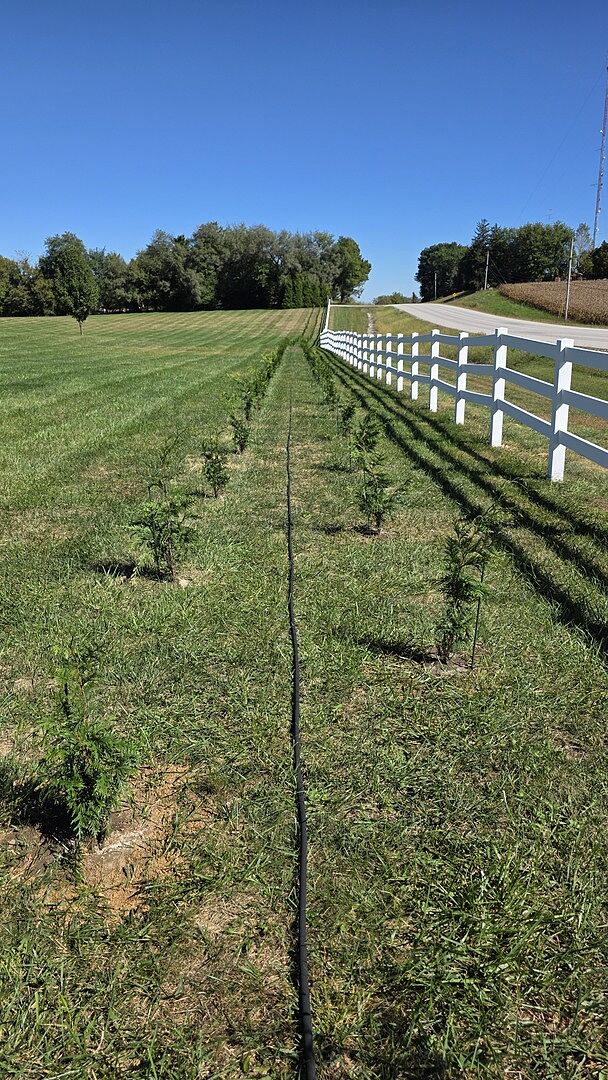
It's a fast grower in zones 4 to 9 thriving in full sun to partial shade and reaching a mature size of 10 to 15 feet tall while staying just 1 to 2 feet wide. Line several up for a slim living screen, or use one as a striking vertical accent. As a Rocky Mountain juniper variety, it grows best in areas with lower humidity. Higher humidity can increase the risk of disease issues.
Miss Kim Lilac Tree

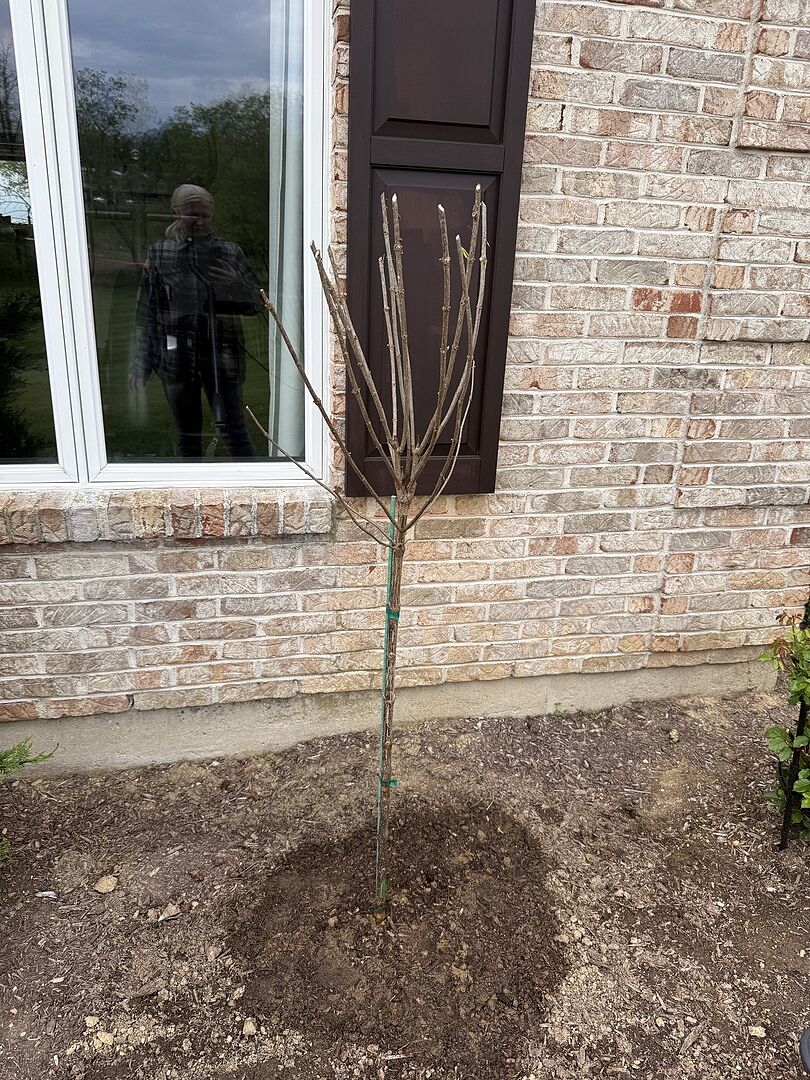
Love the Miss Kim Lilac but want a little more polish? The Miss Kim Lilac Tree offers the same fragrant lavender spring blooms trained to a single trunk, lifting the flowers to eye level and freeing up planting space underneath.
It's a slow grower in zones 3 to 8, thriving in full sun to partial shade and matures to around 6 to 8 feet tall and wide. It makes a charming, small specimen plant for a courtyard, an entry, or a tight bed.
Orange Rocket Barberry

For pure color with a built-in defense system, it's hard to beat the Orange Rocket Barberry. Its new growth emerges coral-orange and deepens to ruby red, all on an upright, columnar frame.The thorny stems also give browsing deer one more reason to look elsewhere.
It grows at a moderate pace in zones 4 to 9 with full sun to partial shade, maturing to about 4 to 5 feet tall and 2 to 3 feet wide. Note: Barberry is restricted in some states, so it's worth a quick check on availability for your area.
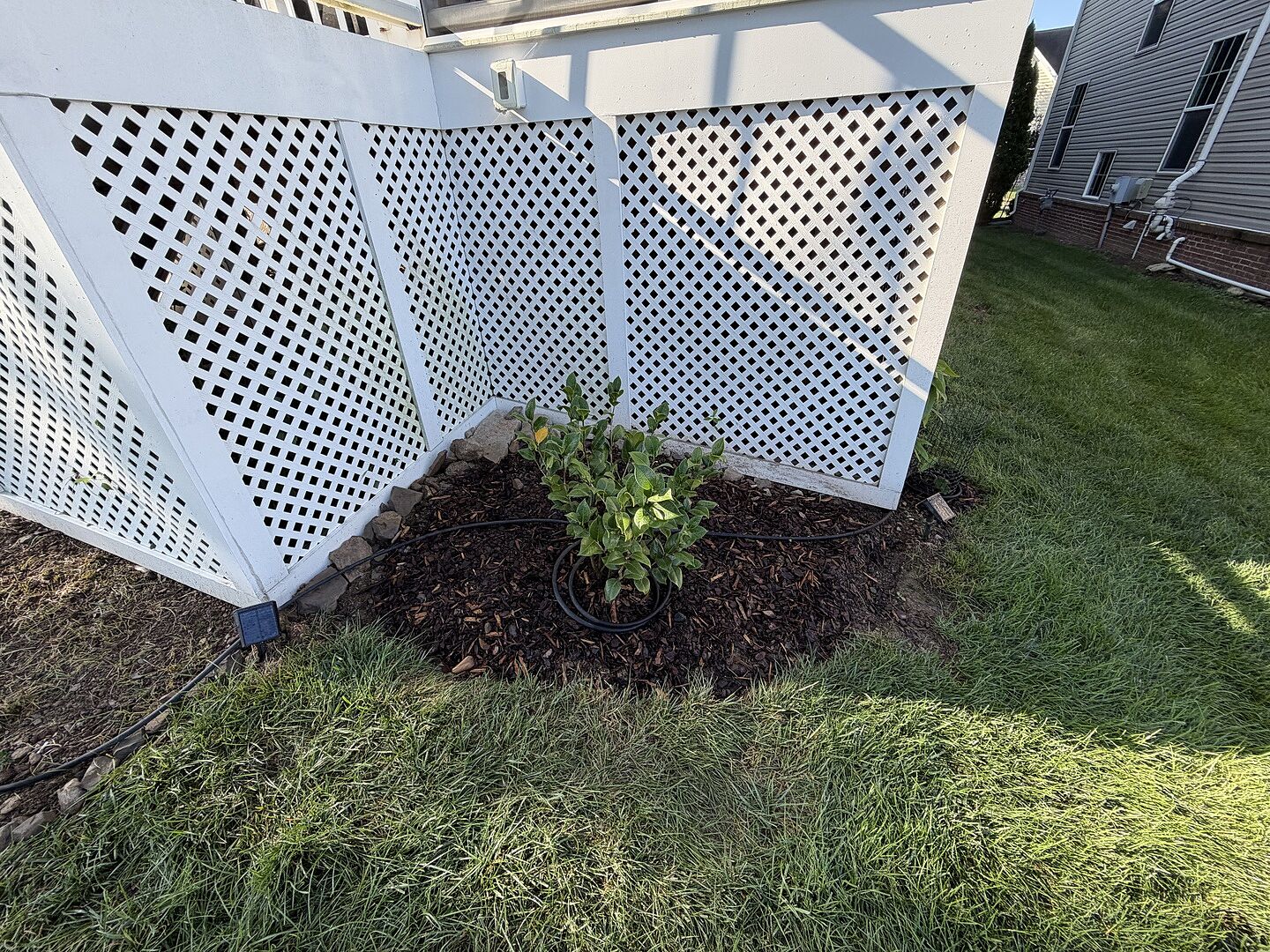
Kramer's Supreme Camellia

When the garden goes quiet, the Kramer's Supreme Camellia keeps the party going with deep red, rose-like blooms whose flower buds quietly set in fall before slowly unfurling through the cool season. Its glossy evergreen foliage looks polished year-round and sets off those flowers beautifully, making it a treasure for fall and winter color.
It grows at a moderate pace in zones 7 to 9 in full sun to partial shade, maturing to roughly 8 to 12 feet tall and 6 to 10 feet wide. A spot sheltered from harsh afternoon sun helps those blooms last.
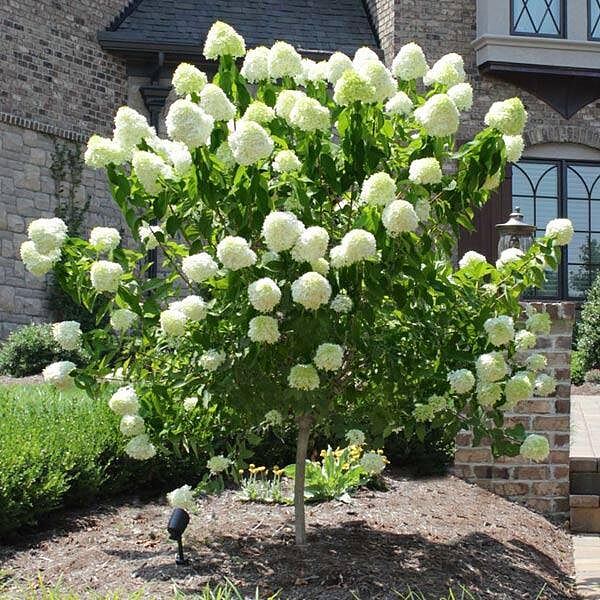
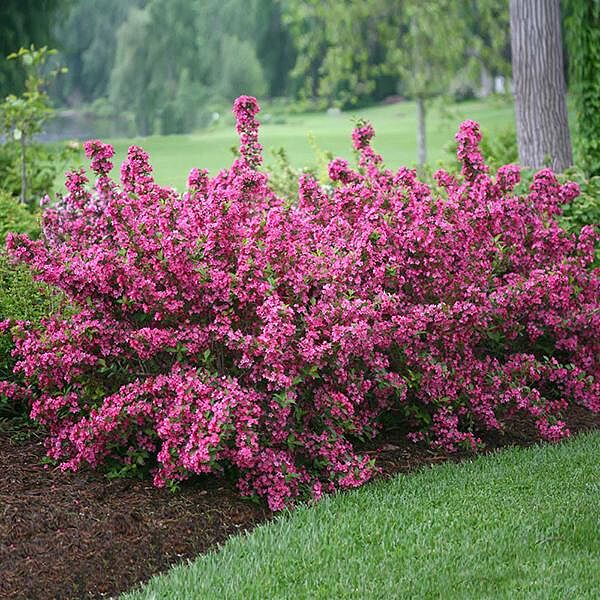
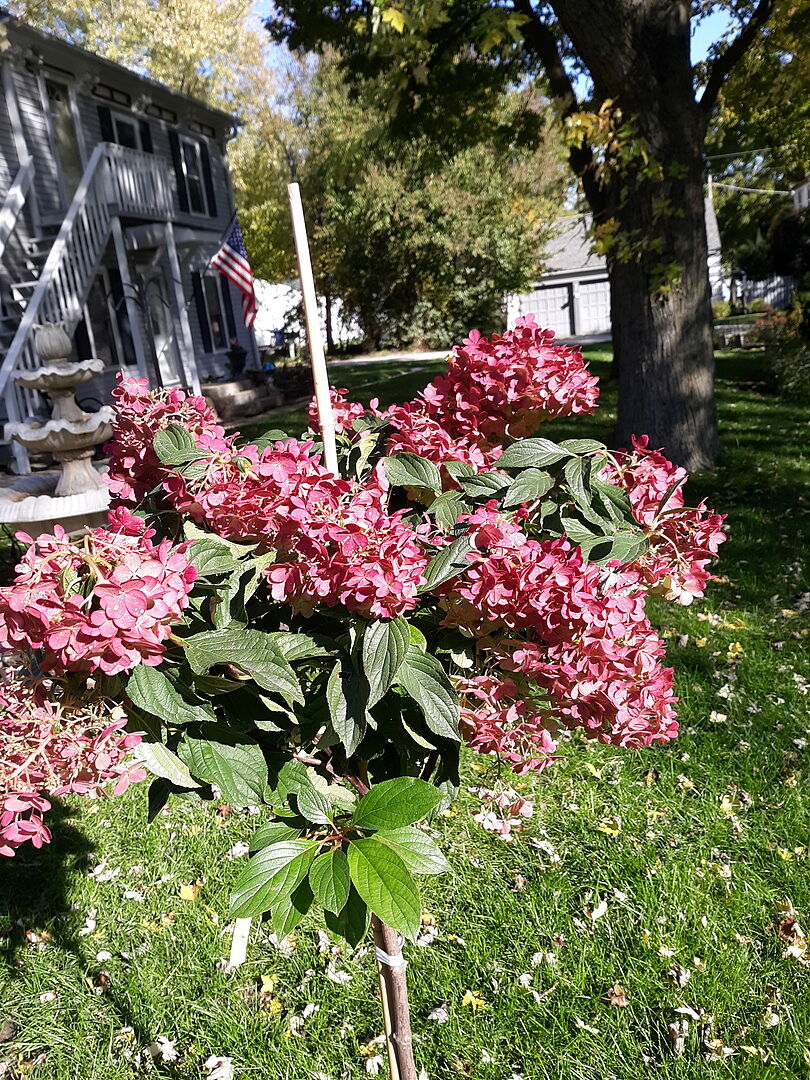
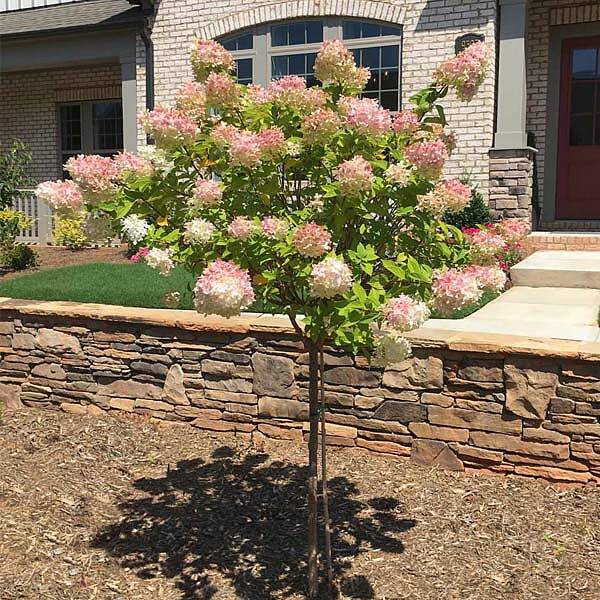
Pink Rose of Sharon

The Pink Rose of Sharon carries large, pink, hibiscus-style flowers on an upright, graceful vase-shaped frame, and its long bloom window stretches through summer and into fall, right when many shrubs have called it a season.
It grows at a moderate pace in zones 5 to 9 in full sun to partial shade, maturing to about 8 to 12 feet tall and 6 to 10 feet wide. Use it at the back of a border or as a flowering focal point you'll enjoy for months.
Titan Boxwood

Think of the Titan Boxwood as boxwood for a warmer world. It offers larger leaves and a looser, more relaxed form than the classic. It also handles heat better, which makes it a smart pick for regions where traditional boxwood struggles. It still clips cleanly, so hedging stays easy. Whether you prune it formally or let it grow looser, it holds its shape well.
It grows at a moderate pace in zones 4 to 9 in full sun to partial shade, maturing to around 3 to 6 feet tall and 4 feet wide.
Summersweet Clethra

The Summersweet Clethra sends up fragrant white, bottlebrush-shaped blooms in mid to late summer, filling the air with scent when spring's flowers are a distant memory. Every bee in the yard seems to find it. Its upright form fits naturally into a woodland edge or a mixed border.
Here's its real superpower: it tolerates wet and shady spots where many flowering shrubs sulk. It's a slower grower in zones 4 to 9, growing best in full sun to partial shade, and matures to a tidy 3 to 4 feet tall and wide.
Lucy Rose of Sharon

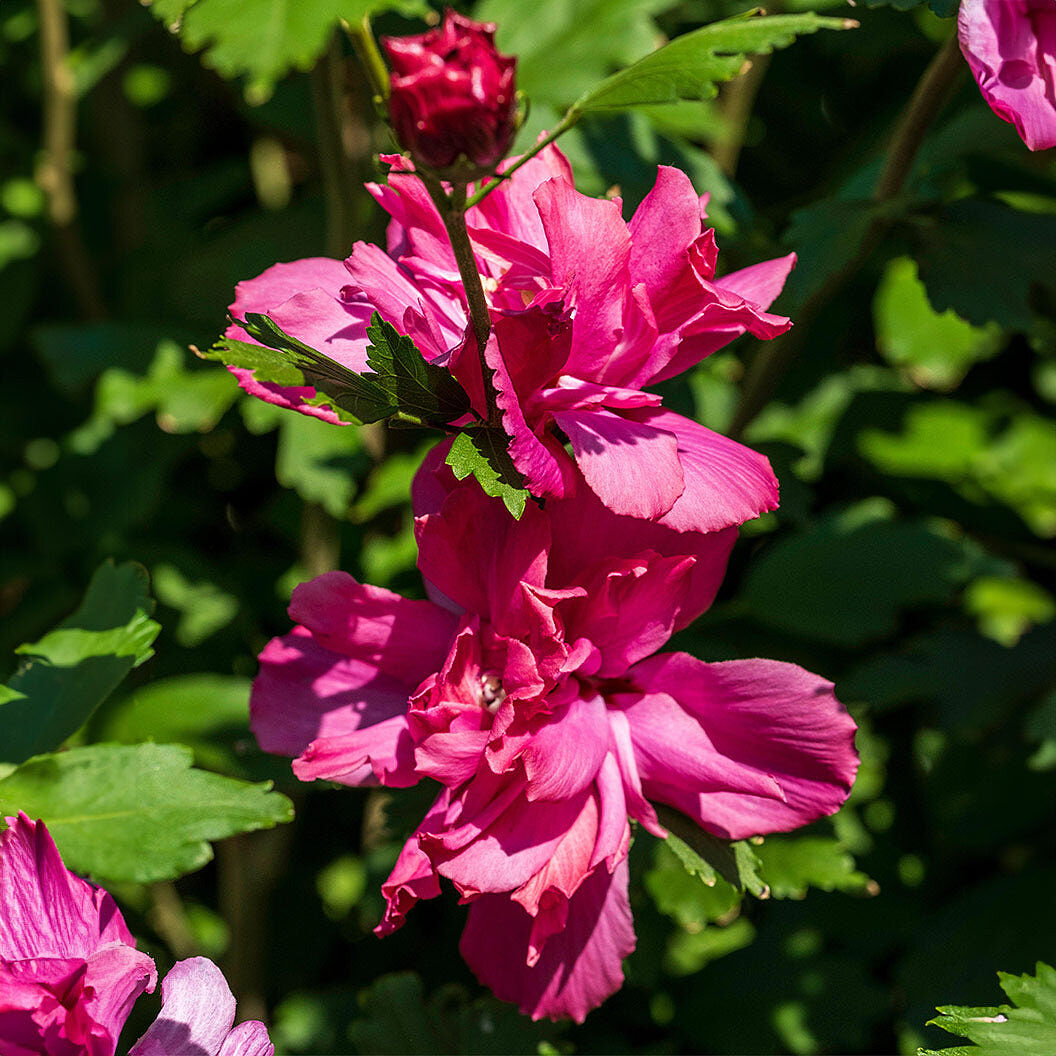
The Lucy Rose of Sharon turns heads with full, double magenta-pink blooms on an upright frame. Like its rose of Sharon cousins, it flowers from summer into fall for a genuinely long season of color. It's a suburban favorite for its long season of color and easy care.
It grows at a moderate pace in zones 5 to 9 in full sun to partial shade, maturing to about 6 to 10 feet tall and 5 to 6 feet wide. It slots easily into the back of a bed or a flowering privacy line.
Purple Pillar Rose of Sharon Althea

The Purple Pillar Rose of Sharon Althea is a beautiful underused landscape option for adding color without constantly battling browsing. Its tall, narrow shape makes it a great fit for smaller spaces, while its rich purple blooms bring a bold pop of color from summer into fall.
It grows at a moderate pace in zones 5 to 9 in full sun to partial shade, reaching about 15 feet tall while staying just 5 feet wide. Plant it near a fence, entryway, or along a property line for vertical color and seasonal interest without taking up much room.
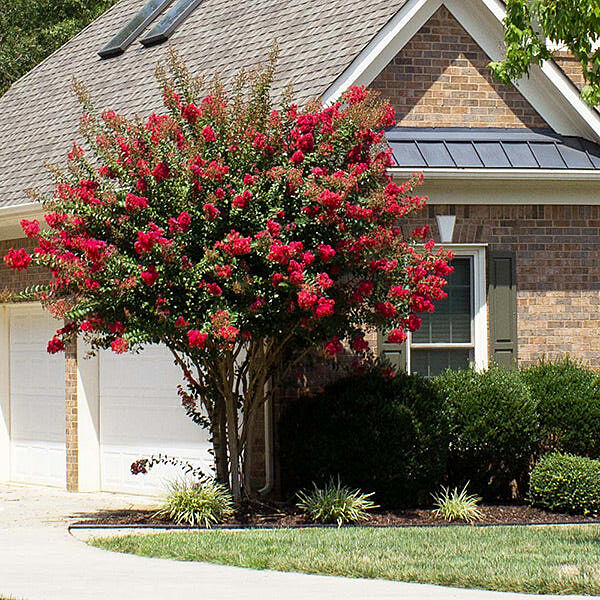
Pocomoke Crape Myrtle

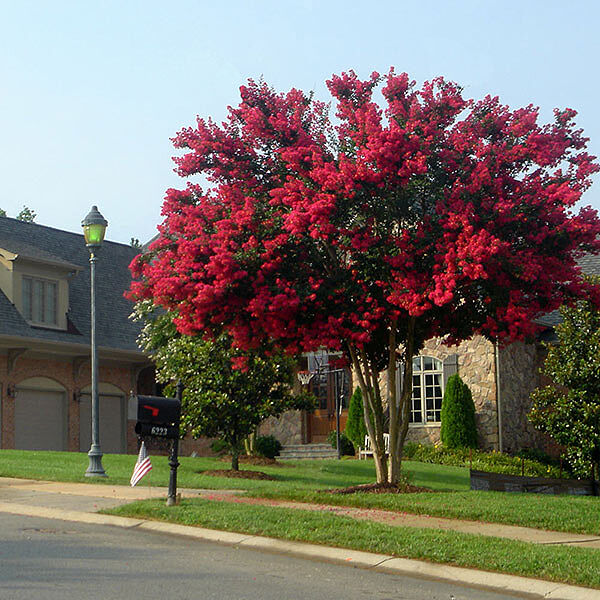
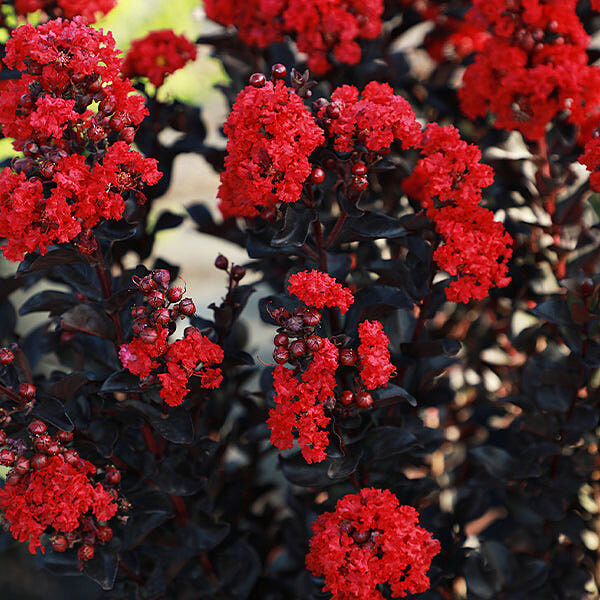
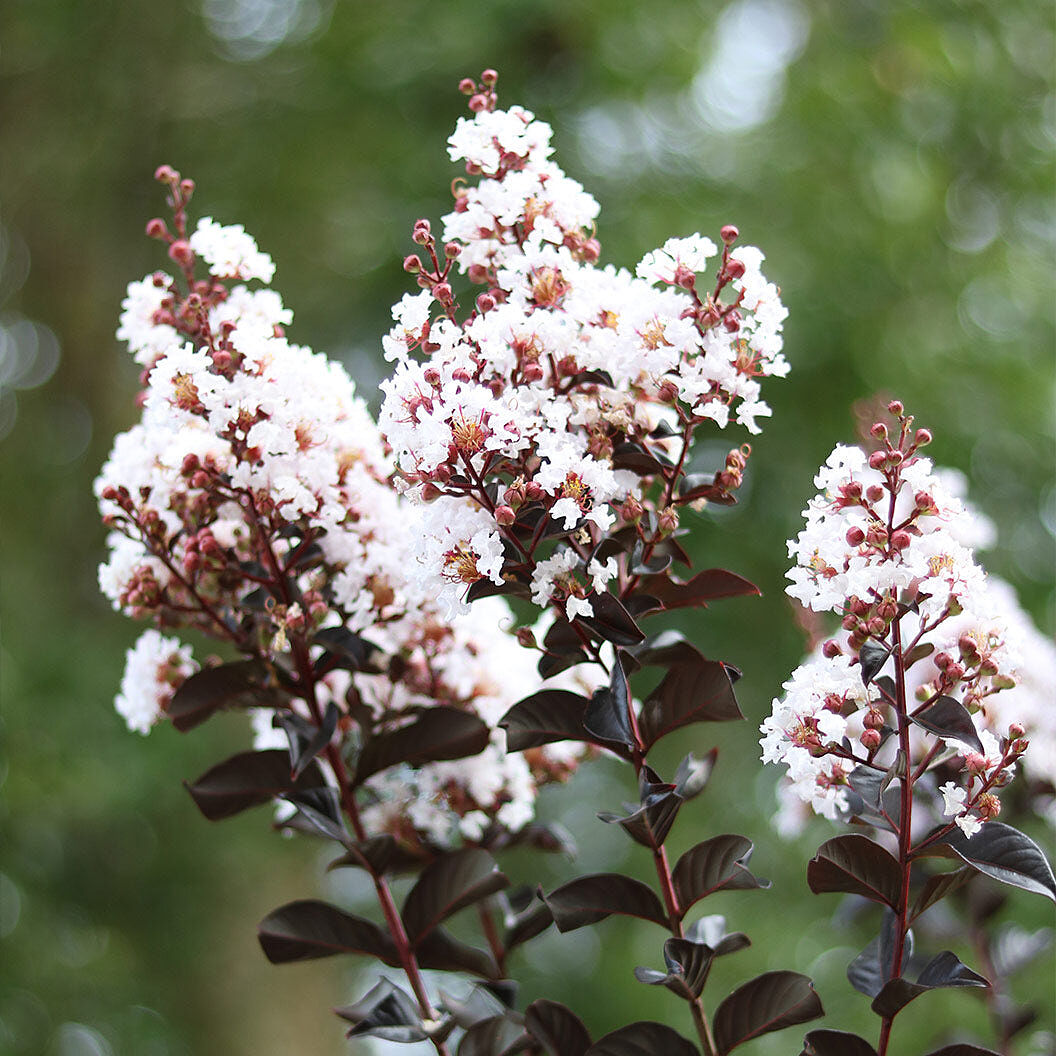
If you love crape myrtle color but not crape myrtle size, meet the Pocomoke Crape Myrtle. This true dwarf forms a tidy mound covered in deep pink flowers all summer, with a small footprint that suits containers, small beds, and tight spaces.
It's a fast grower in zones 6 to 9 in full sun, staying compact at about 3 to 5 feet tall and 4 to 5 feet wide. All the signature crape myrtle flair, none of the sprawl.
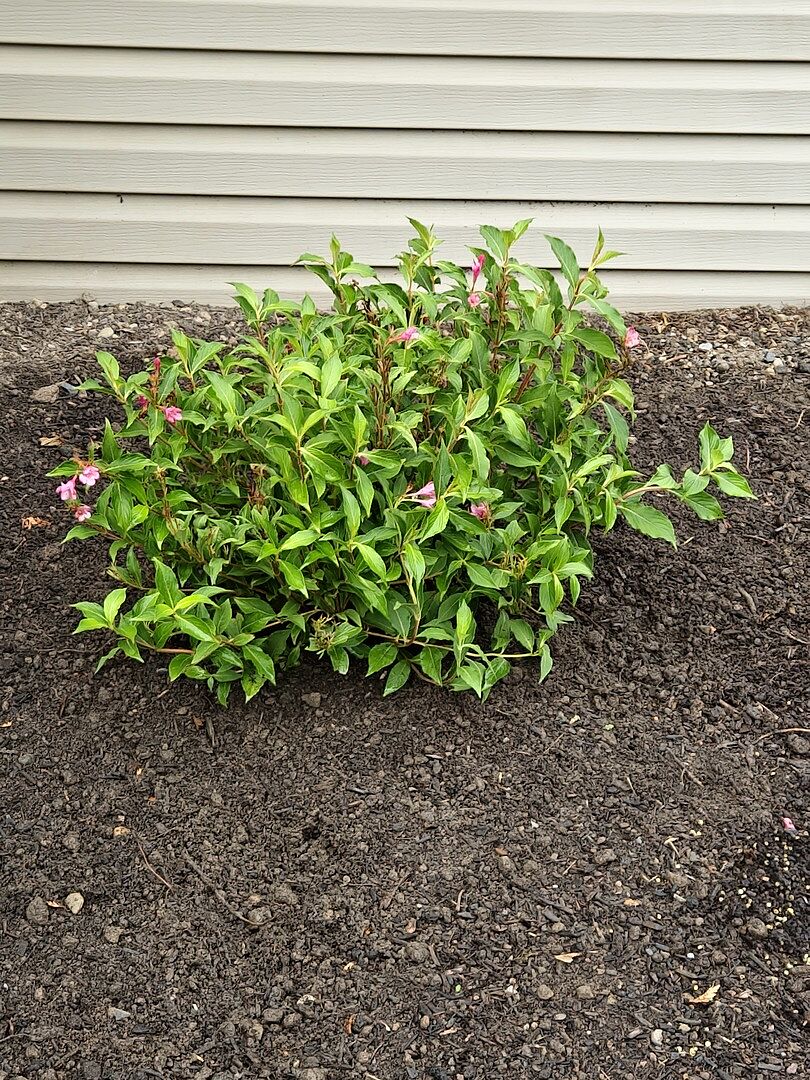
Wintergreen Boxwood

The Wintergreen Boxwood does exactly what its name promises: It holds a bright green color through cold weather when many boxwoods bronze or fade. Its rounded form shears neatly into low hedges and edging, making it a dependable bit of year-round structure.
It's a slow grower in zones 5 to 8, thriving in full sun to partial shade and maturing to about 2 to 4 feet tall and 3 to 5 feet wide.
Common Purple Lilac

Sometimes a classic is a classic for a reason. The Common Purple Lilac is the old-fashioned lilac your grandmother probably grew, famous for intensely fragrant purple flower clusters in spring. Its upright, multi-stemmed form fills out into a substantial focal point or an informal hedge. It's a beloved classic in Northeast gardens, where its reliable cold hardiness really shines.
It grows at a moderate pace in zones 3 to 7 in full sun to partial shade, maturing to a generous 8 to 15 feet tall and 6 to 12 feet wide. Few shrubs carry as much scent, or as much nostalgia.
Jubilation Gardenia

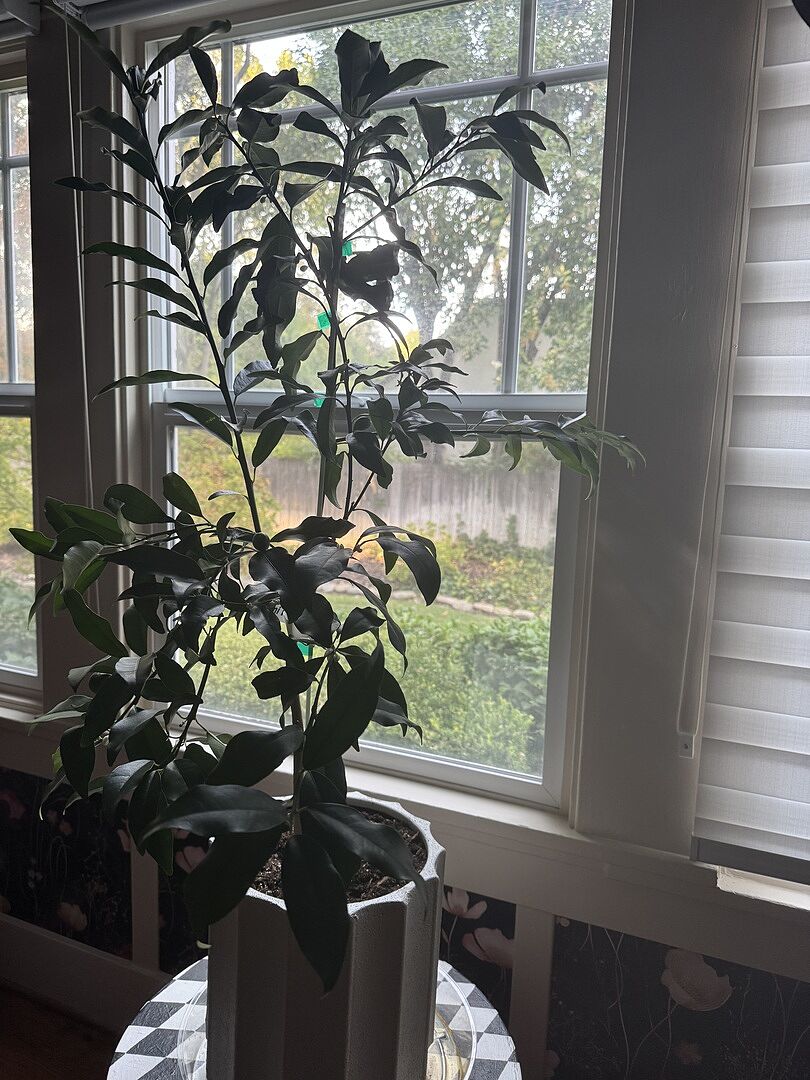
The Jubilation Gardenia brings classic gardenia fragrance in a compact package. Its fragrant white blooms and glossy evergreen leaves add beauty across multiple seasons, while its smaller size makes it easy to tuck near patios, entryways, or garden borders. Deer tend to leave its foliage alone.
It grows at a moderate pace in zones 7 to 10 in full sun to partial shade, reaching about 3 to 4 feet tall and 3 feet wide. Plant it where you can enjoy its sweet fragrance up close.
Scentara Double Blue Lilac

Rounding out the lilacs, the Scentara Double Blue Lilac offers fragrant, blue-purple double blooms on a notably cold-hardy plant. It also brings improved mildew resistance, so the foliage stays cleaner through the season than many older lilacs, a welcome upgrade for northern gardens. It blooms reliably, even in late spring after a rough winter.
It grows at a moderate pace in zones 2 to 7 in full sun, maturing to around 6 to 8 feet tall and wide. If you garden where winters bite, this fragrant, low-fuss lilac is built for you.
Grow a Landscape Deer Can't Ruin
The strongest deer-resistant landscapes rarely lean on a single plant. Layer deer-resistant evergreen shrubs for structure, flowering shrubs for color, and a few thorny or aromatic picks for extra defense, and you end up with a fuller, lower-maintenance yard that holds up far better to browsing. Mixing bloom times and heights, from early spring through early fall, also means something is always working, even during the stretches of the growing season when deer are hungriest. Get the mix right and you're stacking picks deer will avoid all year long.
When you're ready to build that mix, browse our full collection of deer-resistant shrubs to match these picks to your yard, and use our zone finder to confirm which options will thrive where you live. You can also explore our wider range of shrubs for even more ideas. And if you'd like a second opinion before you plant, our Plant Experts are happy to help you pair the right shrubs for your space, so you can plant with confidence and let the deer find dinner somewhere else.
Frequently Asked Questions
What does "deer-resistant" actually mean for a shrub?
It means deer rarely browse the plant when other food is available, not that they'll never touch it. Extension programs even rank plants on a scale from "rarely damaged" to "frequently severely damaged." Choosing shrubs from the rarely-damaged end gives you the best odds in a deer-heavy yard.
What plants do deer hate the most?
Deer tend to avoid plants with strong aromas, fuzzy or rough leaves, thorns, or foliage that's bitter or toxic. On this list, that means aromatic picks like wax myrtle and butterfly bush, thorny ones like flowering quince and barberry, and tough evergreens like holly and boxwood.
Are any shrubs completely deer-proof?
No. No shrub is fully deer proof. Even reliable performers can get nibbled under the right conditions. The goal is to stack the odds in your favor with resistant species, not to expect a guarantee.
Why do deer avoid certain shrubs?
Many shrubs have evolved defenses that make them unappealing, including aromatic oils, hairy or leathery leaves, thorns, and bitter or toxic compounds. Deer prefer tender, mild new growth, so plants that taste, smell, or feel wrong get passed over first, especially when easier food is nearby.
Will deer eat these shrubs in winter when food is scarce?
They might. During winter and other times of nutritional stress, deer will browse plants they'd normally ignore. Deer-resistant shrubs still cut down on damage in those months, but pairing them with some physical protection during hard winters is a smart move.
Are there fast-growing deer-resistant shrubs?
Yes. Several picks here grow quickly, including the Black Knight Butterfly Bush, Lynwood Gold Forsythia, Blue Arrow Juniper, and Pocomoke Crape Myrtle. These are ideal when you want privacy or coverage without waiting several seasons for shrubs to fill in.
How can I protect new shrubs while they establish?
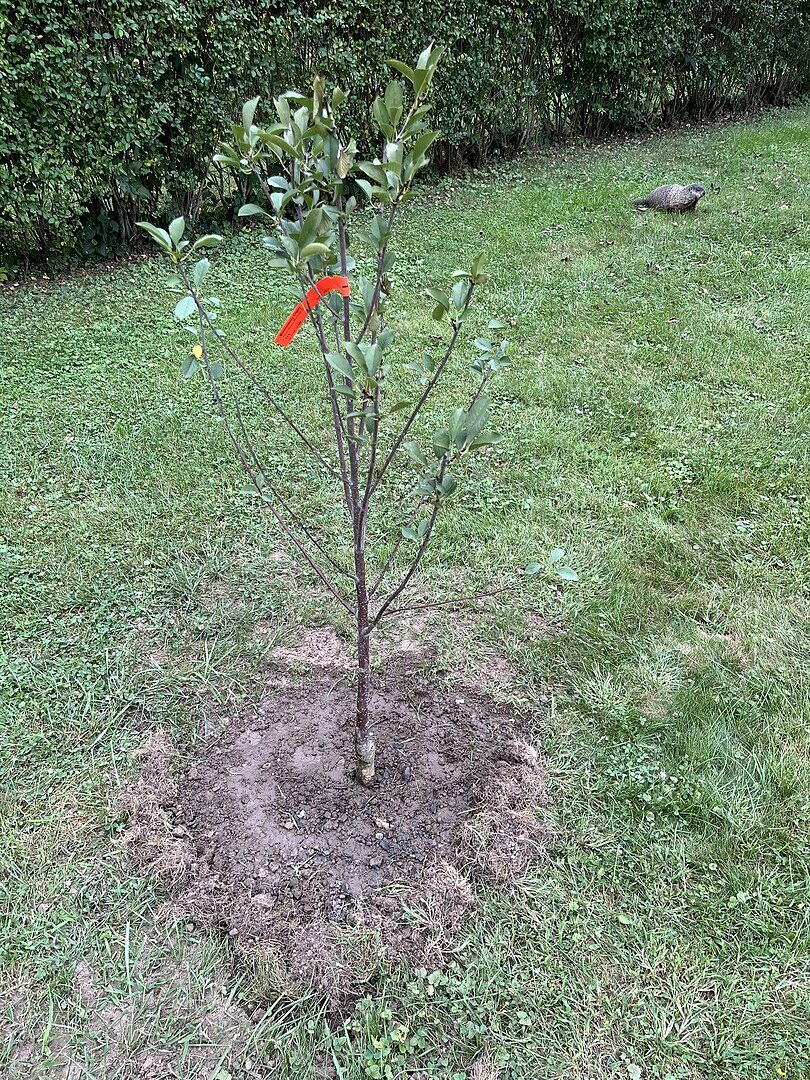
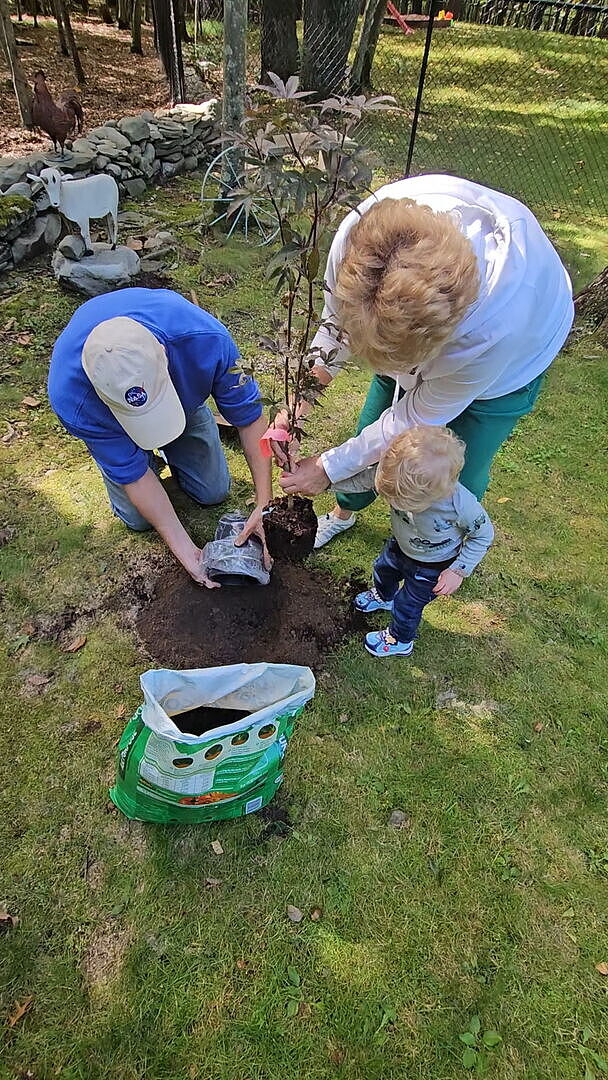
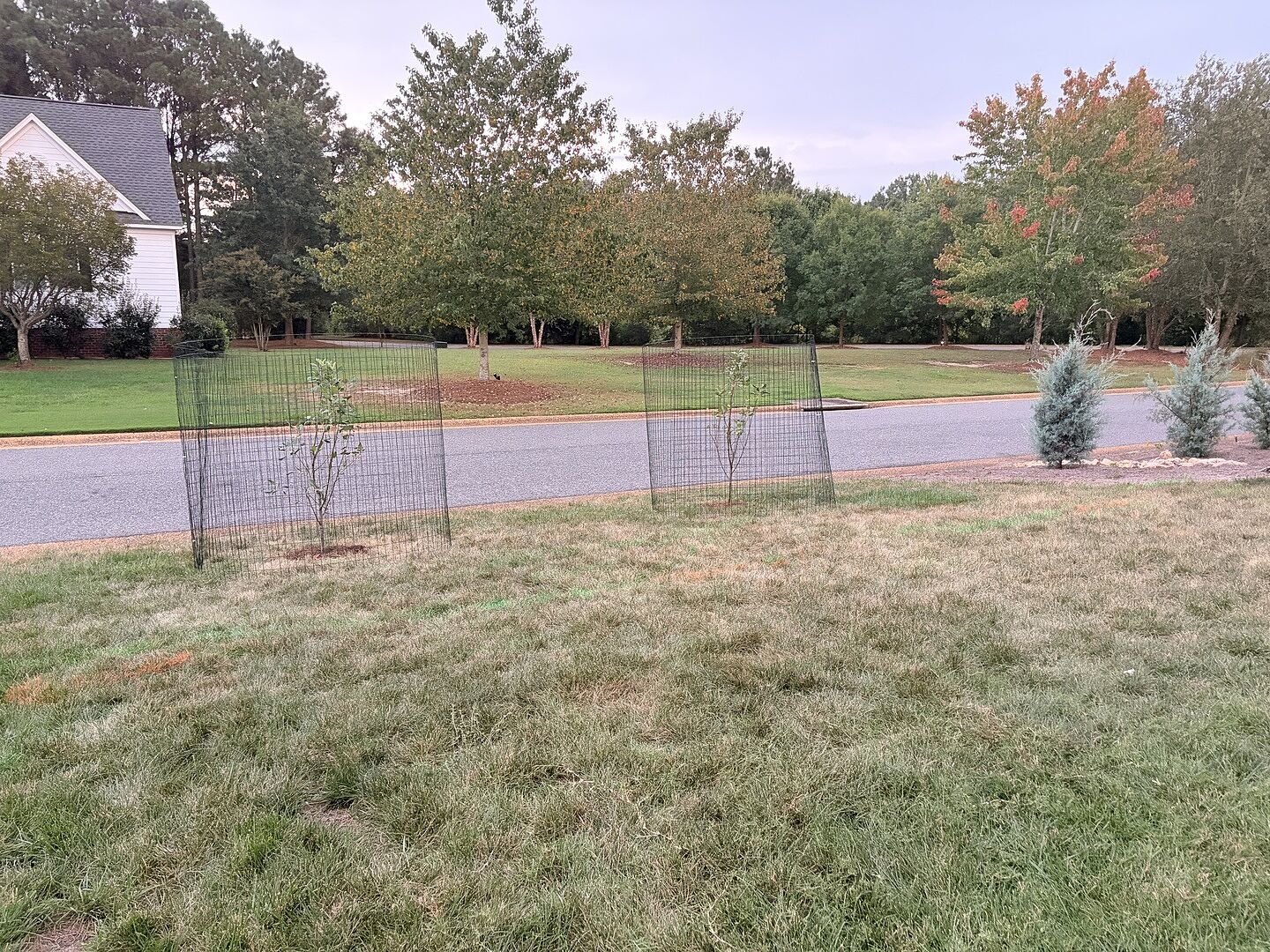
Young, tender plants are the most tempting, so a little early protection pays off. Temporary fencing, netting, or cages around new shrubs, plus rotating repellents, help them get established. Once shrubs mature and toughen up, deer usually lose interest in resistant varieties.
Which deer-resistant shrubs work best for privacy hedges?
For screening, lean on the dense evergreens and fast growers here. Nellie Stevens Holly, Wax Myrtle, and Blue Arrow Juniper form tall, full screens, while Green Velvet and Wintergreen Boxwood make tidy lower hedges. Planting in a staggered double row fills gaps faster for a thicker barrier. Nellie Stevens Holly is one of the best deer-resistant picks for fast, full coverage in a hurry.
Written by
Abby Healy
Abby is an avid plant lover and the Director of Content at Trees.com. She grew up in Maine, graduated from Davidson College, and now resides in Charlotte, North Carolina with her husband and two dogs. Her previous roles include leading content teams at Red Ventures, a large digital media company, and launching the content and marketing functions at an ecommerce analytics start-up.
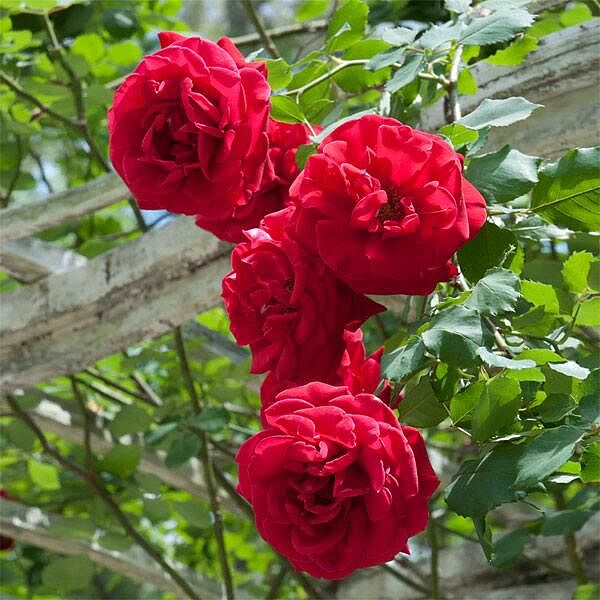
While her indoor plant collection is always growing, she also loves landscaping tips and learning more about plant care and maintenance. Her favorite plants are Japanese maples, roses of all kinds, and unique house plants.