Staking Your New Tree, If Necessary: Comprehensive Staking Guide

Key takeaways
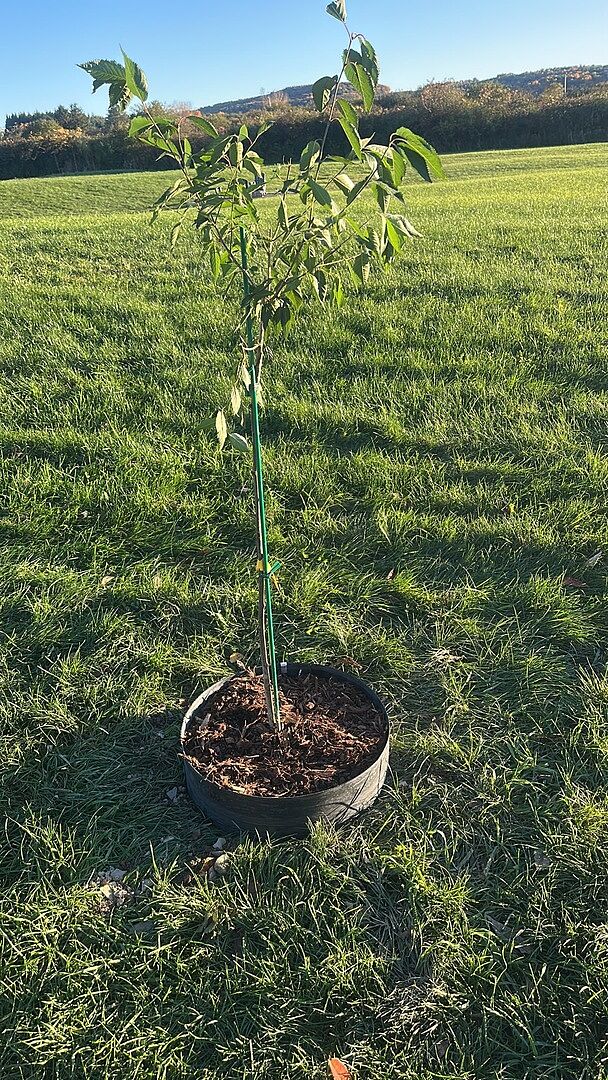
Most newly planted trees do not need staking because natural movement helps develop stronger trunks and root systems.
Stake a tree only if it leans significantly, grows in a consistently windy site, or is planted in loose, unstable soil.
If staking is needed, use flexible, wide ties that allow about 2 inches of trunk movement to encourage healthy growth.
Updated Oct 7, 2026
Table of Contents
- Why Most Trees Thrive Without Stakes
- When Tree Staking Becomes Helpful
- Staking Evergreens vs. Deciduous Trees
- Sizing Up Your Tree Before Staking: 1′–3′ vs. 4′–7′
- Types of Planting Stakes: What to Use and Avoid
- Installing Tree Stakes the Right Way
- Monitoring & Removing Stakes
- FAQs About Tree Staking
It's a common belief that every new tree needs a stake, but that's not always the case. In fact, most newly planted trees develop stronger trunks and root systems when they're allowed to sway naturally. In this guide, you'll learn when staking a tree is beneficial, how to do it properly, and when it's time to remove tree stakes so your new tree can thrive on its own.
Why Most Trees Thrive Without Stakes
When you plant a young tree, you’re giving it more than soil and water—you’re offering a chance to develop its own natural strength. As gentle breezes rock the trunk, the cambium layer and root hairs respond by thickening and spreading, creating a robust support system. Over-staking—or staking too rigidly—deprives the tree of this essential “exercise,” often resulting in trunks that remain weak long-term. Arborists agree: let your sapling sway, and only intervene when truly necessary.
When Tree Staking Becomes Helpful
Even though most trees stand on their own, there are a few scenarios where staking can make sense:
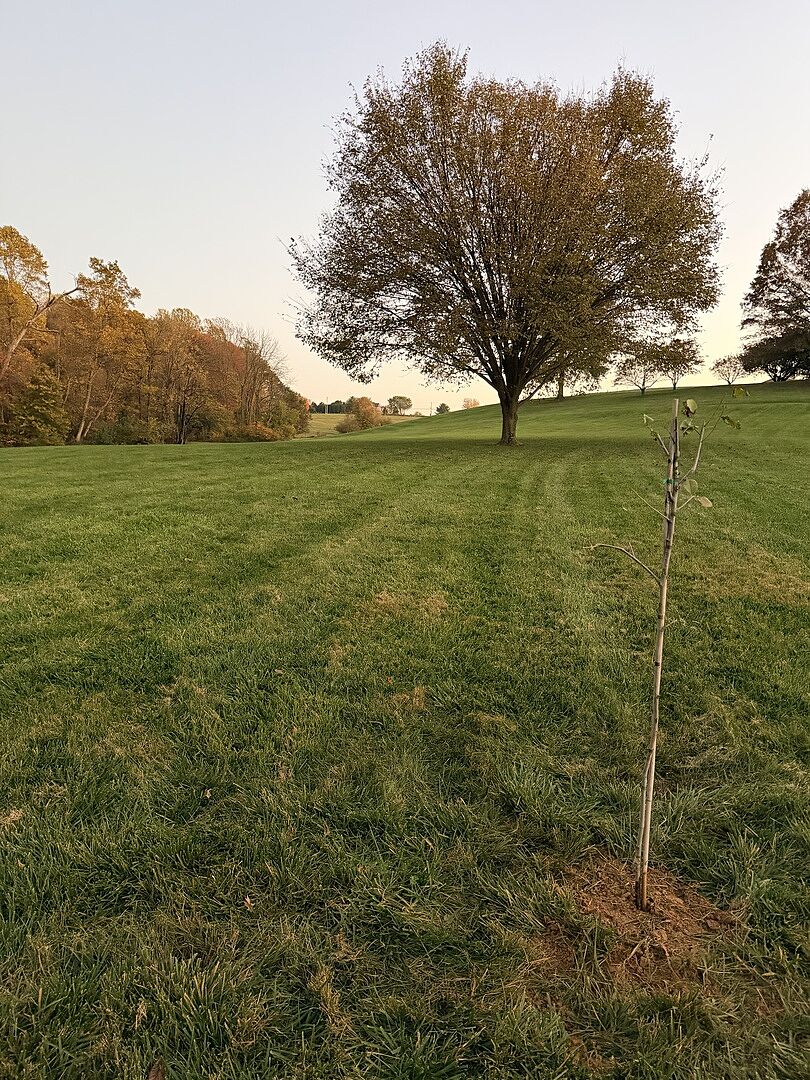
- Persistent Lean or Poor Upright Habit: If your tree refuses to stand plumb after planting, a stake can hold it straight while roots establish.
- Consistently Windy Climates: In regions like the Great Plains or high deserts—where storms and steady gusts are common—staking prevents toppling.
- Loose or Sandy Soils: Some soils don’t grip a fresh rootball well; and although bare-root “Drop & Grow” trees often settle firmly, any significant post-plant shift warrants a light stake.
When you do choose to stake, remember: minimal support, flexible ties, and prompt removal are key.
Staking Evergreens vs. Deciduous Trees
The type of tree you're planting can help determine whether staking is beneficial and how much support it may need while getting established.
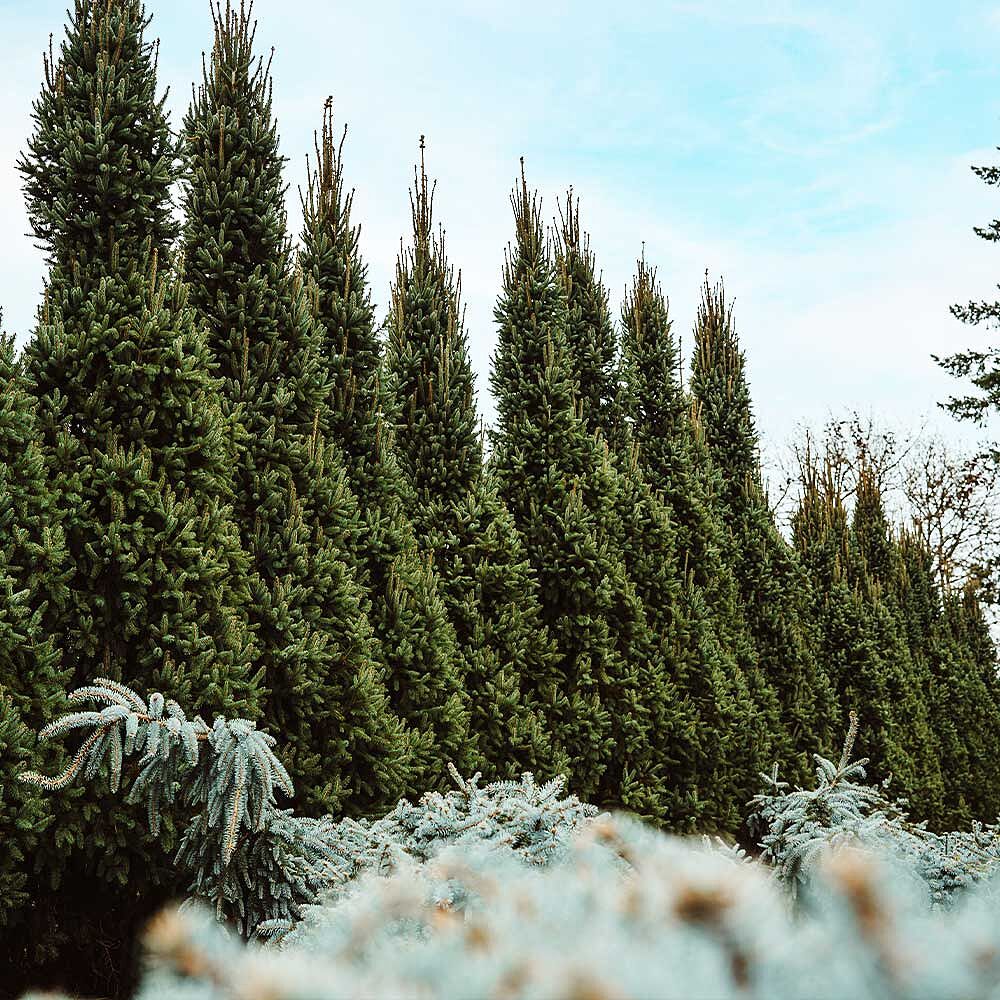
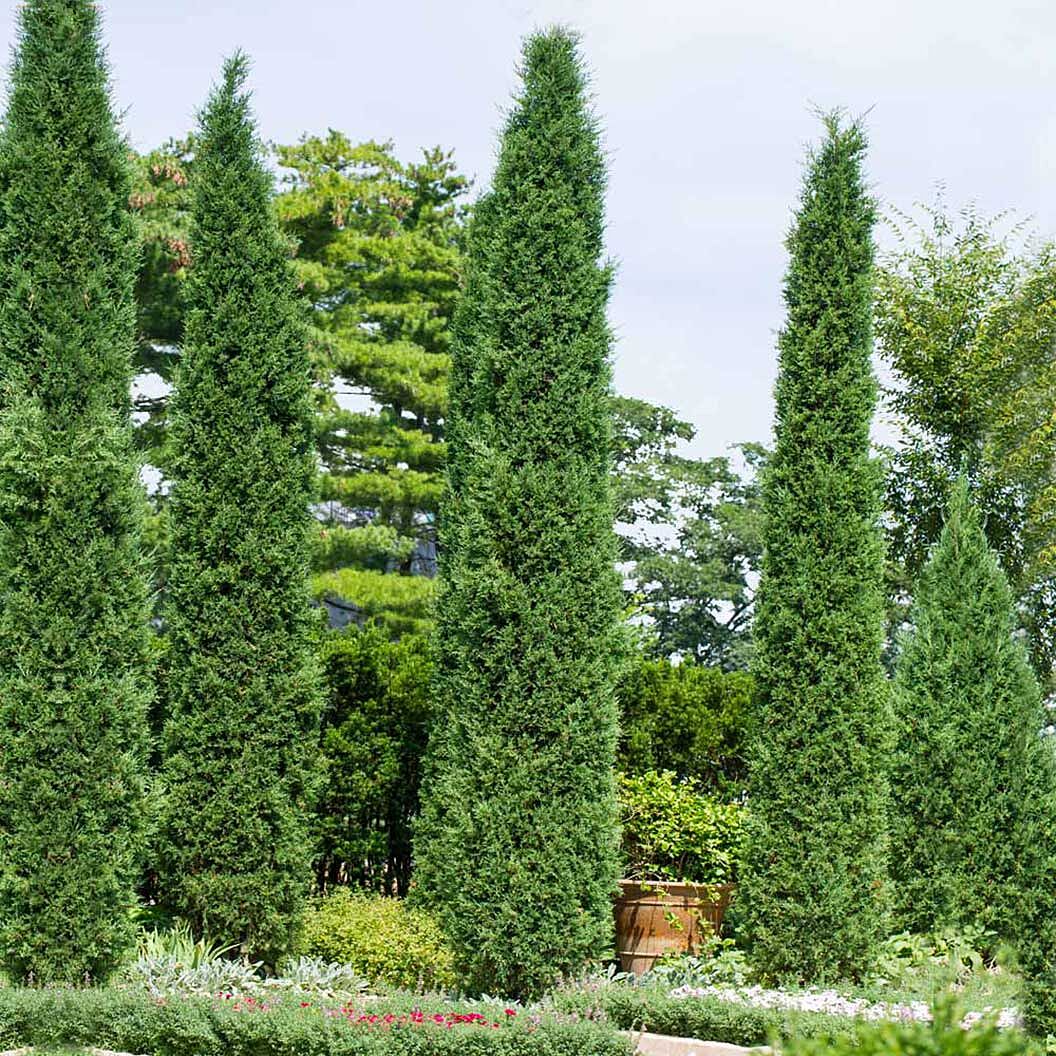
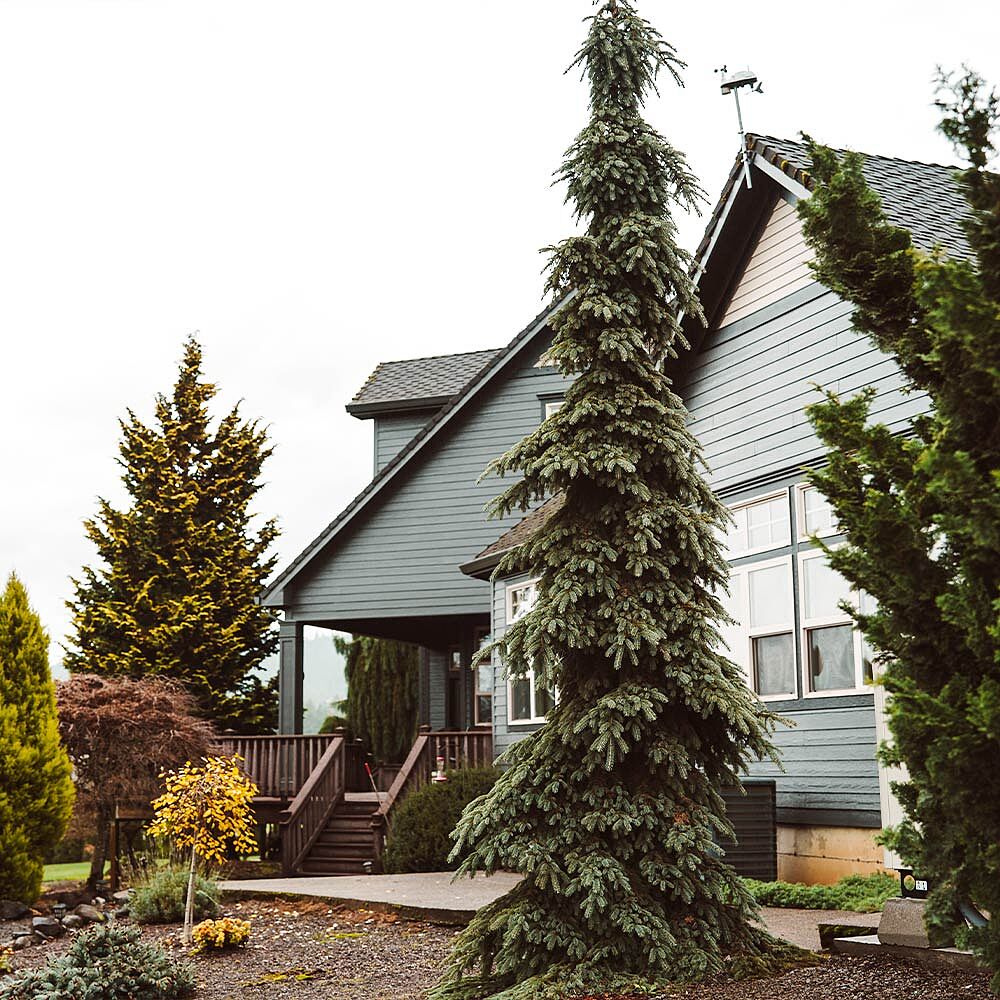
Evergreens
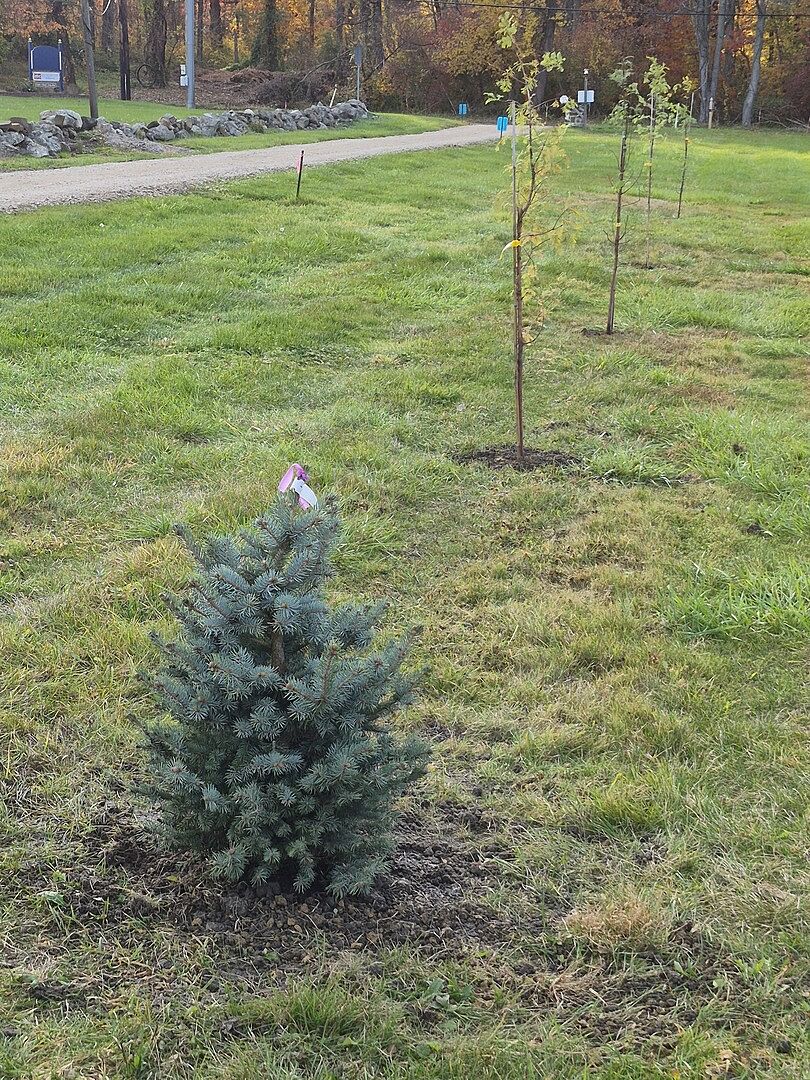
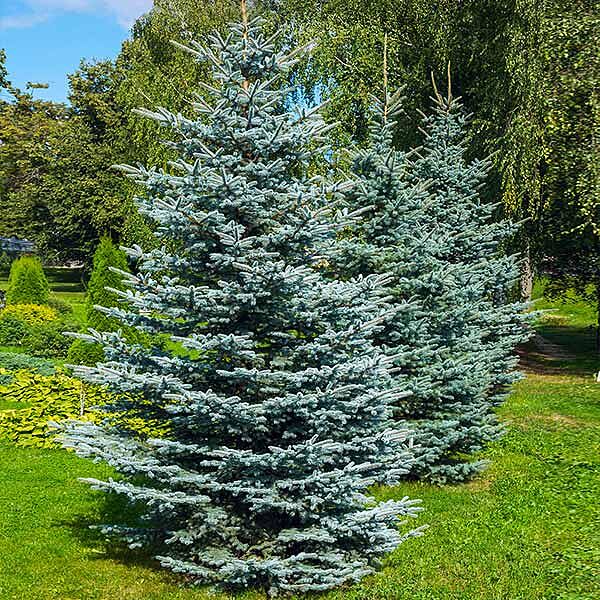
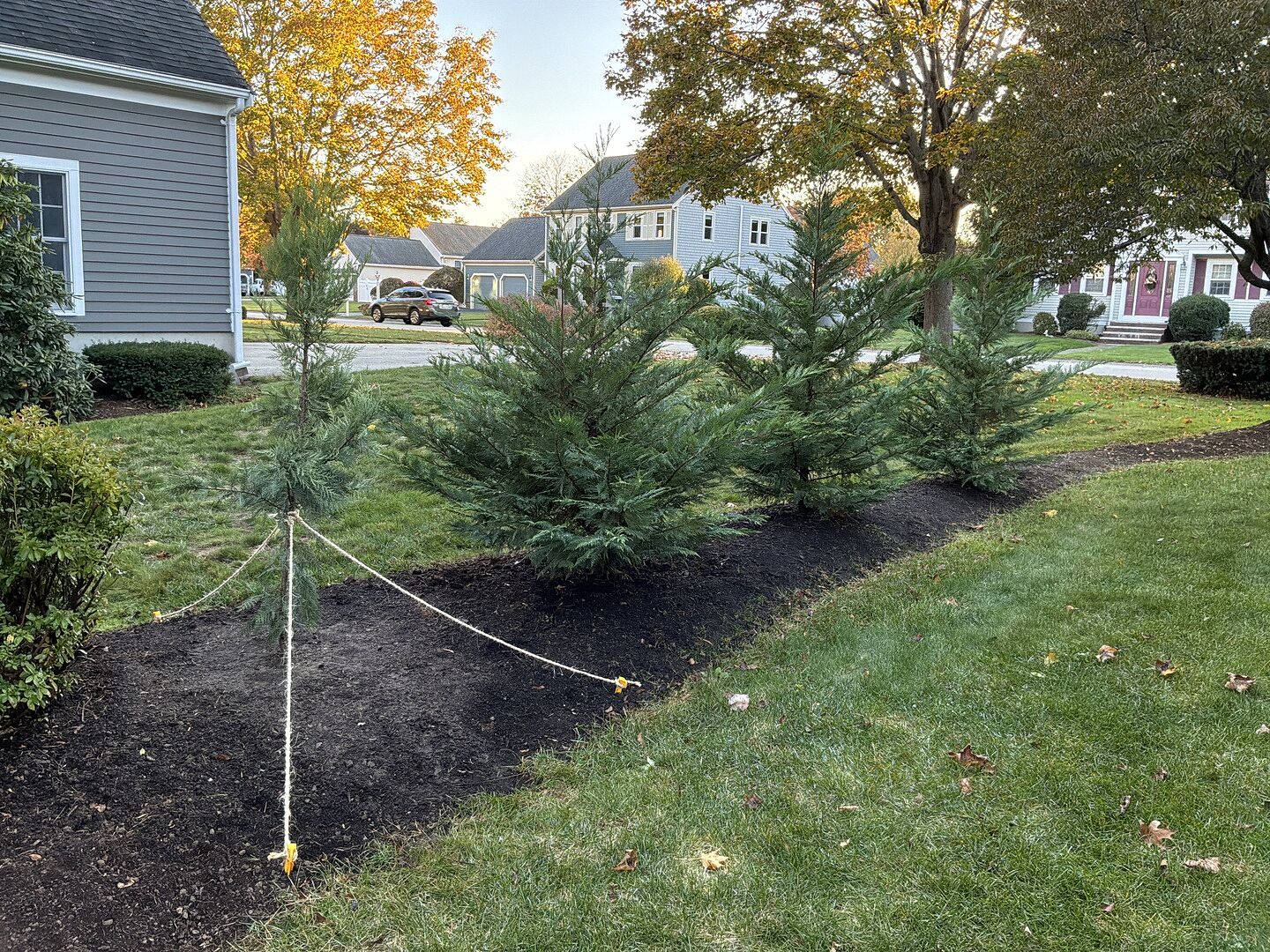
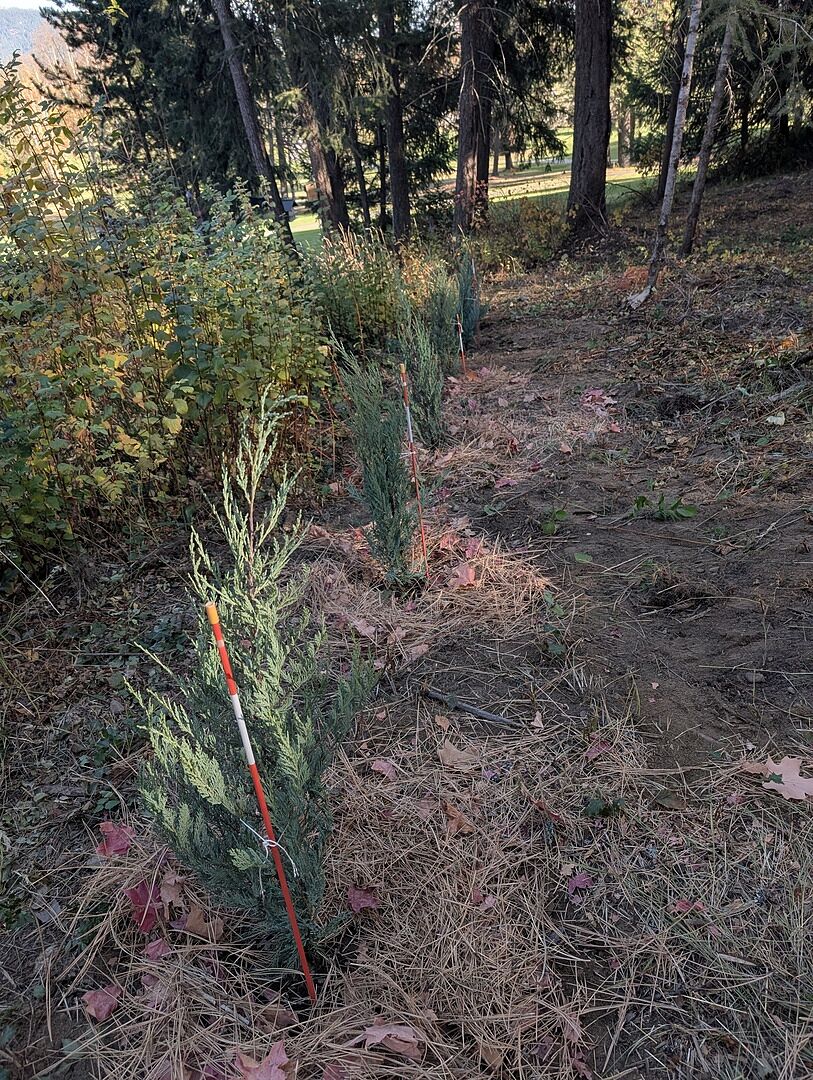
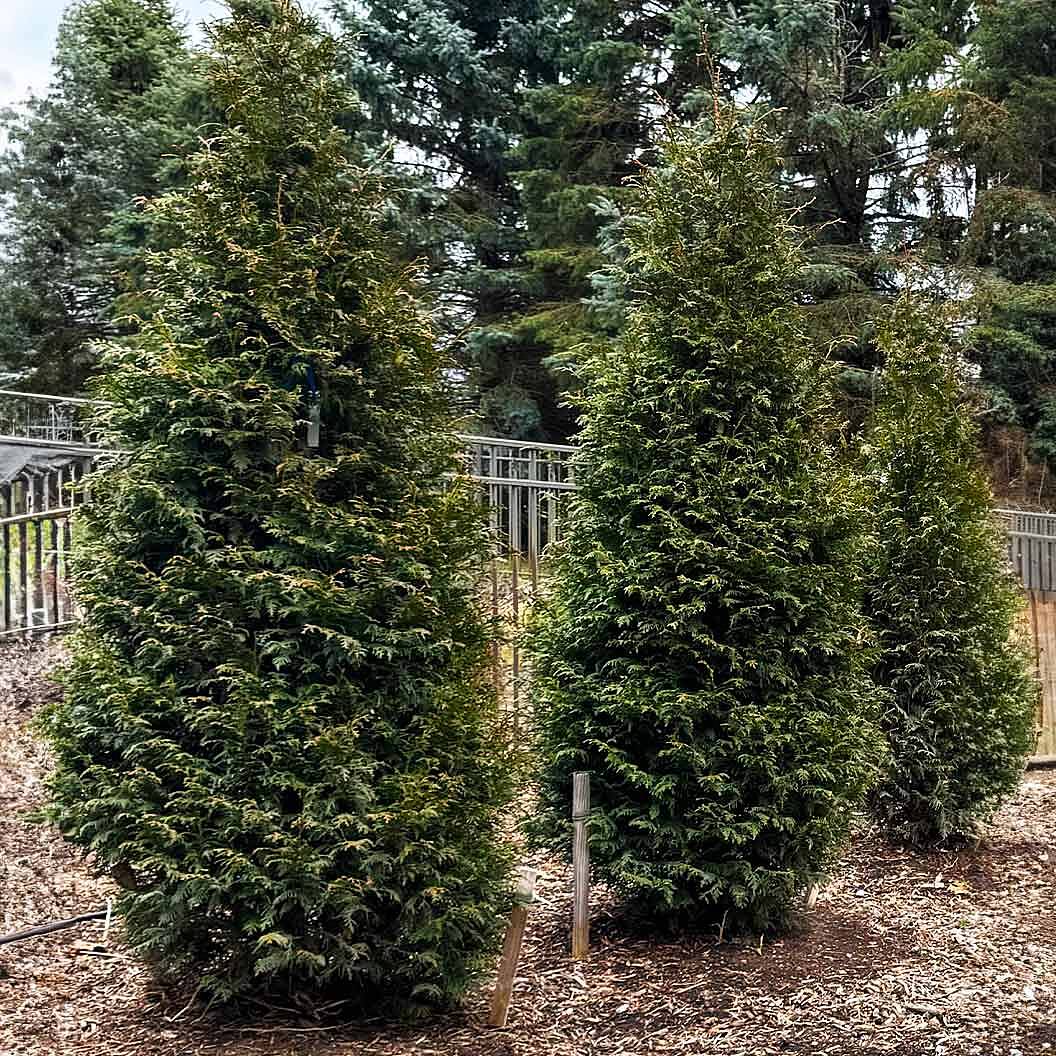
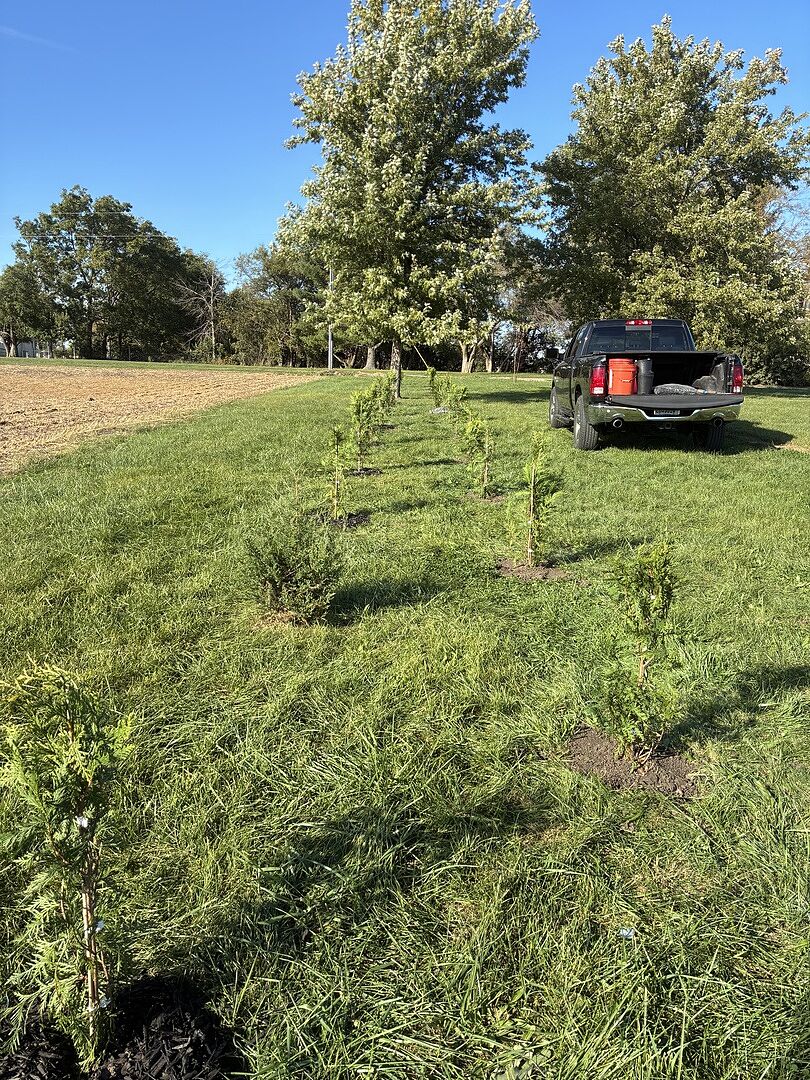
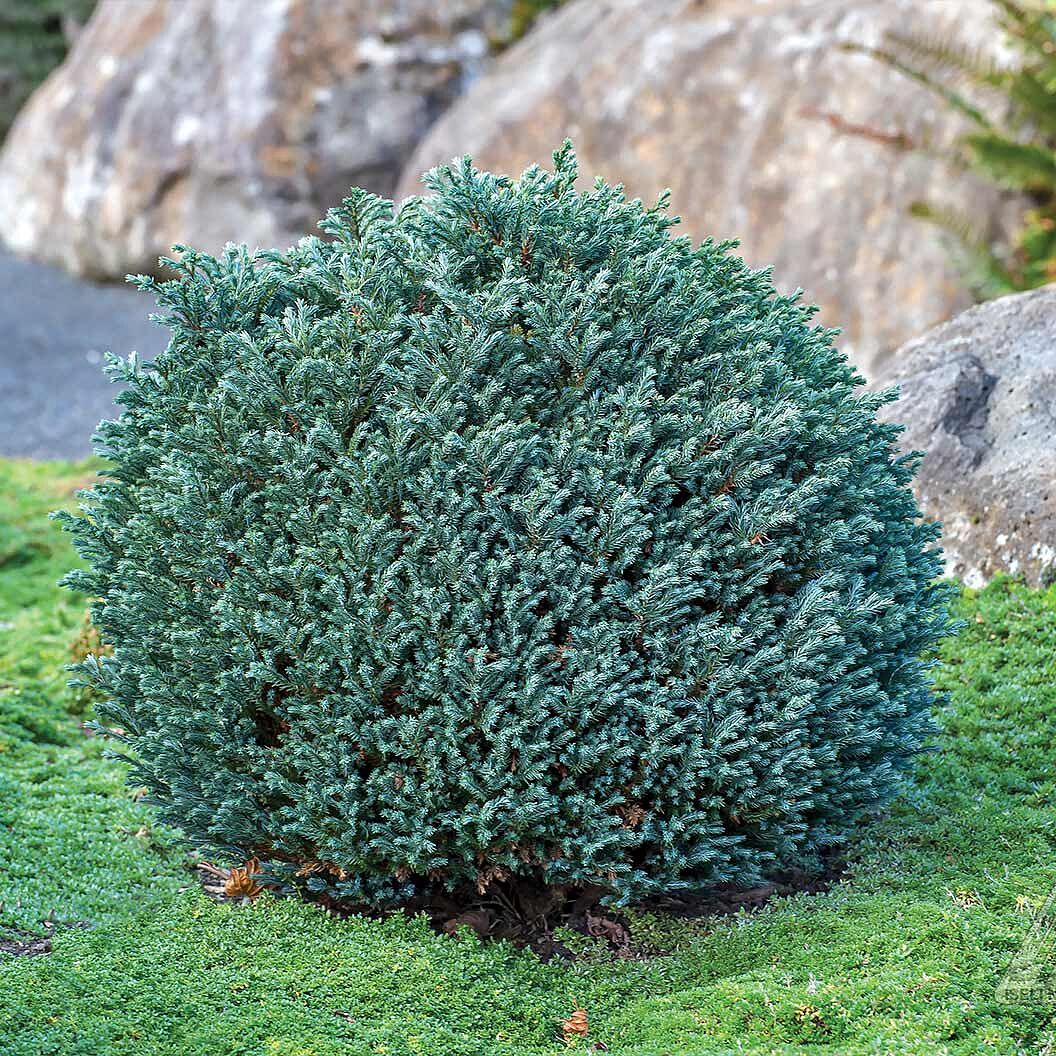
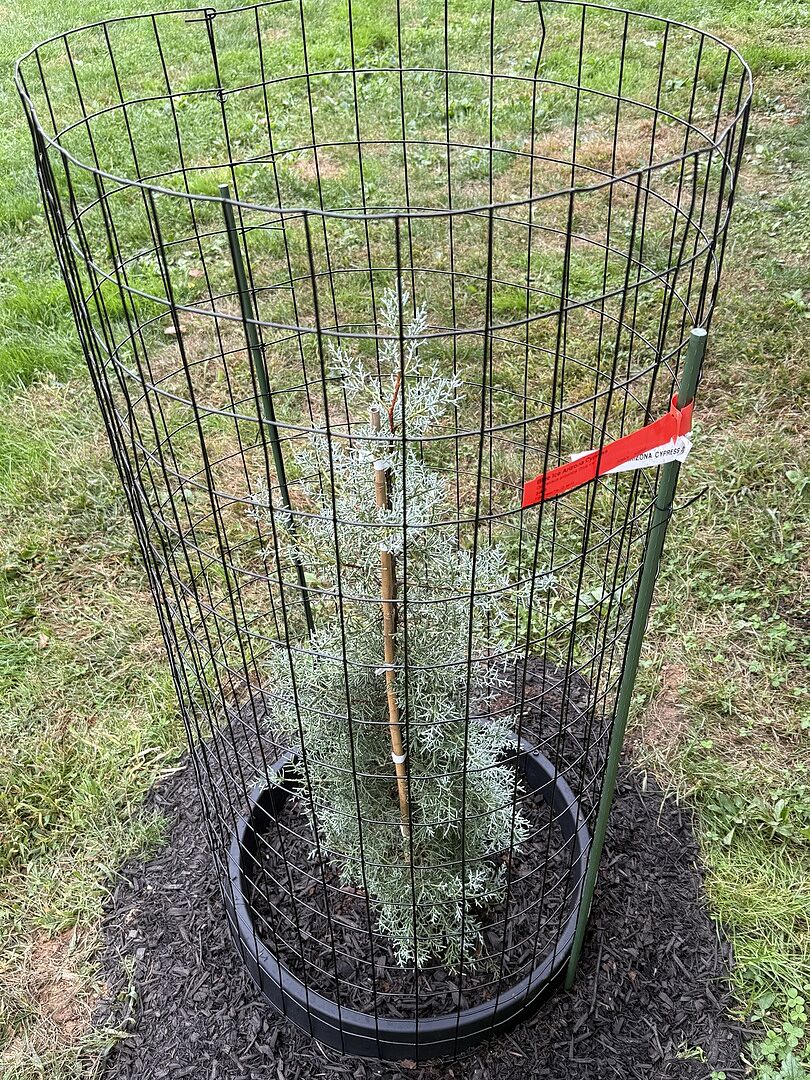
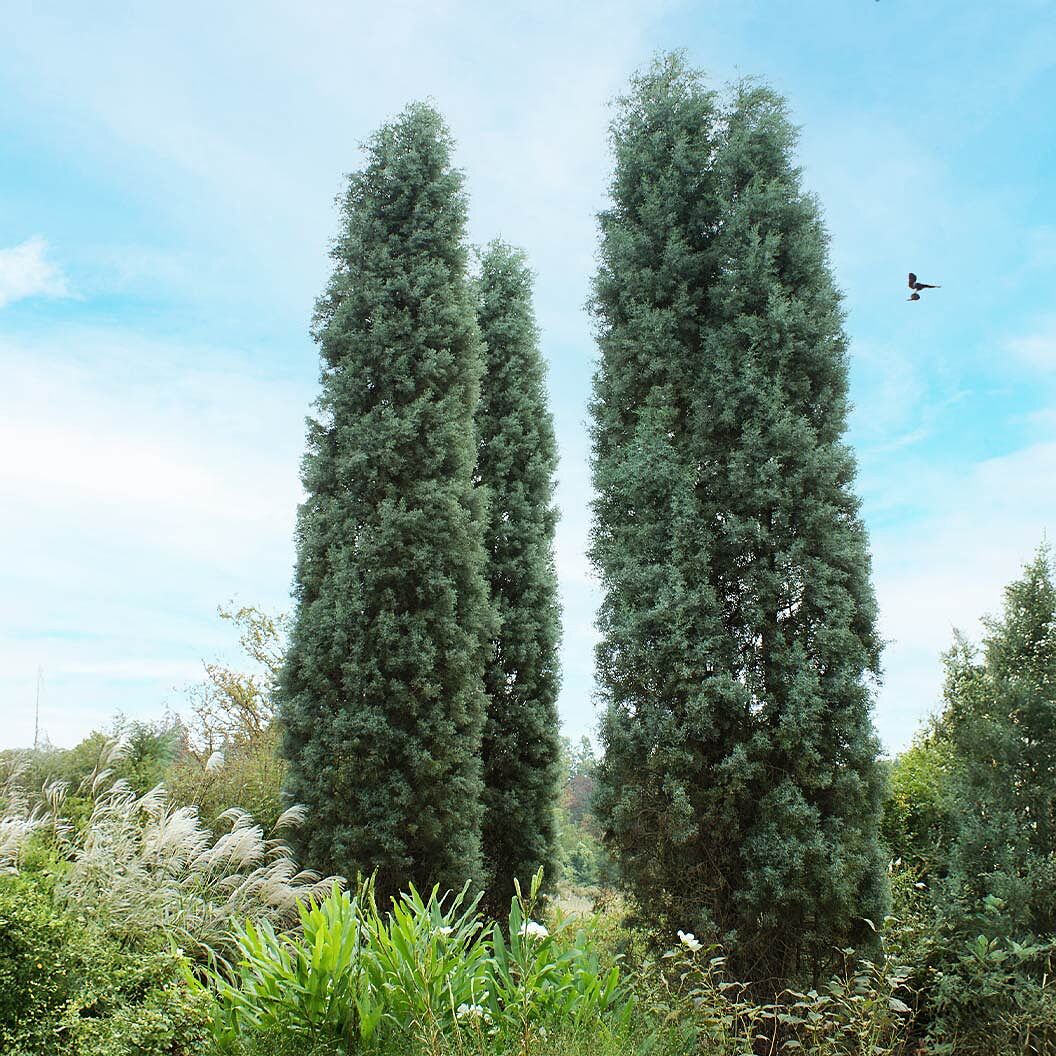
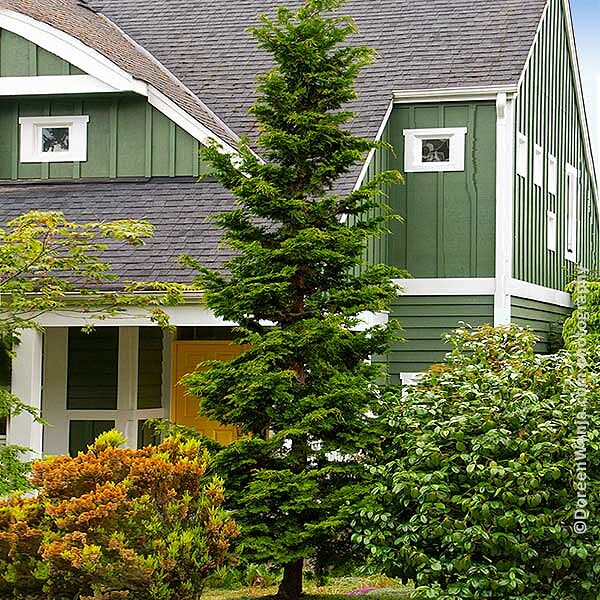
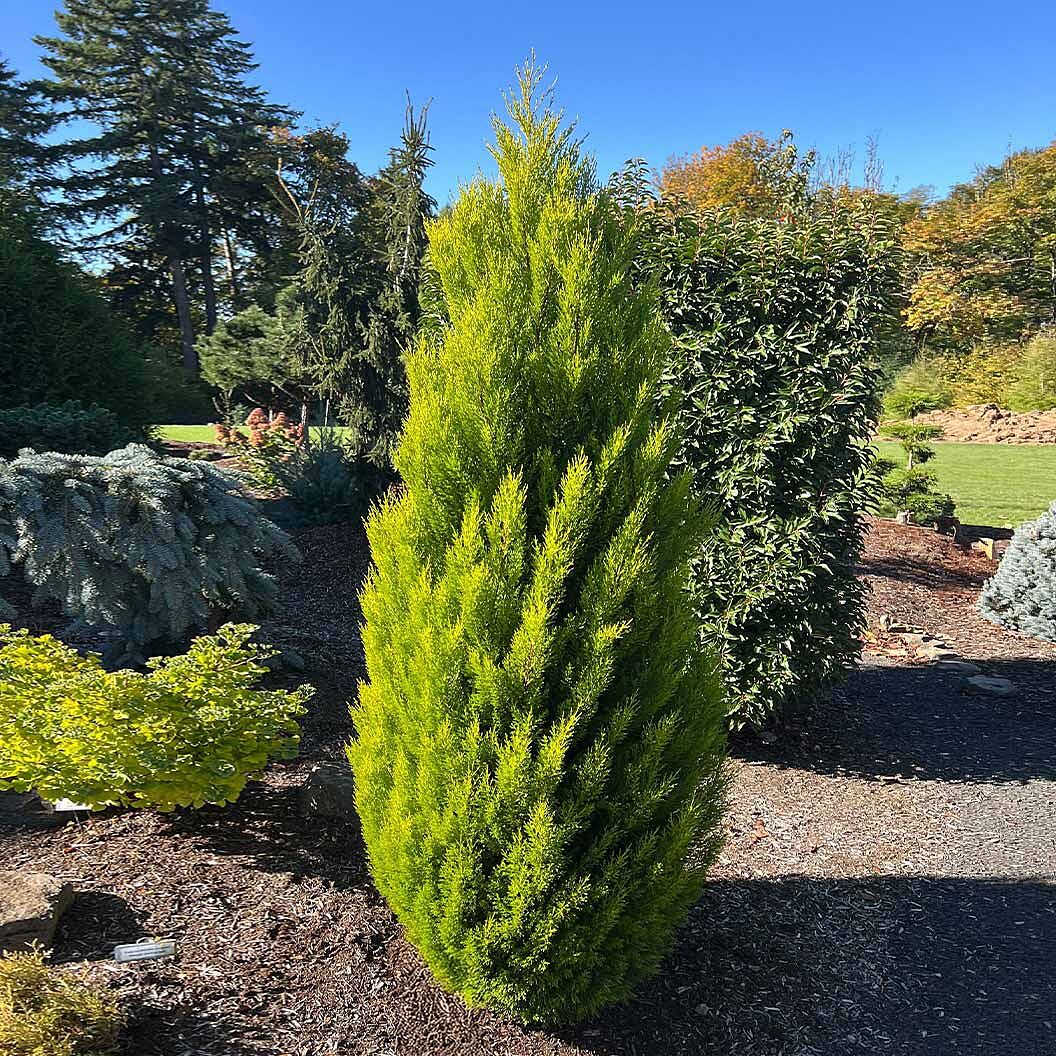
Because evergreens keep their needles year-round, they act like miniature sails in the wind. If your newly arrived evergreen leans or flops, a stake helps it settle straight. But once the trunk shows strength—typically within a season—remove any ties so the tree can build girth naturally.
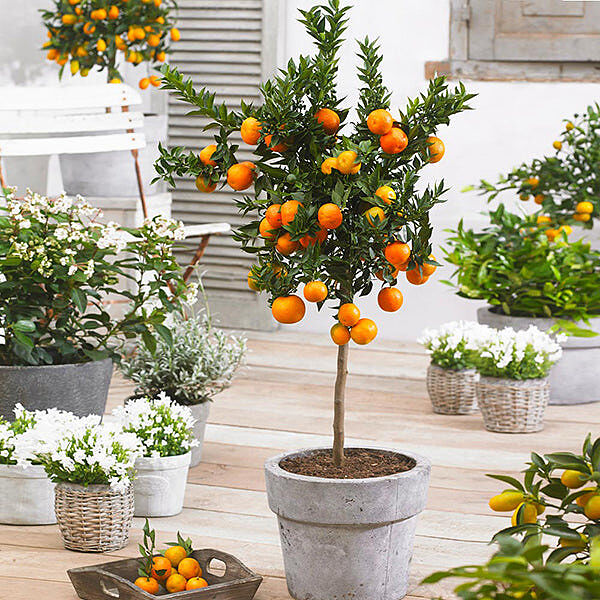
Deciduous Trees
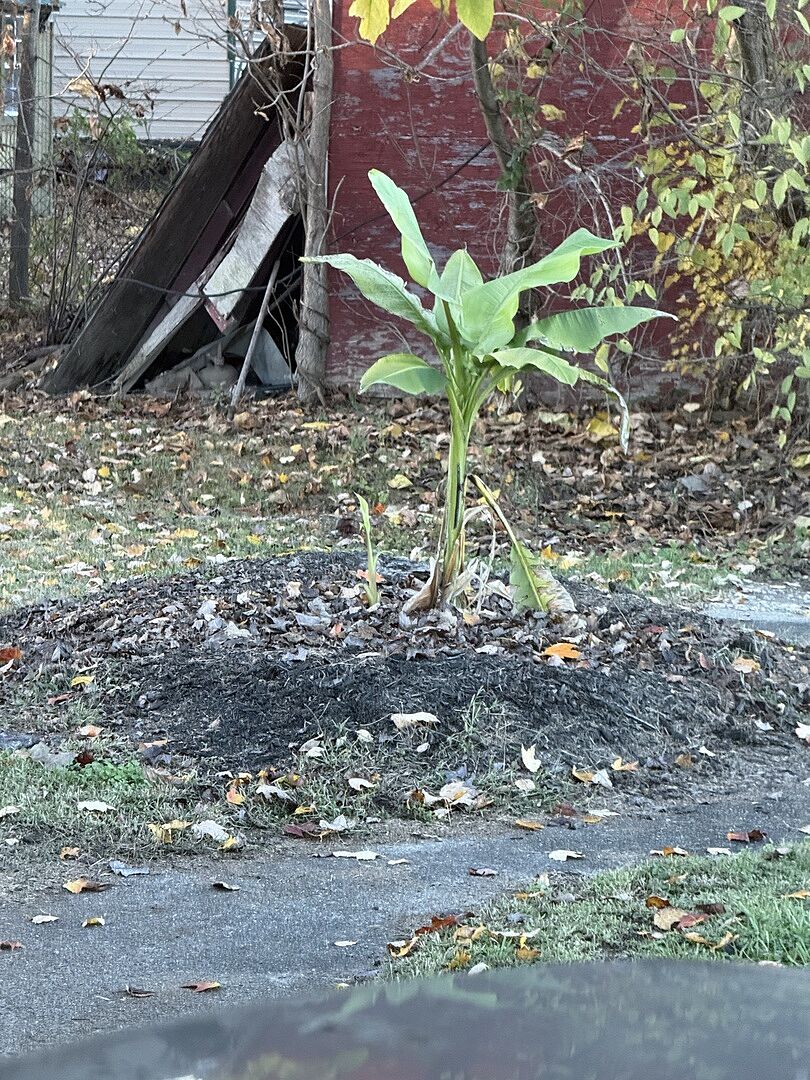
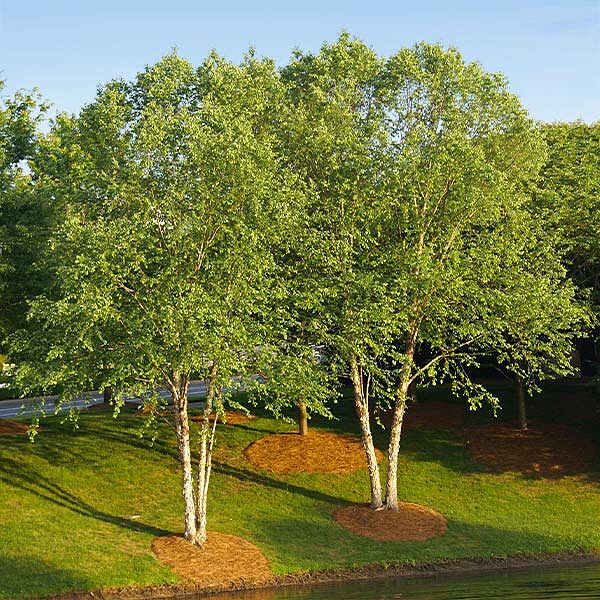
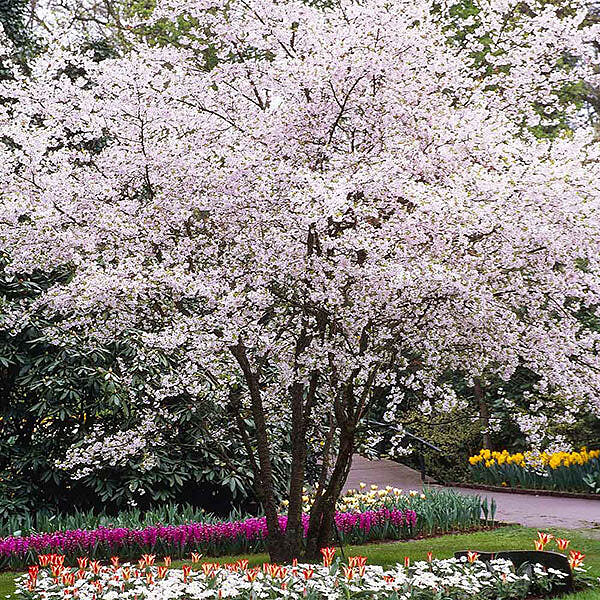
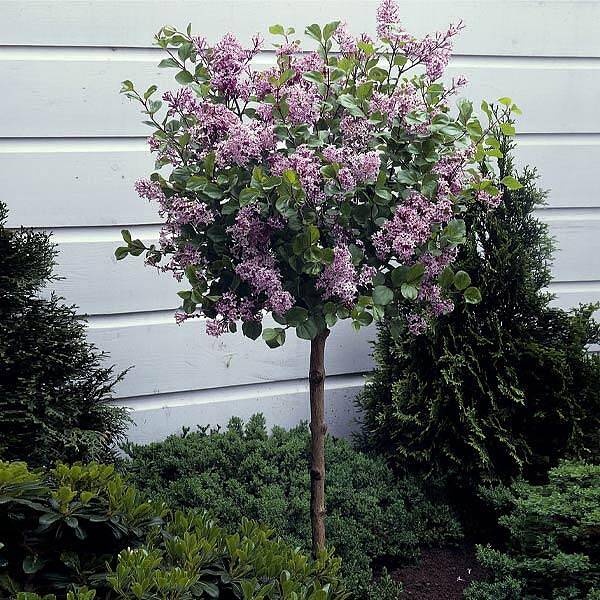
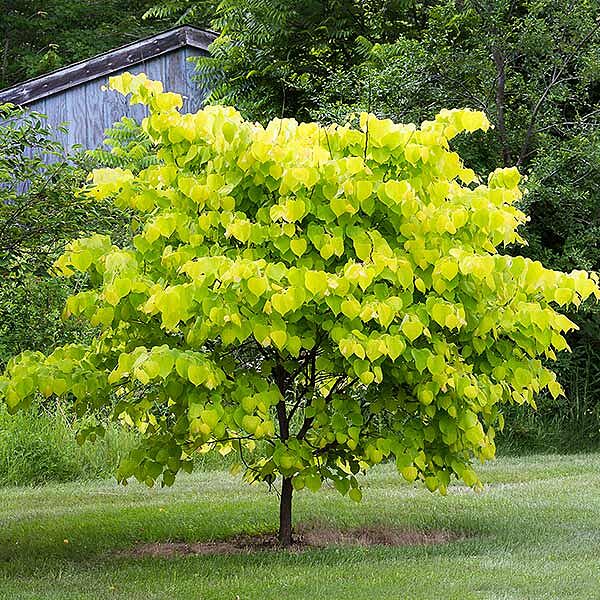
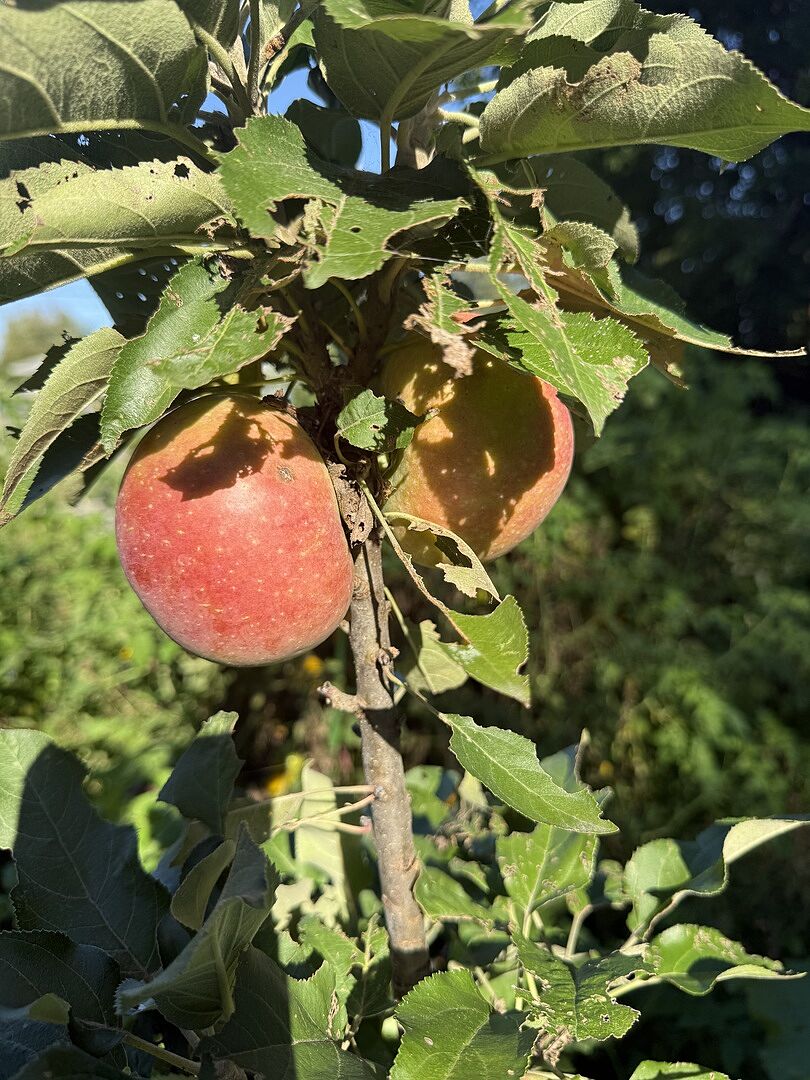
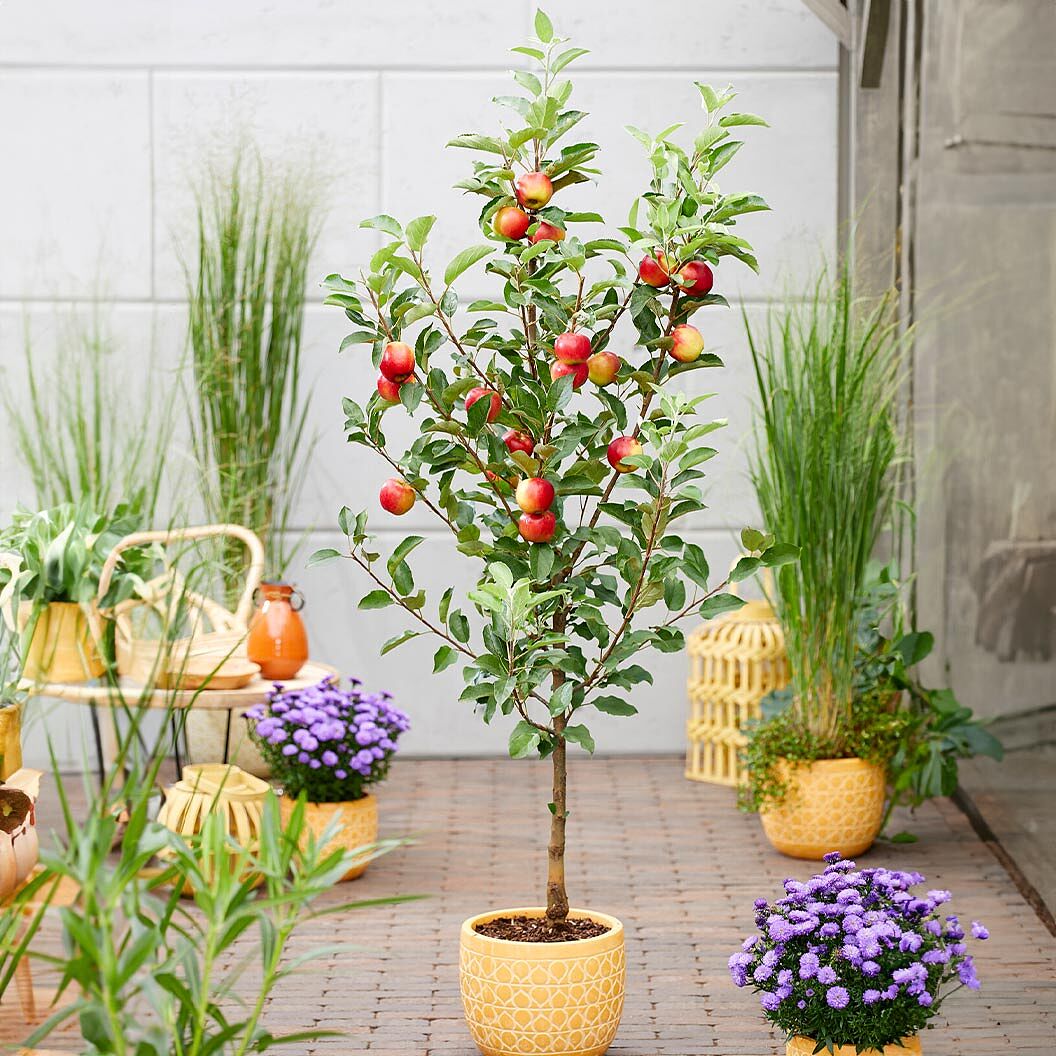
Many shade and ornamental trees, such as redbuds or river birches, feature slender trunks by design. Their flexibility allows them to bend rather than break in storms. Unless you notice severe leaning or twisting in routine winds, these varieties usually don’t require staking.
Sizing Up Your Tree Before Staking: 1′–3′ vs. 4′–7′
Although height influences wind leverage, stability is the ultimate guide:
|
Size Category |
Staking Need |
Notes |
|
1′–3′ (Small Saplings) |
Rarely |
Rootballs anchor easily, and winds have little force. |
|
4′–7′ (Medium Whips) |
Frequently |
Increased height catches more breeze—nudge the trunk to test stability. |
Types of Planting Stakes: What to Use & Avoid
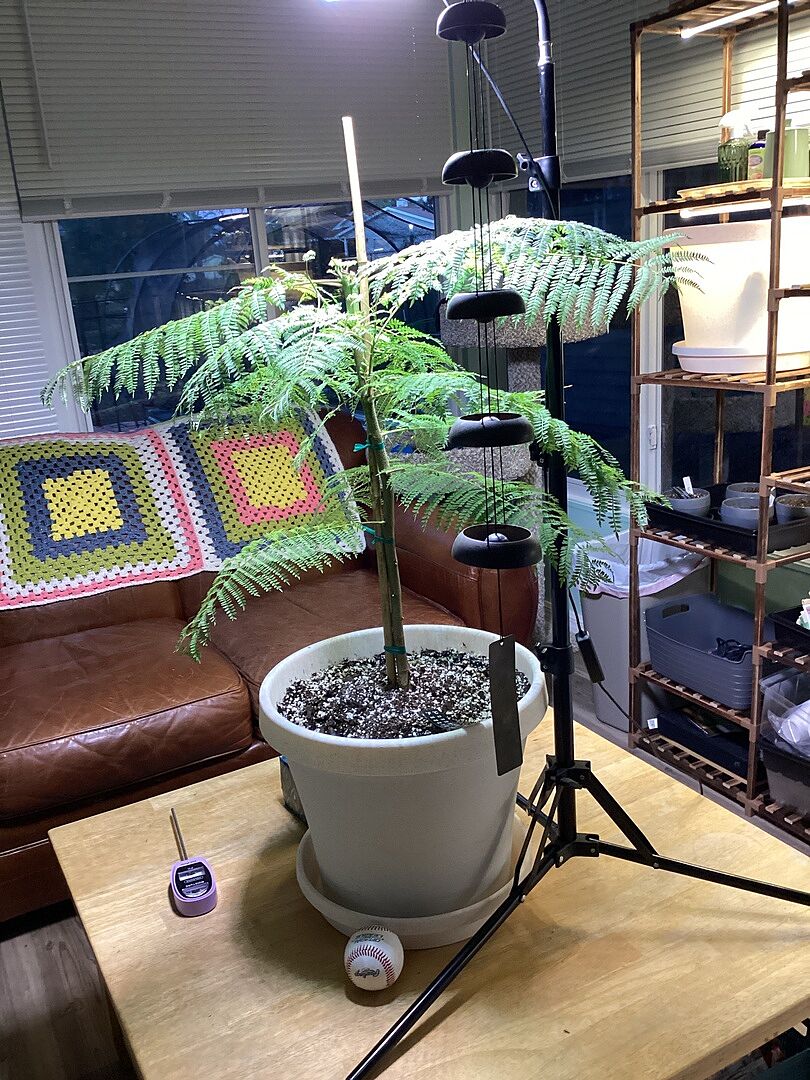
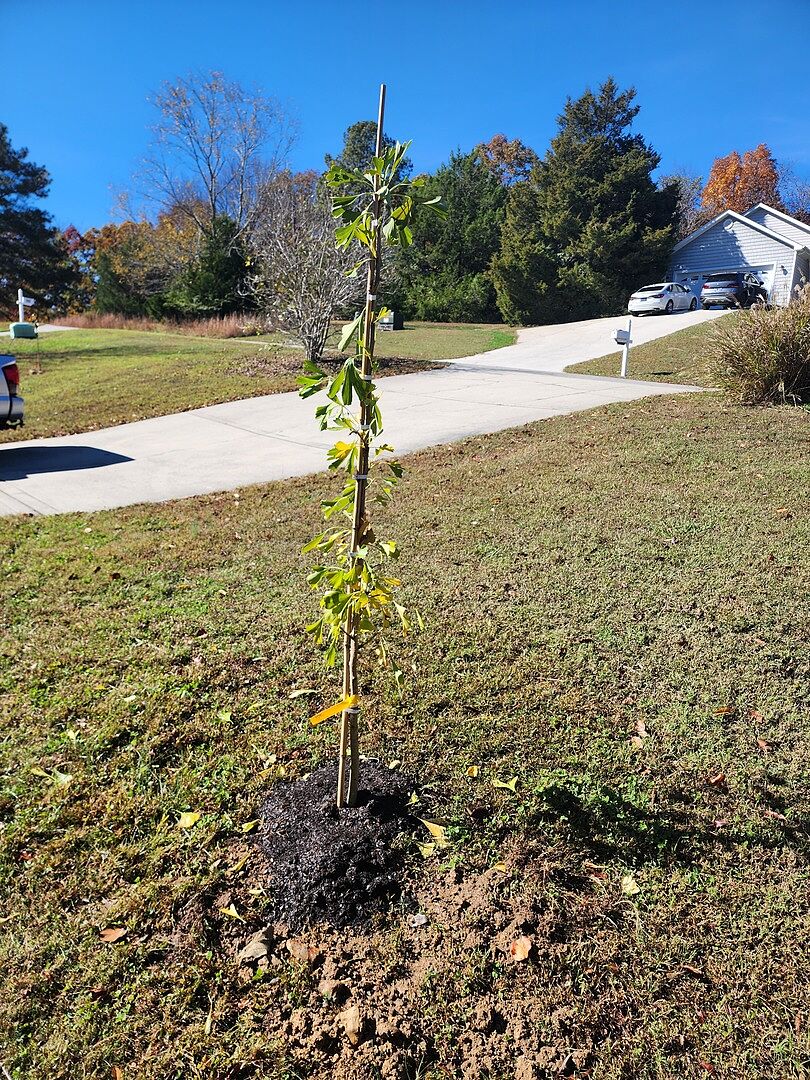
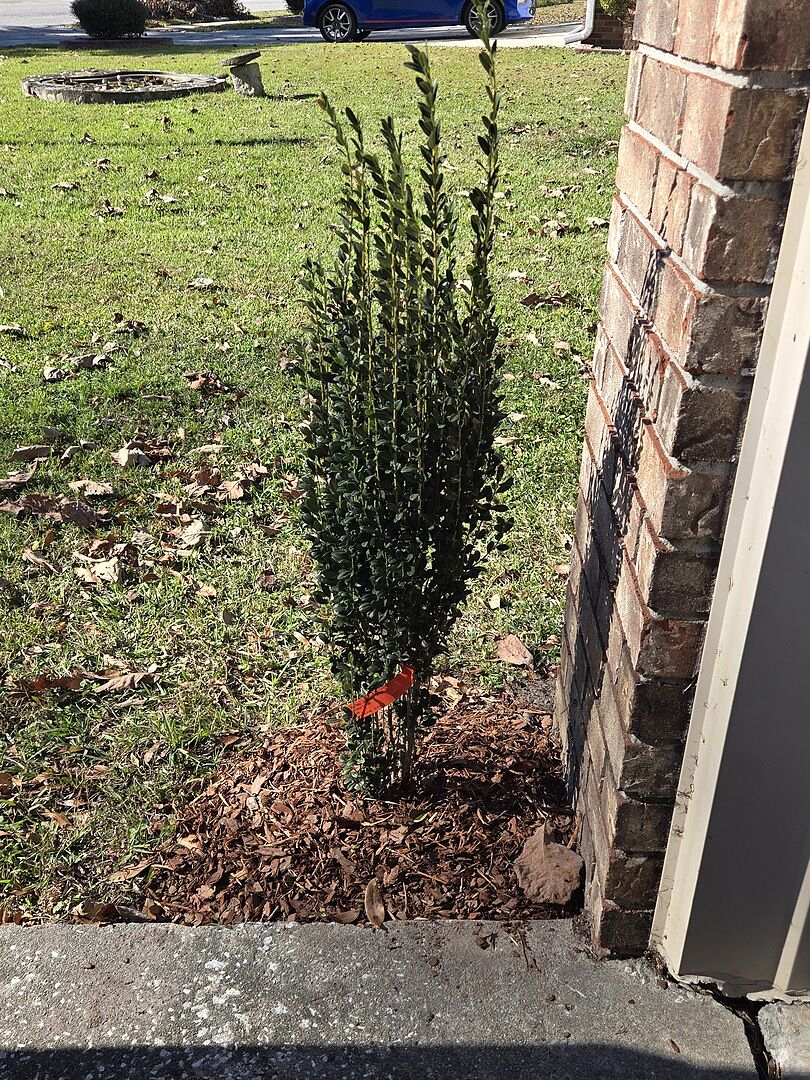
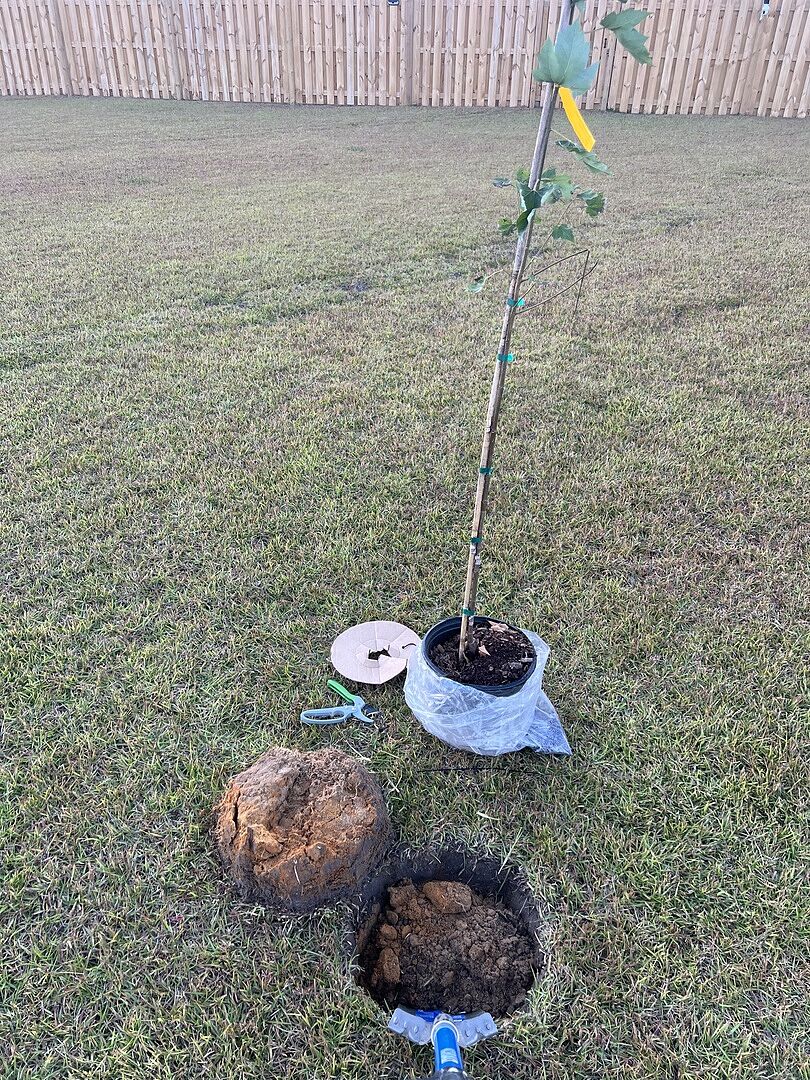
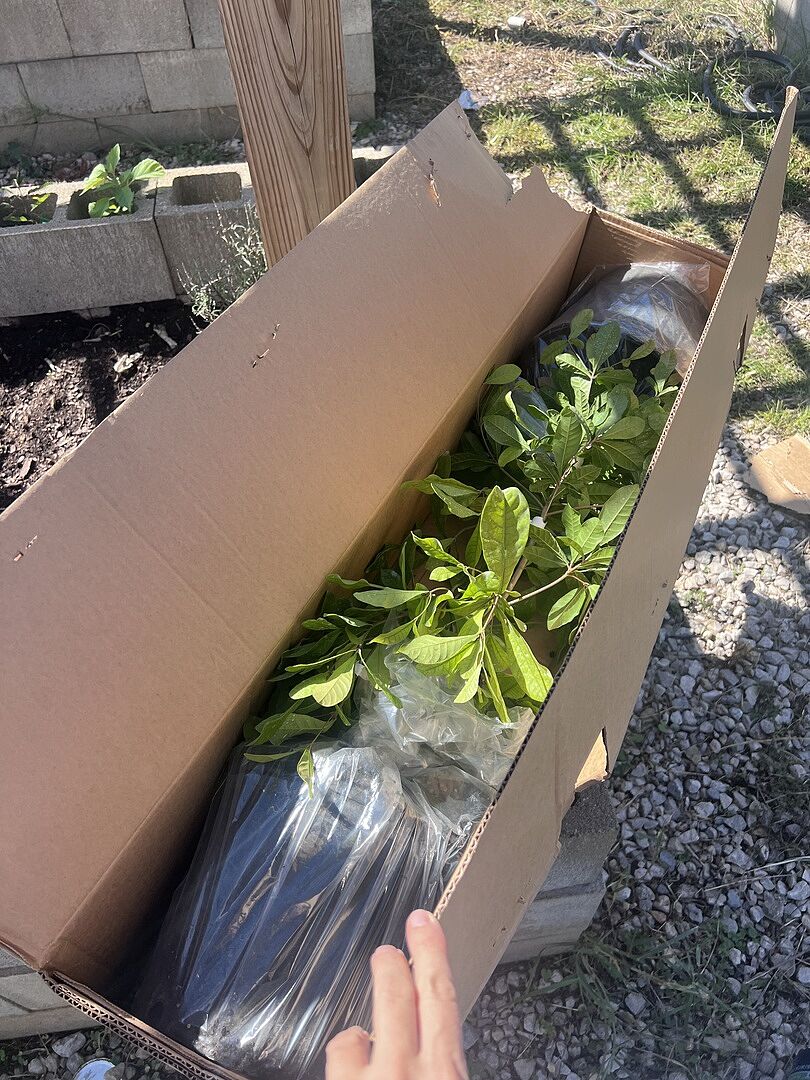
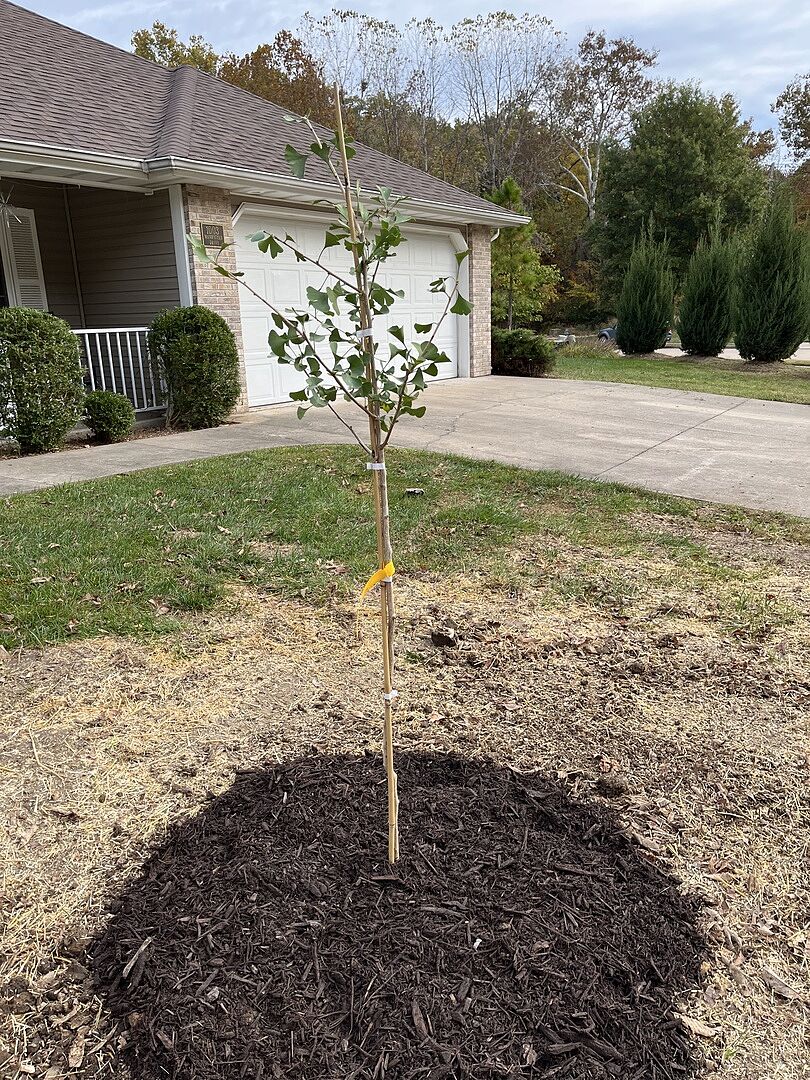
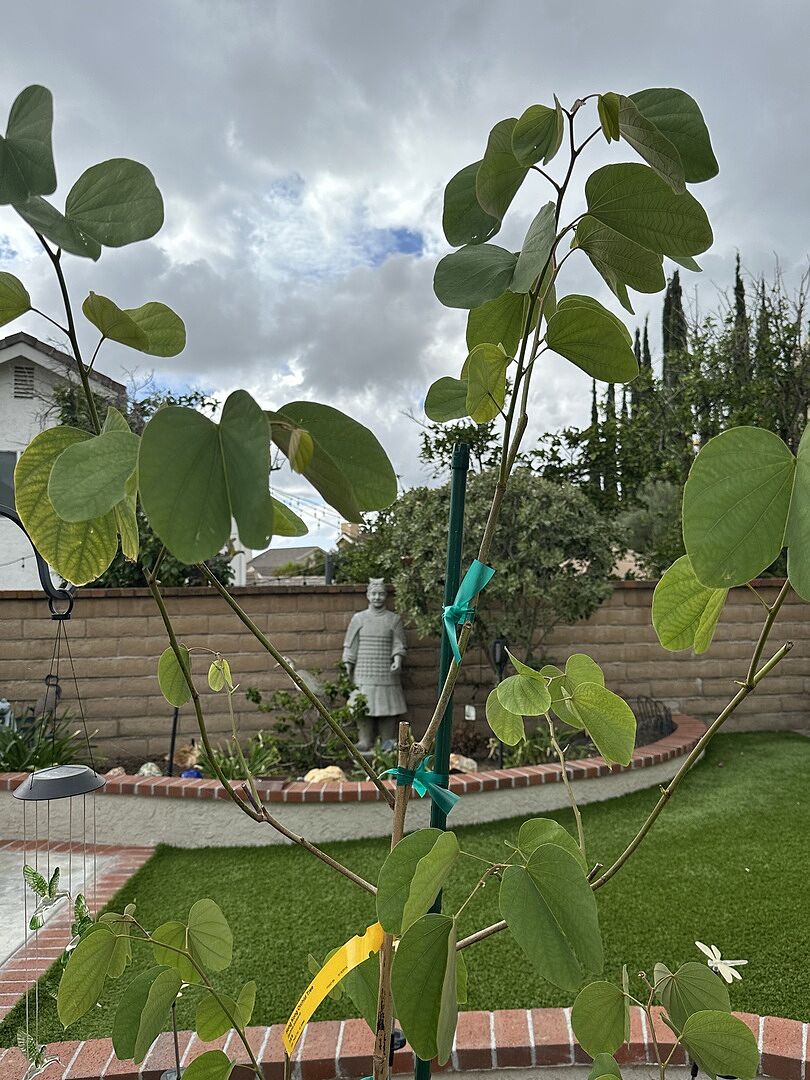
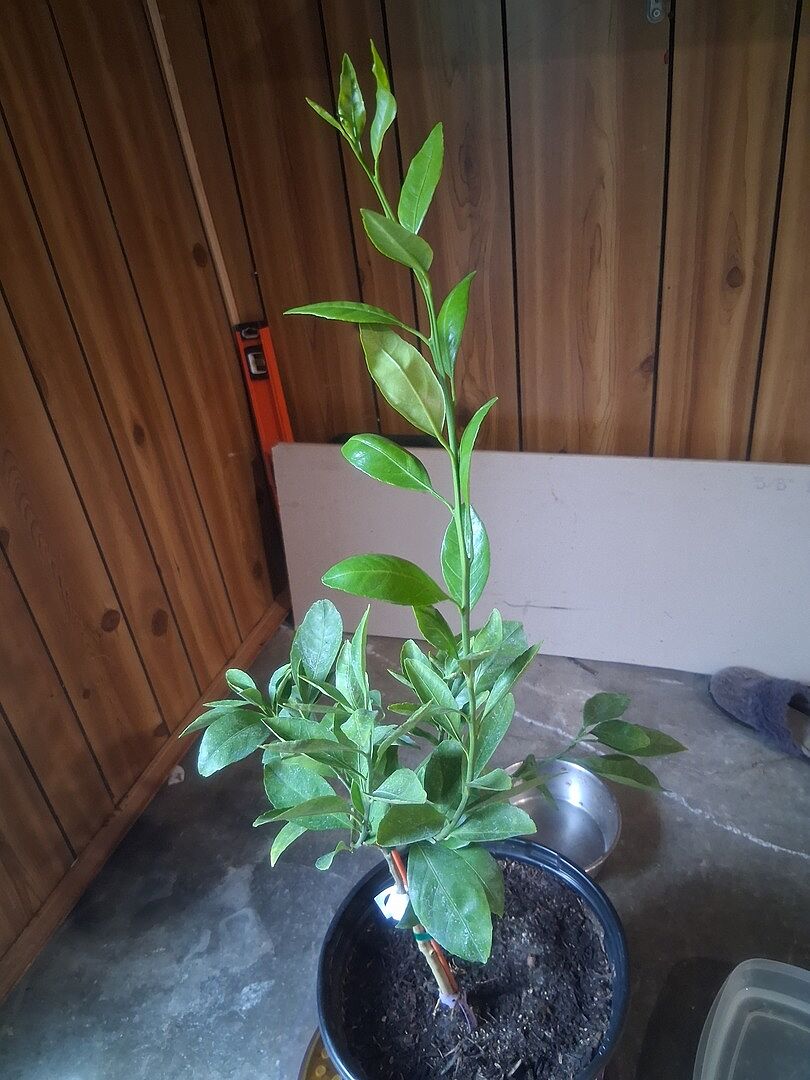
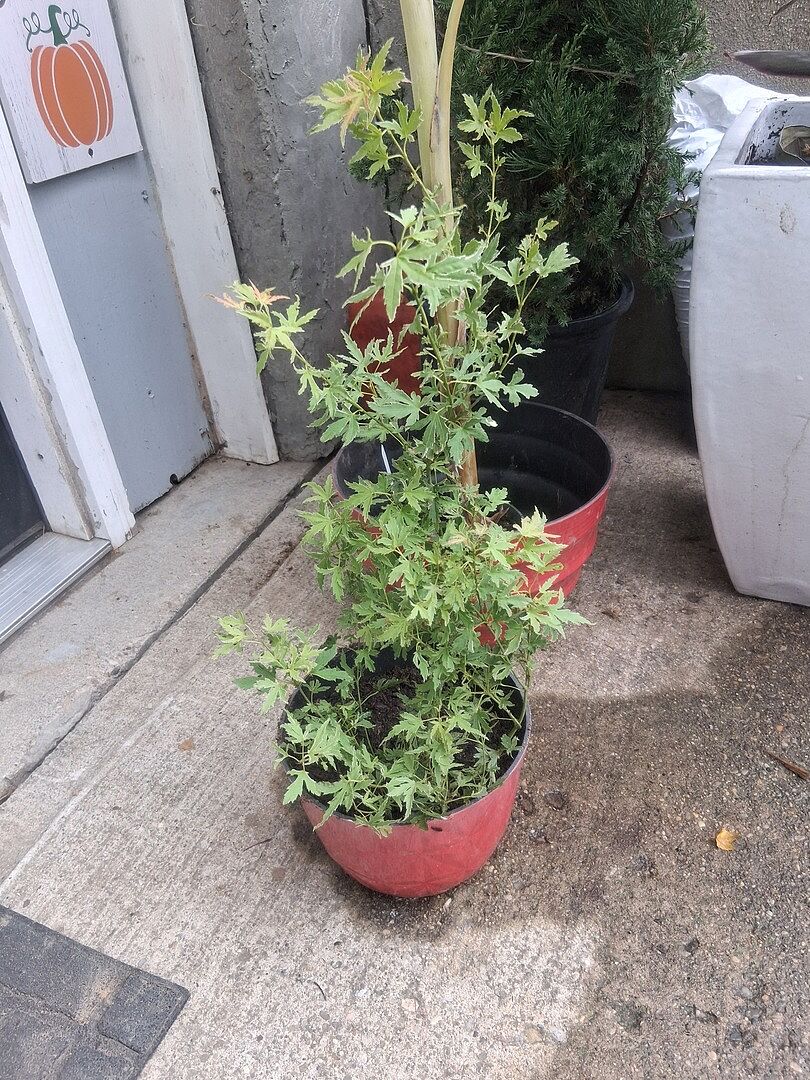
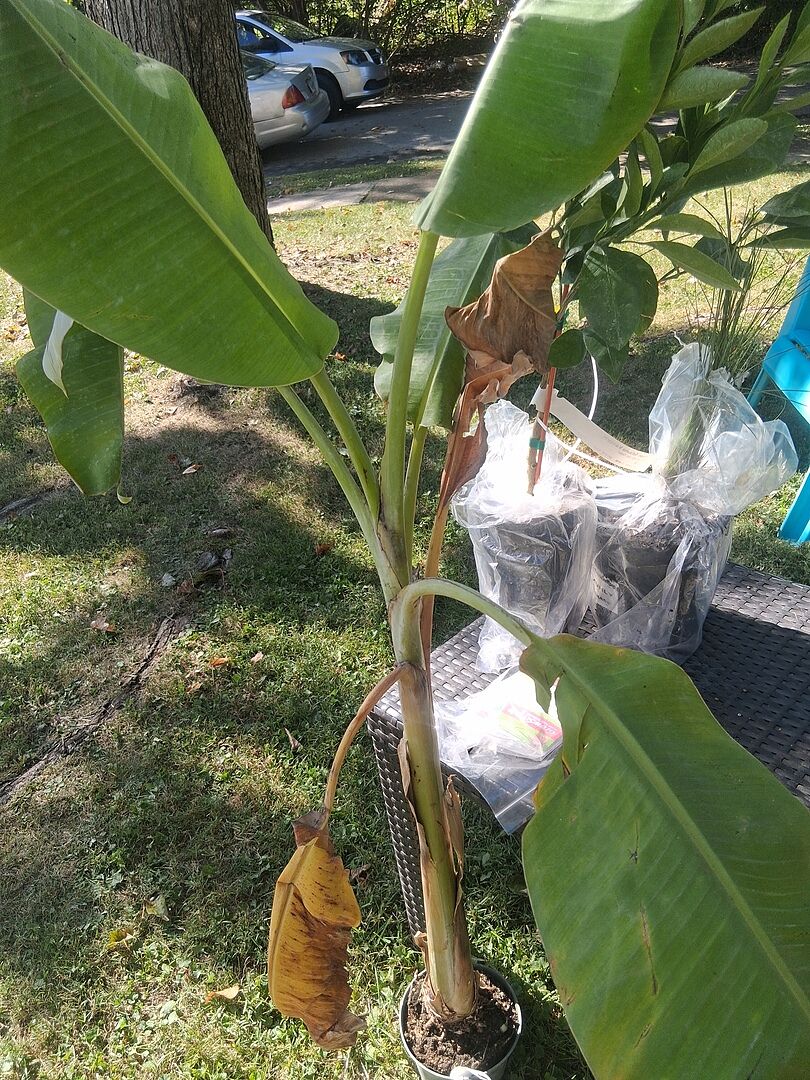
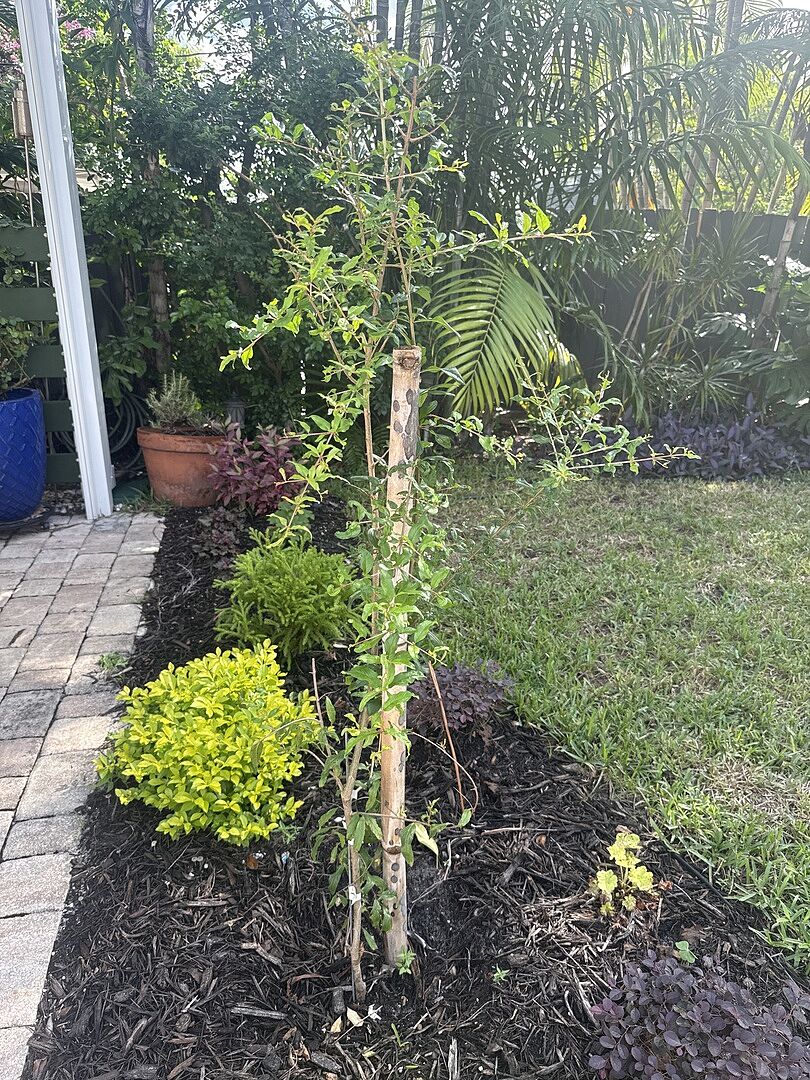
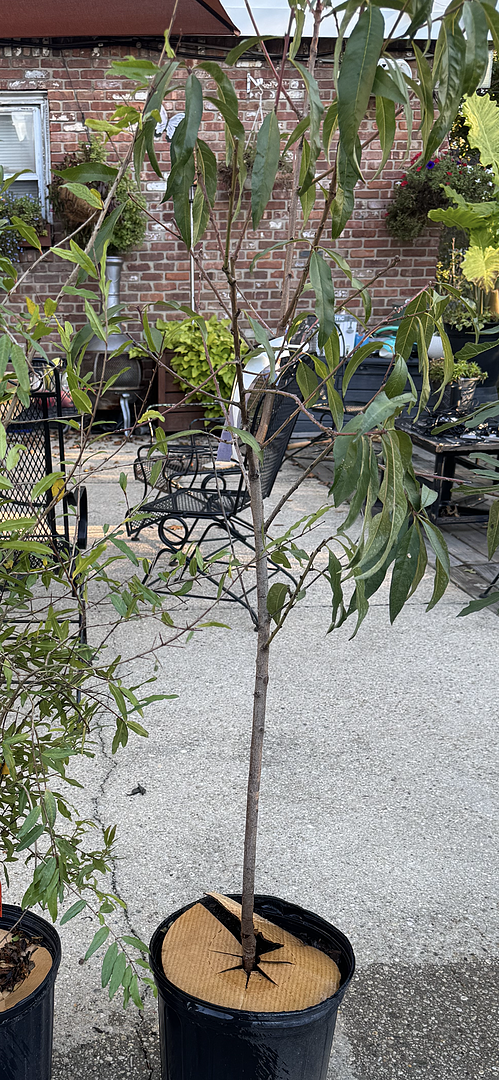
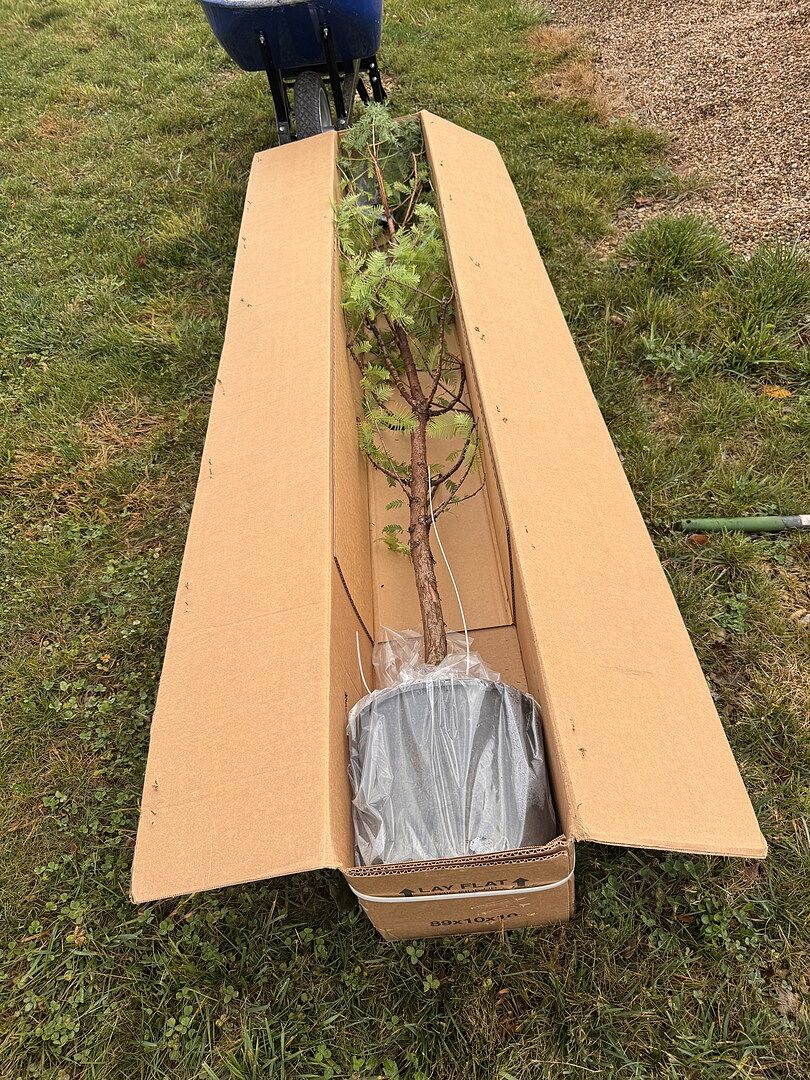
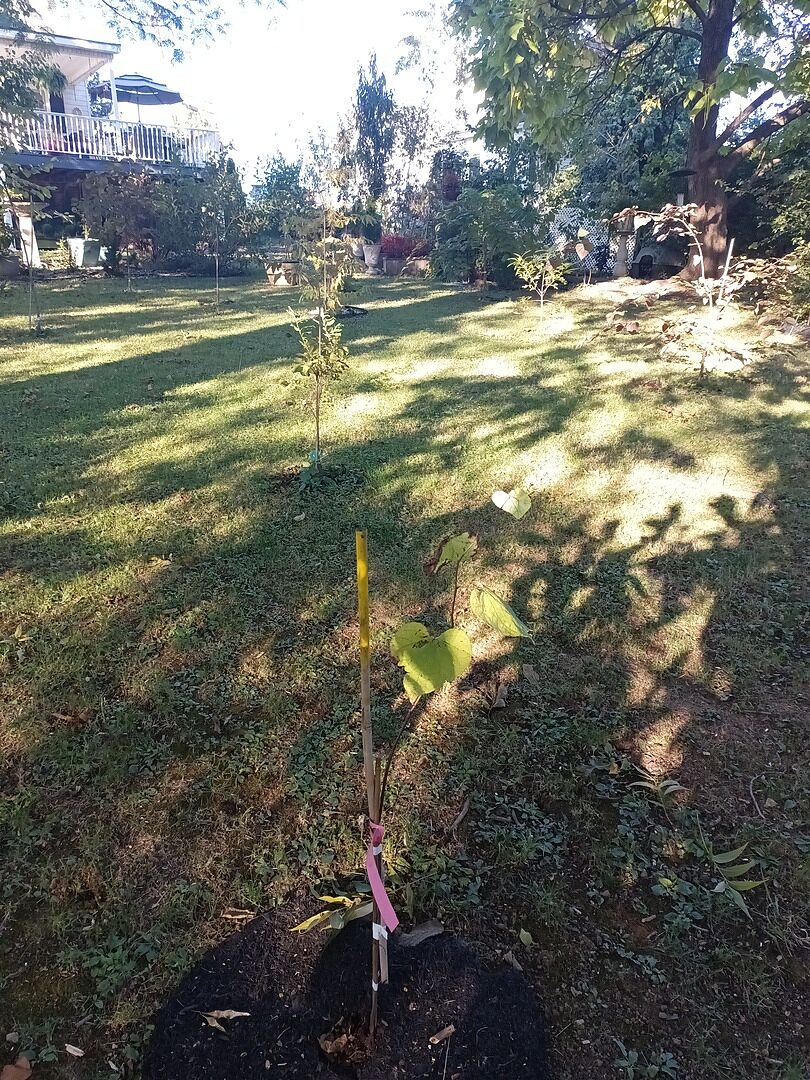
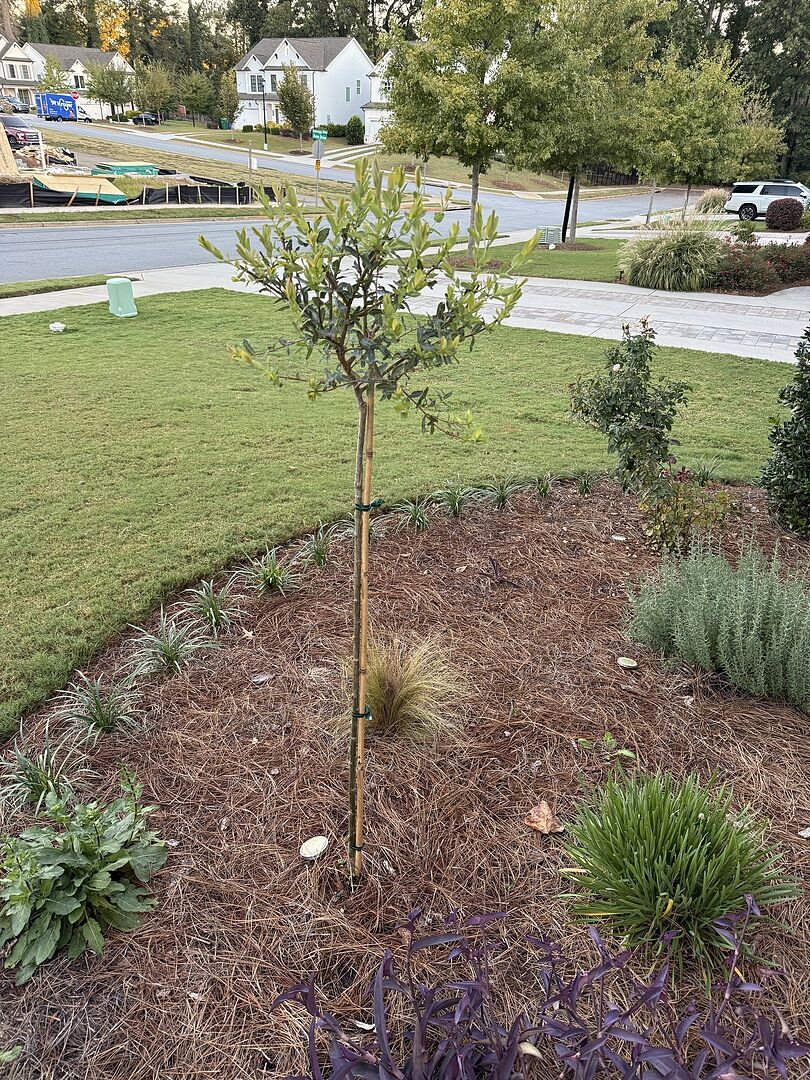
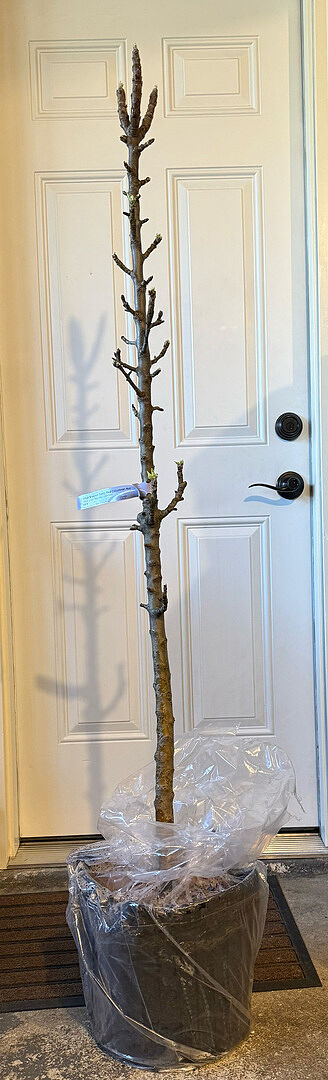
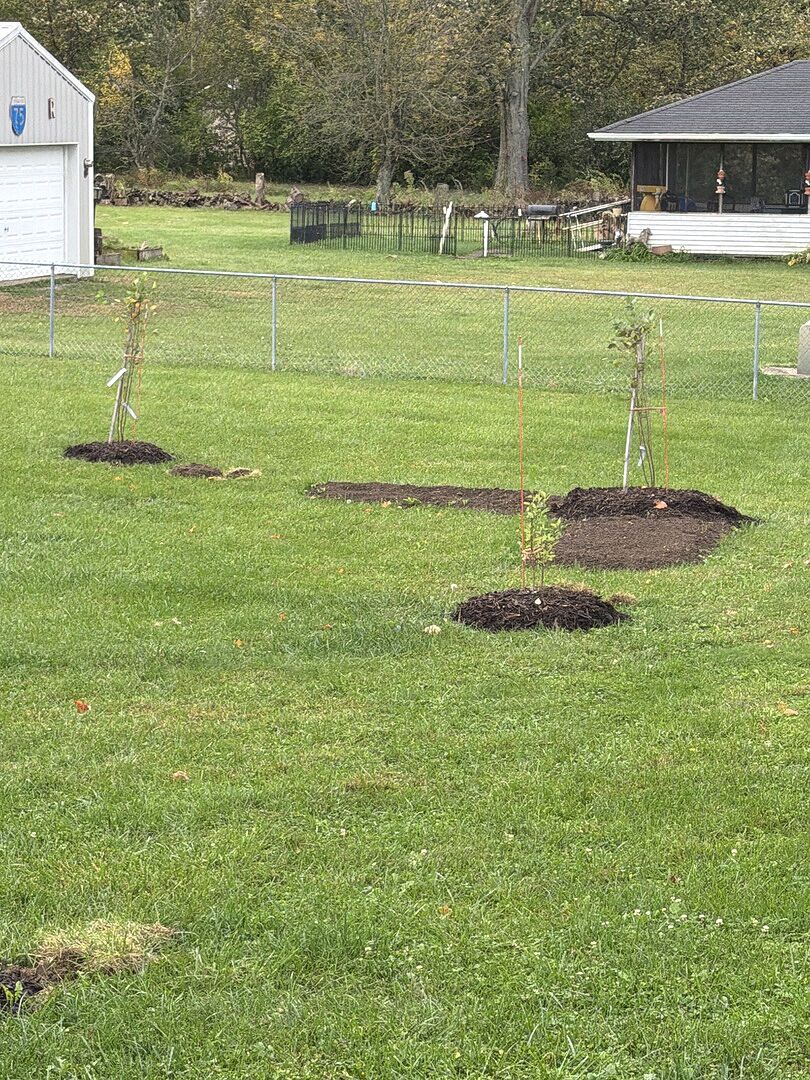
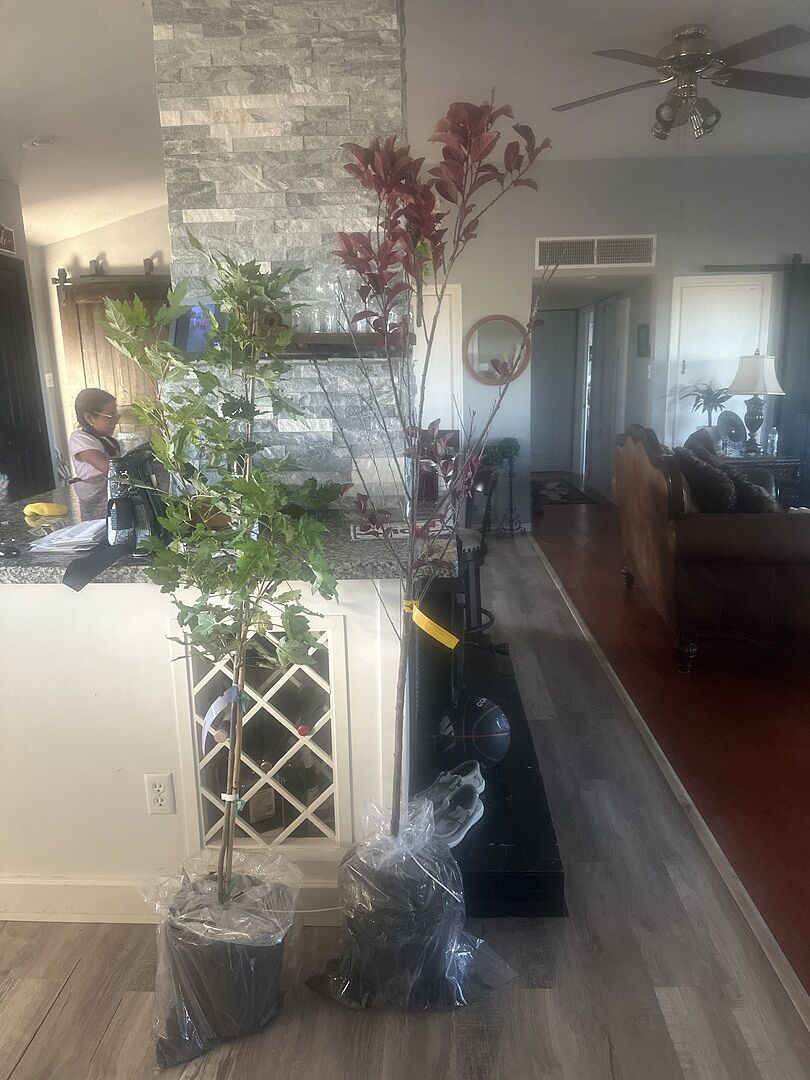
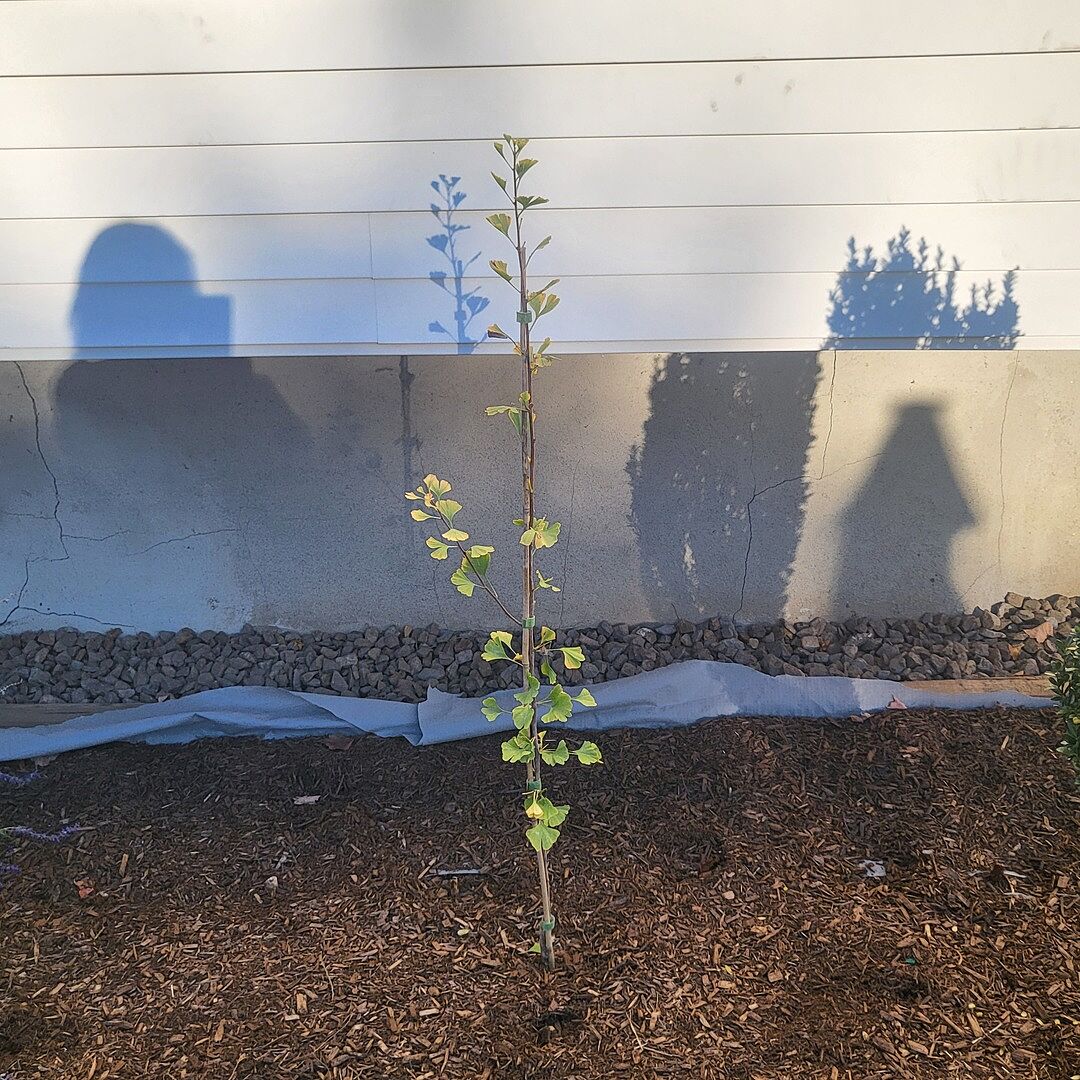
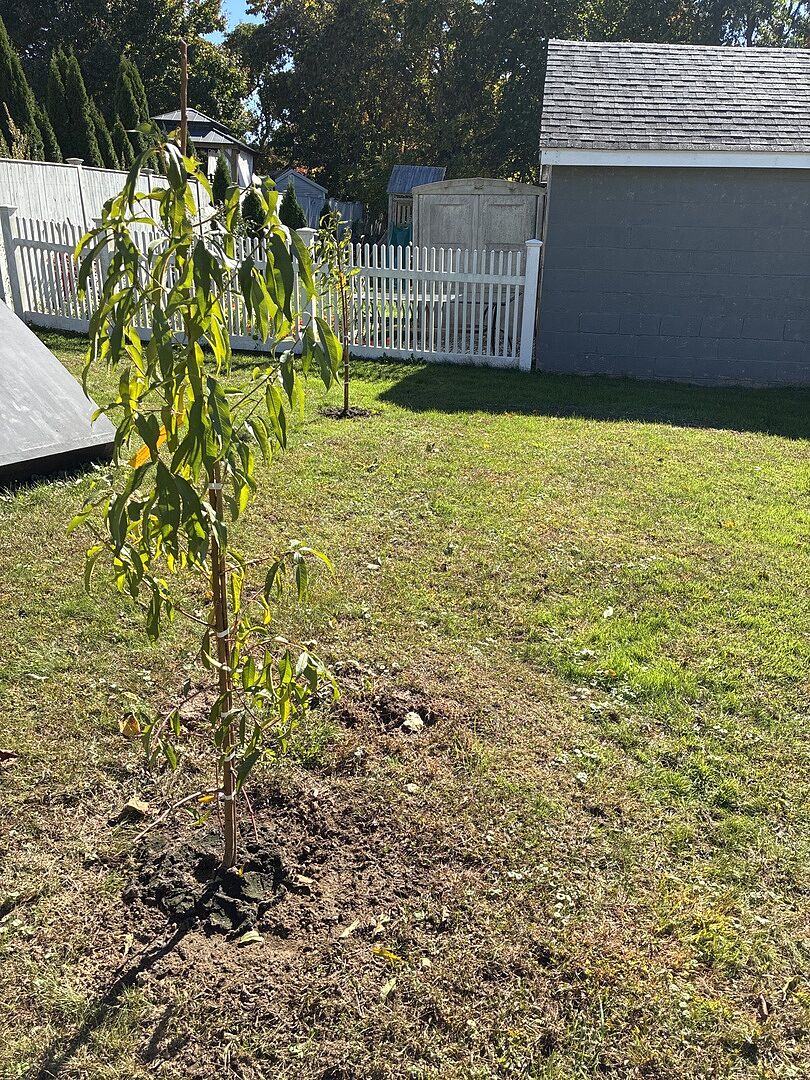
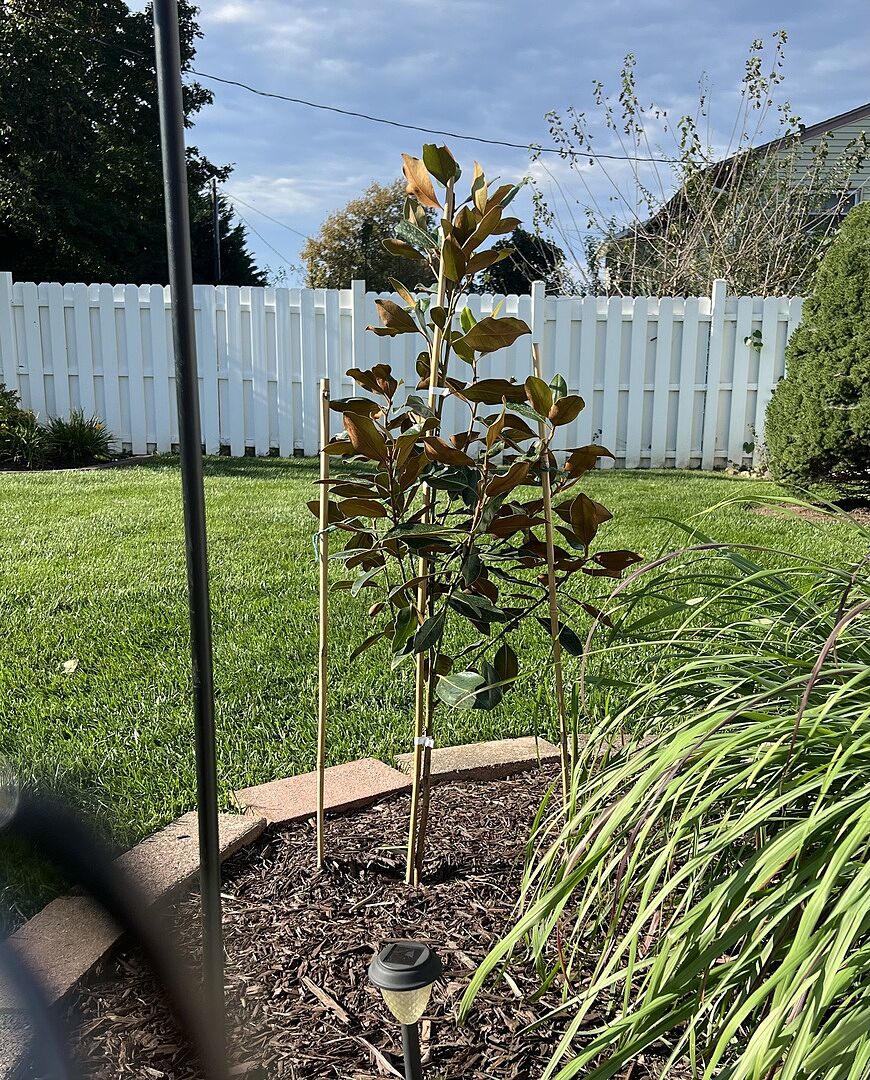
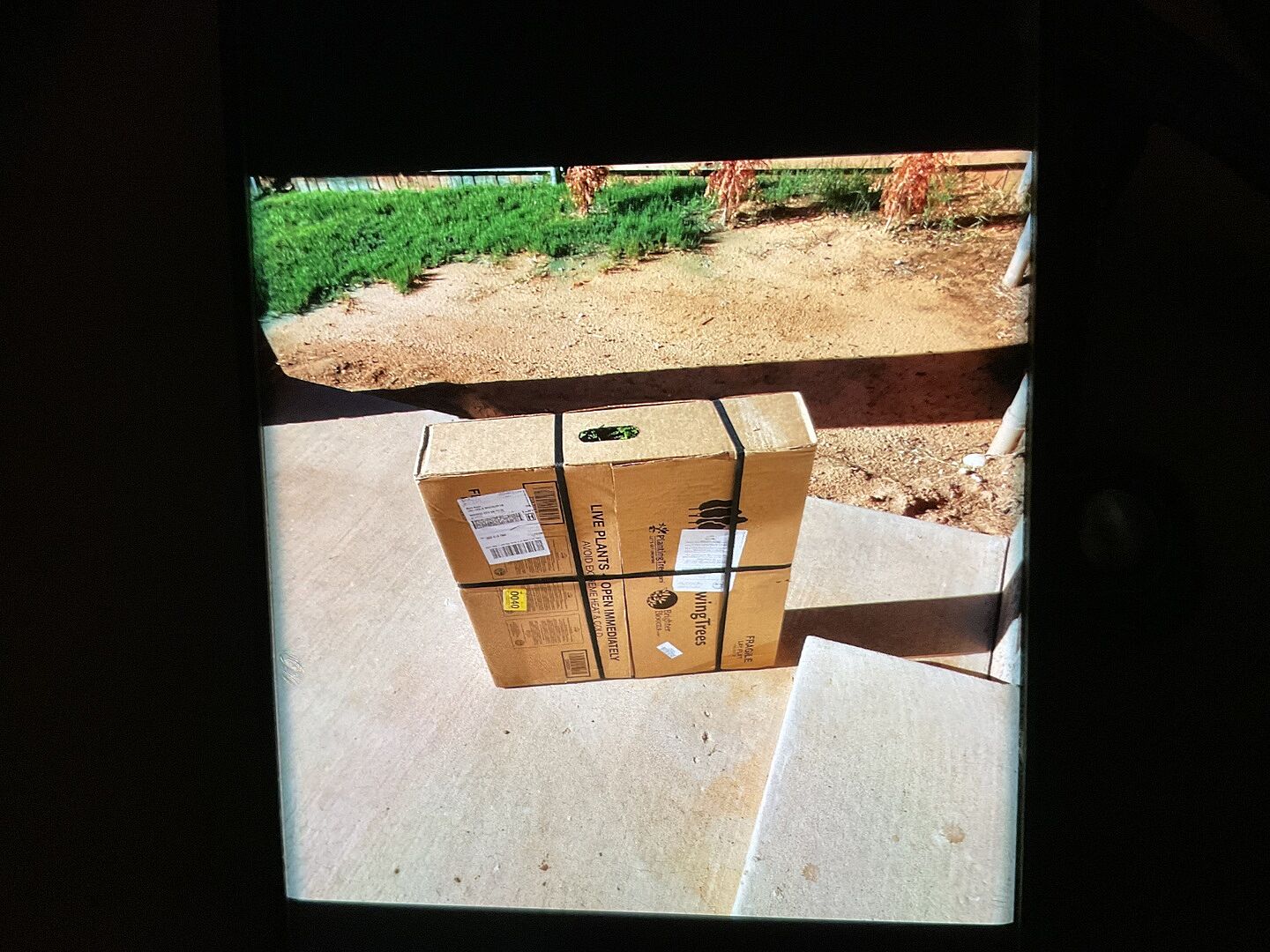
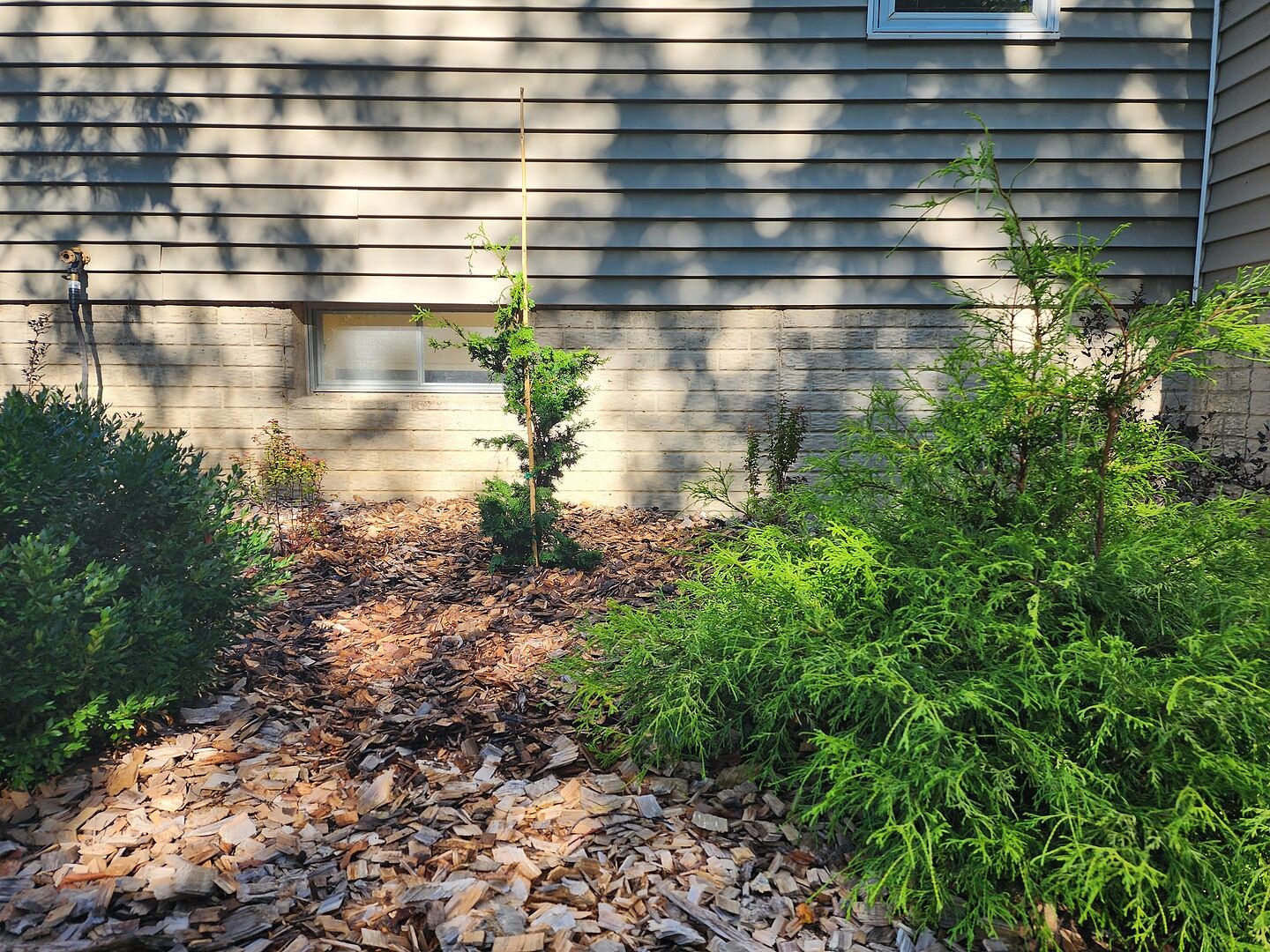
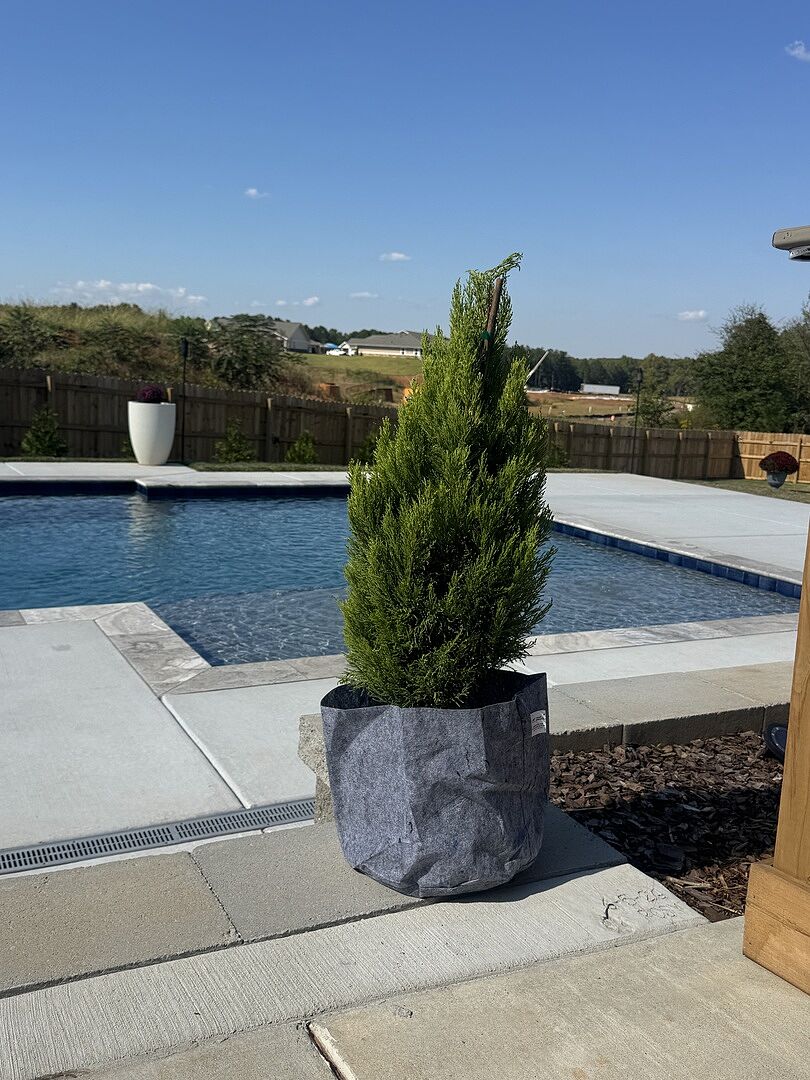
Your tree arrives secured with a bamboo stake and thin ties—designed only to survive transit. Remove these immediately upon unboxing. Should you opt to stake:
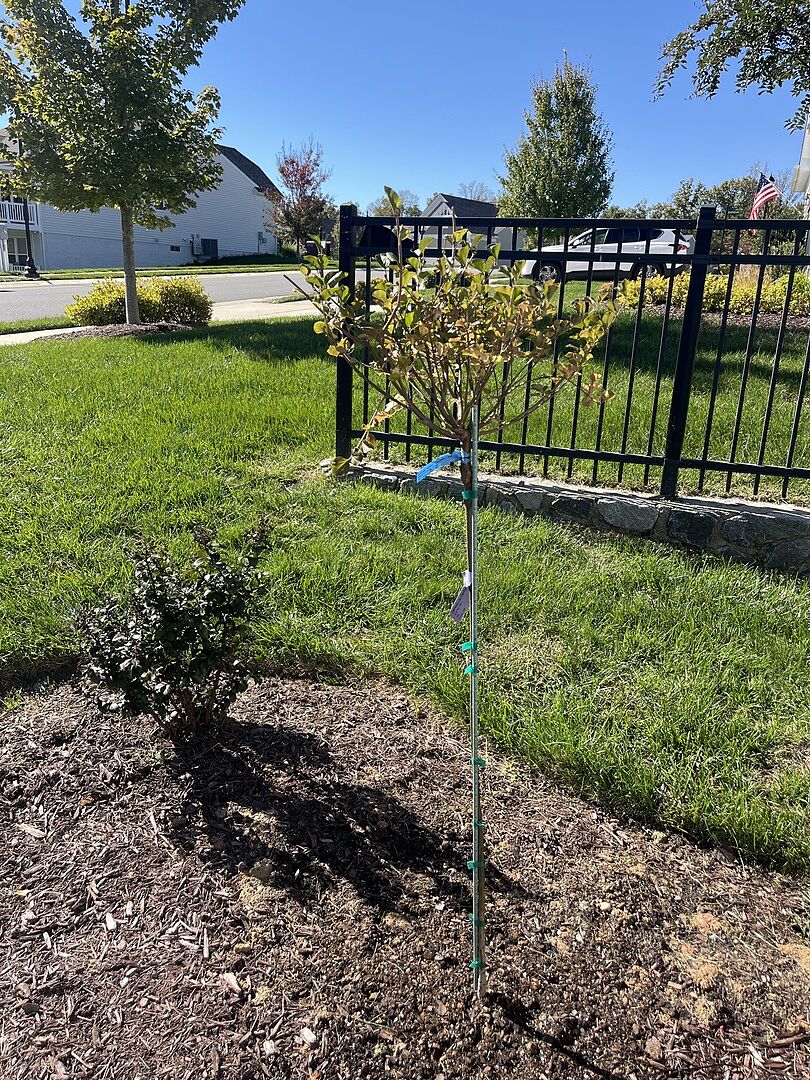
- Use Stronger Stakes: Wooden or metal posts driven into the planting hole before backfill.
- Select Flexible Ties: Wide, smooth fabric or rubber straps that permit at least 2″ of trunk movement.
- Avoid Harmful Binds: Avoid garden wire or narrow tape, which can cut into bark.

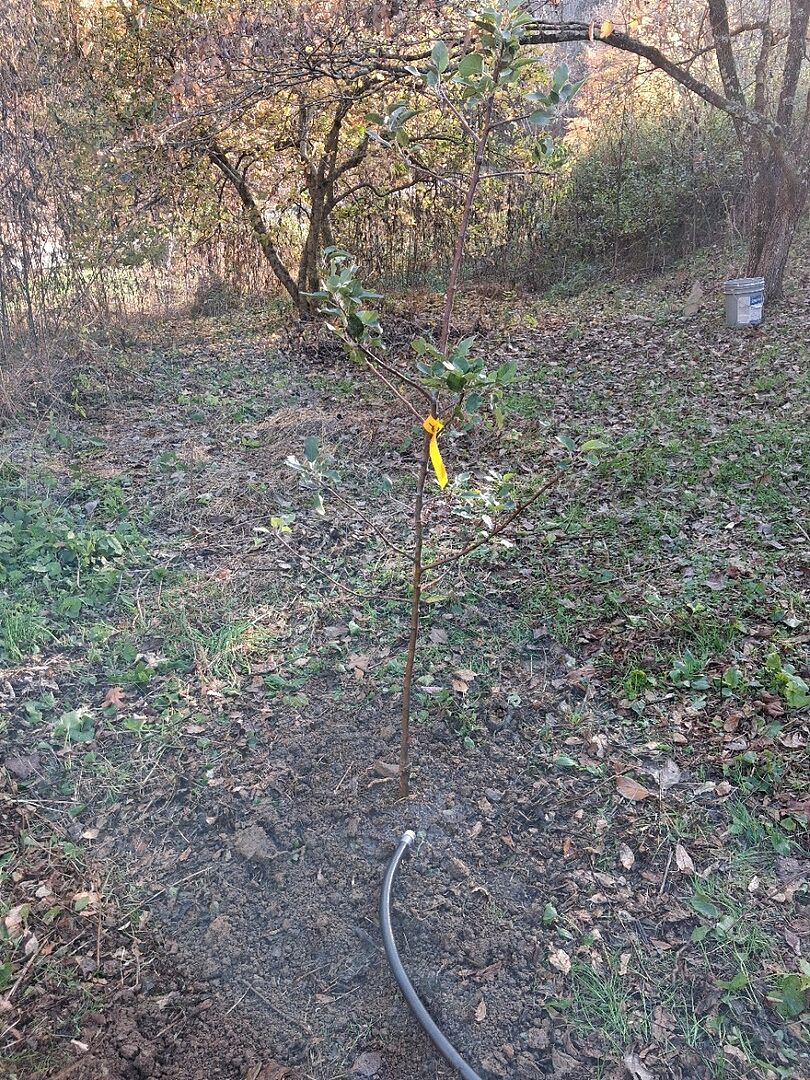
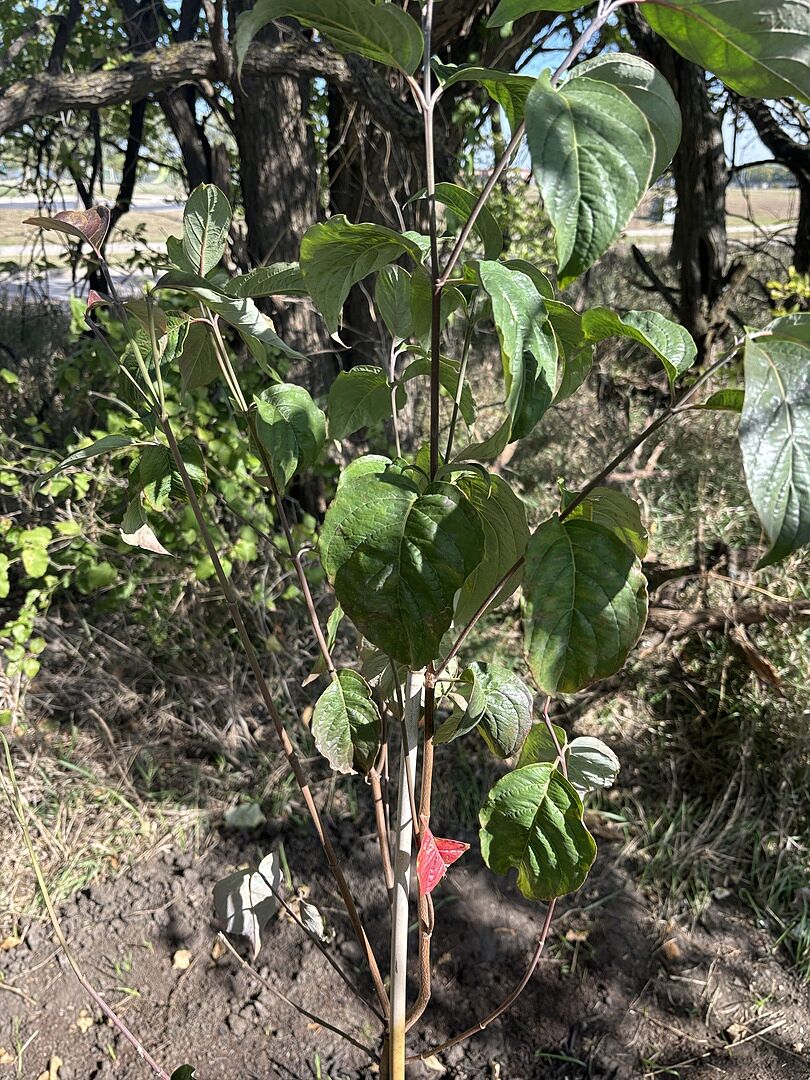
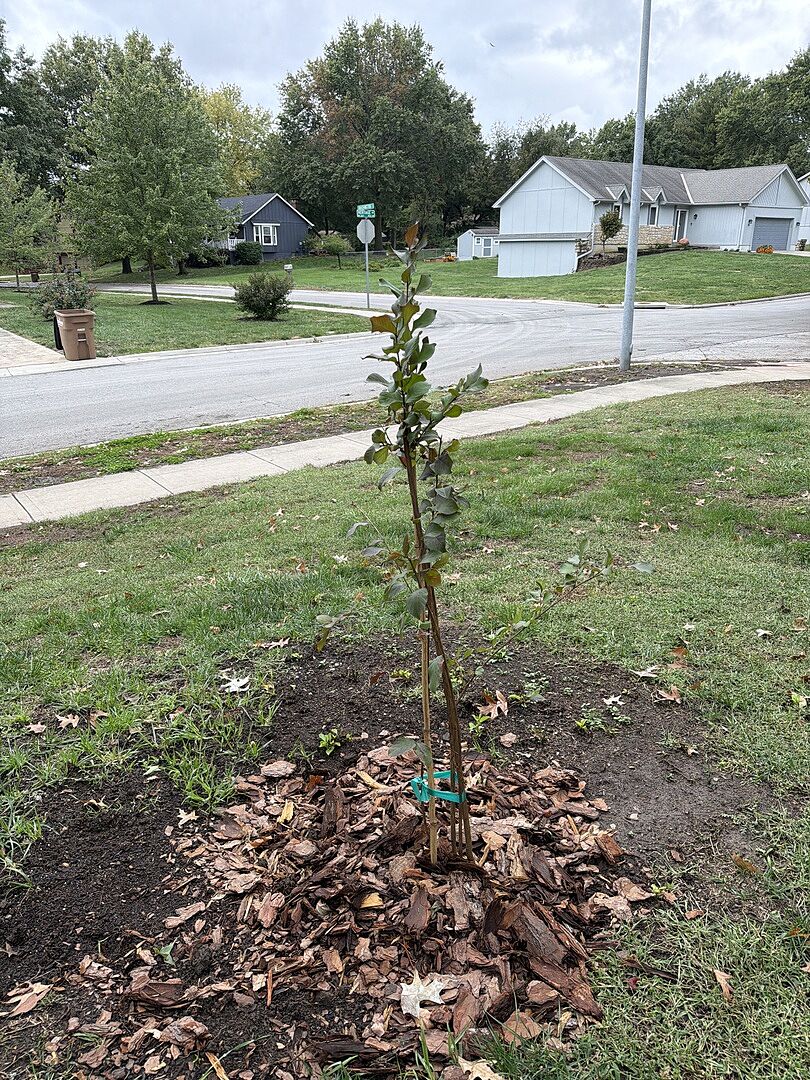
Staking with garden wire, like in the example above, could damage your tree's bark
Installing Tree Stakes the Right Way
- Position Stakes Outside the Rootball Perimeter: Protects surface roots from damage.
- Drive Stakes Before Backfilling: Hammer them 12–18″ into firm soil while the hole is still open.
- Tie Loosely, Allowing Sway: Aim for about two inches of movement in any direction—this gentle flexing is critical for trunk and root strength.
- Use One or Two Stakes: Smaller trees need only one; larger canopies benefit from two stakes on opposite sides to prevent twisting.
Monitoring & Removing Stakes
To ensure your stakes are working as intended, Ccheck your staking setup monthly:
- Ensure straps remain loose and free of bark cutting.
- Confirm stakes are still vertical and secure.
- After 6 to 12 months, once roots have firmly anchored the tree, remove all stakes and ties. Leaving them longer can stunt trunk thickening and risk girdling as the tree expands.
FAQs About Tree Staking
Q: Can I use garden wire or standard tape?
No—these materials lack flexibility and width, leading to bark damage.
Q: Do bare-root trees require stakes?
Not usually; they often settle well when soil is packed around the roots. Stake only if you observe leaning.
Q: How do I know if my region is windy enough for tree staking?
Consider staking if your planting site regularly experiences strong winds that cause the tree to lean or the root ball to shift. Exposed locations with little protection from buildings or other trees may be more prone to wind stress.
Q: Can you stake an established tree?
Yes, if it’s leaning or unstable. Use flexible ties and avoid staking longer than needed to support healthy trunk development.
Q: What happens if you don't stake a tree?
Most trees establish without staking, but unstable trees may lean or develop weaker roots if they’re not supported in windy conditions.
Q: What is the two-stake method?
It uses two stakes on opposite sides of the trunk with flexible ties, allowing the tree to move naturally while staying supported.
Q: How many years should you stake a tree?
Usually one growing season is enough. Remove stakes once the tree can stand upright on its own to encourage strong trunk and root development.