If you’ve ever read a plant tag and wondered what Hardiness Zone, full sun, dormancy, or root flare actually means, you’re not alone. Gardening comes with its own vocabulary, but understanding a few common gardening terms can make choosing, planting, and caring for your plants much easier.
Whether you’re planting your first tree or already have a yard full of favorites, use this plant terminology guide as a quick reference whenever you come across a term you don’t recognize.
Plant & Gardening Terms Defined
Hardiness Zone
Think of this as your yard’s official zip code for plants. Your USDA Hardiness Zone is based on the average lowest winter temperatures in your area and helps determine which perennial plants can survive your winters. Always know your zone before you buy, it’s one of the easiest ways to choose plants that are suited to your climate. Need help finding your zone? Click here!
Full Sun vs. Part Sun
These terms describe how much direct sunlight a plant needs. Not sure what you have? Check the planting spot at different times throughout the day before choosing your plant.
Full Sun means about 6–8+ hours of direct, unfiltered sunlight each day.
Part Sun or Part Shade generally means about 3–6 hours, preferably including the cooler morning sun.
Dormancy
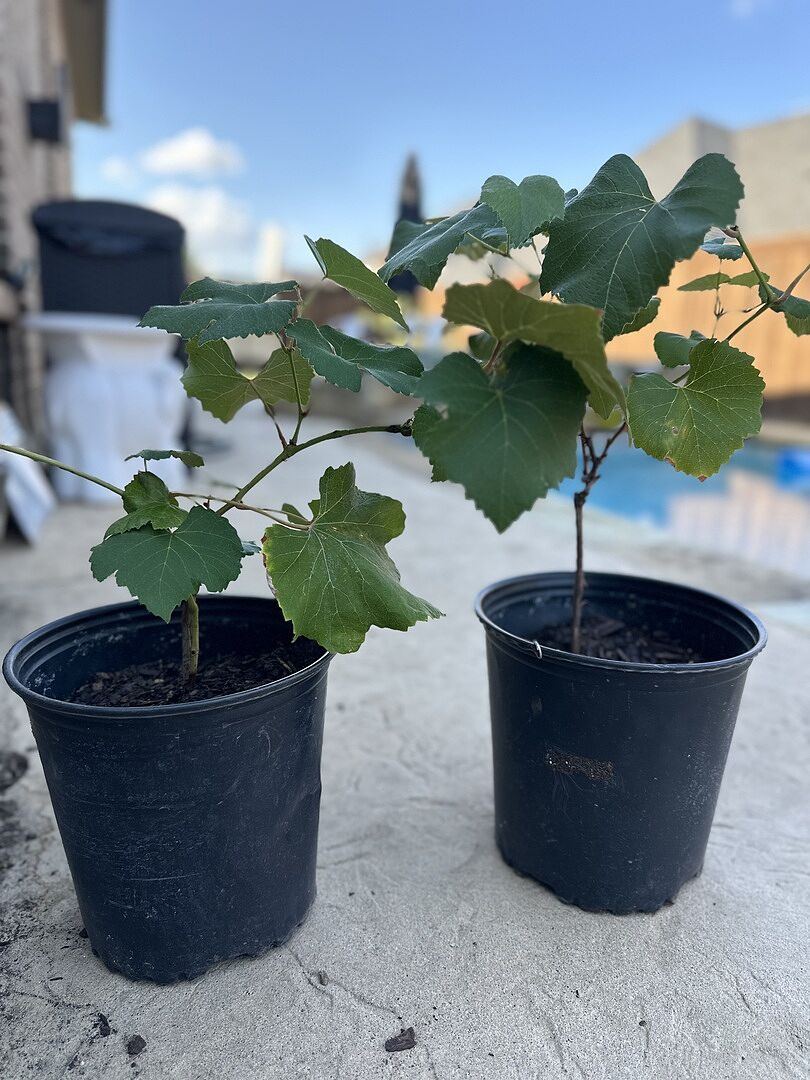
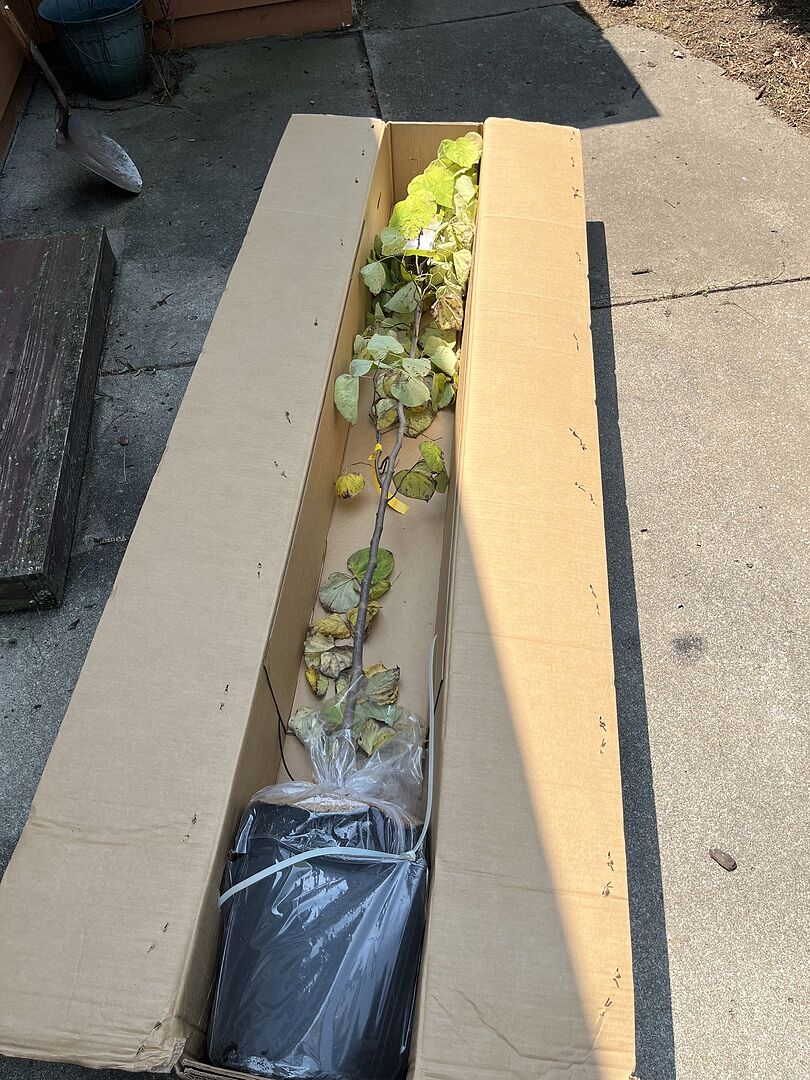
A plant’s version of winter hibernation. When deciduous trees and shrubs drop their leaves and look bare, they aren’t necessarily dead, they’re resting and storing energy in their roots for spring growth. This is especially important to know if you receive a leafless plant during the cooler months. Learn more in our Dormancy Guide.
Deciduous
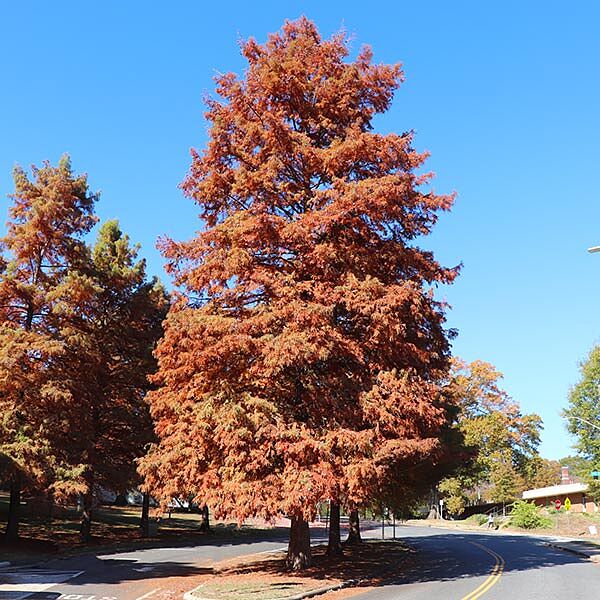
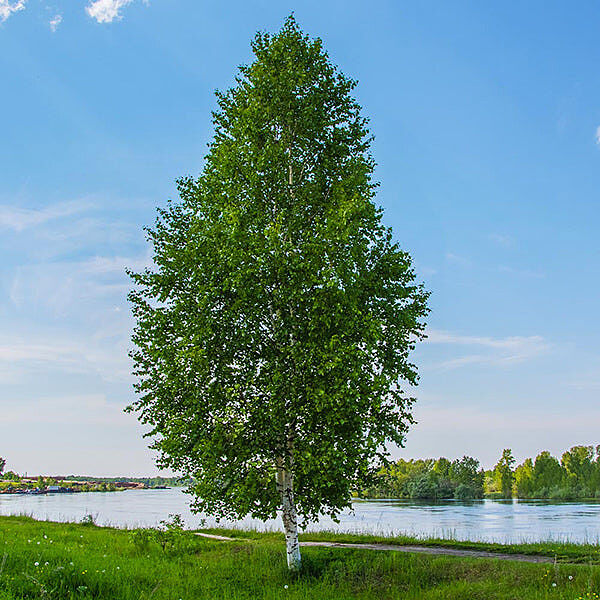
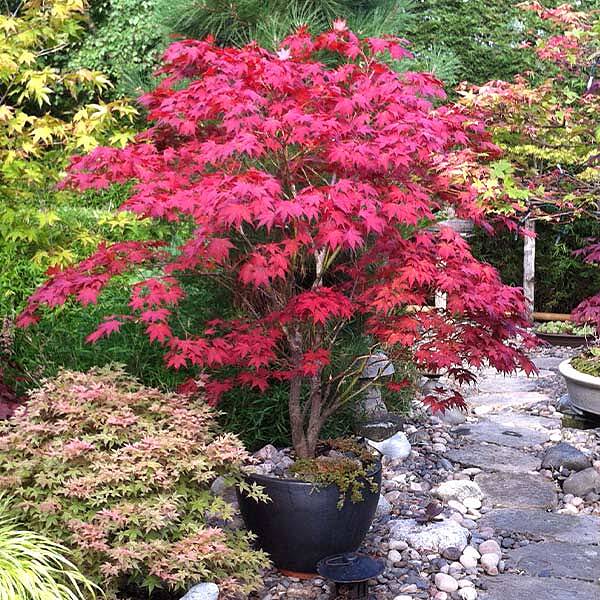
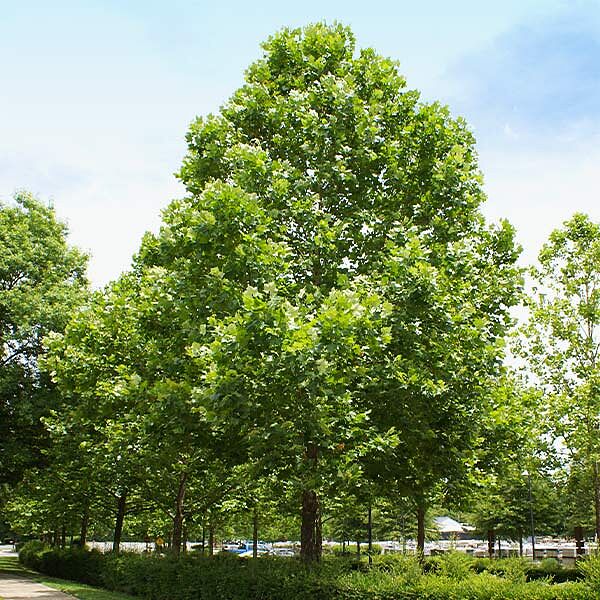
A plant that sheds its leaves as it enters dormancy, typically in fall, and grows new foliage when conditions warm again. Familiar examples include Maple Trees, Oak Trees, and Poplar Trees.
Evergreen
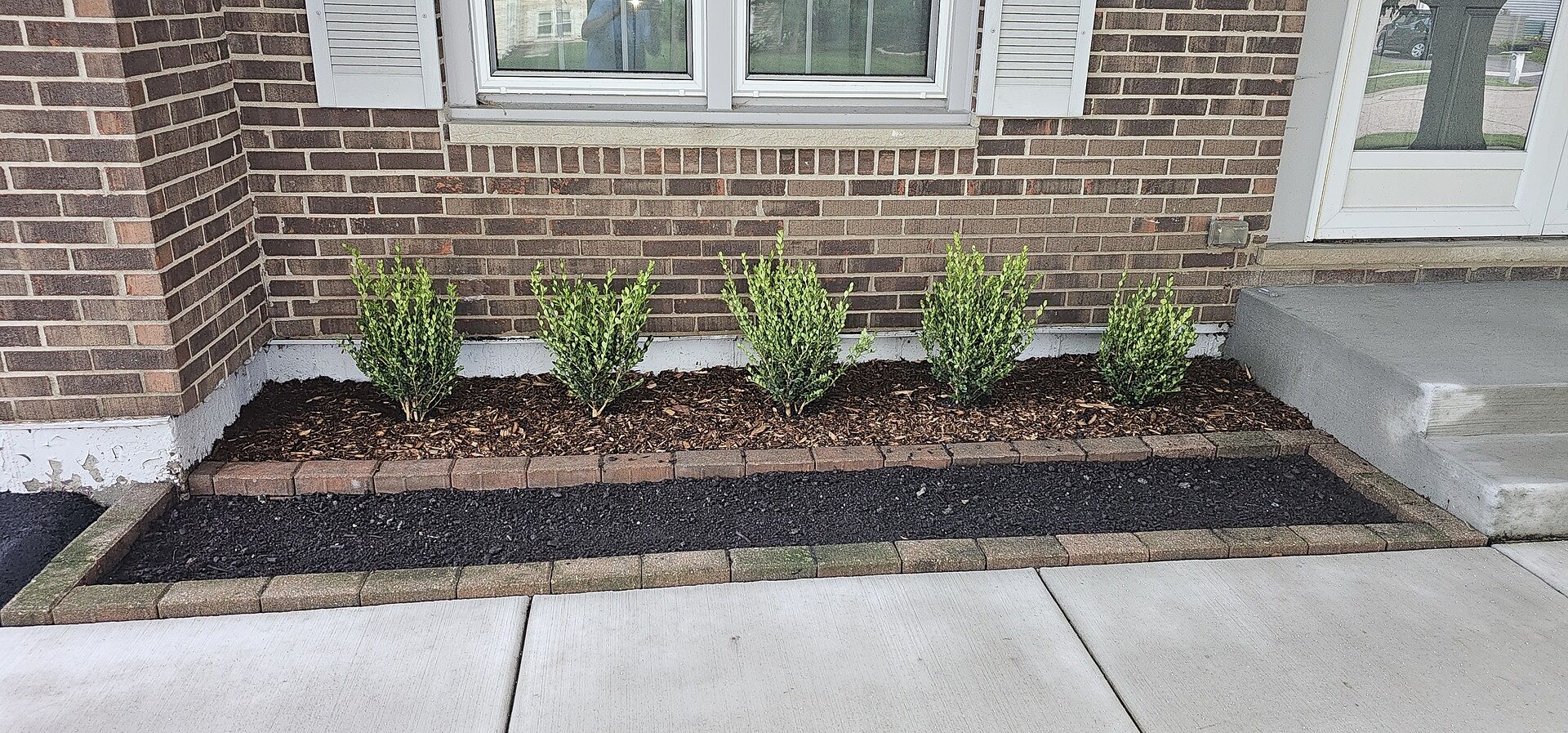
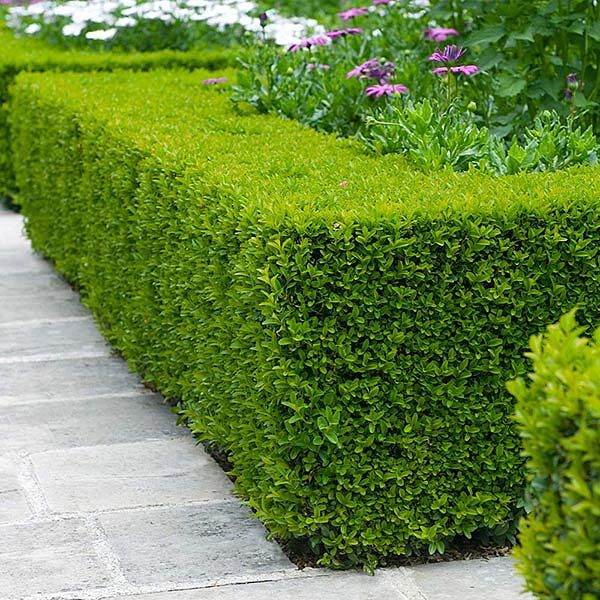
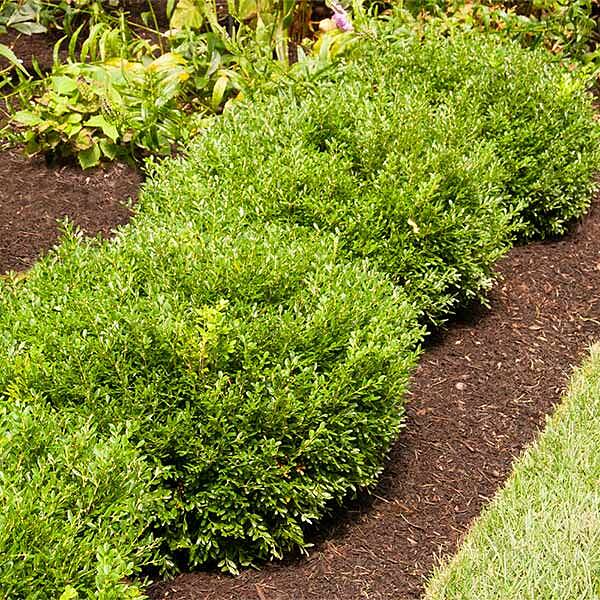
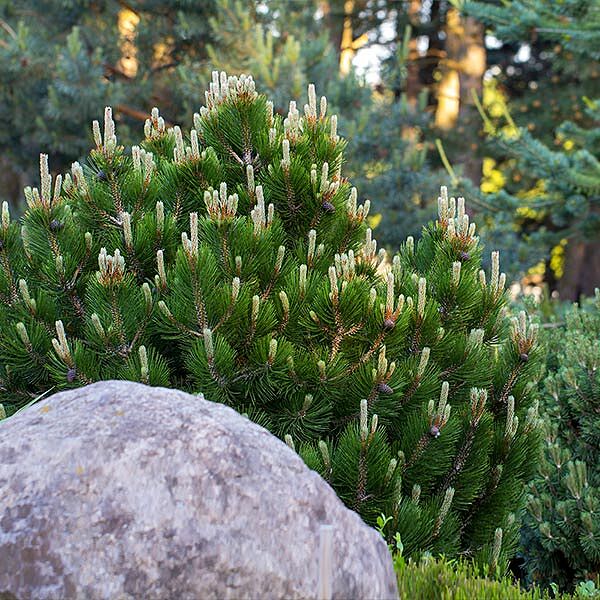
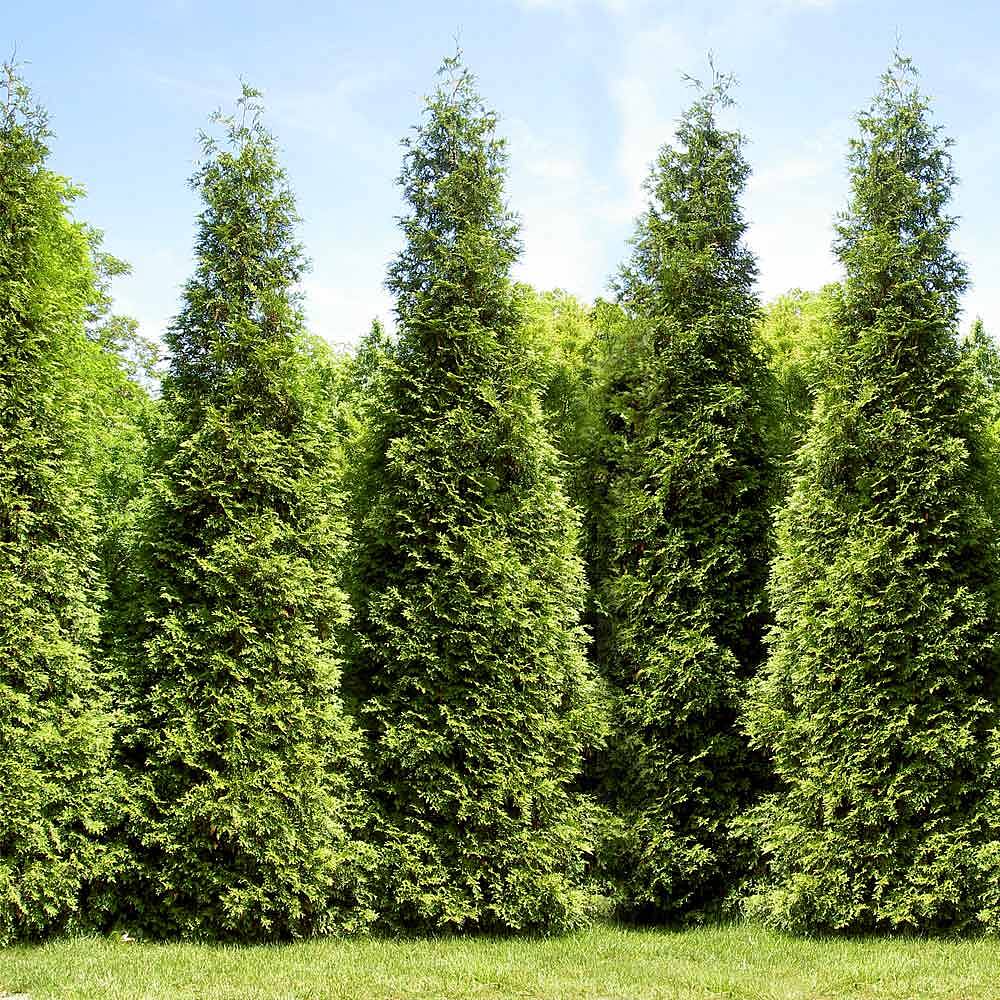
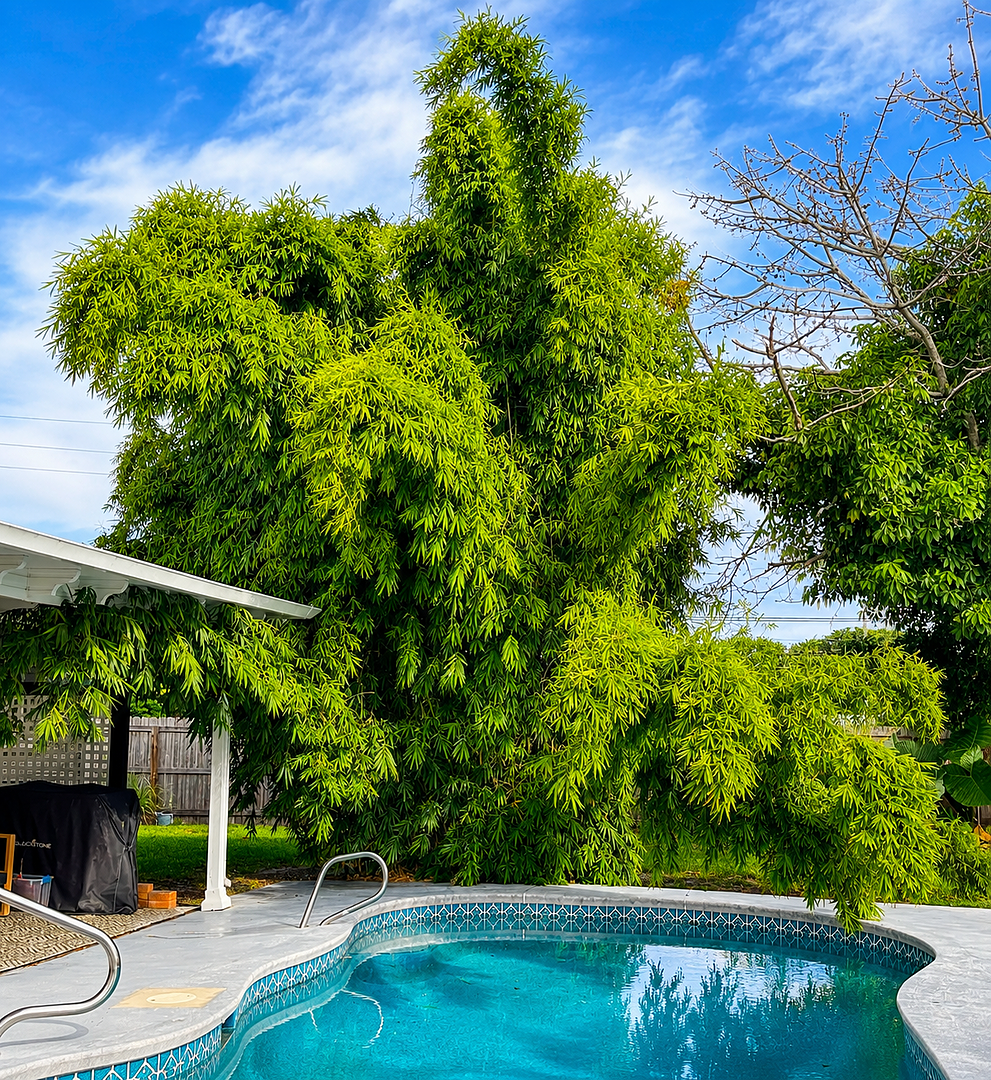
A plant that keeps its foliage for more than one year rather than dropping all its leaves or needles at once. Evergreens still naturally shed and replace older foliage, but they maintain their overall coverage throughout the year. Examples include Spruce Trees, Pine Trees, Arborvitae Trees, and Boxwood Shrubs.
Root Flare
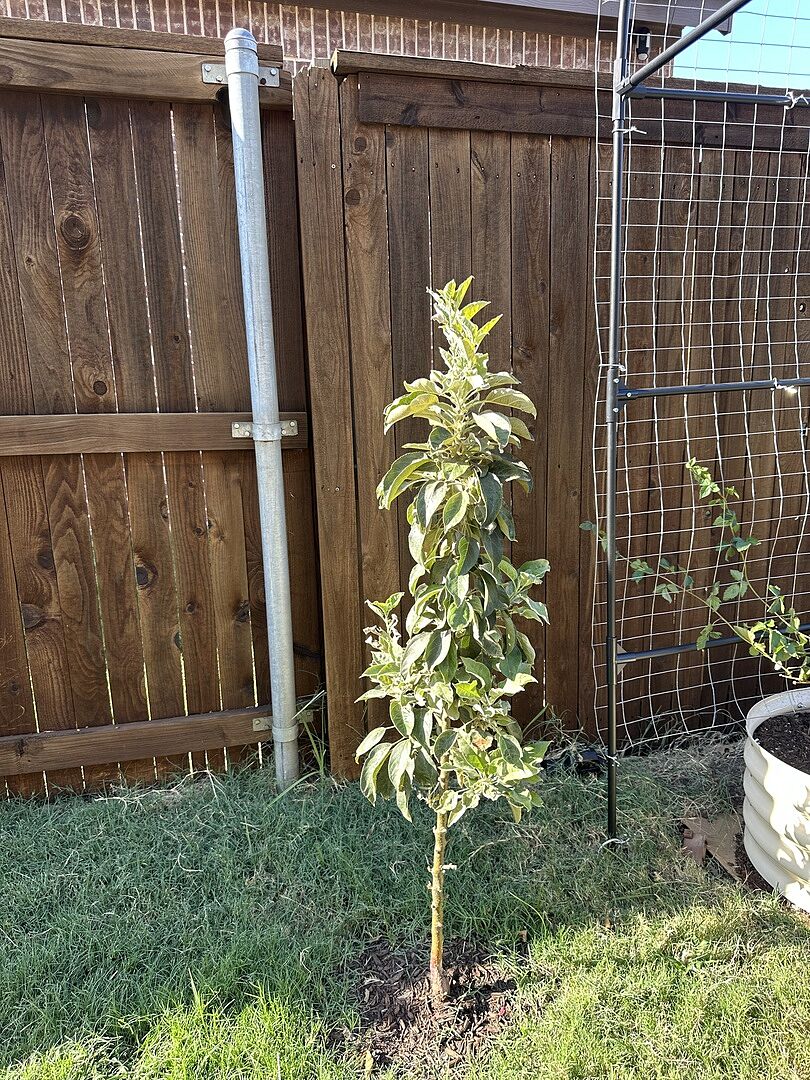
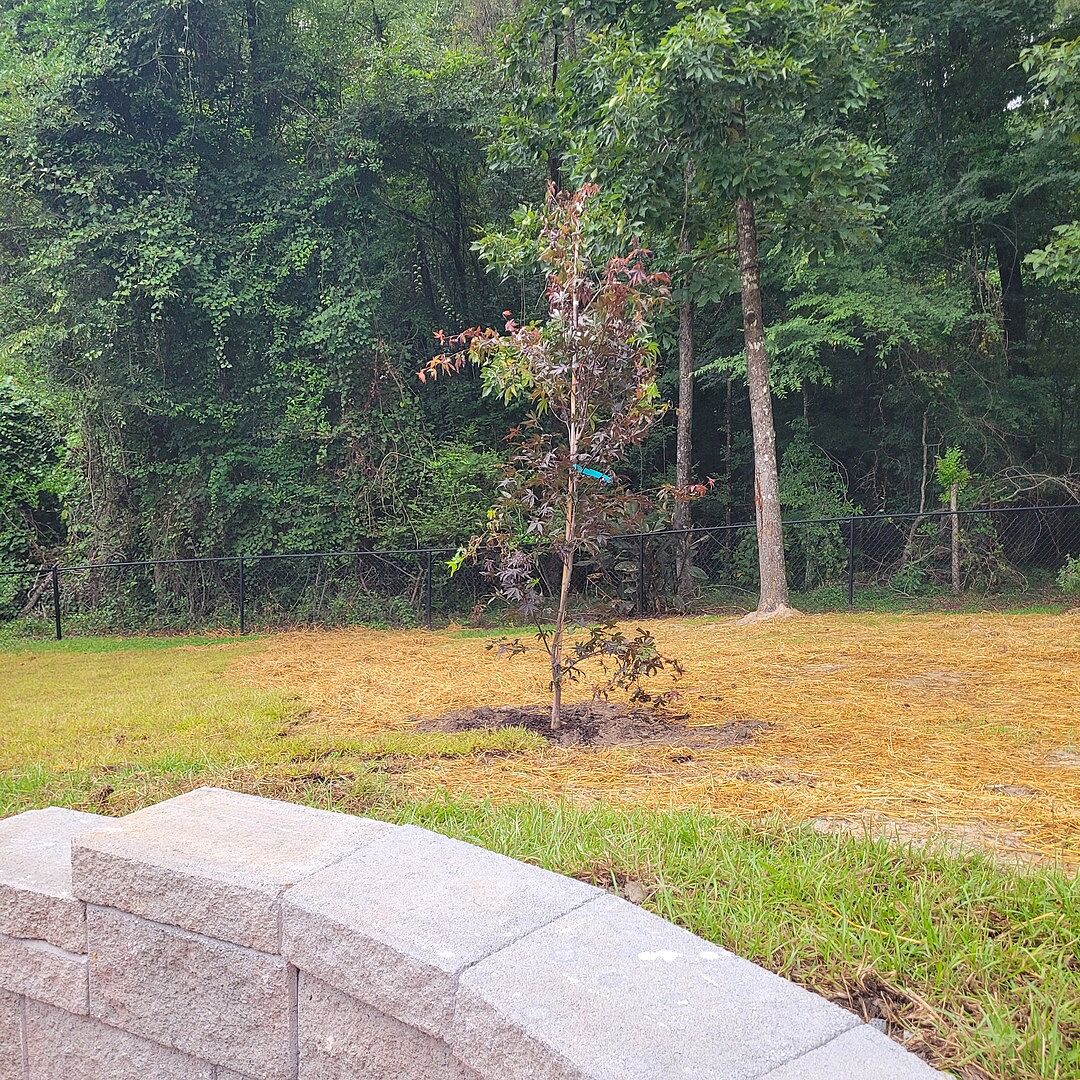
The point at the base of a tree where the trunk widens into the roots. The root flare should stay visible at or slightly above the soil line. Burying it too deeply can trap excess moisture against the trunk and contribute to rot. When planting a tree, find the root flare before filling in the hole.
Annual
A plant that completes its life cycle in one growing season. Annuals are a great choice when you want quick color or the flexibility to change up containers and garden beds from season to season. Depending on your climate, some plants sold as annuals may behave differently in warmer regions. Shop annual plants.
Perennial
A plant that lives for multiple growing seasons, returning year after year when grown in the right conditions and Hardiness Zone. Many perennials die back or enter dormancy during colder months, then grow again from their established roots in spring. Think of them as plants you can build around—give them the right start, and they can become a lasting part of your garden. Shop perennial plants.
Mulch Ring
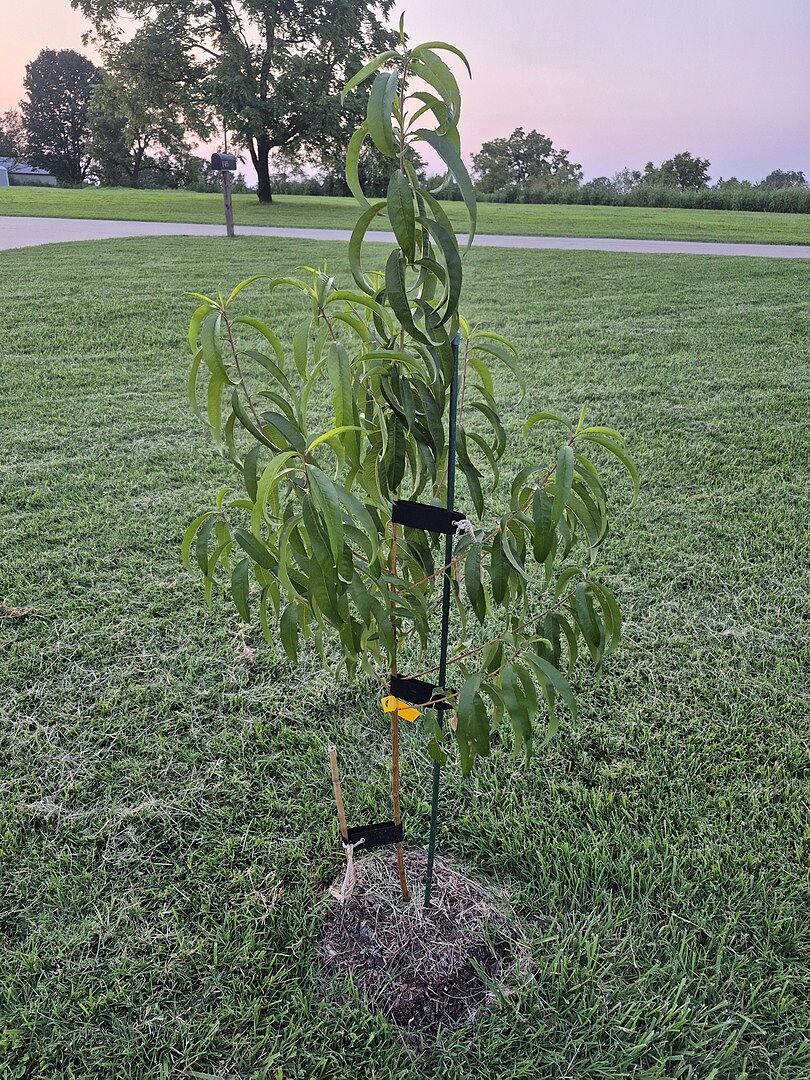
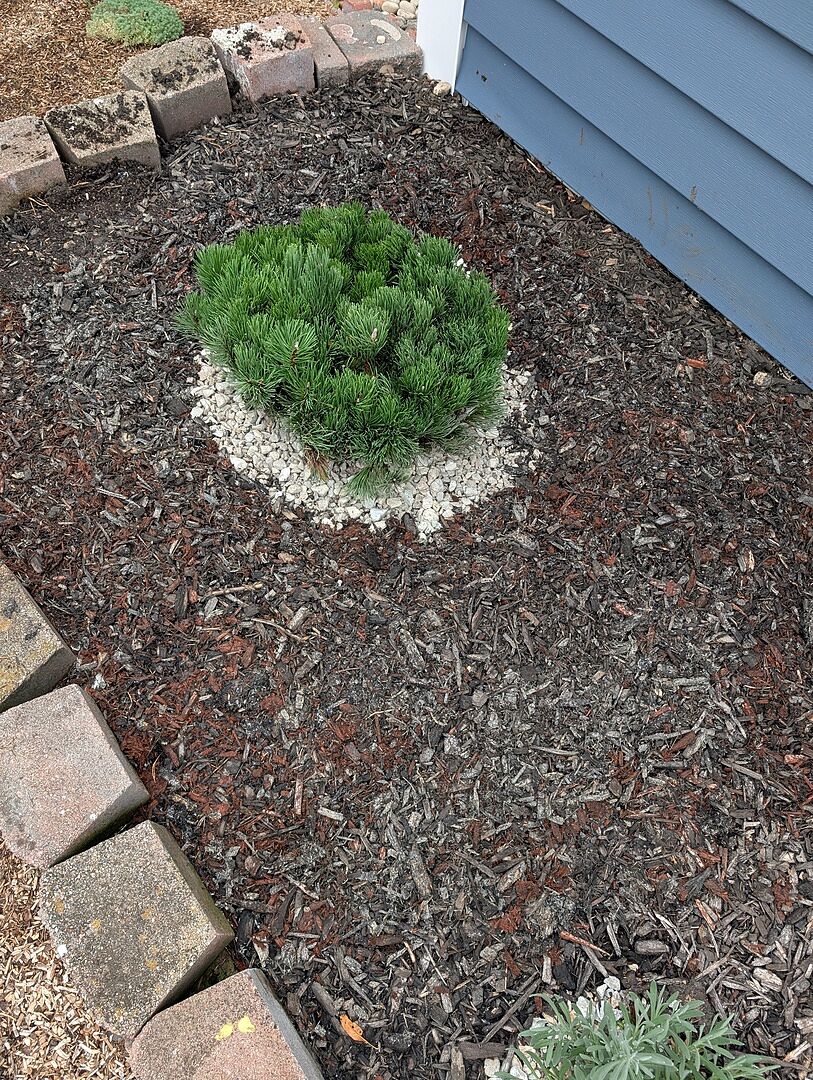
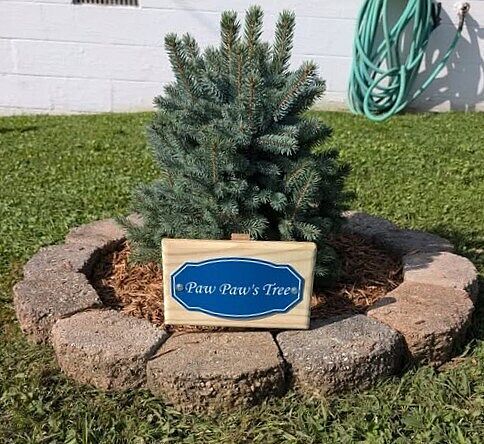
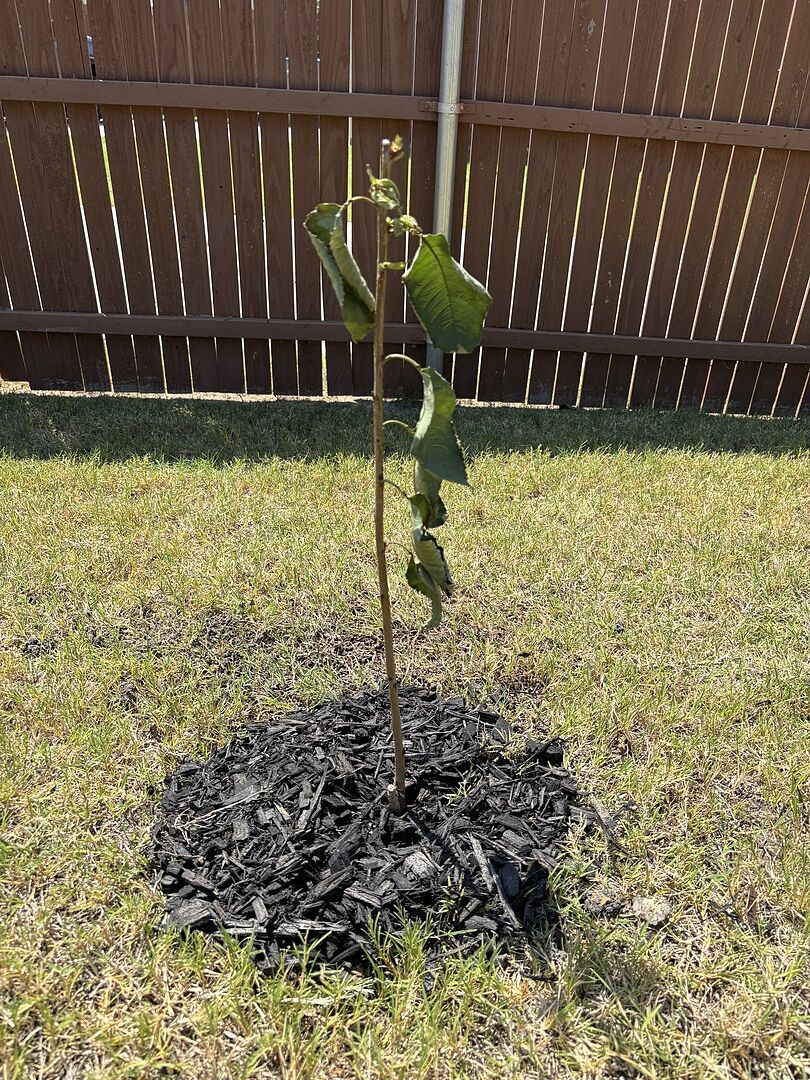
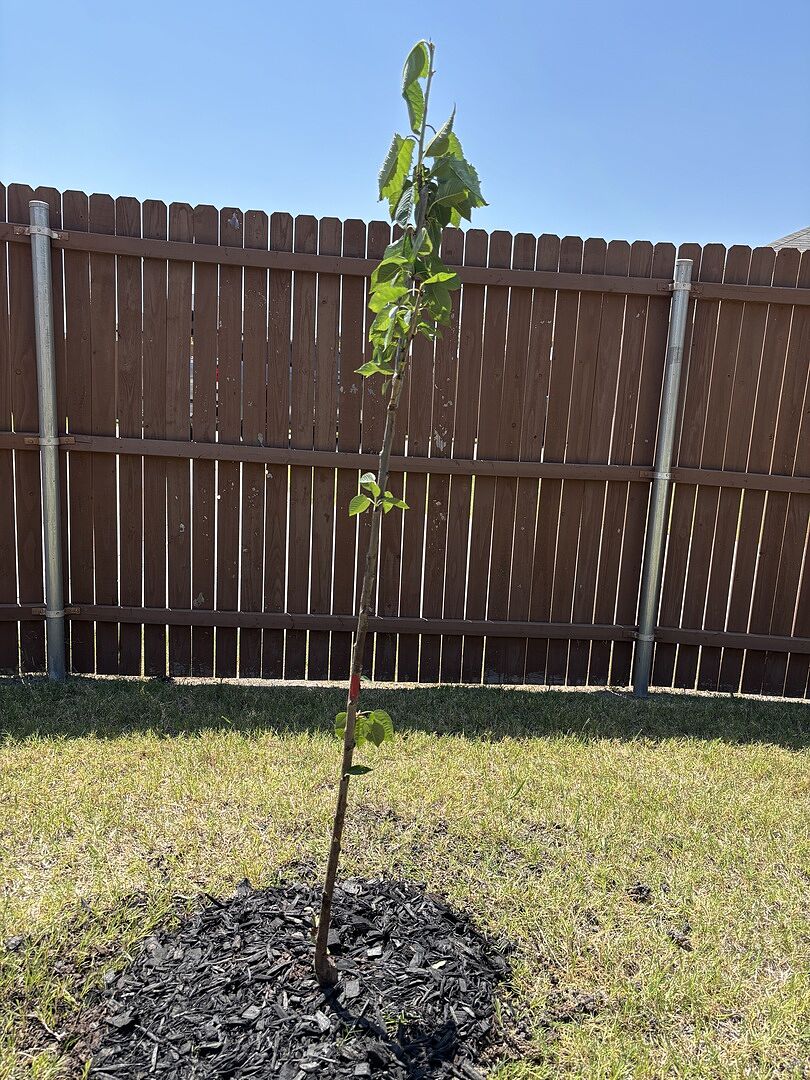
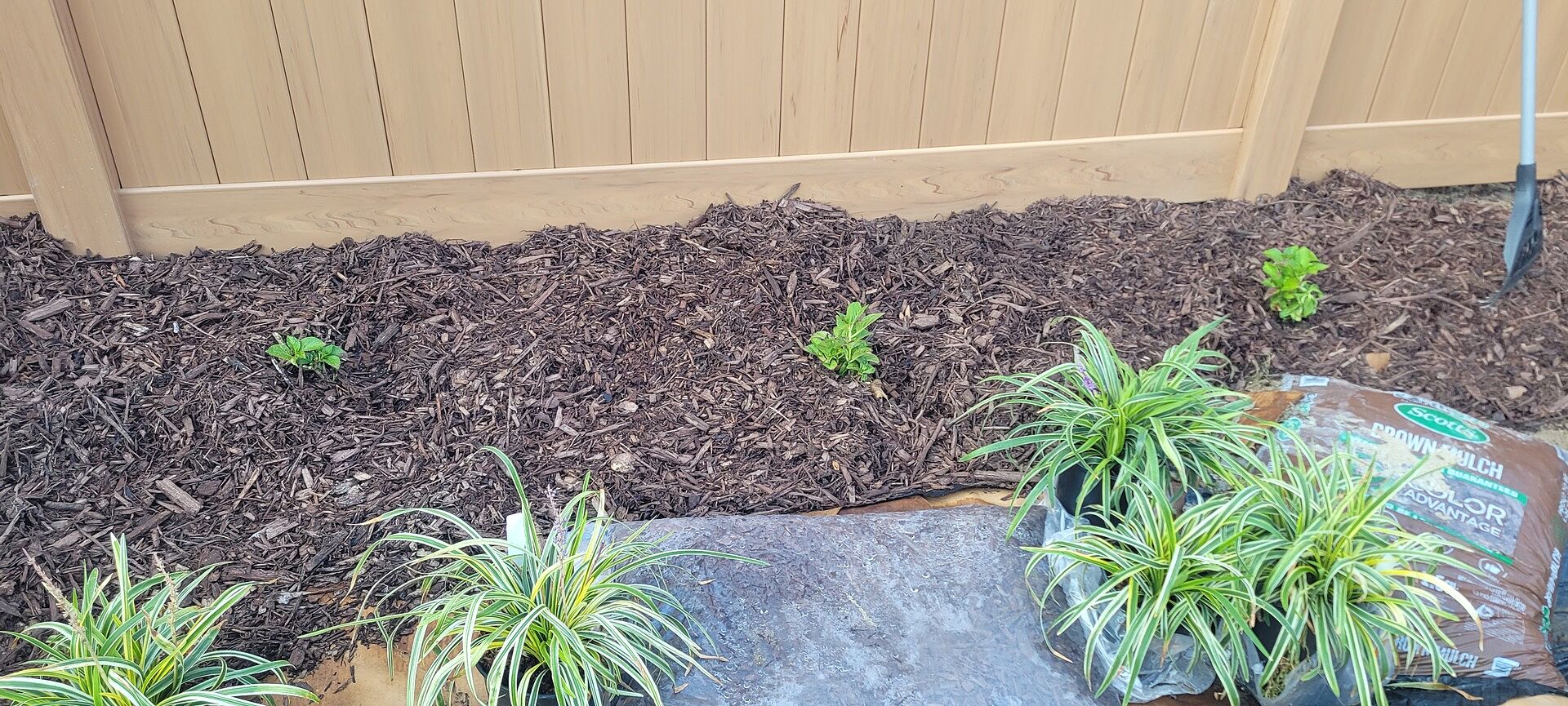
A 2–3 inch layer of mulch spread around the base of a tree or shrub to help retain moisture, regulate soil temperature, and reduce weeds. Keep the mulch pulled a few inches away from the trunk. Think mulch ring, not mulch volcano, piling mulch against the bark can hold excess moisture where you don’t want it.
Deadheading
Snipping or cutting off spent flowers after they’ve finished blooming. For many flowering plants, deadheading redirects energy away from seed production and toward new growth or additional blooms. Not every variety needs it, so check your plant’s specific care requirements first.
Native Plant
A plant that occurs naturally in a particular region or ecosystem without human introduction. Native plants have developed alongside local conditions and wildlife and can provide valuable food and habitat for native pollinators. Remember that “native” is location-specific, a plant native to one region of the country may not be native to another.
Invasive Plant
A non-native plant that spreads aggressively and can displace native plants or disrupt an ecosystem. Non-native and invasive don’t mean the same thing: plenty of non-native garden plants don't behave invasively. Check local guidance if you’re unsure about a particular variety.
Volunteer Plant
A plant that grows without being intentionally planted. Maybe last year’s tomato dropped seeds or a flower reseeded itself across the bed. If it showed up on its own, it’s a volunteer. Whether it stays is your call.
Weed
Simply put, a plant growing where you don’t want it. What counts as a weed depends on the setting. A plant intentionally grown in one part of the yard can become a weed when it pops up somewhere else.
Cultivar
Short for cultivated variety, a cultivar is a plant selected and propagated for particular characteristics, such as flower color, mature size, growth habit, fruit quality, or disease resistance. Cultivar names are often written in single quotation marks after the botanical name.
Variety
A naturally occurring variation within a plant species with distinct, inheritable characteristics. While “variety” and “cultivar” are often used interchangeably in everyday gardening, they're technically different: varieties generally occur naturally, while cultivars result from human selection or breeding.
Organic
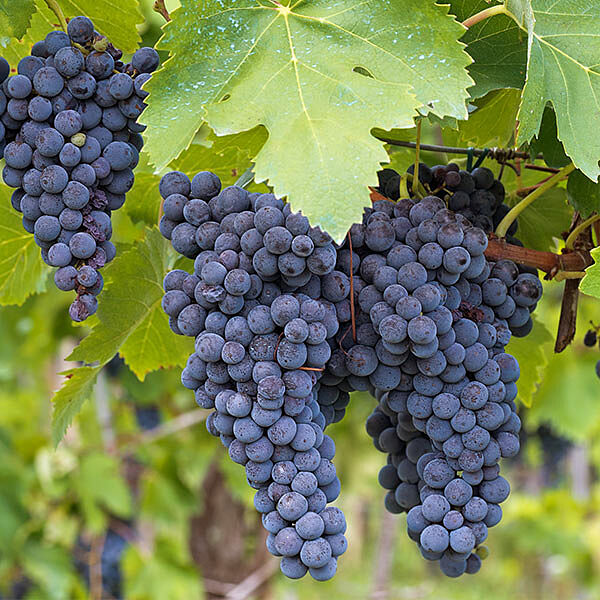
Organic plants and crops are grown according to defined organic production standards that restrict the use of many synthetic fertilizers and pesticides and include specific growing and handling requirements. If organic growing is important to you, look for the appropriate certification rather than assuming terms like “natural��� mean the same thing. Shop Organic Fruits.
Learn the Language, Grow With More Confidence
You don’t need to memorize every gardening term before you start planting. Focus on the ones that help you make better decisions: know your Hardiness Zone, understand how much sunlight you have, plant with the root flare at the right level, mulch correctly, and learn what’s normal for your plants throughout the seasons.
The terminology gets easier the more you grow and understanding the basics can take a lot of the guesswork out of choosing and caring for your plants. Schedule a consultation with one of you plant experts to learn more. Happy growing!
.
Abby is an avid plant lover and the Director of Content at Trees.com. She grew up in Maine, graduated from Davidson College, and now resides in Charlotte, North Carolina with her husband and two dogs. Her previous roles include leading content teams at Red Ventures, a large digital media company, and launching the content and marketing functions at an ecommerce analytics start-up.
While her indoor plant collection is always growing, she also loves landscaping tips and learning more about plant care and maintenance. Her favorite plants are Japanese maples, roses of all kinds, and unique house plants.