Fast Growing Trees is now Trees.com!


Rose Bushes
Filters
Only items for my growing zone
Zone -

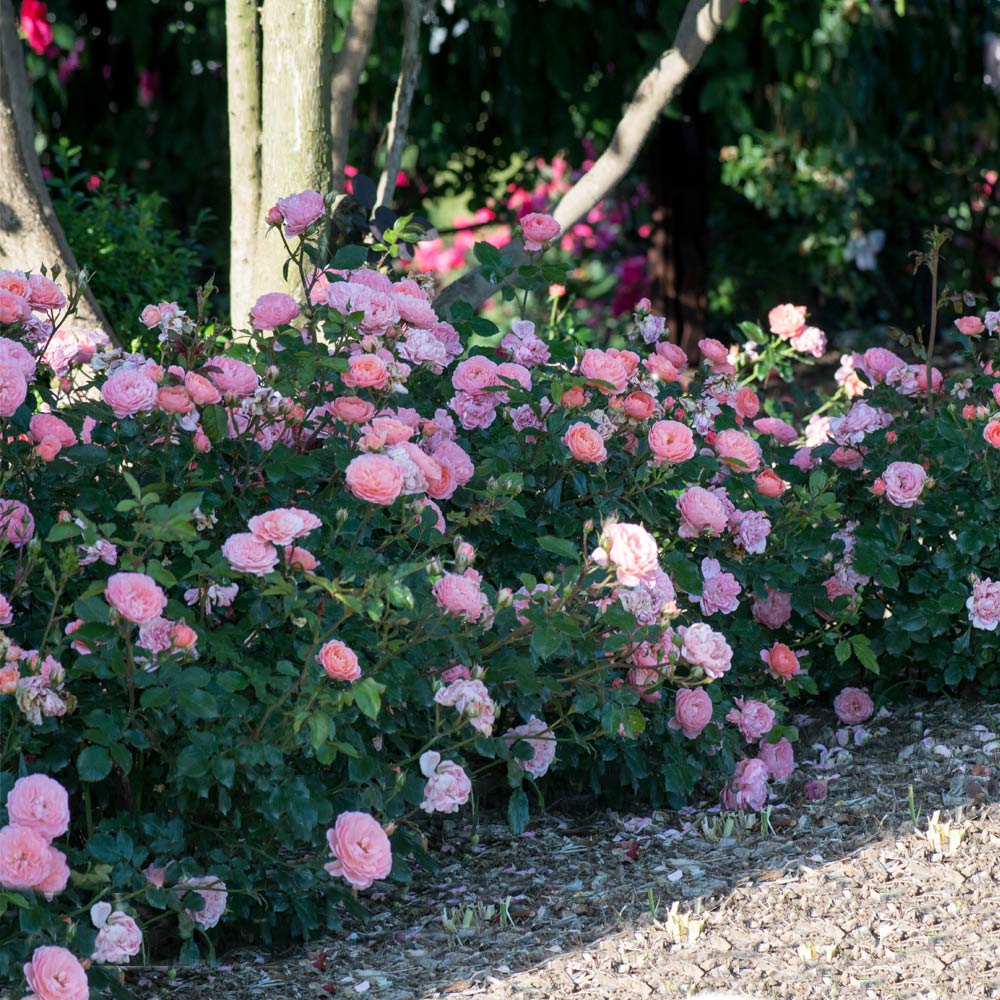




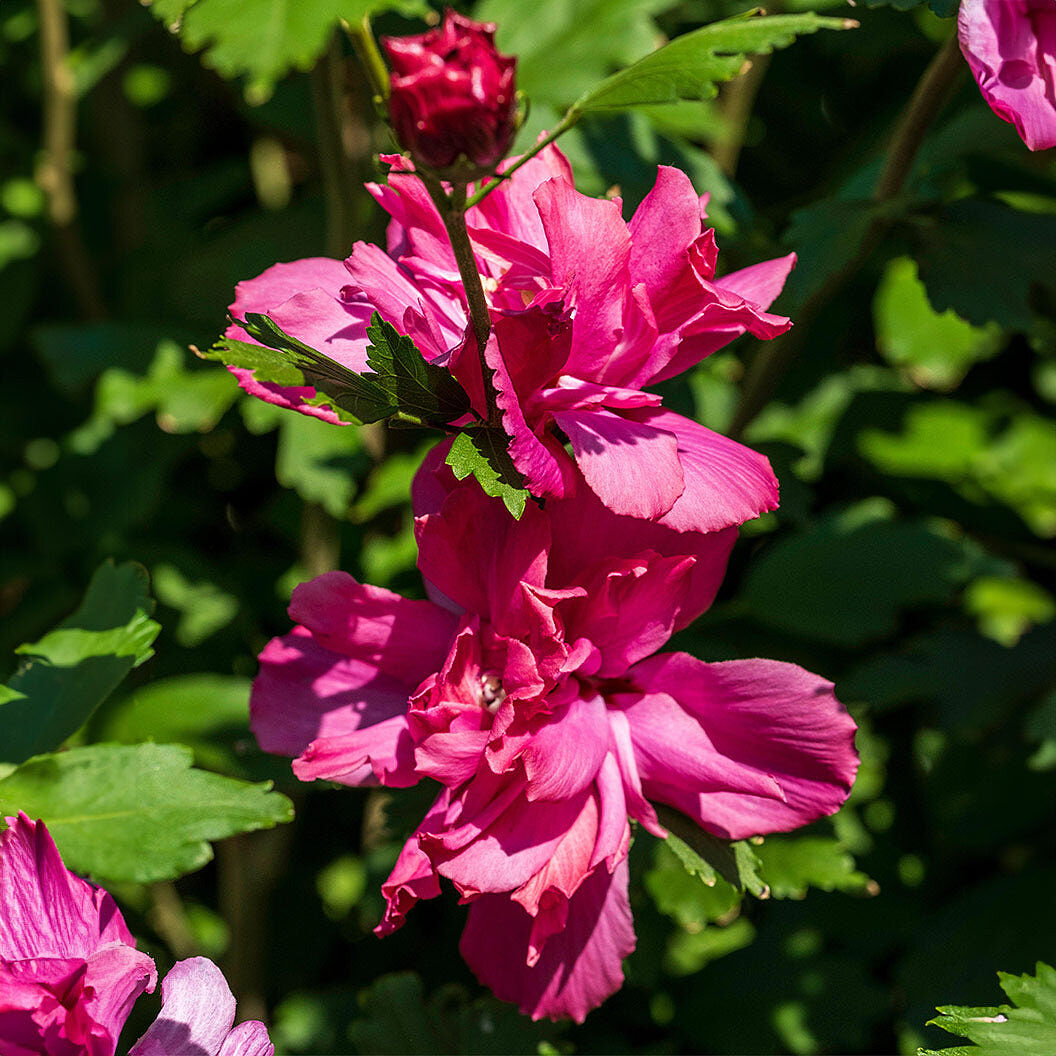
Shop Rose Bushes and Shrubs from Trees.com
The rose bush you want depends less on color than on habit. This collection covers low groundcover types that spread along a border, upright landscape shrubs for foundation beds, climbers that need something to grow on, and English garden roses bred for scent above all. Sorting out which group you're in makes the rest of the decision easy.
How To Choose A Rose Bush By Growth Habit
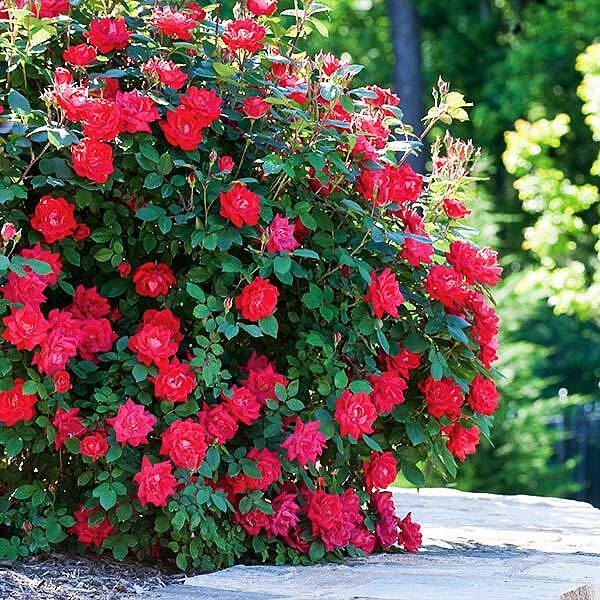
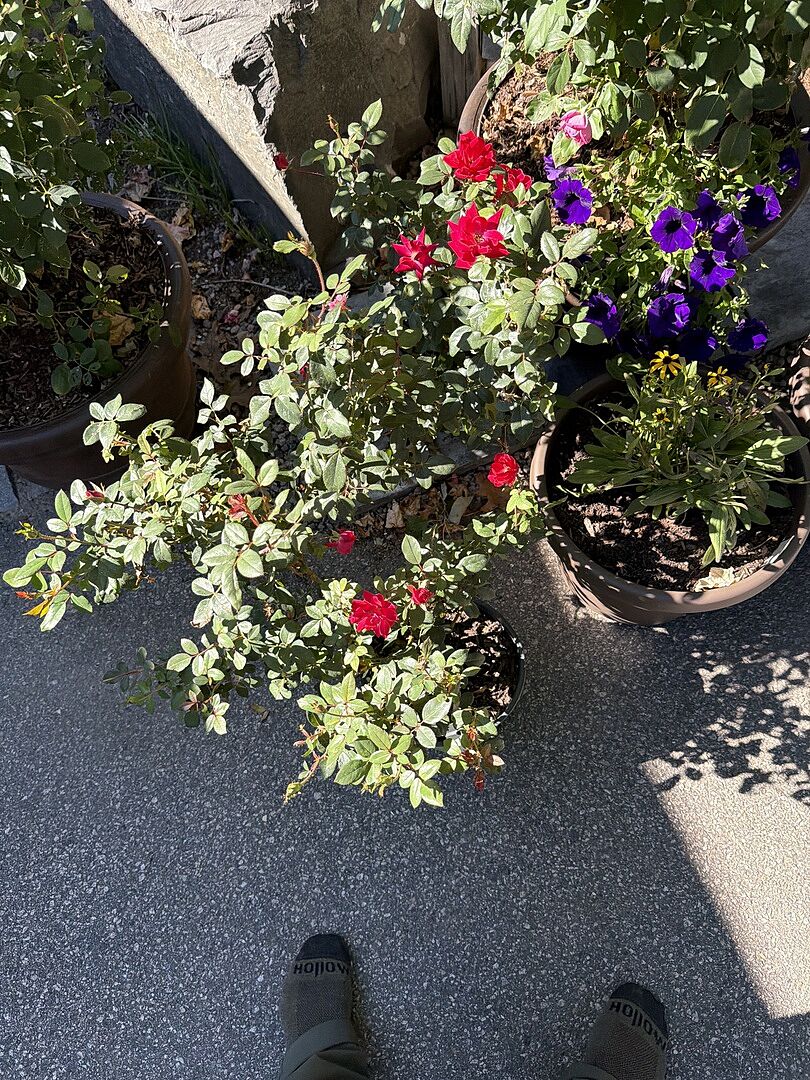
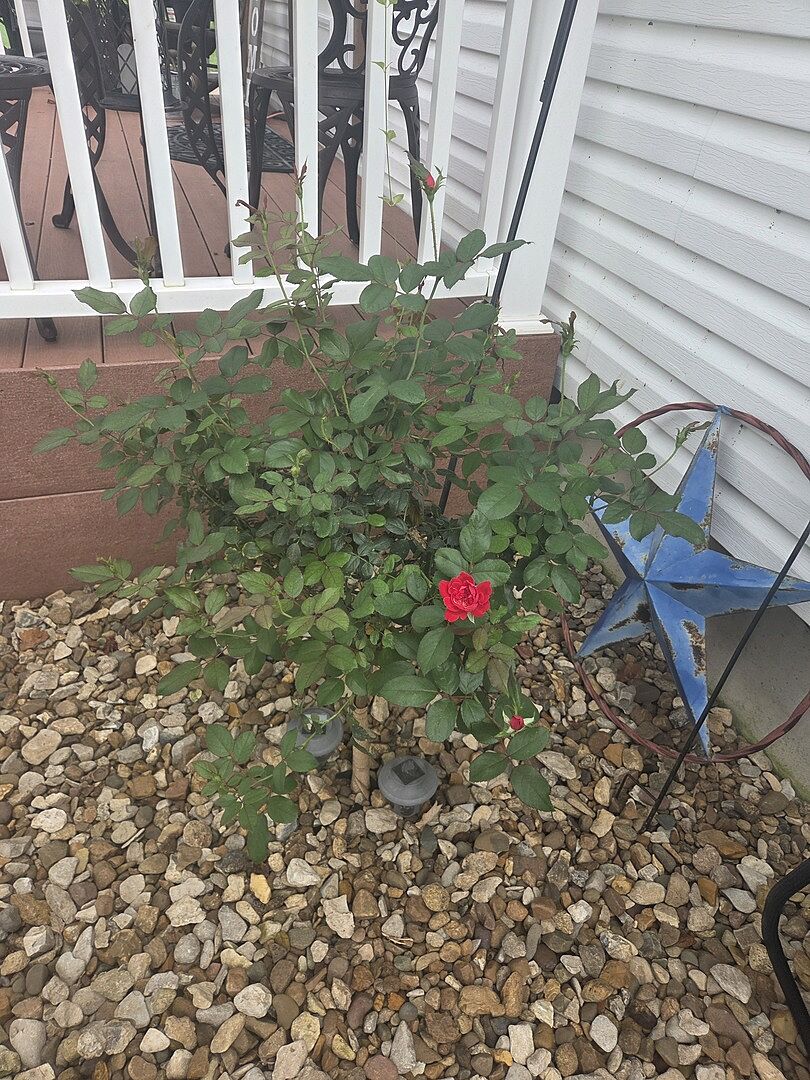
Landscape shrub roses are the workhorses. Knock Out® and At Last® varieties stay in the 3-to-4-foot range, hold their shape without much shaping from you, and rebloom from late spring into fall. Start here if you want color in a bed and would rather not fuss.
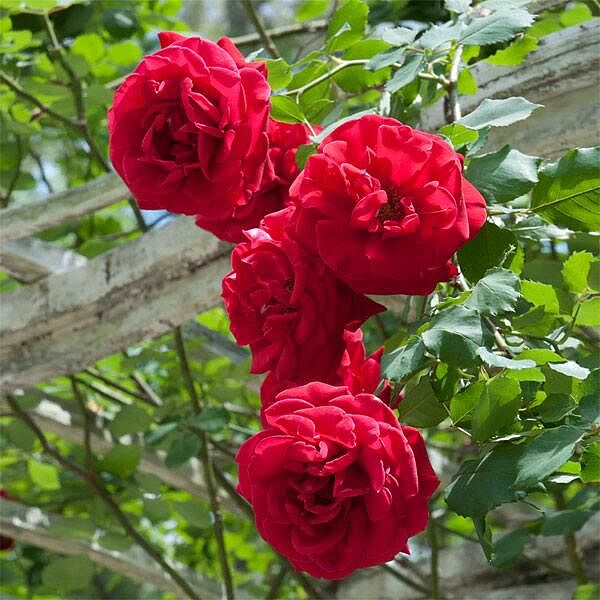
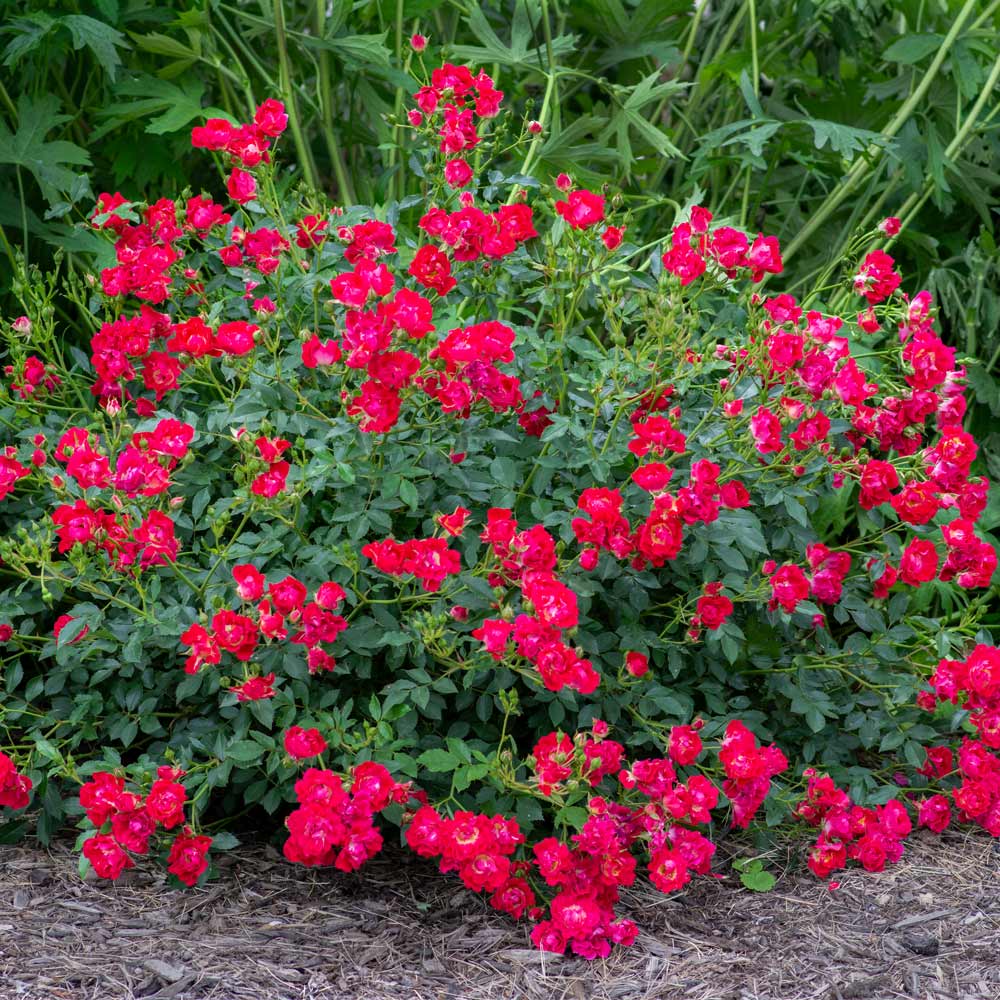
Groundcover roses like the Drift® series stay under 2 feet and spread outward, which suits a low border, a slope, or the front edge of a planting. Climbers such as Don Juan and Blaze Improved reach 8 feet and up, and they need a trellis, fence, or arbor from day one. Buying a climber without a plan for support is the most common mismatch in this category. For a fuller breakdown of hybrid teas, floribundas, and the rest, see our guide to the types of roses.
Fragrance And Disease Resistance: The Real Tradeoff
These two qualities pull in opposite directions, and knowing that upfront saves disappointment. The David Austin® roses lead on scent. Gertrude Jekyll® and Princess Anne™ have the old-fashioned cupped form and deep perfume people picture when they think of roses, and they ask more of you in return: better airflow, more attentive watering, occasional help with black spot in humid climates.
Modern landscape roses trade some of that scent for toughness. The Knock Out® roses were bred specifically to resist the fungal problems that discourage new growers, and they'll bloom through conditions that would set a fussier rose back. Several varieties here bridge the gap, and you can filter for both traits alongside our other disease-resistant plants.
What Roses Need to Actually Thrive
Sun is the non-negotiable one. Nearly every rose in this collection wants full sun, meaning six hours or more, and shade is the usual reason a healthy plant stops flowering. Well-drained soil is the other requirement, since roses dislike sitting in water. Give each shrub enough space for air to move through the canopy, since crowded roses hold moisture on their leaves and invite trouble. Our roses arrive as established plants in a nursery pot rather than as bare-root canes, so they can start growing the week you plant them. For more color in the same beds, browse the wider flowering shrubs selection.