Types of Hydrangeas: Which Hydrangea Should You Plant?

Last updated: May 12 2022

Key takeaways
Hydrangeas come in several main types, including Bigleaf, Panicle, Oakleaf, Smooth, Mountain, and Climbing Hydrangeas. The right type of hydrangea for your garden depends on your space, sunlight, USDA hardiness zone, preferred bloom shape, and whether you want a shrub, tree-form plant, compact variety, or climbing vine.
Blooming habits matter when choosing and caring for hydrangeas. Bigleaf, Oakleaf, and many Mountain Hydrangeas bloom on old wood, while Panicle and Smooth Hydrangeas bloom on new wood, which makes them more forgiving to prune and more reliable in colder climates.
For colorful blooms, Bigleaf and Mountain Hydrangeas can produce blue or pink flowers depending on soil pH, while Panicle and Smooth Hydrangeas are great choices for white blooms that may age to pink or red. Matching the variety to your garden conditions helps your hydrangea grow with confidence season after season.
Ah, the famous hydrangea. Have you ever known a flowering shrub as vibrant, varied, or vast? This plant thrives in most parts of the country, and you’ve no doubt seen a variety or two around. And they’re popular for good reason—with over 75 species and a multitude of colors and styles, the hydrangea is one of the most diverse plants we carry!
However, because of its impressive range of varieties, it’s normal to wonder which hydrangea type you should plant (or even what kind of hydrangea is already in your yard!).
We’re here to answer all your questions about the types of hydrangeas, from the most obscure to the most popular.
Searching for the right hydrangea based on its color, features, or shape? Click here to jump to Choosing Your Hydrangea.
What to Know About Hydrangeas
There’s much to know about hydrangeas: their growth rate, how to plant them, and their sunlight, soil, water, and pruning needs. What makes them thrive? How can you make your hydrangea bloom more proficiently? Let’s explore some fast facts about hydrangeas, so you can determine the best care for yours!
Basic Types of Hydrangeas
There are several main types of hydrangeas. These groups are different from the many varieties (we’ll get into those later).
Oakleaf Hydrangeas

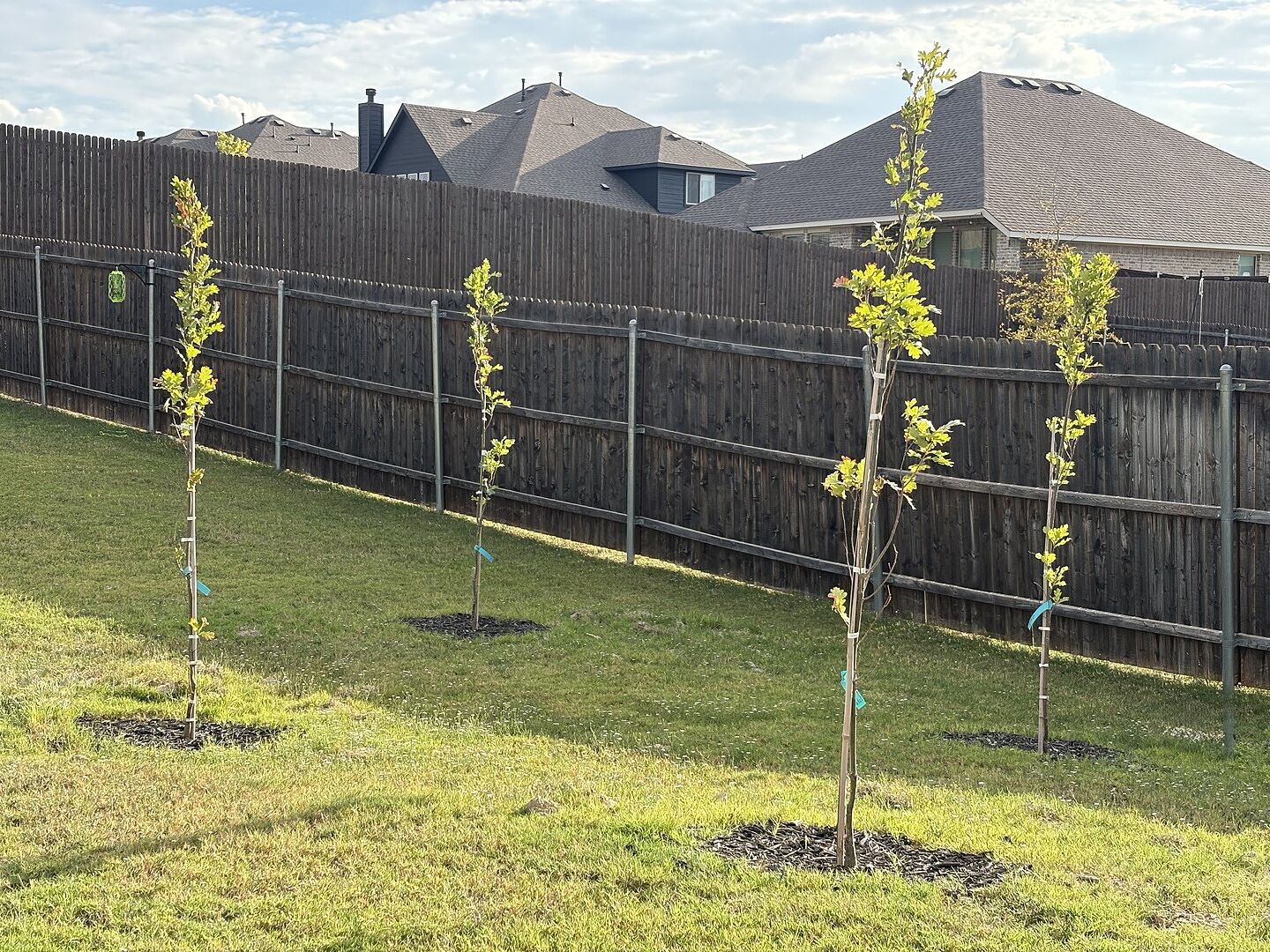
This hydrangea variety is known for its oak-like foliage (see picture above). Not only do its leaves look like the deciduous tree, but they also glow with the autumn shades in the fall. Oakleaf hydrangeas thrive best in warmer zones, especially Zones 5 and higher, because they can withstand the summer heat.
Bigleaf Hydrangeas

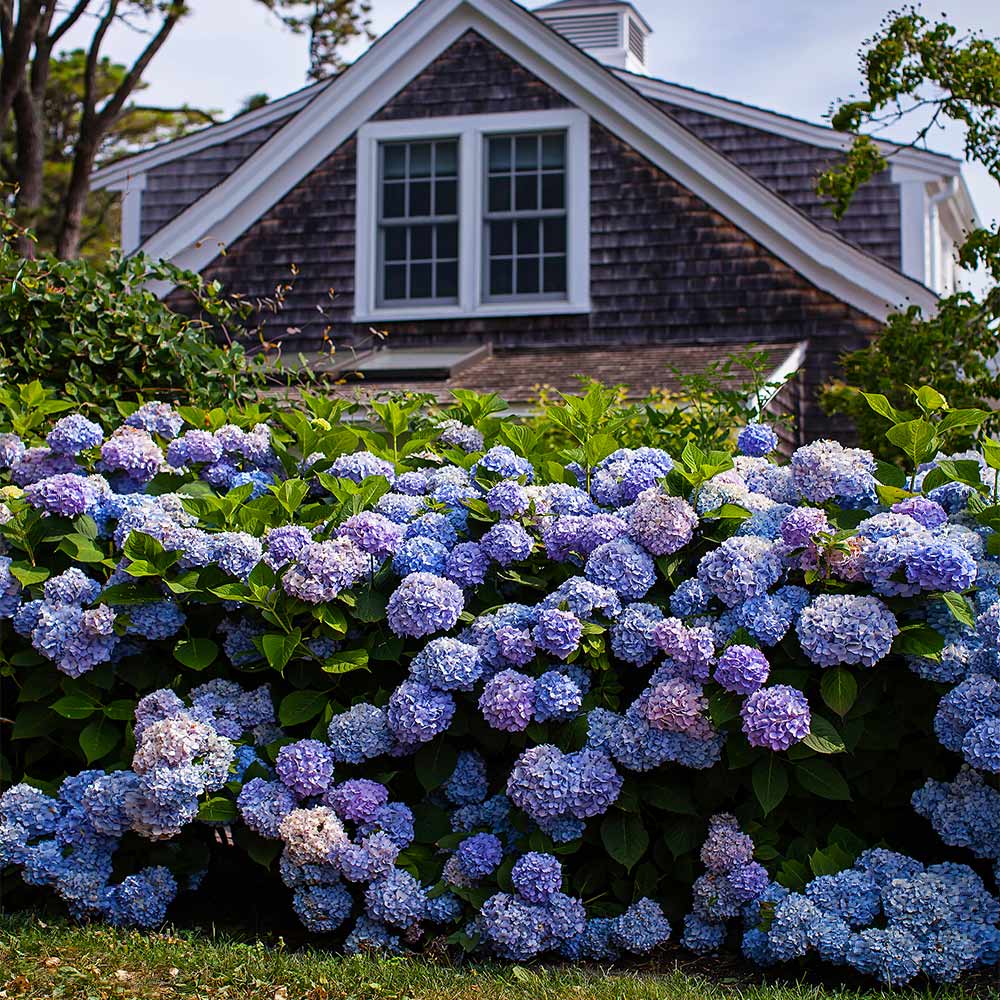
The bigleaf hydrangeas are the most common among gardeners. As their name implies, they are characterized by their huge leaves (see above). This hydrangea variety is most often found growing in Zones 5 through 9.
Panicle Hydrangeas

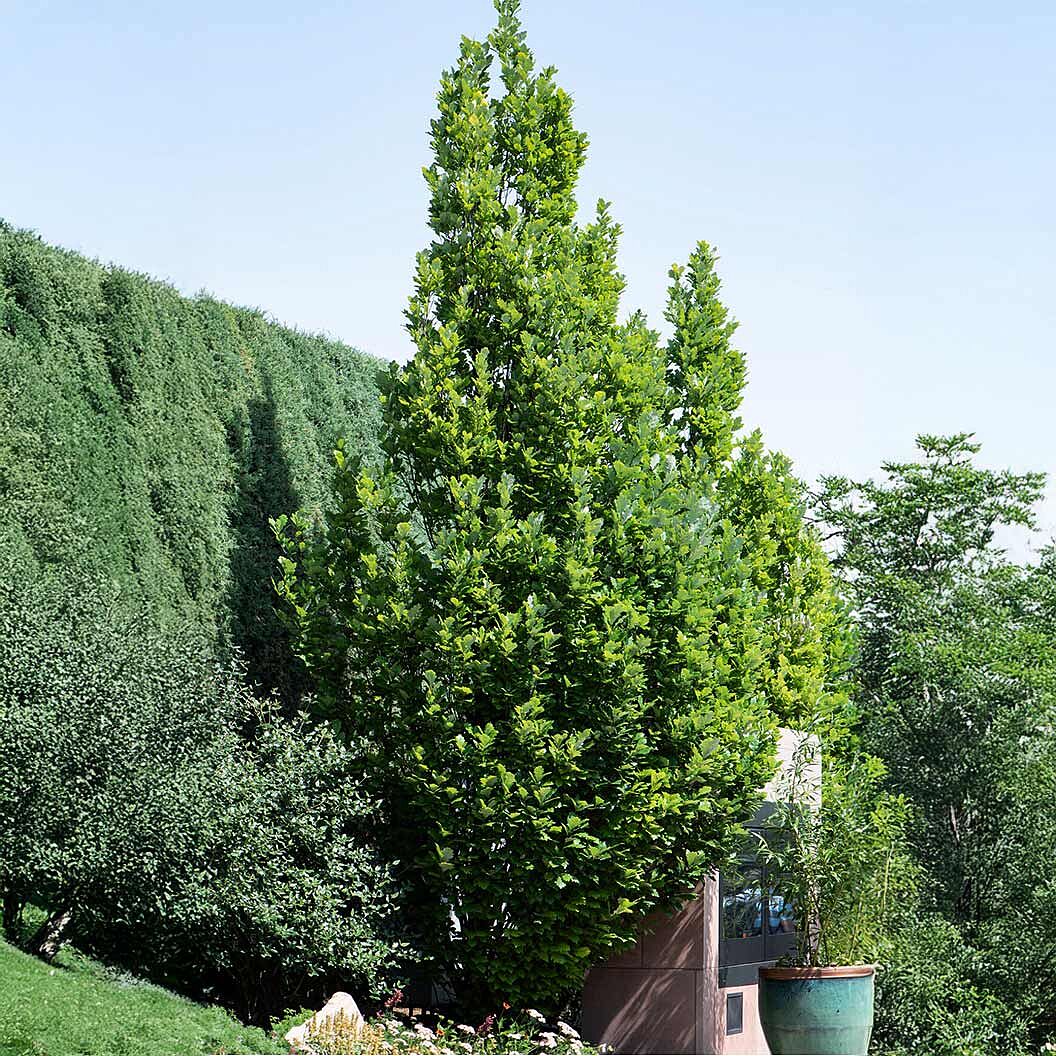
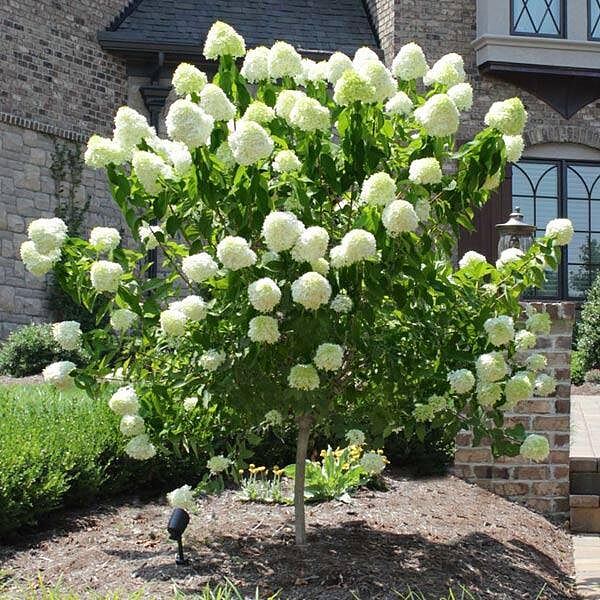
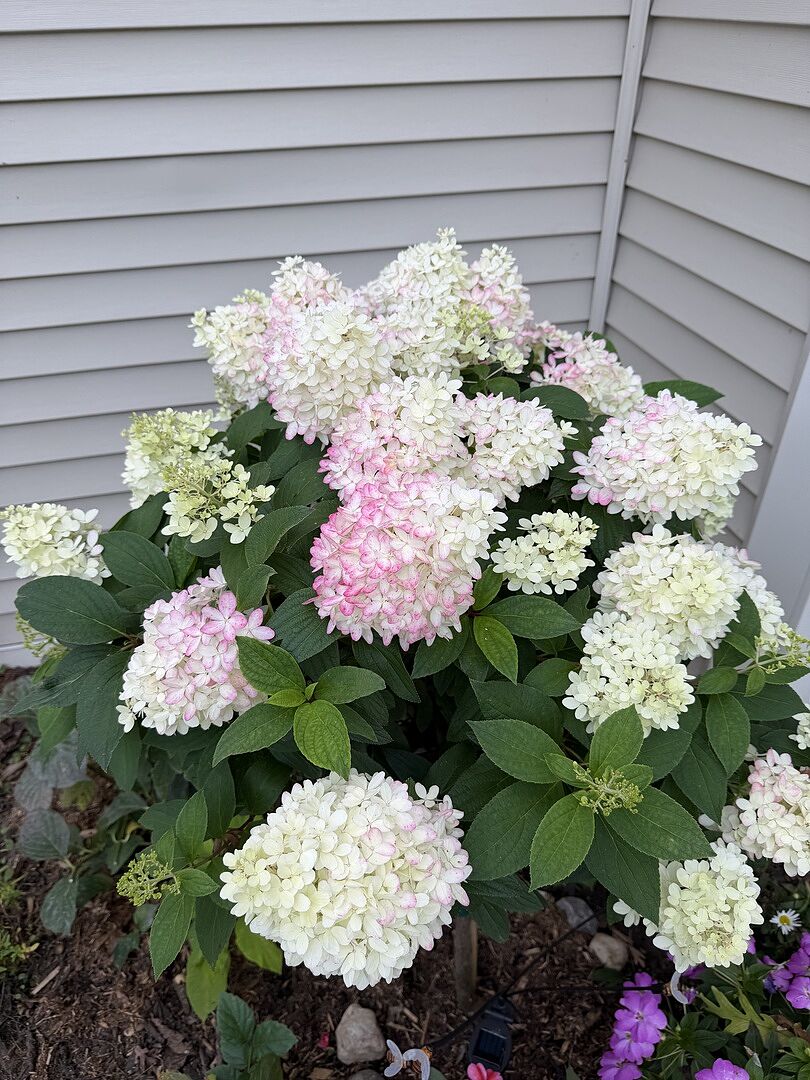
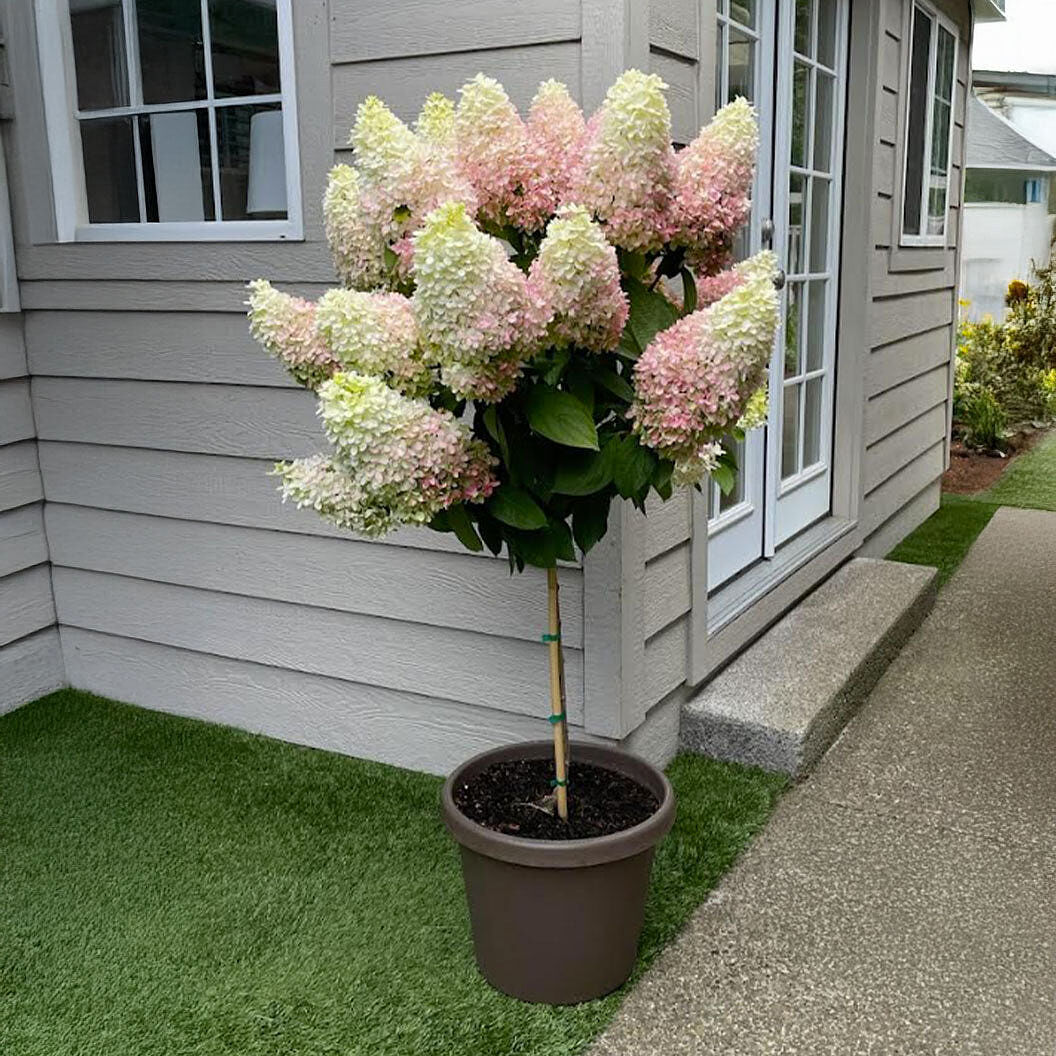
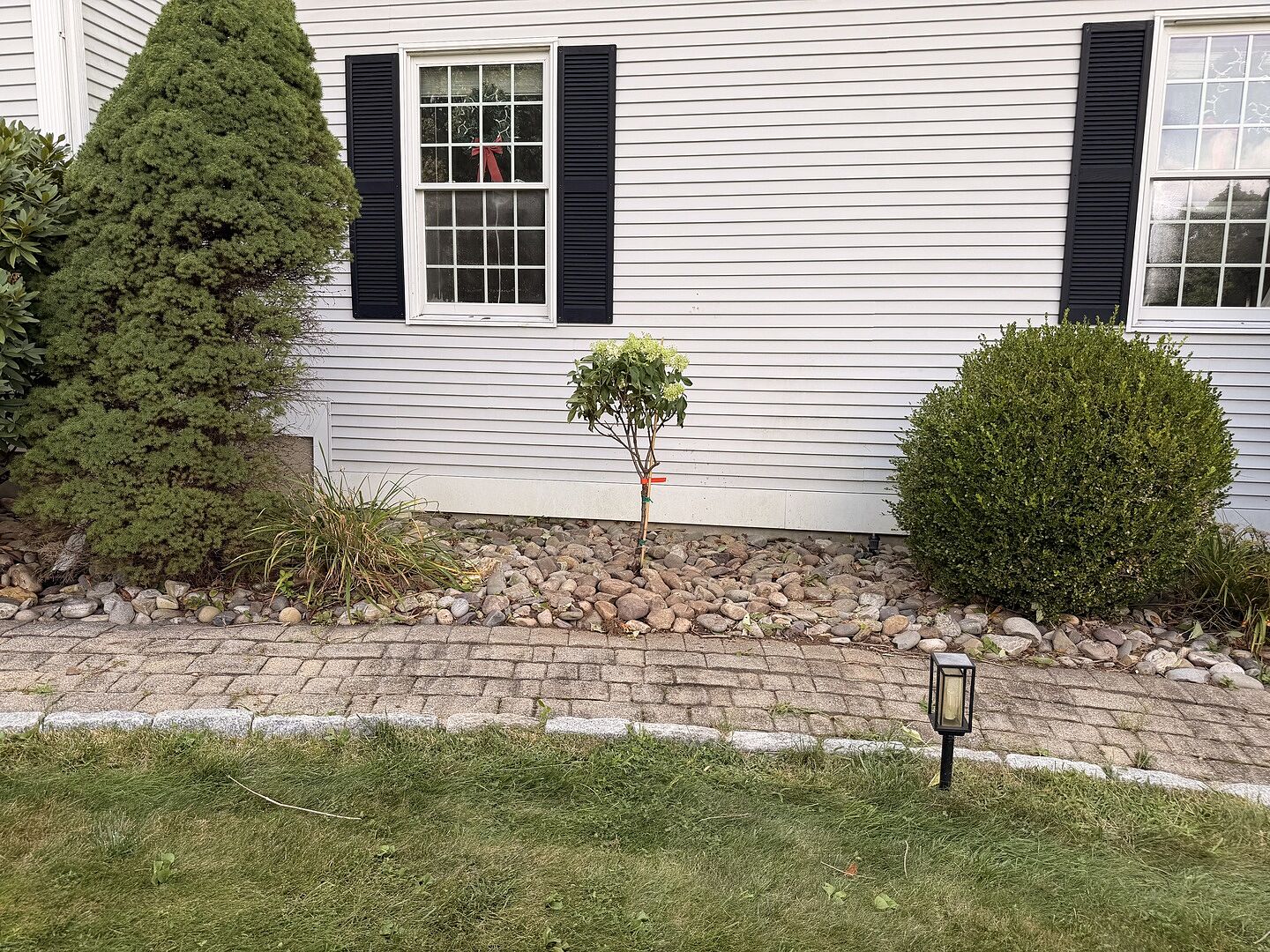
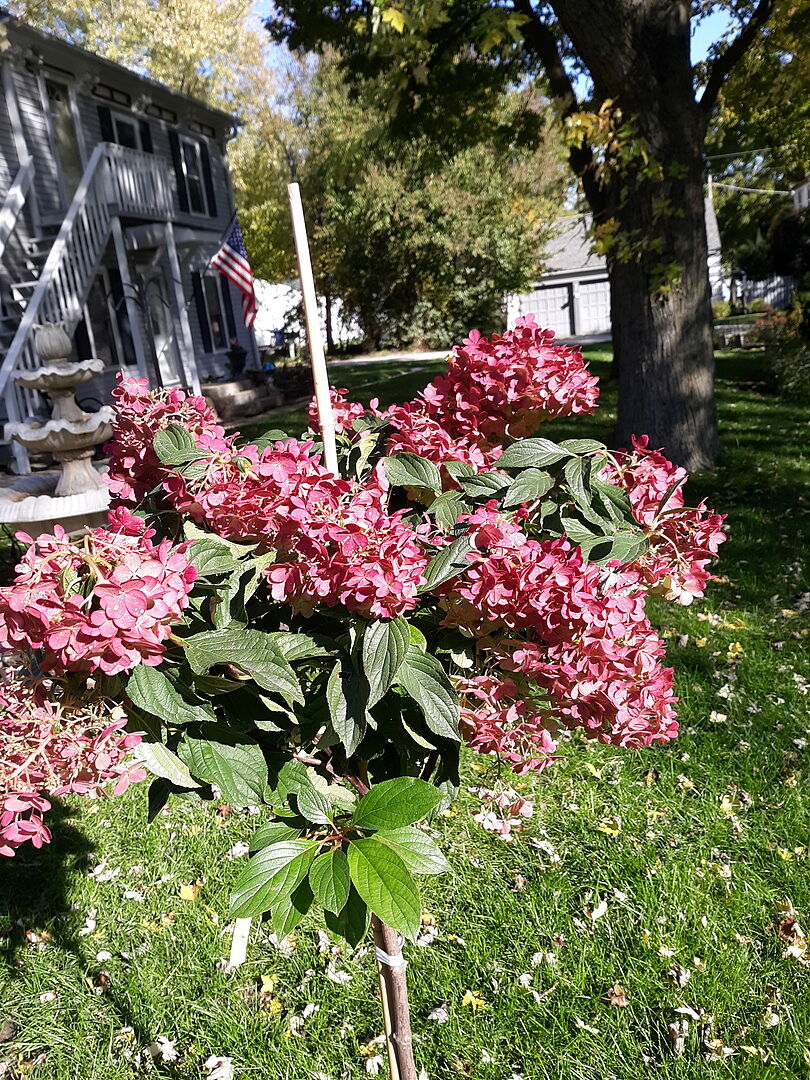
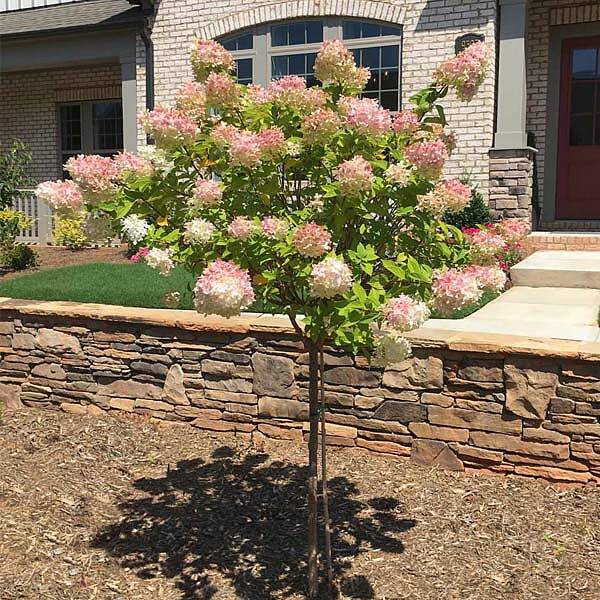
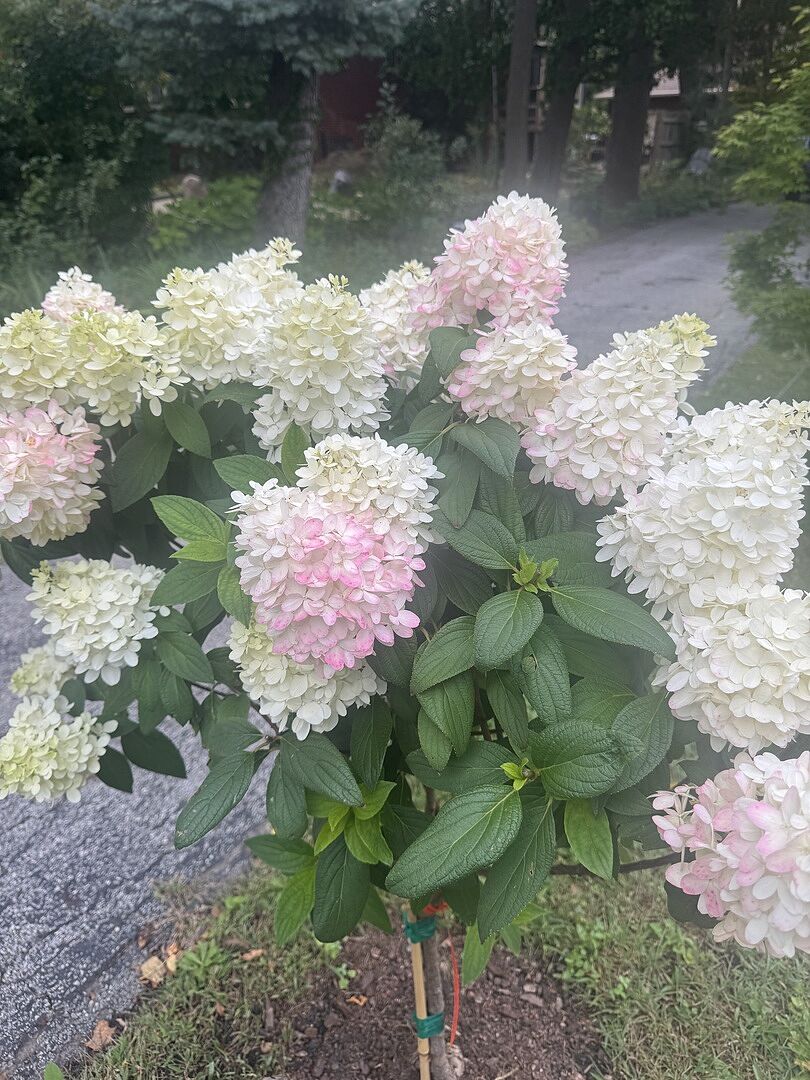
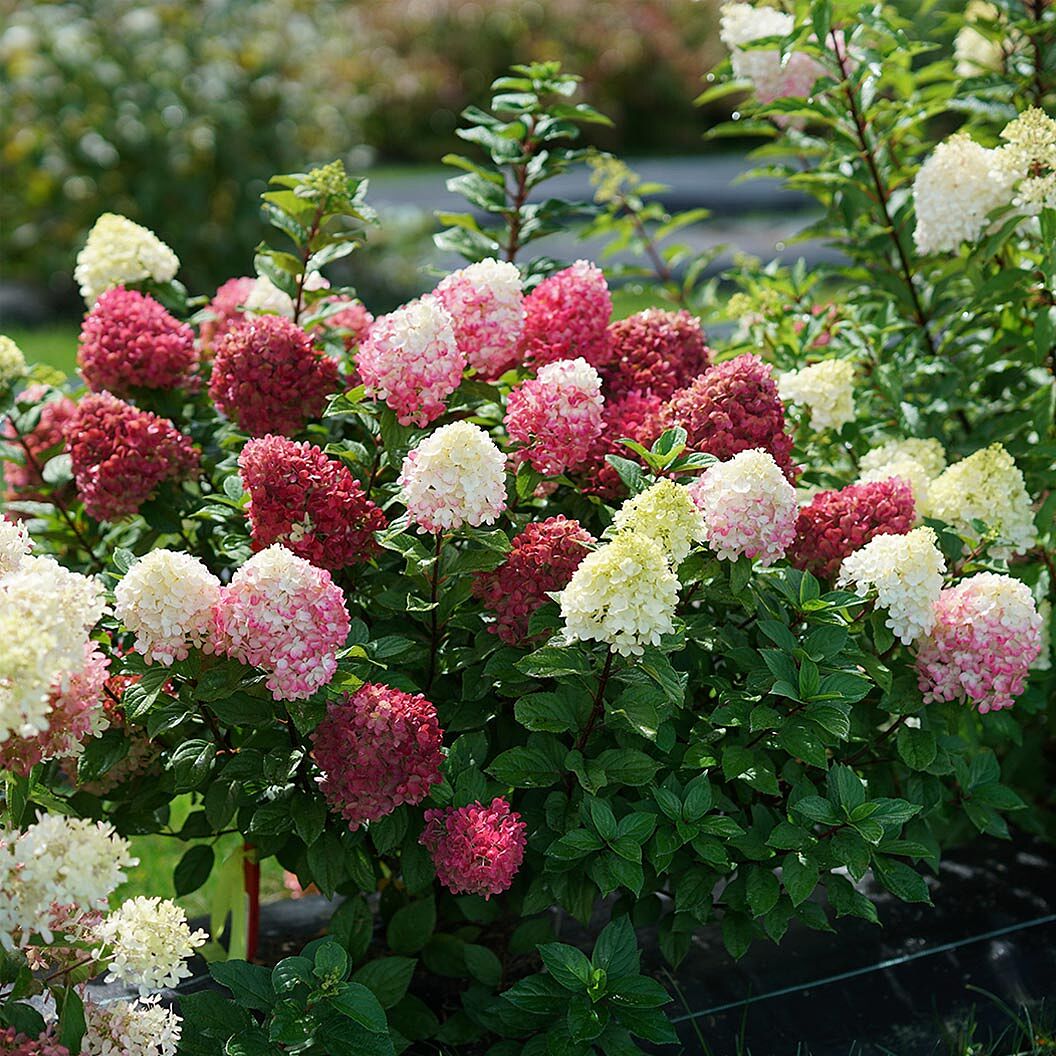
Probably one of the lowest maintenance of all hydrangea types, the panicle hydrangeas are hardy to Zone 3. You can spot a panicle hydrangea by its cone-shaped blossom (shown above). A variety that’s both woody and strong, these easy growers can be pruned to look like trees. They can also reach up to 15 feet tall!
Smooth Hydrangeas

Smooth hydrangeas are called “smooth” for their blossoms’ smooth, round shape. Also known as “snowballs” for their white-bloomed varieties, these plants are an excellent choice for cold climates. And they can tolerate full sun, unlike other hydrangea types, if they receive plenty of water.
Mophead Hydrangeas

Mopheads are actually a subtype of bigleaf hydrangeas. Their flowers can bloom in purple, pink, and blue, depending on soil pH. Also very low maintenance, the mophead hydrangea variety requires absolutely no pruning. Their blooms are huge—as big as, well, the head of your mop.
More Hydrangea Categories
Other, lesser-known hydrangea types include climbing hydrangeas and lacecap hydrangeas.
General Care for Hydrangeas
Different hydrangea varieties may require specific needs, so it’s always good practice to double-check any planting or care instructions that come with your plant. However, below we’ve included some general guidelines for most hydrangea plants. (You can also check out our blog post on Hydrangea Care to see more in-depth advice.)
- Plant your hydrangeas in areas with partial sunlight, prioritizing morning sun (afternoon shade can be too powerful).
- Hydrangeas typically prefer fertile, well-draining soil with plenty of moisture.
- Water your hydrangea well about once per week throughout the growing season (and add more water during droughts or prolonged dry periods).
- Hydrangeas don’t always need to be fertilized. Just check the soil and variety type to find out whether fertilization is necessary.
- Pruning will depend entirely on which type of hydrangea you have. The bigleaf types will require pruning in summer after flowering. Others will need to be pruned in late winter before spring growth. Some won’t require pruning at all
Hydrangea Sizes
How big can a hydrangea get? Size can vary among types, but it’s always recommended you space hydrangeas at least a few feet to allow for growth.
Some hydrangea varieties can grow up to fifteen feet in height! Others stay fairly compact, so ensure that you research your specific variety before committing to a certain location in your yard, potted container, or garden.
Hydrangea Blooming
As with any flowering plant, you want to enjoy its blossoms’ beauty and color for as long as possible! So, which hydrangeas bloom the longest? Many varieties flower in early spring and can continue blooming into fall or early winter.
While it does depend on the level of care as well, the longest-lasting hydrangeas tend to be reblooming hydrangeas (see our suggestions below). These flower on both new and old growth, meaning you get vibrant colors for a majority of the year. A popular group of reblooming hydrangeas is the Endless Summer hydrangeas—aptly named for their long blooming season!
What Kind Do I Have?
Identifying your hydrangea can be quite simple. You can generally decipher the type of hydrangea by:
- Leaf shape
- Whether it’s a climbing plant
- Number of leaves
- Flower colors
- Petiole length (or the stalk that joins a leaf to a stem)
Take note of each of these features, and then use them to do a quick online search. This information will almost always lead to plant identification. Once you know the variety name, you can begin caring for it appropriately.
How to Identify the Main Types of Hydrangeas
The easiest way to identify the main types of hydrangeas is to look at the flower heads, foliage, plant size, and bloom habit. Some hydrangea varieties have large, rounded mophead blooms, while others have cone-shaped flowers, lacecap flowers, or climbing vines.
Bigleaf Hydrangea, or Hydrangea macrophylla, often has rounded mopheads or delicate lacecap blooms and is known for blue or pink flowers depending on soil pH. Panicle Hydrangea, or Hydrangea paniculata, usually has cone-shaped flower heads that start white and often change to pink or red later in the season. Oakleaf Hydrangea, or Hydrangea quercifolia, stands out for its bold, oak-shaped foliage and seasonal leaf color. Smooth Hydrangea, or Hydrangea arborescens, is a North American native known for rounded white flowers and reliable blooming on new wood.
Once you know what to look for, it becomes easier to find the right type of hydrangea for your garden and understand how much space, sun, and pruning each plant may need.
Why Some Hydrangeas Bloom Better Than Others
If your hydrangea is growing well but not blooming, the issue usually comes down to pruning, winter damage, sunlight, or plant type. Some hydrangeas bloom on old wood, meaning their flower buds form on stems from the previous season. Others bloom on new wood, meaning flowers form on new growth that emerges in spring.
Bigleaf hydrangeas bloom on old wood, so pruning too late in the season can remove the flower buds before they open. Oakleaf Hydrangea also blooms on old wood, so it benefits from careful pruning after flowering. Panicle Hydrangea and Smooth Hydrangea bloom on new wood, making them more forgiving and often easier to maintain.
Light also matters. Many hydrangeas prefer full sun to part shade, but the best balance depends on your climate. In warmer regions, afternoon shade can help protect the foliage and keep the plant from drying out. In cooler areas, more sun can help encourage stronger blooms.
What Flower Shape Says About Your Hydrangea Type
Hydrangea flowers can tell you a lot about the plant you have. Mophead hydrangeas have large, rounded flower heads that create a full, showy look in the landscape. These are often Bigleaf Hydrangea varieties and may produce blue, pink, or purple blooms depending on soil pH.
Lacecap hydrangeas have flatter flower heads with smaller center flowers surrounded by larger outer petals. A white lacecap or blue and pink lacecap can give the garden a softer, more delicate look. Panicle Hydrangea varieties have cone-shaped blooms that often start white and age to white to pink, red, or deeper tones in late summer.
Smooth Hydrangea varieties are known for rounded flower clusters, often with white blooms. Climbing Hydrangea, or Hydrangea petiolaris, has lacecap-style flowers and grows as a vine, making it a unique hydrangea option for walls, fences, and shaded structures.
Different Kinds of Hydrangeas
What are the different kinds of hydrangea plants? We’ll dive into the multitude of varieties soon, but first, let’s take a look at the most common and popular types!
Most Common Type
Bigleaf hydrangeas are the most common type of hydrangea in the United States. They include the mophead, lacecap, and mountain hydrangeas.
Most Popular
The most popular hydrangeas are also the most common—the bigleaf hydrangeas! As far as color is concerned, most people lean toward bigleaf hydrangeas that produce pink and blue flowers, depending on soil acidity.
Easiest Maintenance
The “beginner” hydrangeas, or one that requires the lowest maintenance, are the oakleaf varieties. Not only do they tolerate colder weather and can withstand drought, but they are also more resistant to diseases and pests. These hydrangeas can even grow in sandy soil, and they love the sun!
The Hydrangea Plant: Tree or Bush?
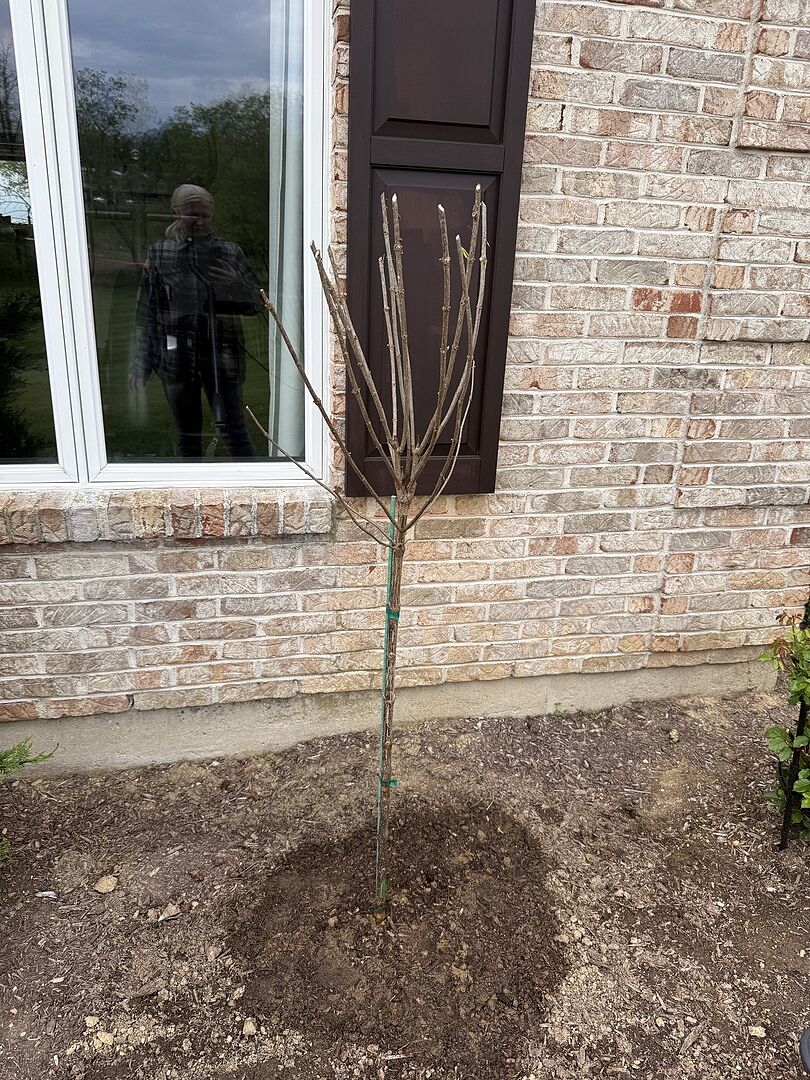
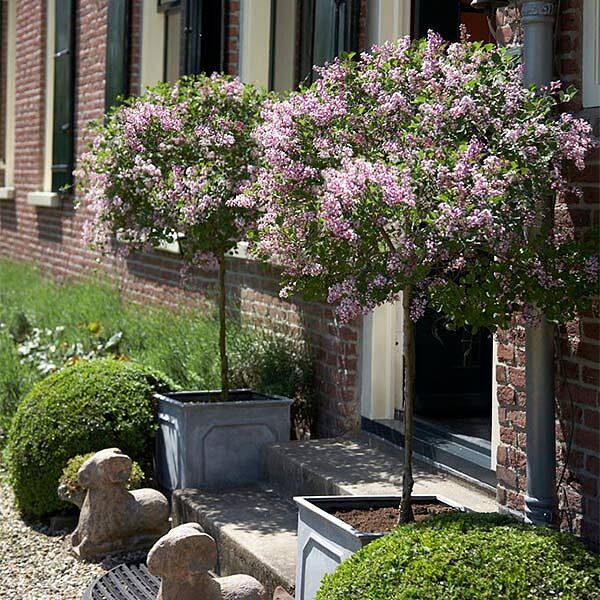
Is there such a thing as a hydrangea tree? While all hydrangeas are technically shrubs, some varieties can be carefully pruned to look similar to trees, like those in our Hydrangea Trees collection.
Mountain Hydrangeas
Mountain hydrangeas are closely related to Bigleaf Hydrangea, but they are often more compact and hardy. Many mountain hydrangeas produce lacecap flowers, giving them a soft, elegant look that works beautifully in garden beds, borders, and smaller landscapes.
This type of hydrangea is a good choice for gardeners who like the color range of Hydrangea macrophylla but want a plant that may handle colder conditions a bit better. Many varieties can produce blue or pink flowers depending on soil pH, so they offer that classic color-shifting hydrangea charm.
Mountain hydrangeas are also useful in spaces where a large shrub may feel too big. Their more compact size makes them easier to place near walkways, patios, or mixed garden plants.
Climbing Hydrangea, or Hydrangea Petiolaris
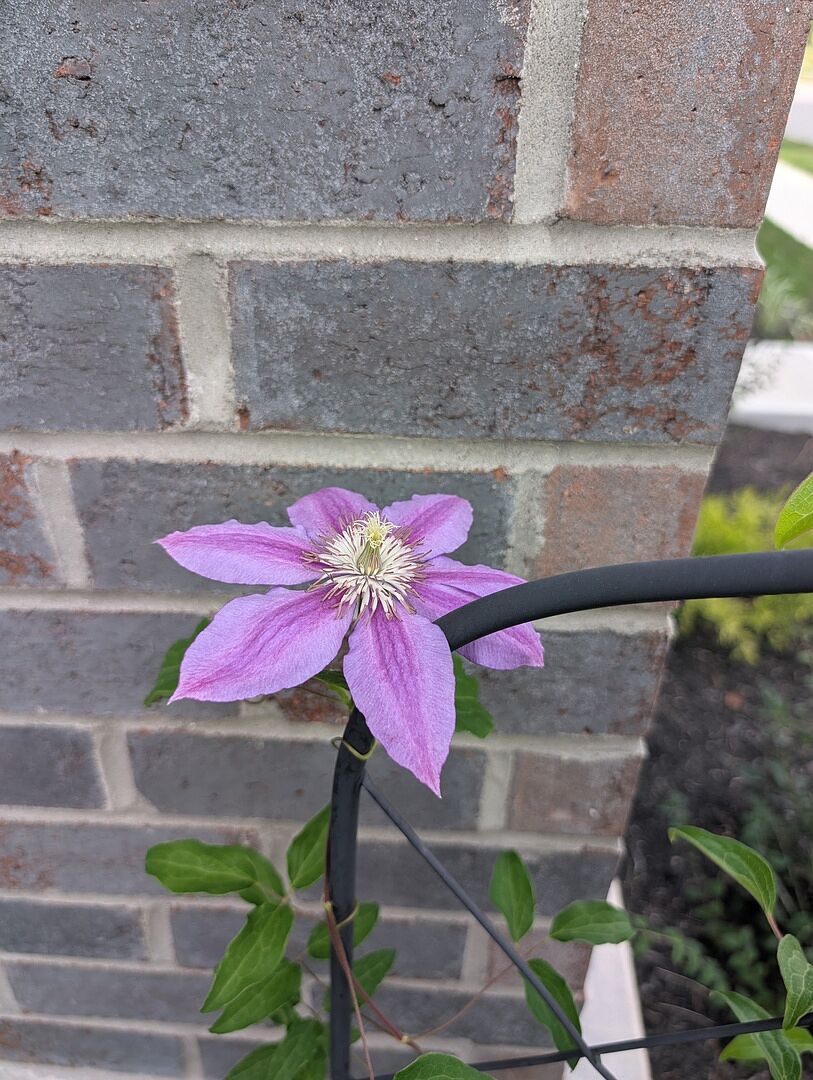
Climbing Hydrangea, or Hydrangea petiolaris, is different from most hydrangea species because it grows as a vine instead of a rounded shrub. Once established, it can climb walls, fences, arbors, and shaded structures, adding rich foliage and beautiful hydrangea flowers to vertical spaces.
This type of hydrangea is known for white lacecap flowers and a graceful, natural look. It can take a little patience at first, but mature plants can become a standout feature in the landscape.
Climbing Hydrangea is a smart option if you want hydrangeas but do not have much room for a wide shrub. It brings height, texture, and seasonal bloom to areas where traditional hydrangea varieties may not fit.
Hardy Hydrangeas for Colder Climates
For colder climates, Panicle Hydrangeas and Smooth Hydrangeas are often dependable choices. These hardy hydrangea types bloom on new wood, which means they can still flower even if winter weather damages older stems.
Panicle Hydrangea, including popular varieties like Limelight Hydrangea and PeeGee Hydrangea, is known for cone-shaped blooms that start out white and often change to pink later in the season. Many can grow 6 feet tall or more, making them a strong choice for borders, privacy plantings, and foundation areas.
Smooth Hydrangea, or Hydrangea arborescens, is another reliable option. Annabelle Hydrangea and Incrediball Hydrangea are popular varieties known for large white flower heads and easy care. These hydrangeas bloom on new wood, so they are often easier to prune and manage in colder USDA hardiness zones.
Old Wood vs. New Wood: Why It Matters for Hydrangea Blooms
One of the biggest differences between hydrangea varieties is whether they bloom on old wood or new wood. This matters because it affects when you should prune, how flower buds form, and why some hydrangeas bloom beautifully one year but not the next.
Old wood refers to stems that grew during the previous season. New wood refers to fresh growth that emerges in spring. Some hydrangeas set their flower buds months before they actually bloom, while others create buds on new growth during the current season.
Knowing whether your hydrangea blooms on old wood or new wood can help you protect future flowers, shape the plant at the right time, and avoid pruning mistakes that remove the flower buds before they open.
Which Hydrangeas Bloom On Old Wood?
Bigleaf Hydrangea, or Hydrangea macrophylla, typically blooms on old wood. This group includes many mophead hydrangea and lacecap types, including varieties known for blue or pink flower heads depending on soil pH.
Oakleaf Hydrangea, or Hydrangea quercifolia, also blooms on old wood. This North American native is loved for its bold foliage, large flower heads, and seasonal leaf color. Because these hydrangeas bloom on old wood, it is best to prune them shortly after flowering, if needed.
Mountain hydrangeas are closely related to bigleaf types and often behave in a similar way. Many are hardy, compact, and known for delicate lacecap flowers, making them a beautiful hydrangea option for garden beds and smaller landscapes.
Which Hydrangeas Bloom On New Wood?
Panicle Hydrangea, or Hydrangea paniculata, blooms on new wood. That means its flowers form on new growth during the same season, making it one of the easiest main types of hydrangeas to prune and maintain. Popular varieties like Limelight Hydrangea and PeeGee Hydrangea are part of this group, and many start white before aging to pink, red, or deeper tones later in the season.
Smooth Hydrangea, or Hydrangea arborescens, also blooms on new wood. Smooth hydrangeas bloom reliably in many climates and are often considered a hardy hydrangea choice. Annabelle Hydrangea and Incrediball Hydrangea are well-known examples, with showy white flowers that bring classic charm to the summer garden.
Because panicle and smooth hydrangeas produce flowers on new wood, they are often more forgiving if winter weather damages older stems. They can usually be pruned in late winter or early spring before new growth begins.
How To Prune Hydrangeas Without Removing Flower Buds
Before you prune, identify your type of hydrangea. If you are unsure whether you have a bigleaf hydrangea, panicle hydrangea, oakleaf hydrangea, smooth hydrangea, or climbing hydrangea, look at the flower shape, foliage, size, and bloom time to help you identify it.
For old wood bloomers, avoid heavy pruning in fall, winter, or early spring because you may remove the flower buds. Instead, trim only dead or damaged stems and shape the plant after it blooms.
For new wood bloomers, prune before new growth emerges in spring. This helps encourage fresh stems and strong hydrangea flowers. When in doubt, prune lightly. A careful trim is better than cutting too much and losing a season of blooms.
Hydrangea Growing Conditions by Type
The best hydrangea for your yard depends on more than flower color. Light, soil, space, USDA hardiness zones, and overall climate all play a role in helping you find the right one for your garden.
Some hydrangea species are better for full sun, while others prefer full sun to part shade. Some grow into large shrubs that reach 6 feet tall or more, while a dwarf hydrangea may stay compact enough for containers, entryways, and smaller garden beds.
Use this part of the guide to hydrangea types to match each plant with the conditions it prefers, so your hydrangea can settle in with less stress and reward you with strong blooms season after season.
Best Hydrangeas For Full Sun To Part Shade
Panicle hydrangeas are often the best hydrangea choice for sunnier spaces. Hydrangea paniculata varieties can usually handle more full sun than other types, especially when they receive consistent moisture. These are great garden plants for borders, foundation plantings, and sunny spots where other hydrangeas may struggle.
Bigleaf Hydrangea and mountain hydrangeas usually prefer part shade, especially in warmer climates. Morning sun with afternoon shade is often ideal because it gives the plant enough light to bloom while protecting the foliage from harsh heat.
Oakleaf Hydrangea also performs well in full sun to part shade, depending on the region. In hotter areas, afternoon shade can help preserve its bold leaves and white blooms. Smooth Hydrangea can also grow in part shade and is often valued for its reliable flowers on new wood.
Best Hydrangeas By USDA Hardiness Zone
Always check the USDA hardiness range before choosing a hydrangea variety. A plant that thrives in one region may struggle in another if winter temperatures, summer heat, or humidity are not a good match.
Panicle Hydrangea and Smooth Hydrangea are usually among the hardier options. These types are good choices for gardeners who want reliable blooms and easier pruning. Many panicle varieties can grow 6 feet tall or more, while smooth types can offer large white flower heads on a more rounded shrub.
Bigleaf Hydrangea and some mopheads may need more winter protection in colder zones because they often bloom on old wood. If cold weather damages the stems or buds, blooms may be limited. Reblooming varieties can help because they may flower on both old and new wood.
Climbing Hydrangea, or Hydrangea petiolaris, is a unique hydrangea that grows as a vine. It is a slower starter, but once established, it can bring white lacecap flowers and rich greenery to walls, fences, and shaded structures.
How Soil pH Affects Blue And Pink Hydrangea Blooms
Soil pH can influence the flower color of some Hydrangea macrophylla varieties. In acidic soil, certain bigleaf hydrangeas may produce blue blooms. In more alkaline soil, those same varieties may shift from blue to pink or pink depending on soil conditions.
This color change is most common in bigleaf and some mountain hydrangeas. It does not apply the same way to every type of hydrangea. Panicle Hydrangea, Smooth Hydrangea, Oakleaf Hydrangea, and Climbing Hydrangea typically do not change from blue to pink depending on soil pH.
If you want blue and pink hydrangea flowers, choose a variety known for color-shifting blooms. If you prefer white blooms, look for varieties that start out white and may change to pink as they mature, such as some panicle types. For steady color, check the plant details before buying so you know what to expect in your summer garden.
Choosing the Right Hydrangea
When choosing your hydrangea, you may be overwhelmed by how many different varieties there are. Thankfully, this nifty guide will help break down each one for you so that the choice is much easier!
Reblooming & Long-Blooming Hydrangeas
The most well-known long-bloomers are the Endless Summer® hydrangeas. But there are several different varieties that are considered “reblooming” or have a long-lasting blooming season. We’ve also separated them by color below:
Red and Pink (Purple and Blue) Blooms
Hydrangeas are fascinating because many can change color based on soil acidity. We indicate with an asterisk* the plants that more easily create blue or purple blooms with certain soil pH levels.
- Red Sensation Hydrangea
- Bloomin' Easy Cherry-Go-Round™
- Endless Summer® Hydrangea Shrub*
- Endless Summer® Summer Crush® Hydrangea*
- Endless Summer® BloomStruck® Hydrangea Shrub*
Panicle Hydrangeas (Cone-Shaped Blooms, Low Maintenance)
Panicle hydrangeas have distinct, cone-shaped flower heads. They’re also the type of hydrangea that can be carefully pruned into tree form. Plus, most panicles are cold-hardy, adaptable, and relatively low maintenance.
Hydrangea Trees
Multi-Color Blooms
White Blooms
Unique Hydrangea Varieties
If you’re looking for a hydrangea that’s different from all the rest, we’ve curated several lists based on uncommon growing colors, foliage, or bloom shape.
Hydrangea Vines That Climb!
Compact, Container-Friendly Hydrangeas for Small Spaces
Hydrangeas With Delicately-Petaled Blossoms (Lacecap)
Best Hydrangea for Garden Beds
The best hydrangea for garden beds depends on the size of the space, the amount of sunlight, and the look you want. For large garden beds, Panicle Hydrangea varieties are a strong choice because they can handle more sun and often grow tall and wide enough to create structure in the landscape.
Oakleaf Hydrangea is another beautiful hydrangea option for garden beds, especially if you want bold foliage, white blooms, and seasonal color. Its textured leaves add interest even when the plant is not in bloom.
For softer, classic color, Bigleaf Hydrangea works well in beds with morning sun and afternoon shade. Choose mophead hydrangea varieties for large flower heads, or lacecap types for a lighter, more delicate look.
Best Hydrangea for Containers and Small Spaces
If you have a patio, porch, balcony, or smaller yard, look for a dwarf hydrangea or compact variety that grows well in containers. Many hydrangeas can grow well as containers when they have enough water, good drainage, and the right light exposure.
Compact Bigleaf Hydrangea and mountain hydrangeas are often good choices for smaller spaces because they bring colorful blooms without taking over the garden. Some reblooming varieties can also provide flowers for a longer part of the season.
For containers, choose a pot with drainage holes and place the plant where it gets the right mix of sun and shade. Keep the soil evenly moist, especially in summer, since container plants can dry out faster than hydrangeas planted in the ground.
Best Hydrangea for White, Pink, Blue, or Multicolor Blooms
For white blooms, Panicle Hydrangea and Smooth Hydrangea are great options. Varieties like Limelight Hydrangea often start white before changing to pink, while Incrediball Hydrangea and Annabelle Hydrangea are known for large white flowers.
For blue blooms, look for Bigleaf Hydrangea or mountain hydrangeas that can shift color depending on soil pH. In more acidic soil, some Hydrangea macrophylla varieties may produce blue flowers. In more alkaline soil, those same plants may bloom pink.
For pink or red tones, Panicle Hydrangea varieties are a great fit because many start out white and change to pink or deeper colors as the flowers mature. If you want multi-color blooms, choose varieties that naturally age through several shades over the season or types that can produce blue and pink depending on soil conditions.
A Wide Variety of Hydrangeas
With so many different hydrangea options, how could one possibly choose? These plants are choice perennials among gardeners for various reasons—each shrub has something to offer, whether it be low maintenance color, big, showy blossoms, a long blooming season, or dense, compact foliage.
To find inspiration for your home garden space, shop our full Hydrangea Collection now! And check out our Complete Hydrangea Guide to choose the right type for you.
Frequently Asked Questions About Hydrangea Types
What are the main types of hydrangeas?
The main types of hydrangeas include Bigleaf Hydrangea, Panicle Hydrangea, Oakleaf Hydrangea, Smooth Hydrangea, Mountain Hydrangea, and Climbing Hydrangea. Each type has different flower shapes, pruning needs, hardiness levels, and landscape uses.
Which hydrangeas bloom on old wood?
Bigleaf Hydrangea, Oakleaf Hydrangea, and many Mountain Hydrangeas bloom on old wood. These types form flower buds on the previous season’s stems, so pruning at the wrong time can remove the flower buds.
Which hydrangeas bloom on new wood?
Panicle Hydrangea and Smooth Hydrangea bloom on new wood. This means their flowers form on new growth that appears in spring, making them easier to prune in late winter or early spring.
What is the best hydrangea for full sun?
Panicle Hydrangea is often one of the best choices for full sun, especially in cooler regions or areas where the plant receives enough moisture. In warmer climates, many hydrangeas benefit from afternoon shade.
What hydrangea changes from blue to pink?
Some Bigleaf Hydrangea and Mountain Hydrangea varieties can change from blue to pink depending on soil pH. Acidic soil can support blue blooms, while more alkaline soil can lead to pink blooms.
What is the best hydrangea for small spaces?
A dwarf hydrangea, compact Bigleaf Hydrangea, or Mountain Hydrangea is often a good choice for small spaces. These varieties can work well in garden beds as well as containers when planted with the right light and moisture conditions.
Which hydrangea is easiest to grow?
Panicle Hydrangea and Smooth Hydrangea are often considered easier to grow because they are hardy, bloom on new wood, and are more forgiving when it comes to pruning. They are good options for gardeners who want dependable blooms with simple care.
Written by
Elizabeth Durham
Though cursed at birth with a black thumb, Elizabeth always dreamed of being a plant person. Turns out she just needed a little guidance—now she’s the proud mama of nearly a dozen house plants! After joining Trees.com as a Content Strategist, she’s expanded her knowledge tenfold and learned how to keep her plants alive…most of the time.
As a newbie in the plant world, Elizabeth understands the struggles of beginner gardeners. And as an experienced writer, she loves creating content that makes difficult concepts easy to understand. In her free time, she enjoys immersing herself in nature through daily lunchtime walks, weekend hikes, and visits to the park with her dog Fred.