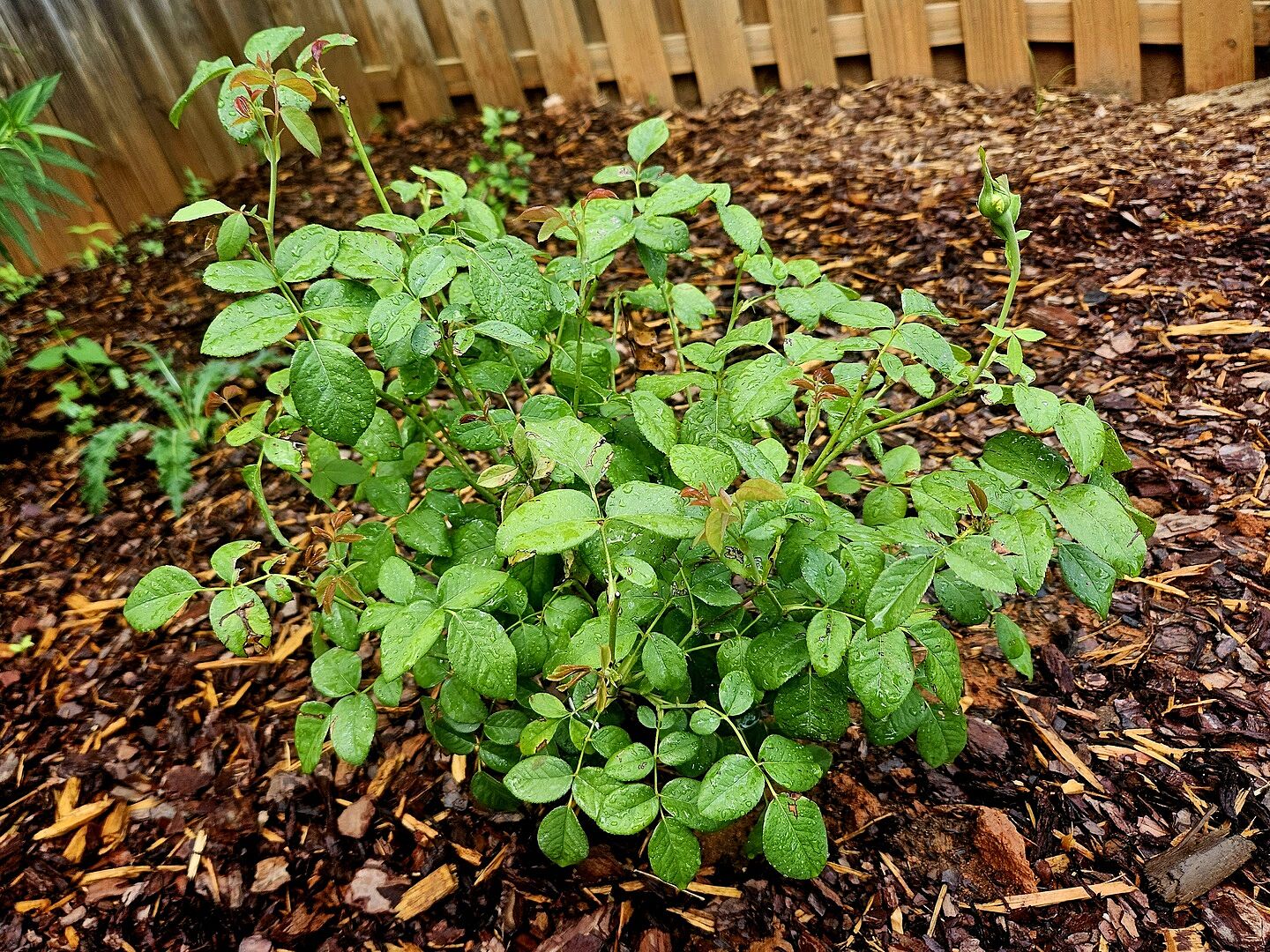
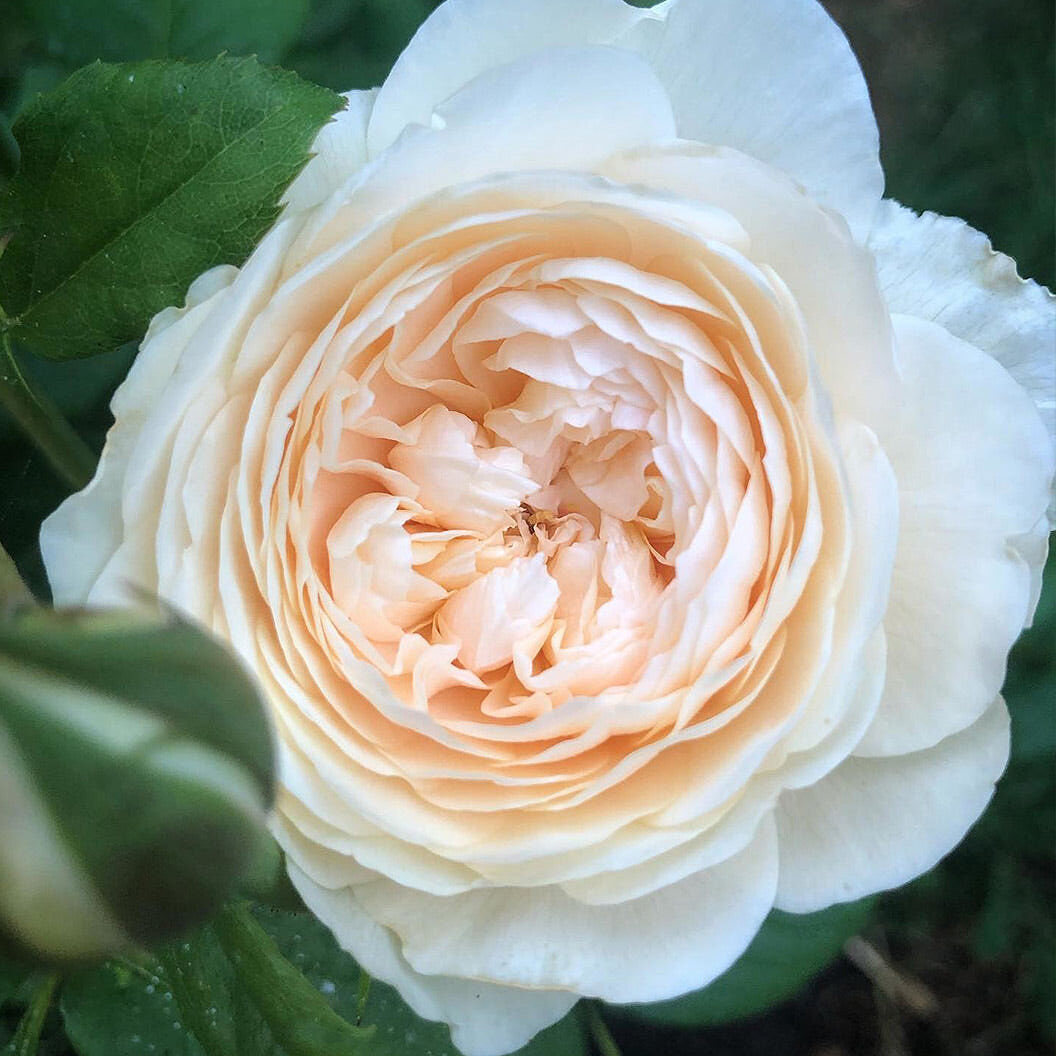
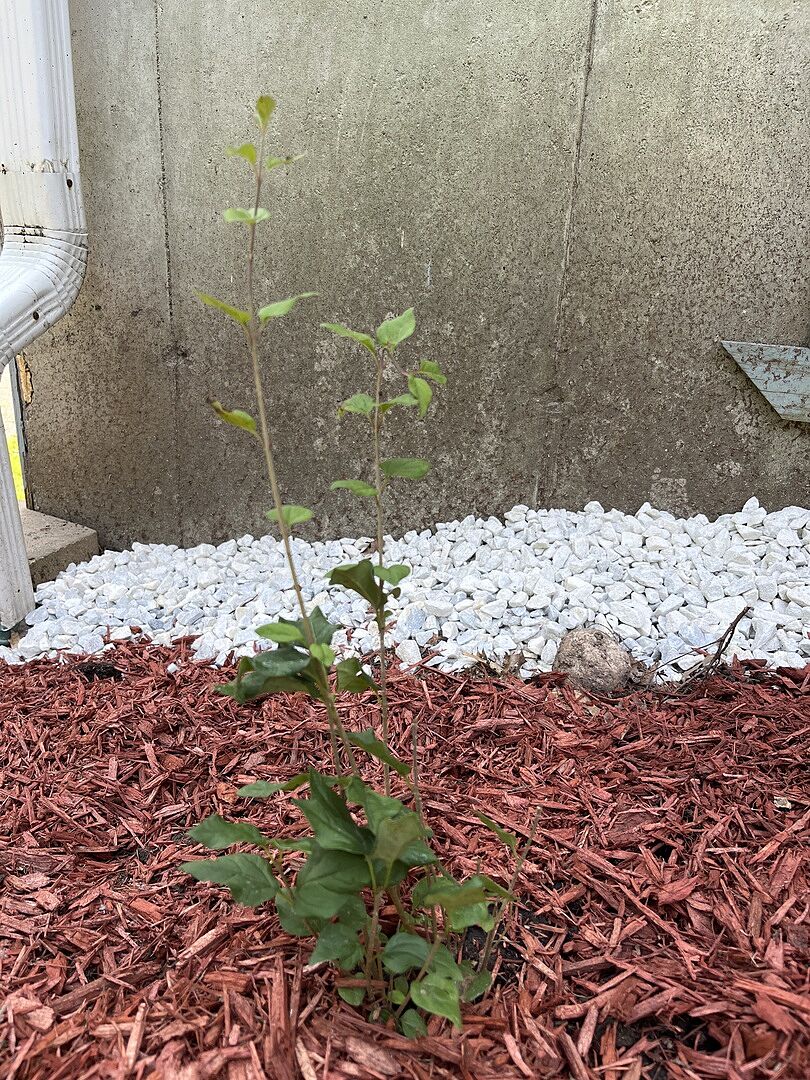
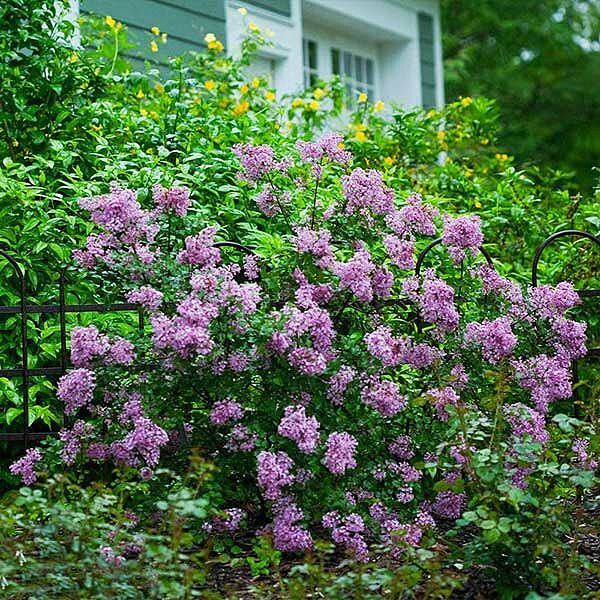
How to Prune Shrubs: Our Easy Tips for Care

Last updated: Sep 12 2019

Key takeaways
Prune shrubs only when needed to improve flowering, shape, reblooming, stem color, or overall plant health, since many shrubs require very little routine pruning.
Use sharp bypass pruners and make clean cuts just above a healthy bud, avoiding heavy old wood where no visible buds remain.
As a general rule, remove no more than one-third of a shrub at a time, either by shortening all stems evenly or removing a few of the oldest stems at the base.
Pruning: Arguably the most intimidating step when it comes to caring for your garden.
But take it from us - pruning is actually pretty simple. All you need to know is the why, the when, and the how. So, how to prune shrubs? It's easy when you follow our quick tips!
Pruning Shrubs: The Why
First thing's first: When in doubt, avoid pruning! Many shrubs don't even require regular pruning to grow healthy and gorgeous.
If you're considering pruning a shrub in your landscape, ask yourself why you want to prune. Here are a few reasons that may come to mind:
- Improve fruiting or flowering
- Shape or change the growth habit
- Encourage reblooming
- Tidy up a plant's appearance
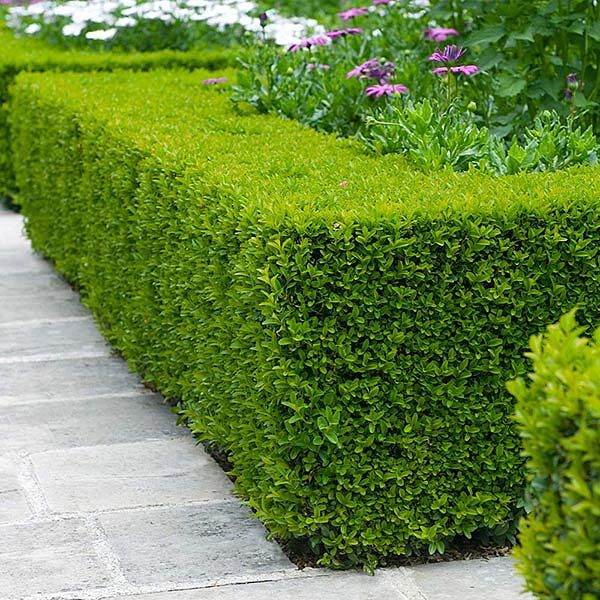
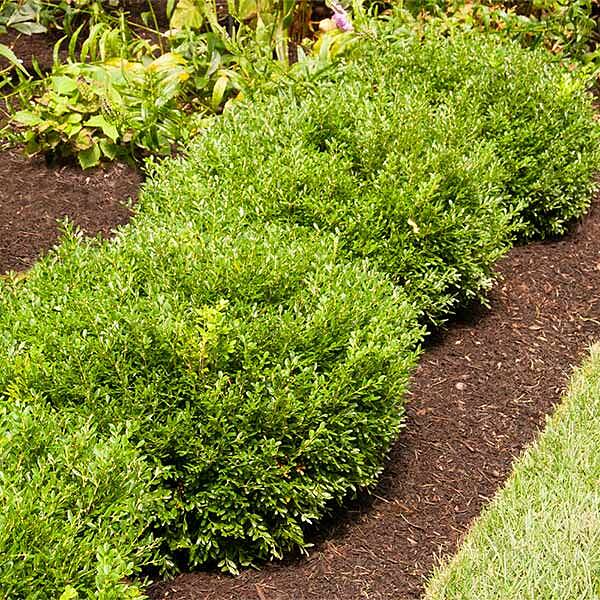
- Create a topiary or hedge
- Improve stem color
How to Prune Shrubs
Ok, so you've made up your mind. You're pruning. Next step: Don't panic! Get your materials together and get prepared. We'll show you exactly how to prune shrubs like a champ.
- Get a sharp pair of bypass pruners for a nice, clean cut.
- Cut your shrub's stems back to just above a large bud or set of buds. The bigger the bud you choose, the thicker and more vigorous future growth will be.
- When you're cutting a stem back, avoid cutting into heavy wood where you can't see buds.
- Make your pruning cuts as small as you can by cutting your stems straight across rather than at an angle.
- As a general rule, you can aim to remove about a third of your plant when pruning. There are two main approaches:
- Cut back the entire shrub evenly. This way, you're shortening the stems and ensuring that your growth comes from large, vigorous buds that are farther down on the plant.

- Remove the about three or four stems entirely, cutting at the base and leaving four or five main stems. This approach encourages new growth from the base, improving the growth habit and health.
When to Prune Shrubs
It all depends on how your shrubs bloom. Shrubs either bloom on old wood or new wood, and the category your shrubs fall into will determine when your prune your shrubs.
Old Wood
When shrubs bloom on old wood, they create their flower buds for next year almost as soon as they finish blooming in the current year. That means that shrubs that bloom on old wood have flower buds for the majority of the year.

Generally, the earlier in spring that a plant blooms, the more likely that it's an old-wood bloomer. However, if you're willing to lose a season of flowering, it's fine to prune these in spring. Here are a few shrub varieties that bloom on old wood and should be pruned immediately after flowering:
- Azaleas
- Deutzias
- Elderberries
- Forsythias
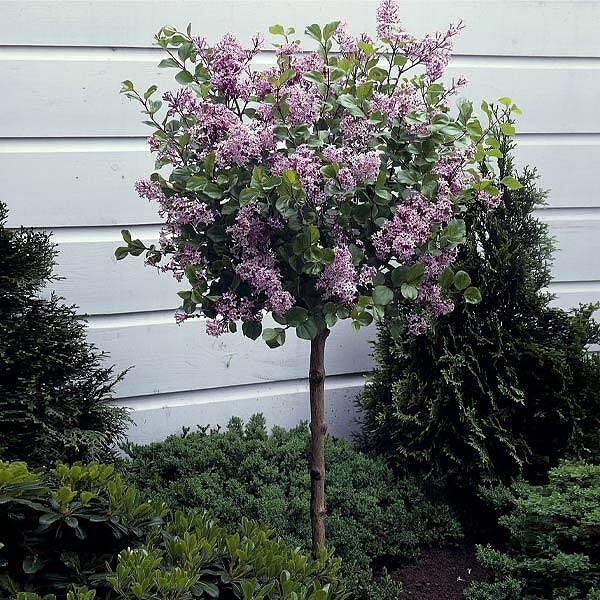
- Lilacs
- Loropetalums
- Ninebarks
- Quinces
- Spireas (technically blooms on new wood but should be pruned after flowering for better foliage)
- Weigelas
New Wood
When shrubs bloom on new wood, they create their flower buds for the year after new growth begins in the spring. That means that these shrubs have flower buds only during the growing season.

You should try to time your pruning for these as new growth is beginning to emerge - this allows you to see where healthy new buds are. Here are a few new-wood bloomers to prune in spring:
- Bluebeards
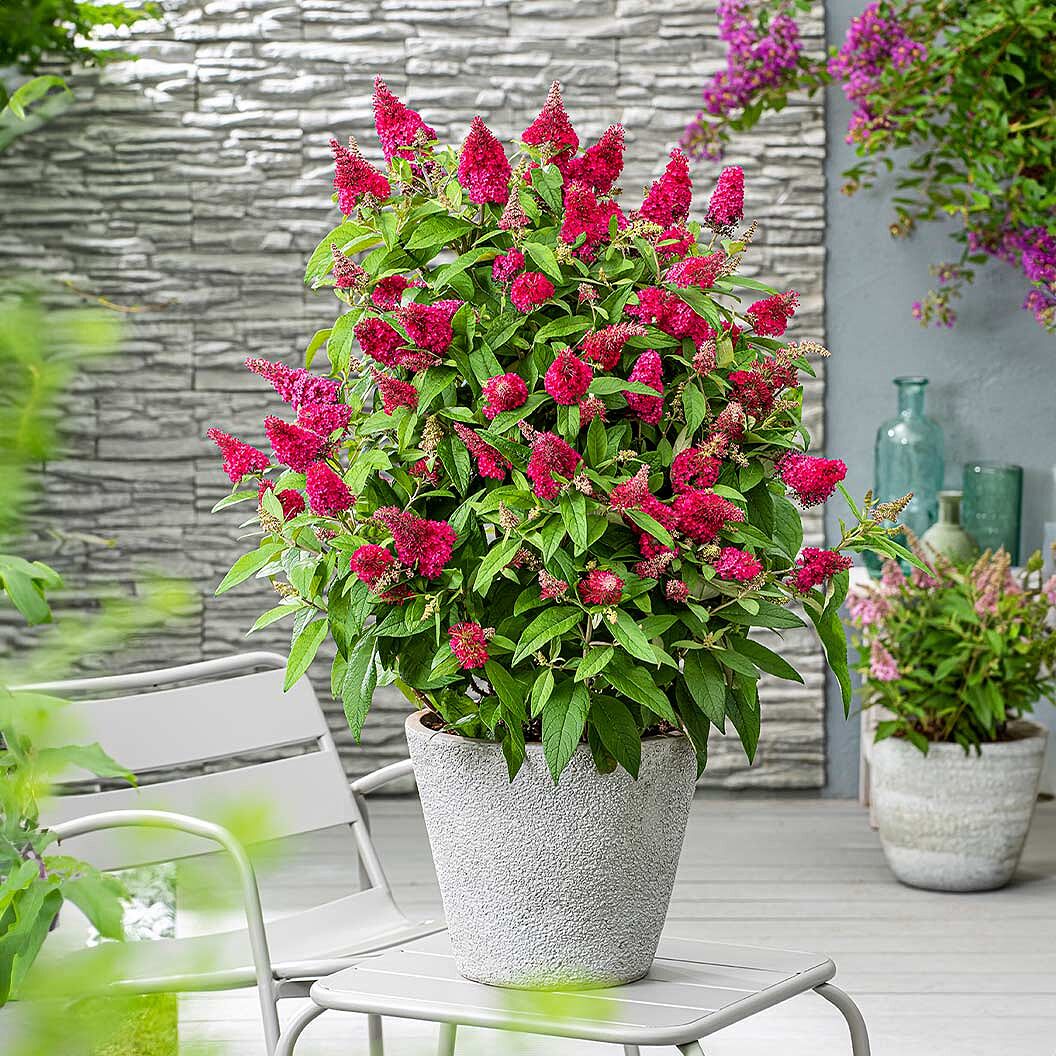
- Butterfly Bushes
- Coral Berries
- Diervillas
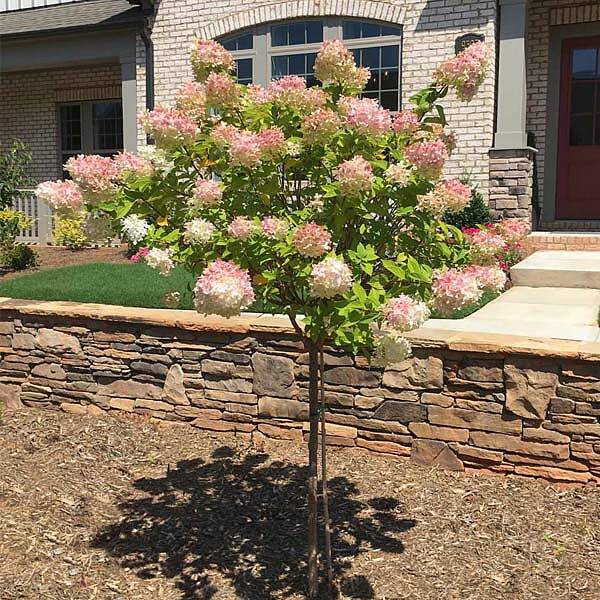
- Smooth Hydrangeas
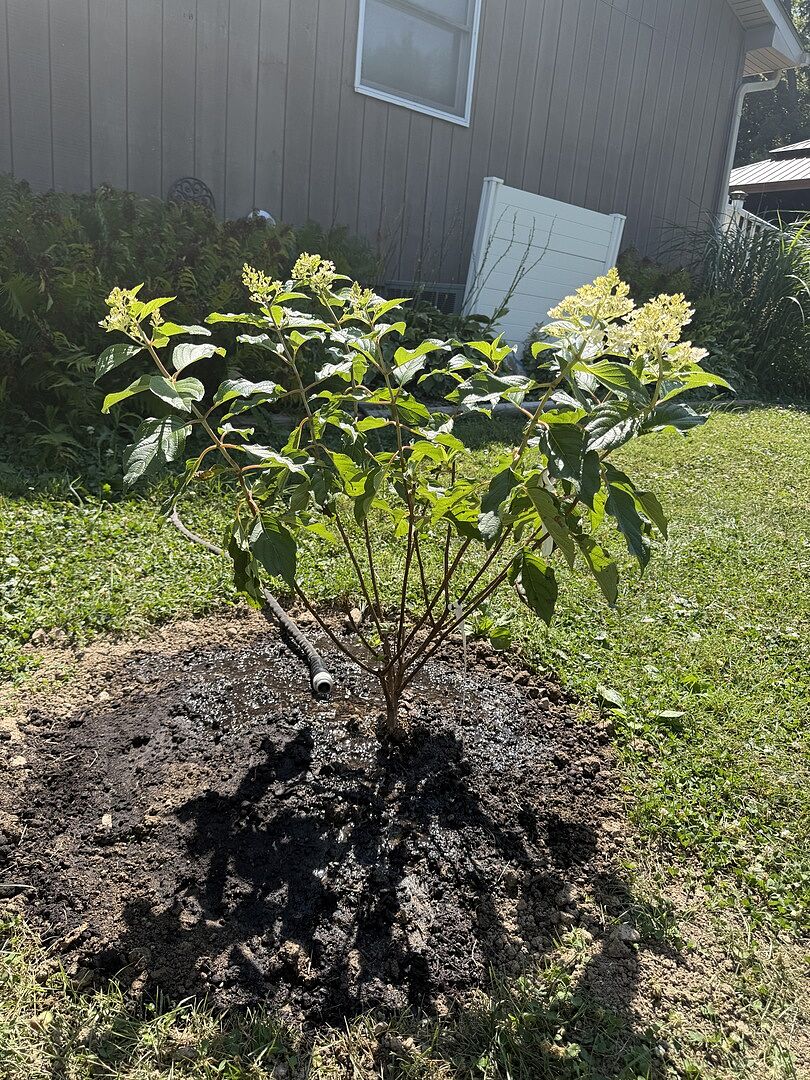
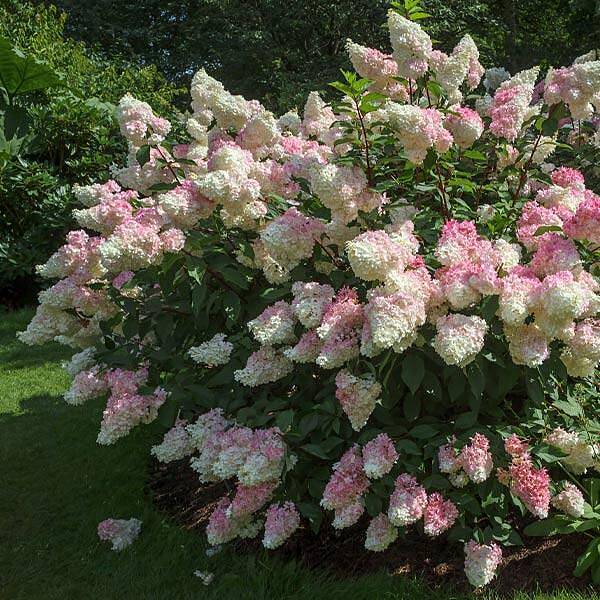
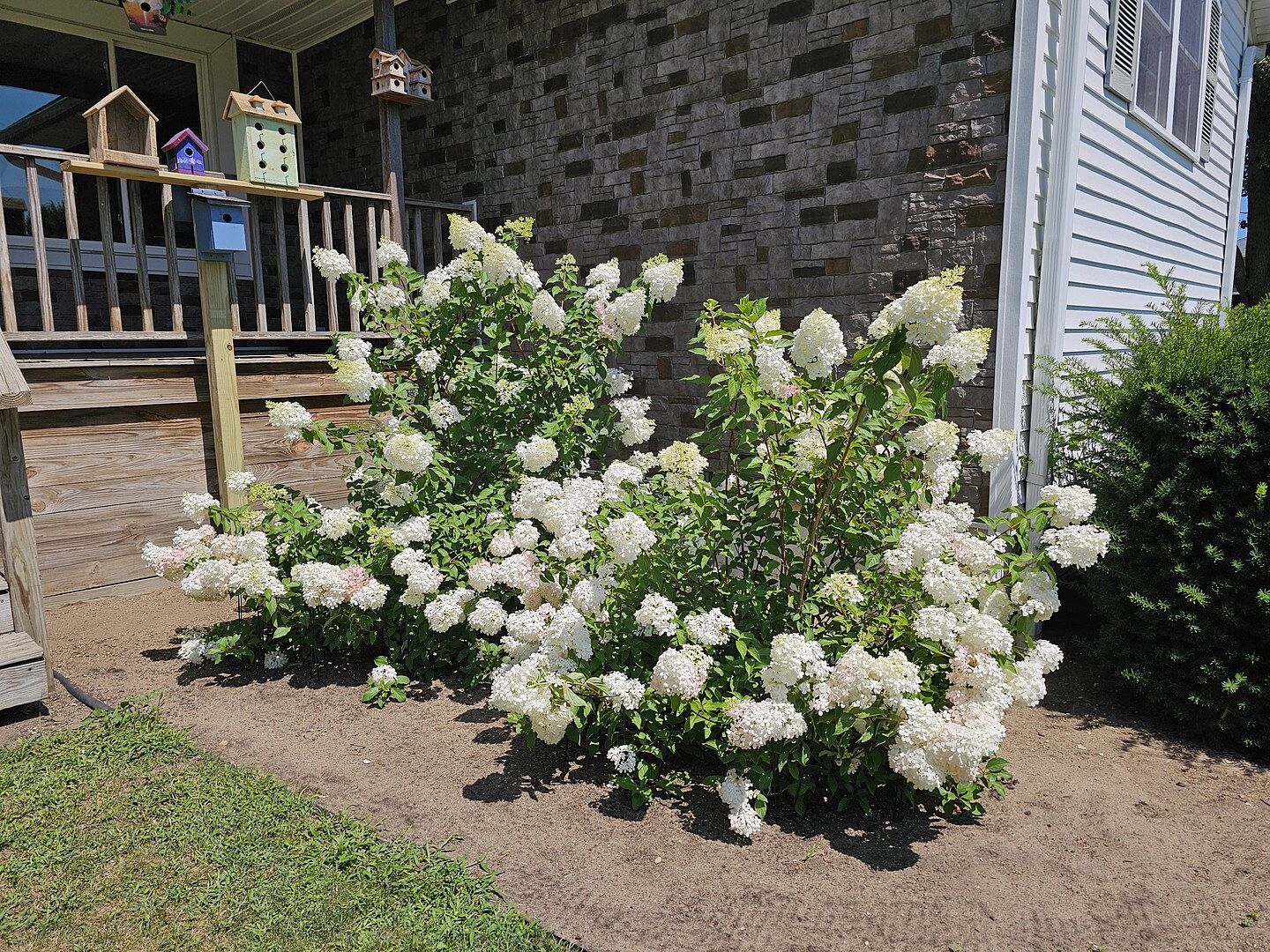
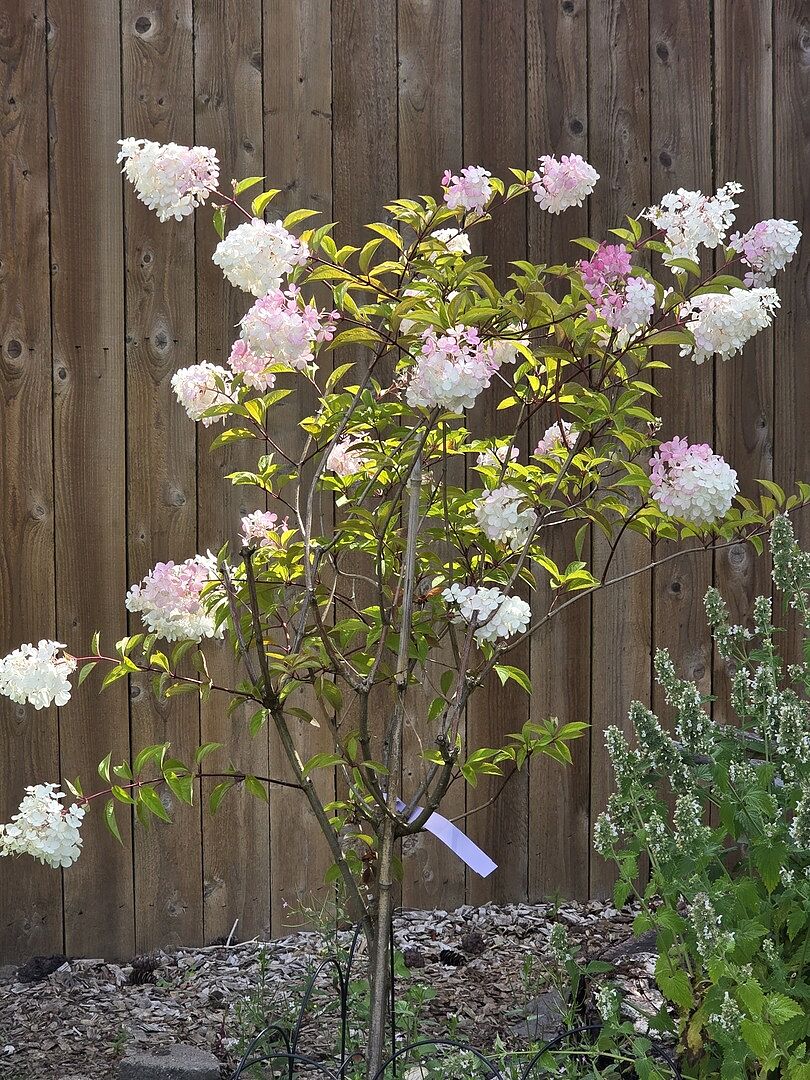
- Panicle Hydrangeas
- Potentillas
- Red Twig Dogwoods (technically blooms on old wood but should be pruned in early spring for longer recovery period)
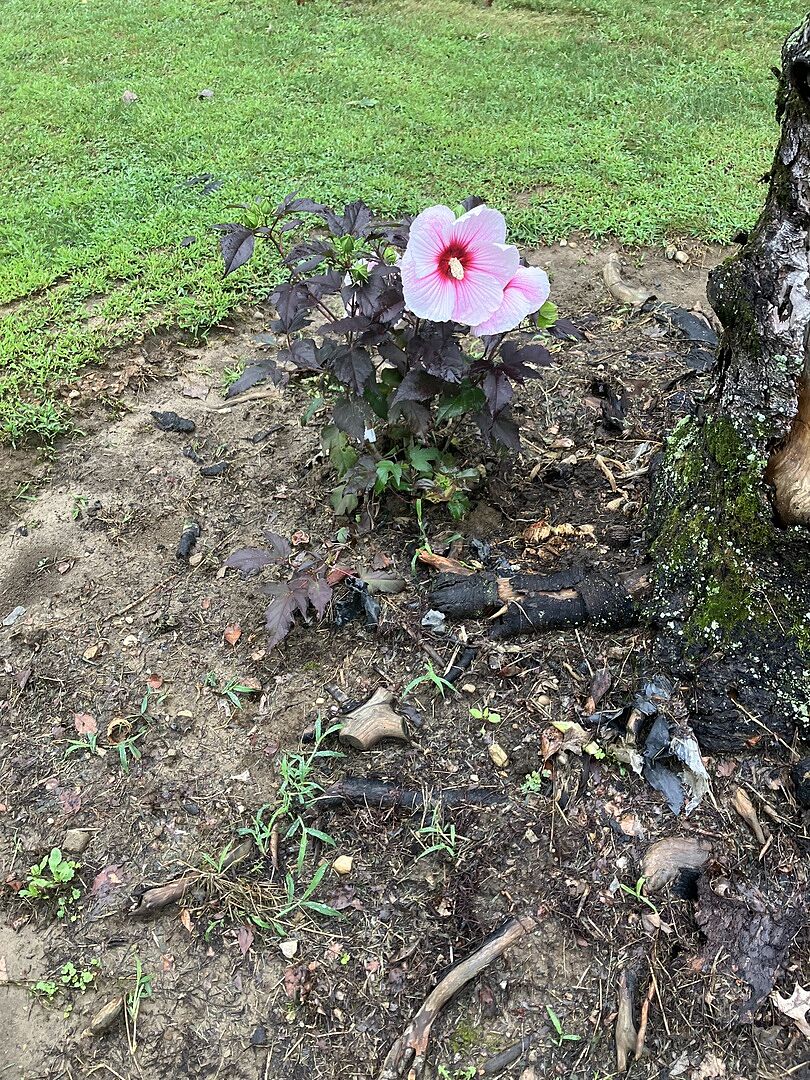
- Rose of Sharons
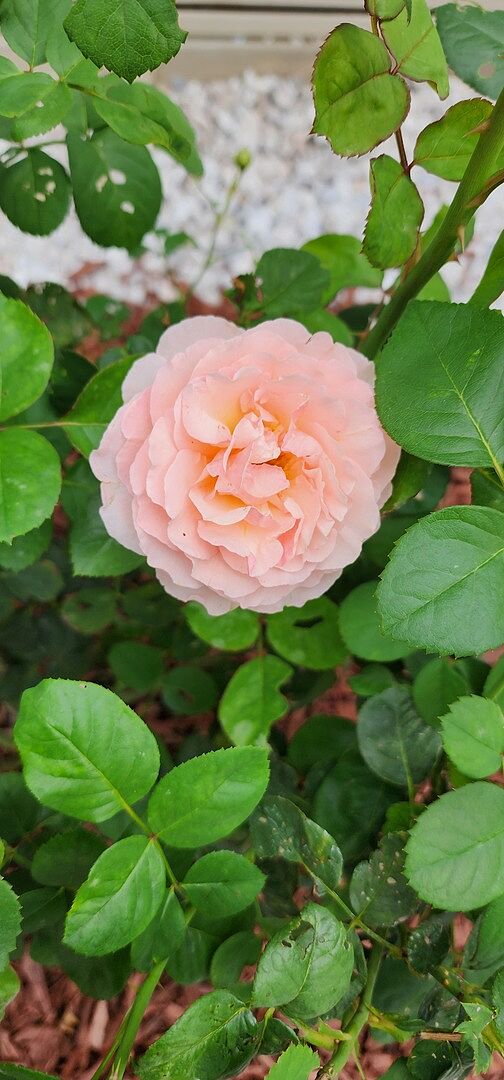
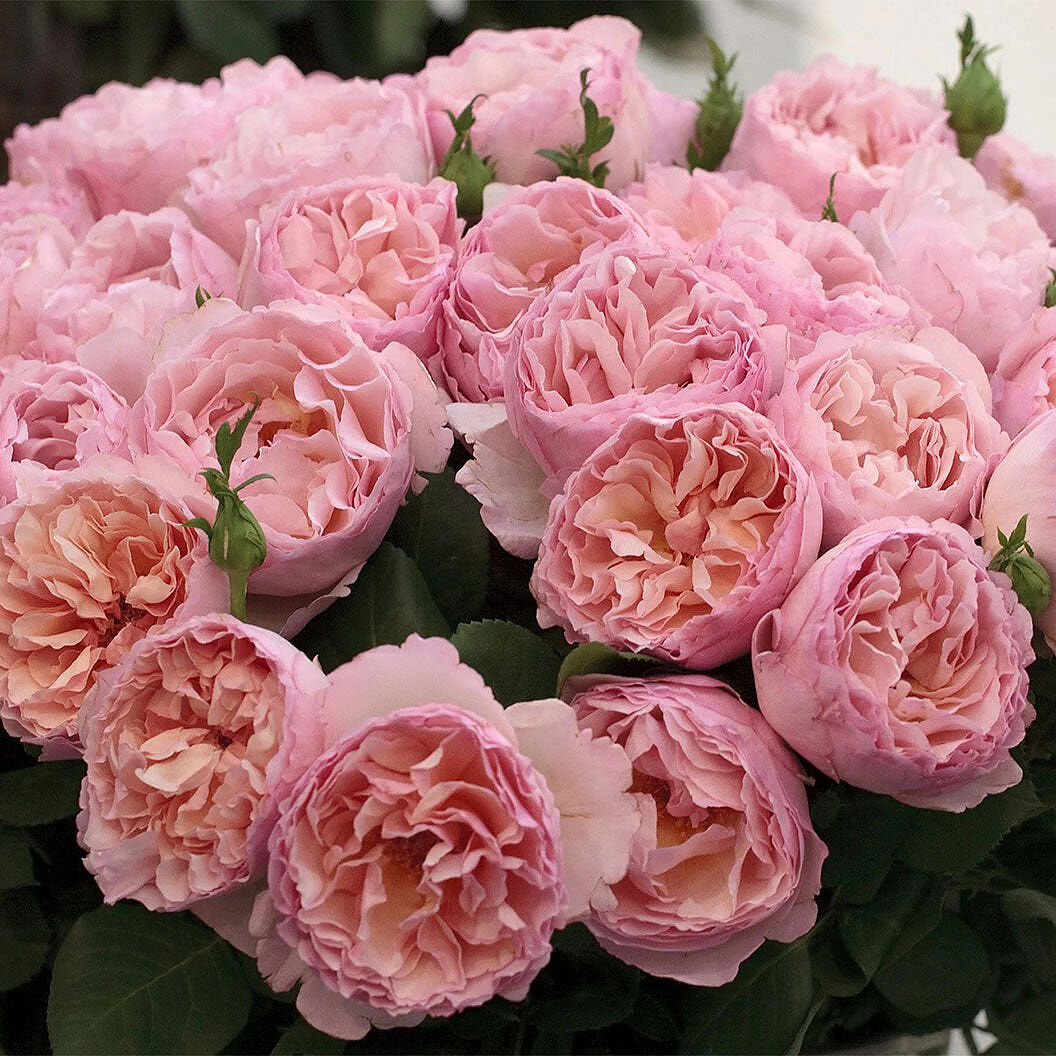
- Roses

Pruning Exceptions
As always, there are a few exceptions to the rules.
- Reblooming shrubs flower on both old wood and new wood, so if they require pruning, do it immediately after they bloom in spring.
- Evergreens are best prune in spring, after new growth.
- Dead or damaged wood can be removed throughout the year.
And, of course, a few varieties that you should avoid pruning entirely! We covered pruning rules for Hydrangeas last week, but there are a few others to keep in mind. Don't prune:
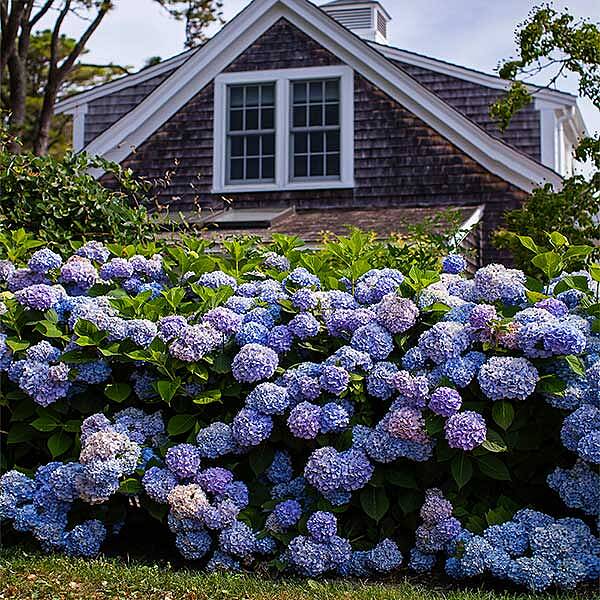
- Bigleaf Hydrangeas
- Mountain Hydrangeas
- Oakleaf Hydrangeas
- Rhododendrons
- Viburnums (any grown for their berries)
- Winterberry Hollies
That's it.Follow the five-step process above, and you'll be well on your way to master gardener status. So, what are you waiting for? Flex that green thumb and get growing!
Written by
Blair Brown
Blair is the Content Marketing Manager at Trees.com, and though she's not your traditional gardener, the planting world is definitely growing on her (pun intended!). She's enjoyed digging into plant care and maintenance and growing her plant collection, especially with exotic indoor varieties.