Limelight Hydrangea Tree Care: Planting, Pruning and More

Last updated: May 30 2019

Key takeaways
Limelight Hydrangeas thrive in full to partial sun with well-drained soil, producing their biggest blooms when planted in a bright location.
Water Limelight Hydrangeas deeply 2–3 times per week during establishment, allowing the soil to drain well between waterings.
Fertilize with a balanced slow-release fertilizer, such as 10-10-10 or 16-16-16, to encourage vigorous growth and abundant blooms.
Updated Nov 3, 2026
Quick Facts
- Botanical name: Hydrangea paniculata 'Limelight'
- Mature size: 6 to 8 feet tall and wide
- Hardiness zones: 3 to 8
- Bloom time: July through September
- Sun needs: Full sun to partial shade
- Toxicity: Mildly toxic to pets and kids if eaten
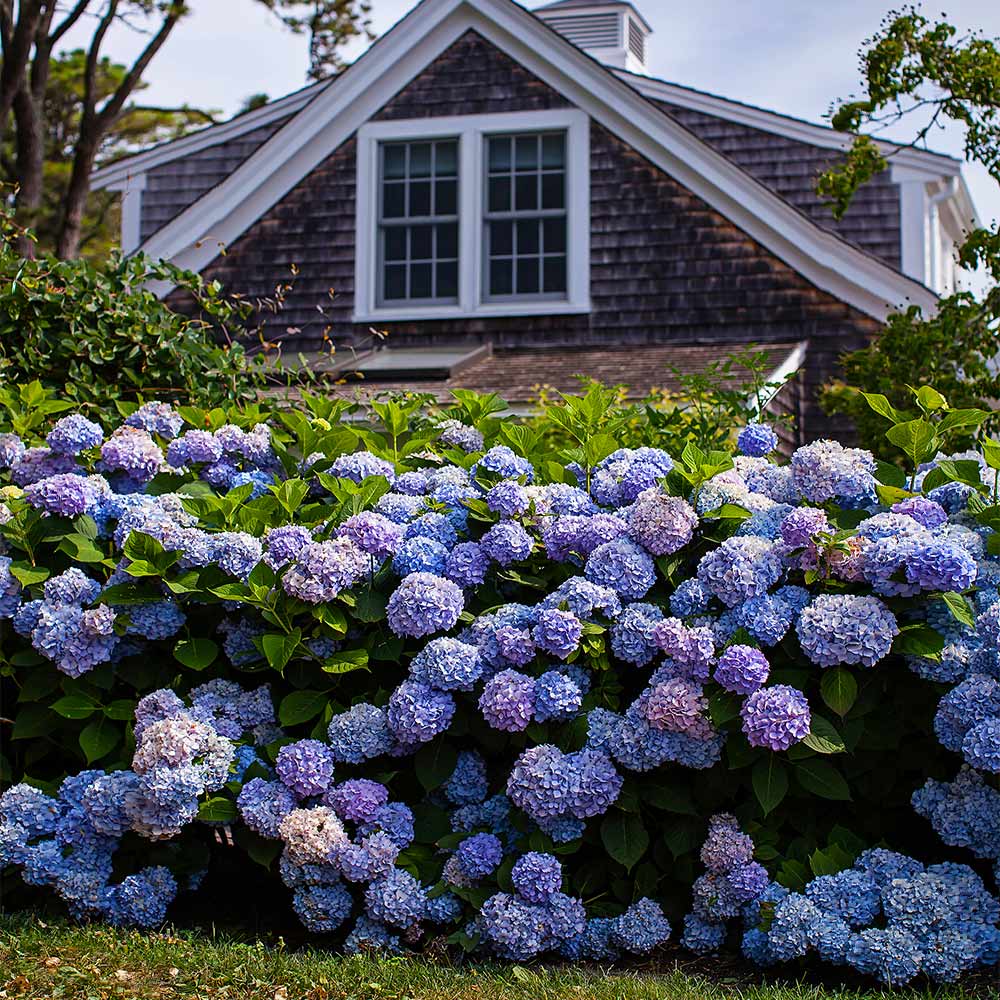
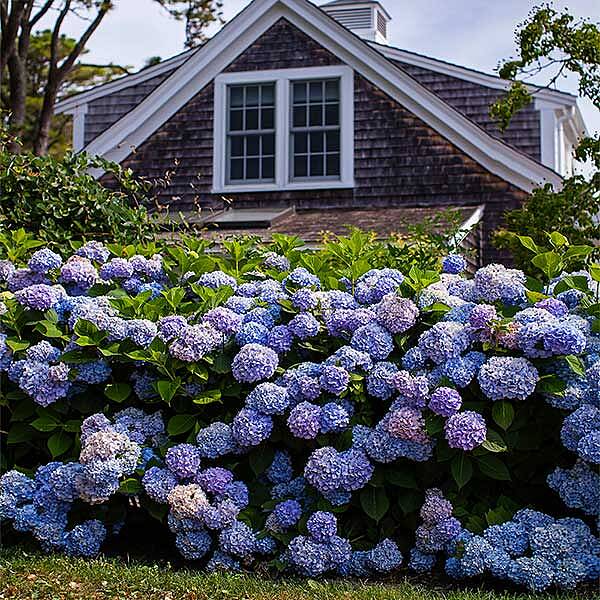
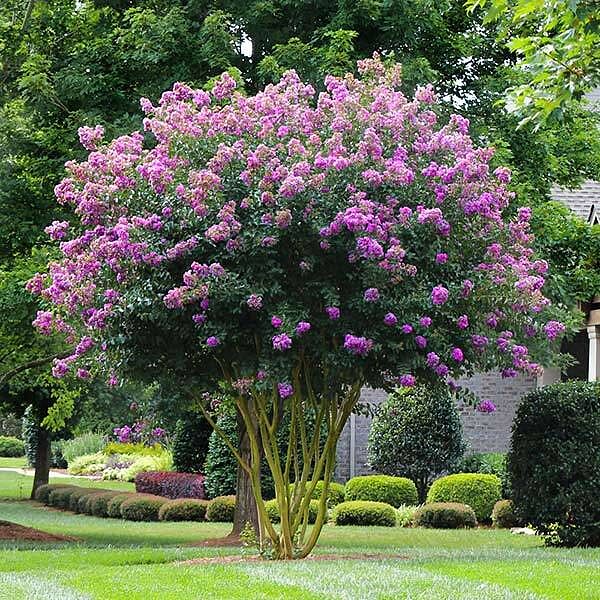
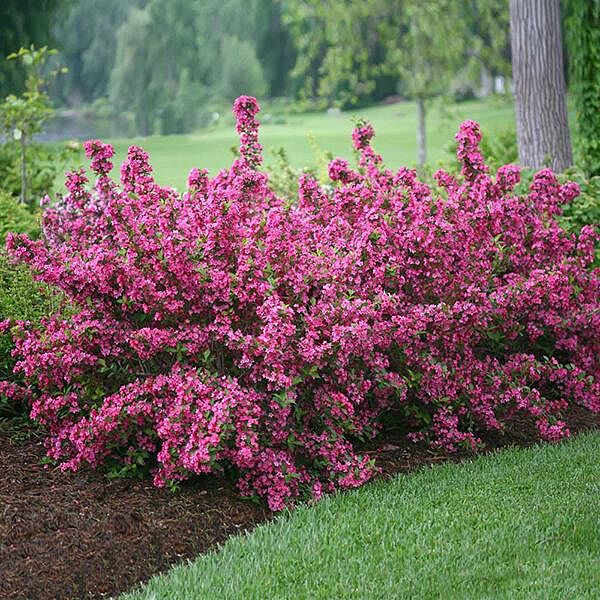
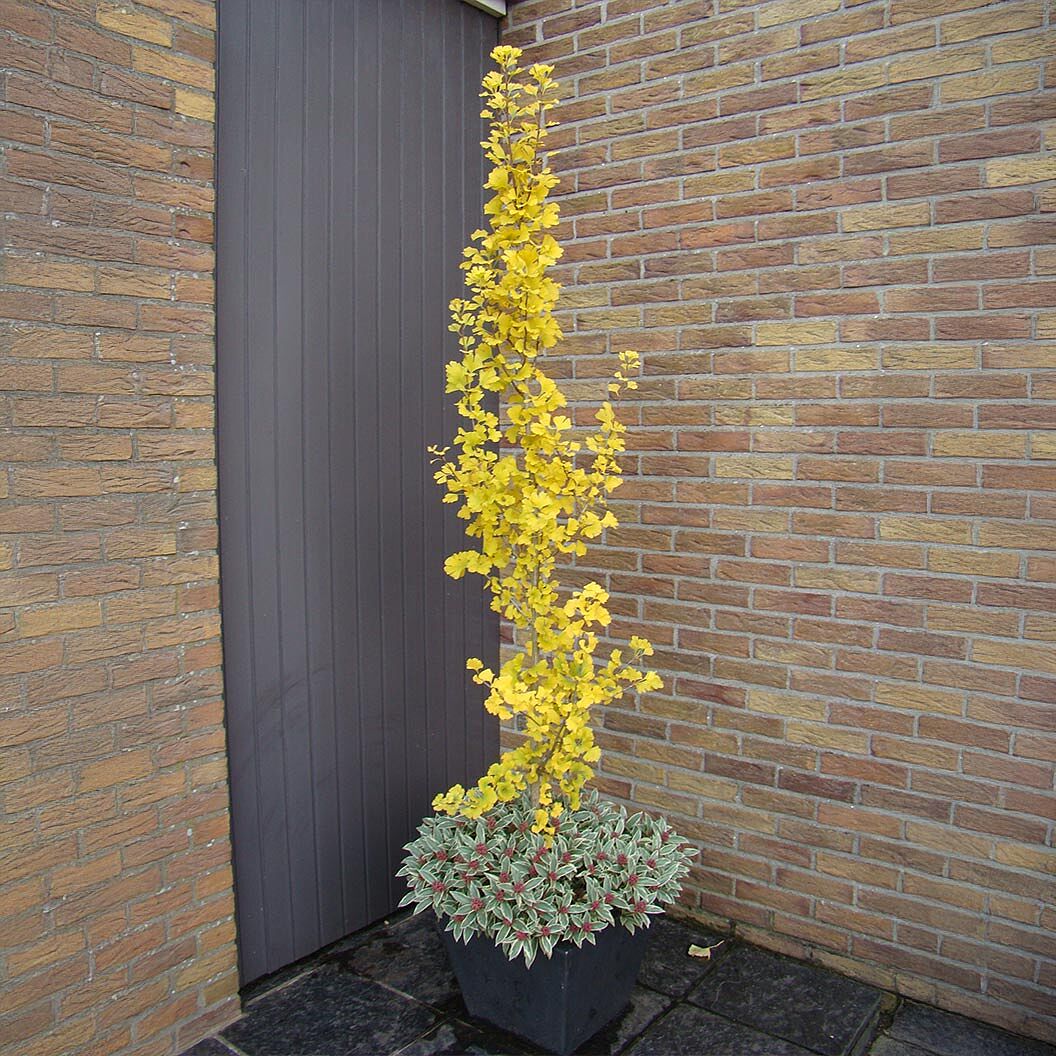
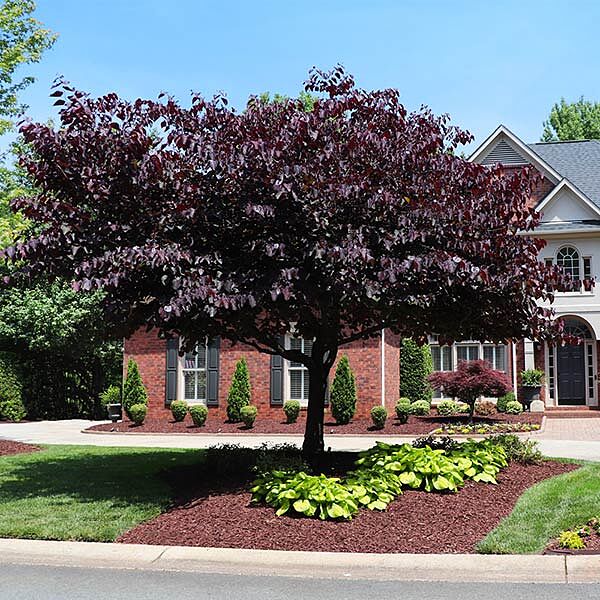
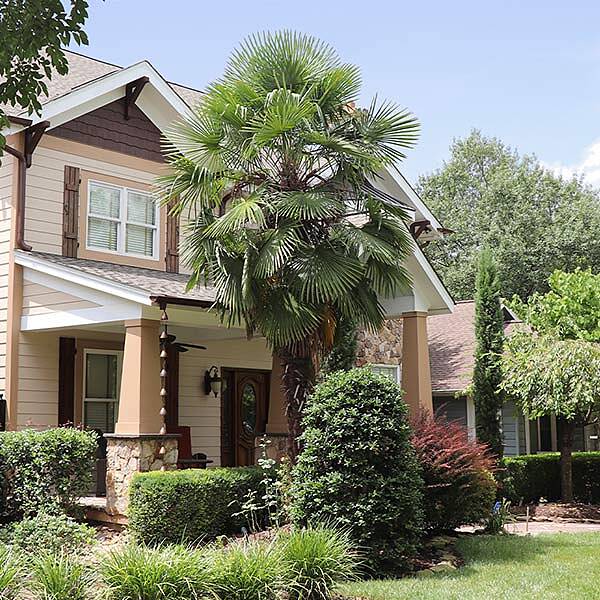
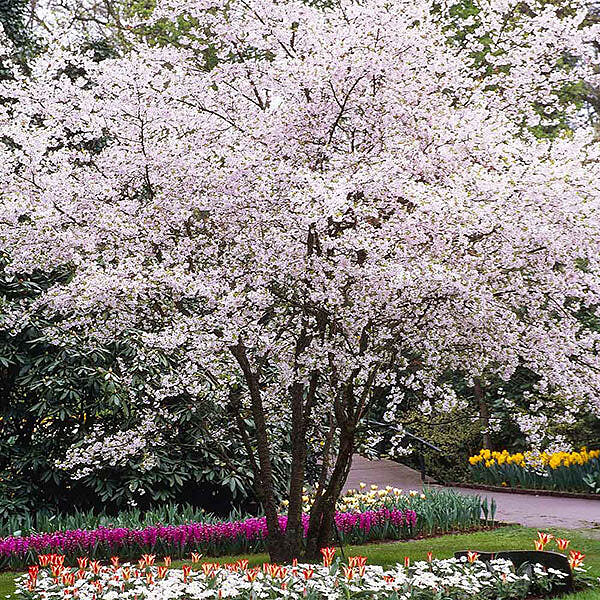
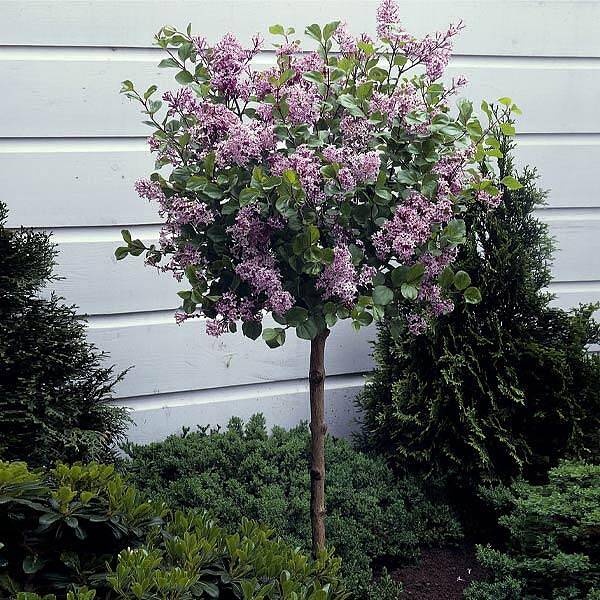
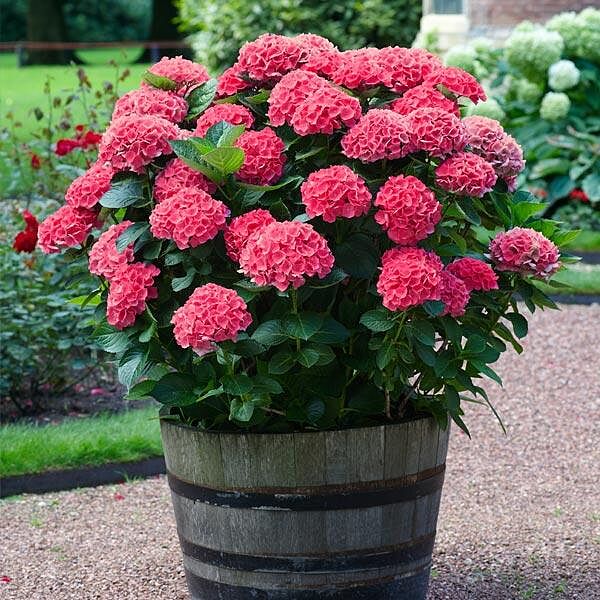
Beauty in bloom enters the limelight with this timeless tree. Flanked by lush green leaves and artfully delicate petals, the Limelight Hydrangea makes a rich, voluminous statement. It’s no wonder landscapers love to place them in side yards, along sidewalks, and as flowering hedges. The blooms hold up well as cut flowers, and they dry beautifully if you want to bring that look indoors once the growing season winds down.
What else is there to love when it comes to the Limelight Hydrangea, and how do you care for it? Check out our rundown on why we adore this sweet and sleek botanical.
Sun, Soil, and Hardiness Zones
One of the best parts of the Limelight Hydrangea Tree: It’s super cold hardy. How hardy? Well, it withstands temperature drops down to -30 degrees. Seriously. It's rated for USDA zones 3 through 8, which means it can handle winter lows most other flowering shrubs can't.
But despite its amazing durability, it’s important to plant your Limelight Hydrangea in a sun-soaked area with well-drained soil. The Limelight is hassle-free but doesn’t like standing water.

Bloom Color and a Quick Safety Note
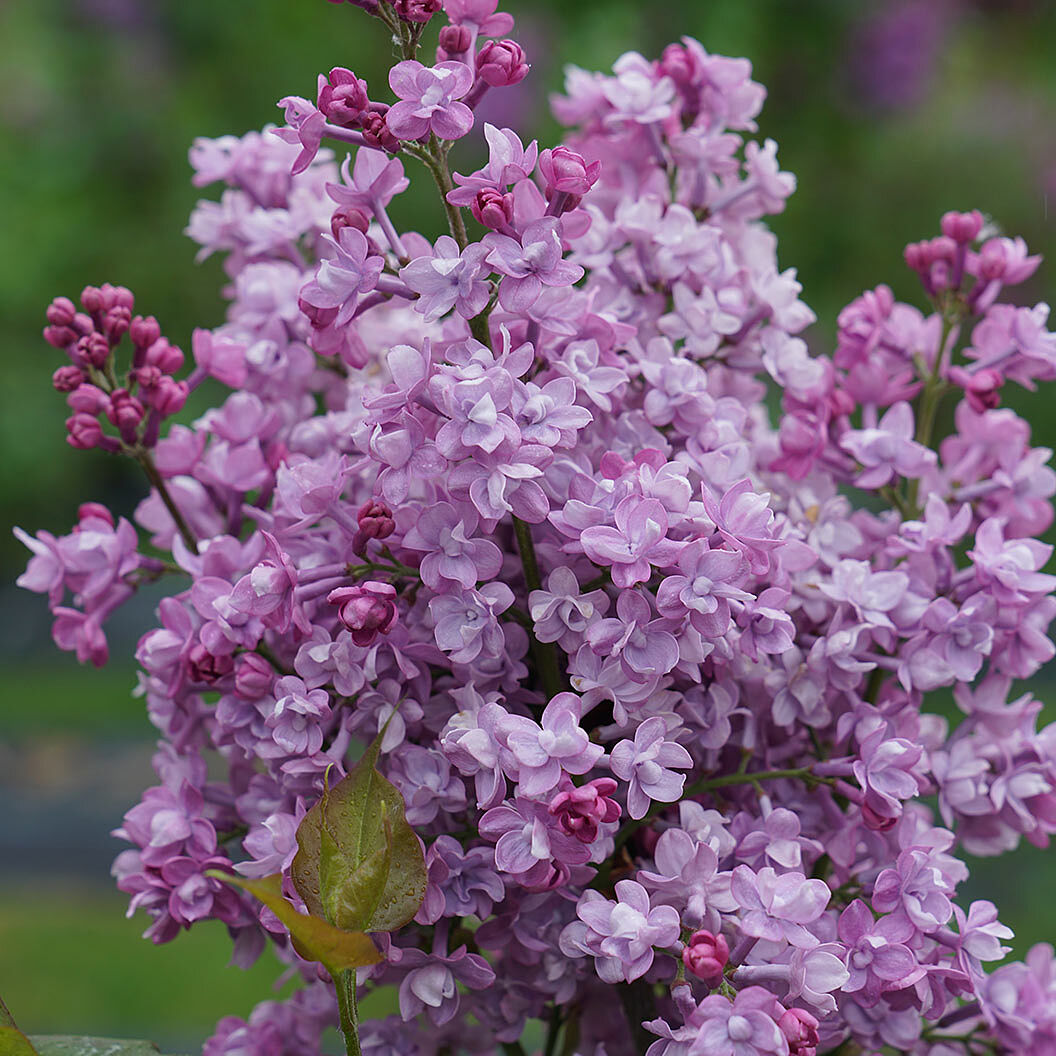
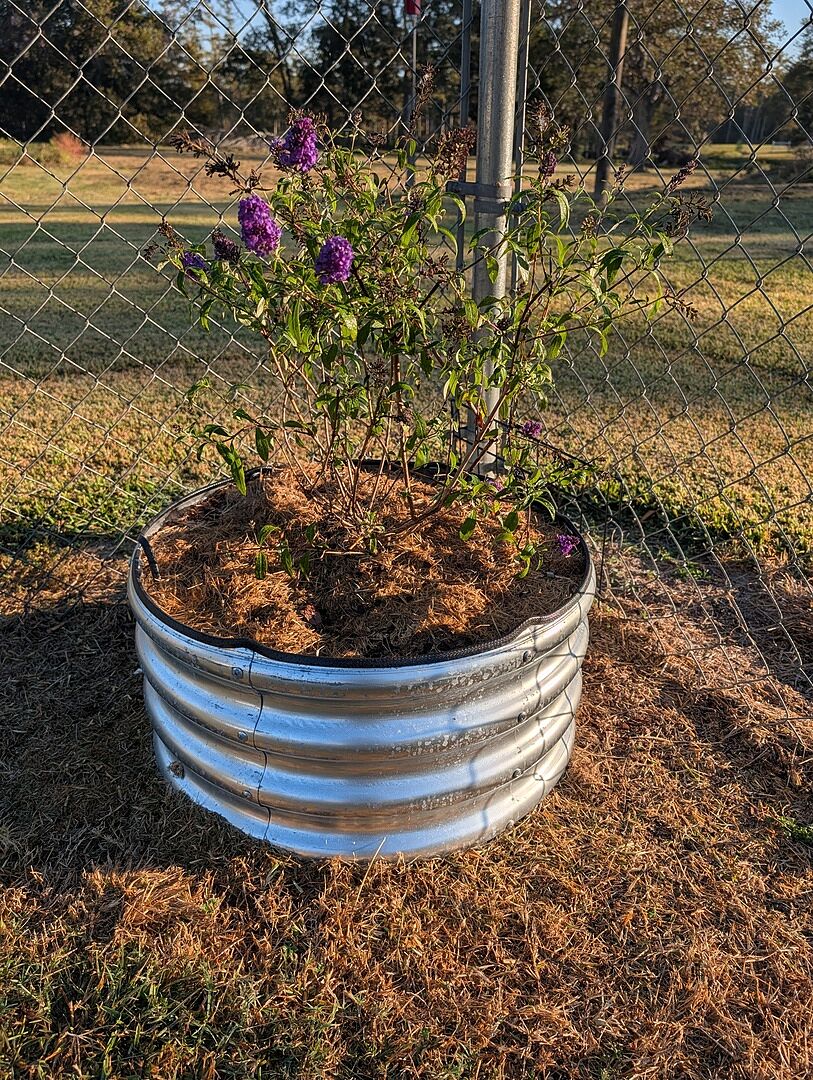
The blooms of this type of hydrangea tell their own story as the season moves along. They open lime green in midsummer, shift to creamy white by August, then deepen into pink and burgundy once fall settles in. You get three different looks from the same plant, and none of it depends on your soil. Unlike bigleaf hydrangeas like the Summer Crush, Limelight's color comes from the calendar, not the dirt, so there's no need to fuss over soil pH to get that color shift.
One more thing worth knowing: like most hydrangeas, Limelight is mildly toxic to pets and kids if eaten. It's rarely serious in small amounts, but plant it somewhere curious chewers can't reach, and keep cut blooms out of reach indoors too.
Getting It in the Ground
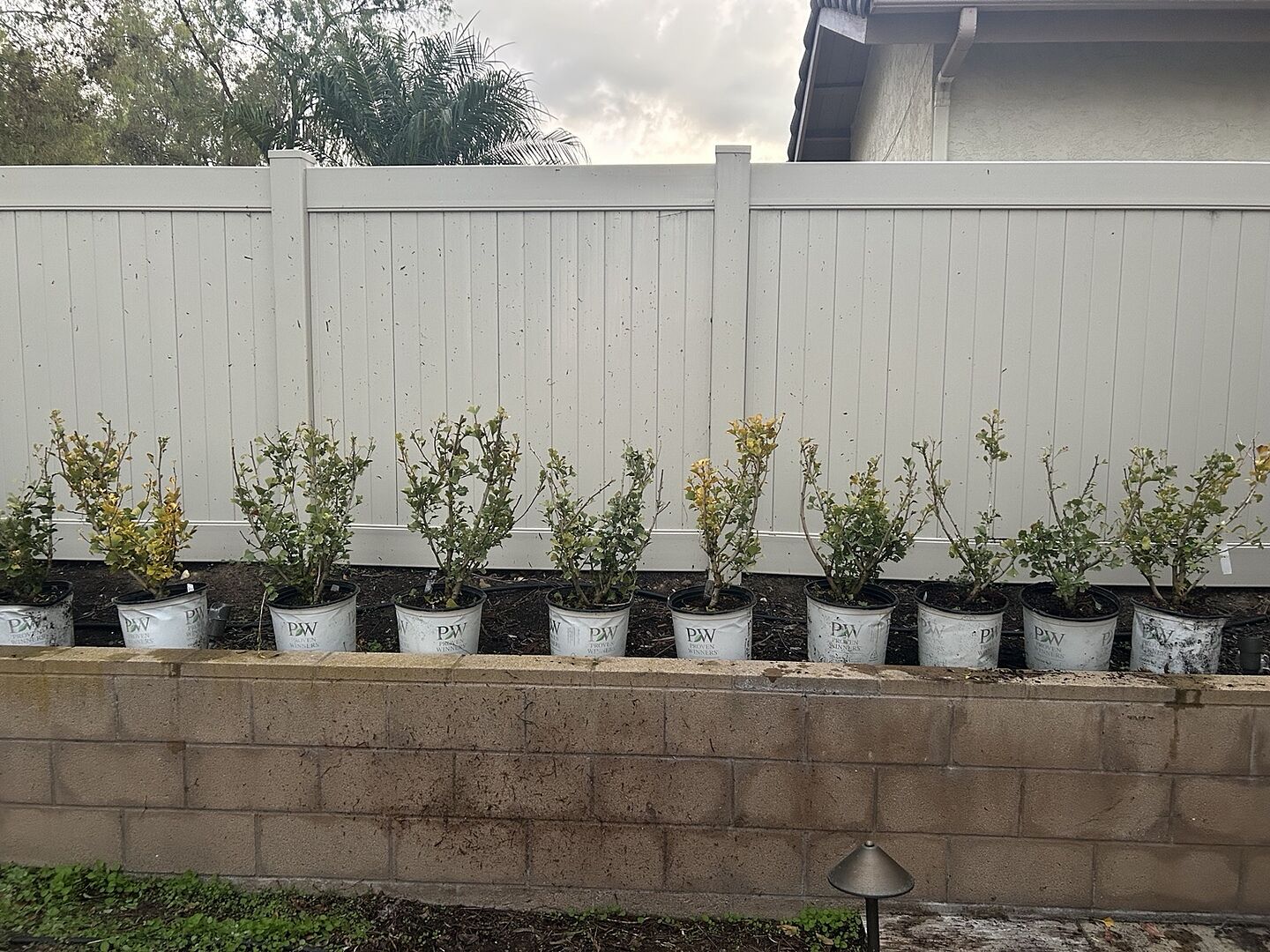
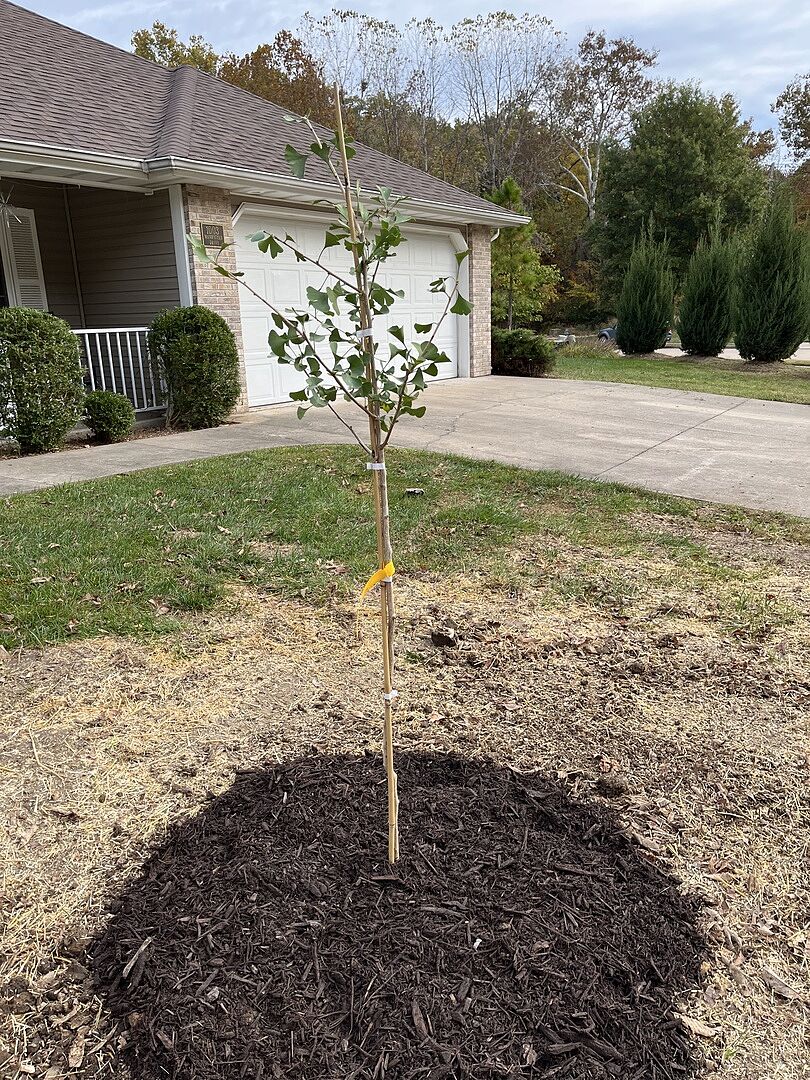
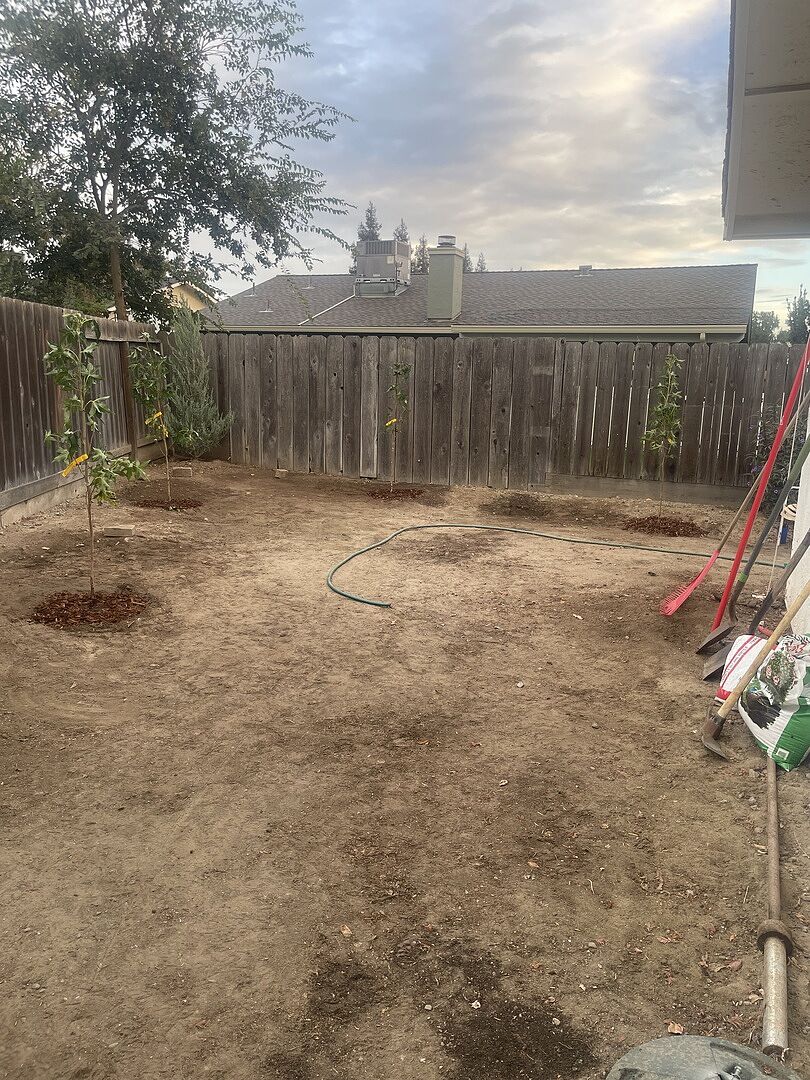
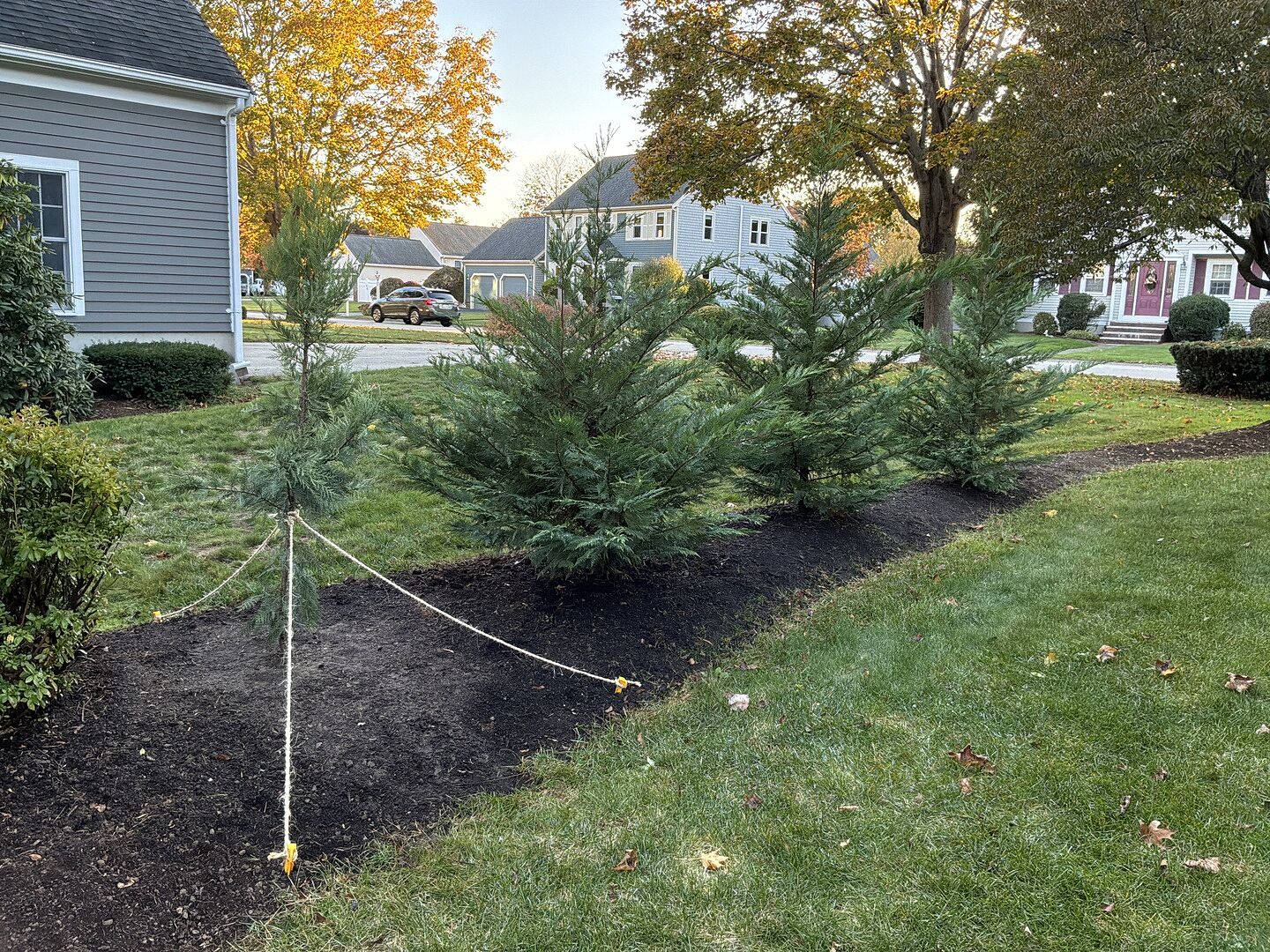
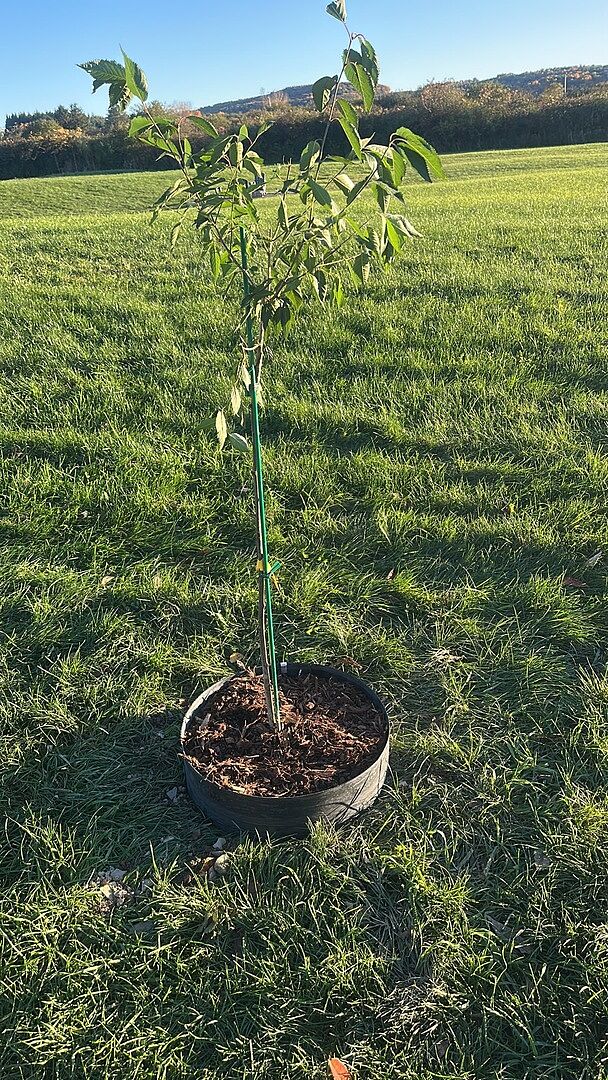
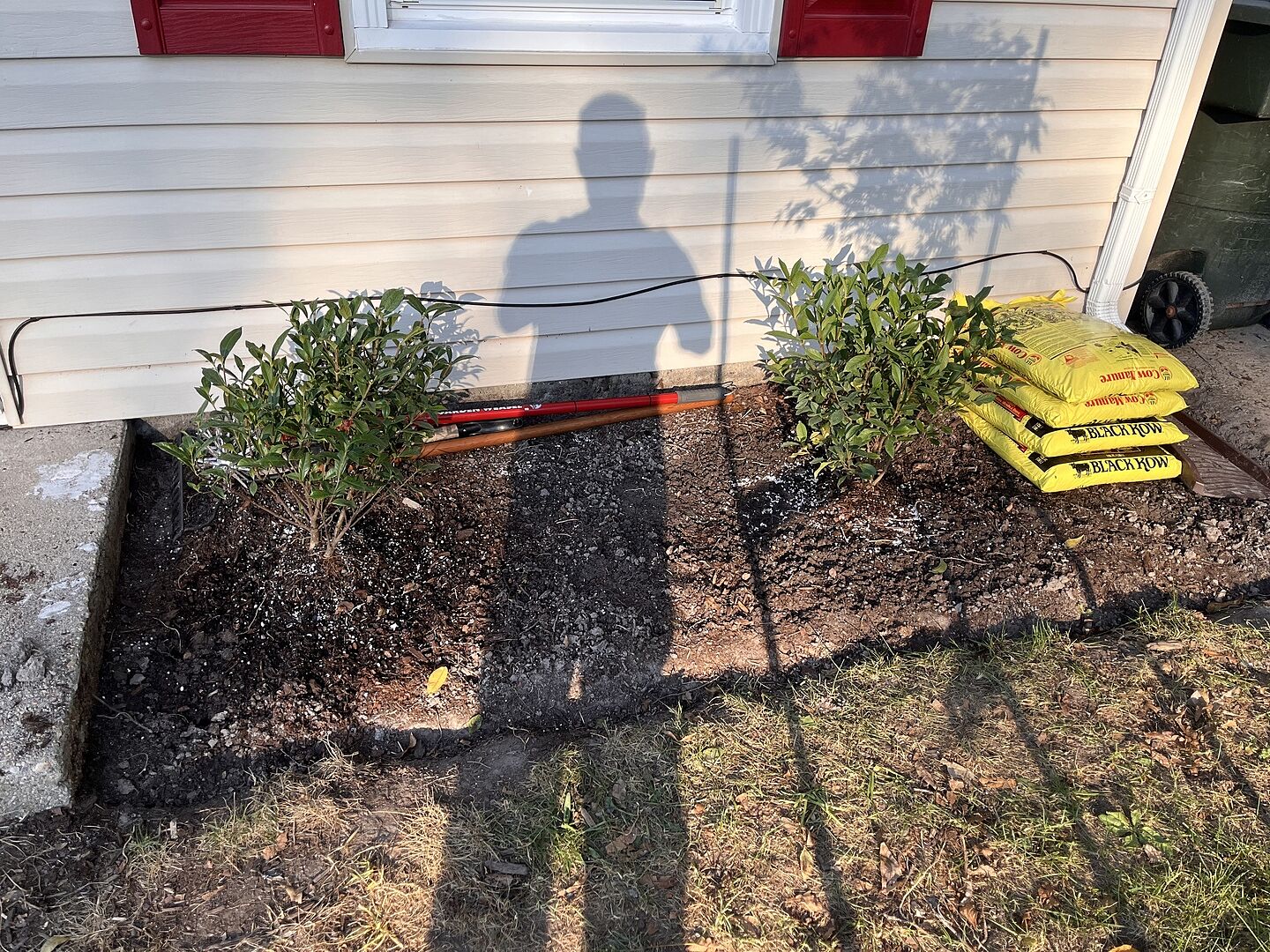
Give your Limelight room to grow. It reaches 6 to 8 feet tall and just as wide at maturity, so plant it at least 4 feet from your house, fence, or other shrubs.
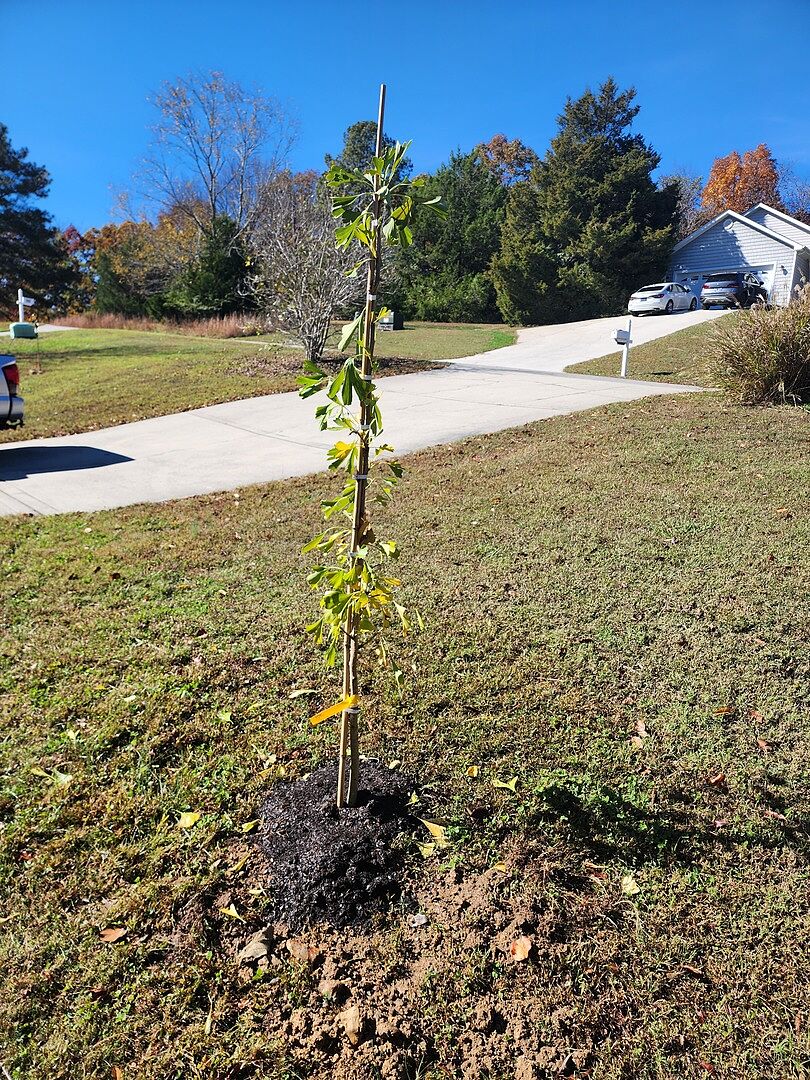
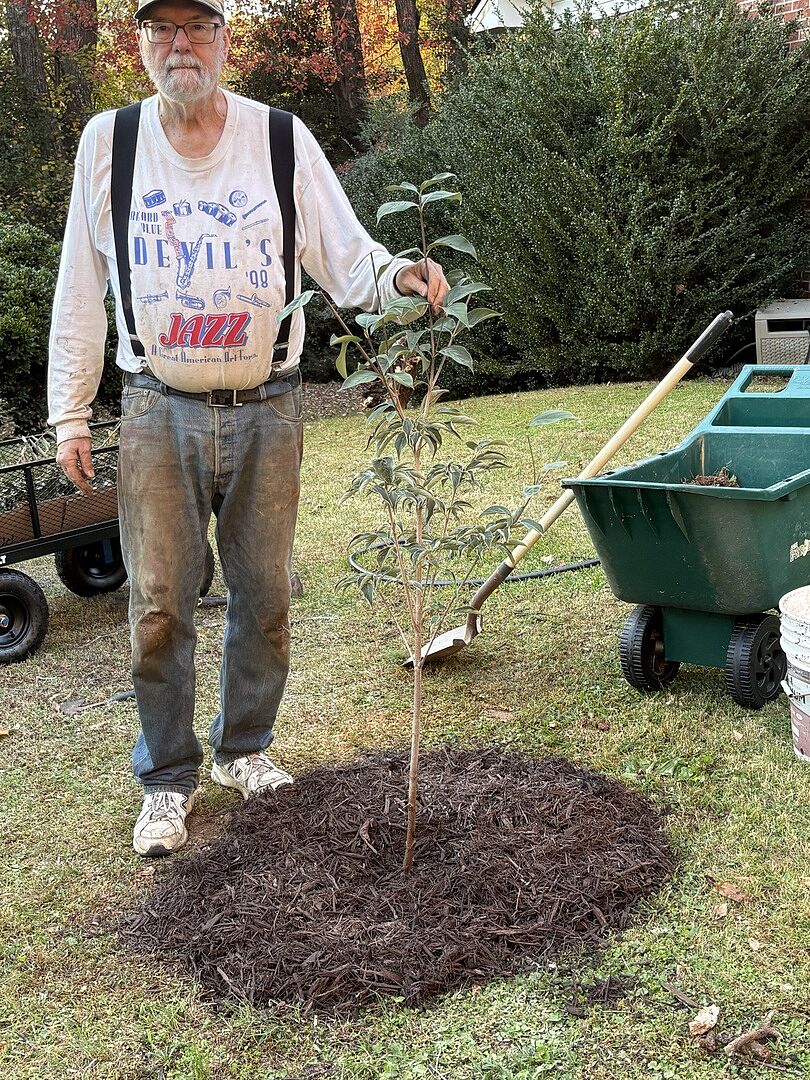
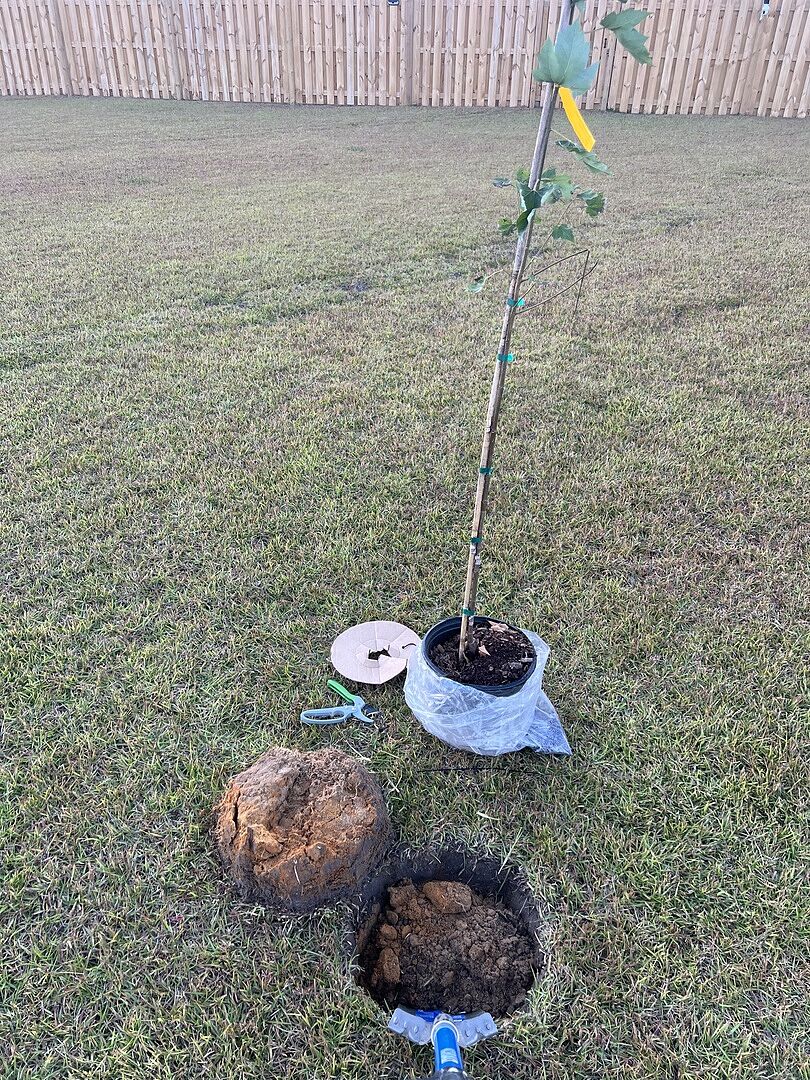
Dig a hole about twice as wide as the root ball and just as deep. Loosen the roots if they're tightly wound, set the plant so the top of the root ball sits level with the surrounding soil, then backfill and water it in well. Keep the soil consistently moist while the roots settle in, through the first full growing season.
A few inches of mulch around the base holds in moisture and protects the shallow root system through summer heat and winter cold. Just keep it a couple inches back from the trunk.
Sun, Water, and Fertilizer: Caring for Your Limelight Hydrangea Through the Season
So, there’s a lot of reasons why this tree takes the spotlight (or limelight, I should say). It’s cold hardy, it’s drought tolerant and it’s simply stunning. And, amazingly, that’s not all. It’s pest and disease resistant, so harsh sprays and chemicals aren't part of its care routine. You might occasionally spot aphids or a touch of powdery mildew, usually when plants are crowded and airflow is poor. Give your Limelight some breathing room and you'll rarely deal with either.
All it needs is a bit of fertilizer to burst forth with blooming beauties. A slow-release, balanced fertilizer formula, like 10-10-10 or 16-16-16, is ideal. As long as you follow the application instructions on the label, you and your Limelight Hydrangea are good to go.
How and When to Prune Your Limelight Hydrangea
Last but not least: Pruning. It can be a little intimidating, but there’s no reason to fret—pruning is actually pretty simple (and pretty for your tree). Plan to prune your Limelight Hydrangea during late winter or early spring, before new growth starts.
To maintain your tree’s stately appearance, cut back any growths on the main stalk. Clip back the Limelight’s branches to about 2 to 3 sets of nodes, which are little bumps that produce the blooms that flower in the summer. Remove any damaged branches or any branches growing inward towards the tree. And it’s always a good idea to sterilize your pruning tool with some rubbing alcohol to ensure a neat, clean cut.

Looking for a Different Size?
Prefer a shrub? We also offer the Limelight Hydrangea shrub, with the same lime-to-pink bloom show. It comes in sizes from 1 quart to 7 gallon and works well in foundation plantings, hedges, and flowering borders.
Love the look but need something even smaller? Little Lime Hydrangea keeps the same green-to-pink color show in a compact 3 to 5 foot frame, great for containers or tighter beds. Want sturdier stems to hold up even bigger blooms? Limelight Prime is built for exactly that.
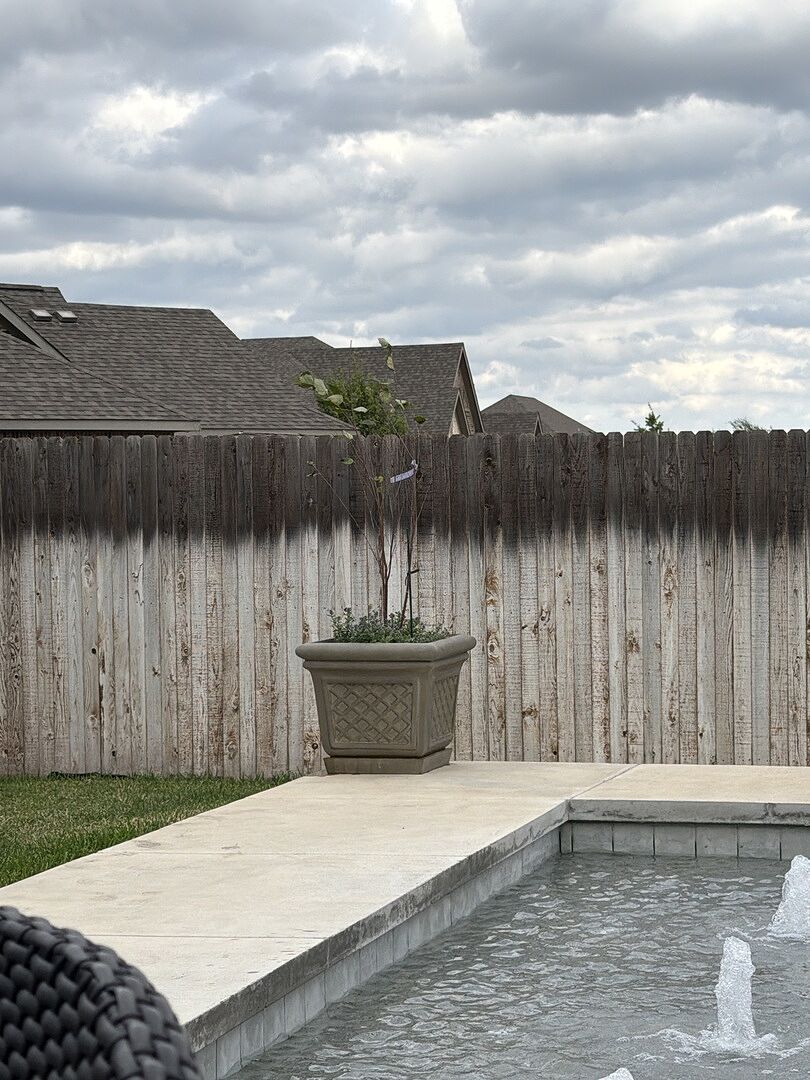
Good looks, great blooms, and a gleaming garden. That’s what you’ll get with the Limelight Hydrangea. And best of all, it’s super low-maintenance. Just follow our tips to help your new tree thrive, whether it’s placed in your backyard, side yard or along your sidewalk. The Limelight Hydrangea is synonymous with beauty and strength in bloom.
Written by
Blair Brown
Blair is the Content Marketing Manager at Trees.com, and though she's not your traditional gardener, the planting world is definitely growing on her (pun intended!). She's enjoyed digging into plant care and maintenance and growing her plant collection, especially with exotic indoor varieties.