Dragon Fruit Cactus Plant Care Guide: How to Plant, Grow, and Harvest

Last updated: May 23 2022

Key takeaways
Dragon Fruit grows best in full sun, well-drained soil, and warm climates with protection from freezing temperatures.
Water Dragon Fruit only when the soil is nearly dry, as overwatering can quickly lead to root rot.
Dragon Fruit is a climbing cactus that needs a sturdy trellis or support to grow and produce fruit.
Updated Nov 4, 2026
Quick Facts
- Botanical name: Hylocereus undatus
- Family: Cactaceae
- Mature size: 5 to 10 feet tall, 10 feet wide
- Hardiness zones: 3–11 in containers, 9–11 outdoors
- Native area: Mexico, Central America, and South America
- Bloom time: Spring through fall
- Soil pH: Neutral to slightly acidic
The Dragon Fruit, also called “pitaya,” “strawberry pear,” “Honolulu queen,” or “moonlight cactus,” is an exciting and delicious addition to any landscape. Known for its flaming pink fruit with white speckled flesh, the Dragon Fruit Plant has climbing vines that grow well in dry areas, making it relatively low maintenance, particularly in tropical or subtropical locations. It can also be container-grown indoors by those living in frost-prone regions.
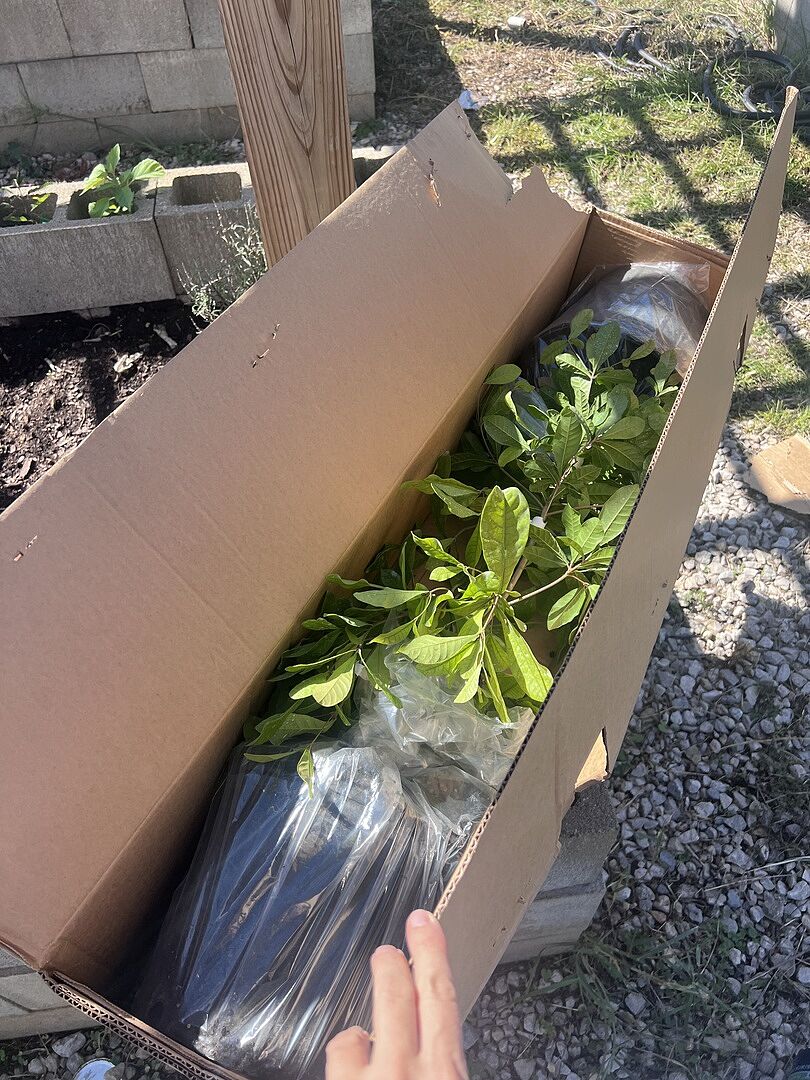
Can't find a Dragon Fruit Plant at your local big box store? We ship Dragon Fruit Plants straight to your door! (Just a heads-up: we're unable to ship to AK, AZ, or HI.)
What Does a Dragon Fruit Plant Look Like?
Full of exotic appeal, the Dragon Fruit Cactus has a palm-like trunk that leads up to a twisty tangle of cactus vines, making it perfect for an Asian-style garden or tropical motif. The Dragon Fruit’s large white flowers can grow up to a foot long and add a striking contrast to the green flesh of the cactus leaves. Not only beautiful, the Dragon Fruit's night-blooming blossoms are sweetly fragranced, too!
Dragon Fruit Taste and Health Benefits
The real crown jewel of this plant is the Dragon Fruit itself. Its bright pink skin and unique shape adds a burst of color and conceals a soft white fruit within. Similar to that of a kiwi, the flesh of the Dragon Fruit contains crunchy black seeds and has a sweet, yet slightly sour, taste.
Ideal as a chilled snack or in fresh fruit smoothies or sorbets, this healthy fruit is packed with Vitamin C, antioxidants, and other rich minerals.
Popular Dragon Fruit Varieties
Not all dragon fruit is created equal. A few popular varieties worth knowing:
- American Beauty: self-fertile, with hot pink exterior and red inner flesh
- Purple Haze: self-pollinating, with sweet purple flesh that tastes a bit like grape and kiwi
- Zamorano: self-pollinating and a slower grower, which makes it a good fit for containers
If you're growing more than one Dragon Fruit Cactus for better pollination, mixing varieties like these can also mean a more interesting harvest.

When, Where, and How To Plant Your Dragon Fruit
It is best to plant your Dragon Fruit in the spring since it typically produces fruit by the summer. You can either plant your Dragon Fruit outdoors in the ground or in a container to bring indoors.
One quick note before you dig: The dragon fruit species Selenicereus undatus (formerly Hylocereus undatus) is classified by UF/IFAS as invasive and is not recommended for planting in Central and South Florida, where its climbing habit lets it spread into natural areas. If you're planting in Florida, check with your local extension office first, or consider growing it in a container instead.
The Dragon Fruit’s Sun and Soil Needs
A location that receives full sun (6-8 hours daily) is best for the Dragon Fruit Cactus. The Dragon Fruit thrives in a lot of light, so try to avoid shady areas no matter where you choose to plant it. It also prefers well-draining, sandy soil, so stay away from planting in wet, mucky soils with standing water. Make sure to plant your Dragon Fruit flush with the soil line.
Planting Your Dragon Fruit Effectively
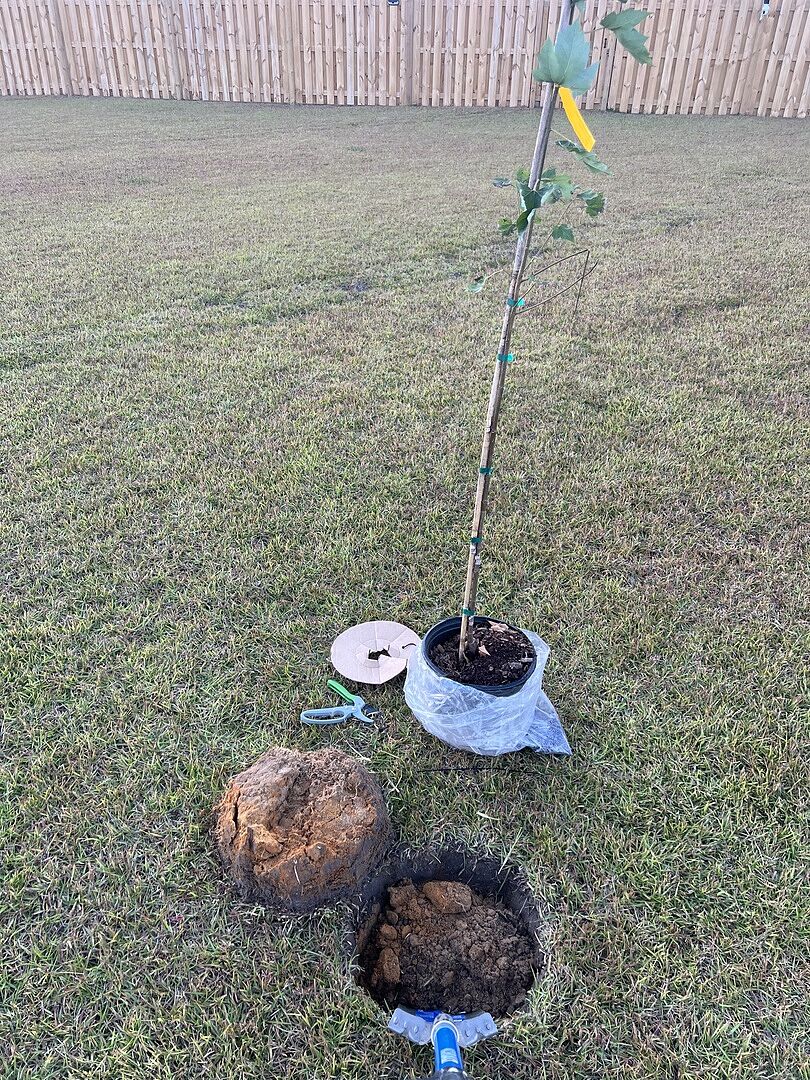
Before planting, use a pair of garden shears or a knife to make slits down the sides of the root ball, which will encourage faster root growth into the soil. If planting multiple Dragon Fruit plants, space them out to allow clumps of cacti to form properly and reach their full rooting and fruiting potential. Give it room to grow: this cactus matures to 5 to 10 feet tall and up to 10 feet wide, so plant it at least 10 to 15 feet away from your house, other structures, trees, and power lines. If you're planting more than one, space them at least 10 feet apart.
Helping Your Dragon Fruit Thrive Outside
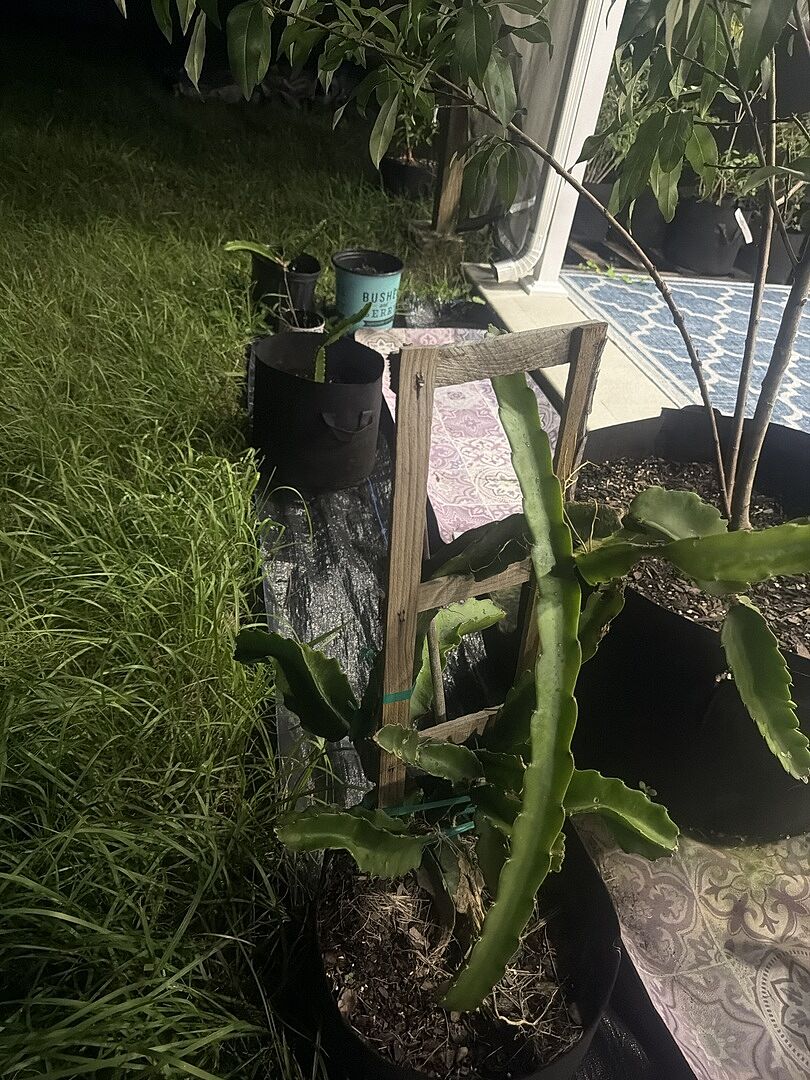
Since the Dragon Fruit Plant is a climbing cactus, it will require support to climb on as it matures, whether in a container or in the ground. Place a trellis near it to help give the cactus structure so it may reach its full growth potential.
Note: When planting outside, the plant may remain dormant for a while as it gets used to its new environment.
Growing the Dragon Fruit Plant in a Container
Be selective when choosing your cactus pot. Most decorative containers do not have drainage holes at the bottom. However, terracotta pots are porous and will effectively dry out the soil (even without drainage holes). If you have to have a specific container that is not terracotta, drill your own holes in the bottom to ensure proper drainage and prevent waterlogging and root rot.
We also recommend using a sandy cactus potting mix when planting in a pot or container. You can bring your potted Dragon Fruit indoors if you live in more temperate growing zones with cooler seasonal temperatures, and it will adapt. Make sure to allow enough room for root growth in the container. A trellis in a container at least 10 inches deep should be sufficient to start. Grown this way, Dragon Fruit does well in zones 3 through 11, well beyond the 9 to 11 range it needs to be planted directly in the ground.
As your Dragon Fruit matures, plan to size up. A fully grown plant needs a container around 25 to 30 gallons and at least 20 to 24 inches deep. When it's time to repot, handle the root ball gently. Dragon Fruit roots are small and hairy, and they damage easily.
Fertilizing the Dragon Fruit Plant
Whether planting in a container or in the ground, mixing a small amount of slow-release, low-nitrogen cactus fertilizer (like 6-6-6 or 8-3-9) into the planting hole before placing it will encourage accelerated root growth.
For outdoor, in-ground planting, you can also add a balanced granular fertilizer monthly. Although Dragon Fruit plants love light and thrive off of it, lack of fertilization will often stunt growth and prevent fruiting.
Whether you're planting indoors or outdoors, make sure to follow the instructions on your fertilizer packaging. Also, consider using organic fertilizer!
Dragon Fruit Cactus Watering Requirements
Since the Dragon Fruit is a tropical succulent, it should be watered only when the soil is nearly dry. Overwatering is a surefire way to kill a cactus! You can check the moisture of the soil by putting your finger or a yard stick into the soil about 3 inches down. If you detect any water at all, wait a while before watering.
Be especially careful when watering a potted Dragon Fruit, as containers can retain more moisture. And never mist a cactus!
Pruning Your Dragon Fruit Plant
You will need to inspect your Dragon Fruit plant a few times a year for clusters of overcrowding during active growth periods. Using protective gear (pants, long sleeves, gloves, etc.) to avoid the cactus spines, clip off parts of the cactus that are touching, crowding, or growing over each other.
The goal is to create enough space between branches to allow for the large, night-blooming flowers to unfurl and eventually produce plentiful fruit. This will also make the fruit much easier to pick!
Pollination and Propagation of the Dragon Fruit
Our Dragon Fruit Cacti are self-fertile. You will get fruit with only one plant. However, adding an additional Dragon Fruit Cactus will drastically increase the size of your crop.
Not all dragon fruit varieties are self-fertile like ours, though. If you're growing a self-incompatible variety, or if your plant is blooming but not fruiting, you may need to hand-pollinate it. Since the flowers open at night when there aren't many pollinators around, use a cotton swab to collect pollen from one flower and dab it onto the stigma of another between dusk and dawn.
Outdoor Dragon Fruit plants are frequented by pollinators such as hummingbirds, butterflies, moths, bees, and even bats who visit the nocturnal white blooms of the Dragon Fruit.
One of the best benefits of having your own Dragon Fruit cactus is the ability to harvest the seeds from the fresh fruit and use them for more cactus plants. You can also take the parts of the cactus leftover from pruning and attempt to root them to grow more!
Dragon Fruit: Does Growing Organic Matter?
Everyone has different preferences when it comes to eating organic. If you want your dragon fruit organic from the start, we also sell a USDA Organic Dragon Fruit Cactus Plant. To keep it that way as it grows, use our organic planting mix or organic fertilizer. Both can be shipped directly to your home.

How Long Does a Dragon Fruit Plant Take to Grow?
You’ll only have to wait about 30 to 50 days after your cactus starts flowering to harvest your delicious, homegrown Dragon Fruit! The fruit will be oval shaped and about 3 to 6 inches long.
You’ll know the fruit is ripe for the picking when it:
- Changes from a bright green to a red or pink color
- Has no spots (A few spots on the outer skin is normal, but if it has a lot of dark splotches it may already be overripe.)
- Has "wings"—the leafier parts that extend off of the fruit—that have started to turn slightly brown and dry out (If the wings are still a bright yellow or red color, the fruit is not quite ready yet.)
A quick way to check: give the fruit a gentle twist. Ripe fruit comes off the stem easily. If it puts up a fight, give it a few more days. Once picked, Dragon Fruit keeps in the refrigerator for up to two weeks.
If starting from a seed or cactus branch, it could take up to 6-7 years for a Dragon Fruit plant to flower and produce fruit.
I don’t have a lot of outdoor space, or I live in a place with cooler temperatures. Can I grow my Dragon Fruit plant indoors?
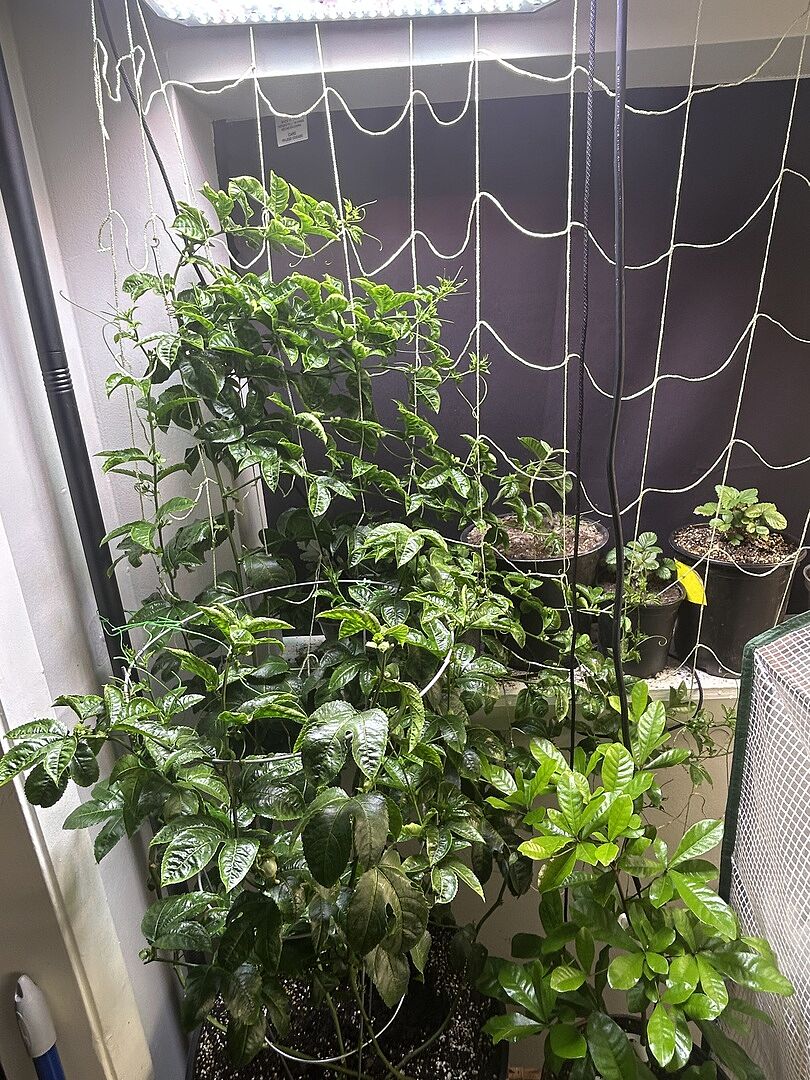
Growing a Dragon Fruit Cactus indoors is entirely possible if you provide a space for the cactus to grow that gets at least 6-8 hours of direct sunlight per day, like a sunroom or in front of a large window. As mentioned above, make sure your potted Dragon Fruit has a climbing pole installed in the container so it can grow to its fullest potential.
Keep it away from exceptionally cold windows, as the Dragon Fruit Plant is not frost-tolerant. The ideal indoor temperature for a Dragon Fruit is 65-85°F, and the ideal room humidity is 30-50%.
If you live in a particularly dry space you can keep a humidity tray with pebbles nearby the plant. Prune back overgrown branches to encourage growth.
You can move your Dragon Fruit plant outside in the summer if you wish, so it can get help from pollinators like bees, butterflies, and hummingbirds to produce more fruit. Just make sure the plant is not subjected to harsh sunlight and heat over 100°F, or else it will wither.
Dragon Fruit Pests, Diseases, and Common Problems
Pests such as rats, raccoons, birds, ants, mealybugs, spider mites, and slugs are attracted to the delicious Dragon Fruit crop, so you may have to take measures to protect your cactus from these critters (ex. use deterrents like sprays, nets, and fencing). Fine white webbing and yellowed, speckled stems are a sign of spider mites.
Root rot and overwatering is a danger for the Dragon Fruit, as well as scorching from extreme heat and under fertilization. Follow the planting and care instructions to make sure your Dragon Fruit cactus gets the right amount of sunlight, moisture, soil, and humidity.
Watch for stem rot or canker too, which shows up as reddish-brown, yellowish, or white spots and lesions on the stems. If you spot it, remove the damaged sections and treat the plant with a fungicide.
Get Started With Your Own Dragon Fruit Plant
With its large, fragrant white flowers, unique climbing cactus branches, and nutritious pink fruit, the Dragon Fruit Plant is the total package. For the best results, remember to follow these tips on planting, pruning, and caring for your Dragon Fruit.
Get started with your own Dragon Fruit and reap the benefits of this tropical plant from home!
Dragon Fruit Cactus Plant FAQs
How long does a Dragon Fruit cactus live?
With good care, up to 20 years. It'll keep producing fruit for most of that time too.
Why isn't my Dragon Fruit blooming?
Usually one of three things: not enough light, temperatures on the cooler side, or energy being spent supporting dead branches that need pruning. Check all three before assuming something's seriously wrong.
My Dragon Fruit is blooming but not fruiting. What's going on?
This almost always comes down to pollination, not plant health. Many varieties need a second, genetically different plant nearby, and since the flowers only open at night, there aren't many natural pollinators around to help. Try hand-pollinating with a cotton swab between dusk and dawn.
Is Dragon Fruit actually a cactus?
Yes, though it doesn't look or act like the cacti most people picture. It's a tropical, climbing cactus that grows on trees and rocks in humid rainforests, not the desert-dwelling kind that stores water in thick, spiny pads.
Can I grow Dragon Fruit if I don't live in a warm climate?
Absolutely, just grow it in a container. Bring it indoors once nighttime temperatures start dipping below 65°F, and give it a sunny spot like a large window or sunroom until it's warm enough to move back outside.
Written by
Elizabeth Durham
Though cursed at birth with a black thumb, Elizabeth always dreamed of being a plant person. Turns out she just needed a little guidance—now she’s the proud mama of nearly a dozen house plants! After joining Trees.com as a Content Strategist, she’s expanded her knowledge tenfold and learned how to keep her plants alive…most of the time.
As a newbie in the plant world, Elizabeth understands the struggles of beginner gardeners. And as an experienced writer, she loves creating content that makes difficult concepts easy to understand. In her free time, she enjoys immersing herself in nature through daily lunchtime walks, weekend hikes, and visits to the park with her dog Fred.