Crape Myrtle Varieties

Last updated: Mar 02 2022

Key takeaways
Crape Myrtles bloom for up to four months, providing colorful flowers from early summer through late September.
Crape Myrtles thrive in full sun, well-drained soil, and Zones 7–10, with some newer varieties hardy to Zone 6.
Crape Myrtles are heat and drought tolerant once established, making them reliable, low-maintenance landscape plants.
Updated Nov 3, 2026
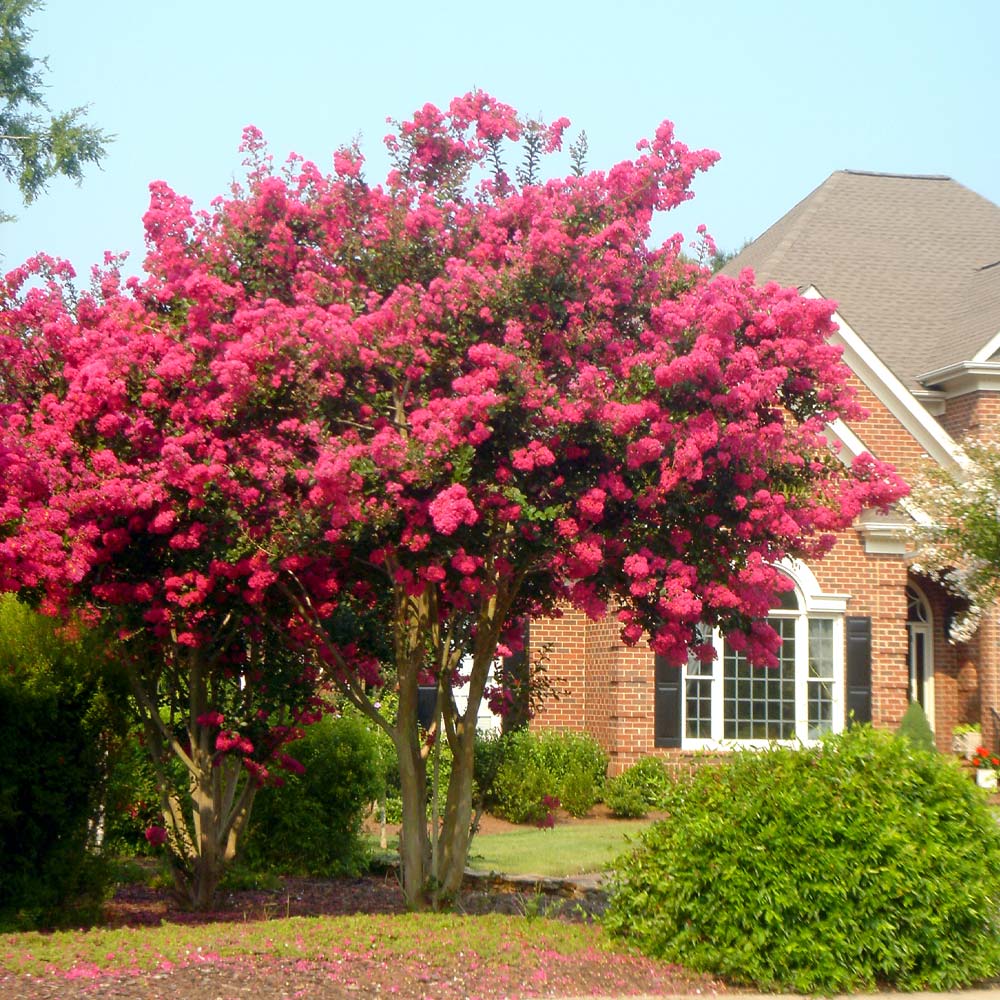
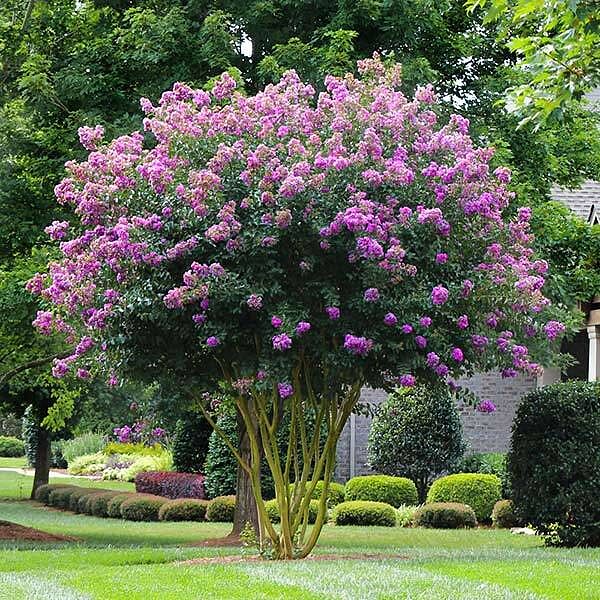
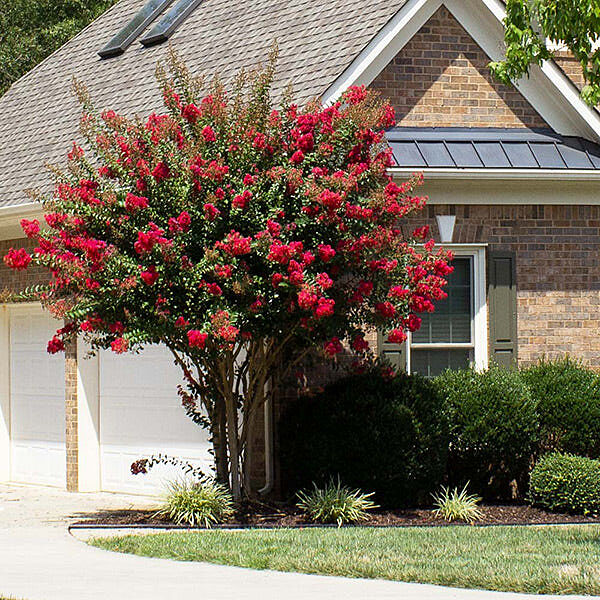
Crape myrtles are a type of shrub or small tree known for their brightly-colored, slightly-crumpled flowers. Ranging in shades of whites and pinks to reds and purples, gardeners in the south have long praised this plant for its adaptability to hot climates, though newer varieties let northerners enjoy this colorful plant, as well.
Check out our crape myrtle guide below for key features, planting and care steps and specific variety recommendations!
Crape Myrtle Varieties
For specific crape myrtle suggestions, check out any of these colorful and reliable varieties that will instantly add excitement to your landscaping!
Tonto Crape Myrtle

The Tonto Crape Myrtle is known for its dark pink blooms forming in large clusters at the ends of its branches. These flowers are made even more vibrant against deep green leaves that transform into multi-colored red and yellow in the fall. What’s more, the Tonto Crape Myrtle grows comfortably in the north, withstanding temperatures down to zero degrees and periods of ice and snow.
Red Rocket Crepe Myrtle

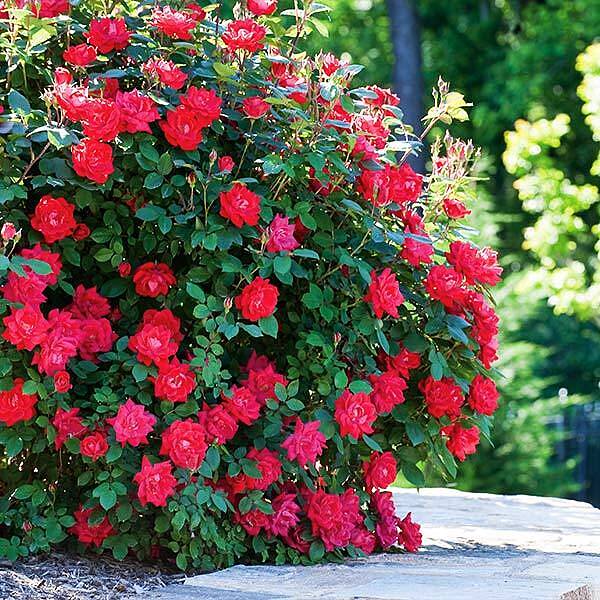
Bright red, curled flowers shaped into floating panicles characterize the Red Rocket Crape Myrtle, a plant that appreciates both high heat and periods of extreme cold temperatures. This variety grows slightly taller than the Tonto Crape Myrtle, up to 25 feet, meaning that it can be pruned into a tree shape, though other gardeners coax its multiple trunks into a more shrub-like growing pattern. In fall, its leaves turn a vibrant orange-red.
Natchez Crape Myrtle
The Natchez Crape Myrtle Tree is known for its bright white blooms and rounded, gently-sloping canopy. Its lacy, white flowers are highlighted by green leaves and cinnamon-tan, peeling bark. What’s more, this fast-growing tree adds 3-5 feet in height every year until it reaches maturity at 20 to 30 feet tall and 20 feet wide.
Twilight Crape Myrtle
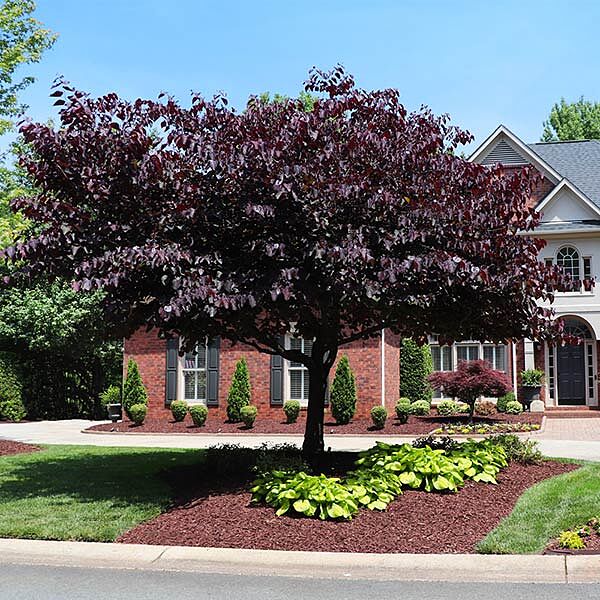
The flowers on the Twilight Crape Myrtle are a deeper purple than any other crape myrtle variety. Depending on where you envision your plant, you can prune it into either a shrub or a tree and expect consistent flowering from June until the first frost. Notably, the leaves on this crape myrtle variety are quite chargeable: starting out as bronze in spring, turning green in summer, and shifting into yellow, orange, or red in fall.
Pocomoke Crape Myrtle
This small, bush-like crape myrtle adds its bright, almost-fluorescent pink blooms to even the most limited spaces in your landscaping. Growing only 3-4 feet tall and 4-5 feet wide, the Pocomoke Crape Myrtle thrives in colder climates, transforming its green leaves into copper-red as temperatures drop in fall.
Muskogee Crape Myrtle
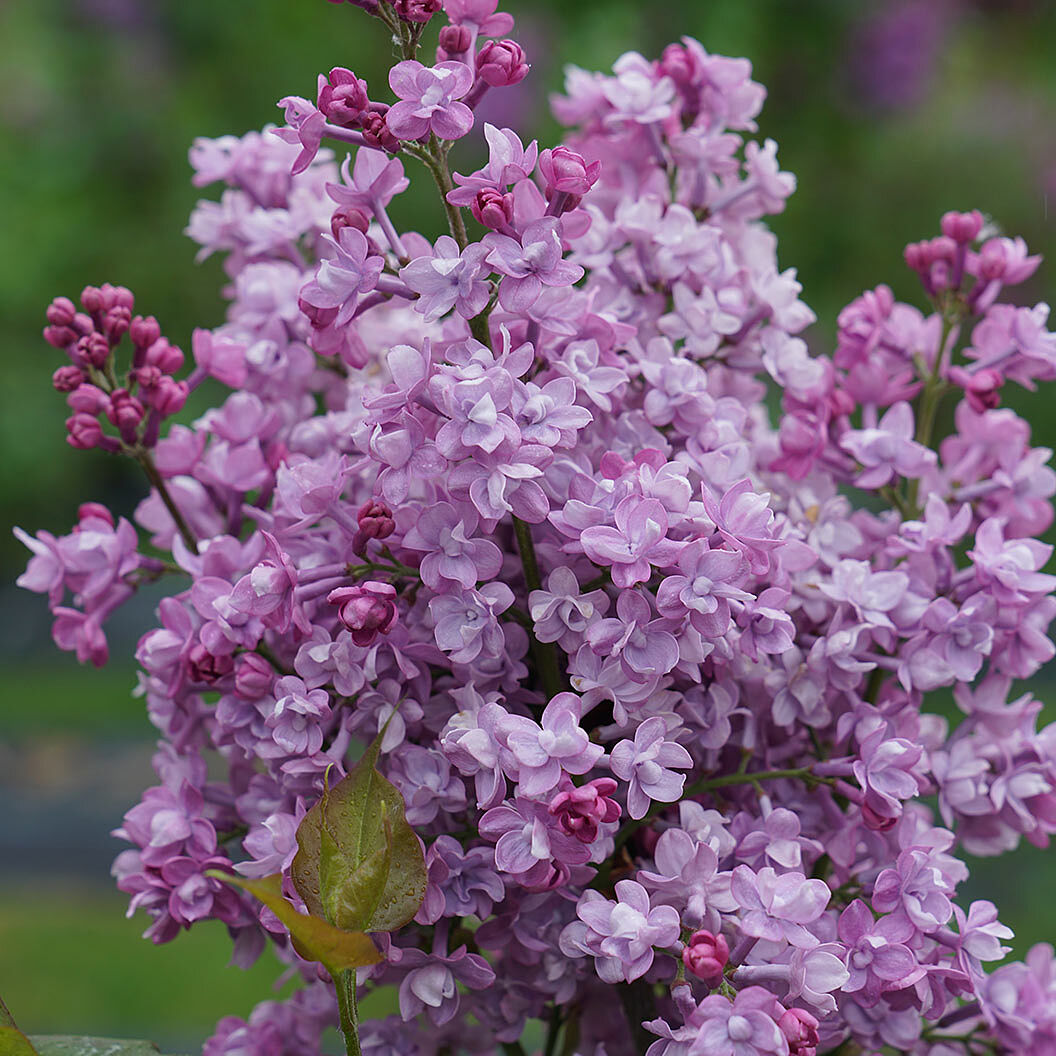
Though no crape myrtles sprout true blue flowers, the Muskogee Crape Myrtle comes the closest with its lavender blossoms. Growing to a moderate height for crape myrtles, this variety is undoubtedly attractive with its multiple, taupe-colored trunks. What’s more, this variety is more resistant to powdery mildew than similar alternatives.
Southern Living® Colorama™ Scarlet Crape Myrtle Tree

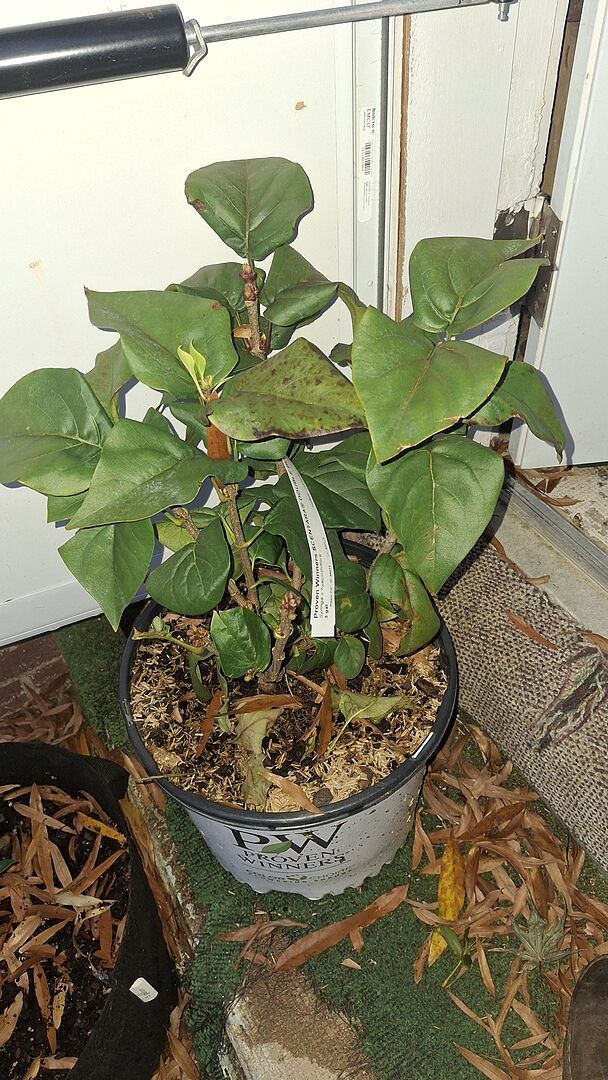
The Colorama Scarlet Crape Myrtle brings some of the boldest red blooms in the lineup, set against deep green leaves that make the color pop even more. Bred as part of the Southern Living Plant Collection, it's built to handle heat and humidity without missing a beat, and it's cold hardy enough to plant in Zone 6. Blooms run from early summer clear through the first frost, and the tree matures quickly, filling in with a dense, upright habit.
Tuscarora Crape Myrtle Tree

Coral-pink blooms cover the Tuscarora Crape Myrtle in such volume that it holds its own in nearly any soil type, from sandy to clay. Its bark peels away in smooth patches for extra interest once the flowers are gone, and the tree tolerates cold down to zero degrees without needing to be cut back each winter. Choose a single-trunk form for a more formal look, or let it grow multi-stem for a fuller, softer shape.
Dynamite Crape Myrtle

True to its name, the Dynamite Crape Myrtle produces some of the brightest red blooms of any variety, and they stick around from spring through fall. It shrugs off pests, disease, and drought once established, growing quickly into a specimen tree, privacy screen, or driveway border. Blooms start out a lighter red the first year and deepen with each season that follows.
Thunderstruck™ Coral Boom™ Crape Myrtle Tree

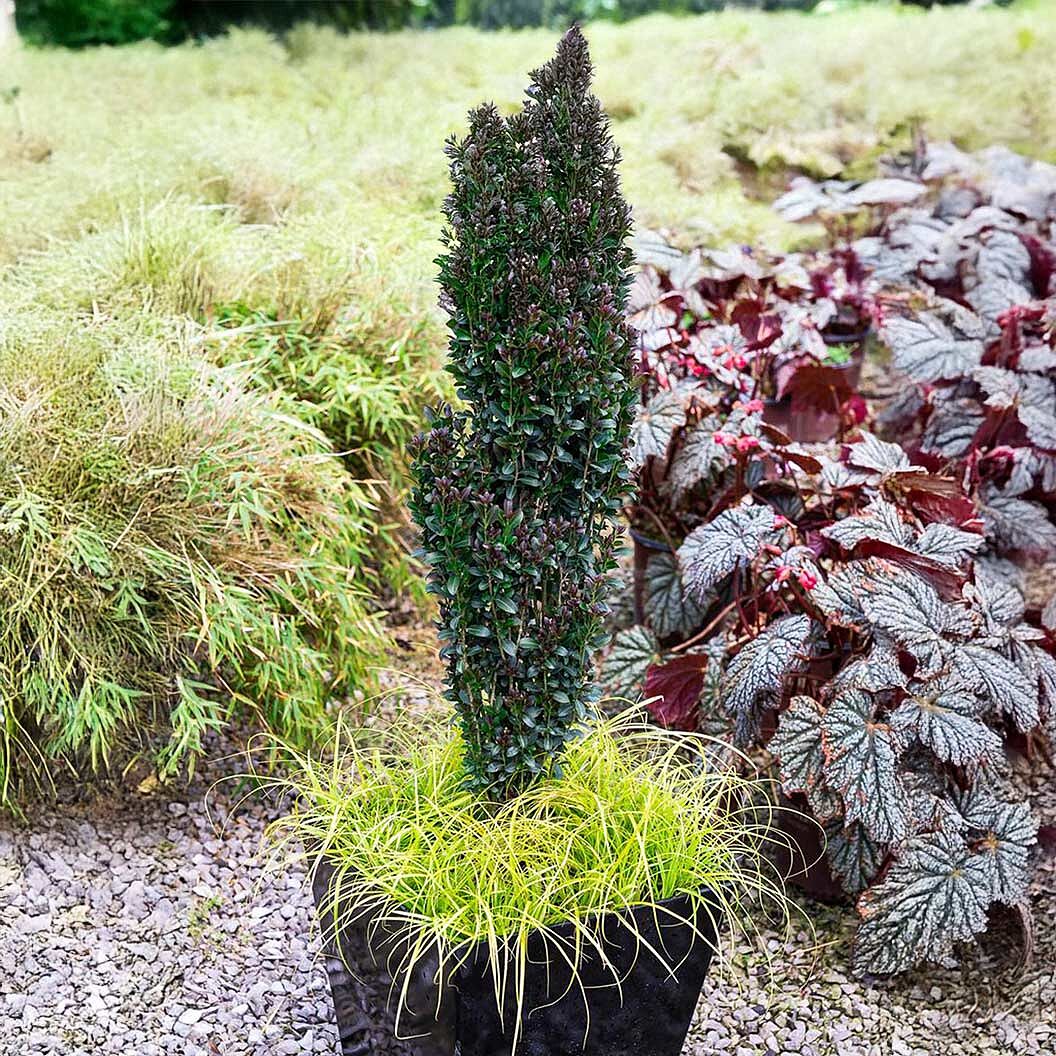
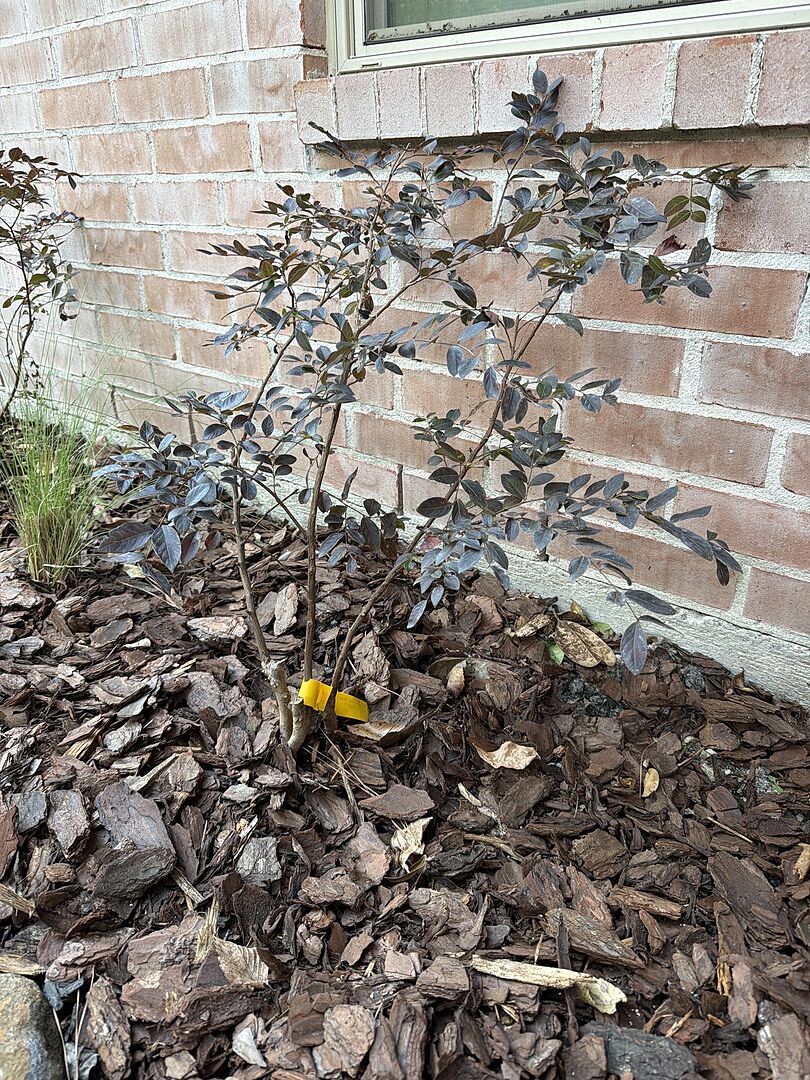
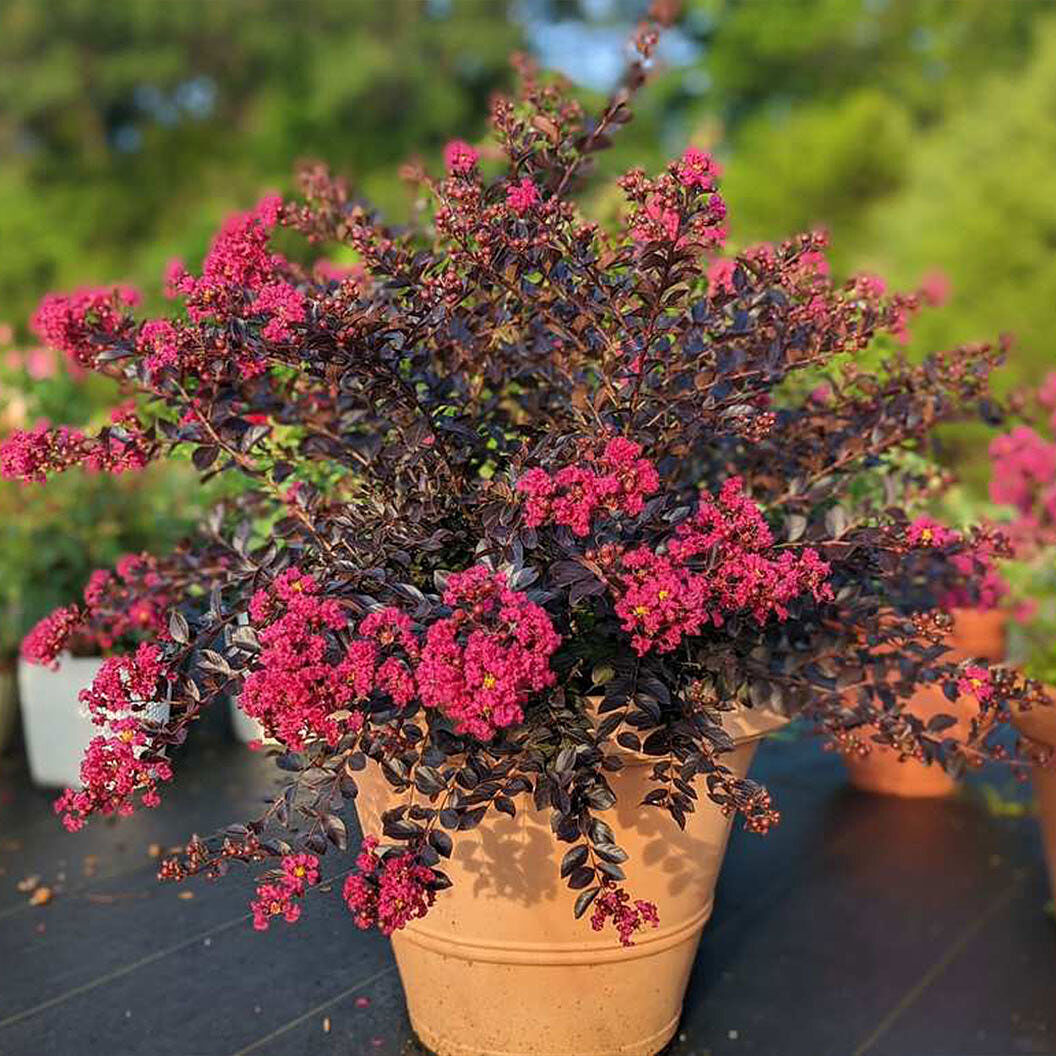
Coral Boom pairs near-black foliage with clusters of bright coral-red flowers for a contrast that's hard to miss in the landscape. It blooms from early summer until the first frost, and its compact size makes it a good fit for smaller yards where space is at a premium. Drought tolerance and cold hardiness mean it holds up well once it's in the ground.
Thunderstruck™ White Flash™ Crape Myrtle Tree

White Flash offers something a little different: blush-white blooms set against the same dramatic black foliage that defines the Thunderstruck line. Its dense form works well as a privacy screen or accent, and the tree draws in bees and butterflies while staying resistant to deer. It matures quickly, so the payoff doesn't take long.
Black Diamond® Purely Purple™ Crape Myrtle Tree

The Black Diamond Purely Purple variety brings deep purple blooms to a shrub-sized crape myrtle, backed by the same near-black foliage the Black Diamond line is known for. It flowers on new wood, so pruning won't cost you next season's blooms, and it's resistant to powdery mildew. Its smaller footprint makes it a good option for containers, porches, or tighter garden beds.
Black Diamond® Crystalline™ Crape Myrtle

Crystalline is one of the rarer crape myrtle varieties in the Black Diamond line, pairing its dark, almost-black leaves with clusters of pure white blooms that last all summer into fall. Depending on how it's pruned, it can be trained into a small tree up to 12 feet or kept as a bushier shrub. Once established, it's low-maintenance, heat-tolerant, and holds up well through dry spells.
Thunderstruck™ Lavender Skies™ Crape Myrtle Tree

Lavender Skies combines pink-purple blooms with the same moody black foliage found across the Thunderstruck collection, growing upright into a natural privacy screen 12 to 15 feet tall. It flowers from summer through autumn and handles both drought and heat without much fuss. Its fast growth rate means that dense, full look doesn't take long to achieve.
For a quick overview of the above varieties, check out this table:
|
Product Name |
Flower Color |
Mature Size |
Zones |
Sunlight |
|
Natchez Crape Myrtle |
White |
20-30 ft. tall by 15-20 ft. wide |
7-10 |
Full |
|
Twilight Crape Myrtle |
Purple |
20-25 ft. tall by 10-20 ft. wide |
7-9 |
Full |
|
Pocomoke Crape Myrtle |
Pink |
3-5 ft. tall by 4-5 ft. wide |
6-9 |
Full |
|
Muskogee Crape Myrtle |
Lavender |
20-30 ft. tall by 10-15 ft. wide |
6-9 |
Full |
|
Southern Living® Colorama™ Scarlet Crape Myrtle Tree |
Scarlet red |
15-20 ft. tall by 8-12 ft. wide |
6-10 |
Full |
|
Tuscarora Crape Myrtle Tree |
Coral pink |
15-20 ft. tall by 10-20 ft. wide |
6-9 |
Full |
|
Dynamite Crape Myrtle |
Bright red |
20-25 ft. tall by 10-20 ft. wide |
6-9 |
Full |
|
Thunderstruck™ Coral Boom™ Crape Myrtle Tree |
Coral |
12-15 ft. tall by 8-12 ft. wide |
6-10 |
Full |
|
Red Rocket Crape Myrtle |
Red |
20-30 ft. tall by 15-20 ft. wide |
6-9 |
Full |
|
Tonto Crape Myrtle |
Fuchsia-red |
8-10 ft. tall by 6-10 ft. wide |
7-10 |
Full |
Crape Myrtle Characteristics
Flowers

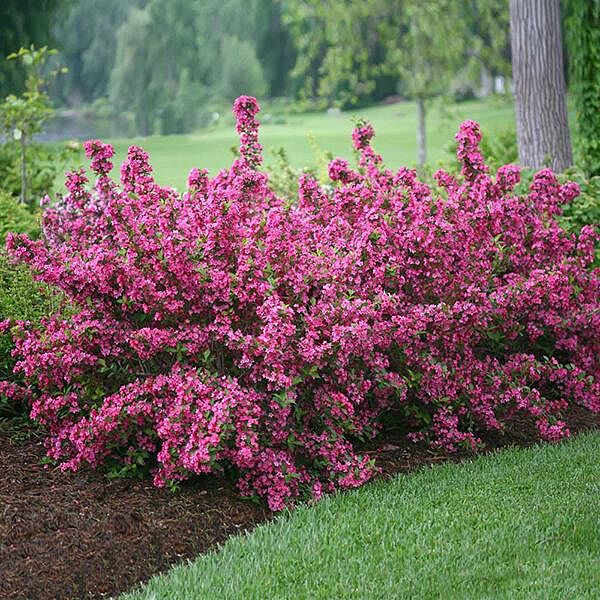
The most attention-grabbing feature of crape myrtles is their columns of flowers, ranging in length from 6-18 inches. Some of these blooms grow at the ends of the tree’s branches, while others grow in panicles or branched clusters.
The shrub or tree earns its name from its petals, which are slightly crinkled like crepe paper. Crape myrtle flowers appear in every color except for blues, yellows, and oranges. And sometimes, flowers are multi-colored, even on a single plant!
Bloom Period
Crape myrtles are a highly sought-after plant in warm climates because their flowers bloom for such a long period: at least four months from June through late September. As the flowers die, they leave seed balls that transform into side shoots of new flowers. Interestingly, the first blooms of the season will be larger than the ones that appear later on.
Multiple Trunks & Bark

Another unique feature of crape myrtles is that they have multiple trunks, though if you’re looking to develop a more tree-like appearance, these can be pruned into a single trunk. What’s more is that its bark comes in many different colors ranging from taupe to cinnamon to pale pink, and it sheds its bark in strips, revealing layers of varying colors for a striking contrast. This unusual bark makes the crape myrtle particularly attention-grabbing in winter.
Foliage
In addition, crape myrtles produce glossy, green leaves that are 2-8 inches long. Many of these ovular leaves take on vibrant coloring, including yellow, orange, and red, in fall, while other varieties sprout young, red leaves that mature into green in summer.
Size
Most of the time, crape myrtles grow to an equal height and width, though some varieties have an upright growth pattern, giving them more of a tree-like appearance. Typically growing to no more than 30 feet high, their root systems are extensive in length, but their roots aren’t aggressive enough to crack sidewalks or harm other plants.
Uses and Benefits
Gardeners choose the crape myrtle for its stunning array of colors. If you’re looking for a centerpiece for your landscaping, the crape myrtle can be pruned into a whimsical tree, providing a gorgeous statement, as well as shade.
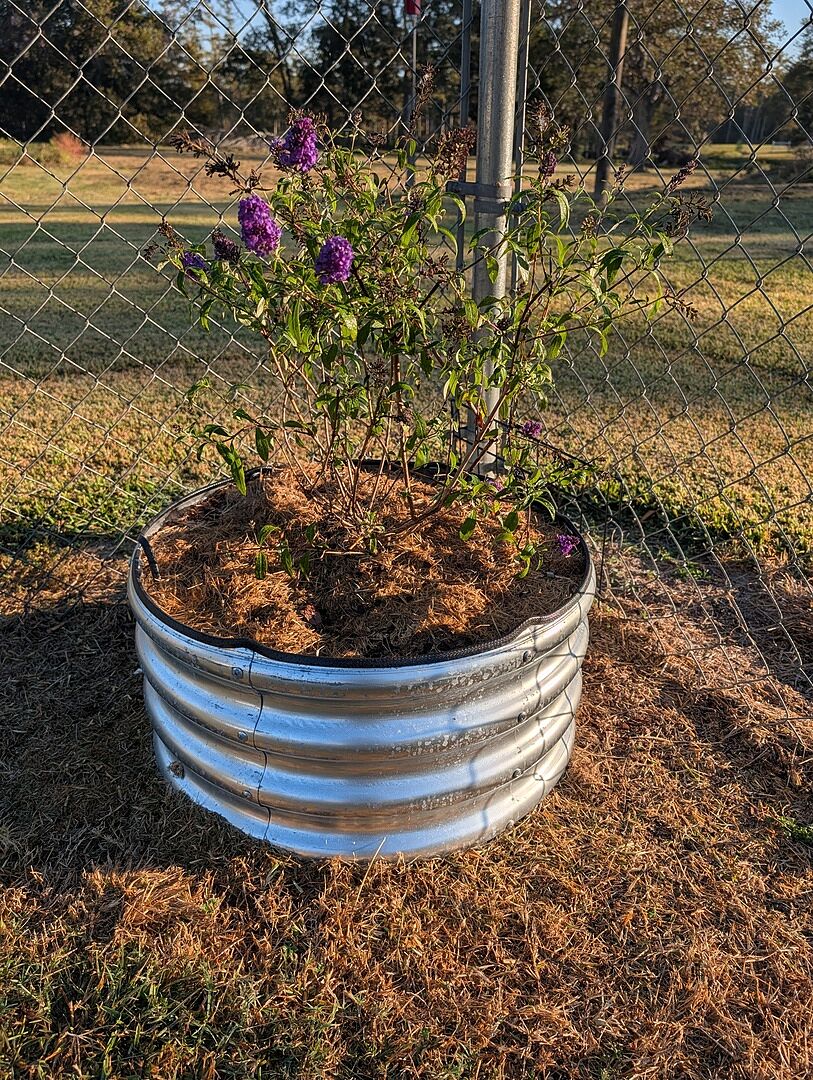
Alternatively, you could plant several varieties together to create a border or as part of a landscaping tableau with low-growing groundcover beneath. Some varieties are even happy in containers for planting versatility.
At the same time, crape myrtles face few problems with pests. Although gardeners should beware of Japanese beetles, aphids, and whitefly, crape myrtles are pretty tough and will continue to bloom even when infested. They're also drought and heat tolerant when established for added hardiness.
Planting Overview
Most crape myrtles grow best in Zones 7-10, though some newly-developed varieties also grow in Zone 6. Crape myrtles most often appreciate full sun and moist, yet well-draining soil that should be fertilized and watered deeply and regularly–at least once per week–throughout the first growing season. Choosing the right location also ensures the plant won’t fall prey to its occasional problem of powdery mildew.

General Care Overview
Watering
Crape myrtles are drought tolerant but may need a bit more watering during the hot summer season. And depending on your soil, you may need to water more frequently, especially if you have very sandy soil. After planting, water regularly to start. If the climate is hot, you may need to water up to five times weekly, especially in lighter soils. During the cooler seasons, you’ll likely only need to water once weekly. Proper soil moisture is particularly important during hot seasons to ensure better looking blooms and a healthier plant overall.
Pruning
There are mixed opinions when it comes to pruning crape myrtles. Some people prefer to chop off all of the branches at a uniformed height every year, leaving the stubs for the winter season that form a ball of growth in the springtime. This is good for height control and a uniformed border, but can commonly result in knobby stems and bunchy growth that’s easily susceptible to diseases and pests. Others prune their crape myrtles too heavily resulting in “crape murder.”
Although not completely necessary, pruning will encourage heavier blooming and create an attractive shape. To properly prune your crape myrtles, trim in the late winter before any new growth begins. If done in the late fall, you’ll jeopardize the tree’s dormancy state, which can harm or kill your tree. Only a light pruning of your plant to your desired shape is needed to encourage plenty of blooms.
For a more graceful tree shape, remove all but four to five strong trunks and then remove the lateral branches around the bottom half of the tree. To encourage branching, make your cuts on longer, leggy limbs. Try not to over-prune too early–do your basic pruning, then allow the tree to grow a bit before continuing to shape over time. Remove any damaged, diseased, or crossing branches during the late winter. Also, be sure to remove any suckers or low growth to prevent your crape myrtle from looking more shrub-like.
Pro Tip: Be sure to always sterilize your cutting tools with rubbing alcohol before pruning to ensure no pathogens infect the tree, and make any cuts at a 45 degree angle.
Fertilizing
Crape myrtles will greatly benefit from an annual feeding of a high nitrogen fertilizer such as a 20-10-10 slow release formula in the early spring season. If you care to fertilize twice, feed the tree again roughly two months later. Slow release fertilizer will cut back on sucker growth. Do beware of excessive fertilizing, as this can inhibit blooms from forming due to an over abundance of nitrogen.
Choosing a Colorful Crape Myrtle for Your Yard
Crape myrtles are prized for their explosions of color and versatility. No matter if you’re choosing a stately Radiant Red Crape Myrtle or a playful Twilight Crape Myrtle, you’ll certainly appreciate months of blooms, unusual bark, and resilience all packed into one plant. And with our planting and care recommendations above, your varieties should grow happily for seasons to come!
Shop all of our Crape Myrtles to find your next landscape addition, and view other crape myrtle care resources below!
Written by
Sarah Logie
As Content Strategist at Trees.com, Sarah is smitten with words and a fanatic for flowers, particularly cut florals and house plants. With a love for curating compelling content, she also enjoys furthering her plant knowledge along the way! A few of her favorite flowers include hibiscus, hydrangeas, peonies and dahlias.
Sarah’s fondness for plants was cultivated through many childhood trips to Longwood Gardens in southeastern Pennsylvania, as well as through her first job out of college at a floral event design company. In her free time, catch her snapping photos of anything and everything, day-dreaming about interior decor, and enjoying the outdoors any chance she gets.