Fall Planting Guide: How to Care for Newly Planted Trees and Shrubs This Fall

Key takeaways
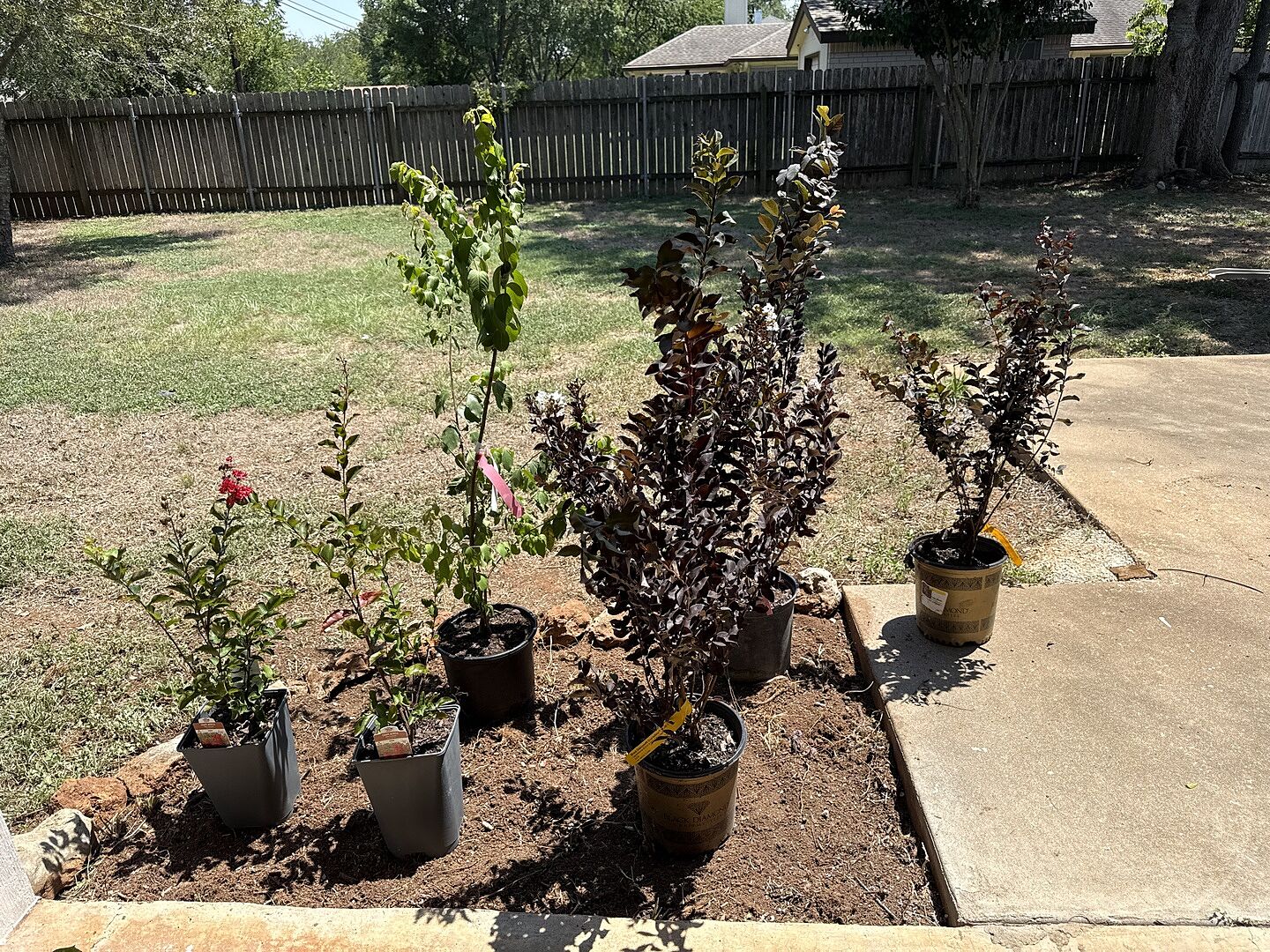
Plant trees, shrubs, and perennials throughout fall by getting them in the ground quickly and watering deeply to help roots establish successfully.
Water newly planted trees and shrubs deeply and infrequently, checking soil moisture regularly to keep roots hydrated without causing waterlogged soil.
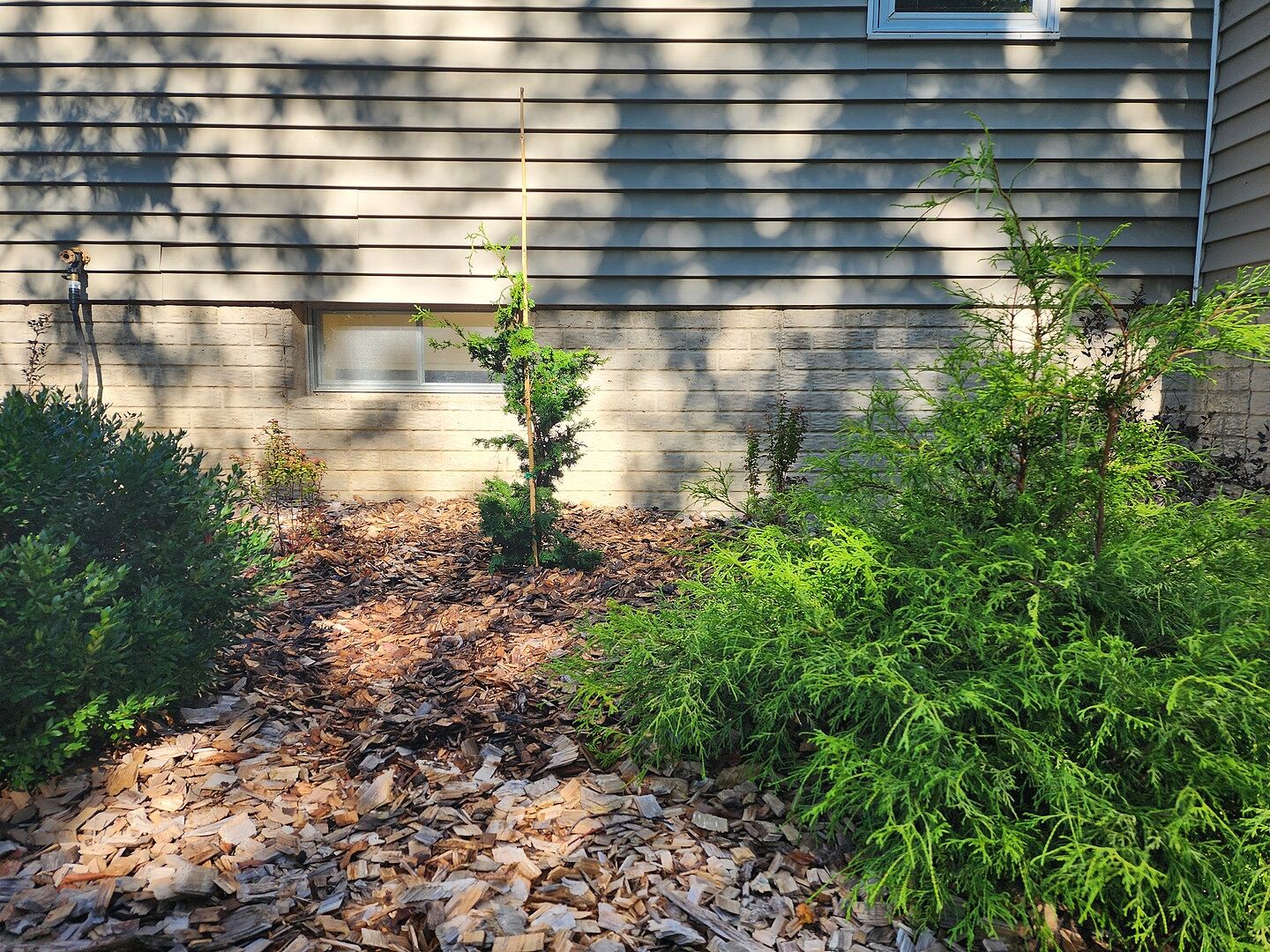
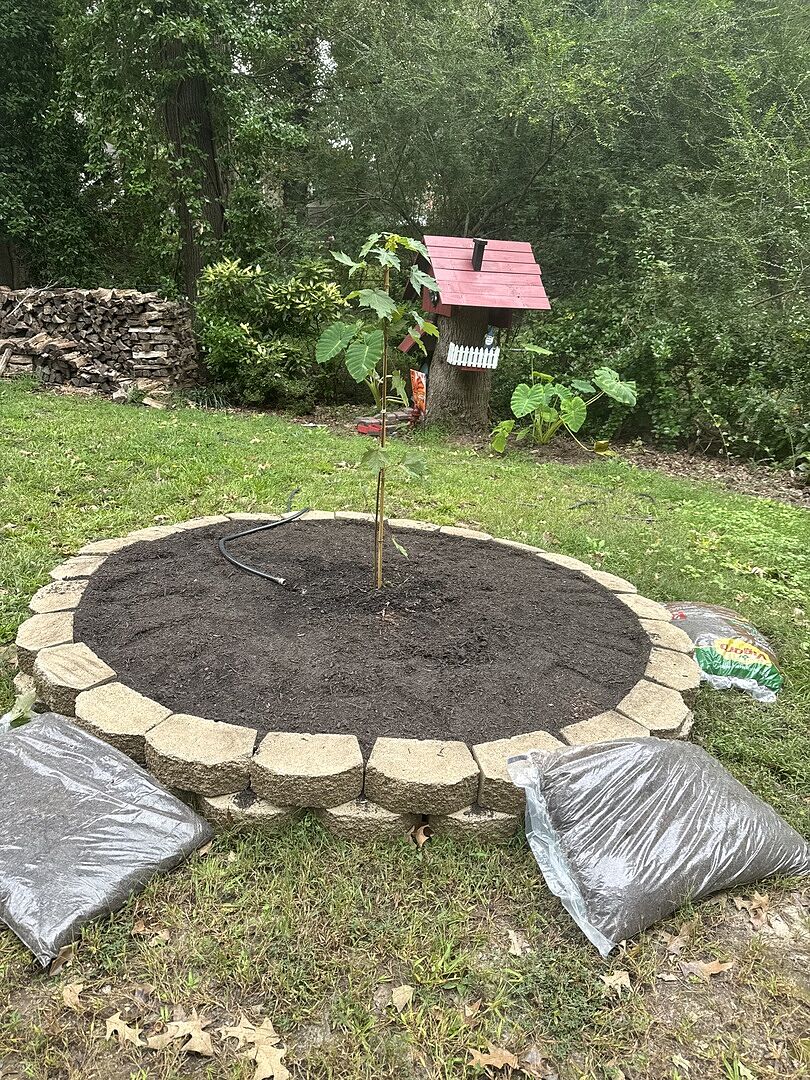
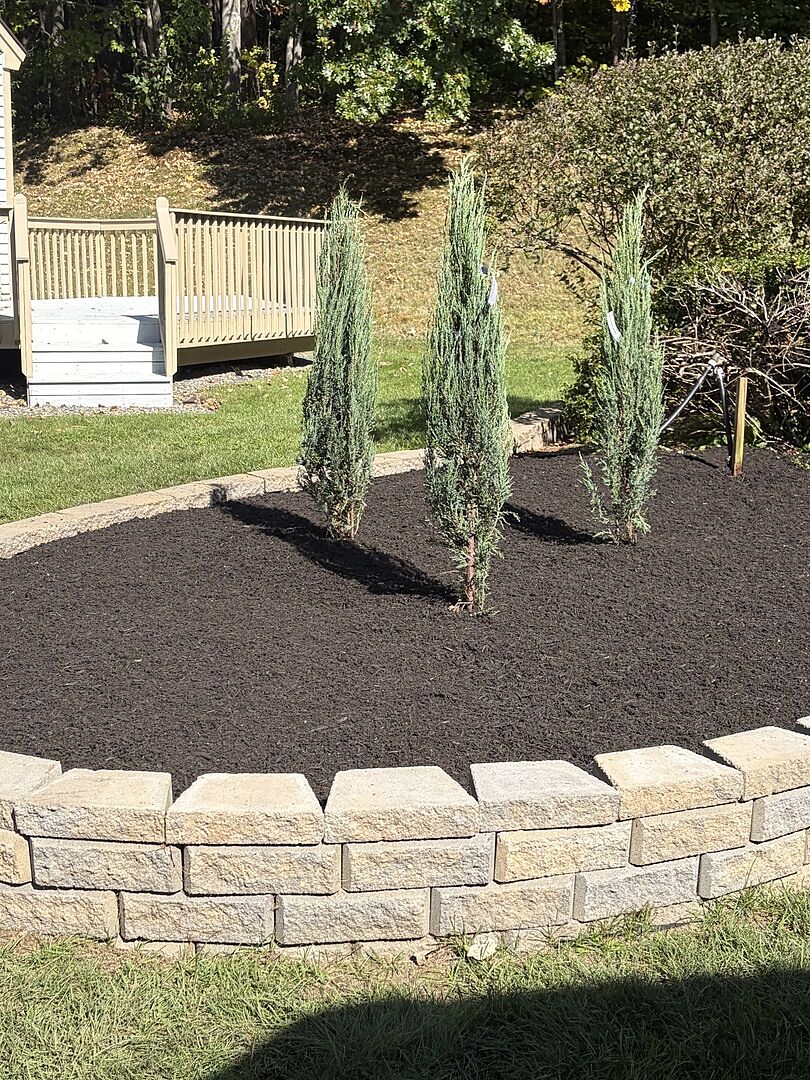
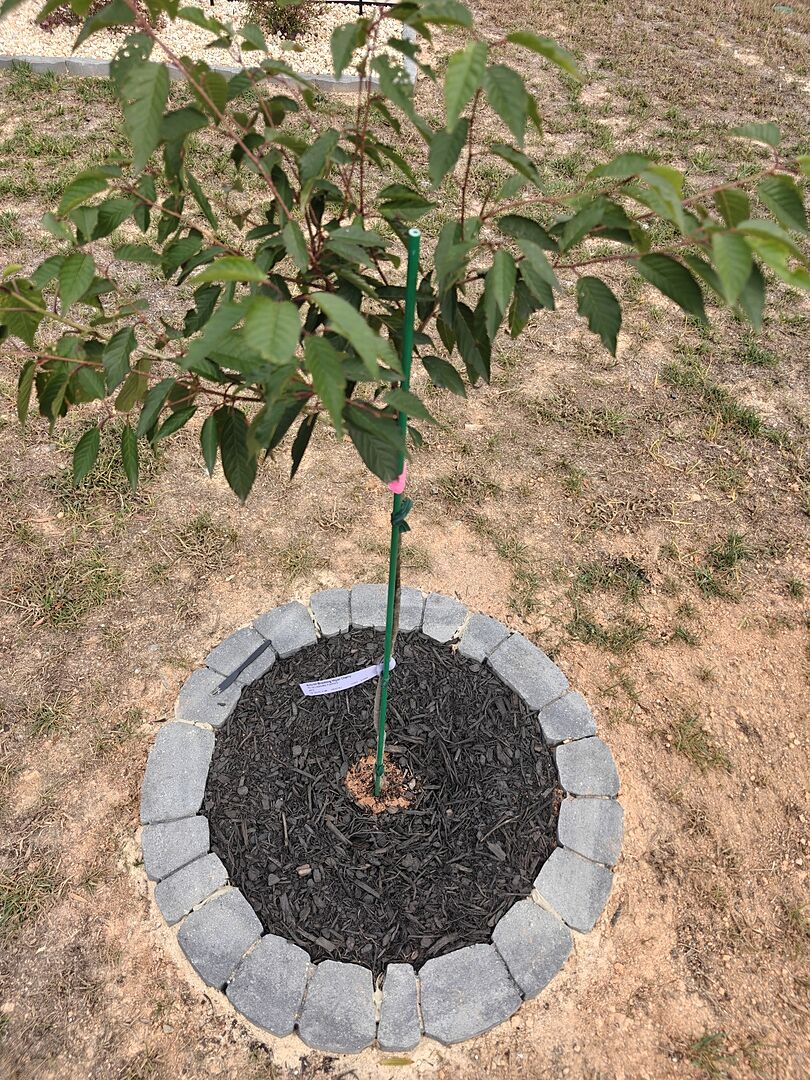
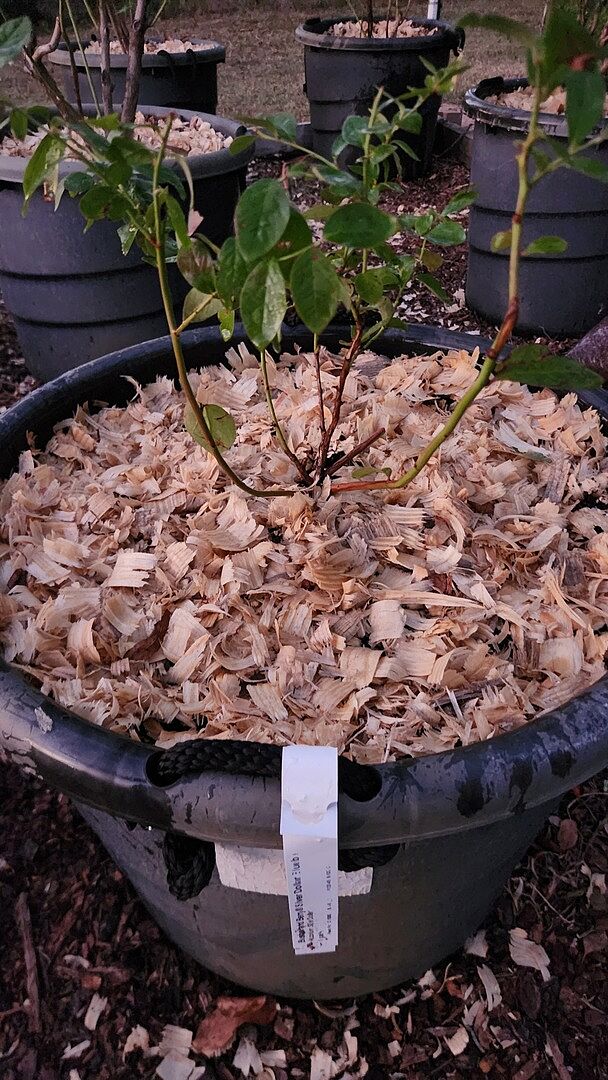
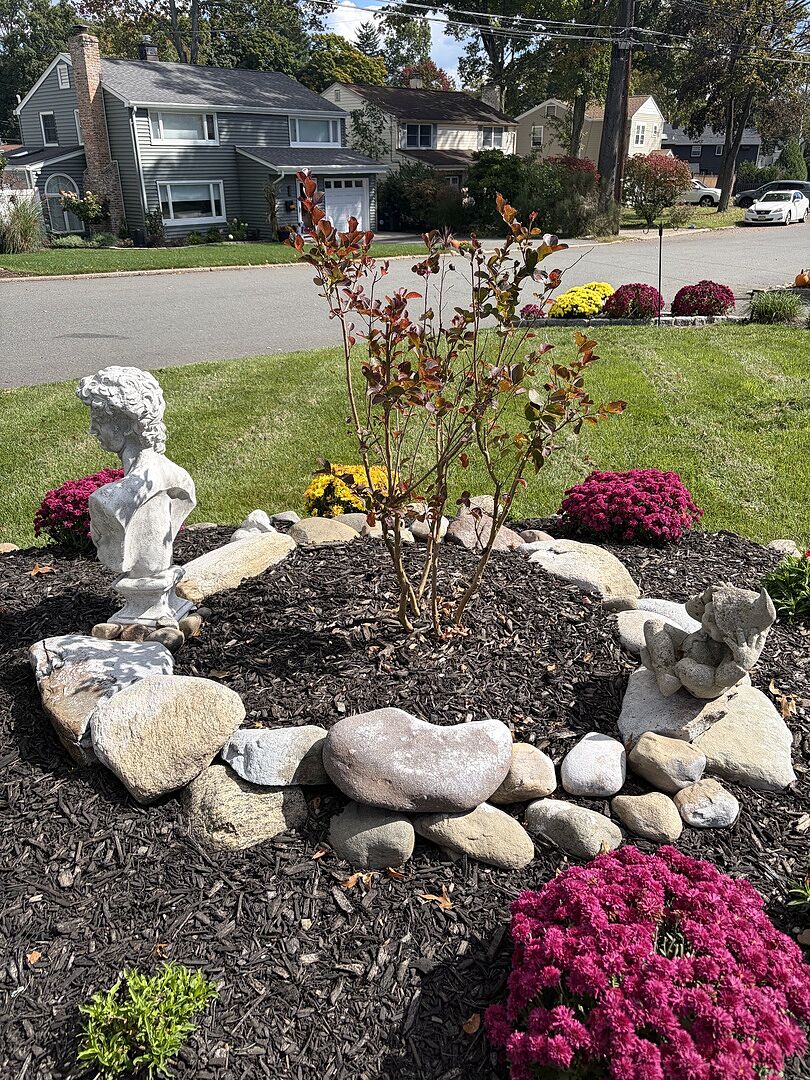
Apply a 2–3 inch layer of mulch around new plantings to insulate roots, regulate soil temperature, and prevent moisture loss during cool weather.
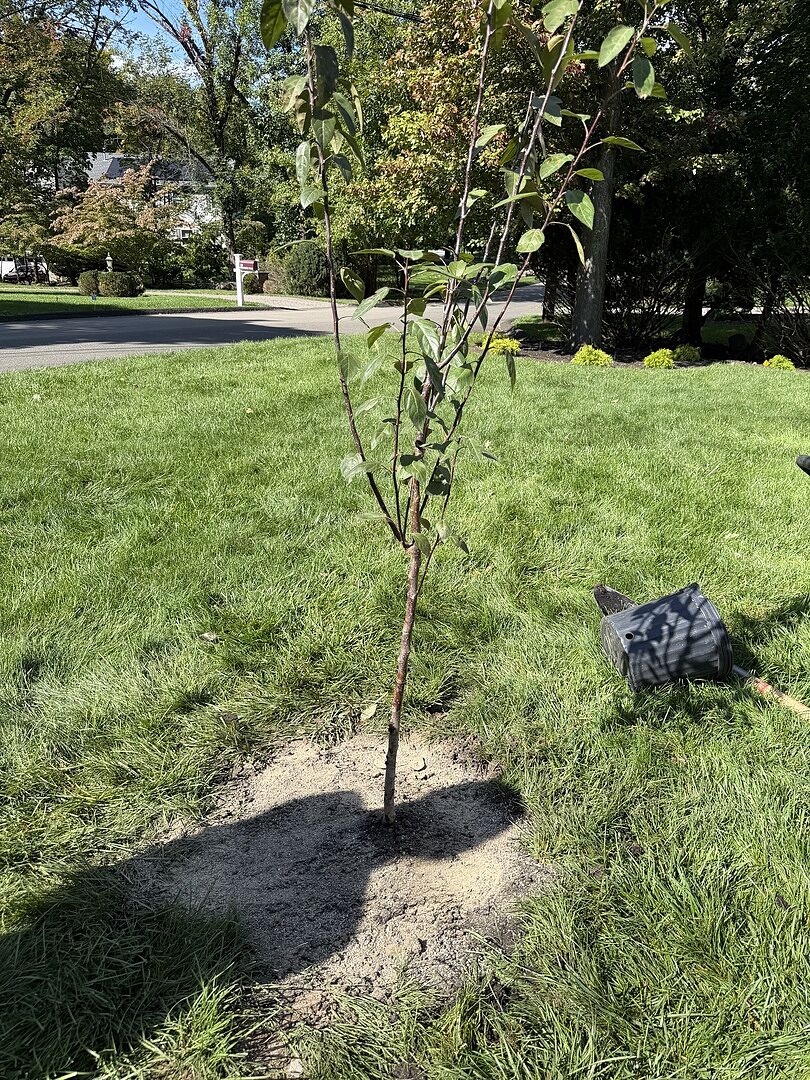
Fall is one of the best times to add new plants to your landscape. Cooler temperatures and still-warm soil make the transition easier on newly planted trees, shrubs and perennials, while giving roots plenty of time to begin establishing. What that means for you: plants that develop strong roots before winter, then take off with new growth in spring.
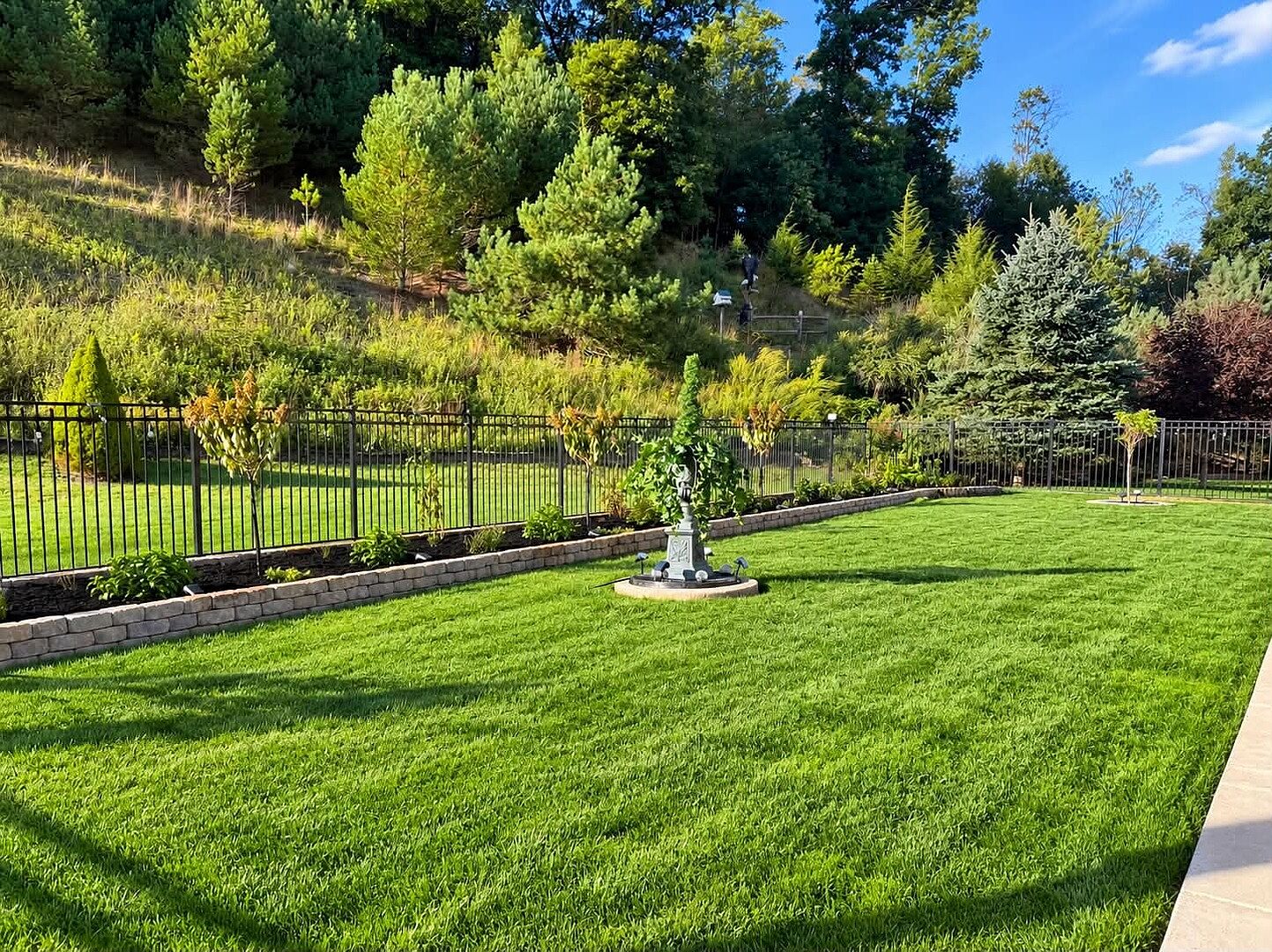
Whether you're planting a new fruit tree, flowering shrub, perennial or shade tree, this guide will help you set your plants up for success.
How Long Before the First Frost Should You Plant?
As a general guideline, aim to get new plants in the ground at least a few weeks before your area's average first hard frost. That gives roots enough time to start establishing before the ground cools too much for active growth to continue.
If cold weather is approaching faster than expected, don't wait for ideal conditions. Getting a plant in the ground even a couple of weeks before frost is better than leaving it in a container through the first freeze. Not sure what your timing looks like? Check our Hardiness Zone Map to find your average first frost date.
Getting Started: From Delivery to Planting
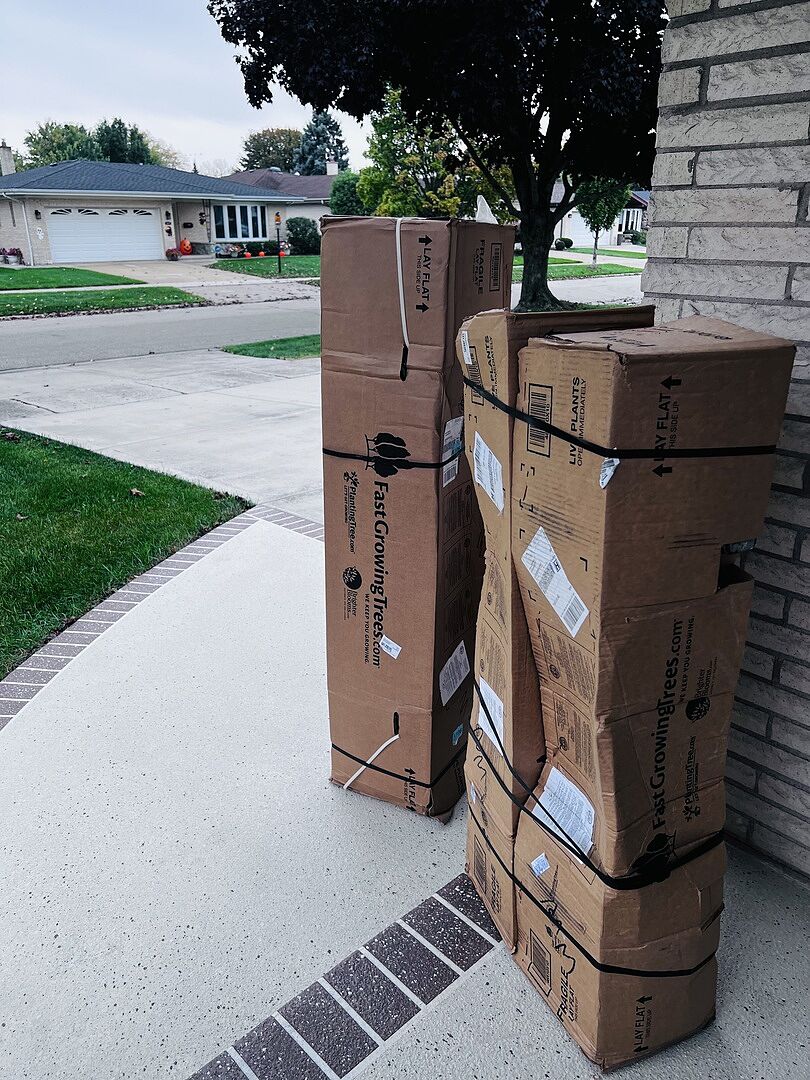
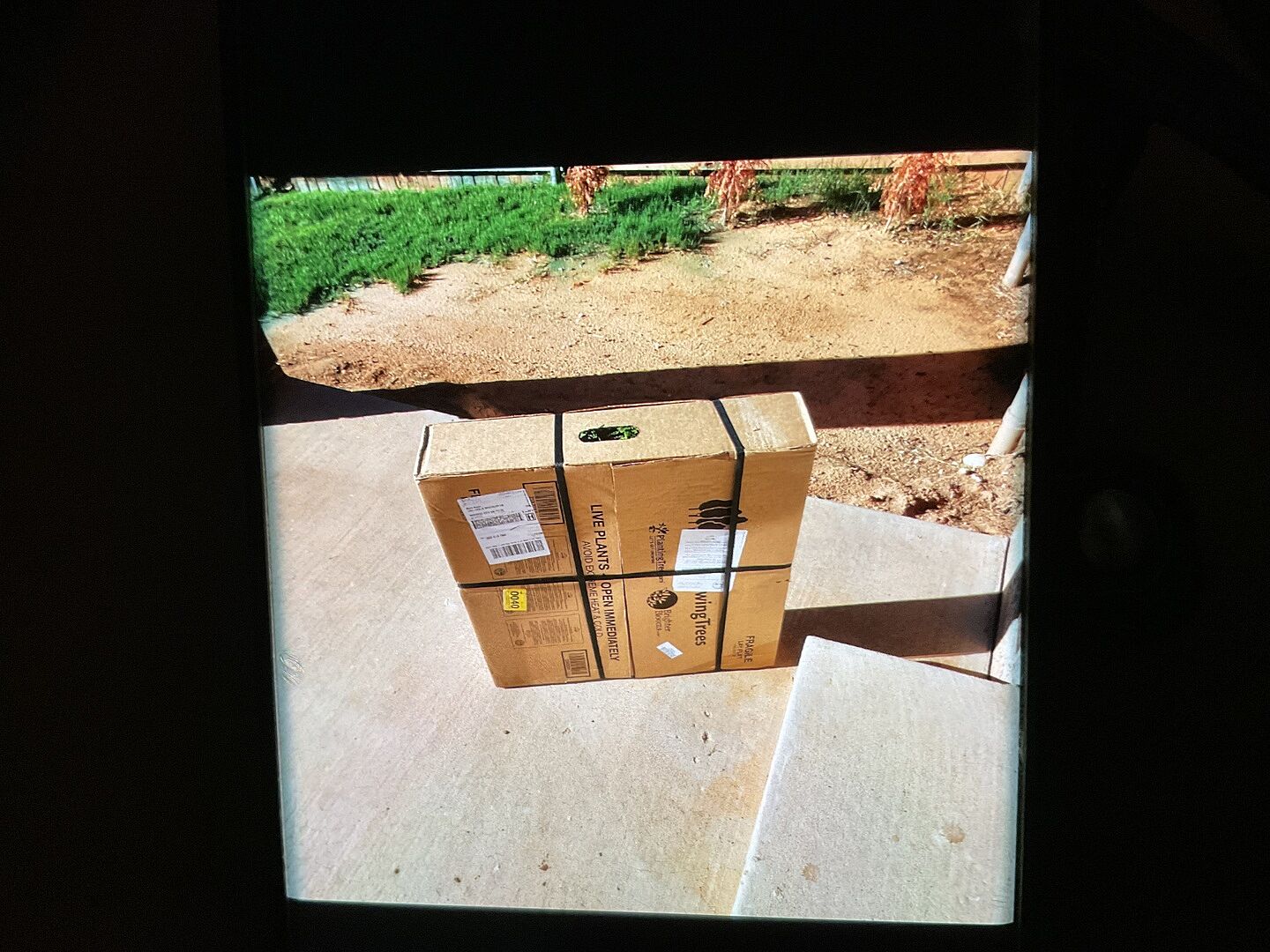
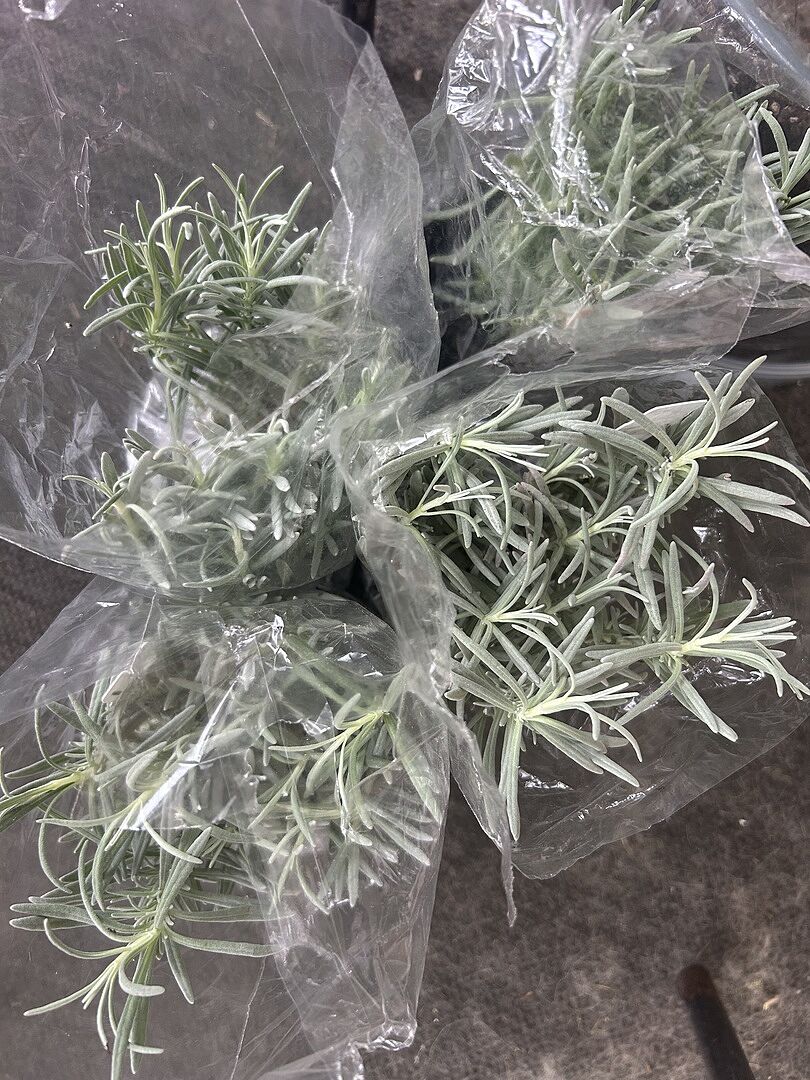
When your order arrives, unbox your plants right away, even if you're not ready to plant that day. Time spent in a shipping box delays recovery from transit, and with a shorter window before winter, that delay costs more in fall than it would in spring or summer.
If you can't plant immediately:
- Water if the soil feels dry
- Keep plants in a protected, sheltered spot outdoors
- Bring plants inside overnight if an unexpected early frost is in the forecast
Once you're ready, plant as soon as possible. Water thoroughly right after planting to settle the soil and eliminate air pockets around the roots.
How Often to Water New Plants in Fall
Watering doesn't stop just because the weather cools, it changes. Here's what's different about fall watering compared to summer:
- Soil holds moisture longer in cooler weather, so plants typically need water less often
- Roots are still active and drawing moisture as long as the soil isn't frozen
- Overwatering becomes the bigger risk in fall, since soil doesn't dry out as fast
- Smaller and container-grown plants still need closer monitoring, since they have less root mass to draw from
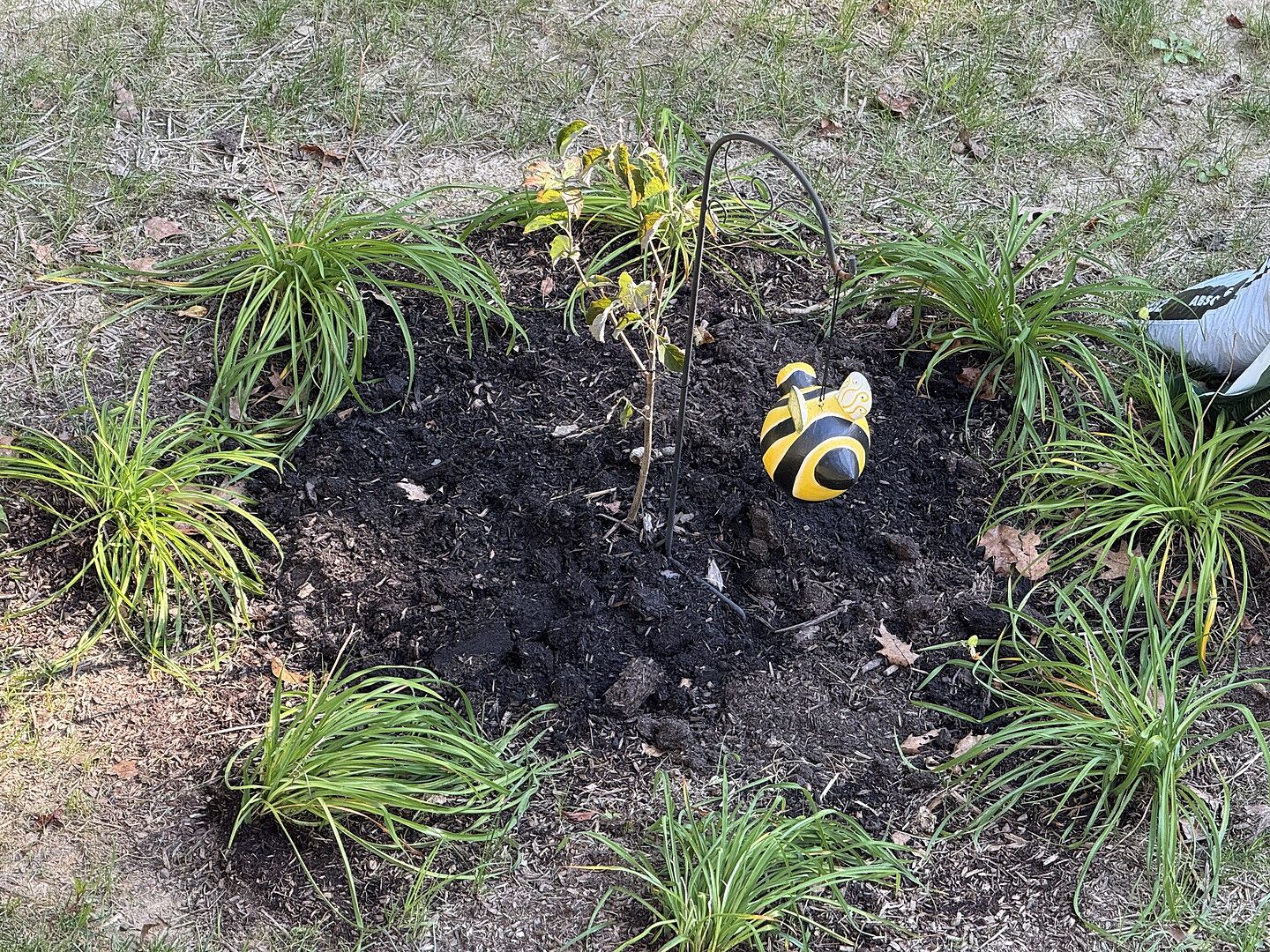
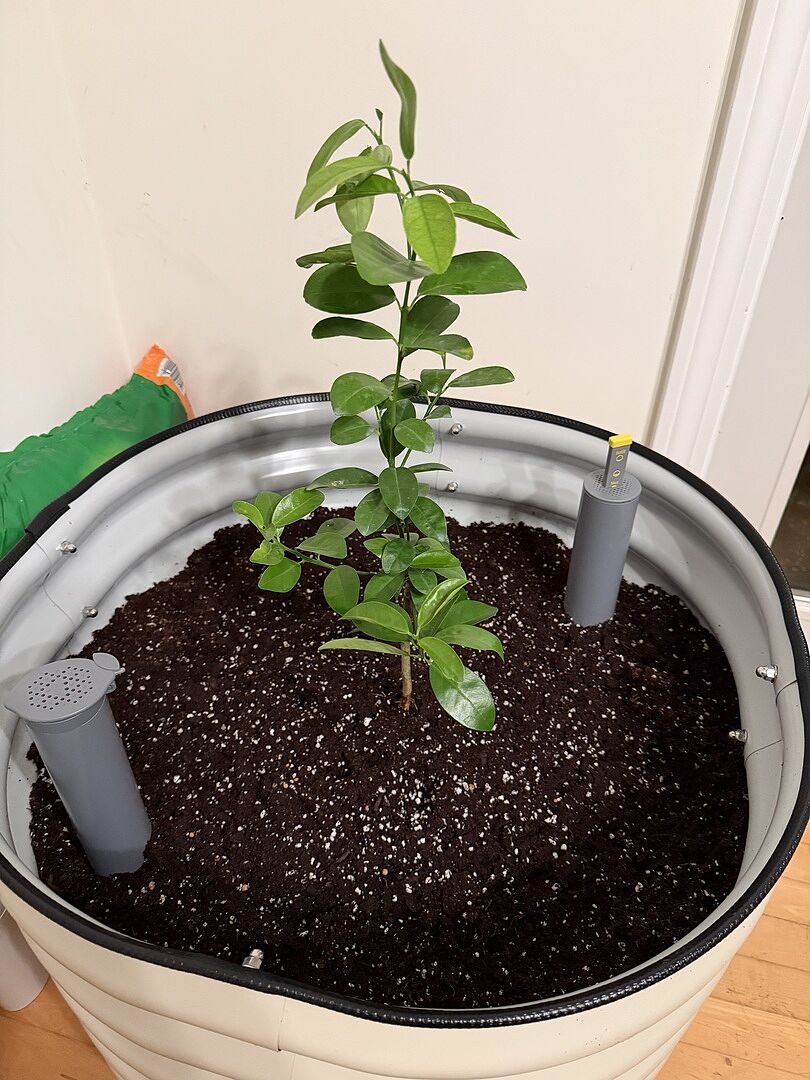
Check soil moisture before watering rather than sticking to a fixed schedule, and keep watering through fall until the ground freezes or the plant goes fully dormant. Dig a finger (or a moisture meter) 2–3 inches into the soil near the root zone. If it feels dry, water deeply and slowly. If it still feels moist, wait. The right frequency will change week to week.
Mulching for Winter Protection
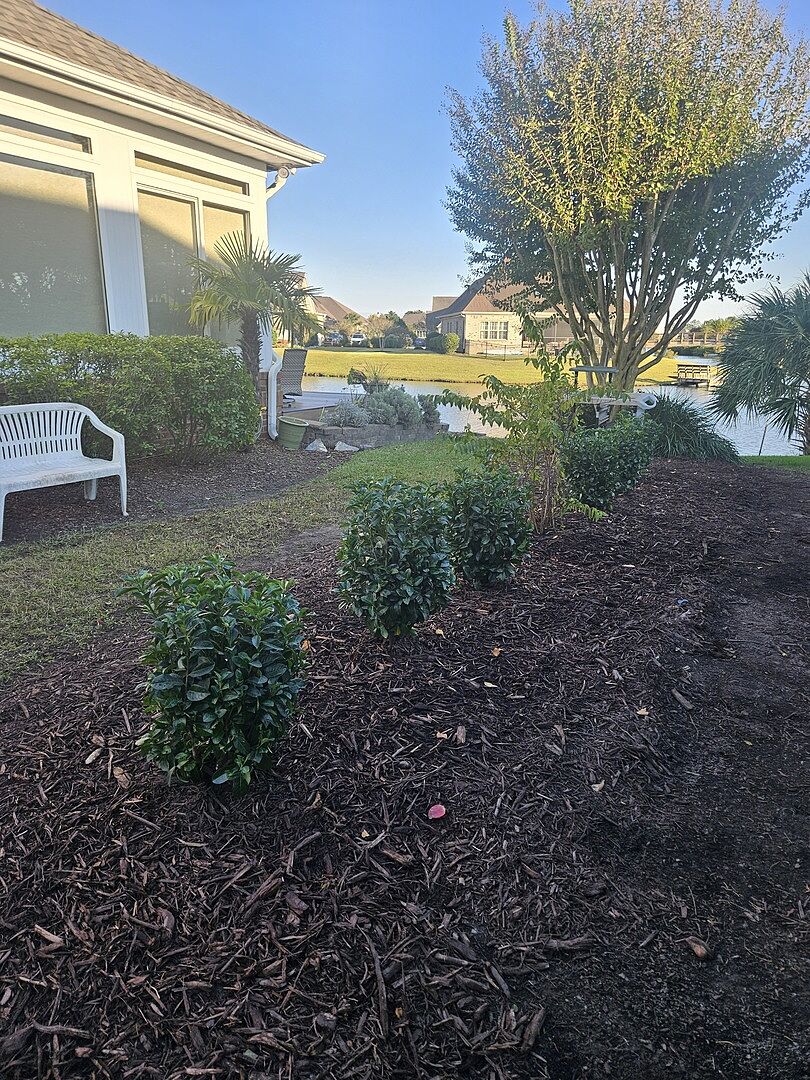
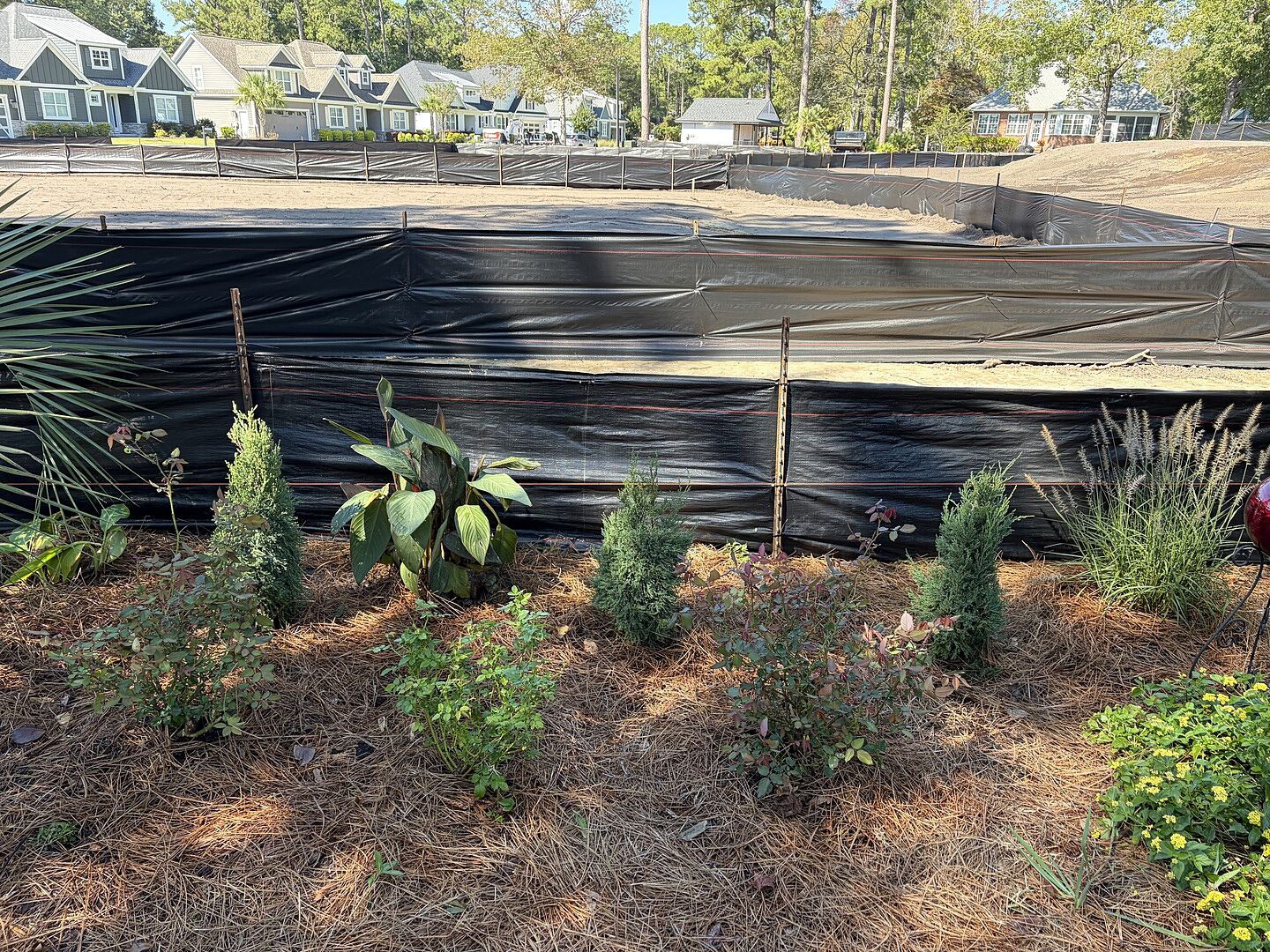
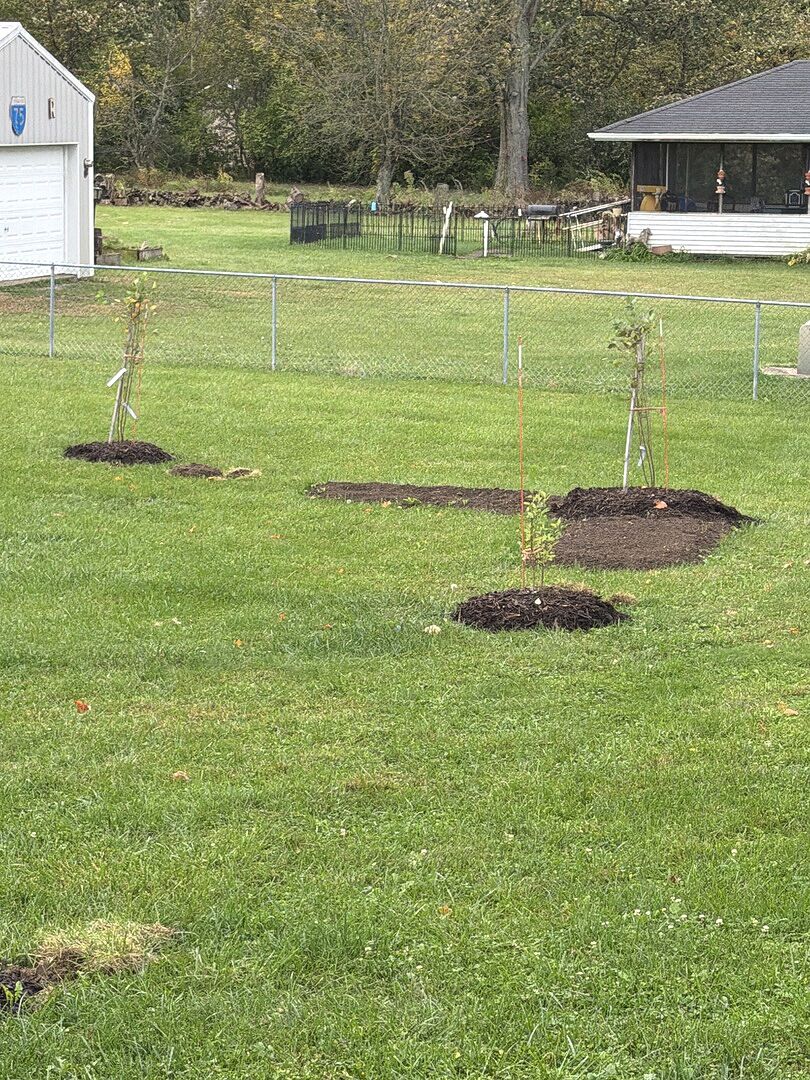
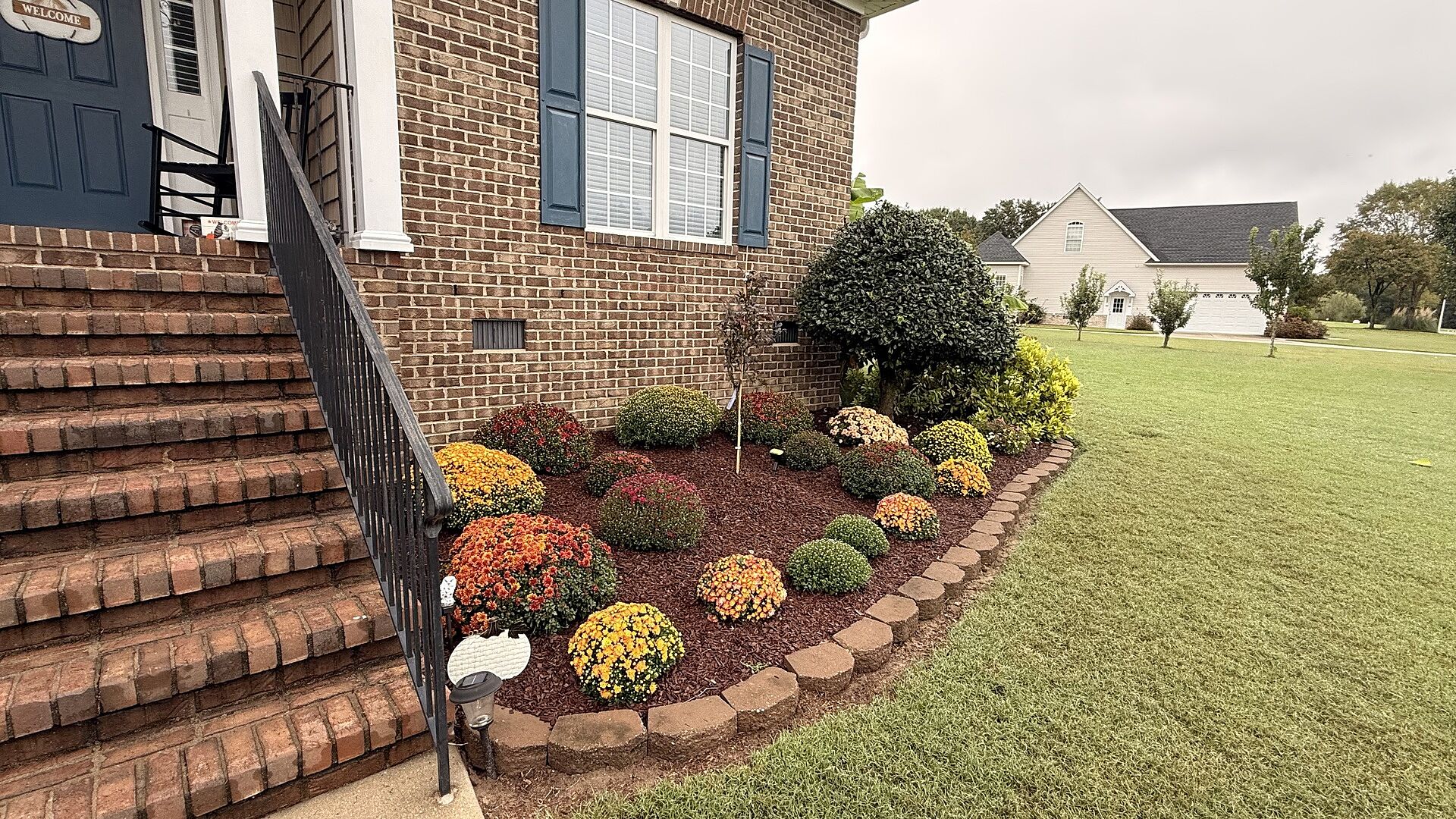
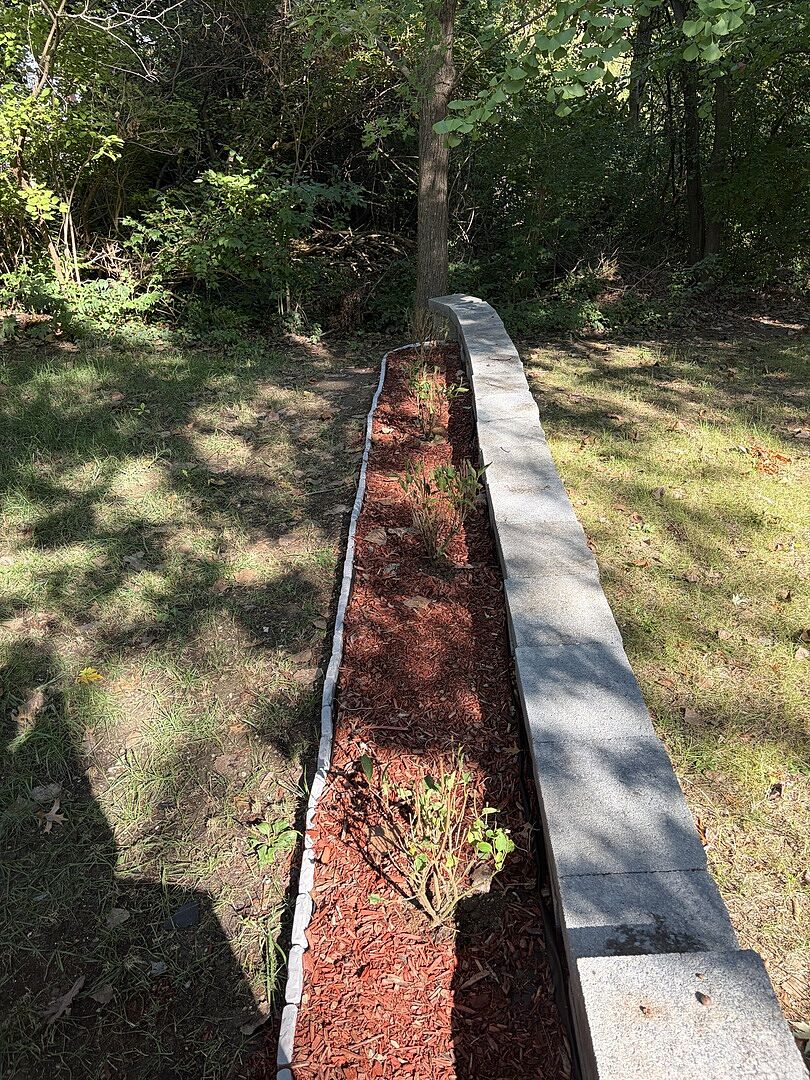
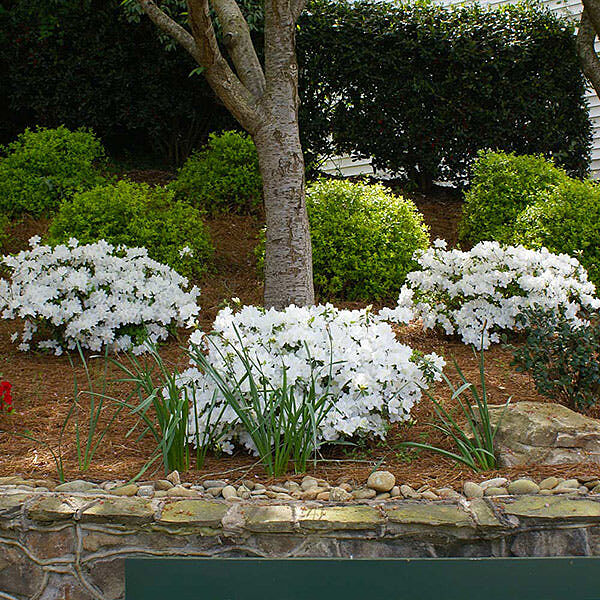
Mulch does a different job in fall than it does in summer. In warm weather, it's mostly about retaining moisture. In fall, its main role is insulation, buffering root systems against sudden temperature swings and helping soil stay workable a little longer into the cold season.
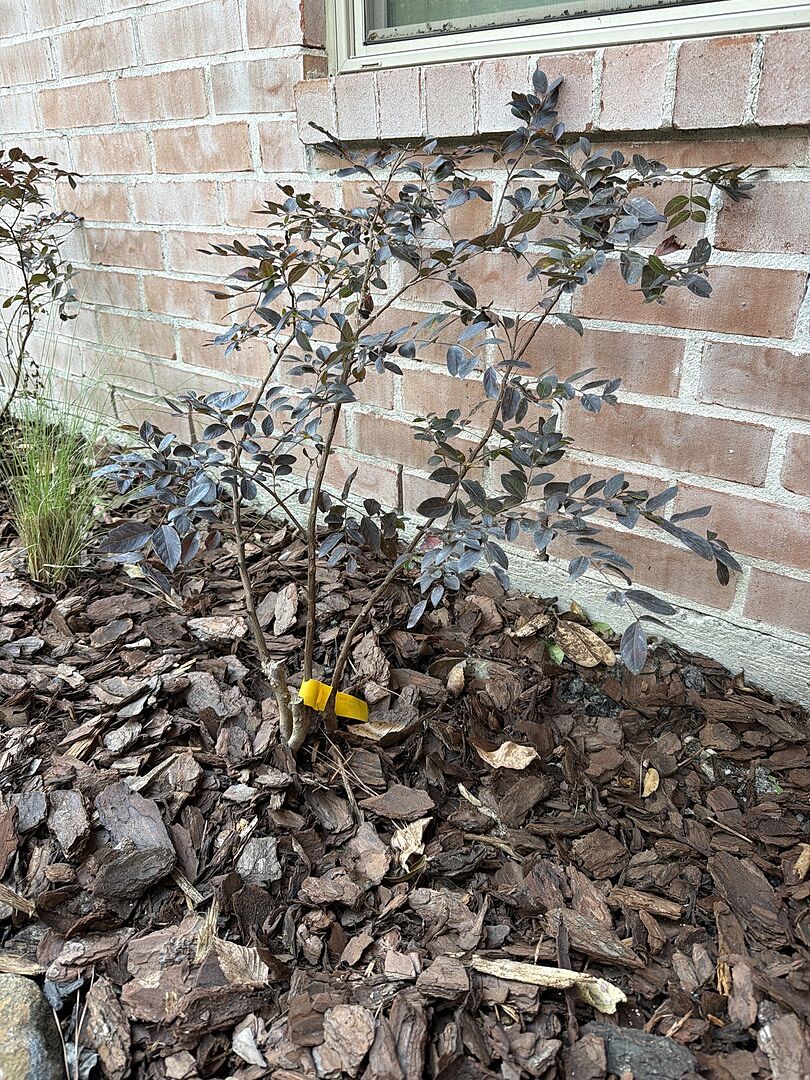
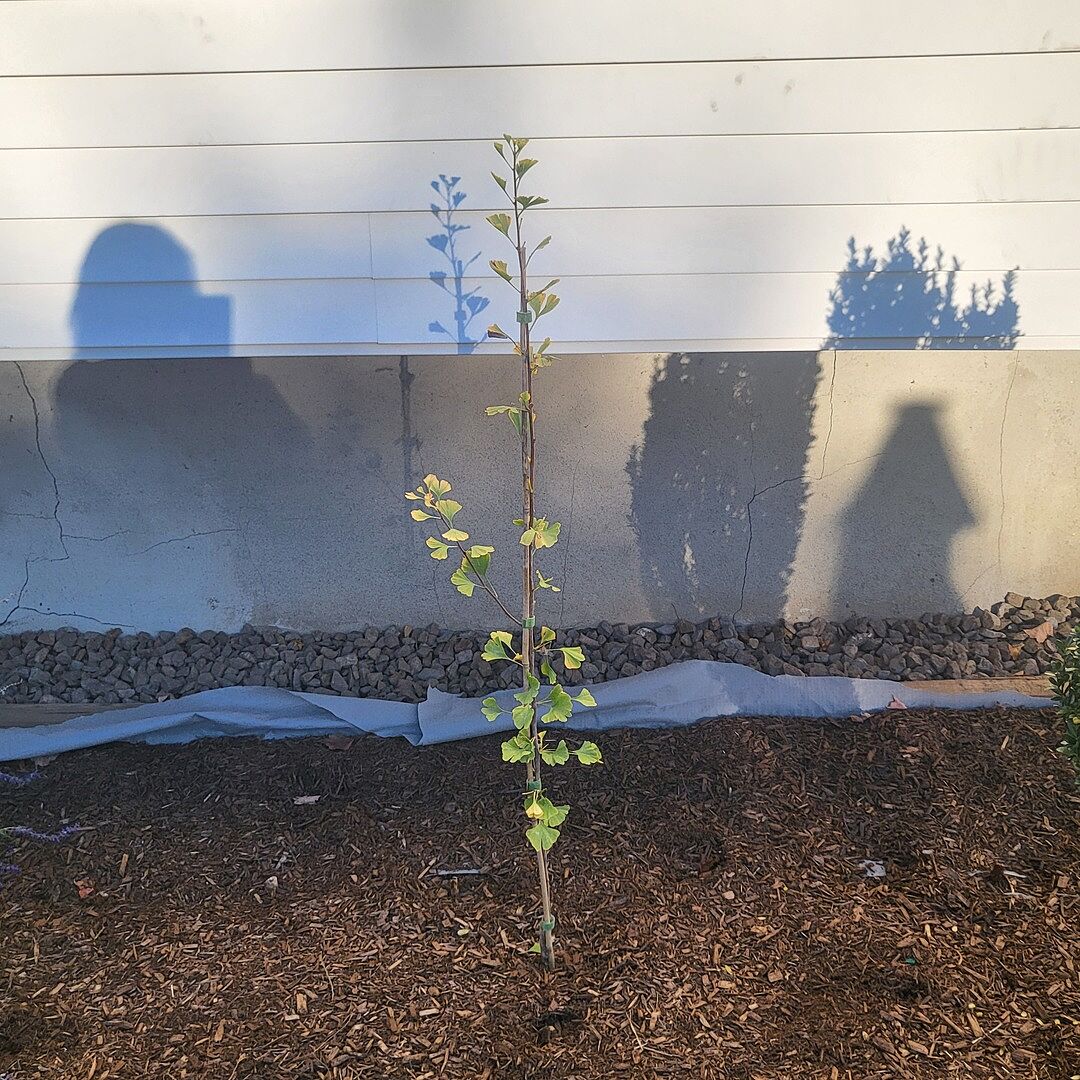
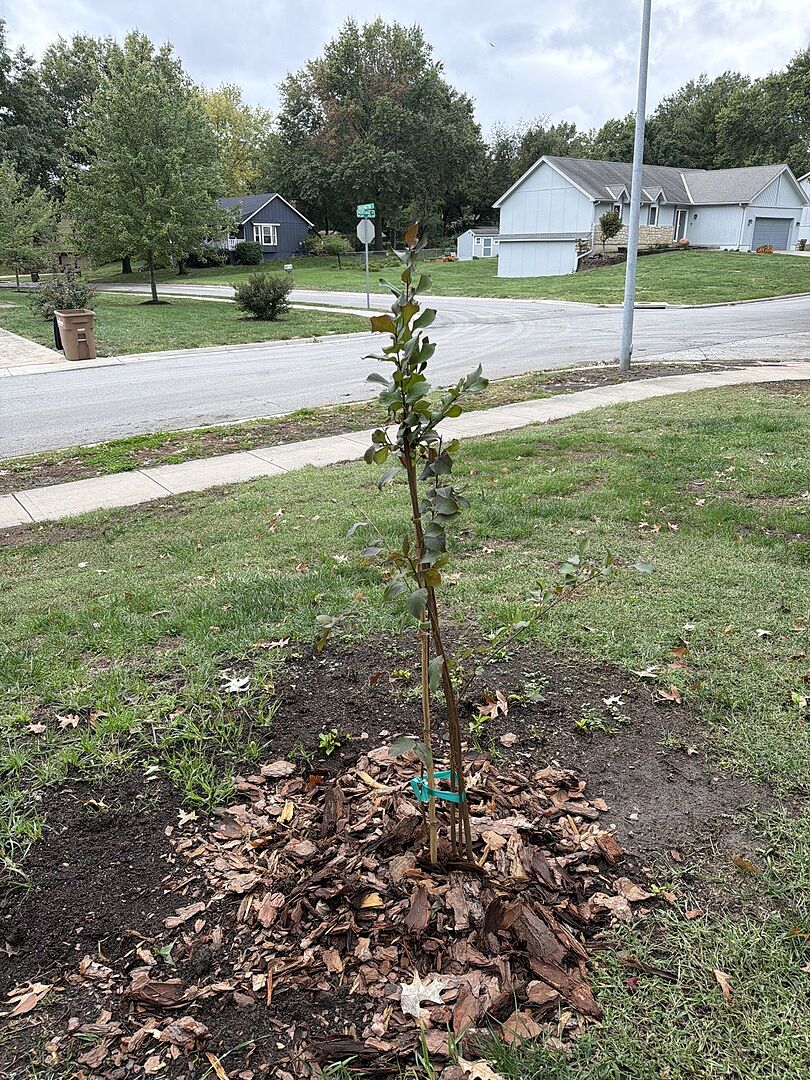
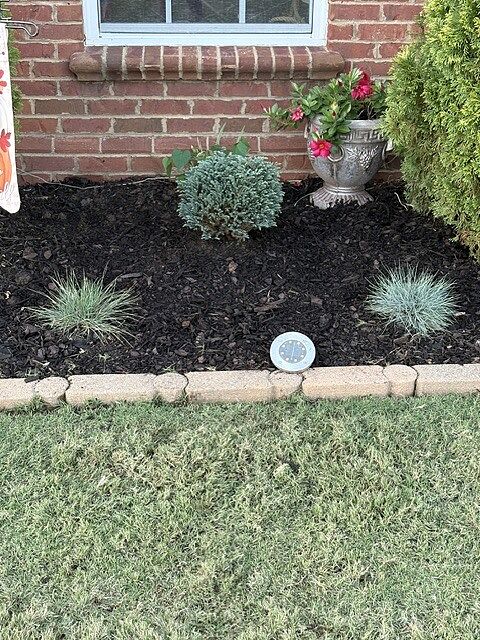
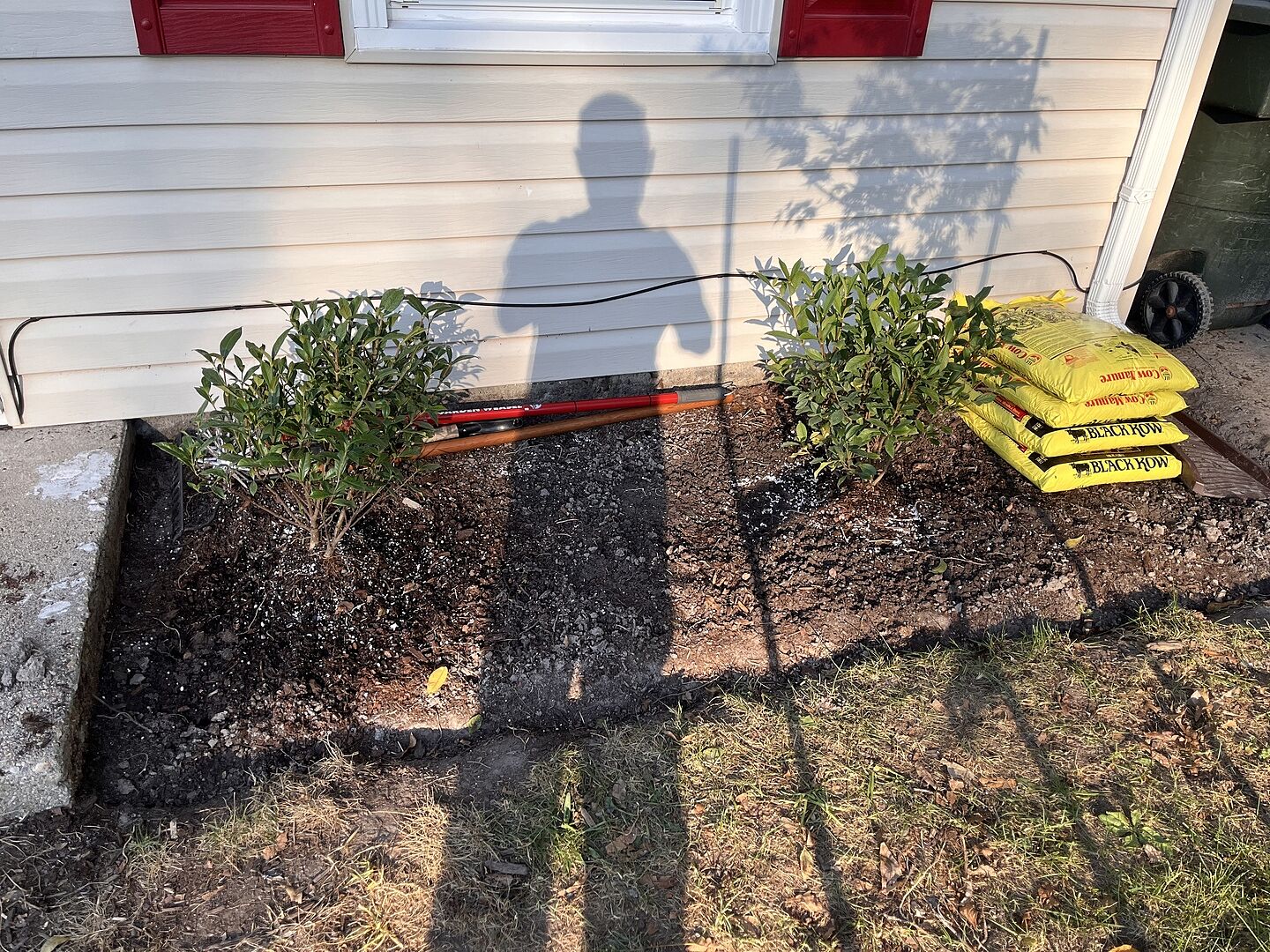
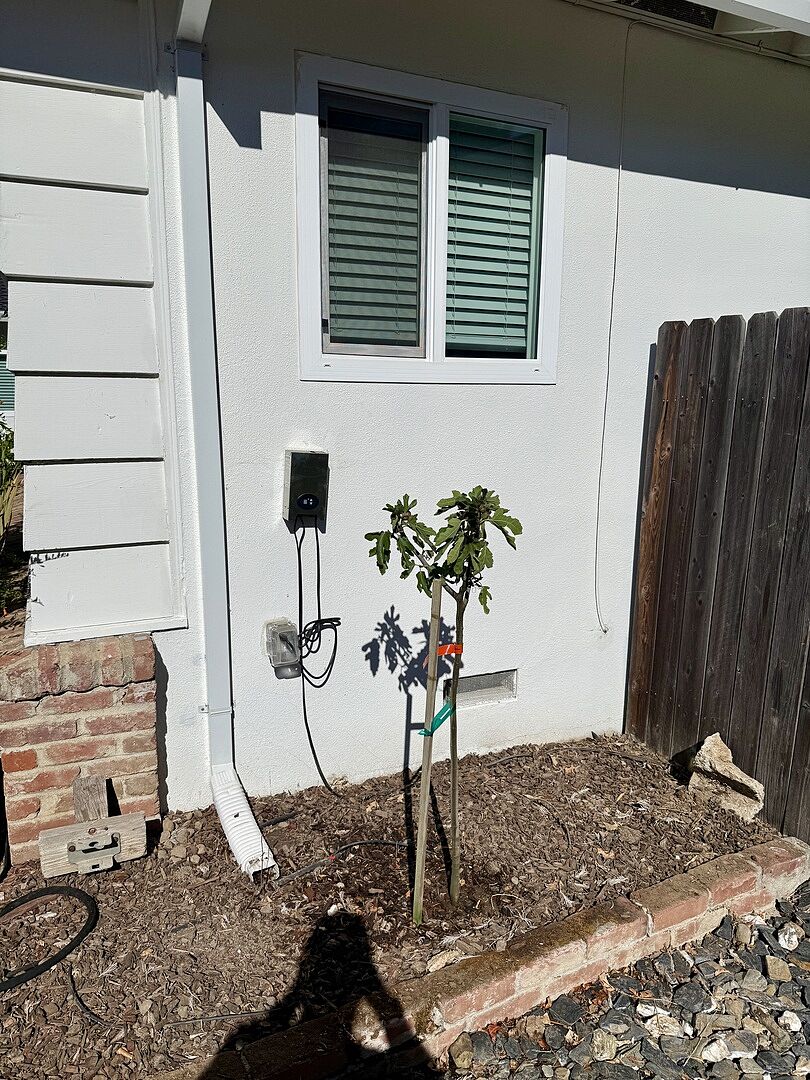
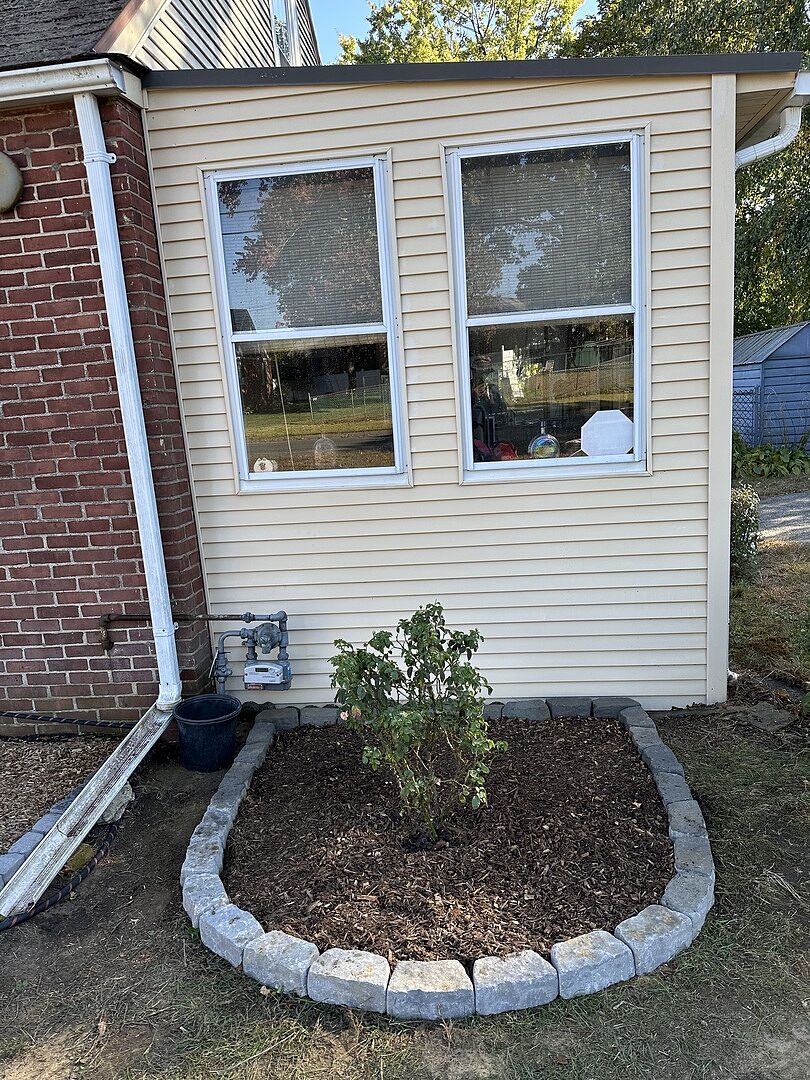
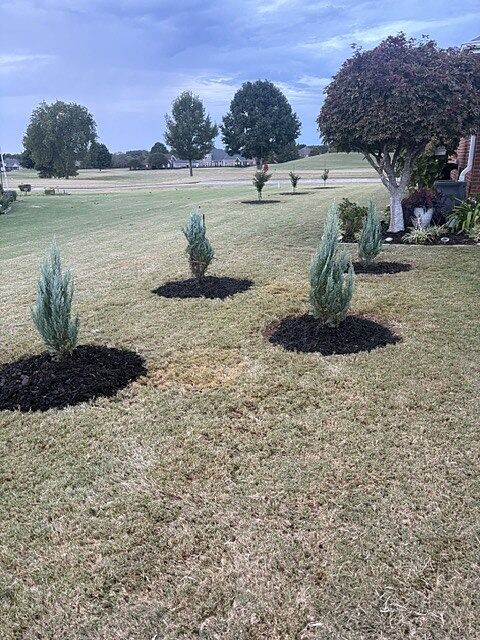
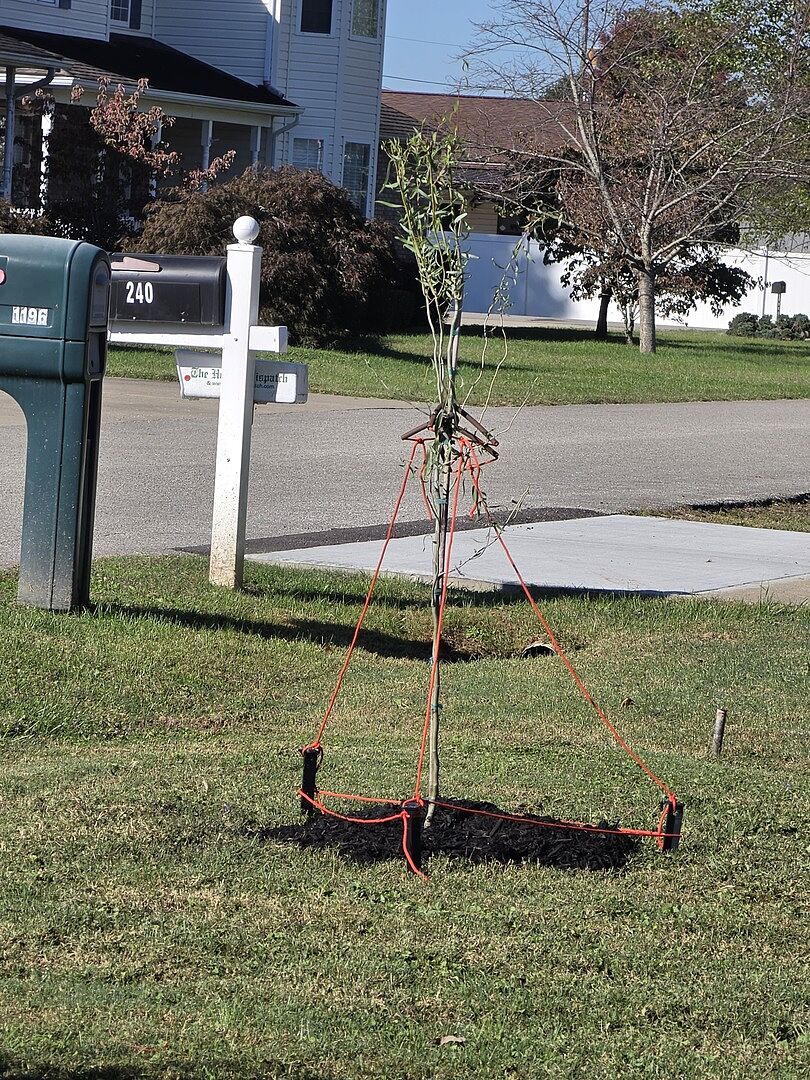
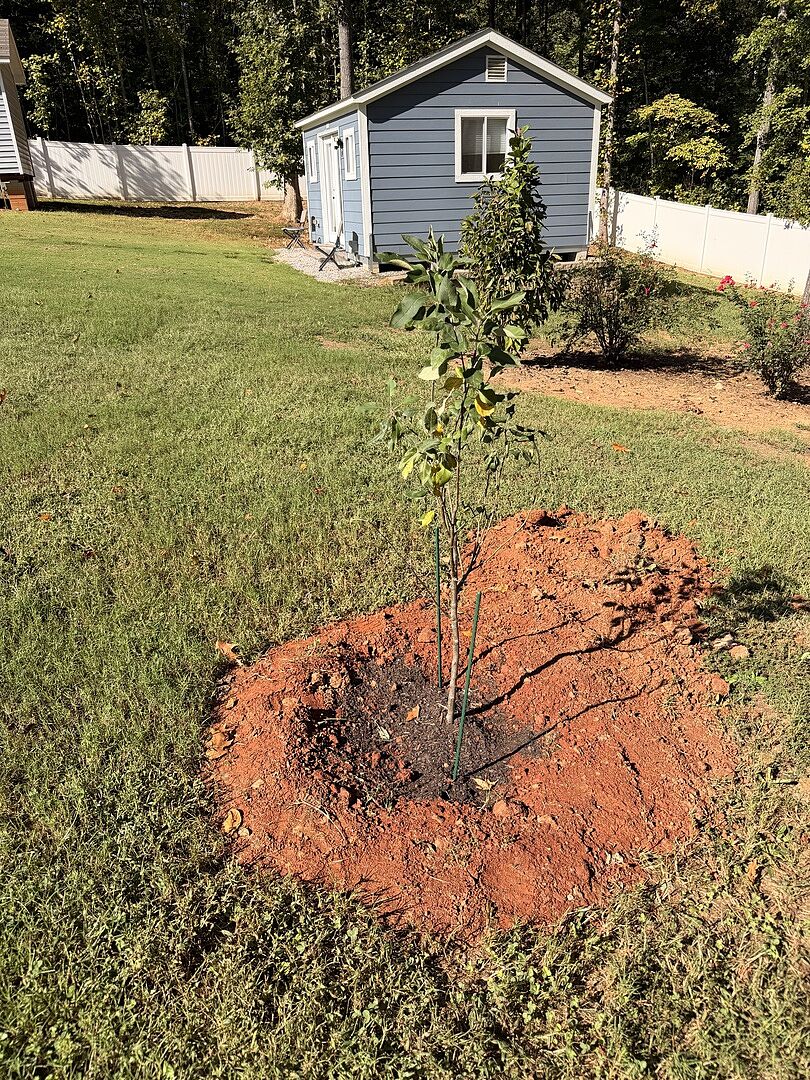
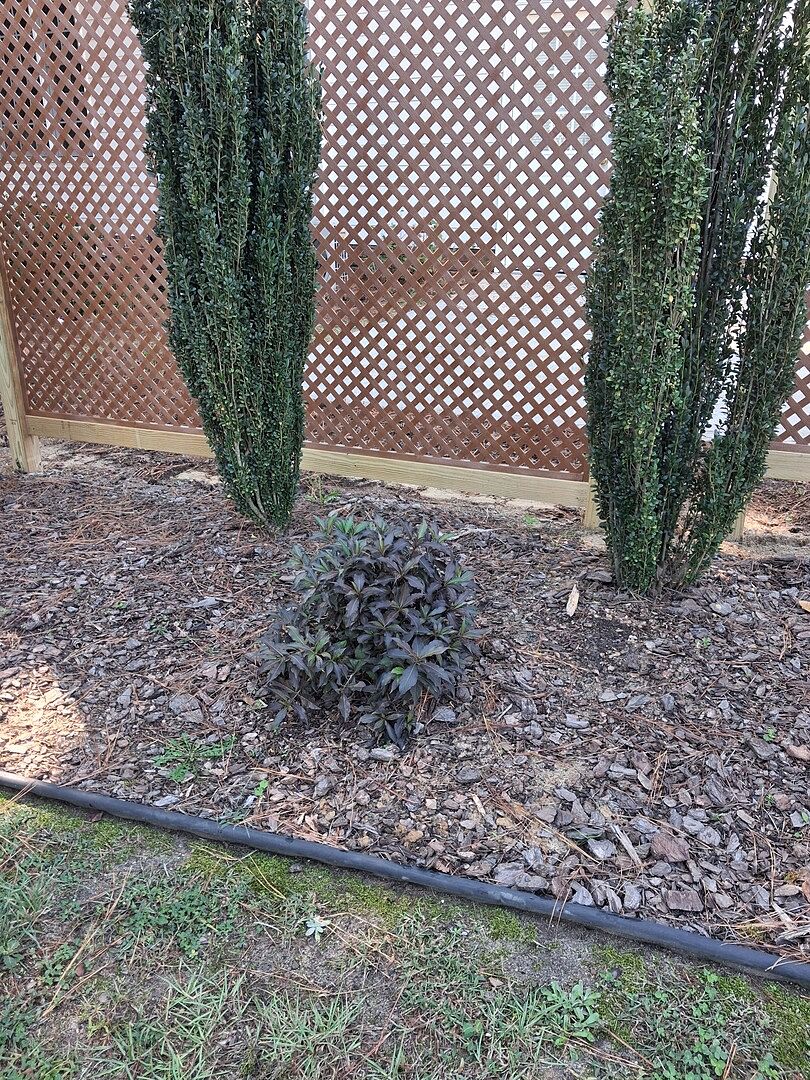
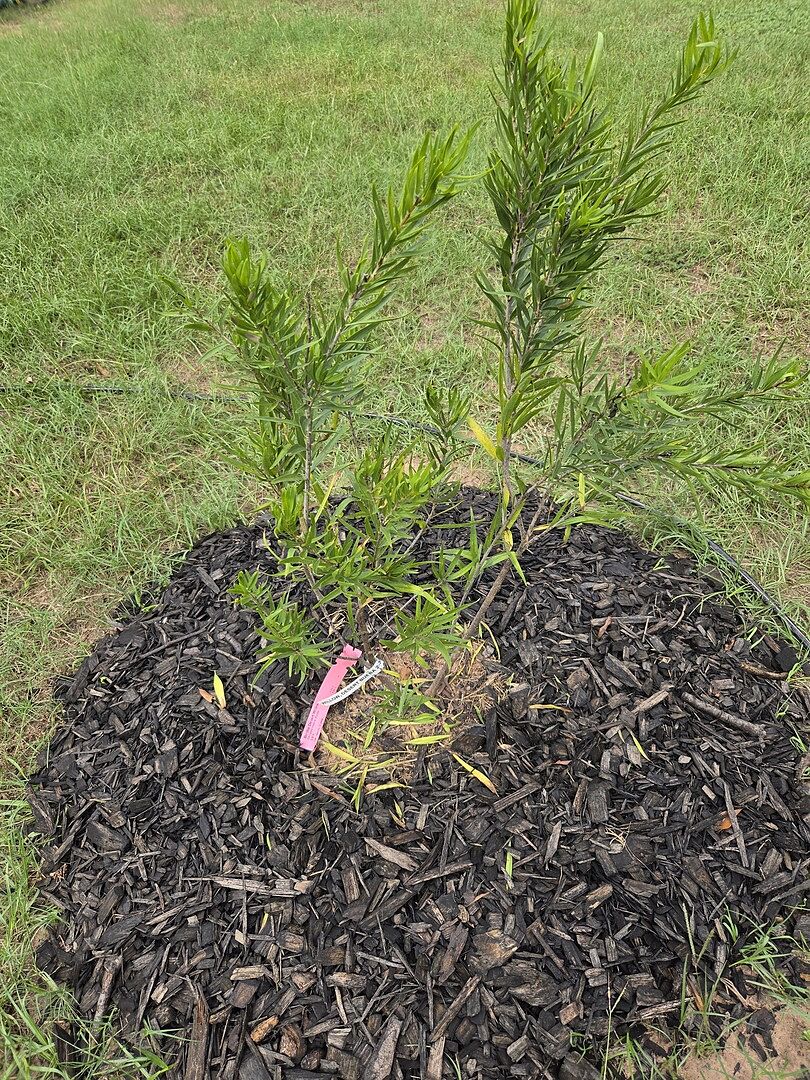
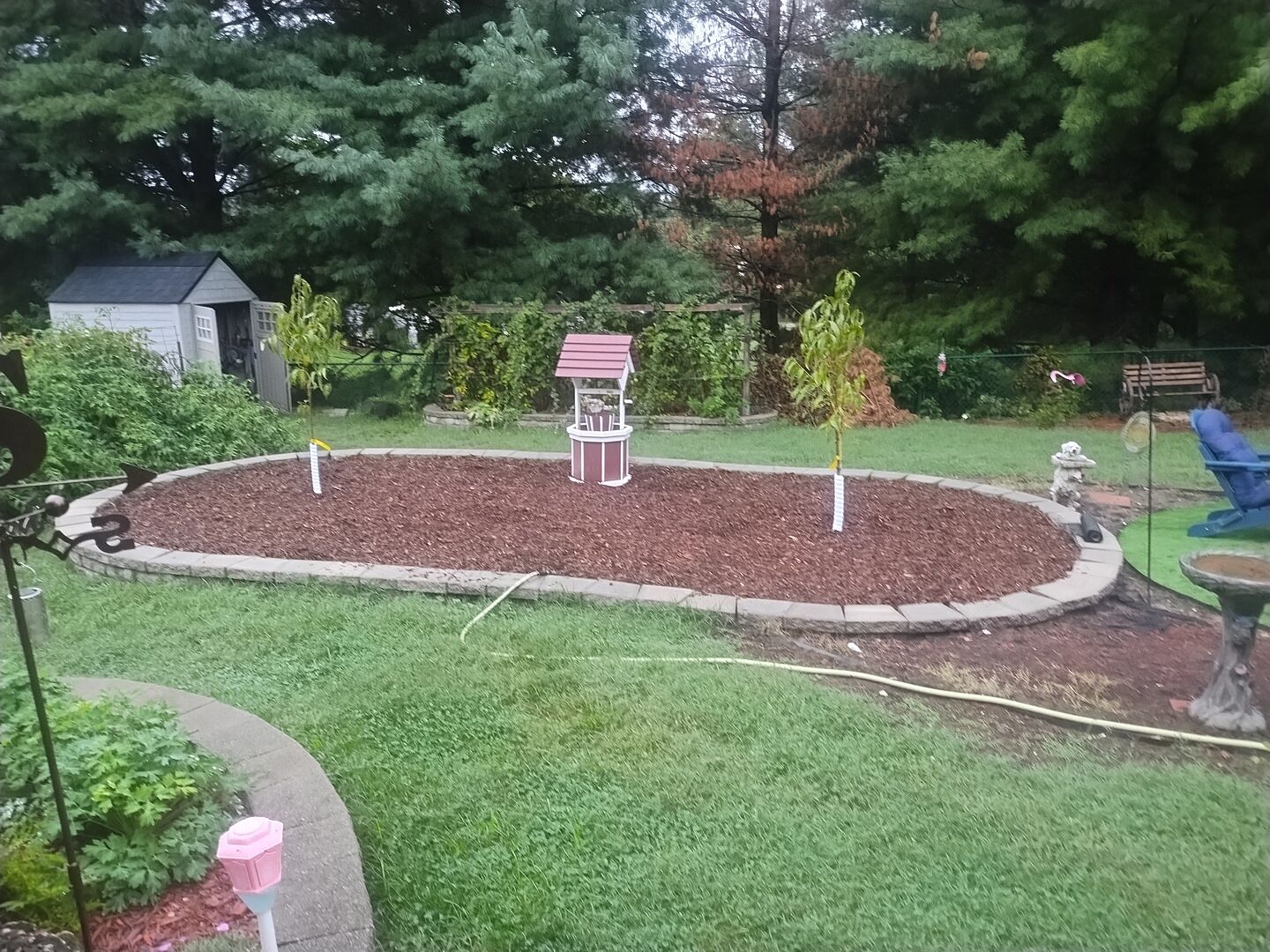
- Apply 2 to 3 inches of mulch around the base of the plant
- Keep mulch several inches away from the trunk or stem
- Refresh mulch if it breaks down or thins out before winter sets in
Is It Normal for New Plants to Lose Leaves in Fall?
Usually, yes. This is the question that trips up more fall planters than anything else, because the signs of normal dormancy and the signs of an actual problem can look similar at first glance.
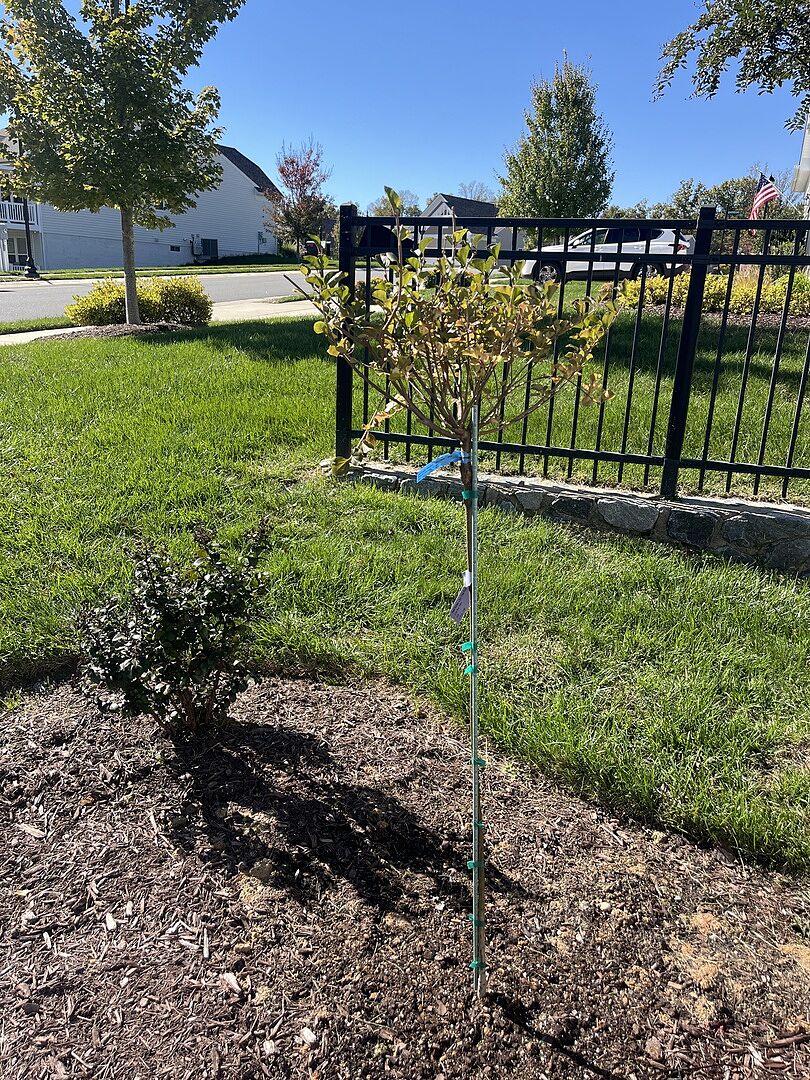
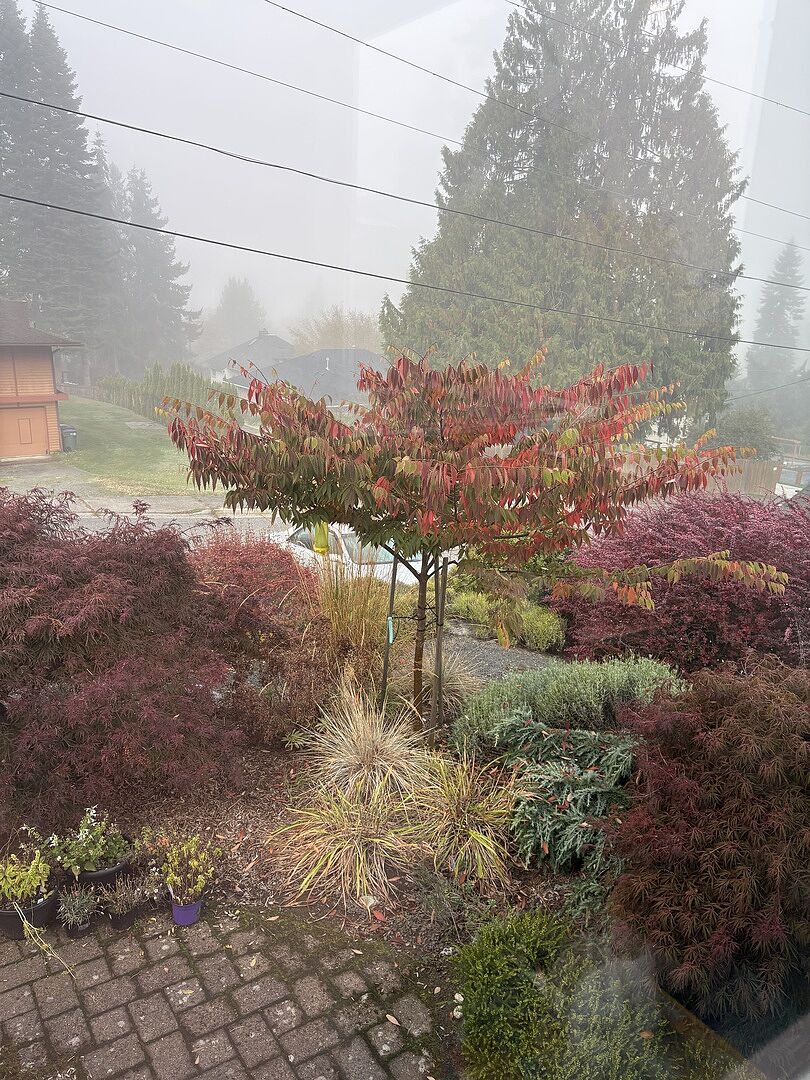
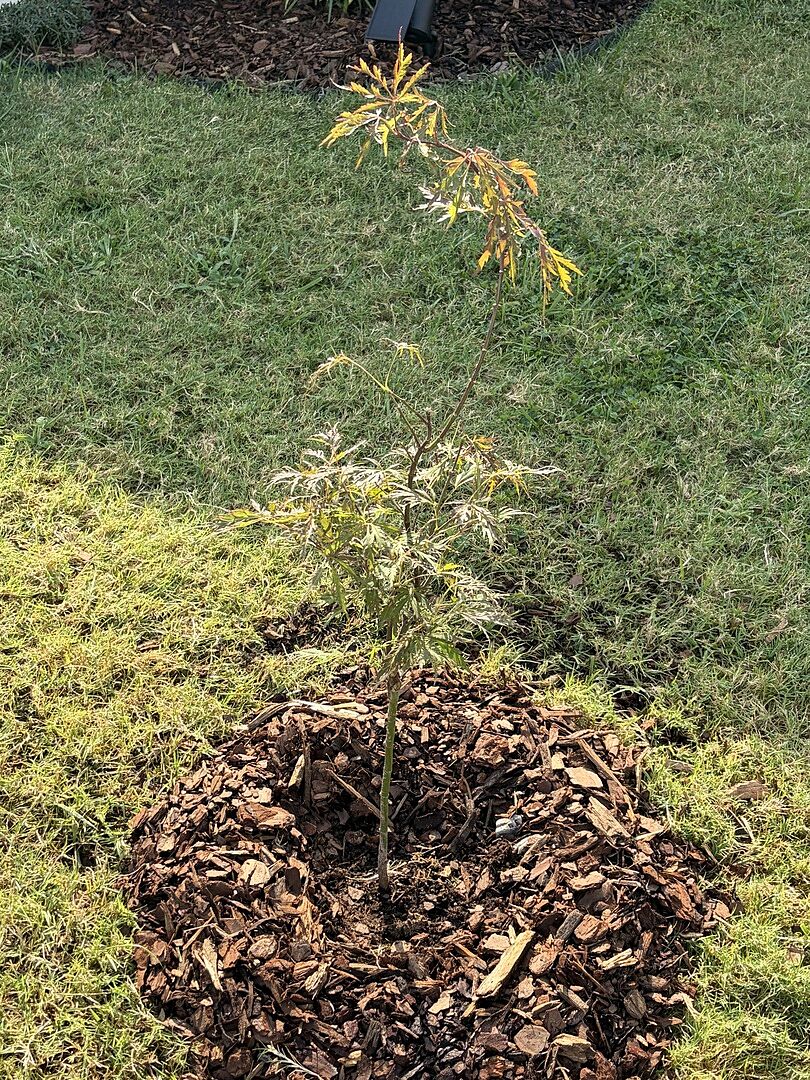
For deciduous trees and shrubs, yellowing leaves and leaf drop are typically part of the plant's natural shift into dormancy, not a symptom of stress. The plant is redirecting energy below ground rather than holding onto foliage it doesn't need through winter.
Other things you might notice that are generally normal:
- Slower or stalled top growth
- Minor leaf spotting
- A plant that looks sparser than it did at the nursery
What to watch for instead of leaf color: a plant that stays firmly rooted in the soil, stems and branches that remain firm rather than brittle or mushy, and consistent moisture uptake between waterings. Those are better indicators of a healthy root system than what's happening above ground.
Protecting New Plants From Early Frost
Most established, hardy varieties handle a normal fall frost without any extra help. A couple of situations are worth planning for:
- Borderline-hardy plants for your zone. If you're planting near the edge of a variety's cold tolerance, frost cloth on especially cold nights offers extra protection while roots are still developing.
- Late-season plantings. If your plant went in the ground close to your first frost date, watering deeply before a cold snap helps, since moist soil holds heat better than dry soil.
- Fertilizing timing. Hold off on fertilizing late in the season. New growth encouraged too close to winter is more vulnerable to cold damage.
Special Care by Plant Type
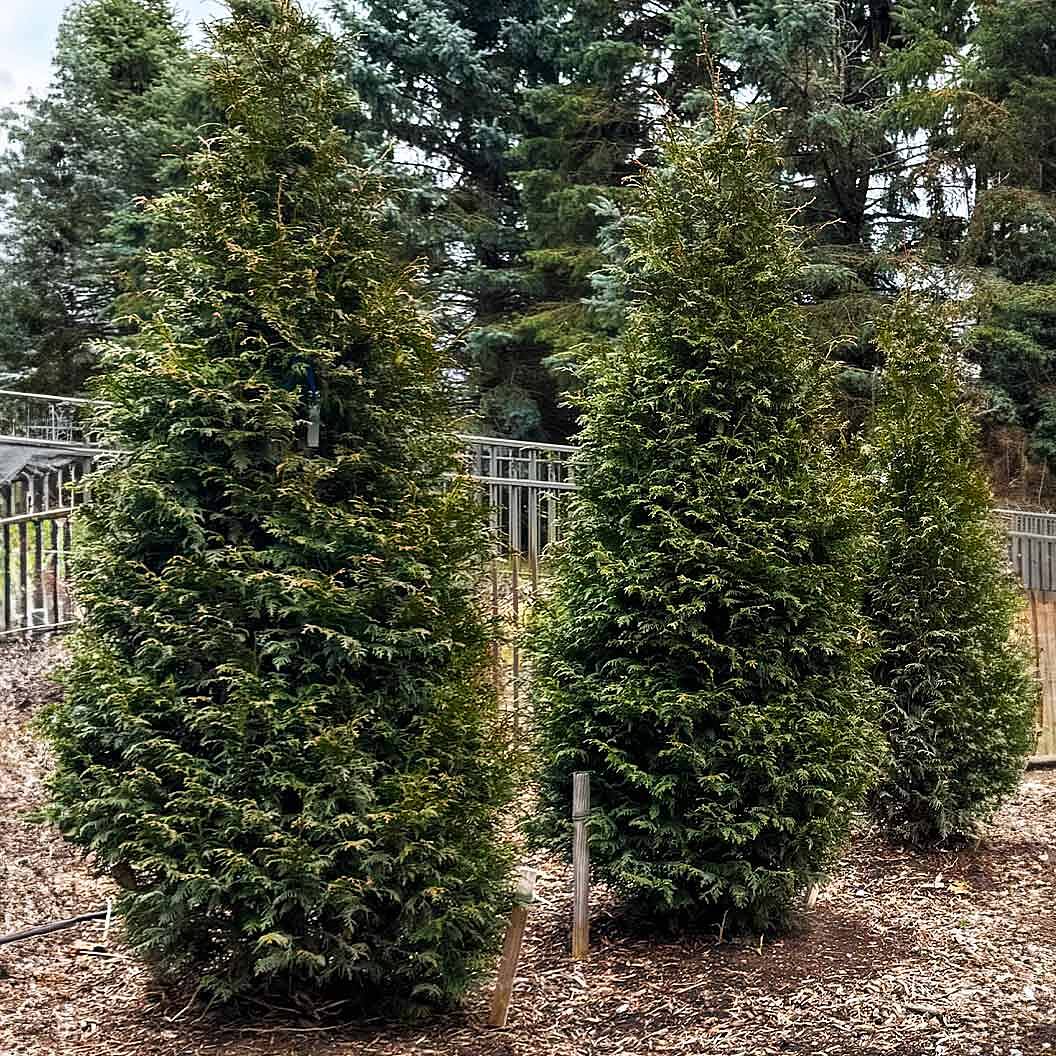
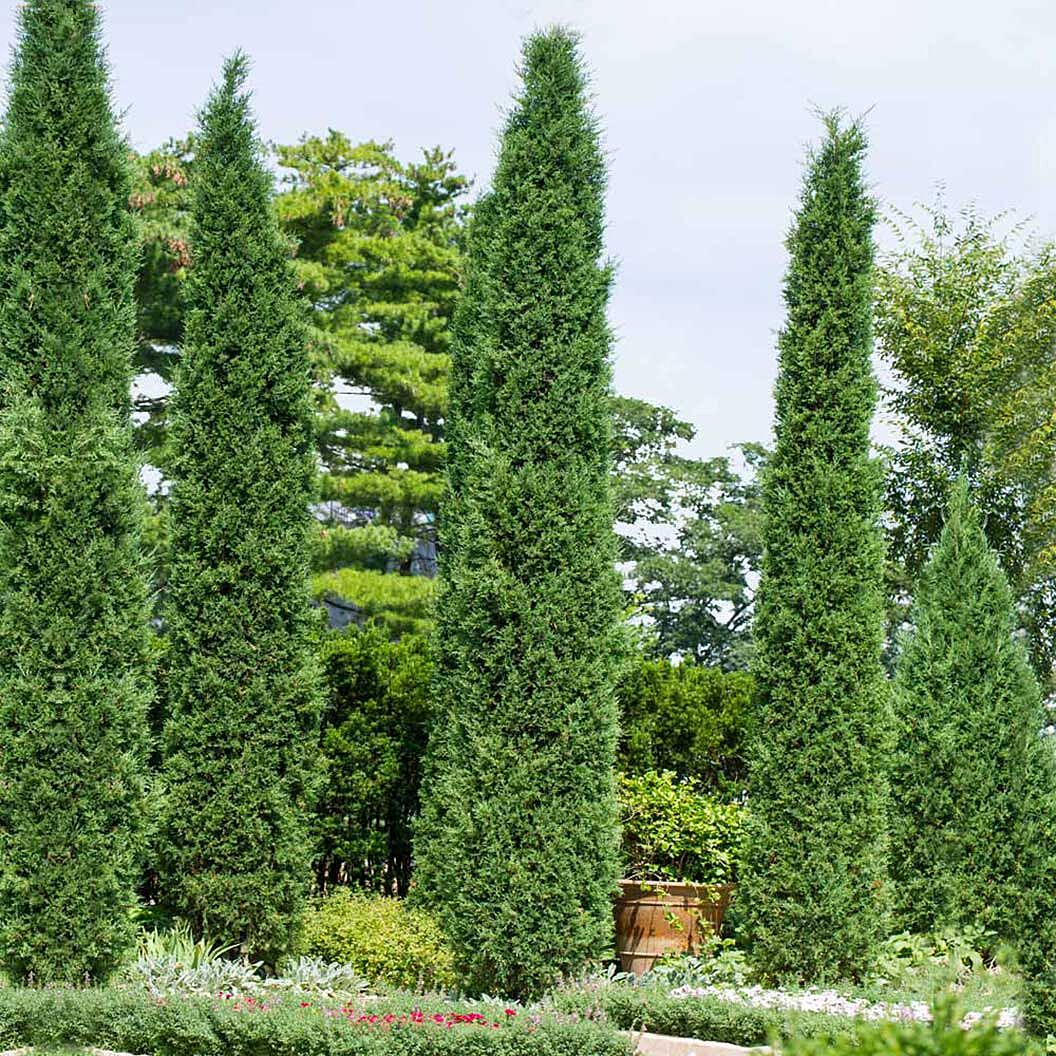
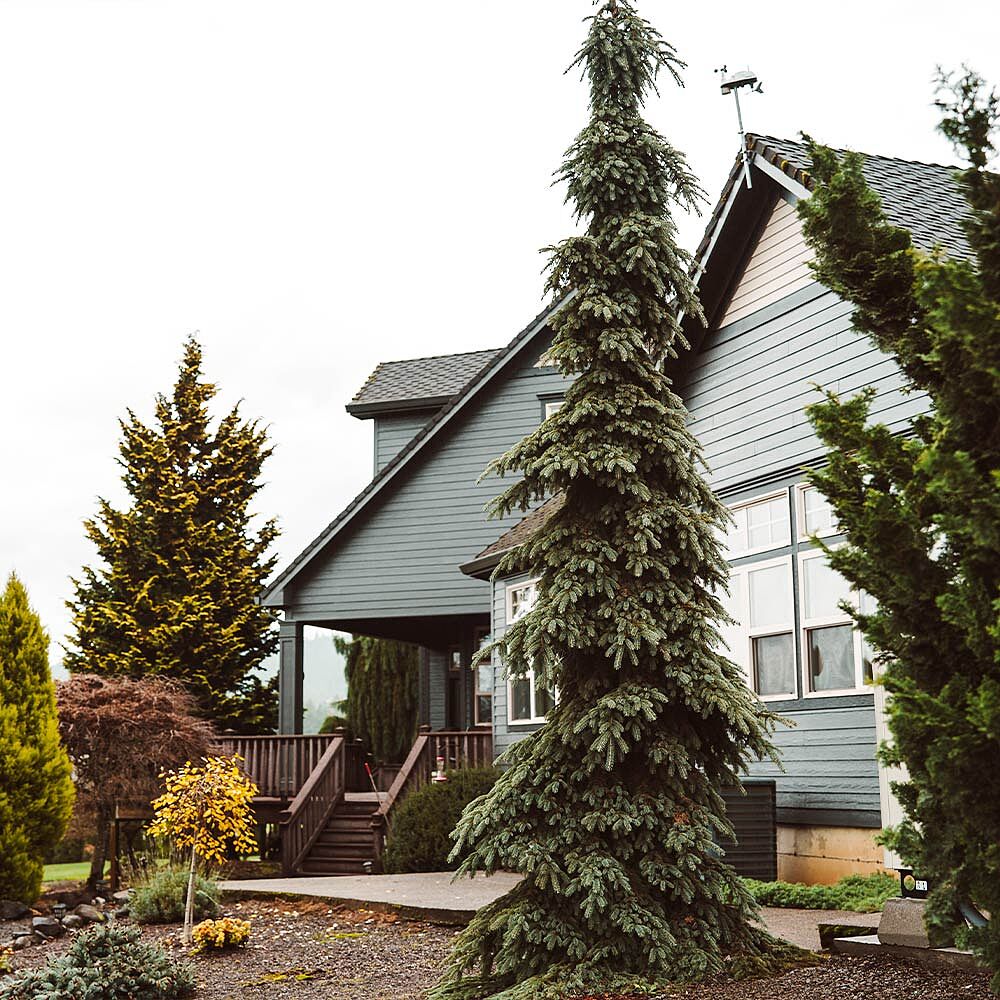
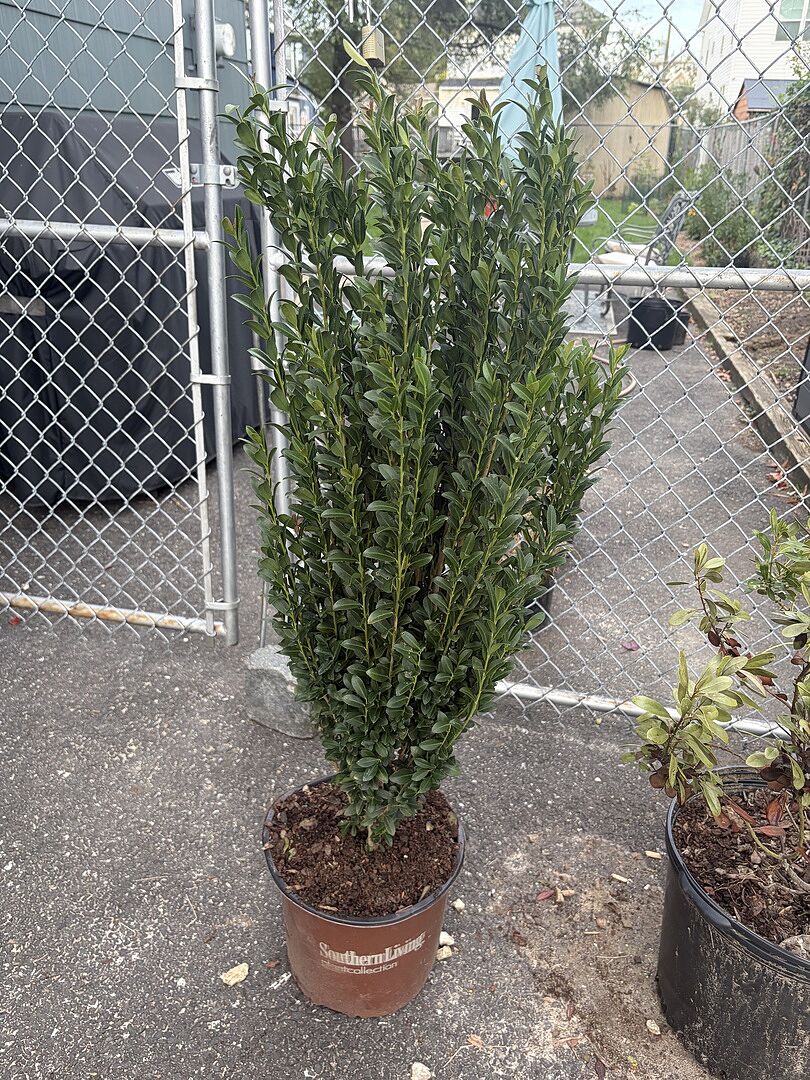
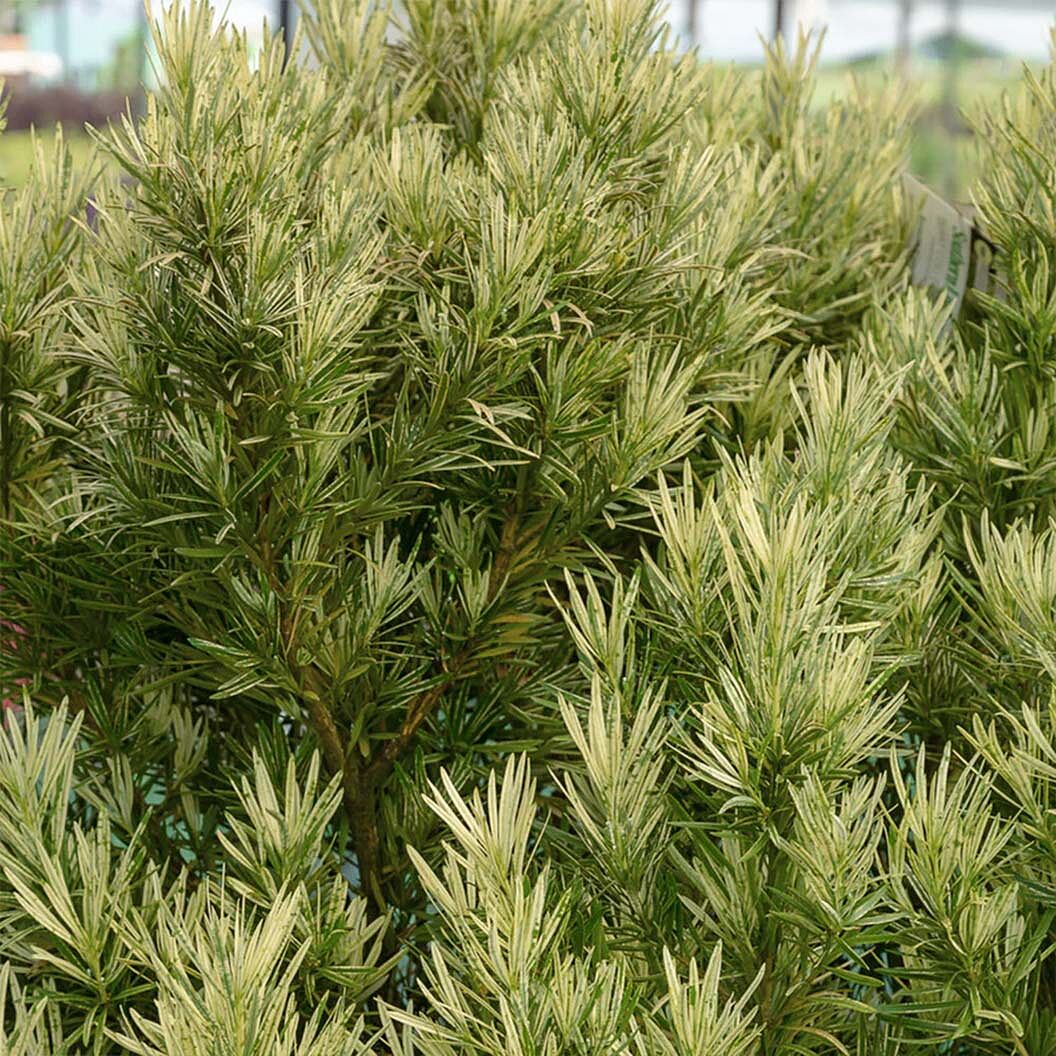
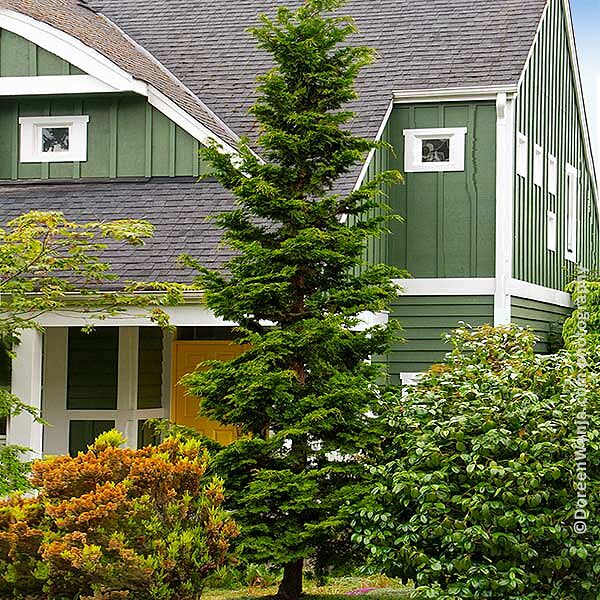
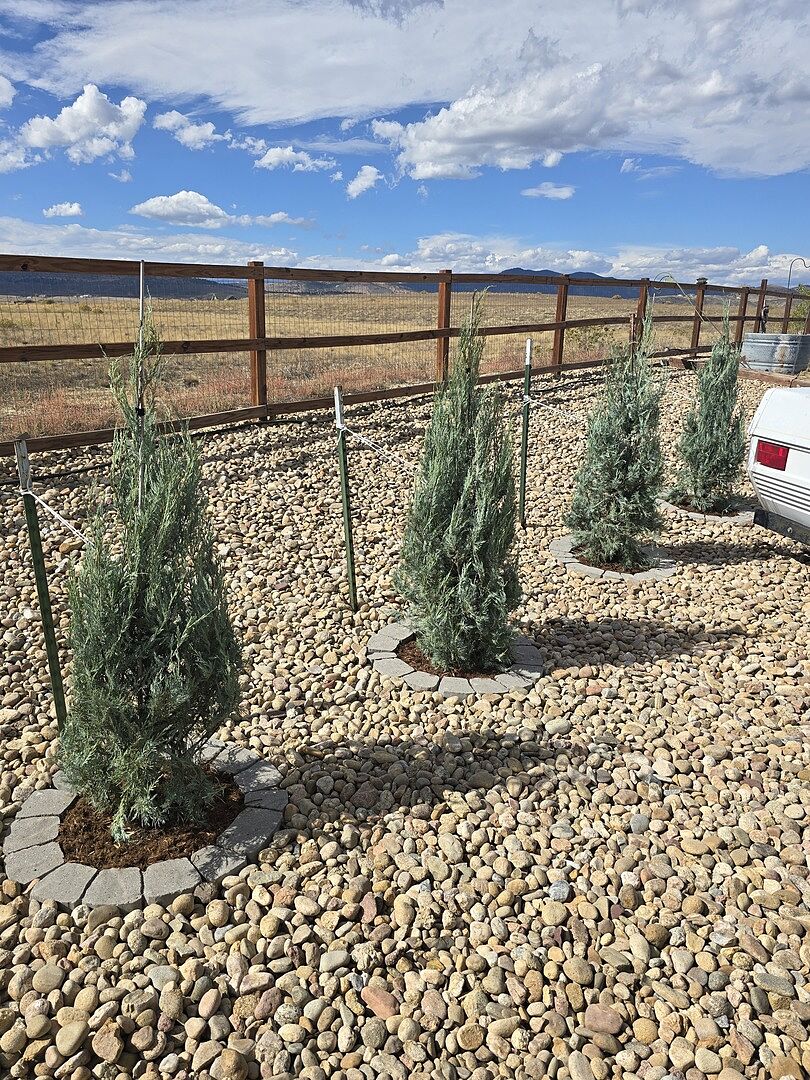
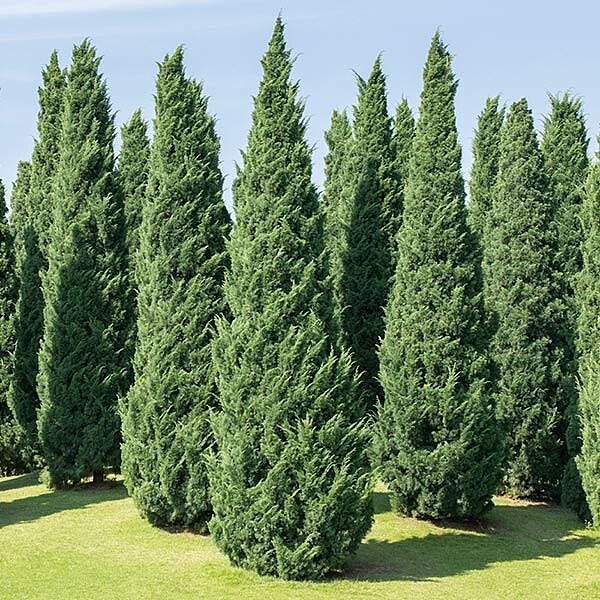
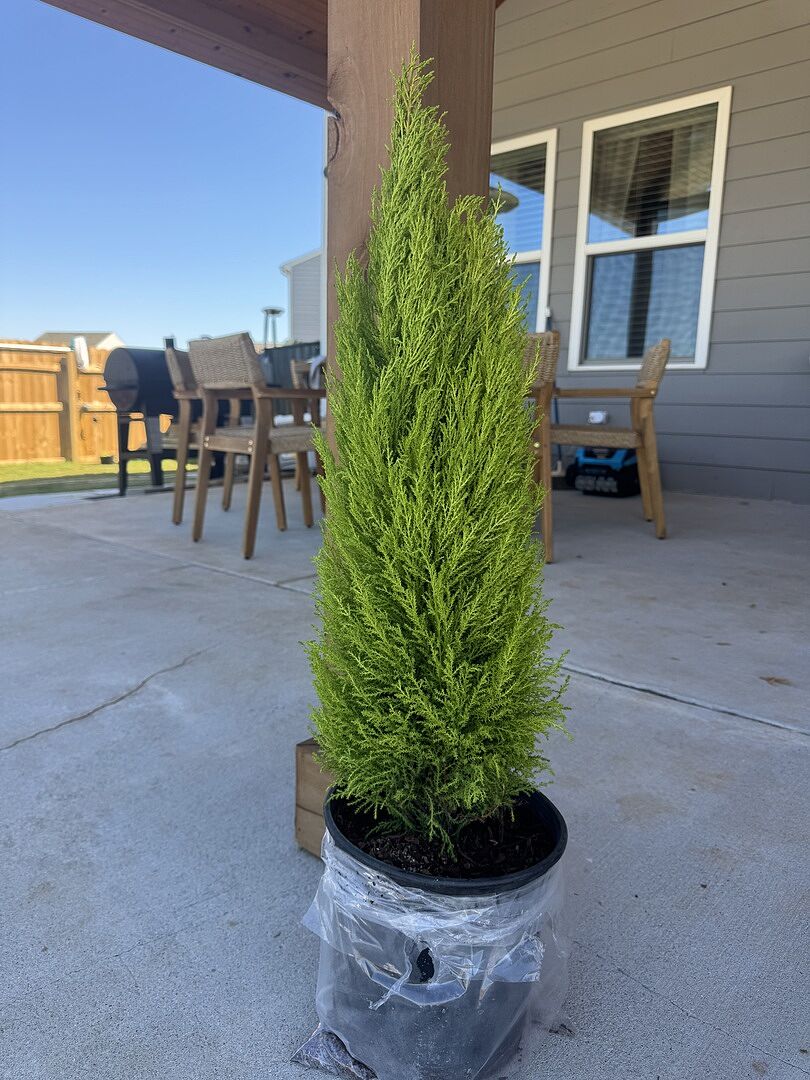
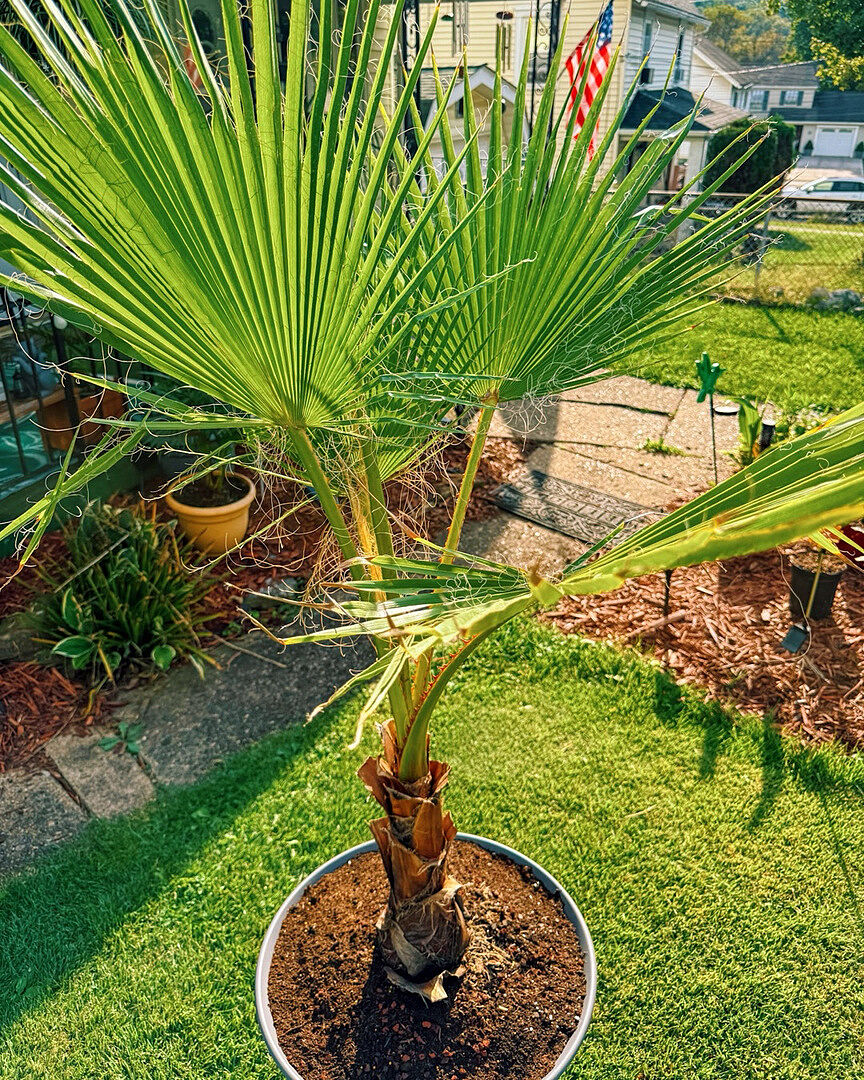
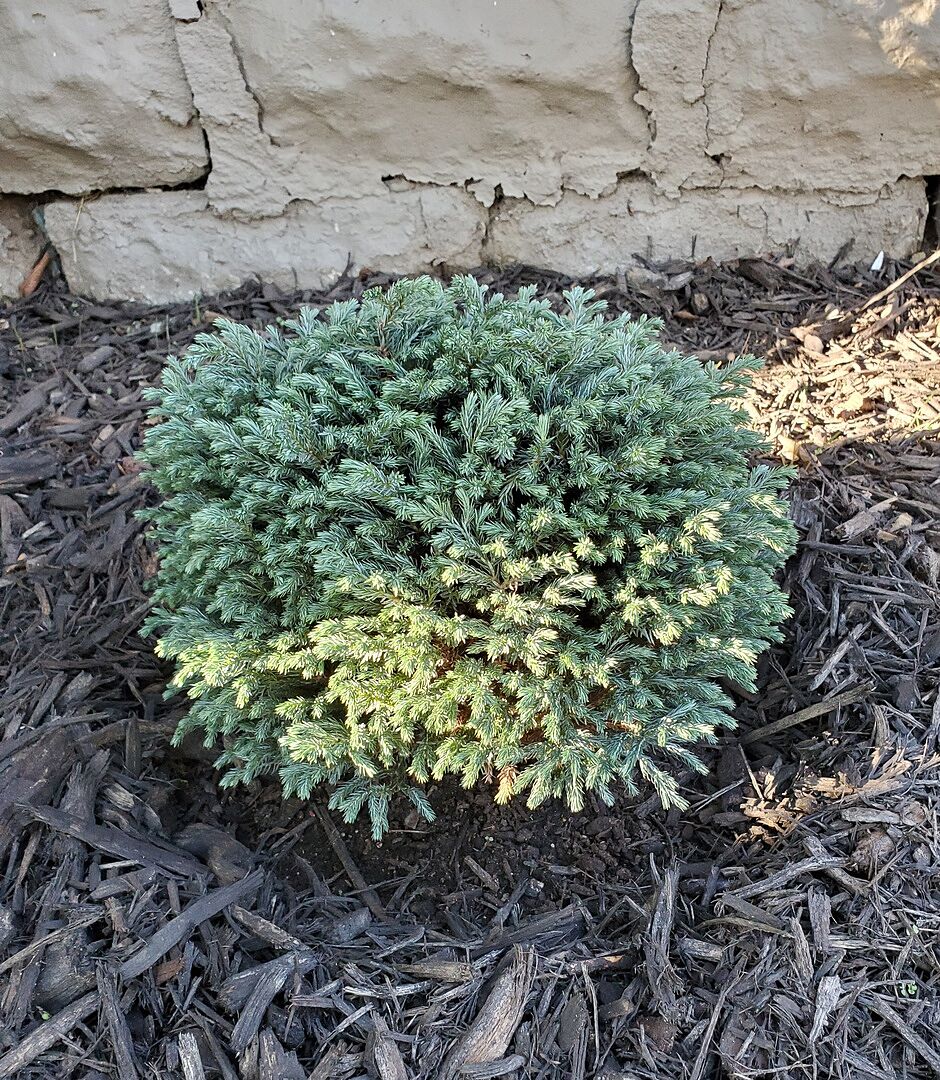
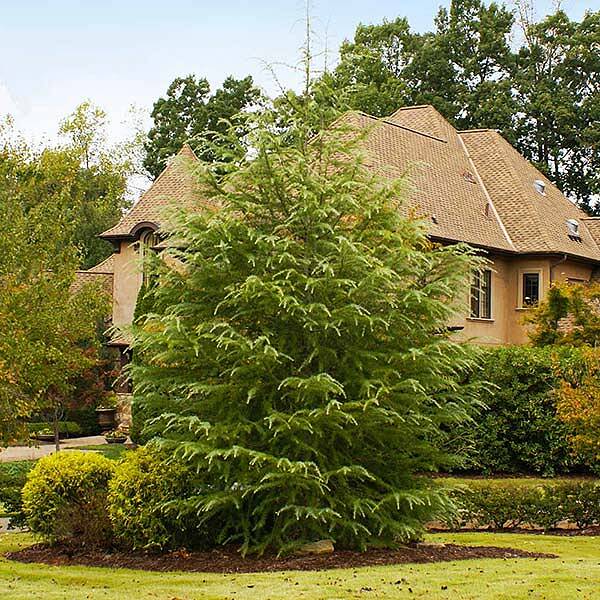
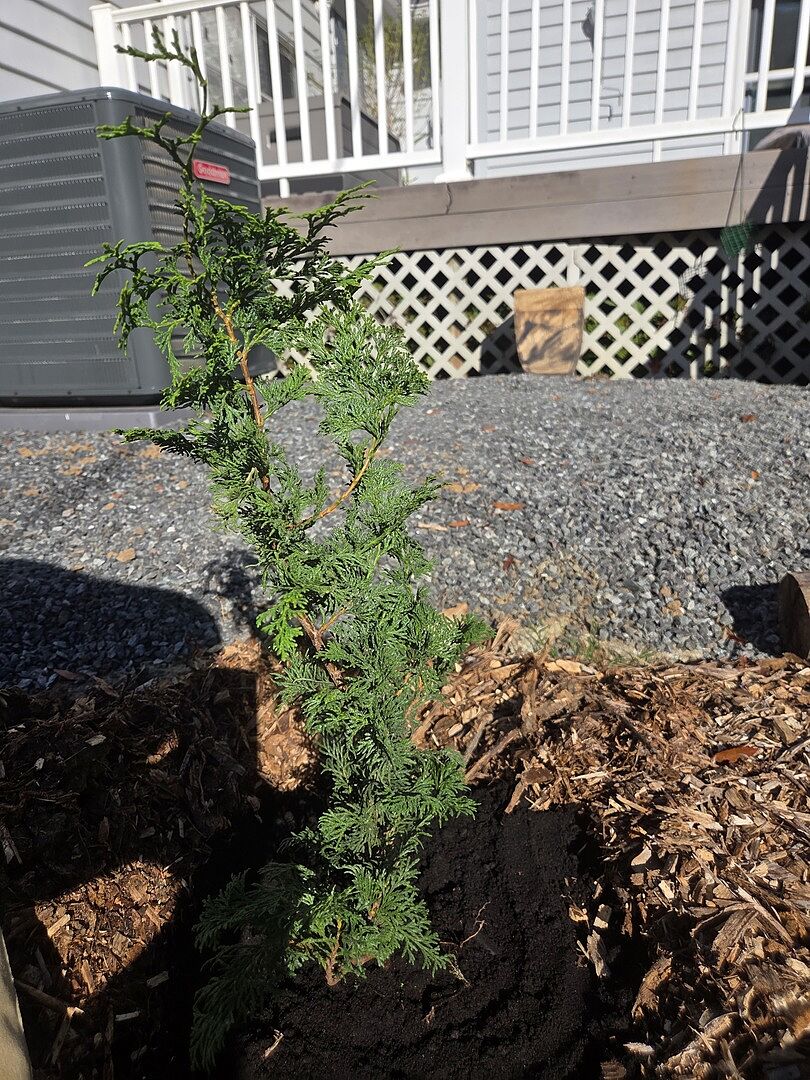
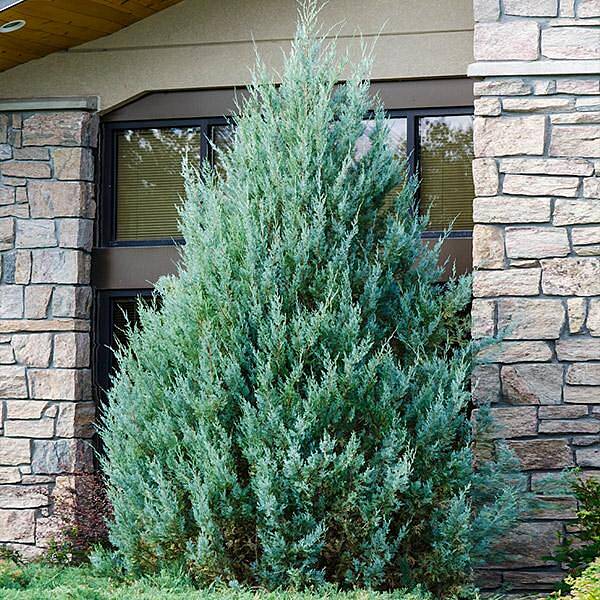
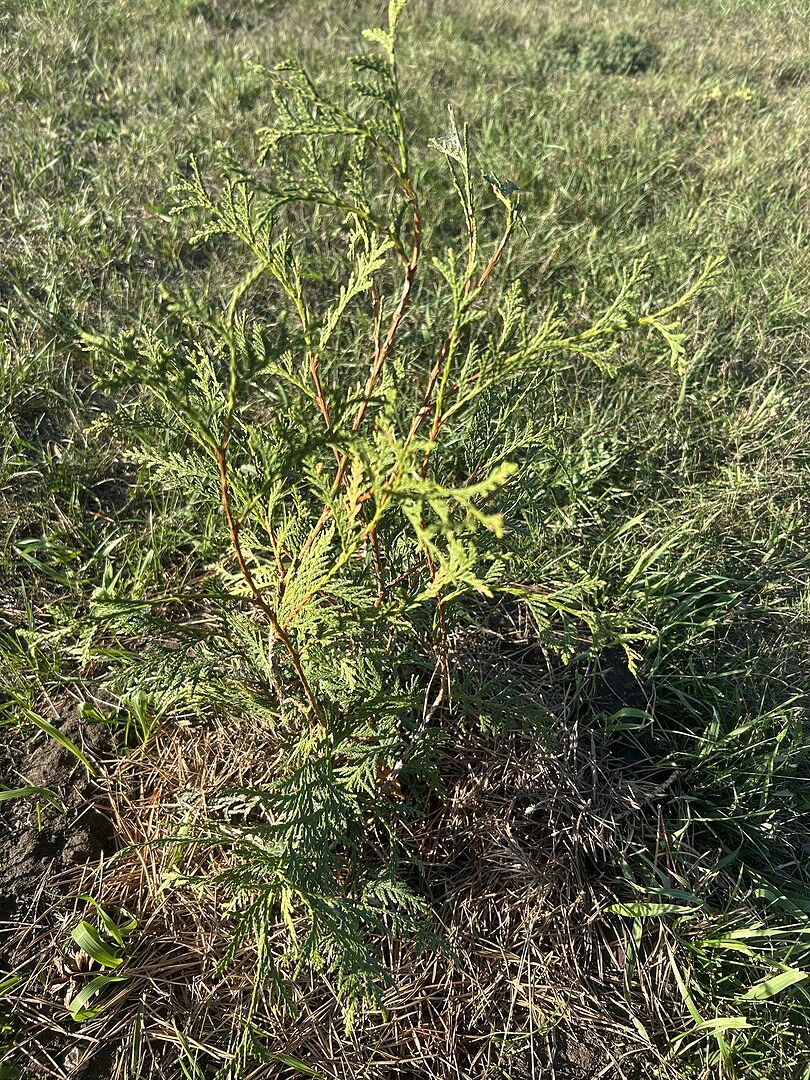
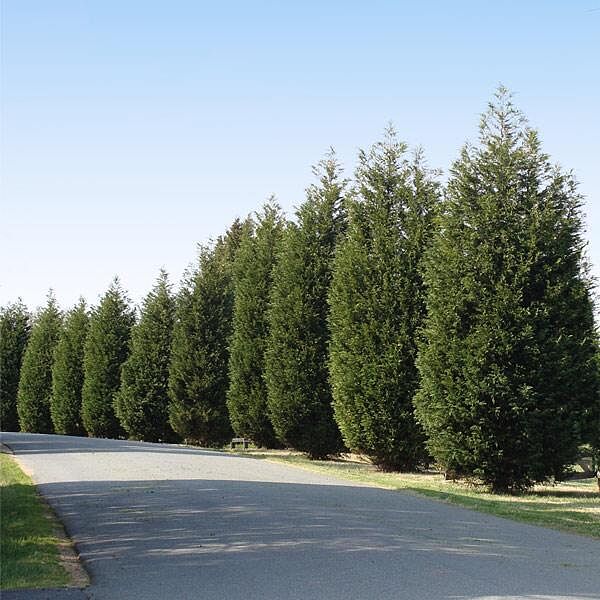
- Evergreens keep their foliage through winter and continue losing moisture through it even while dormant. Unlike deciduous plants, they need continued watering into early winter, right up until the ground freezes.
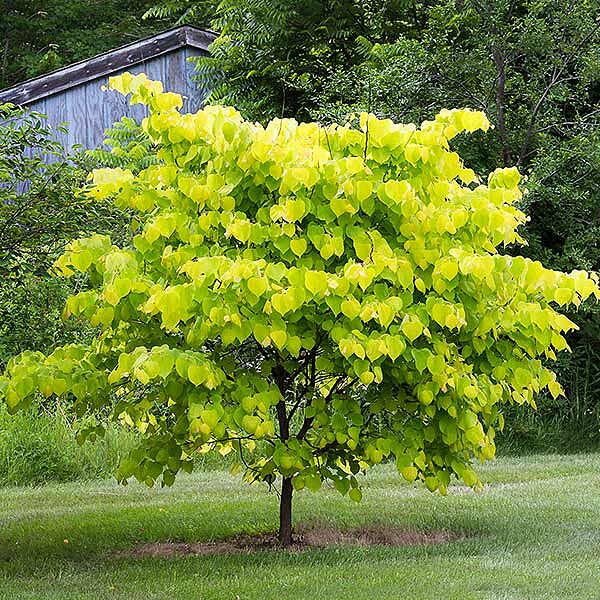
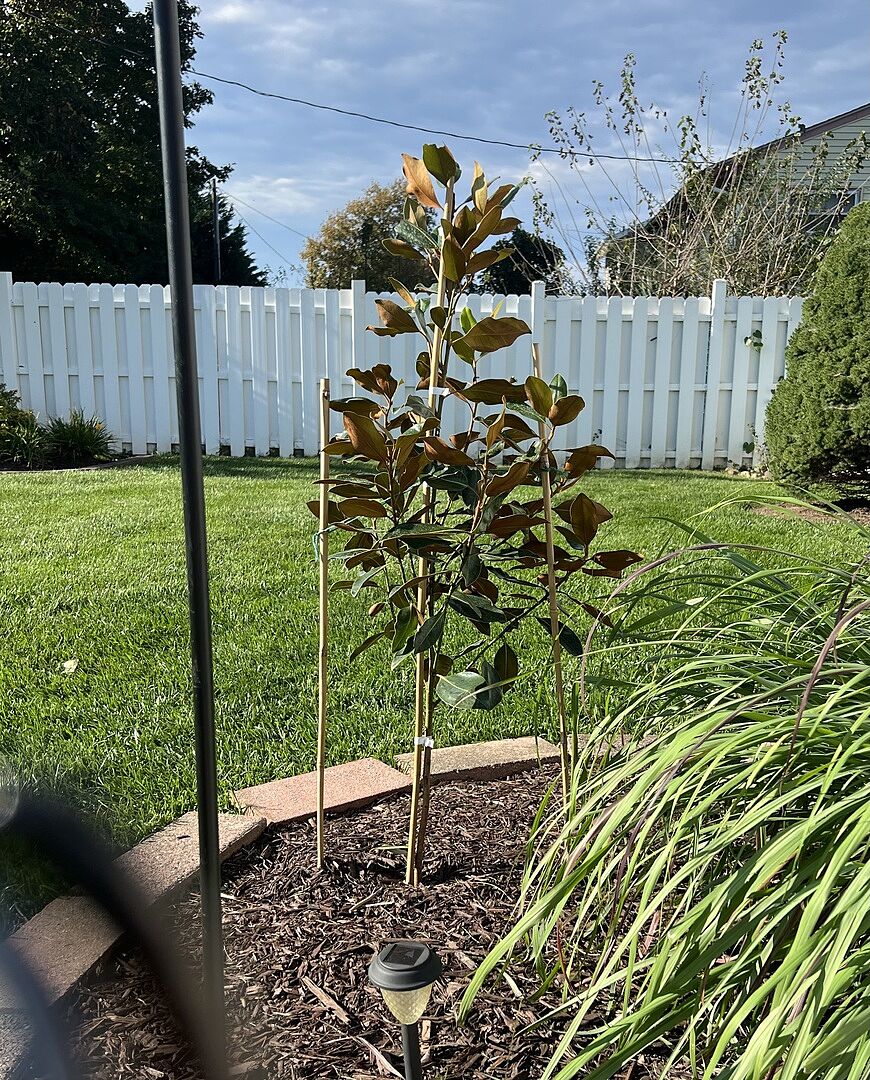
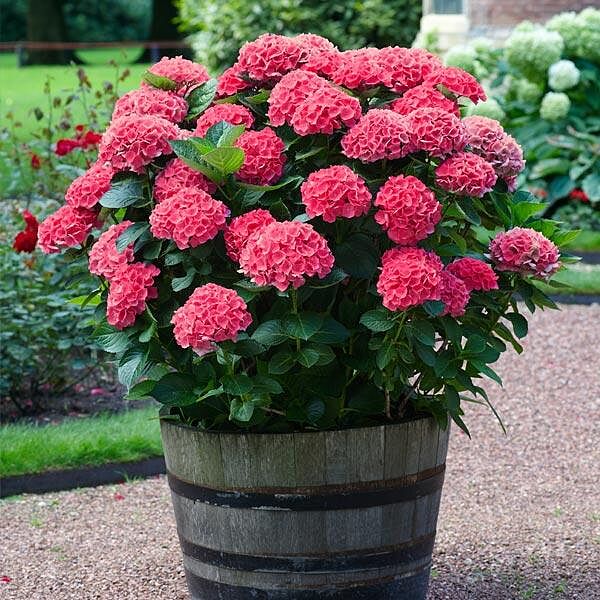
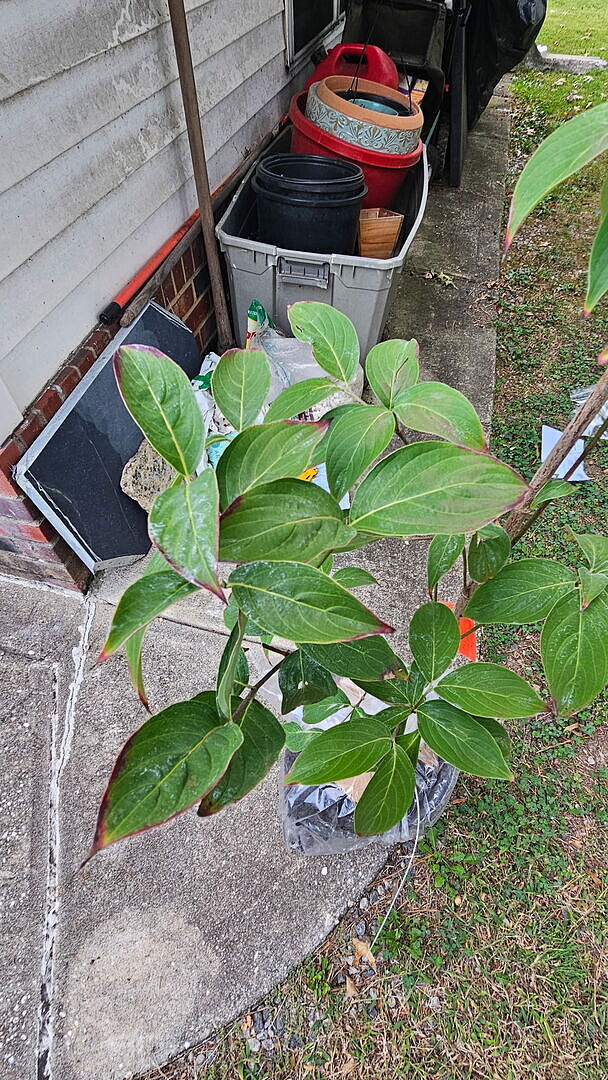
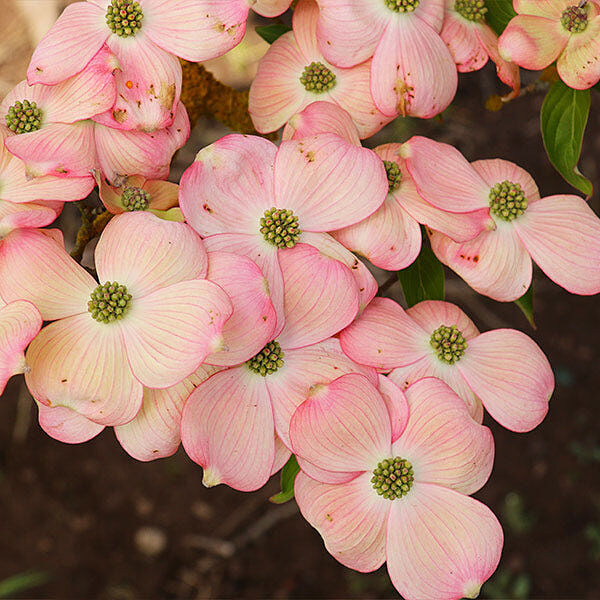
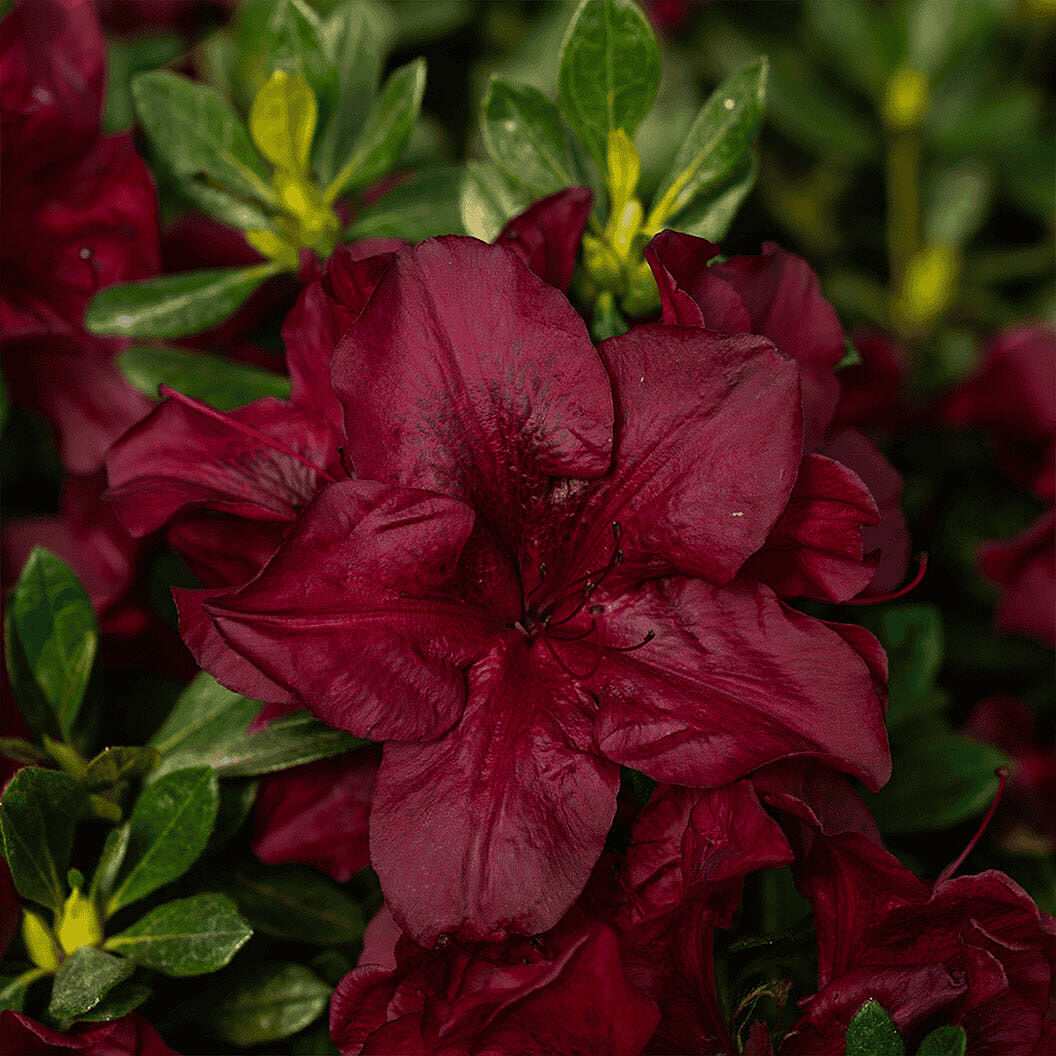
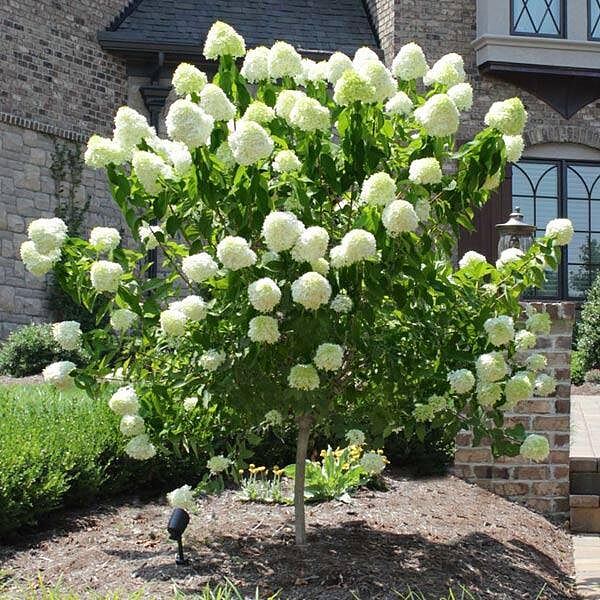
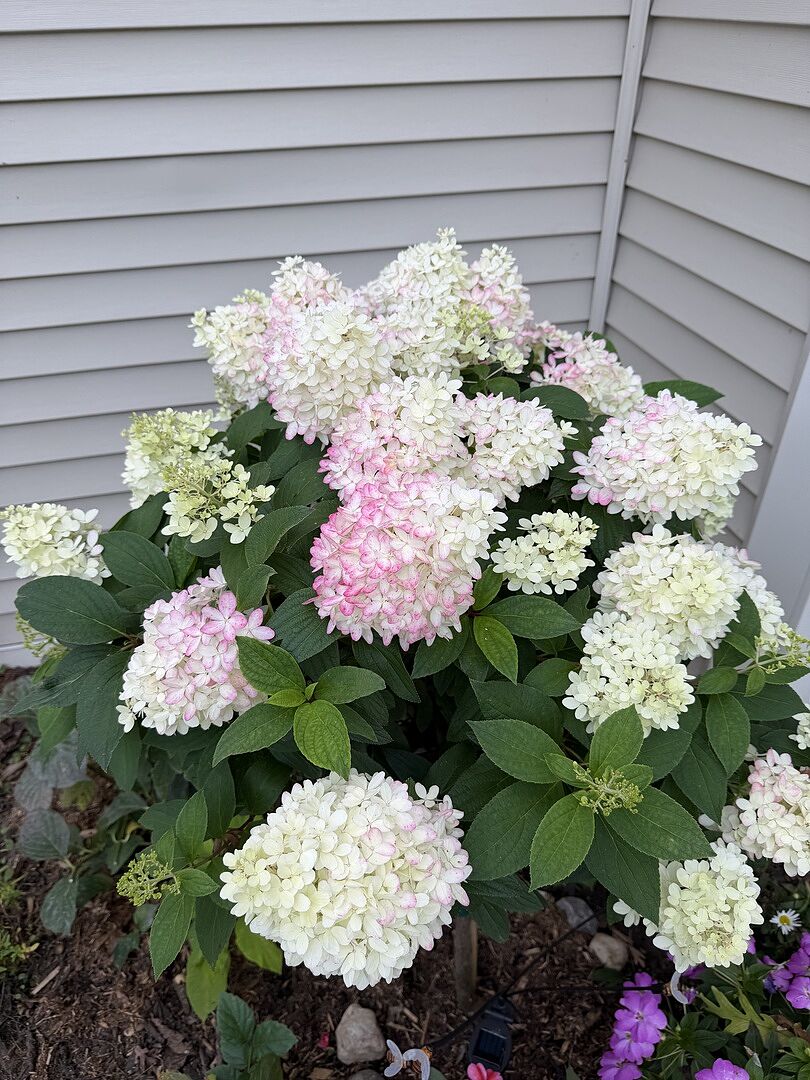
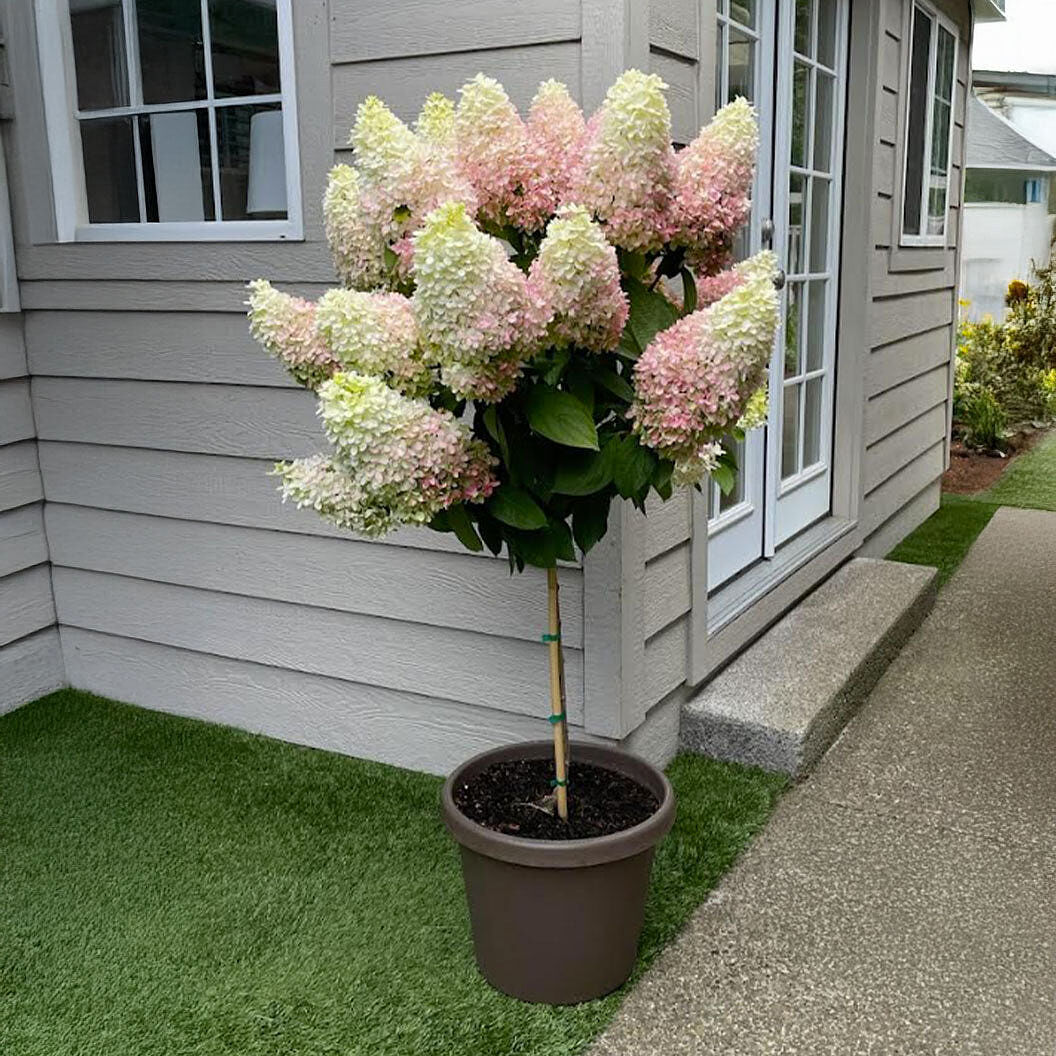
- Hydrangeas, dogwoods and redbuds still benefit from some afternoon shade if you're in a warmer climate, even this late in the season. A spot with morning sun and afternoon shade reduces stress during establishment.
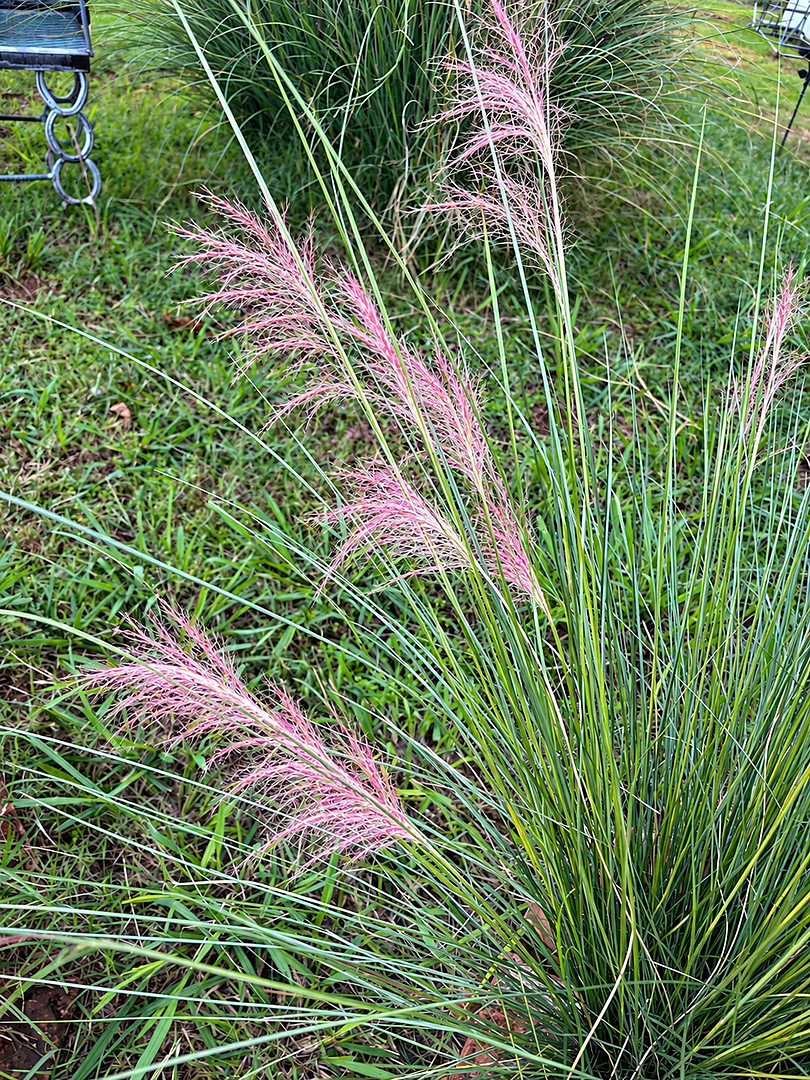
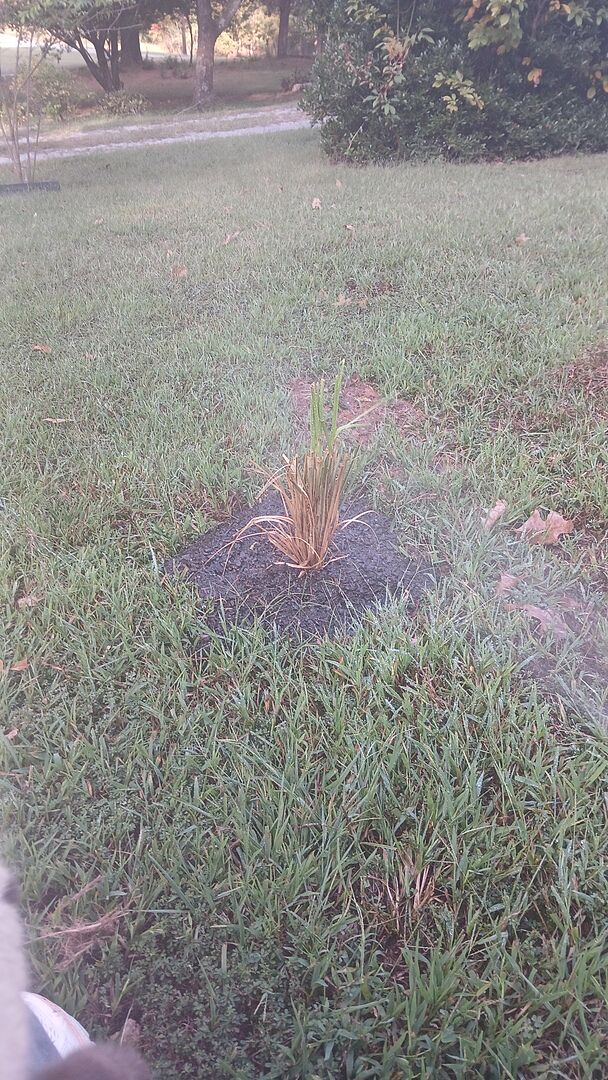
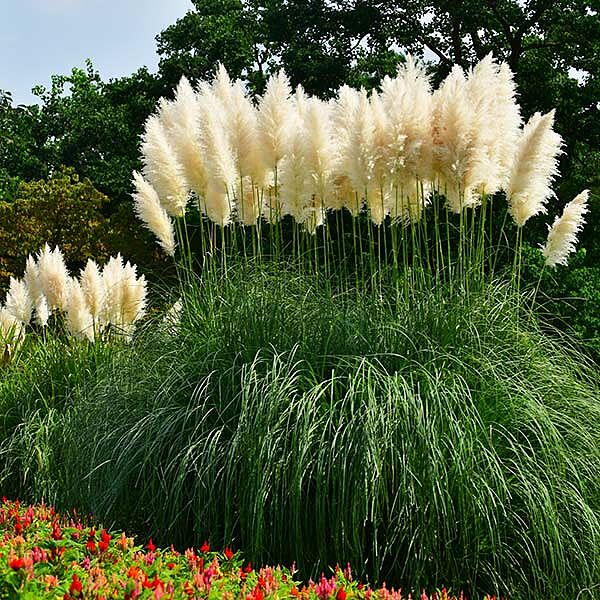
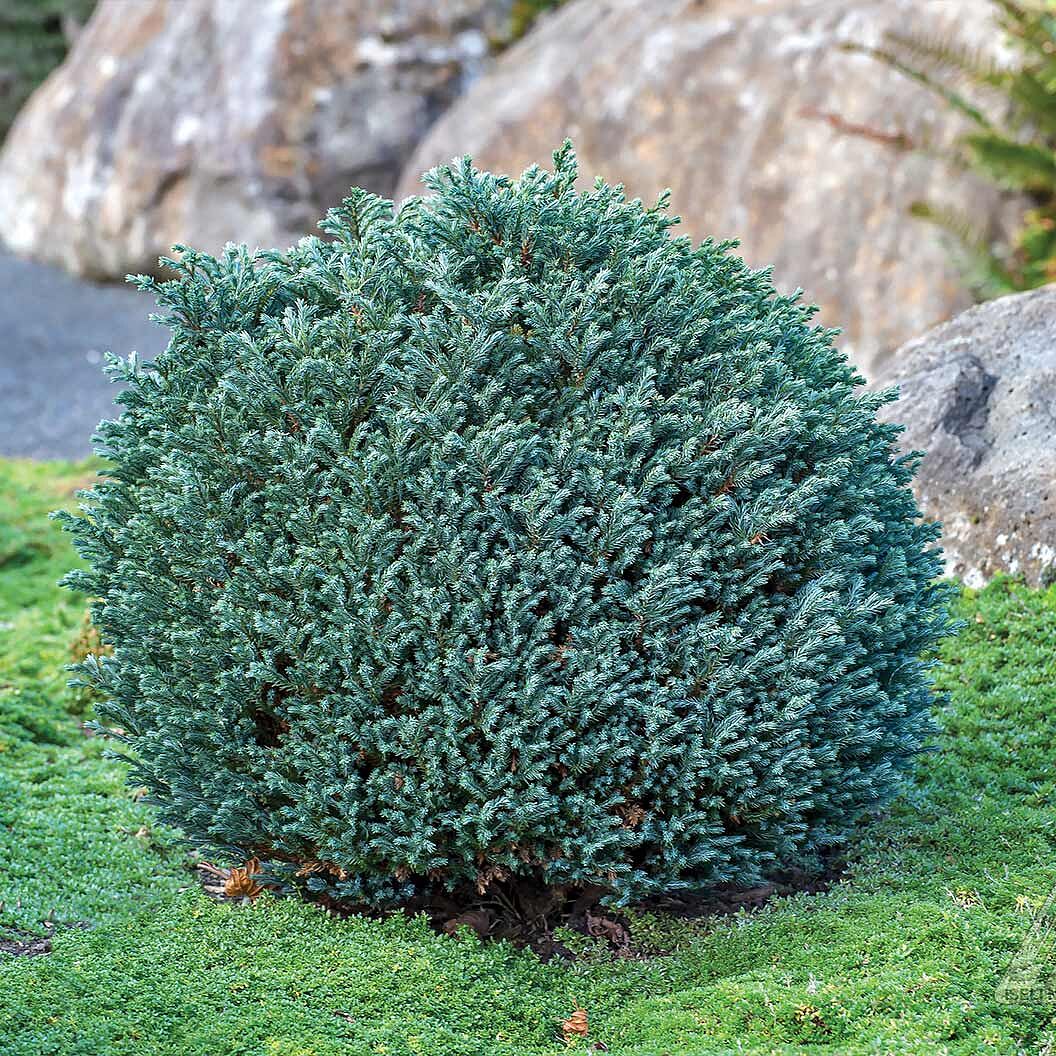
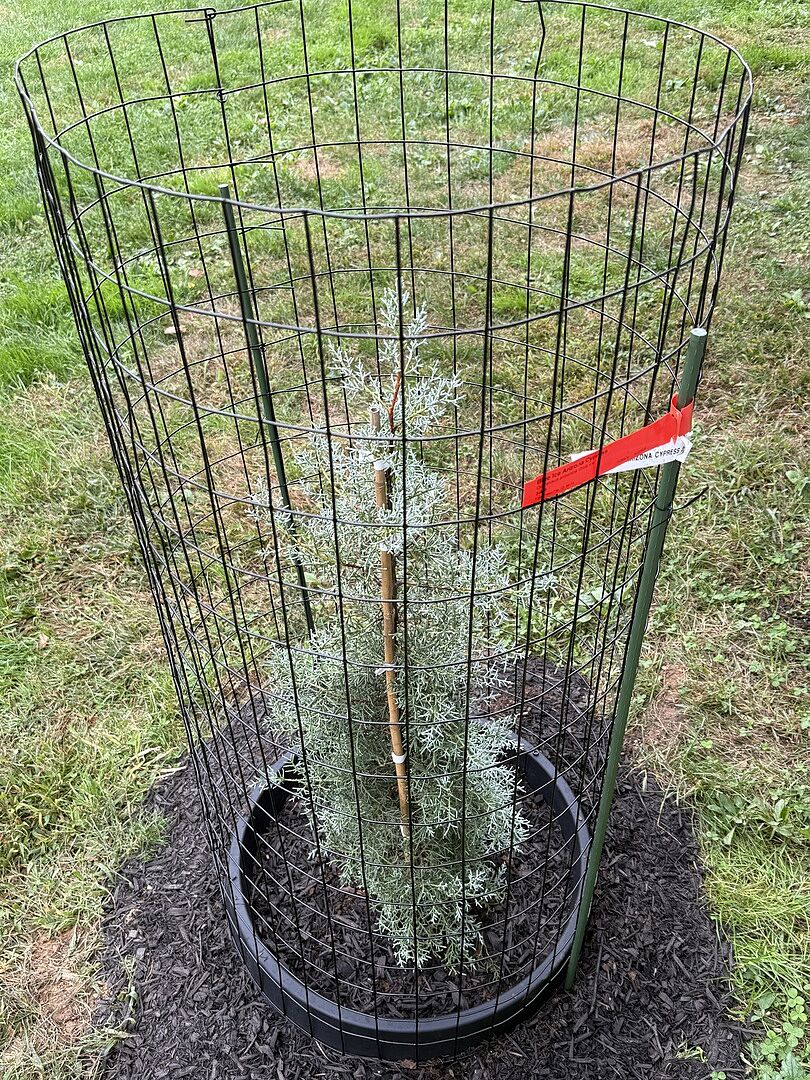
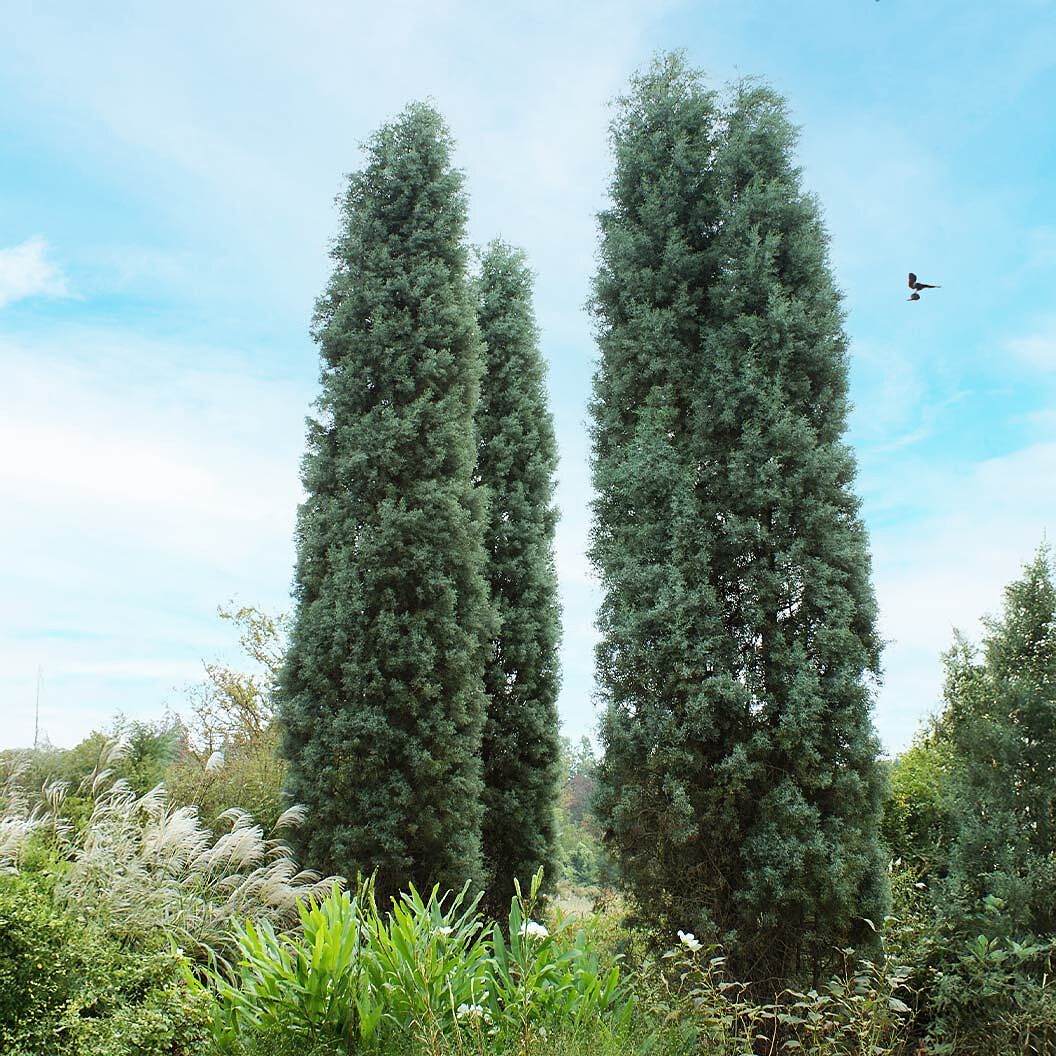
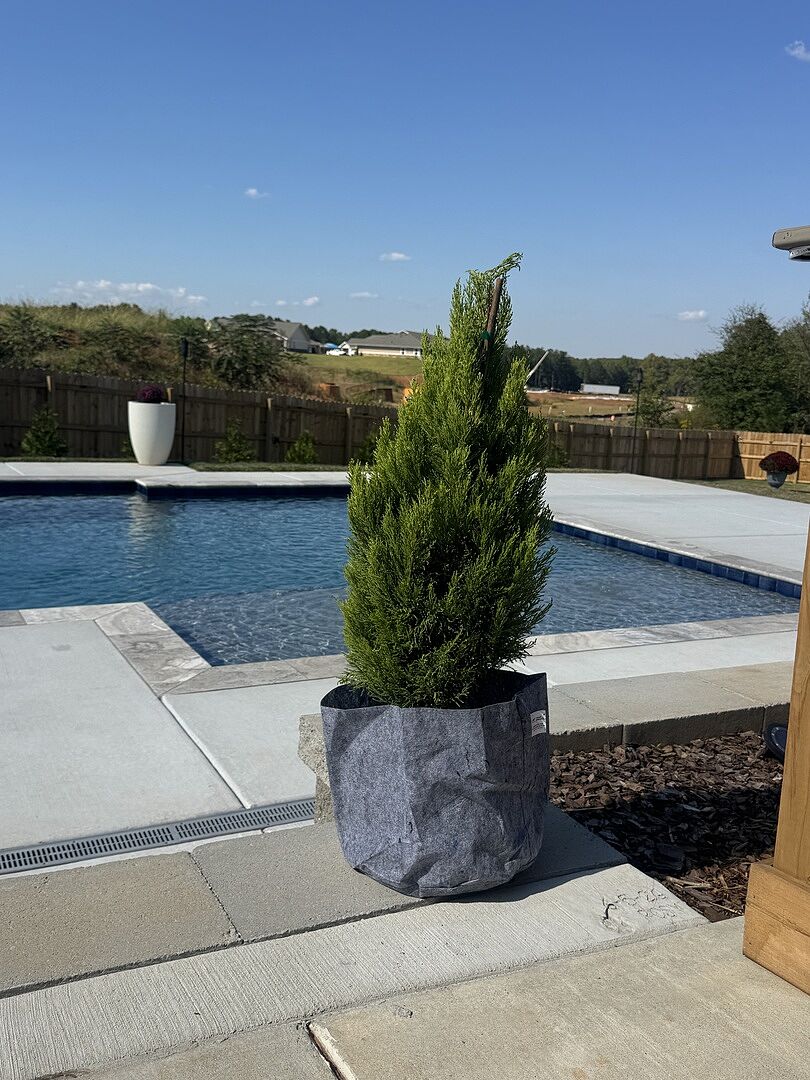
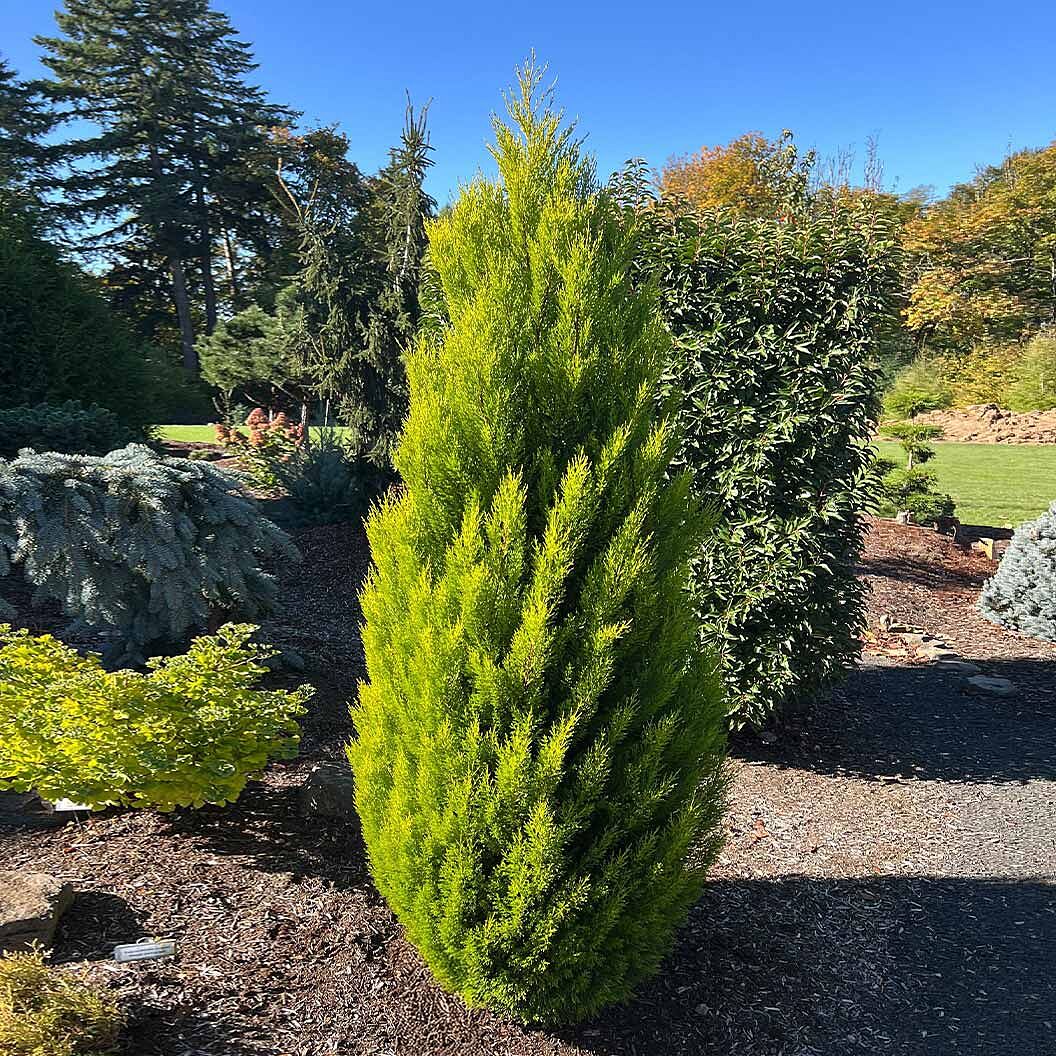
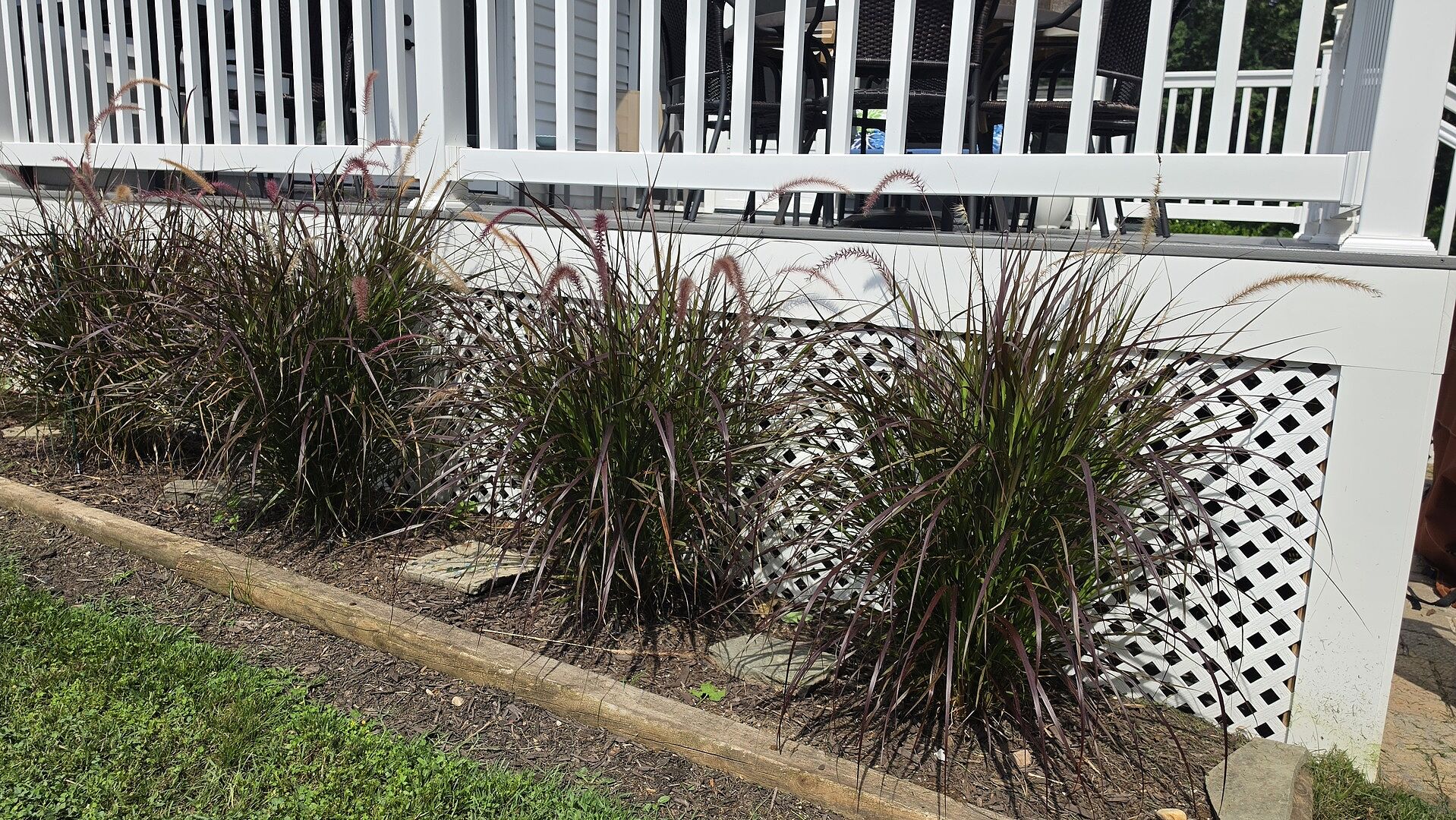
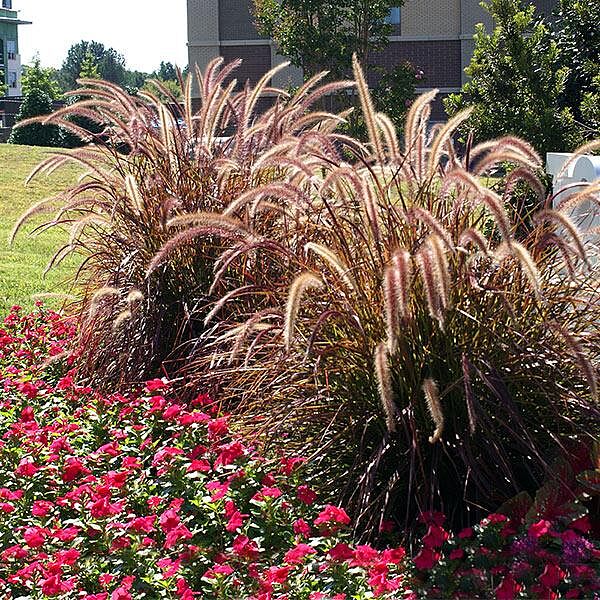
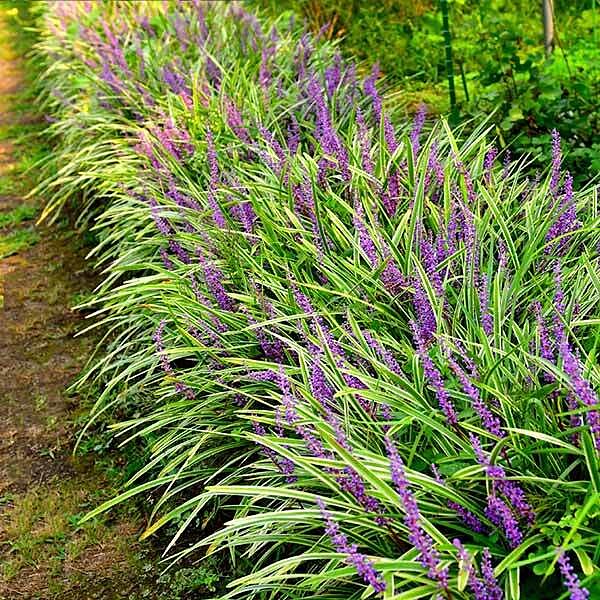
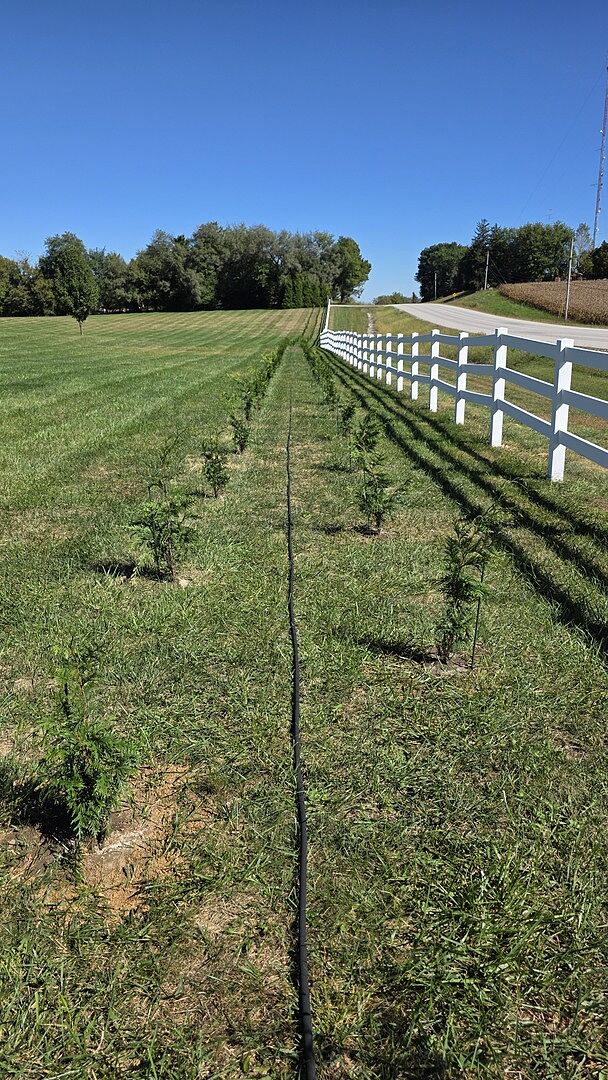
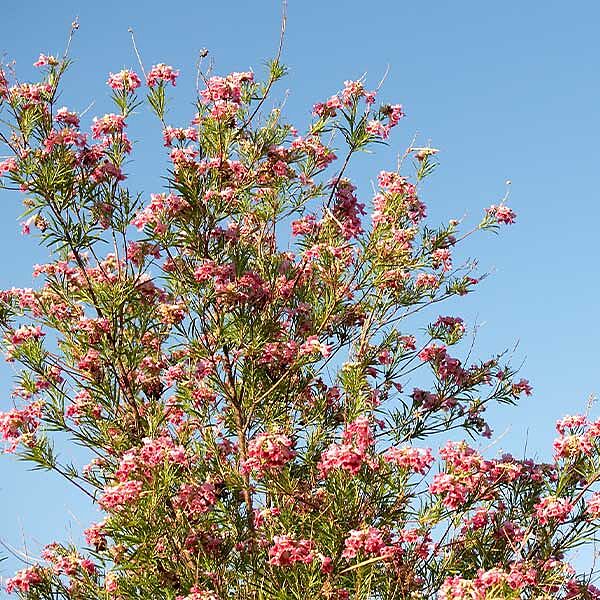
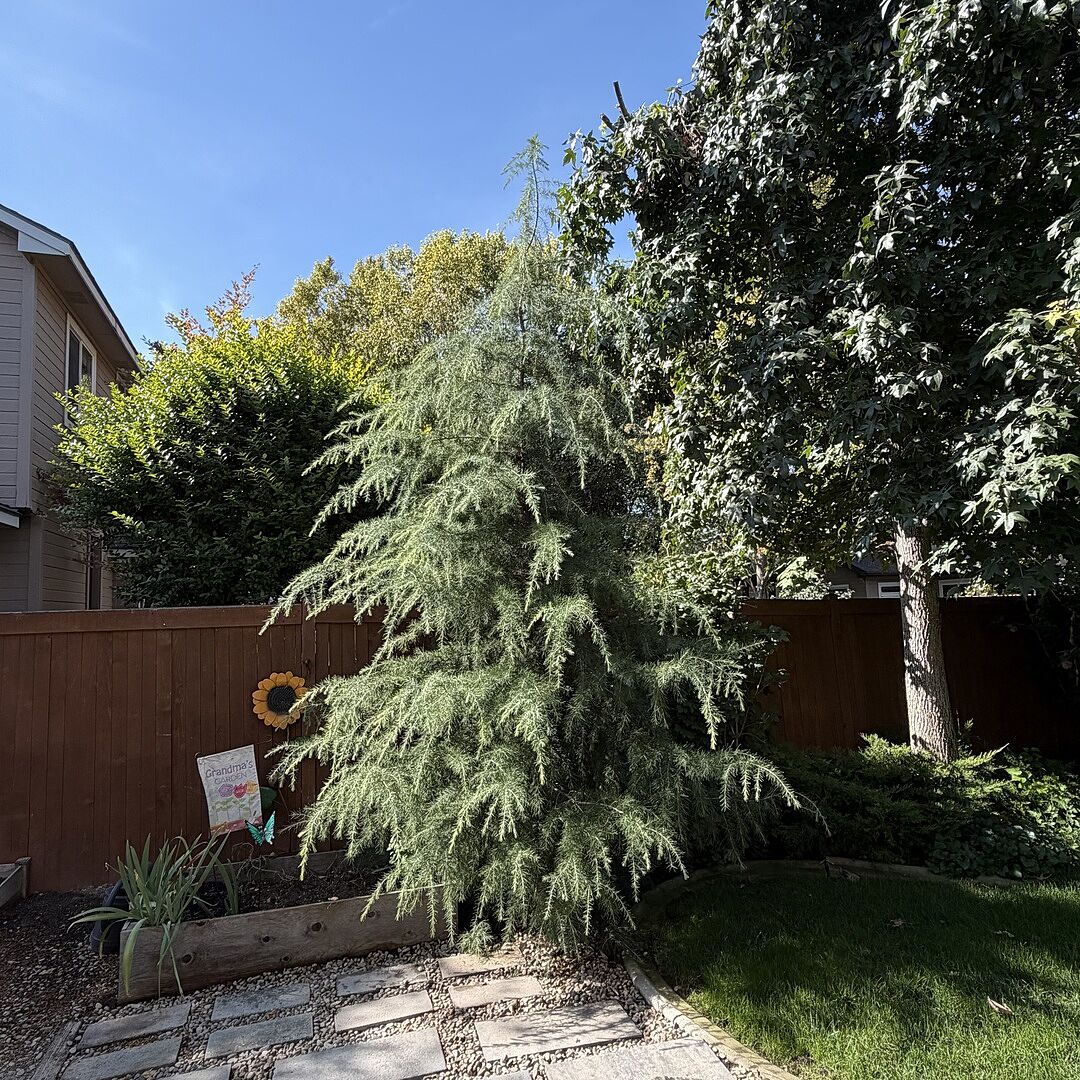
- Cypress and ornamental grasses are drought tolerant once mature, but a newly planted specimen this fall still needs regular watering. Drought tolerance is something a plant grows into, not something it arrives with.
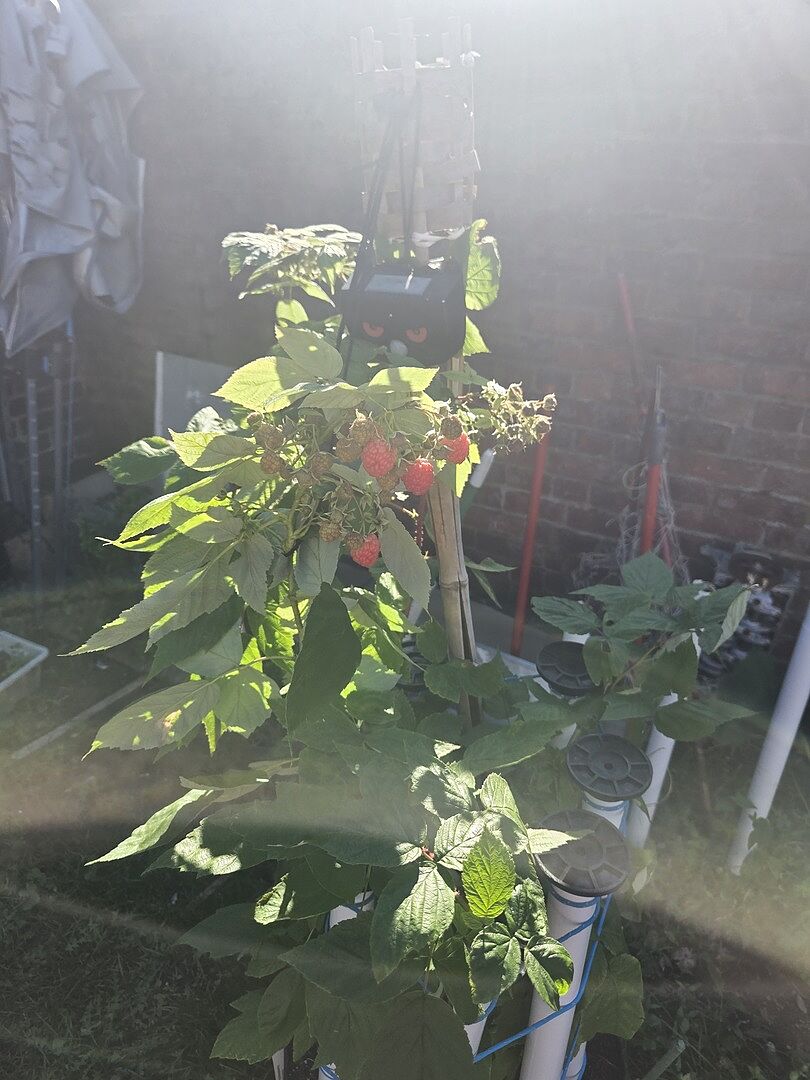
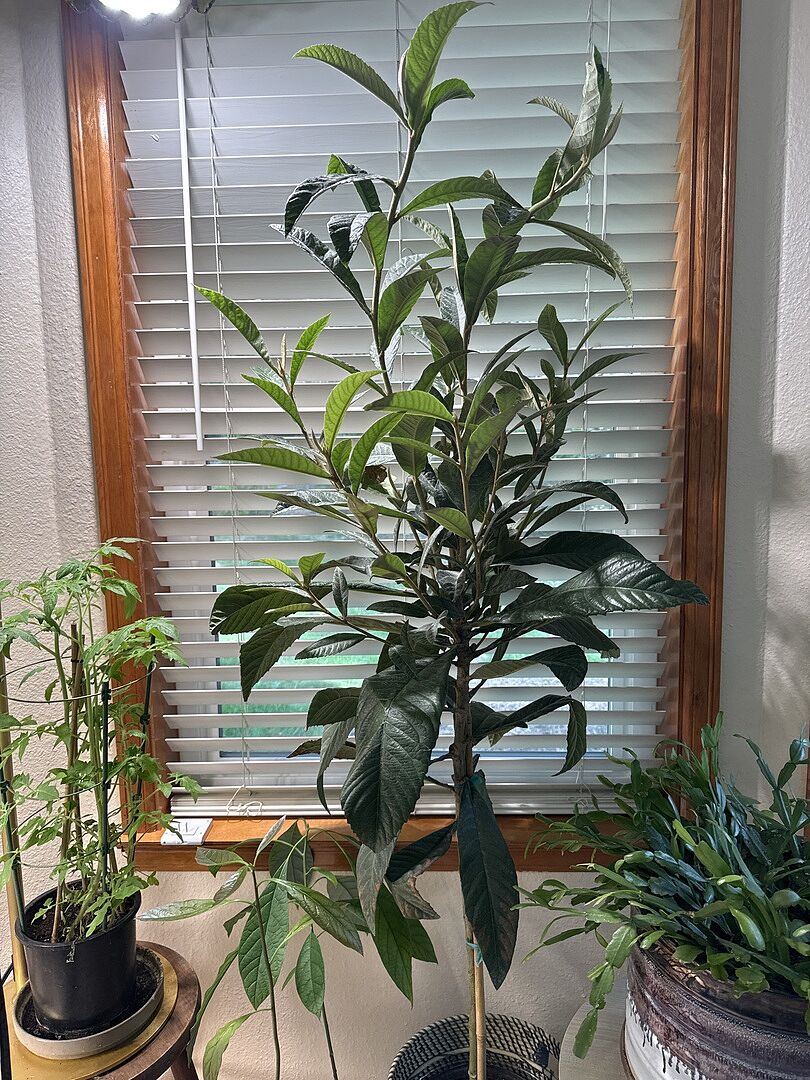
- Perennials, strawberries and avocado trees are sensitive to soggy soil. Since fall soil dries out more slowly, check moisture before watering rather than watering on autopilot.
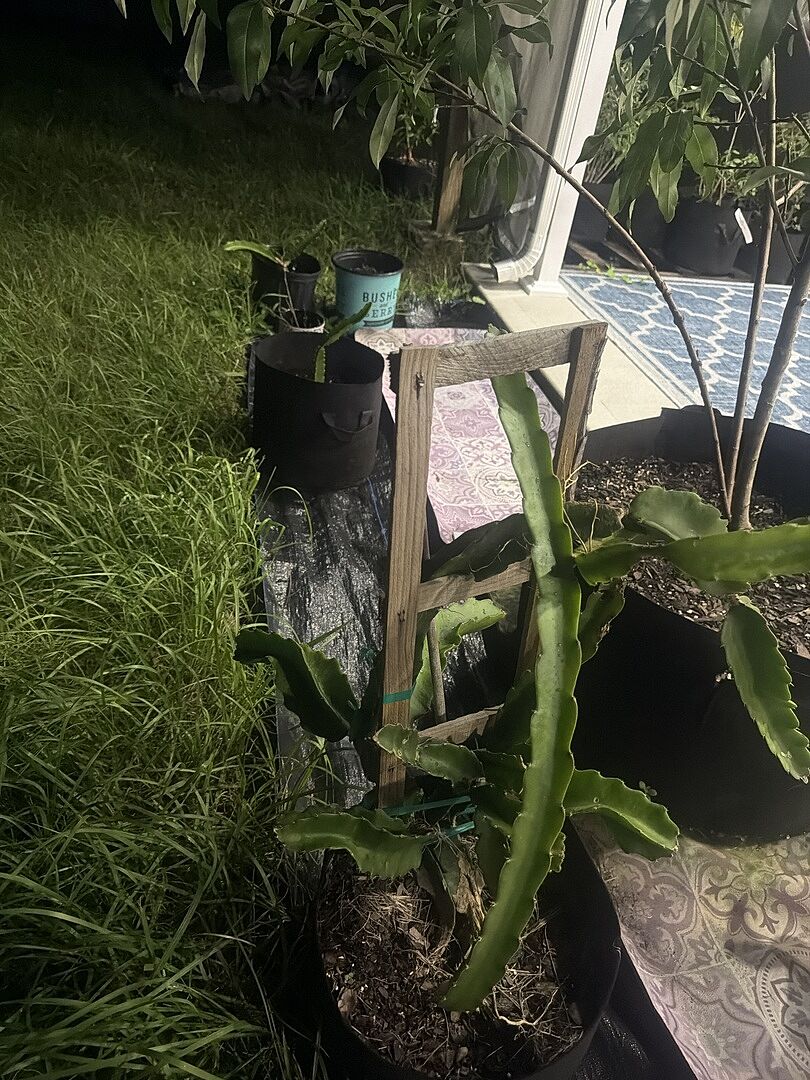
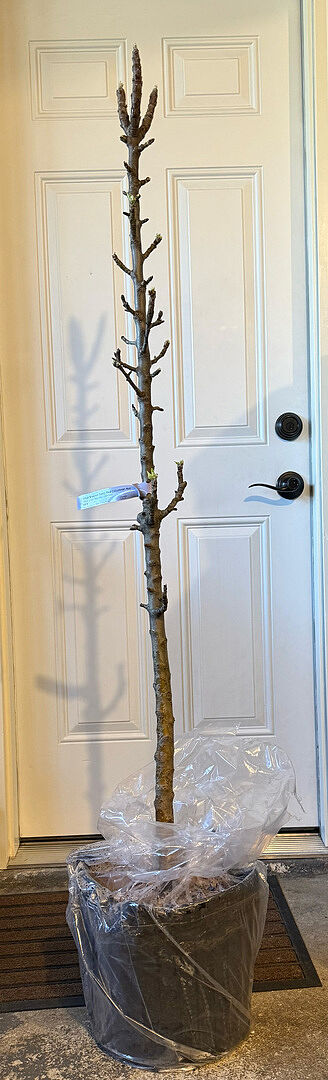
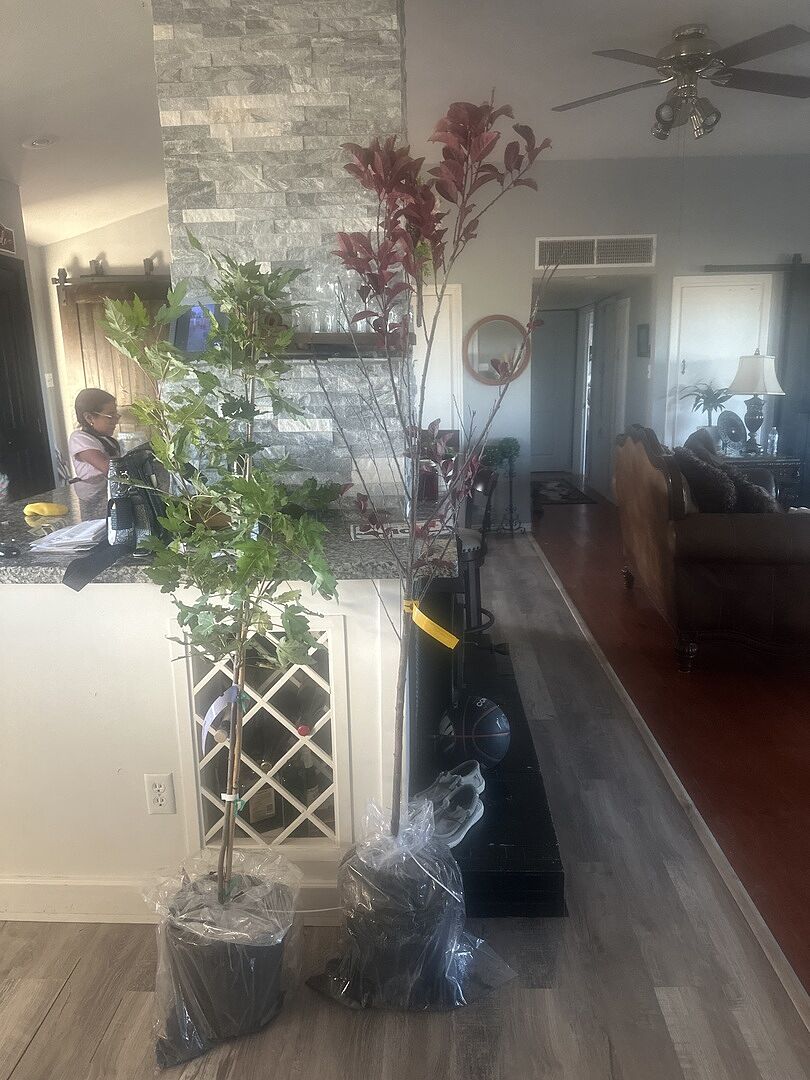
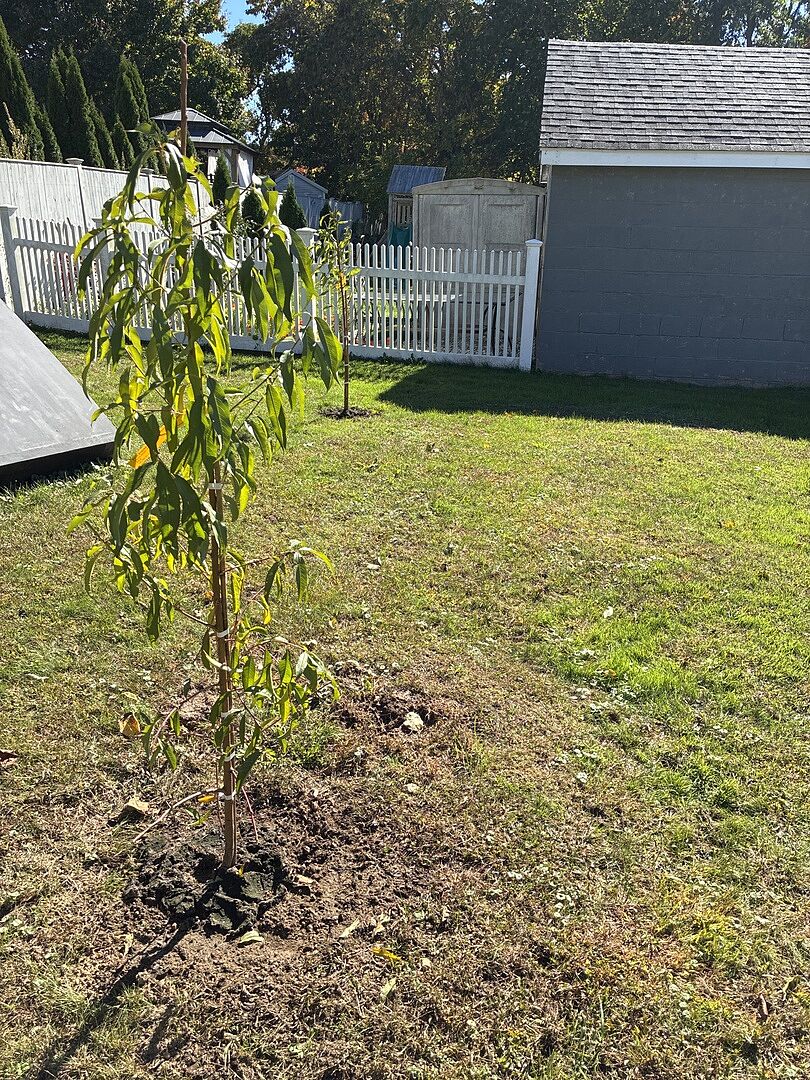
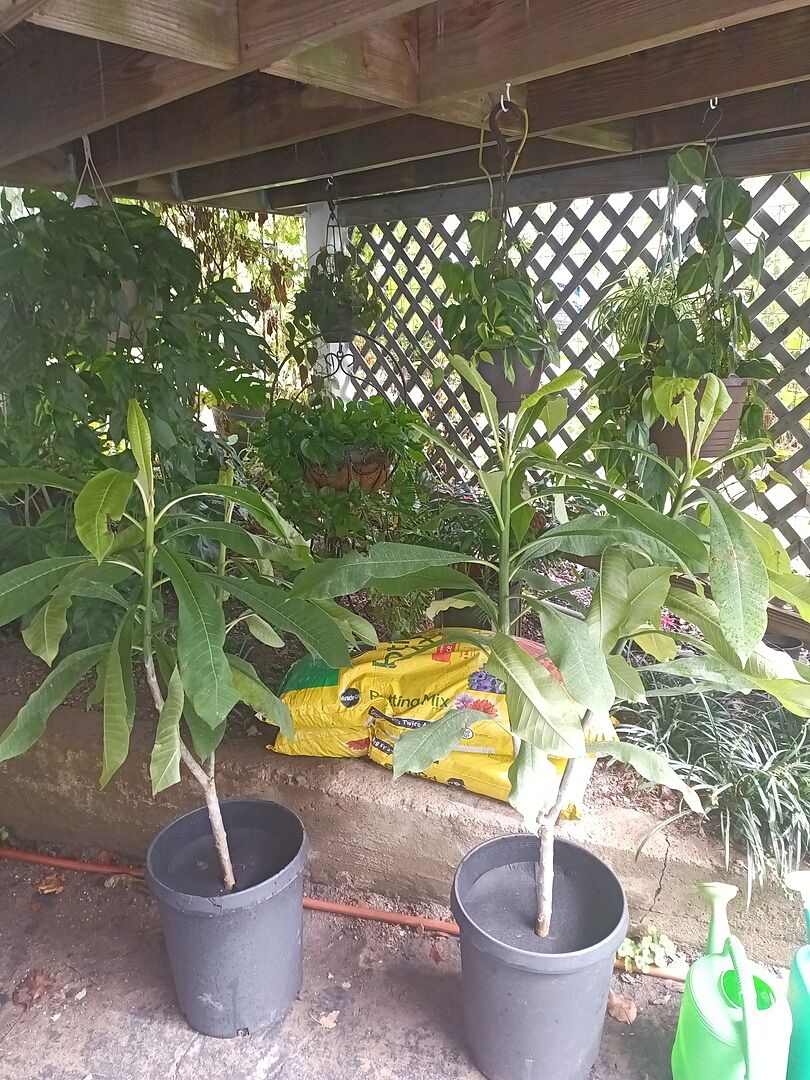
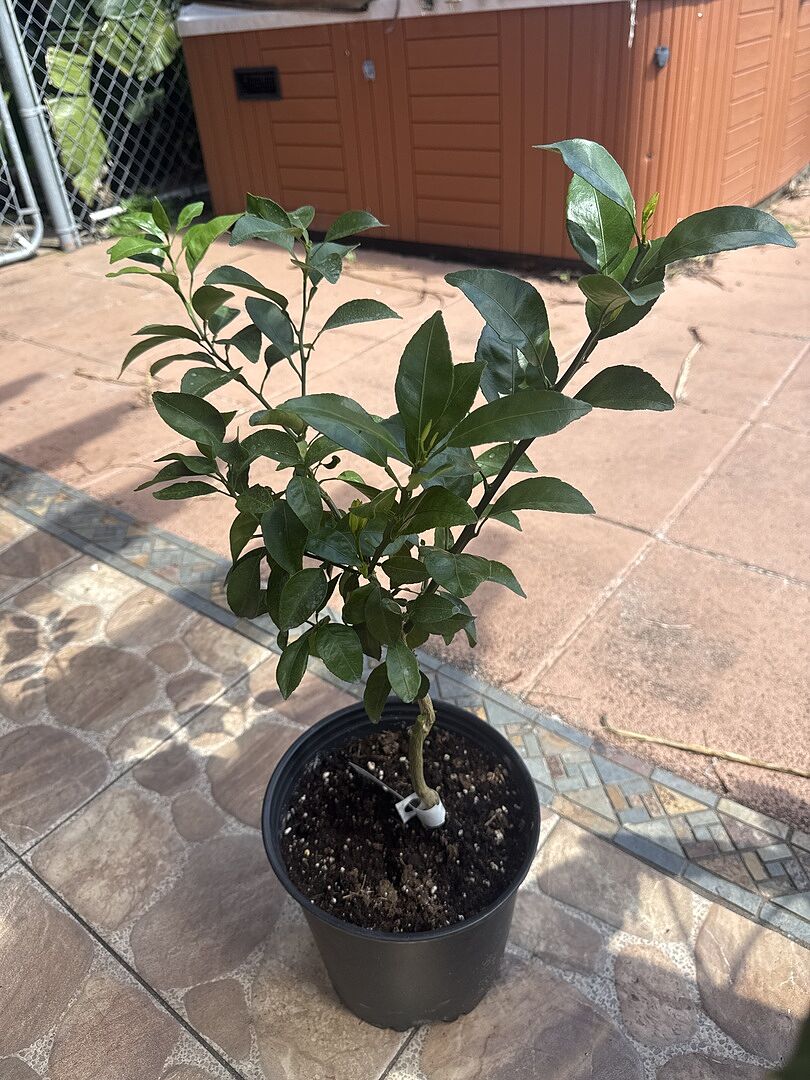
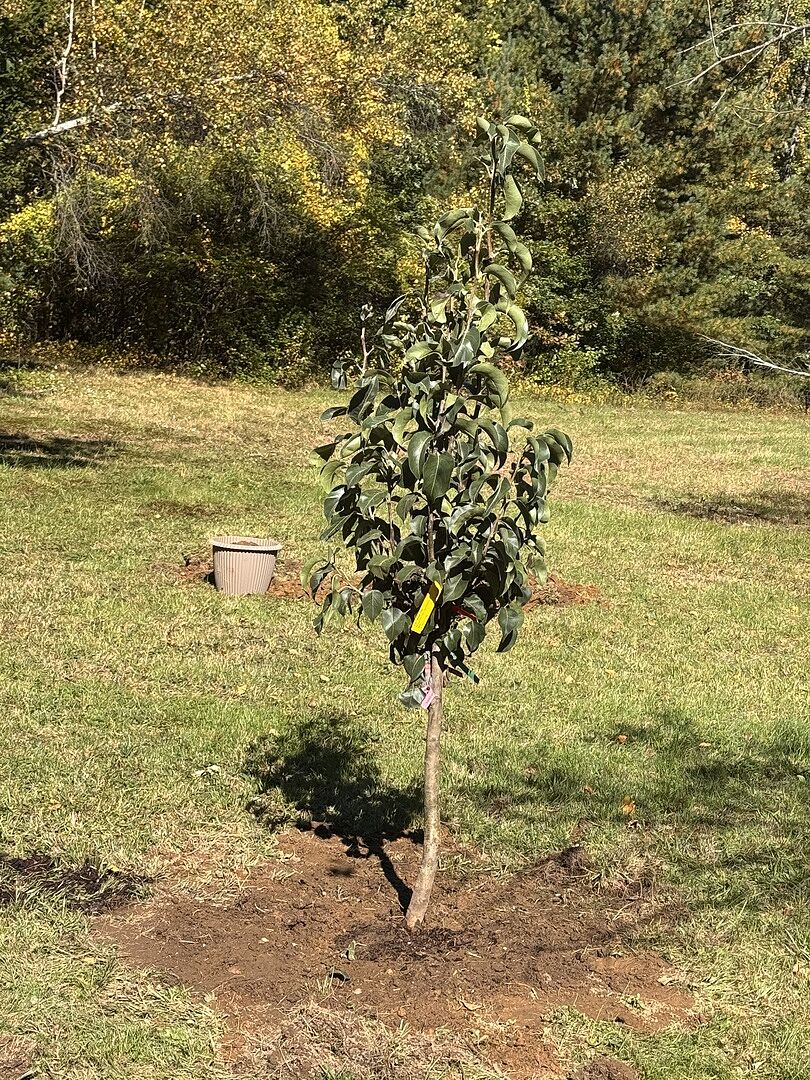
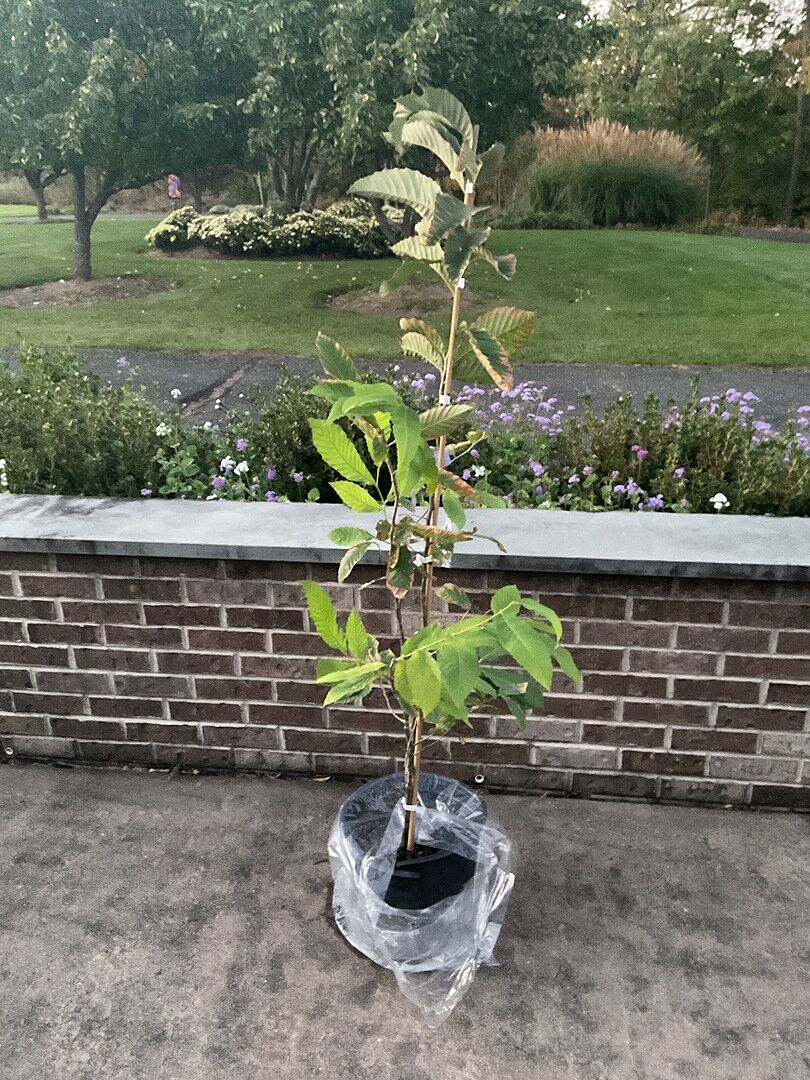
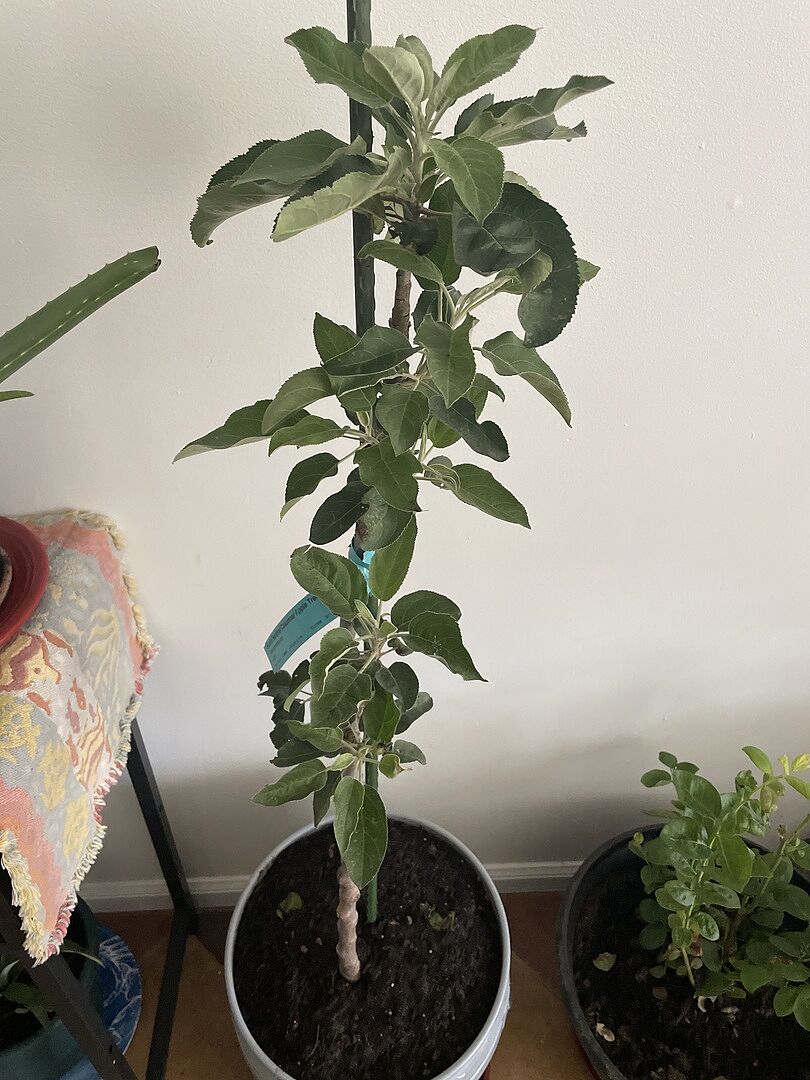
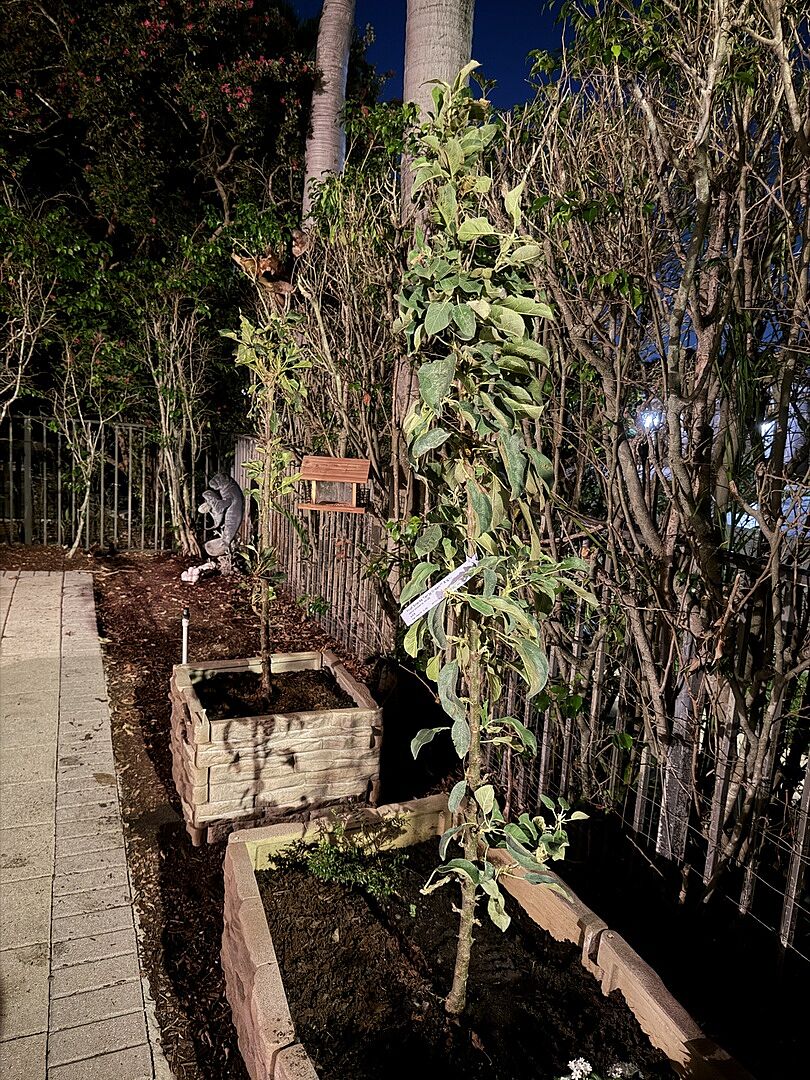
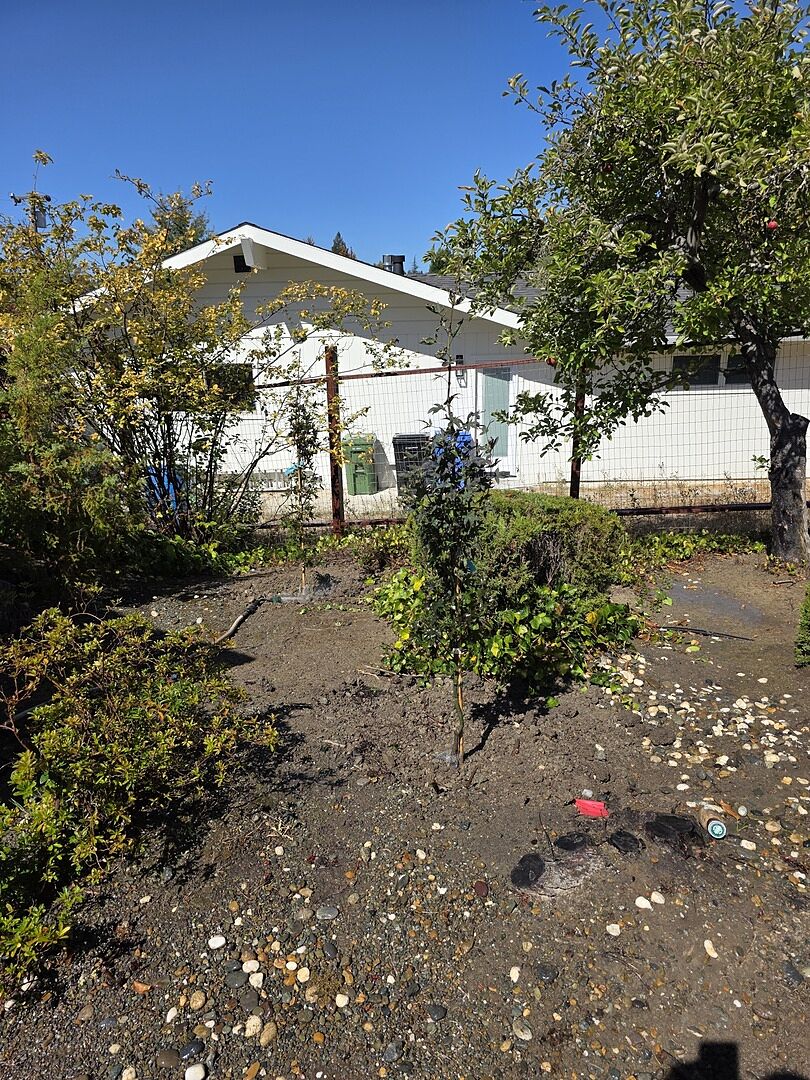
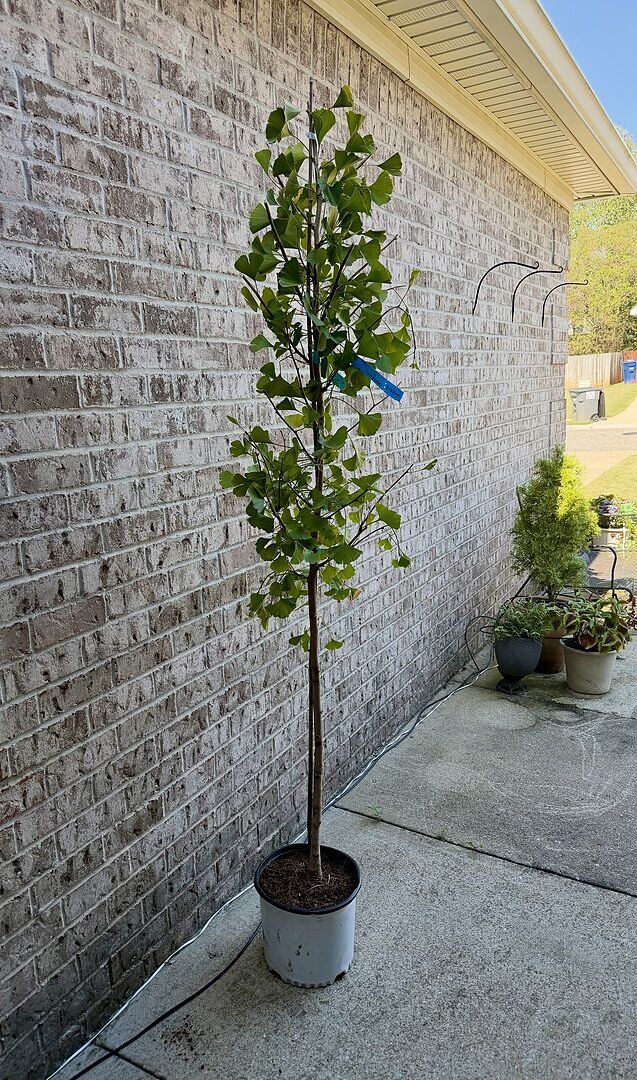
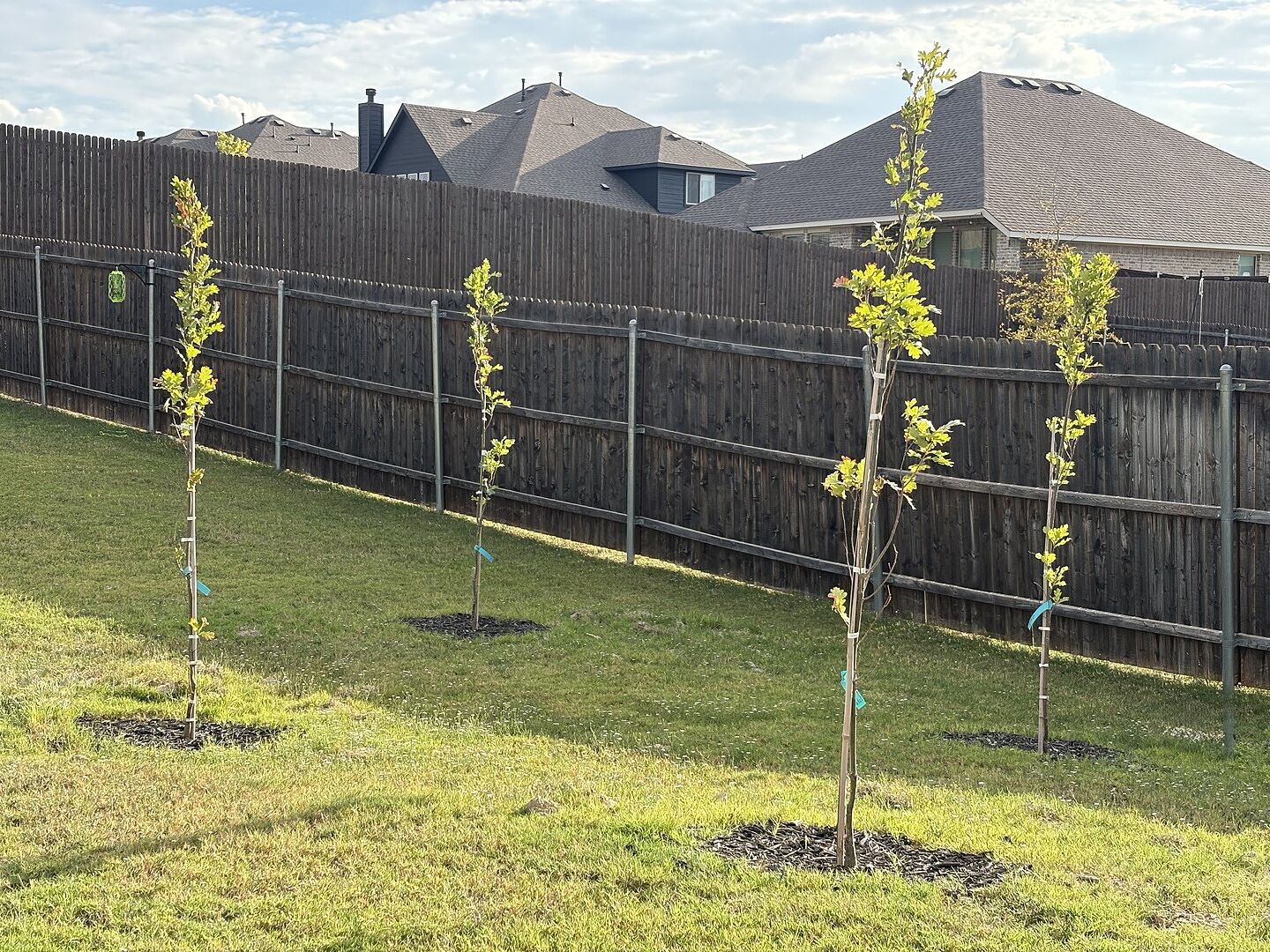
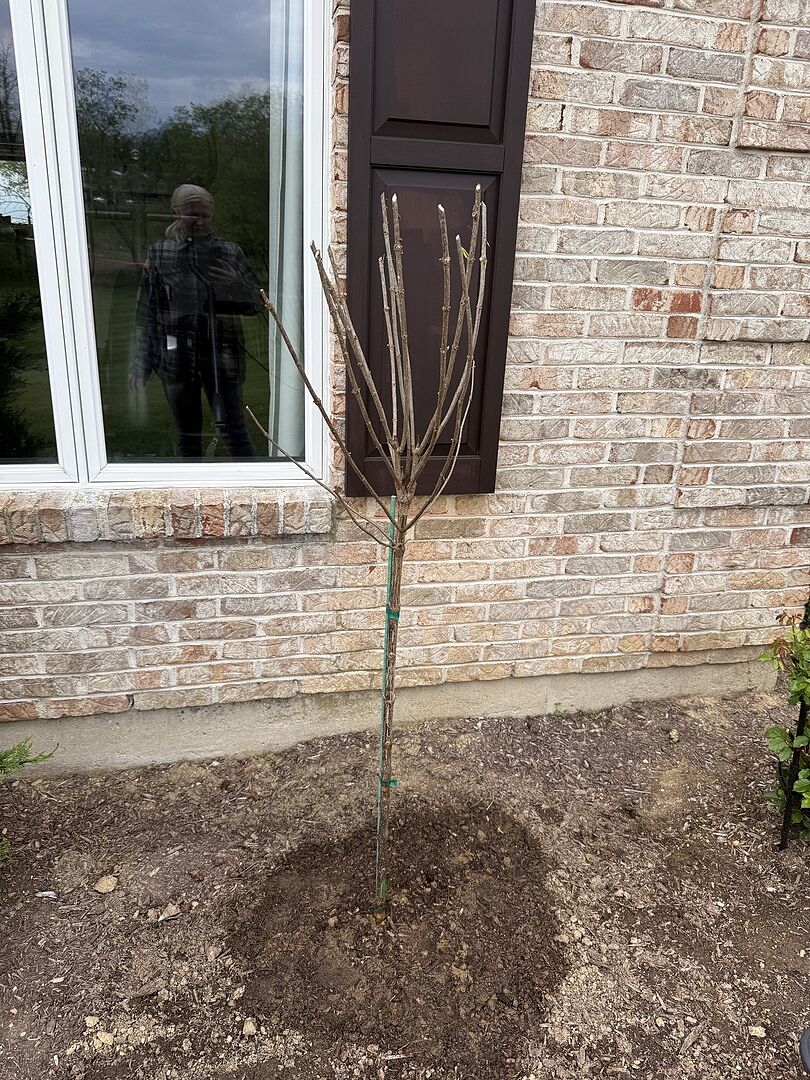
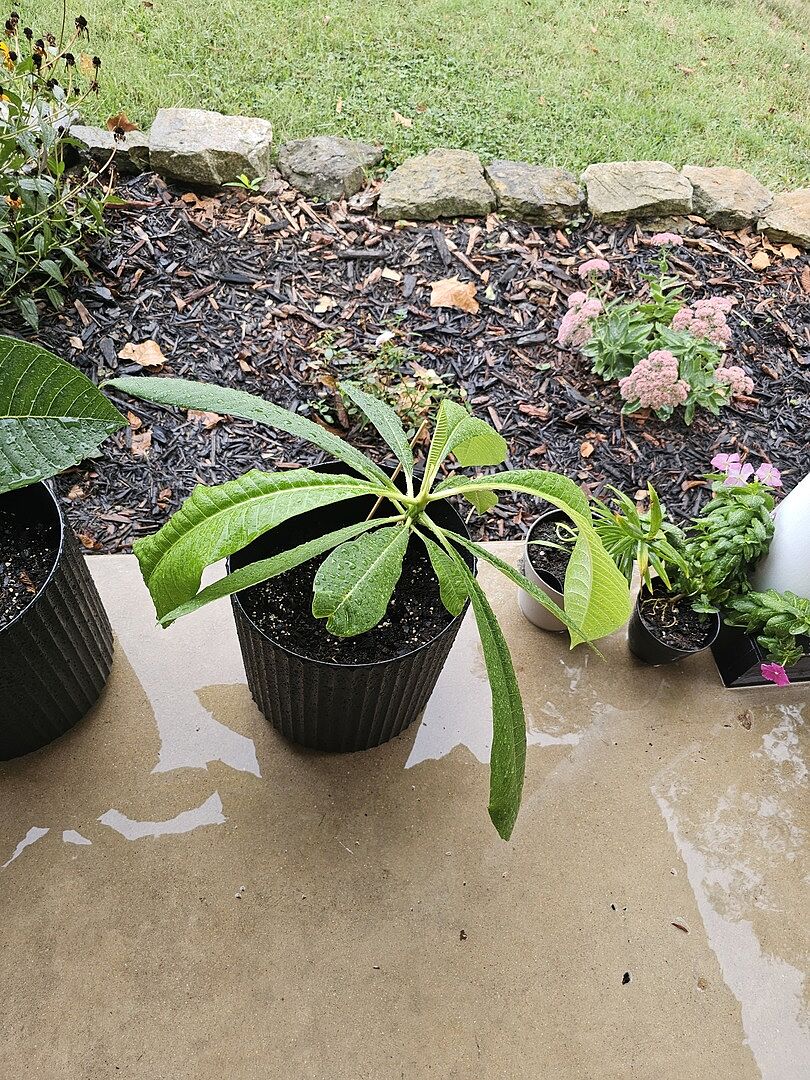
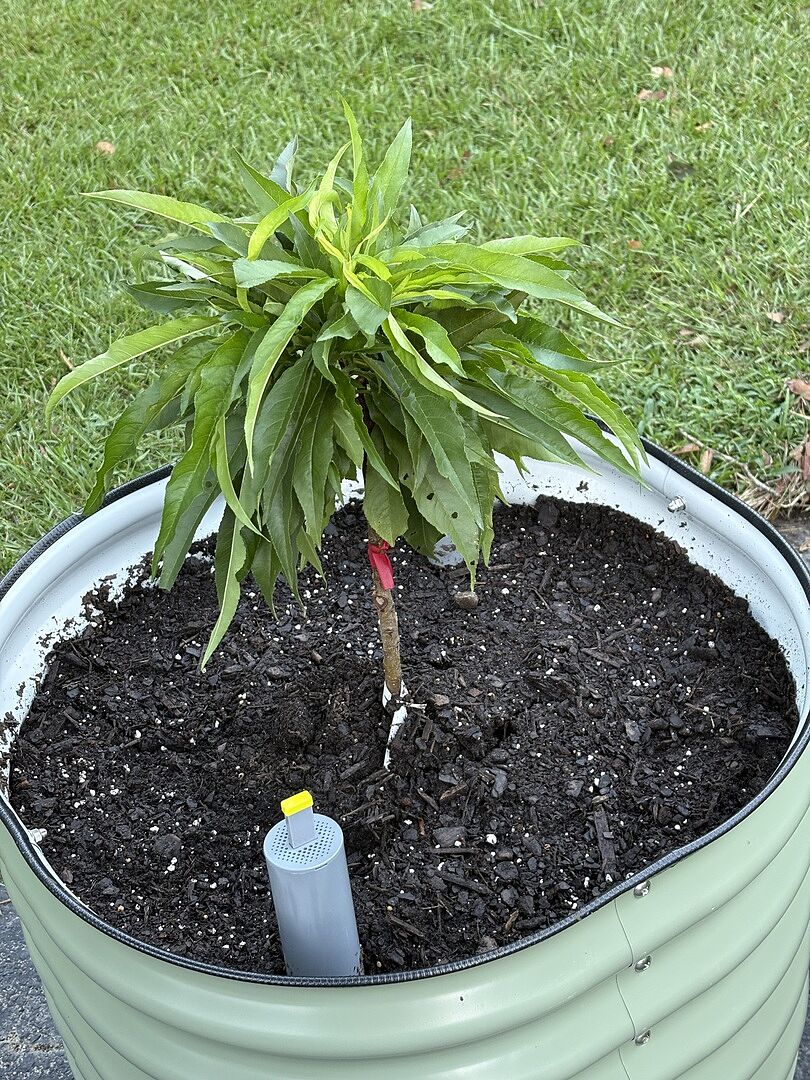
- Some trees, including fruit trees, may be planted in burlap planting bags. These typically have less established root systems than container-grown plants and benefit from closer monitoring while roots develop, especially with less time left before dormancy.
What to Plant This Fall
If you're still deciding what to add to your yard, these categories are especially well suited to fall planting:
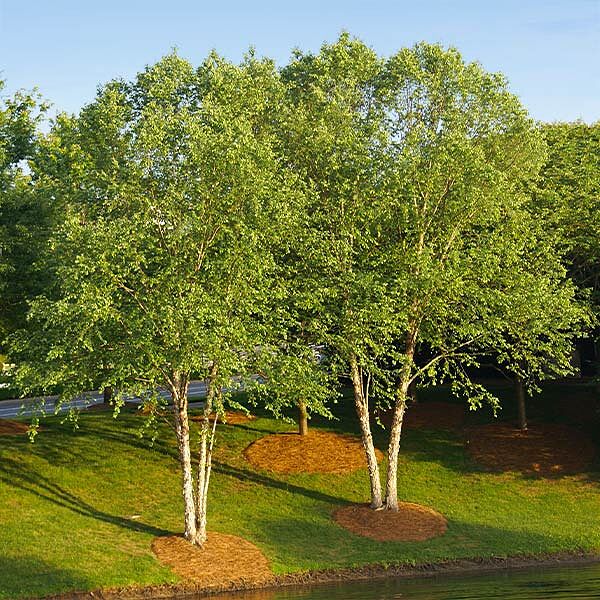
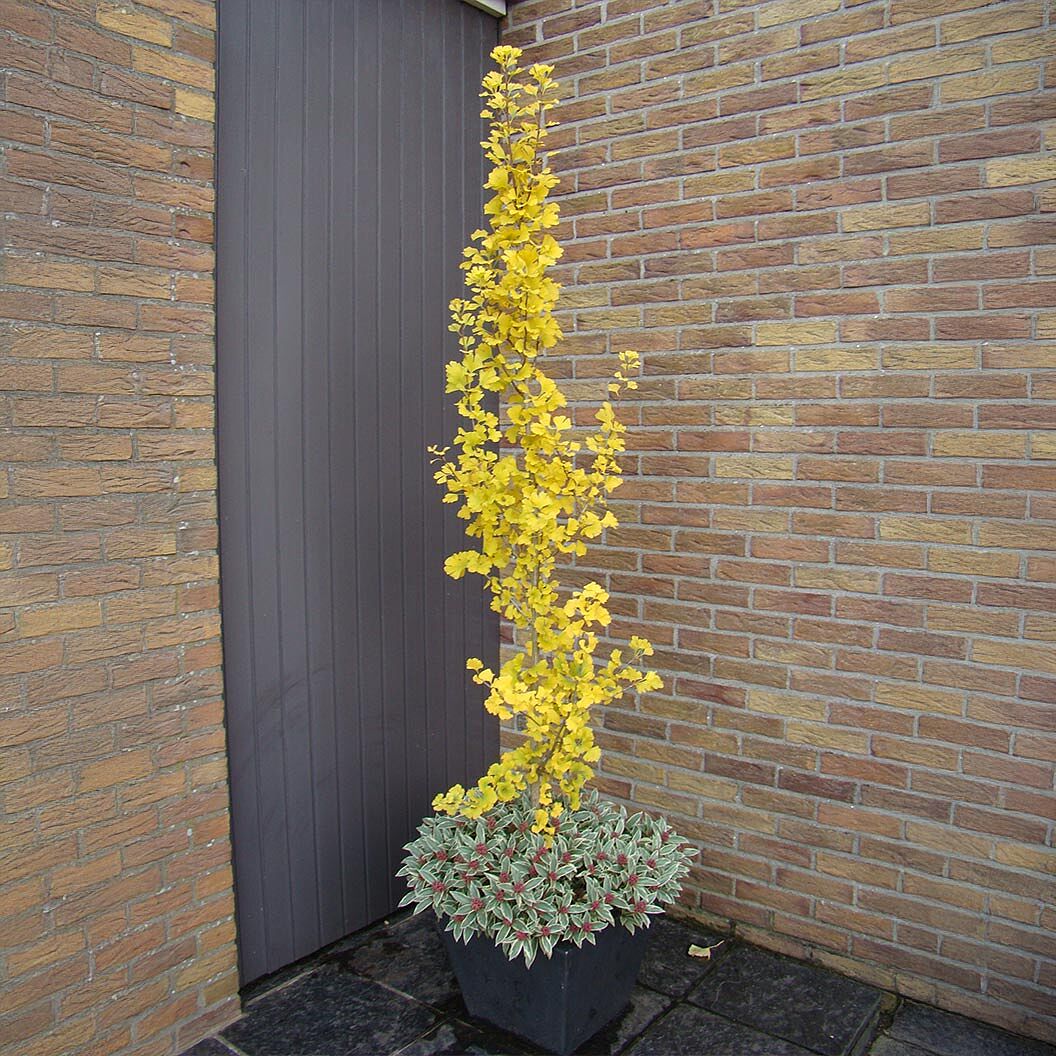
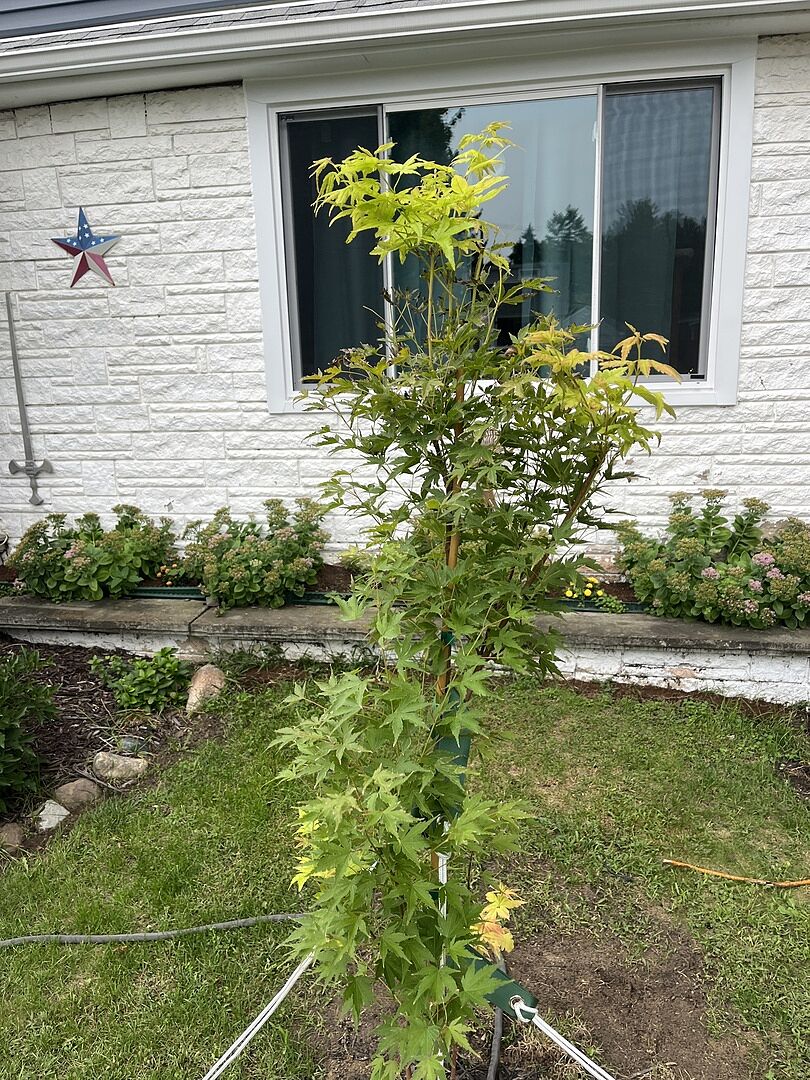
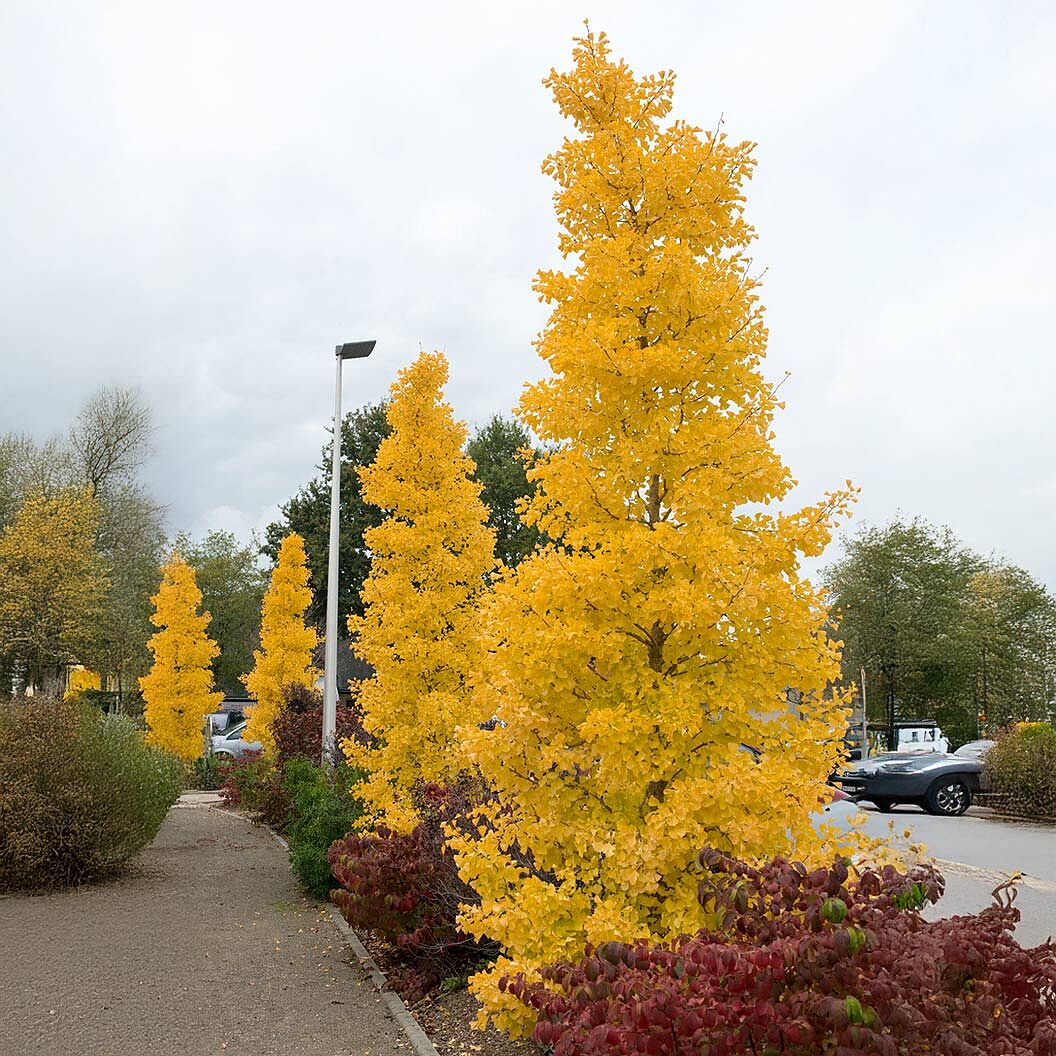
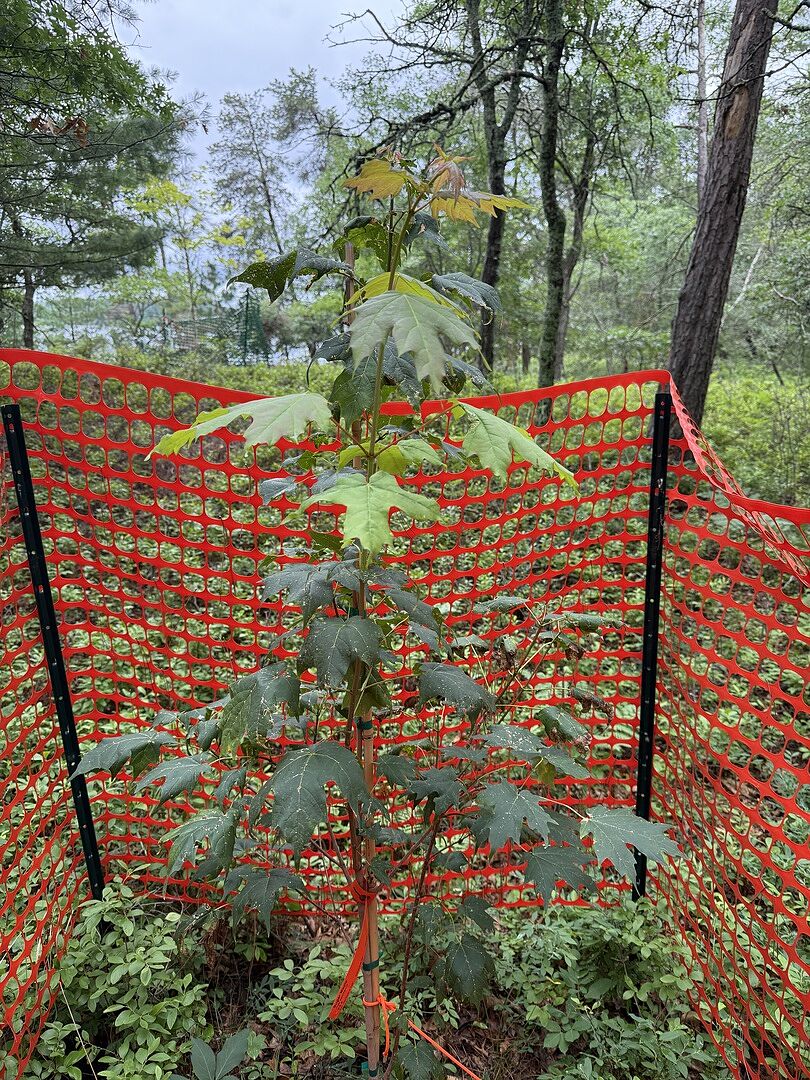
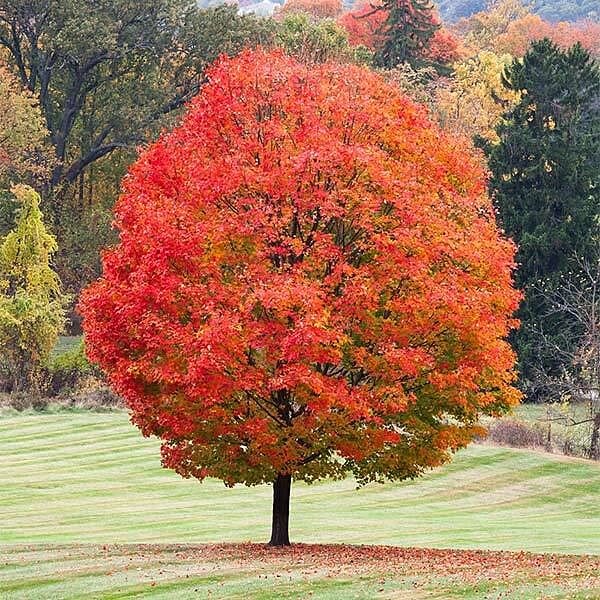
- Shade trees for fall color now and a stronger canopy next year: maples, oaks, ginkgo
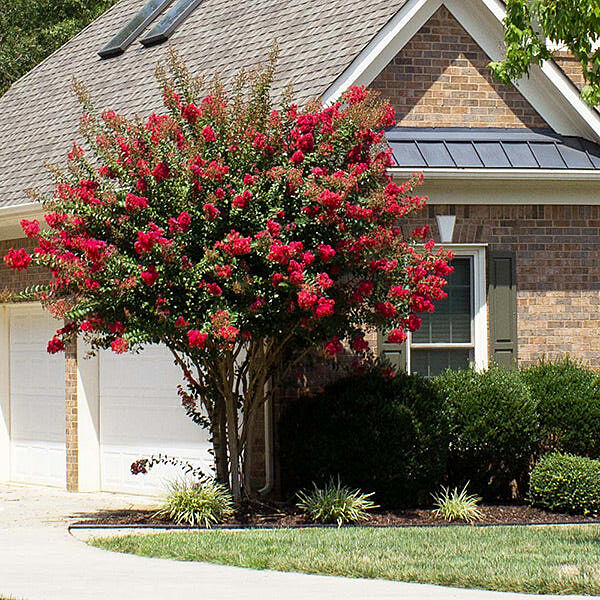
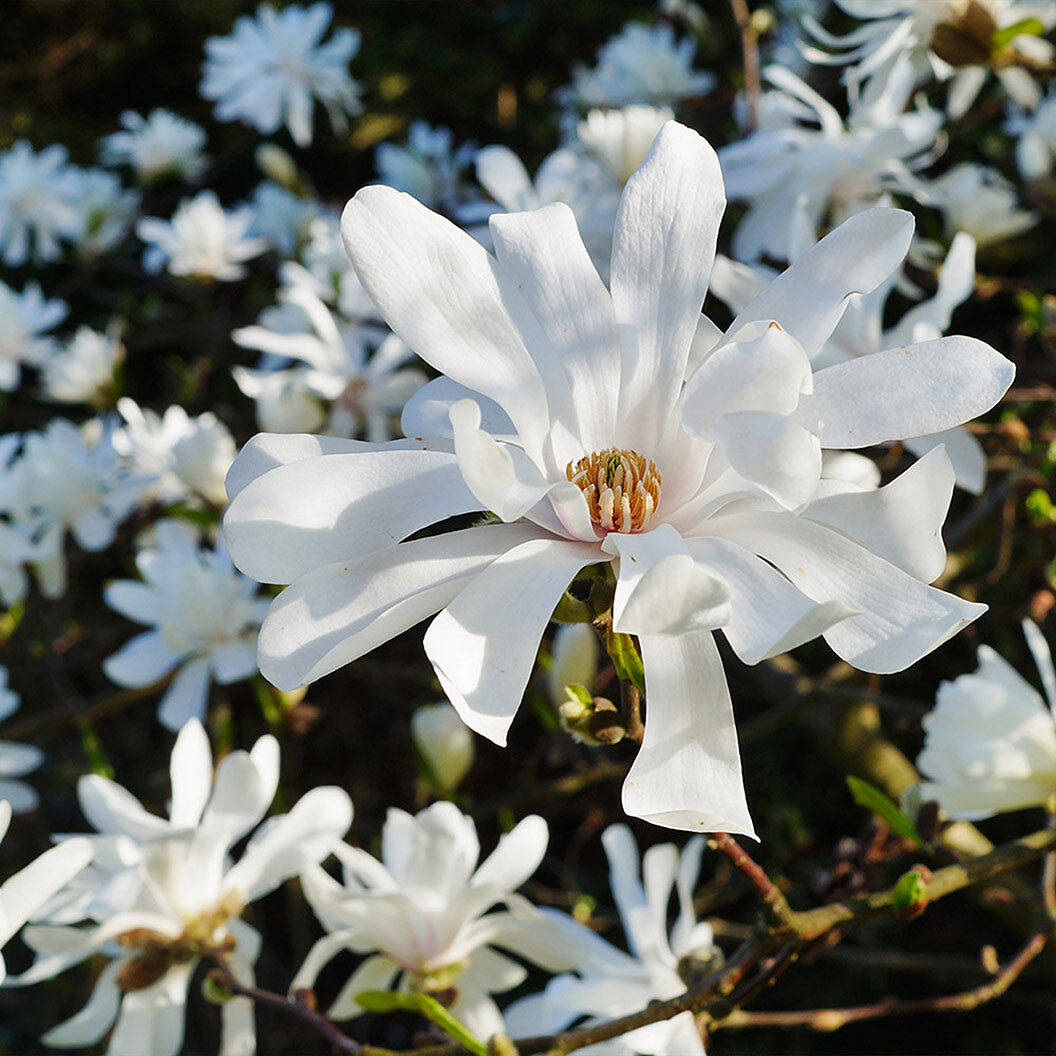
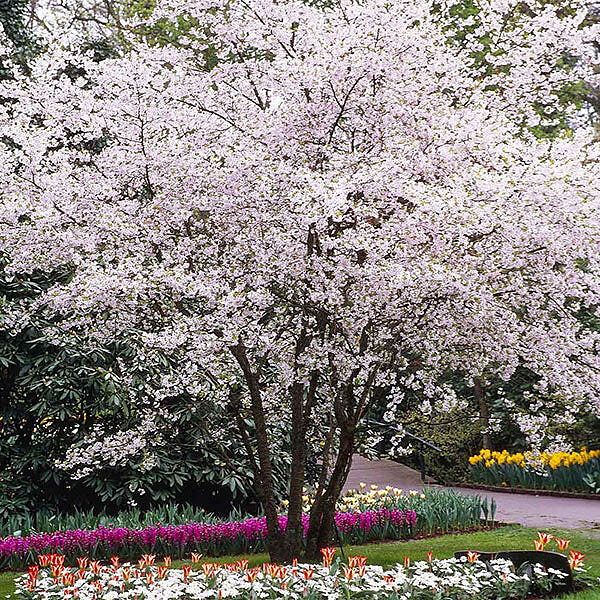
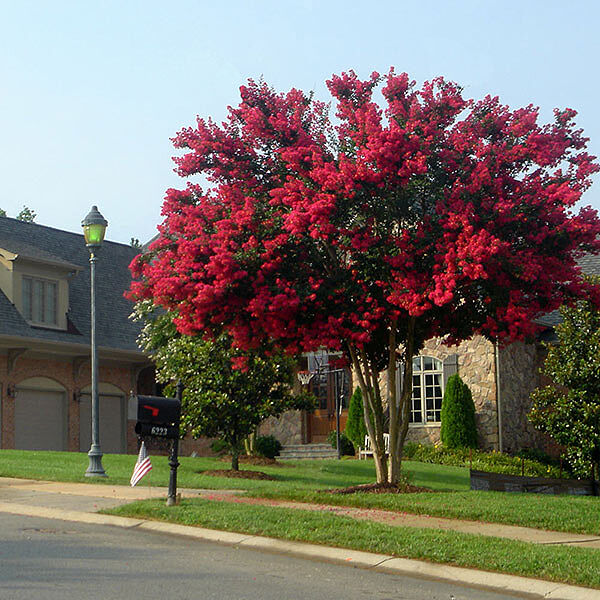
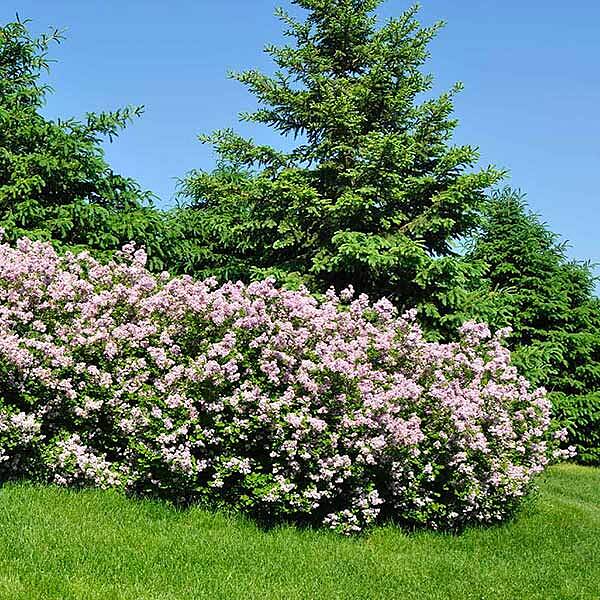
- Flowering trees that get a head start on spring blooms: dogwoods, redbuds, flowering cherry
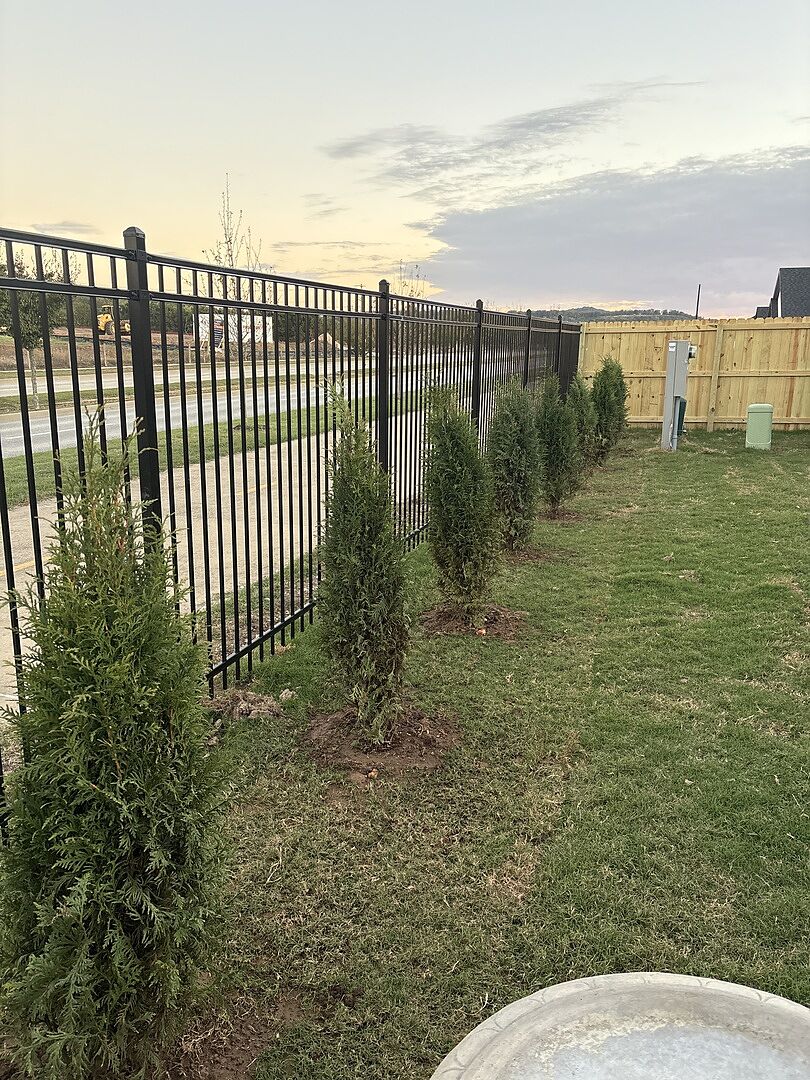
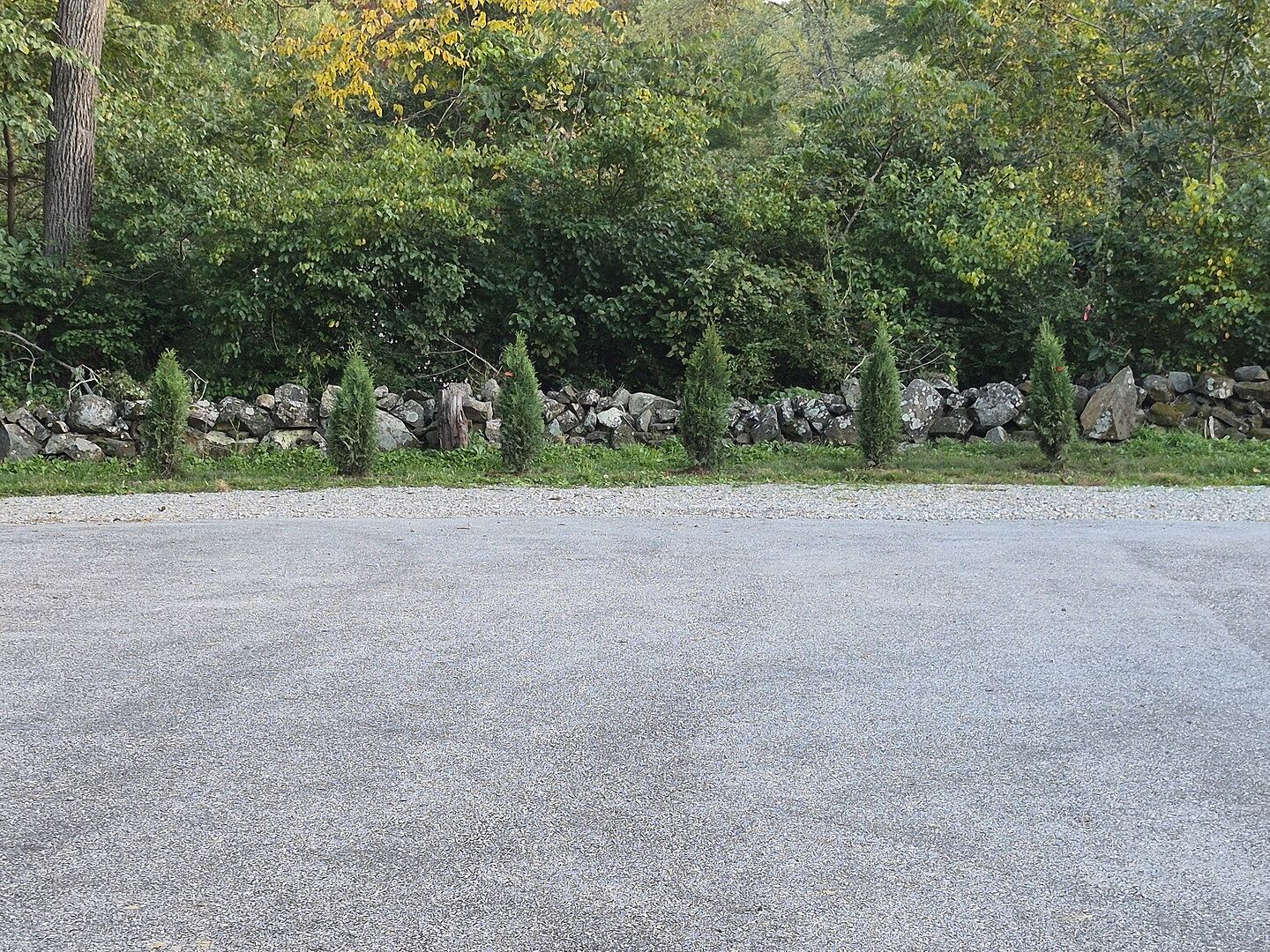
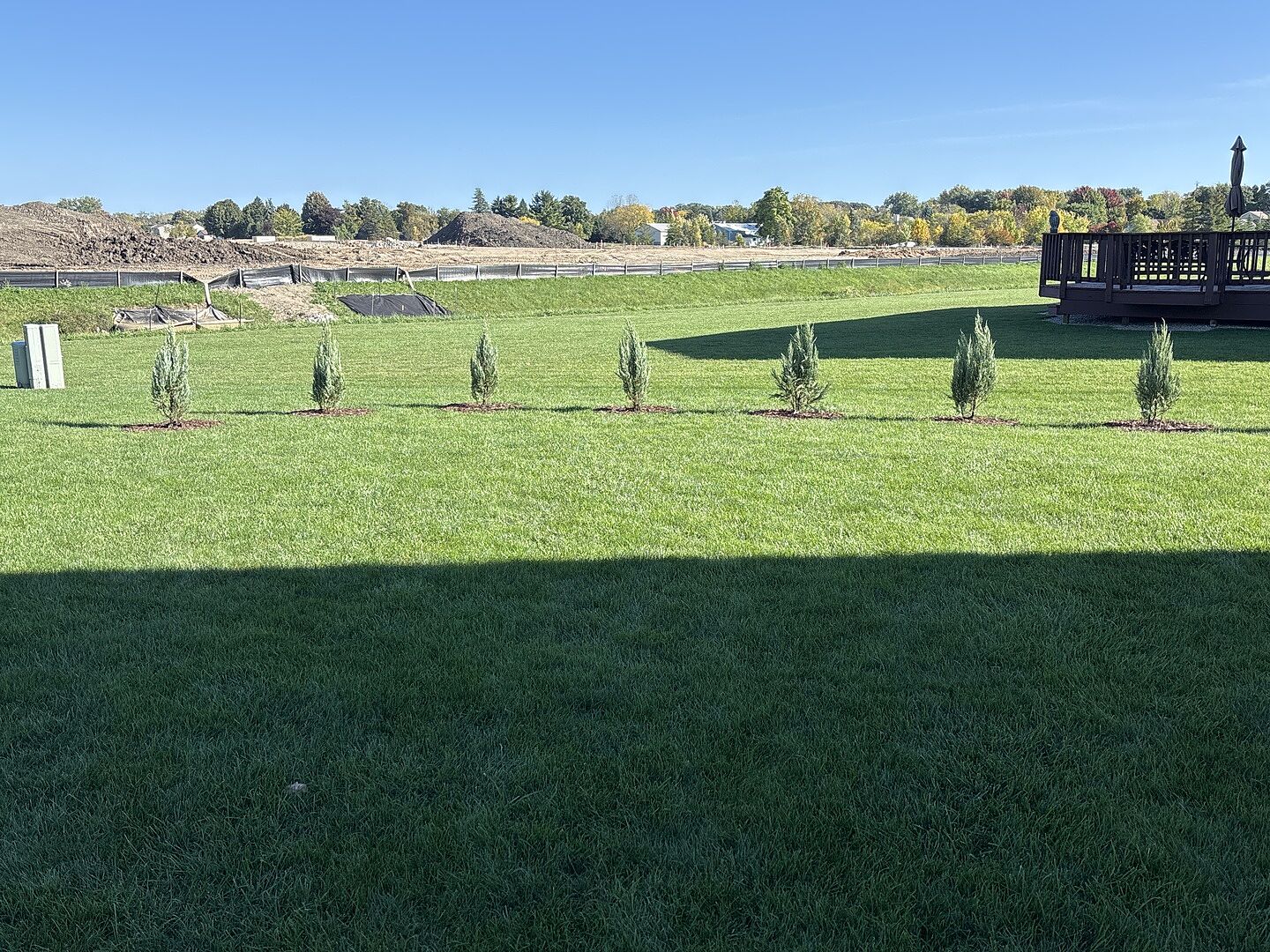
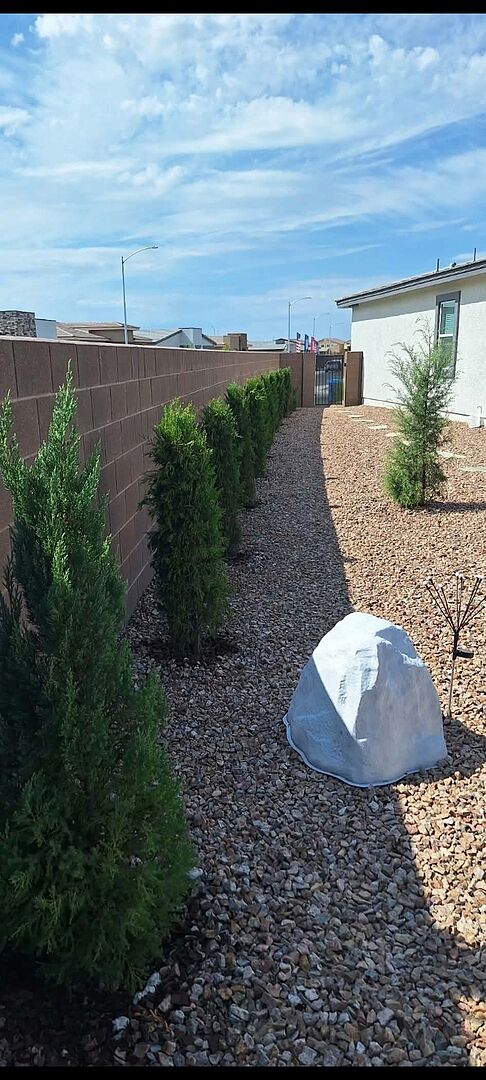
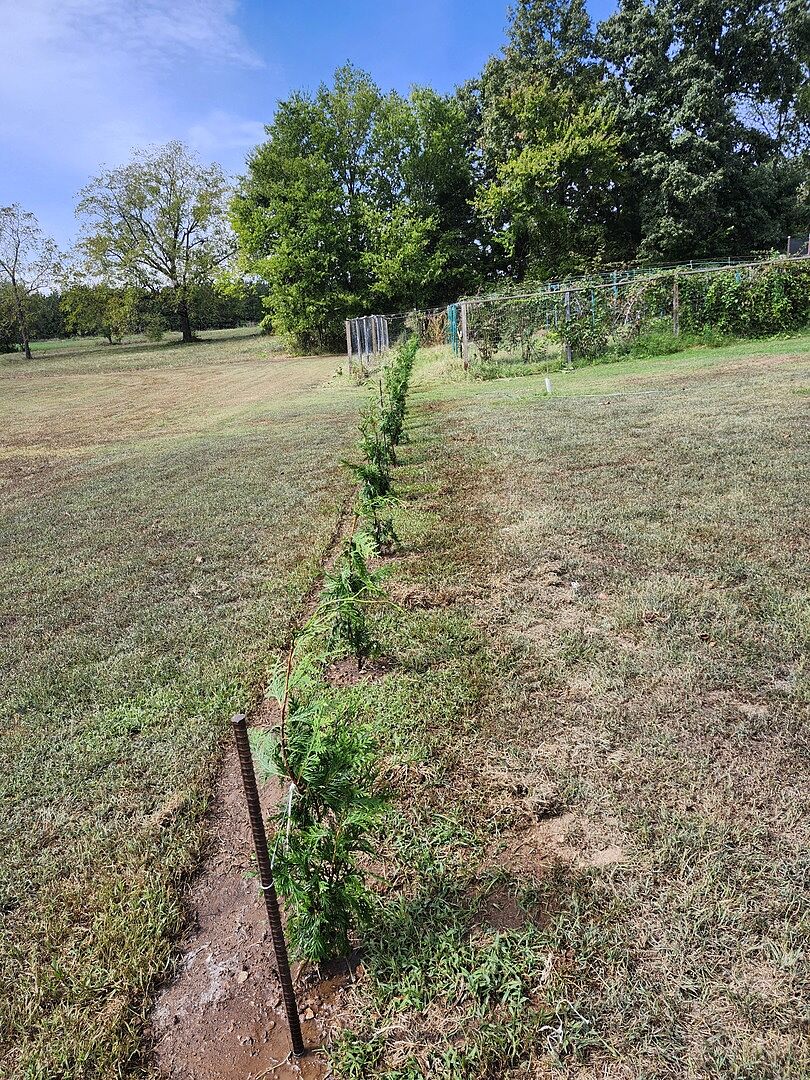
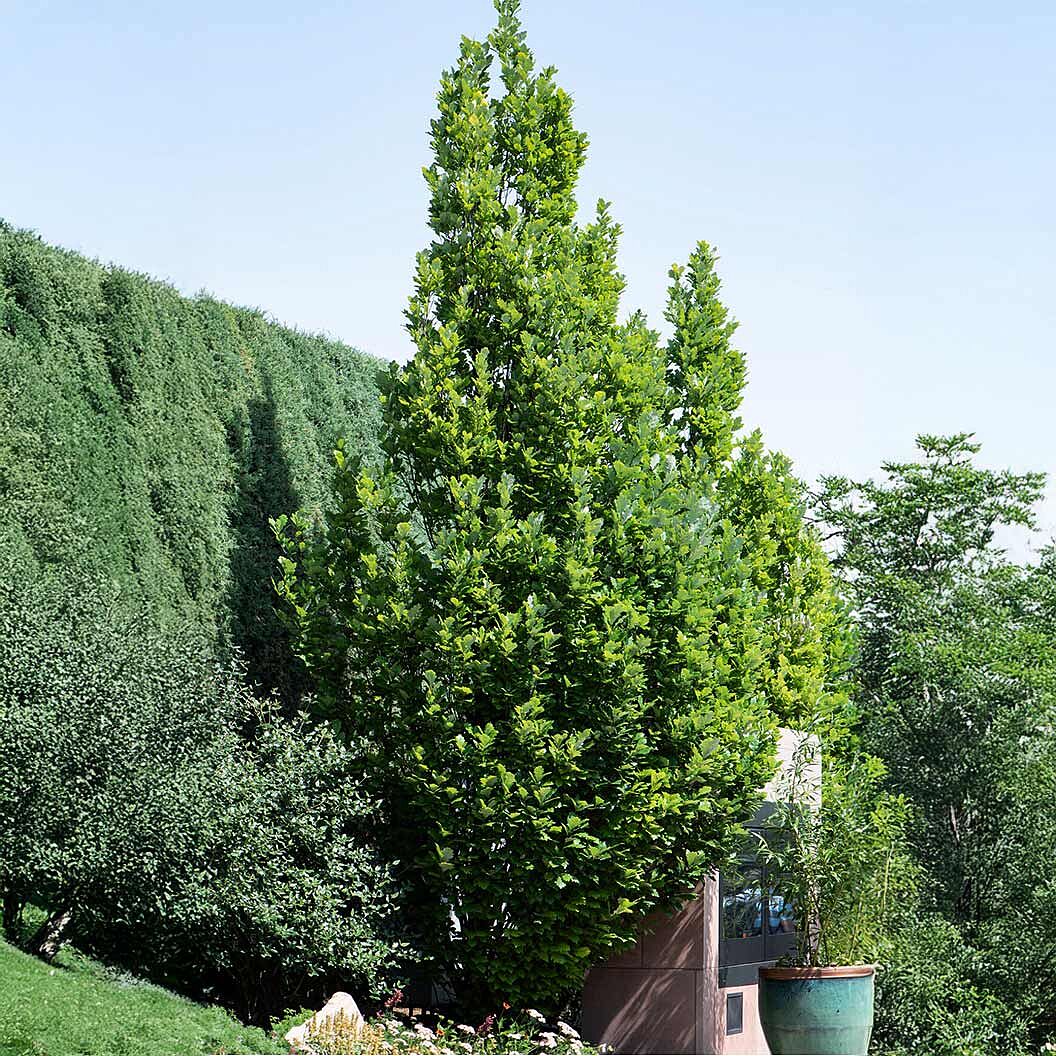
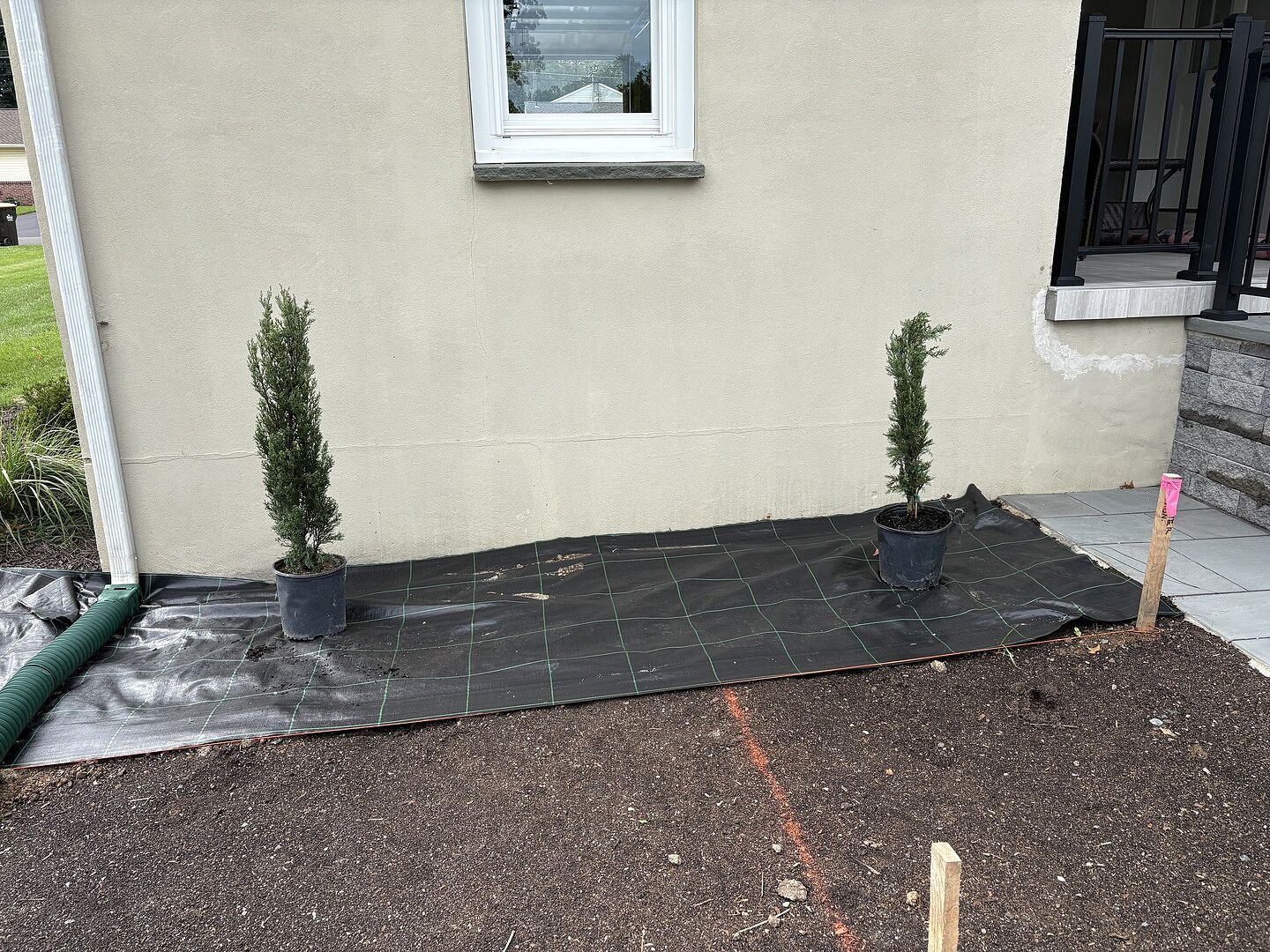
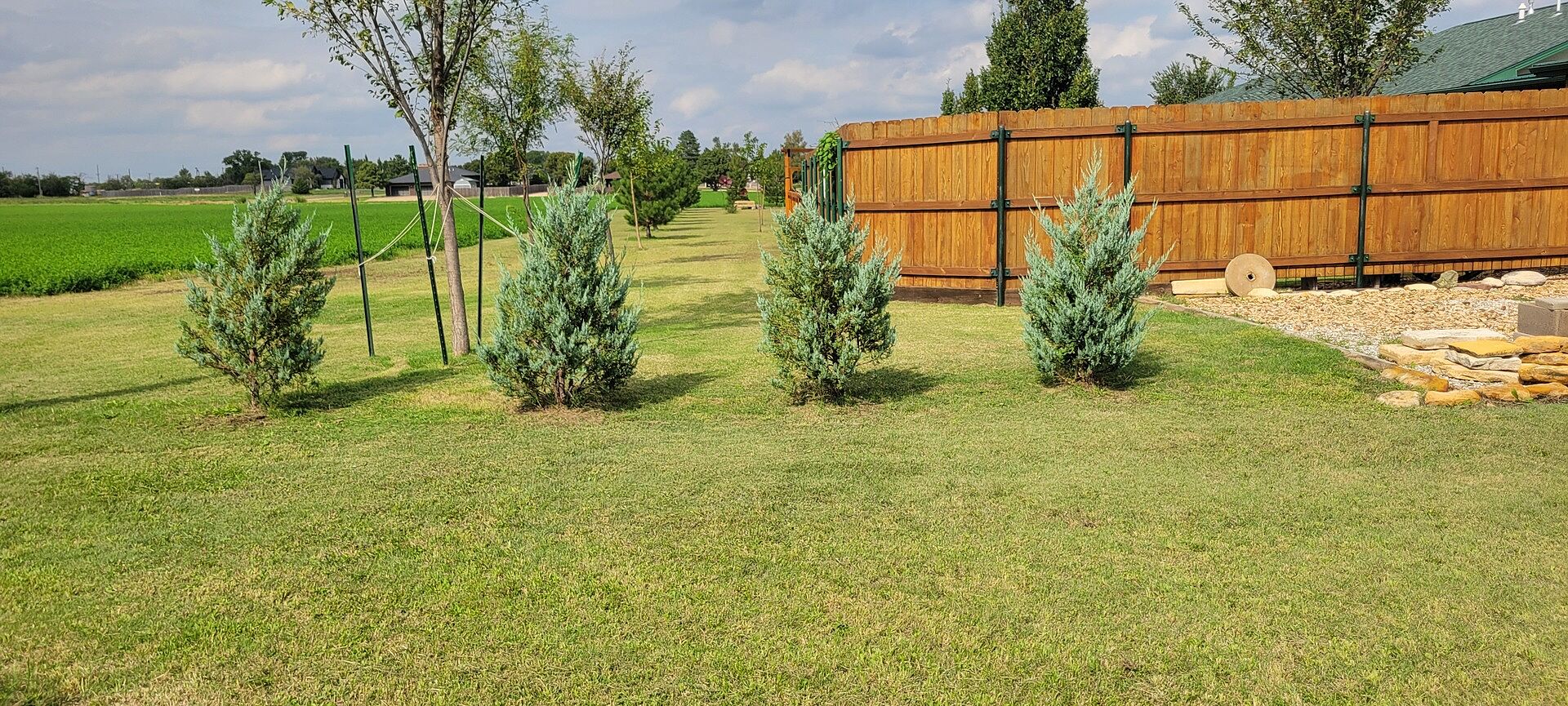
- Evergreens for privacy screening that fills in faster with a full season of root growth behind it: arborvitae, spruce, juniper
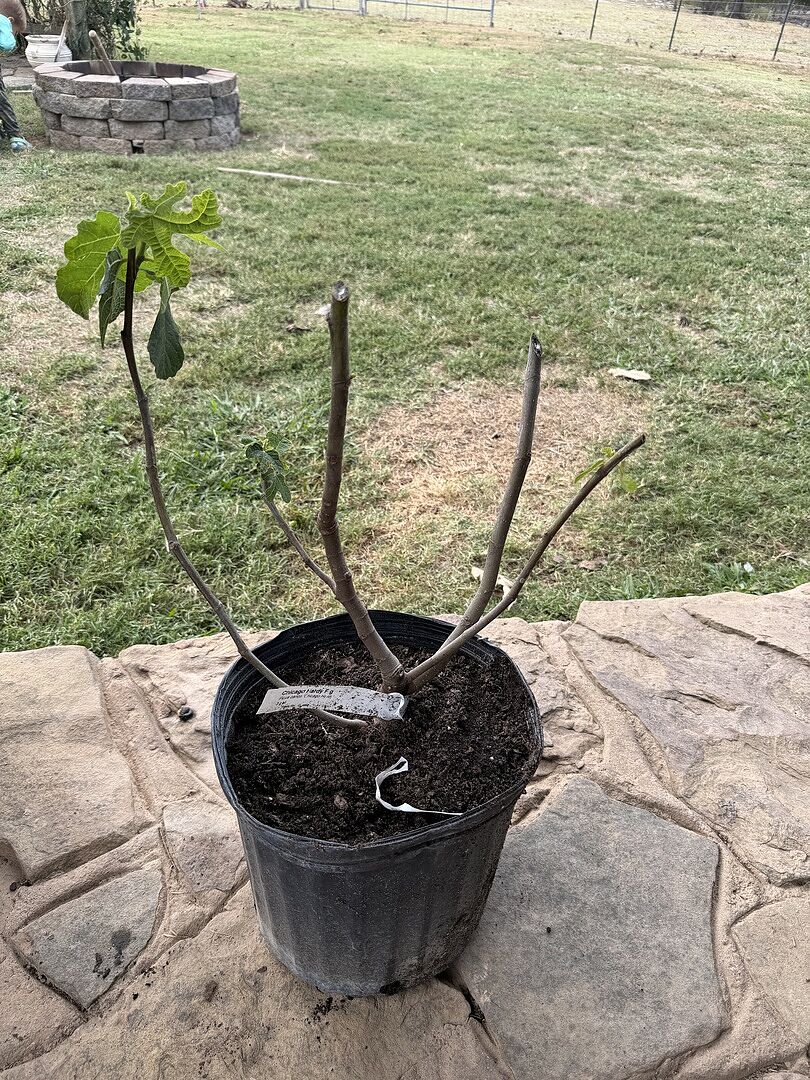
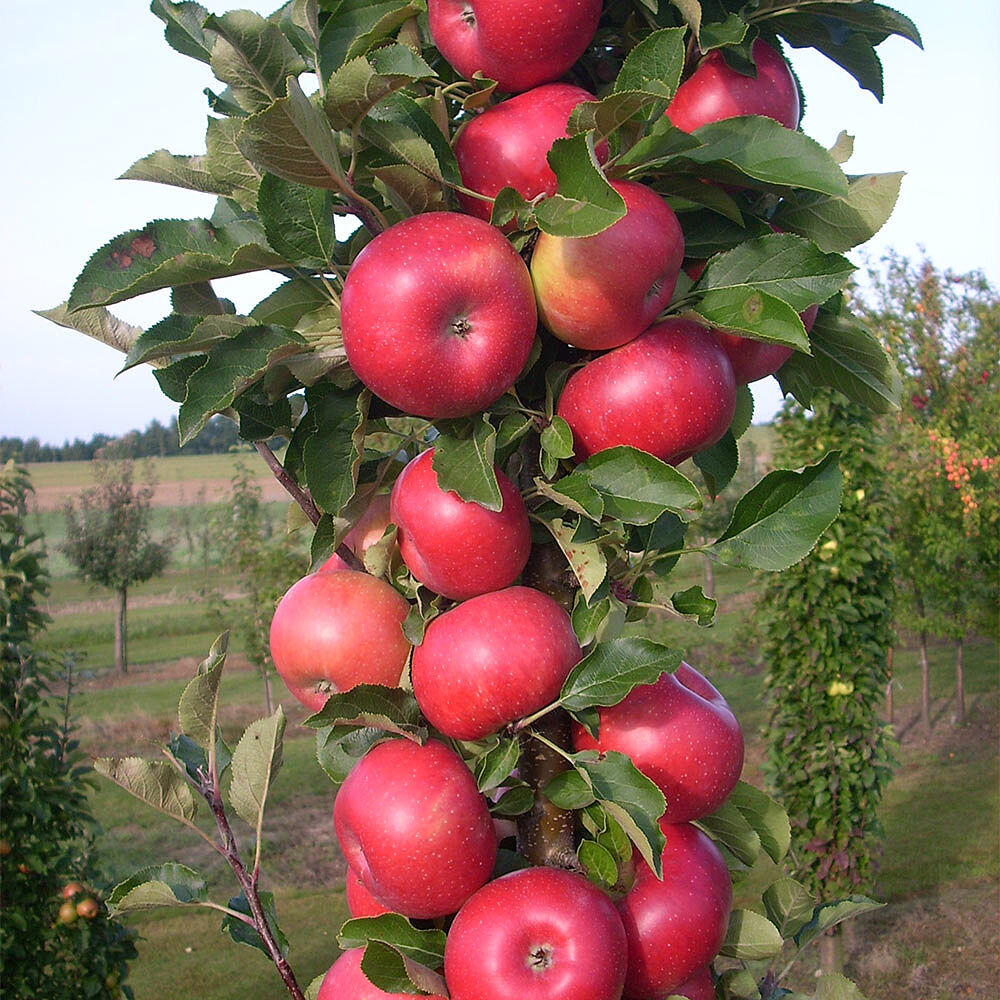
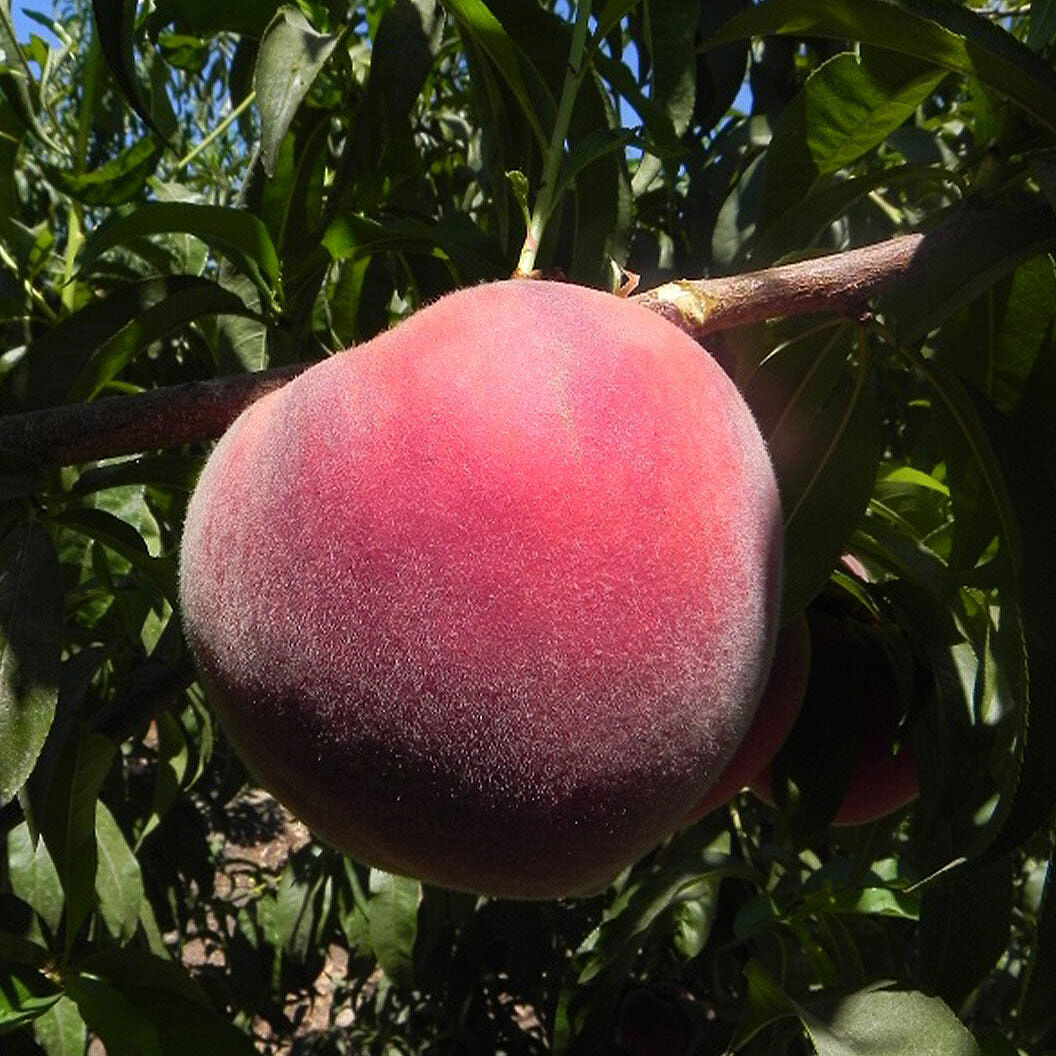
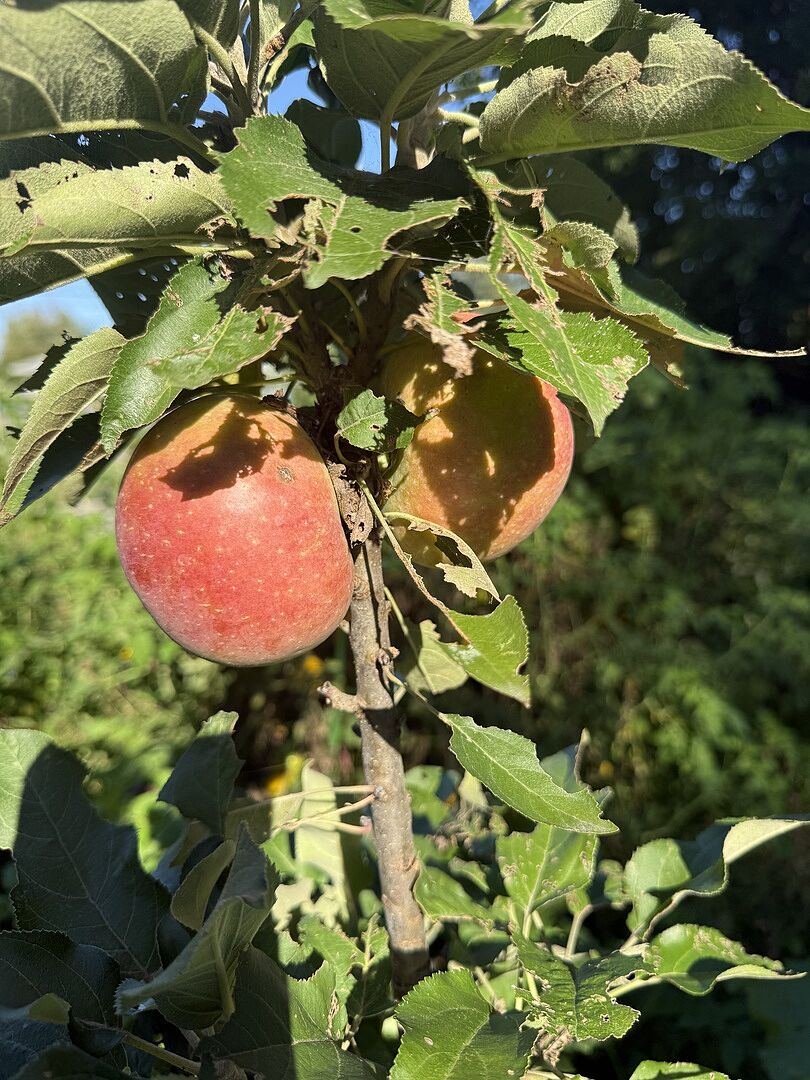
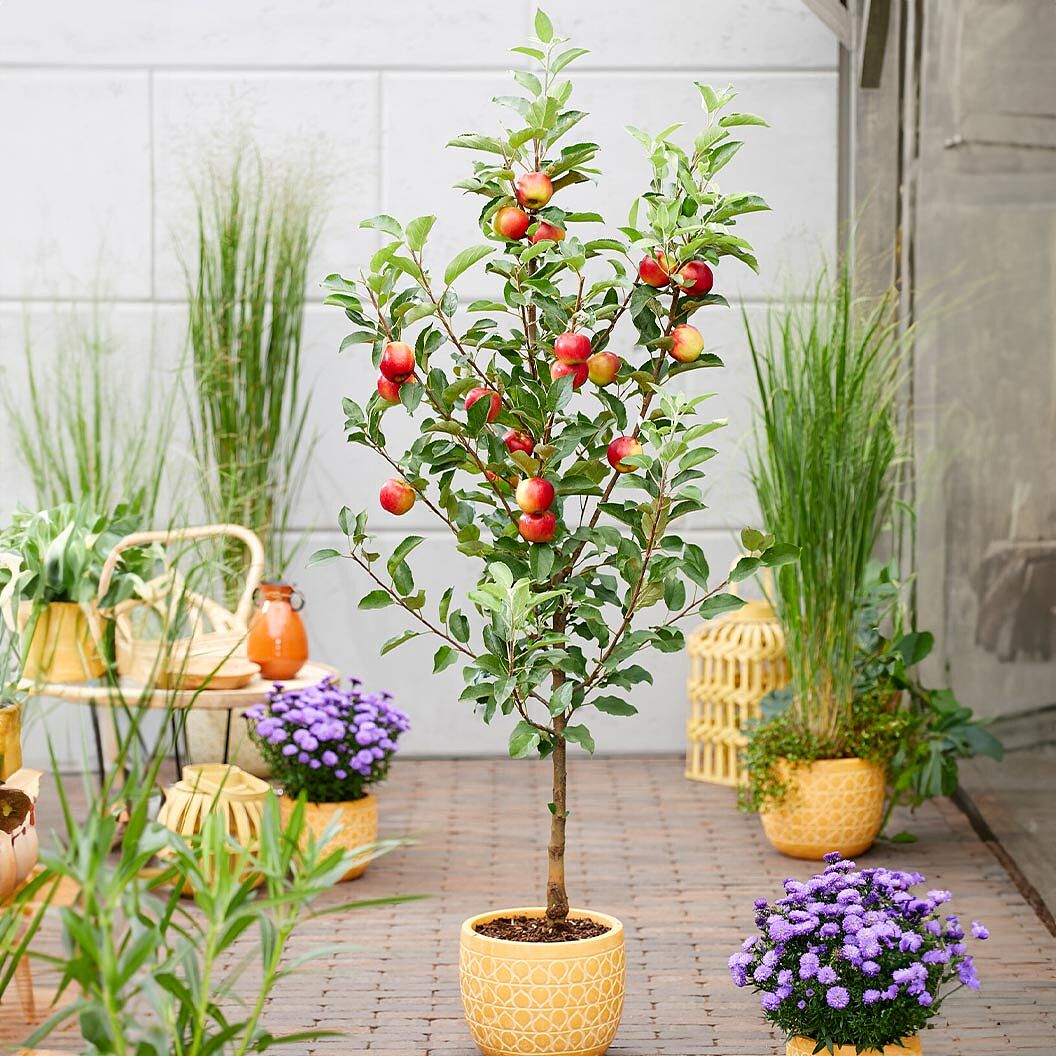
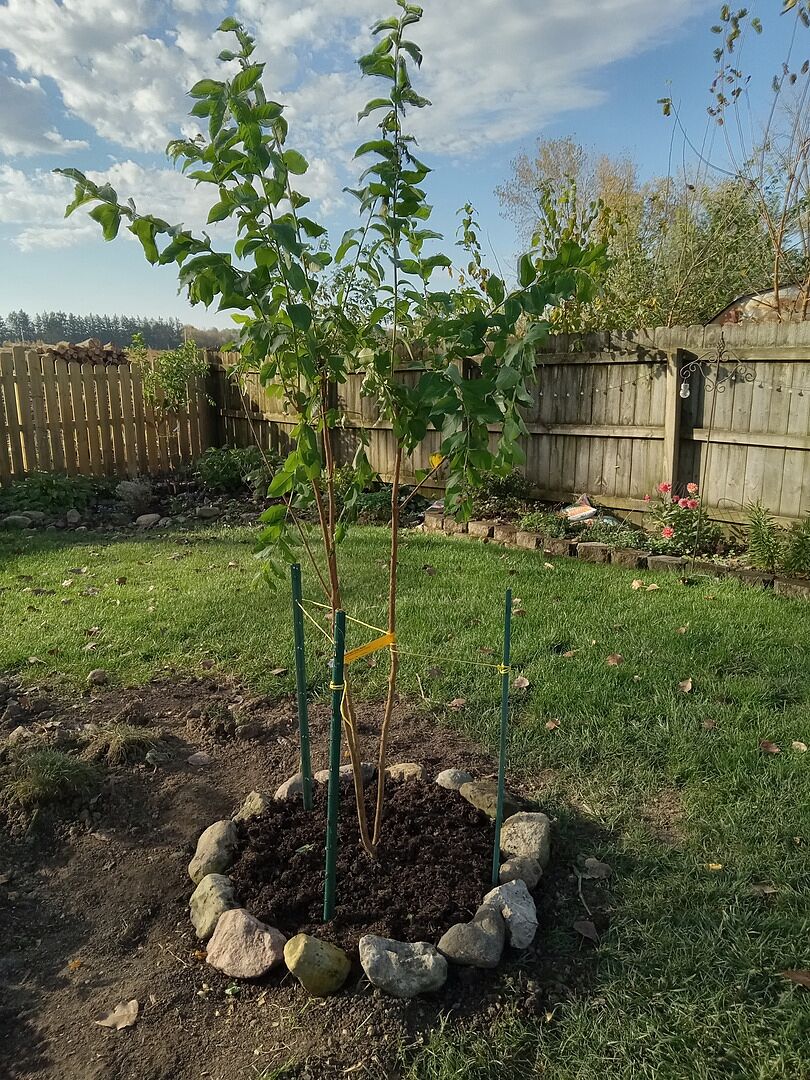
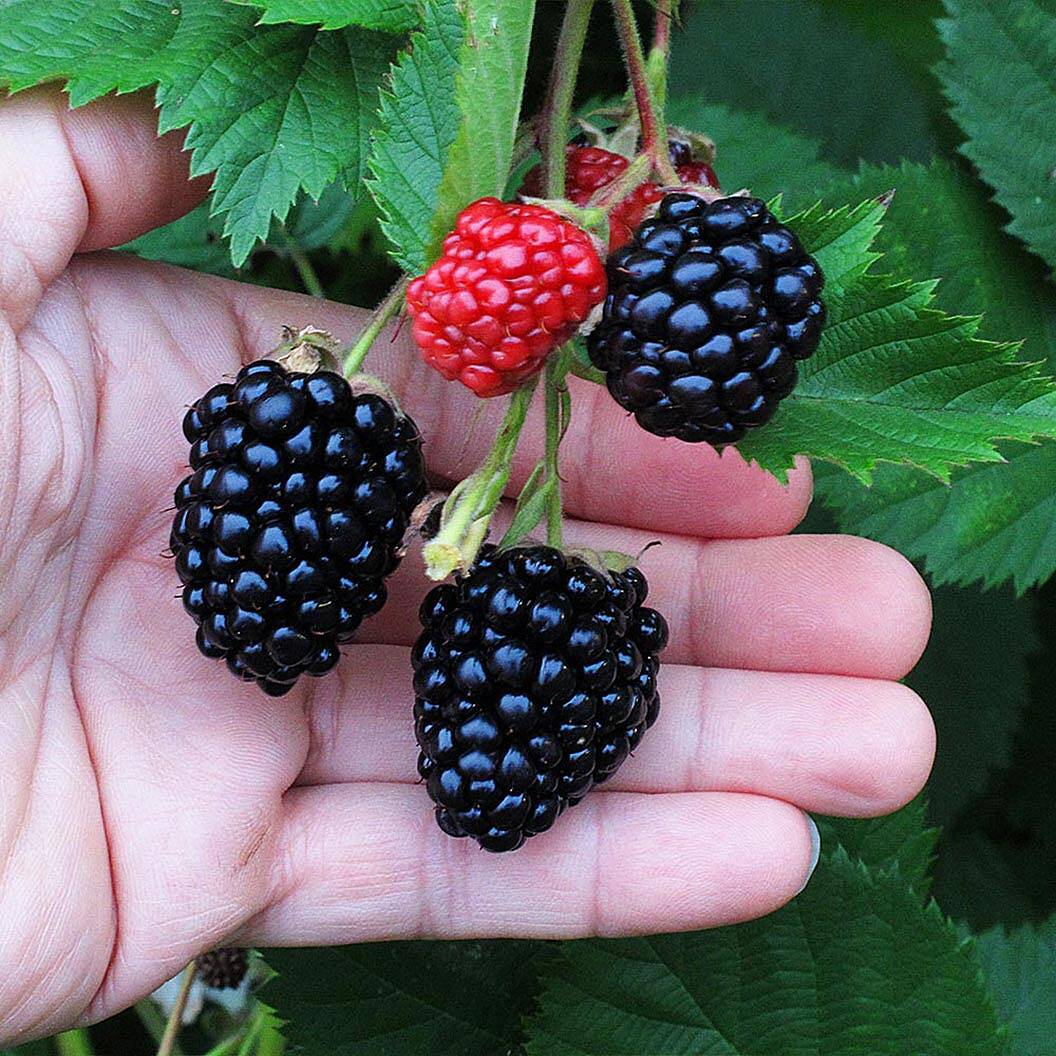
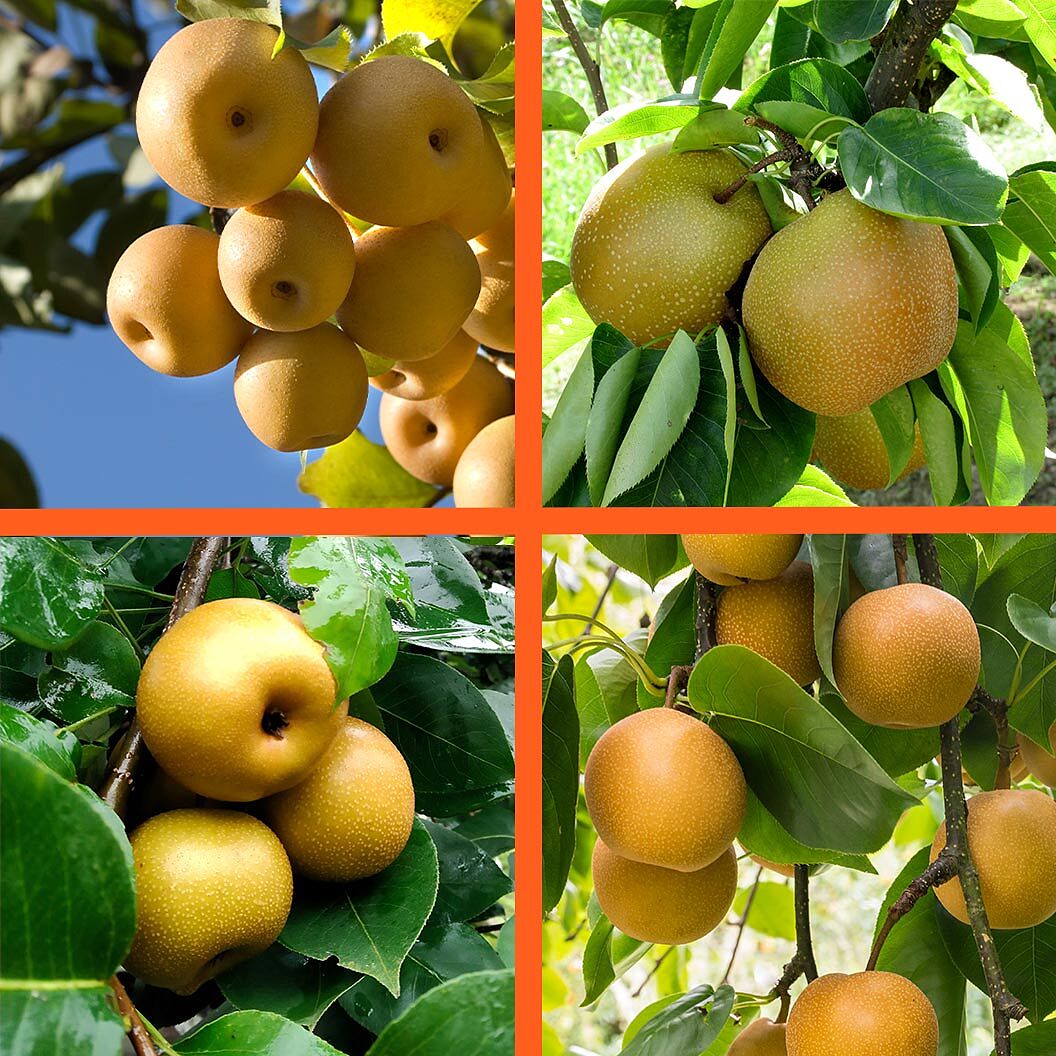
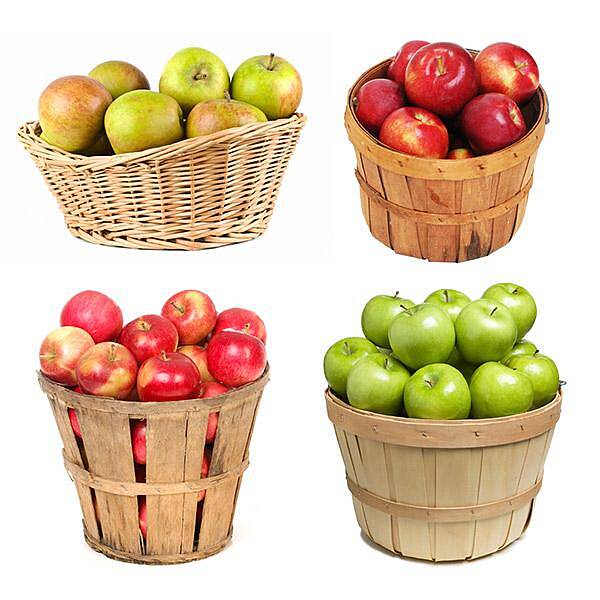
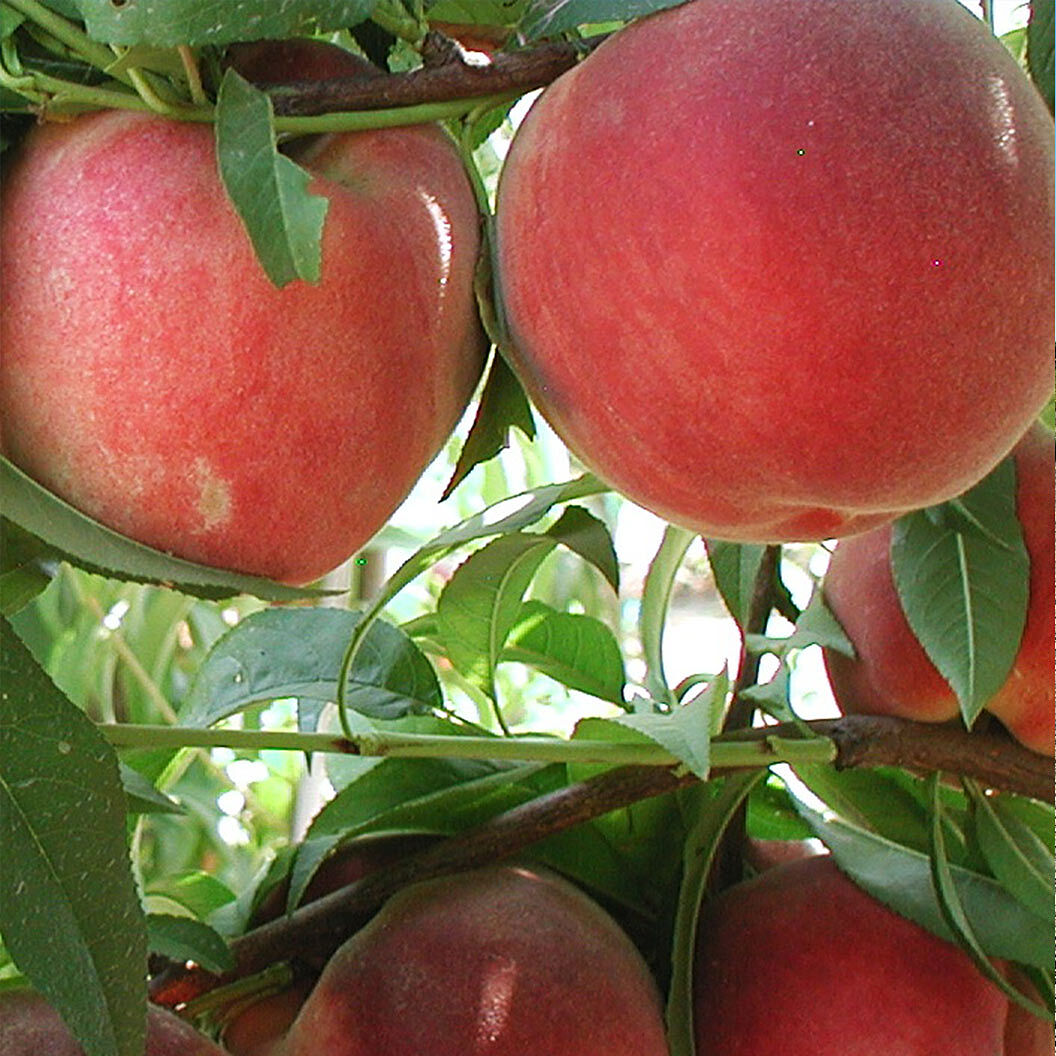
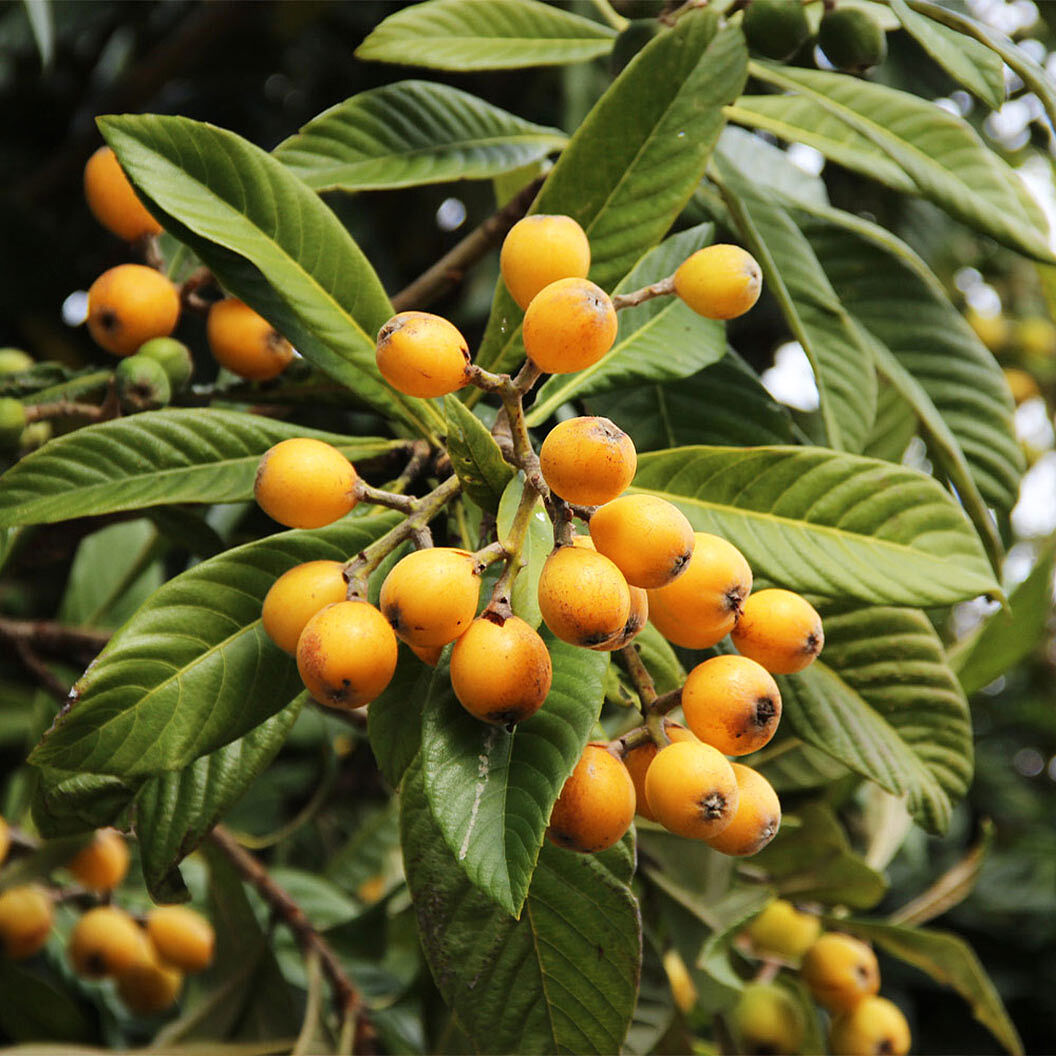
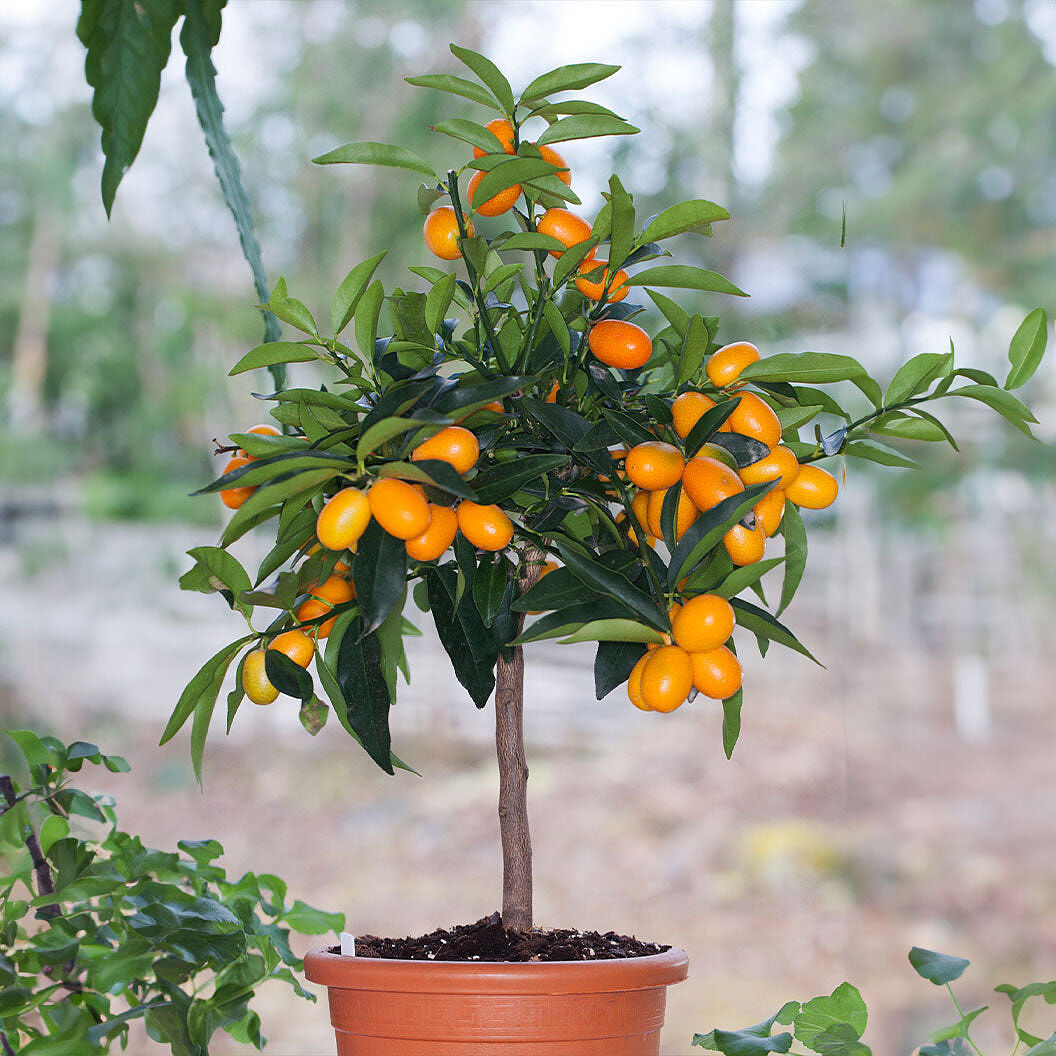
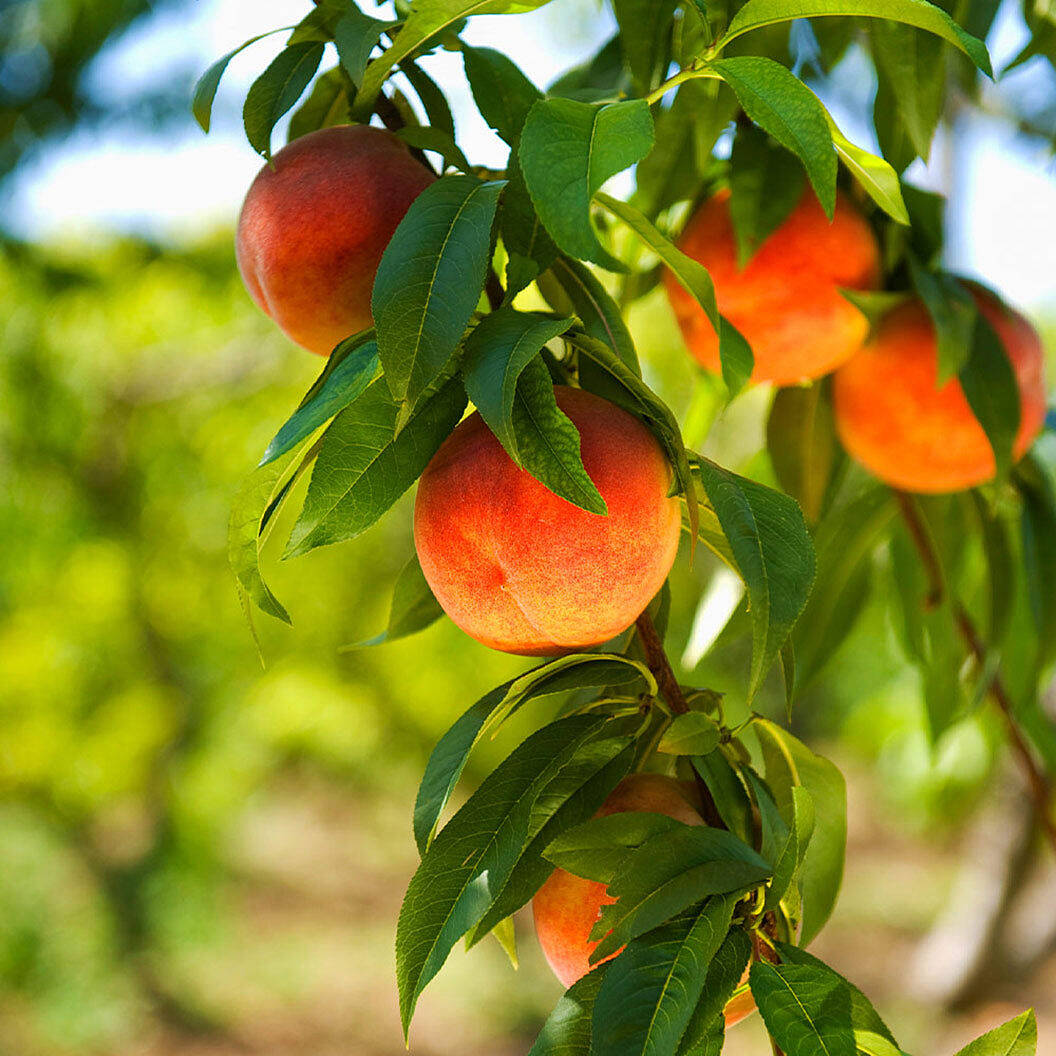
- fruit trees that spend the fall and winter building roots toward next year's harvest: apple, peach, pear, fig
Frequently Asked Questions
Is it too late to plant in fall?
As long as the ground isn't frozen, roots can still grow. Aim to plant at least a few weeks before your area's average first hard frost so roots have time to get established. Use our Hardiness Zone Map to check your timing.
Why are my new plant's leaves turning yellow or falling off?
For deciduous trees and shrubs, this is usually a normal part of the transition into dormancy, not a sign of a problem. As long as the plant is firmly rooted and stems stay firm, this is expected seasonal behavior.
How often should I water in fall?
Less often than in summer, but don't stop. Check soil moisture before watering rather than following a fixed schedule, and continue until the ground freezes or the plant goes fully dormant.
Do evergreens need water in fall too?
Yes, and more consistently than deciduous plants. Evergreens keep their foliage through winter and lose moisture through it even when dormant, so they need continued watering into early winter.
Will my newly planted tree survive its first winter?
Plants that go into winter with well-established roots have a much better survival rate. Planting early enough in the fall window, watering consistently, and mulching for insulation all improve those odds.
What's the difference between fall mulch and summer mulch?
Summer mulch is mainly about retaining moisture in hot weather. Fall mulch is mainly about insulation, protecting roots from temperature swings and helping the soil stay workable a little longer as winter approaches.
Is my drought-tolerant plant still going to need watering this fall?
Yes. Drought tolerance develops after a plant is fully established, which can take multiple growing seasons. A newly planted specimen needs consistent water regardless of what the mature plant will eventually tolerate.
Still have questions?
Our Plant Experts are always here to help. Reach out to our team for personalized guidance on planting, watering and caring for your new plants. Or check out our Instagram for more summer planting tips!
Featured Product

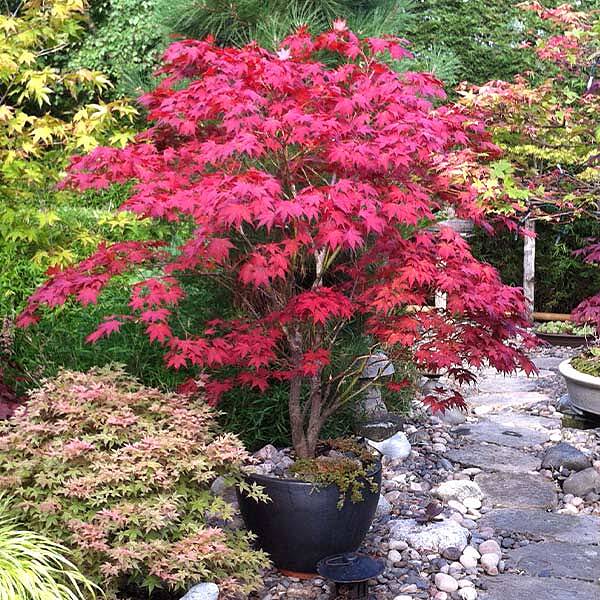
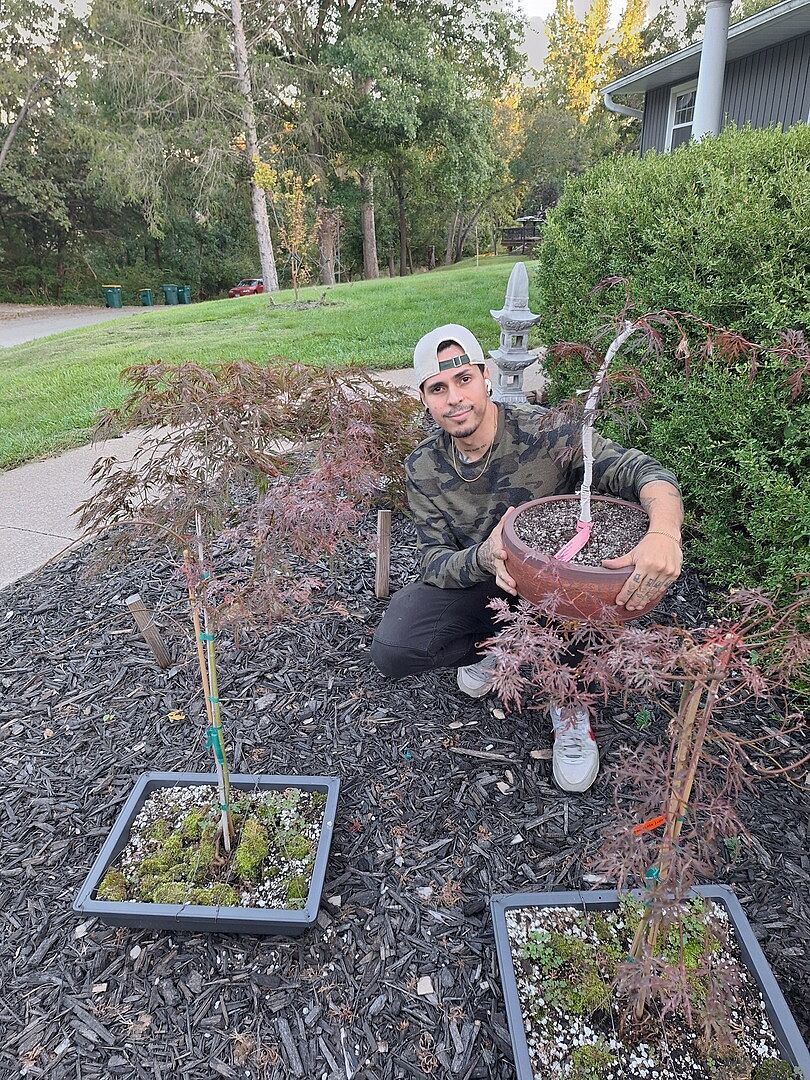
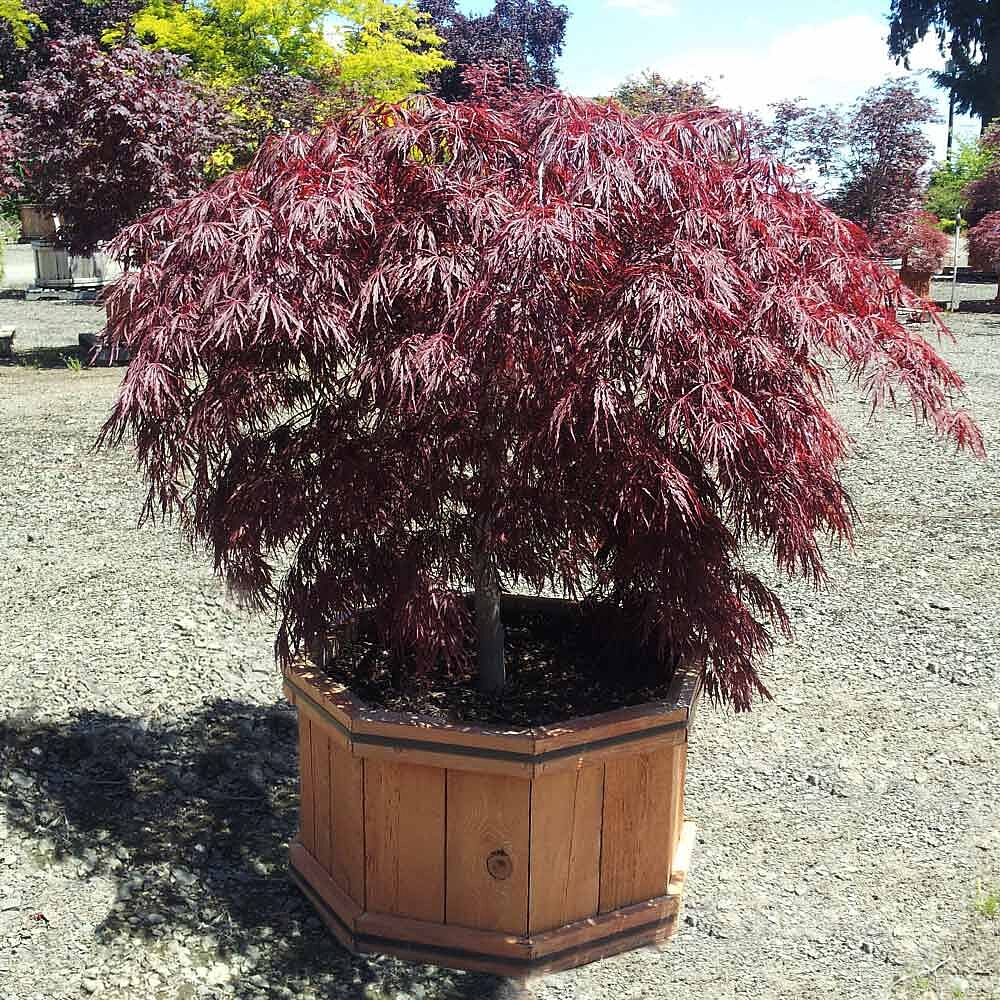
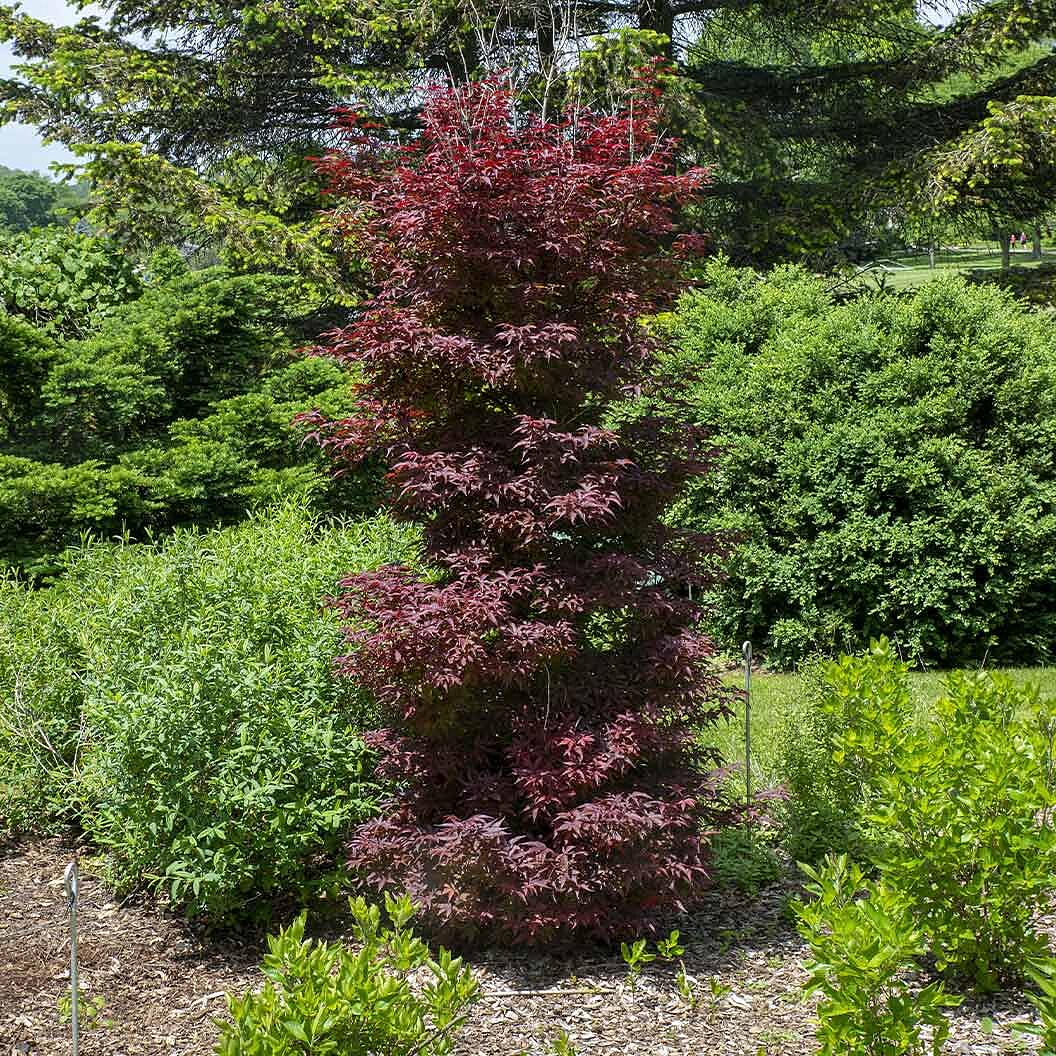
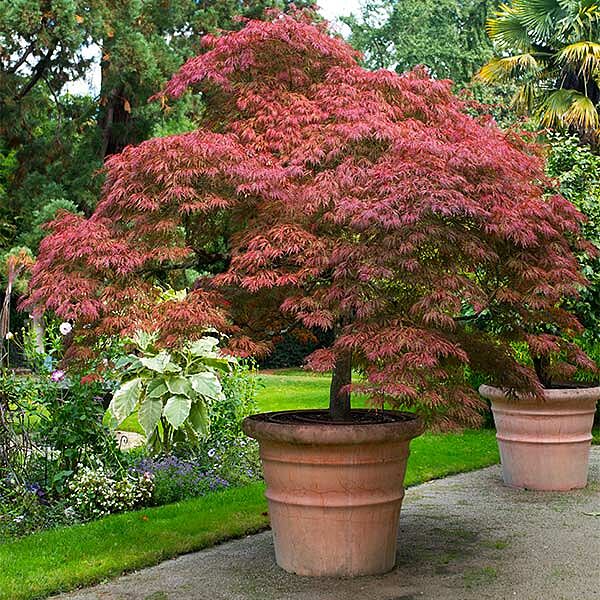
Bloodgood Japanese Maple Tree
793 reviewsStarting at $53.95
Featured Product