Snake Plant: Growing & Care Guide

Last updated: Jul 31 2023

Key takeaways
Snake Plants thrive in bright, indirect light but adapt well to lower-light indoor spaces, making them one of the easiest houseplants to grow.
Use a fast-draining succulent soil mix and a pot with drainage holes, as excess moisture is the leading cause of root rot.
Water only after the soil has dried out, since Snake Plants store water in their leaves and tolerate drought better than overwatering.
Updated Oct 7, 2026
This classic houseplant returns with a fresh twist. In the past, Sansevieria, or snake plants, were frequently called “Mother-in-Laws Tongue.” The characterization was neither fair to the plant nor the in-law. Recently, the genus, which includes about 70 flowering species, has been relocated from the Asparagus family to the genus Dracaena.
Snake plants call tropical West Africa and Southern Asia (India, Sri Lanka, and Burma) their native homes. Not only do they help filter interior air and remove toxic pollutants, their minimalist look is popular with interior designers. And their low maintenance nature means they’re forgiving to all gardeners, even those with a black thumb!
Ideal Growing Conditions for Snake Plants
Whether you're caring for a new snake plant or an established favorite, meeting its basic growing needs goes a long way. A few simple adjustments can help keep your plant healthy and looking its best year-round.
Temperature
If you live in warm climates (zones 9-12) with no frost and 70-90F temperatures, you can plant Sansevieria outdoors. But don’t fret if you don’t live in a warmer area, as the snake plant makes a fantastic house plant as well. You can even relocate it to the patio in the summer, as long as night time temperatures don’t go below 45-50F.
Light
In their native homes, Sansevierias grow in full sun to shade. Because they can be found in such different light conditions outdoors, they are adaptable to growing indoors with a wide range of lighting.
- While they can grow in low light, Sansevieria prefer bright indirect light, which enhances their colors. Placing a Sansevieria about a foot away from a south facing window is good.
- Avoid direct sunlight, as it will scorch the leaves. If your plant develops long, slender leaves, it’s not receiving enough light. The leaf is stretching out because it’s trying to find more.
- Your Sansevieria will tell you if it’s not receiving an adequate amount of sunlight. If it’s getting too much sun, the edges of the leaves will turn yellow.
Soil
A good soil mix for Sansevieria is one that drains well. Since the snake plant is succulent, succulent soil mixes work fine. Soil mixes that retain more moisture (those that contain vermiculite) will lead to root rot, the main cause of plant demise.
A soil mixture that contains peat moss, perlite, and horticultural sand is ideal. Even adding some small lava rock will help.There are plant-specific soil mixes available, as well as tropical plant mixes.
Fertilizer
Fertilize your plant in early spring through fall, avoiding fertilizing in winter. We suggest a 10-15-10 fertilizer or a house plant-specific fertilizer. As with using any product, please read the label and follow the instructions on how much and often to apply.
If you are growing your snake plant in low light, you need even less fertilizer. Remember, you can always add more if needed, so it’s ok to use the fertilizer at half strength.
Water
Don’t be surprised if you only need to water your plant once a month. Coming from arid climates, Sansevierias are considered succulents, meaning they store water in their leaves. They also have fine roots that grow close to the soil’s surface. In nature, infrequent but heavy rains water the snake plants. This can be mimicked indoors, not by sticking to a regimented schedule, but watering only as needed.
Too much water is bad news for the snake plant. In spring and summer, watering once a month is fine, and in winter, when the plant isn’t actively growing, every 2 months will work. Using tap water is just fine, and when watering, water deeply until you see water run out the bottom holes of the pot.
If you are not sure when your snake plant needs water, feel the soil to check. Your soil should feel dry a few inches down, and when you lift the pot, it should feel light. You can also use a water meter to check your soil moisture and see when you need to water.
How to Pot a Snake Plant
Setting your snake plant up for success starts with the right pot, potting mix, and drainage. These simple planting tips can help support healthy roots and prevent common issues like root rot:
- Avoid placing rocks in the bottom of the pot, as it does more harm than good. Contrary to the belief that rocks in the bottom of the pot improve drainage, they actually do the reverse. This change in soil texture causes a “perched water table,” which raises saturated soil and decreases room for root growth. We suggest drilling more drainage holes if needed.
- Self-watering planters are not a good fit for the snake plant, as they keep the soil too moist.
- Choose a container with porous sides like terracotta, or one that has multiple drainage holes in the bottom.
- When replanting your snake plant, replant into a container that is a few inches bigger in diameter than the current diameter of your pot.

How to Grow a Snake Plant: Extra Tips for Success
Once your snake plant is established, a few simple care habits can help it stay healthy for years to come. Follow these snake plant care tips to encourage steady growth and keep this type of houseplant looking its best:
- Rotate your snake plant a quarter turn every month, especially in low light conditions, to encourage balanced growth and reduce the need for pruning.
- Prune your snake plant during spring and summer, the active growing season, and remove damaged leaves any time to encourage healthy new growth.
- Wipe the leaves with a damp cloth whenever you water your snake plant to help the plant purify the air and make it easier to spot a pest problem early.
- Because snake plants are slow growers, only repot when needed using fresh soil and a container with at least one drainage hole to support healthy roots.
- A healthy snake plant may bloom during spring, but removing the flower stalk after the blooms fade helps prevent the sticky nectar from attracting pests.
Troubleshooting Common Problems With Snake Plants
Snake plants are notoriously easy-going and problem-free, but no plant is invincible. Here are some common issues that you might encounter, and how to troubleshoot these houseplant problems.
- Overwatering - This is a common mistake with snake plants and can result in root rot and yellowing leaves that will eventually turn black. Repot your plant with fresh soil and let your plant dry out a bit.
- Underwatering - Wrinkled leaves with curling and brown tips are signs that your snake plant needs water. Water deeply by setting the container in a basin of water to soak up needed moisture, and give it a week or so to revive itself.
- Not enough light - Leaves will appear thin and look stretched out or curved towards the light. Rotate your plant to correct the curve, and move it towards the light.
- Too much fertilizer - The edges of your leaves will start to look brown. Water well and deeply - this will flush excess fertilizer out of the soil.
- Cold damage - Leaves will appear limp with no structure, with some blackening and yellowing.
- Broken leaves - This might be due to moving or a drop. Just cut the broken or creased part off, leaving the remainder of the leaf. Be mindful of dripping sap, as it can cause irritation and is toxic to pets.
- Pests - Mealybugs, thrips, and scale are common pests that are easily detectable to the eye. The leaves can start to look limp, or you may notice that new growth is stunted. Neem oil is a natural remedy that targets pests at all stages of development. Remove all the pests you see from the plant first. Mix 1 1/2 teaspoons neem oil with 1 teaspoon mild liquid soap, and 1 qt. room temperature water. Put all of the ingredients into a spray bottle, and shake well. Test on a leaf or two first.
Trees.com PRO TIP: Don’t ever apply it to the plant in direct sunlight or during periods of high temperatures, as this will “cook” the plant!
The Popular Snake Plant We Have at Trees.com
Trees.com carries one variety of snake plant: the Zeylanica.
Sansivieria Zeylanica (Ceylon Bowstring Hemp) grows in an upright clump with wavy horizontal stripes.
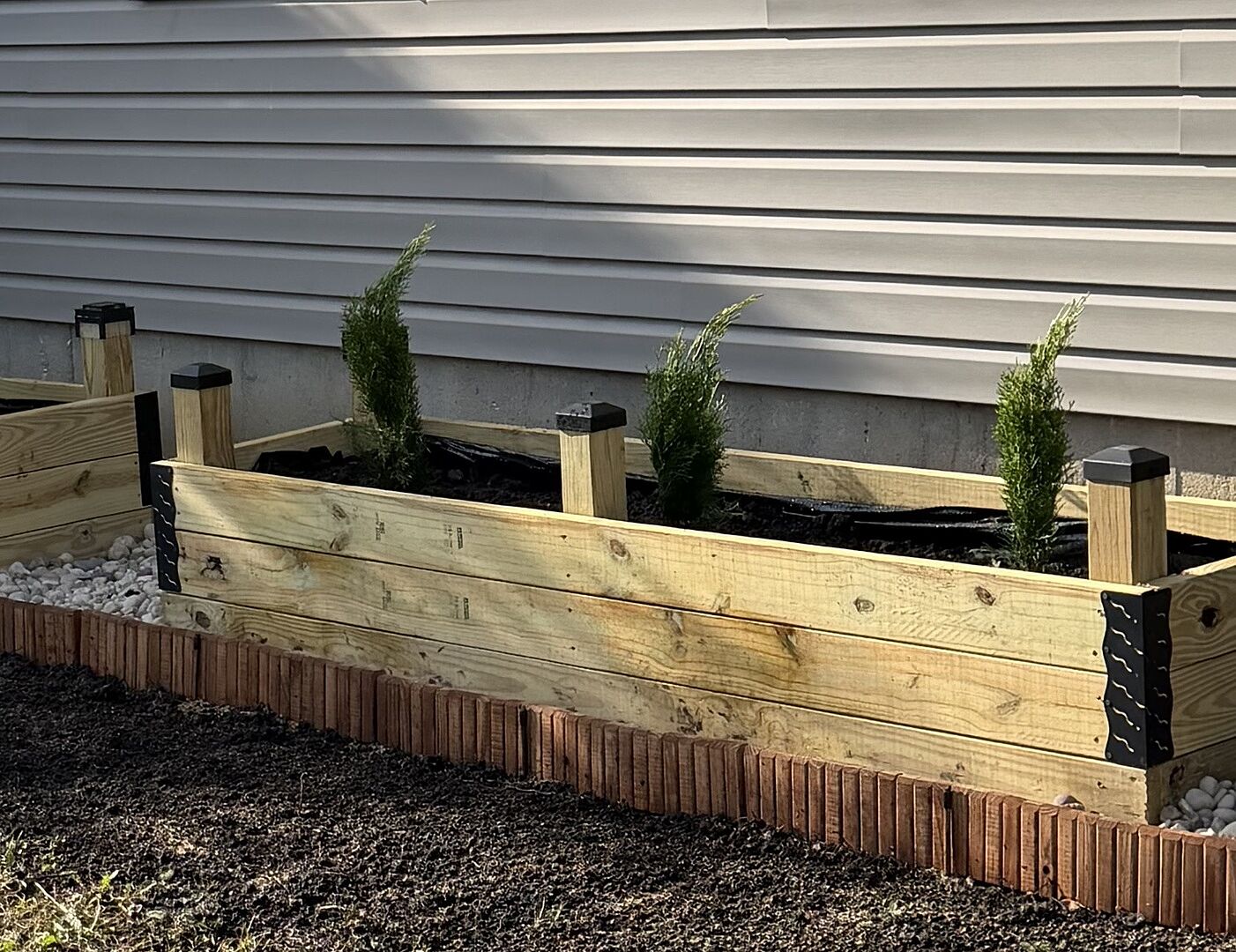
Plant decorators like to display a row of Sansevieria in a raised rectangular planter. They make a sleek, visual statement. And since they like the same conditions, you can mix them in a planter. With the tall blades of the Sansevieria, they can fit into spots that other plants can’t. They look great with smaller plants like Birkin Philodendron, Calathea Ornata, or Golden Pothos. If the plants have different watering needs, keep them in separate pots and have fun mixing and matching the arrangement.
FAQs About Snake Plants
Where should you not put a snake plant?
Avoid placing your snake plant in prolonged direct sunlight, which can scorch the leaves, or in areas where temperatures regularly drop below 50°F. While snake plants tolerate low light, they grow best in bright indirect light and should be kept away from cold drafts and overly damp locations.
Do snake plants like small or big pots?
Snake plants prefer a pot that's only slightly larger than their root system. A container that's too large can hold too much water, increasing the risk of root rot. Choose a pot with at least one drainage hole and repot only when your plant outgrows its current container.
Are coffee grounds good for snake plants?
Coffee grounds aren't recommended for snake plant care because they can hold moisture and affect soil drainage. Instead, grow your houseplant in a well-draining potting mix and feed it with a balanced fertilizer during the growing season if your plant needs extra nutrients.
What do snake plants do at night?
Like many succulents, snake plants open their pores at night to reduce water loss (transpiration) while continuing to support healthy growth. This natural adaptation helps them thrive indoors and in dry conditions, making them an easy-to-care houseplant for a wide range of homes.
How do I perk up my snake plant?
Start by checking the soil to see whether your snake plant needs water or time to dry out completely. Moving it to brighter indirect light, replacing fresh soil if needed, and adjusting your watering schedule can often encourage healthy new growth and revive a struggling plant.
Written by
Meredith Gaines
Meredith's love for plants started at a young age, and only grew when she started working in the Desert Exhibit at the South Carolina Botanical Gardens and the Historic Filoli Estate in the Bay Area. After graduating from Clemson University (GO TIGERS!) with a degree in Biology and Horticulture, she found her niche in the Trees.com family as a horticulturist and has grown in her current role as Senior Plant Expert.
She currently resides in her hometown of Charlotte, North Carolina, and enjoys spending any time she can outdoors. She learns new things about plants every day and loves sharing her plant knowledge and tips with those around her. Her favorite plant is constantly changing, but her long-time favorites are peonies, oak trees, and ferns.