11 Boxwood Shrub Alternatives to Consider Planting Instead

Last updated: Aug 19 2026

Boxwoods have earned their popularity. They're evergreen, endlessly shapeable, with small, glossy green leaves, and give you that crisp, formal structure that makes hedges, borders, foundation beds, and entryway plantings look pulled-together all year long.
But they aren't the right fit for every yard. The good news is that you have options. We’ll cover why some gardeners seek alternative shrubs, then introduce 11 boxwood alternatives that offer the same tidy, structured look along with their own unique benefits.
Why People Consider Alternatives to Boxwood
There are plenty of reasons people may look beyond boxwoods to other evergreen shrubs. Some homeowners want faster growth, more color, stronger flowering, better disease resistance, a different size, or better performance in their region. Others are looking for plants that avoid some of the common problems boxwoods can face.
Two of the biggest concerns::
- Boxwood blight is a fungal disease (caused by Calonectria pseudonaviculata) that produces dark leaf spots and black stem streaks, then rapid defoliation.Infected plants can drop their leaves dramatically and decline fast.1
- Box tree moth is an invasive pest (Cydalima perspectalis) whose caterpillars feed voraciously on boxwood. Heavy infestations can completely defoliate and even kill boxwoods. And while box tree moths can spread to other plants too, they’ll typically do less damage, including non-boxwood plants, though they’ll typically not experience as much damage as they do to boxwoods. The pest was first detected in the U.S. in New York in 2021 and has since been found in several states.2
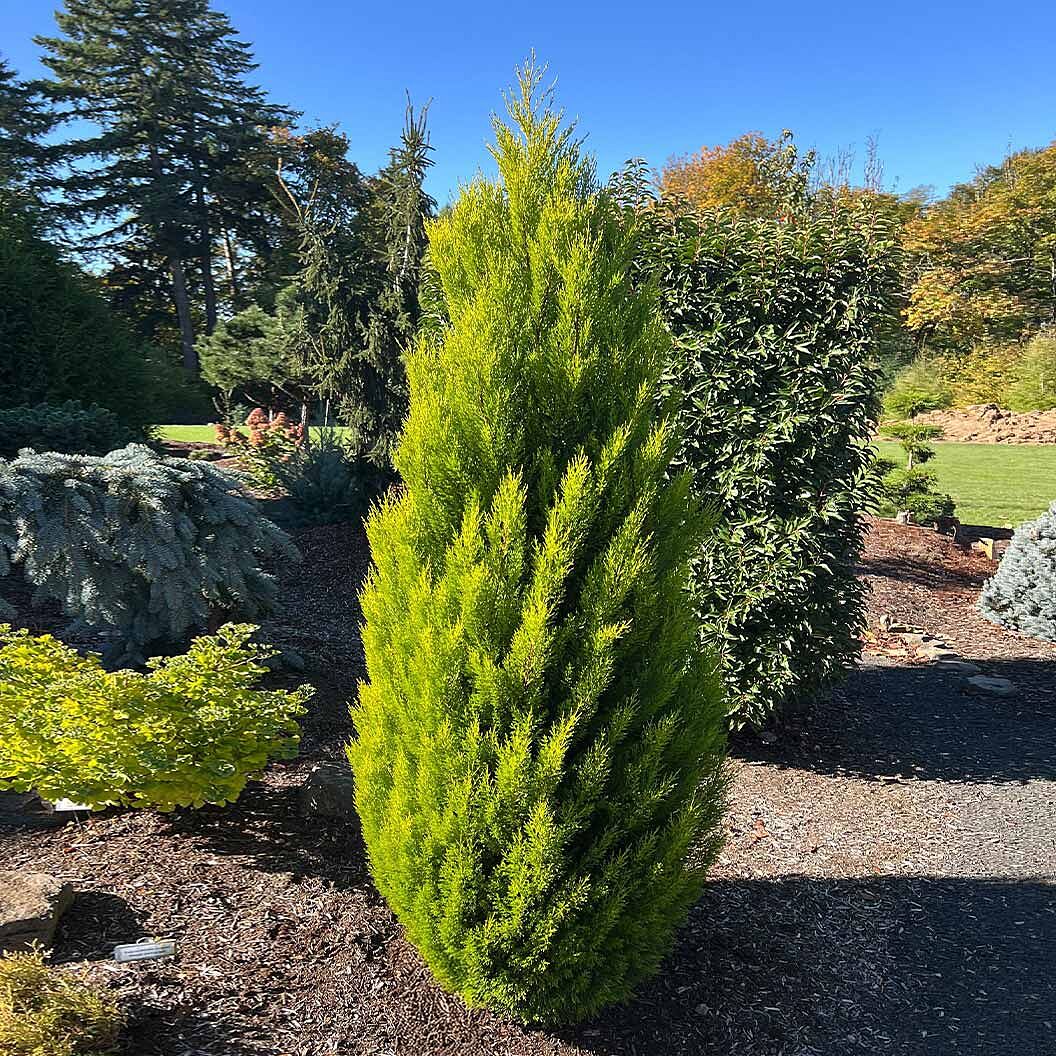
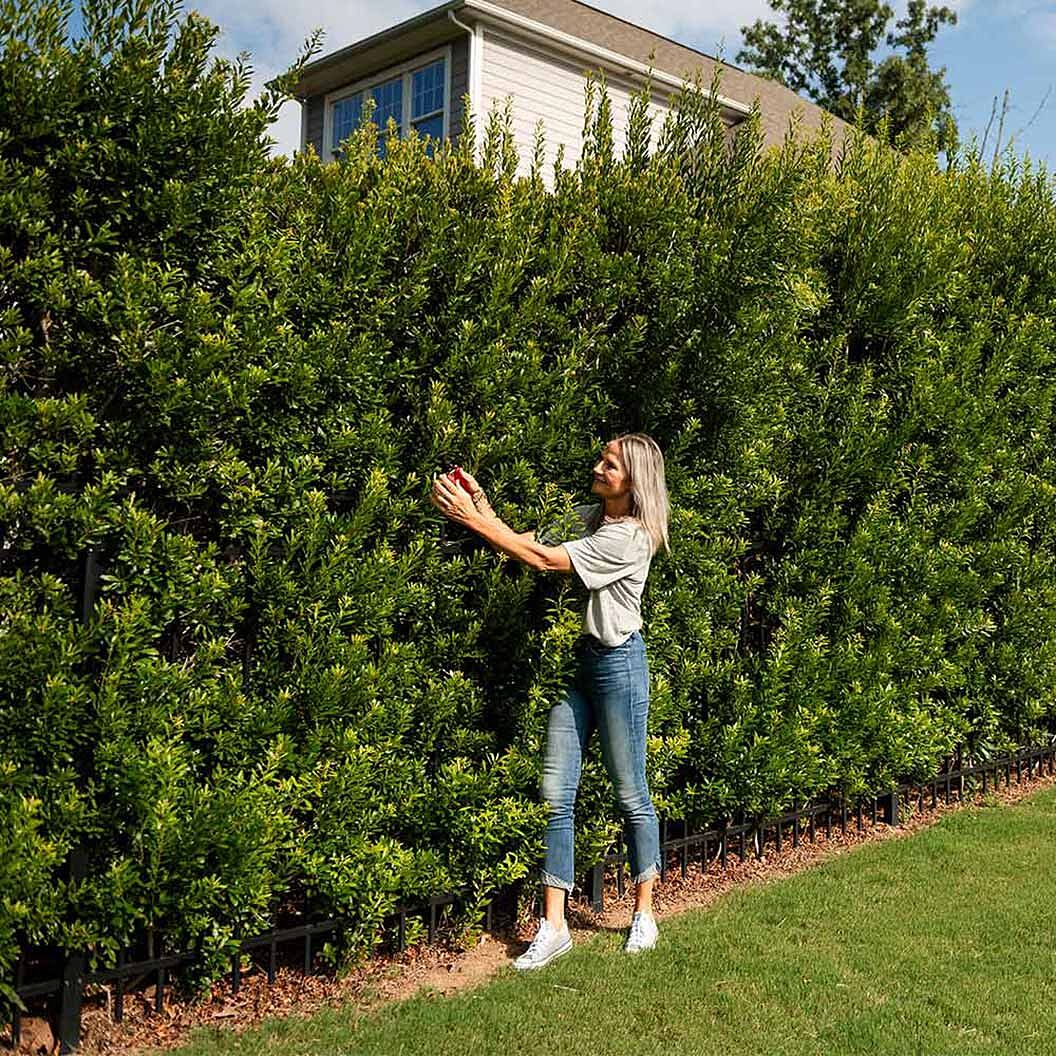
The best alternative really depends on your goal. If you want a similar evergreen hedge, options like Japanese holly, inkberry holly (a North American native), yew, arborvitae, privet, podocarpus, or Cleyera tend to be strongest. If you're after more color or seasonal interest, loropetalum, azalea, Pieris, or Dwarf Mugo Pine may be the better fit.
11 Best Boxwood Shrub Alternatives
Each of these picks delivers many of the same landscape perks people love about boxwoods—evergreen structure, tidy shapes, a similar aesthetic, hedge potential, and foundation-friendly sizing—but with added options for flowers, colorful foliage, different climates, and a range of mature sizes.
Arrow Point® Japanese Holly

With its dense, glossy evergreen foliage and naturally upright shape, Arrow Point® Japanese Holly is a standout when you want structure with some vertical lift. It's also naturally deer resistant and takes well to clipping into topiary shapes.
- Mature size: 7–10 ft. tall, 3– 6 ft. wide
- Zones: 6–9
- Sunlight: full sun to partial shade
It's a strong boxwood alternative for taller privacy hedges, foundation corners, or structured privacy where you want a clean evergreen look with more height. Hardy to zone 6b and up, just give it room to reach its full stature.
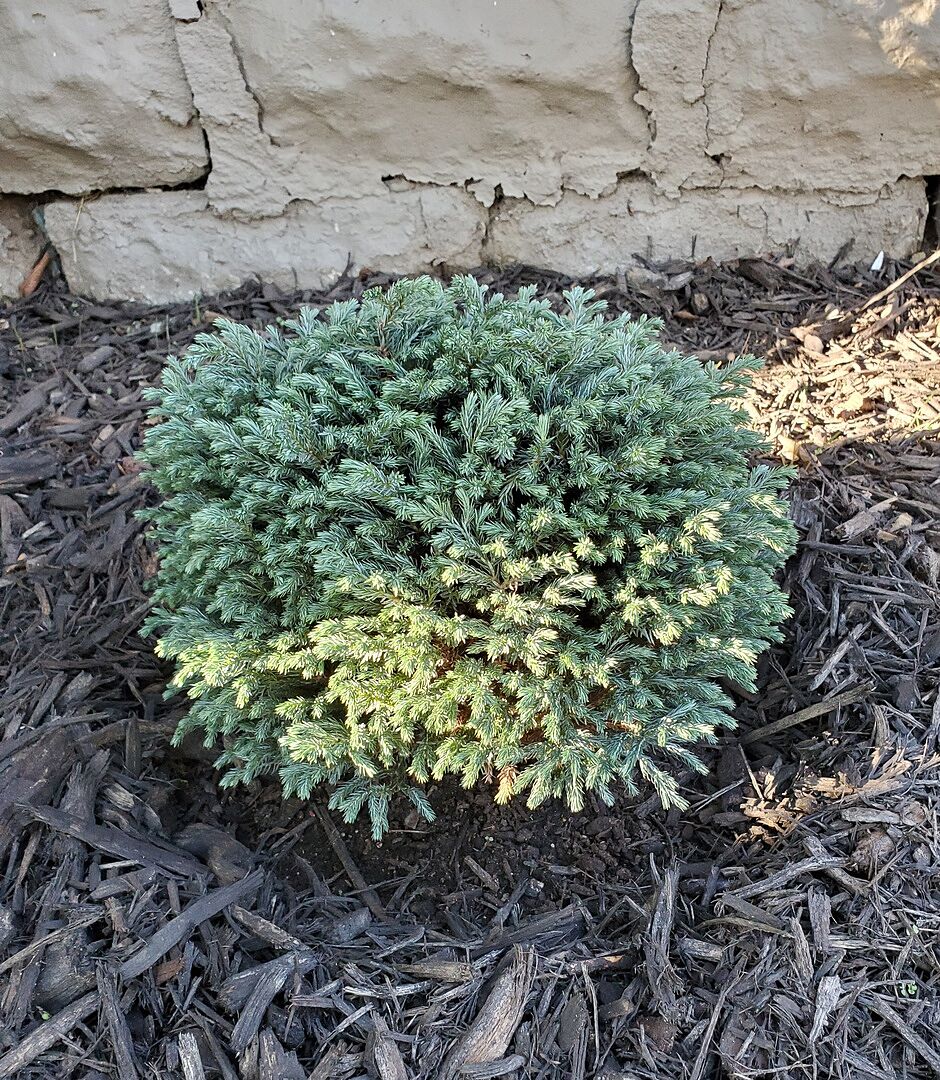
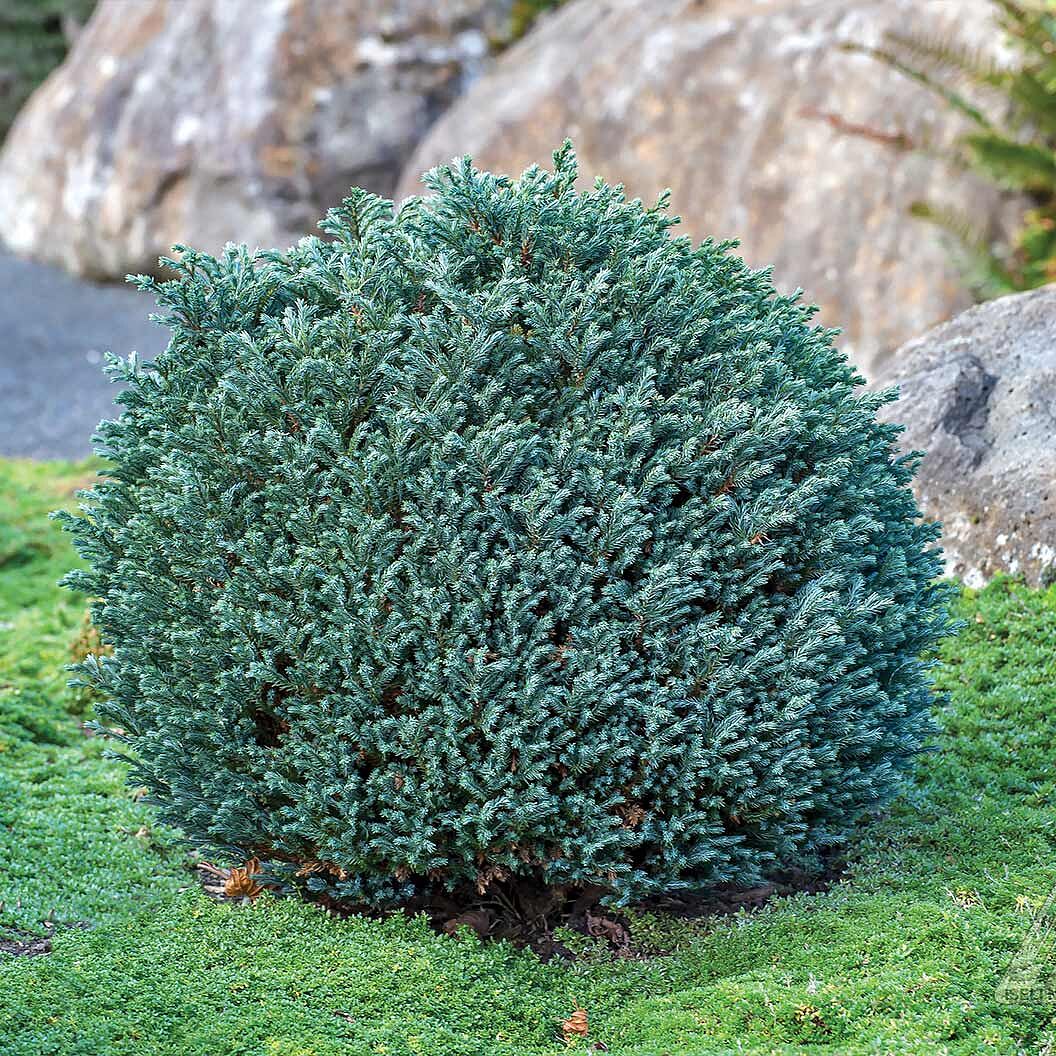
Iseli® Blue Moon Sawara Cypress

If you're looking for a unique evergreen with year-round color, Iseli® Blue Moon Sawara Cypress features soft, silvery-blue foliage and a naturally compact shape that adds texture to the landscape.
- Mature size: 3-4 ft. tall, 3-4 ft. wide
- Zones: 4–8
- Sunlight: Full sun to partial shade
Its tidy size makes it a great choice for foundation plantings, mixed borders, or as a standout accent in the landscape. With its slow growth rate and minimal pruning needs, it's an easy-care alternative to boxwood for adding structure and year-round interest.
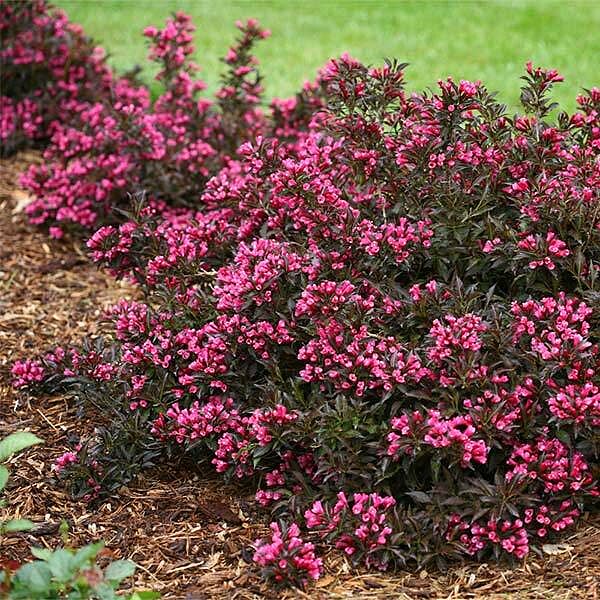
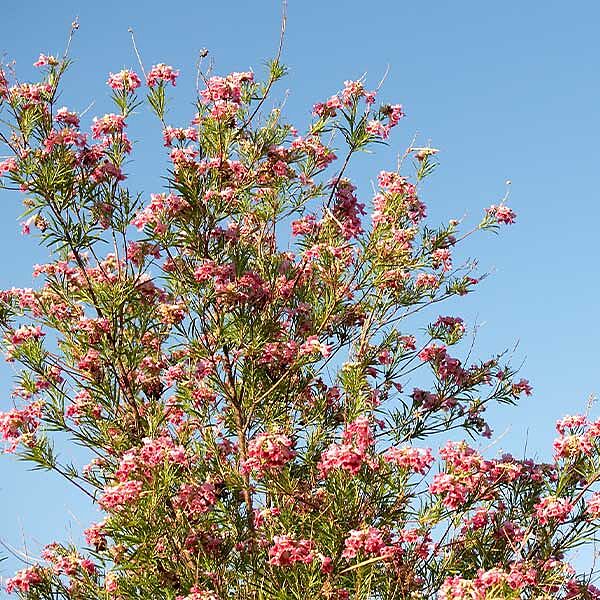
Crimson Fire™ Loropetalum

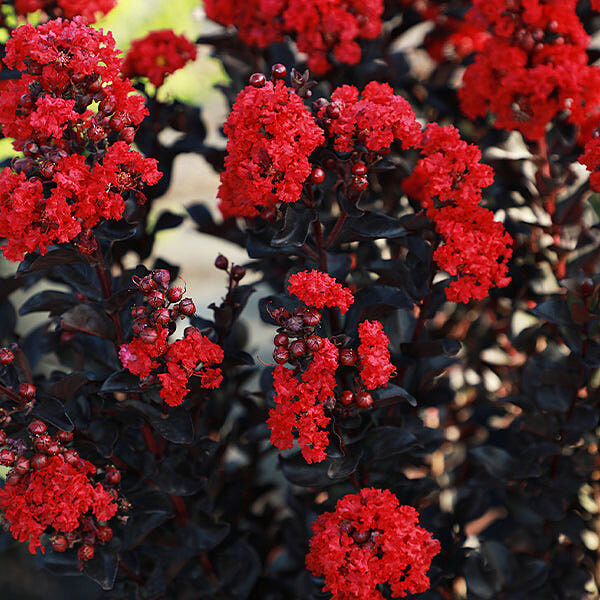
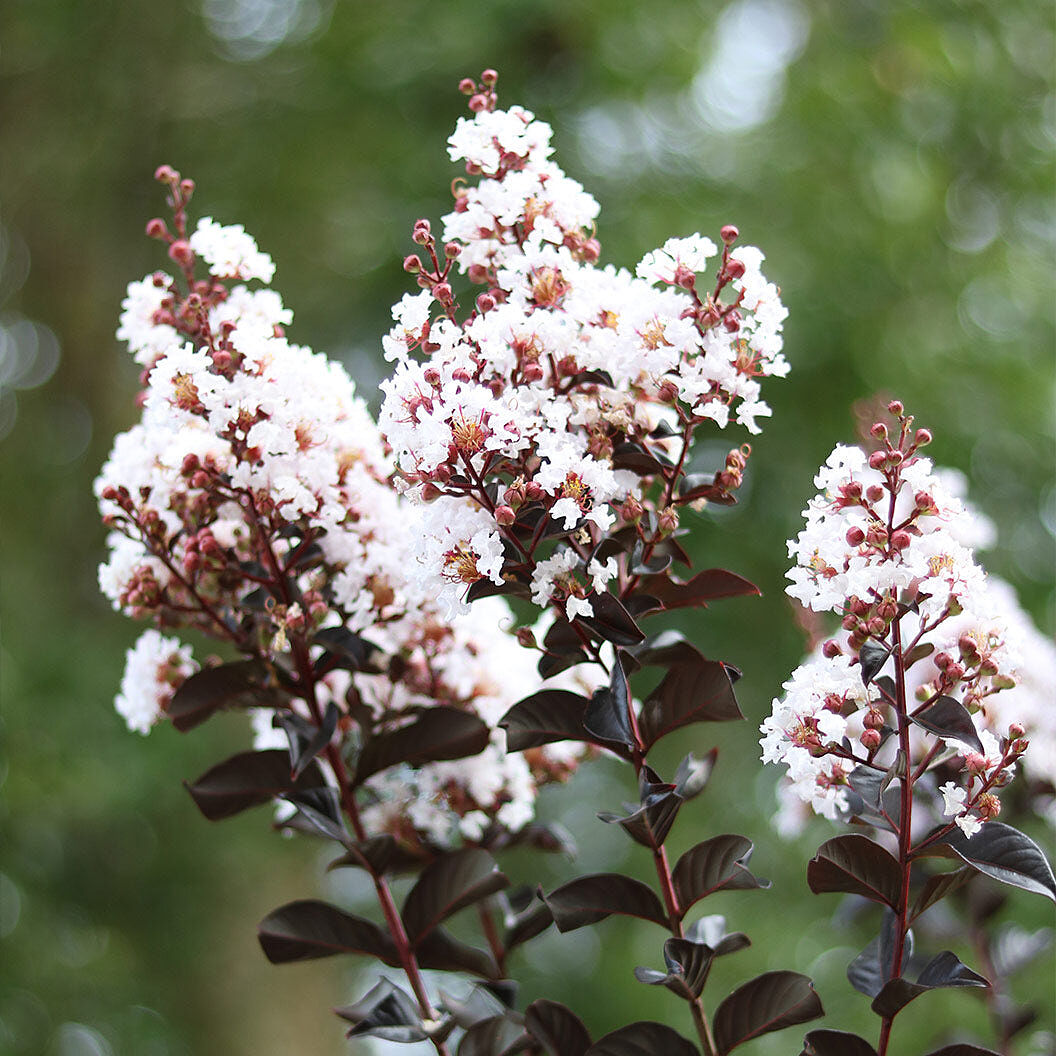
Want structure with a jolt of color? Crimson Fire™ Loropetalum is a compact evergreen cultivar with a naturally rounded shape, deep burgundy foliage, and bright spring blooms. Hardy in zones 7-9, give it a sheltered location out of harsh winter winds for the best bloom.
- Mature size: 3–4 ft. tall, 4–5 ft. wide
- Zones: 7–9
- Sunlight: full sun to partial shade
This is your colorful boxwood alternative,perfect for a low hedge, foundation accent, or border planting when plain green just won't do.
Podocarpus Shrub

For height and a clean, formal line, the Podocarpus is a versatile shrub that delivers narrow, deep green foliage on an upright frame that clips beautifully.
- Mature size: 12–20 ft. tall, 6–8 ft. wide
- Zones: 7–11
- Sunlight: full sun, partial shade, or shade
It's a great boxwood alternative for taller hedges, privacy screens, and formal clipped plantings in warmer zones where you need more height than a traditional boxwood provides. It's also adaptable, thriving in well-drained soil across a range of soil types.
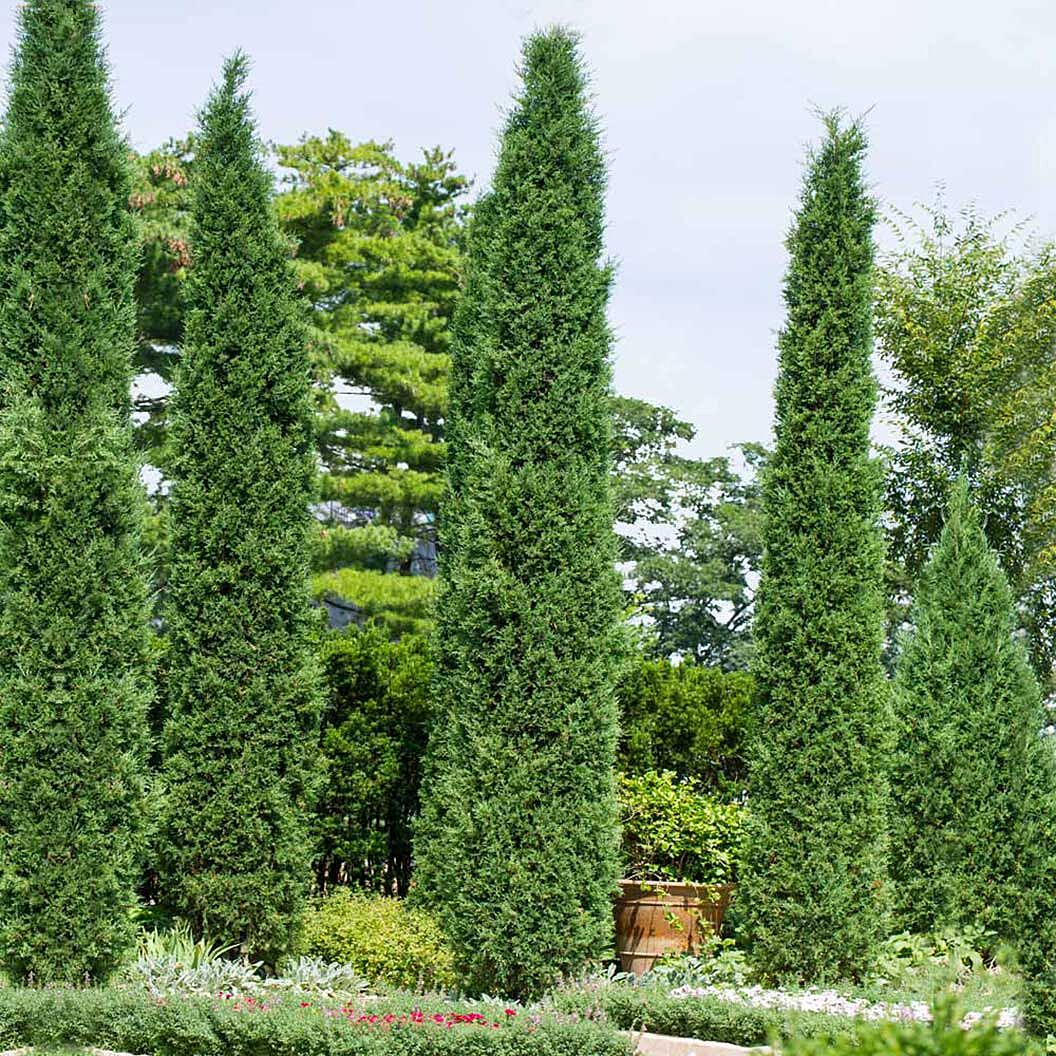
Hicks Yew

If you're looking for a narrow evergreen with a classic, formal look, Hicks Yew offers dense, dark green foliage and a naturally upright shape that's easy to maintain. It prefers moist, well-drained soil but adapts to a range of soil conditions once established.
Mature size: 10–12 ft. tall, 3–4 ft. wide
Zones: 4–7
Sunlight: Full sun to partial shade
Its naturally narrow shape makes it a great choice for privacy screens, property lines, or adding height where space is limited. It also responds well to pruning — shear it lightly each spring, or prune more heavily if needed — making it easy to keep neat as a hedge or formal accent. It's also famously long-lived, another reason it's such a dependable boxwood alternative.
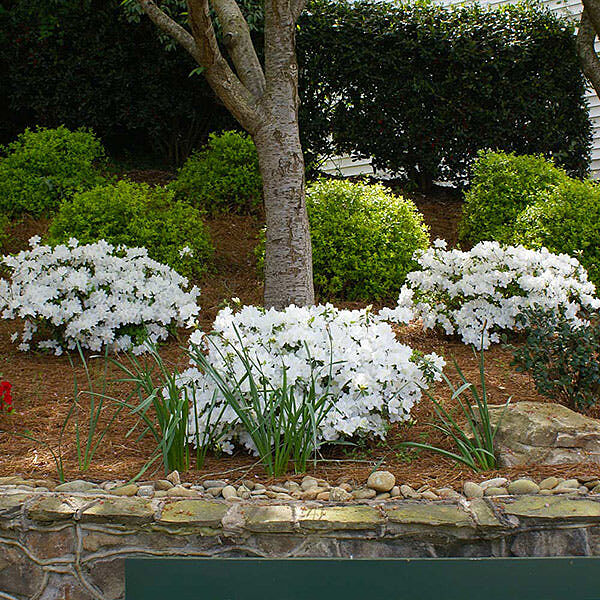
Autumn Bonfire® Encore® Azalea Shrub

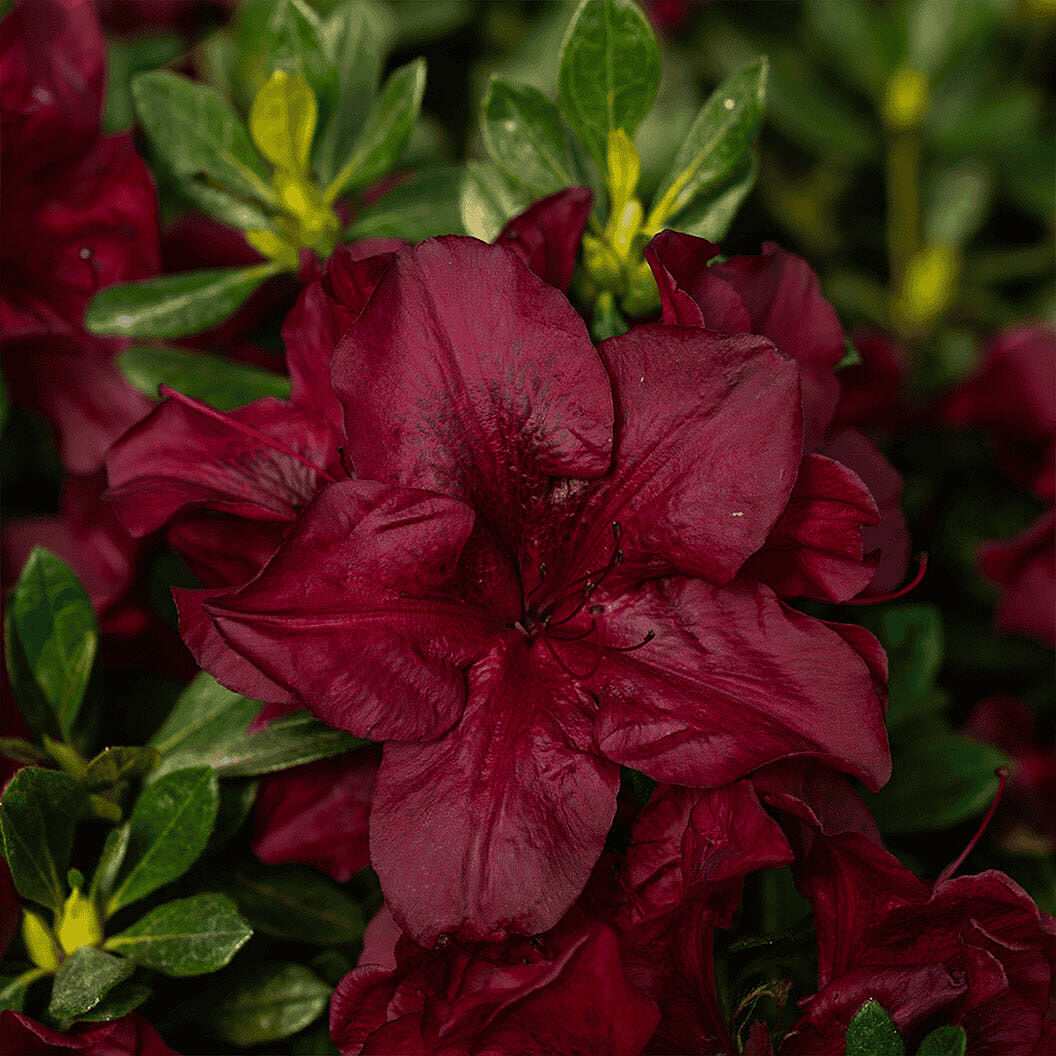
Not every alternative has to look like boxwood. The Autumn Bonfire® Encore® Azalea is a reblooming azalea that puts on red flowers in spring, summer, and fall.
- Mature size: 3–4 ft. tall, 3–4 ft. wide
- Zones: 6–10
- Sunlight: full sun to partial shade
It isn't a green evergreen lookalike, but it's a great alternative if you want that same compact foundation size with far more color, and it will grow well around entries, walkways, and front beds.
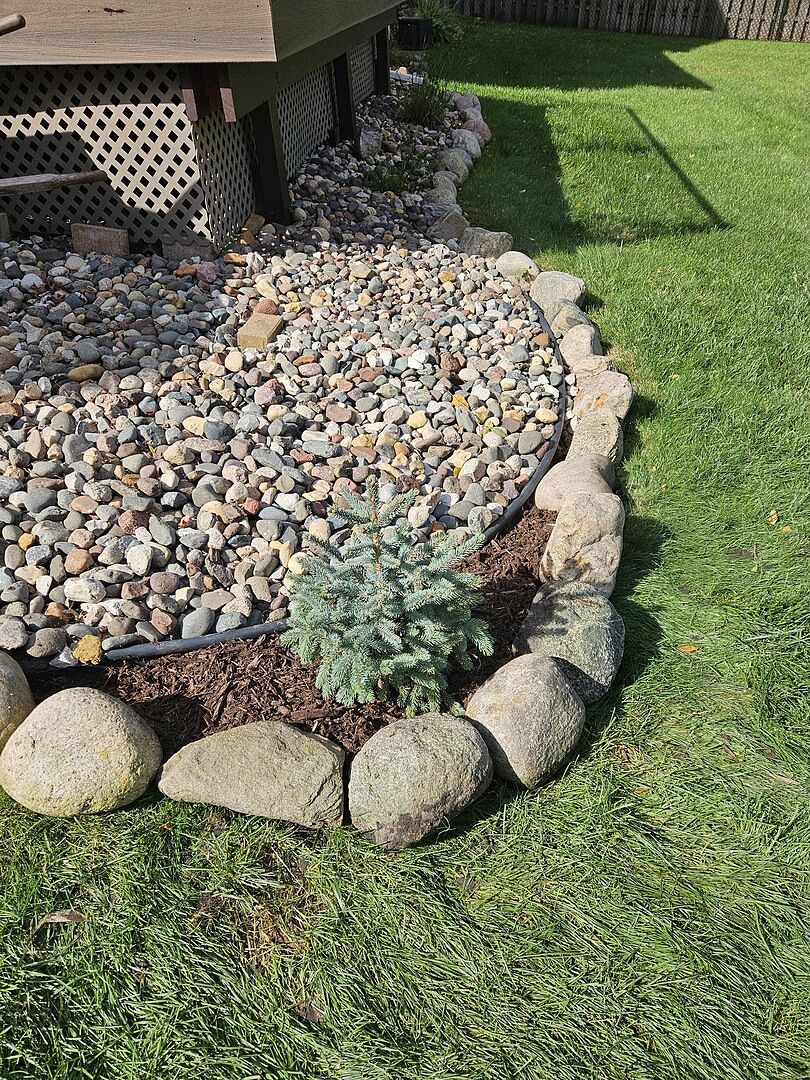
Dwarf Mugo Pine

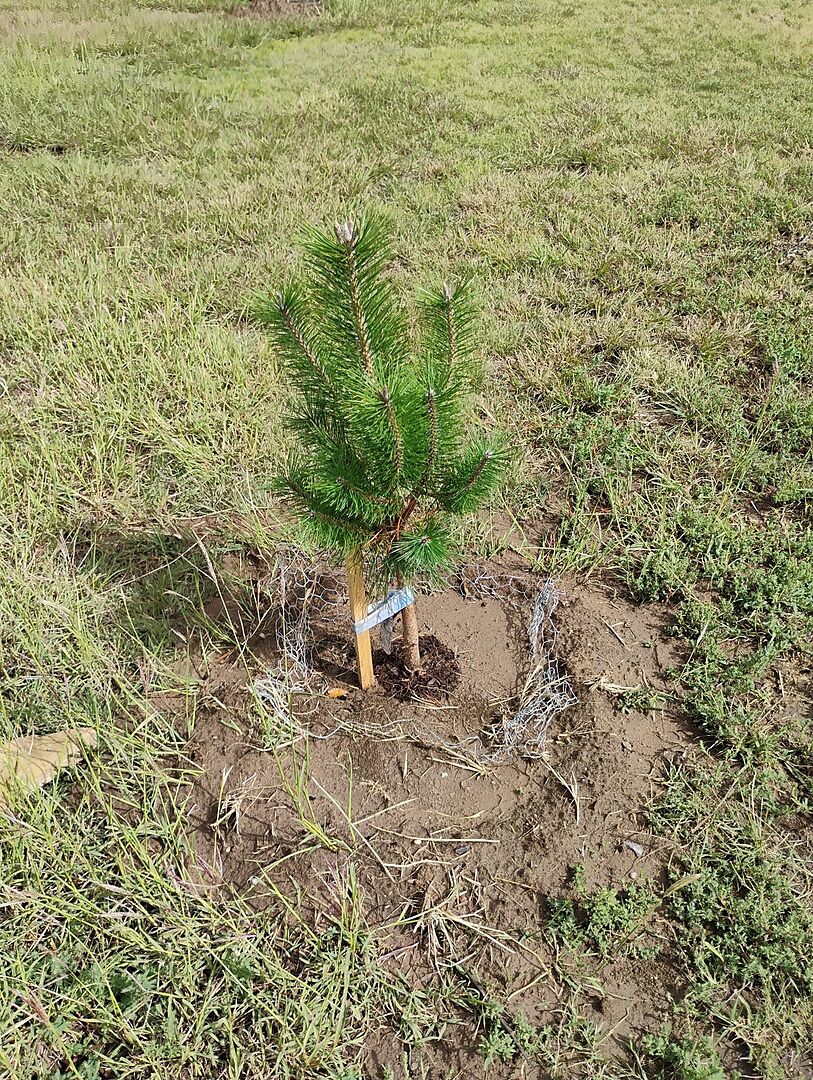
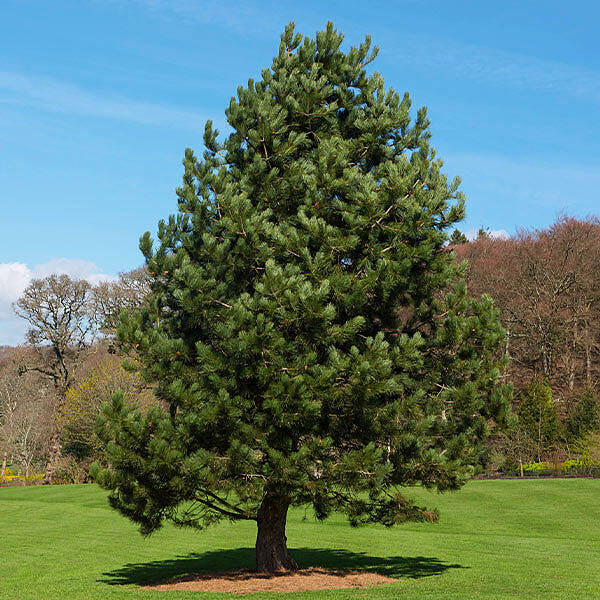
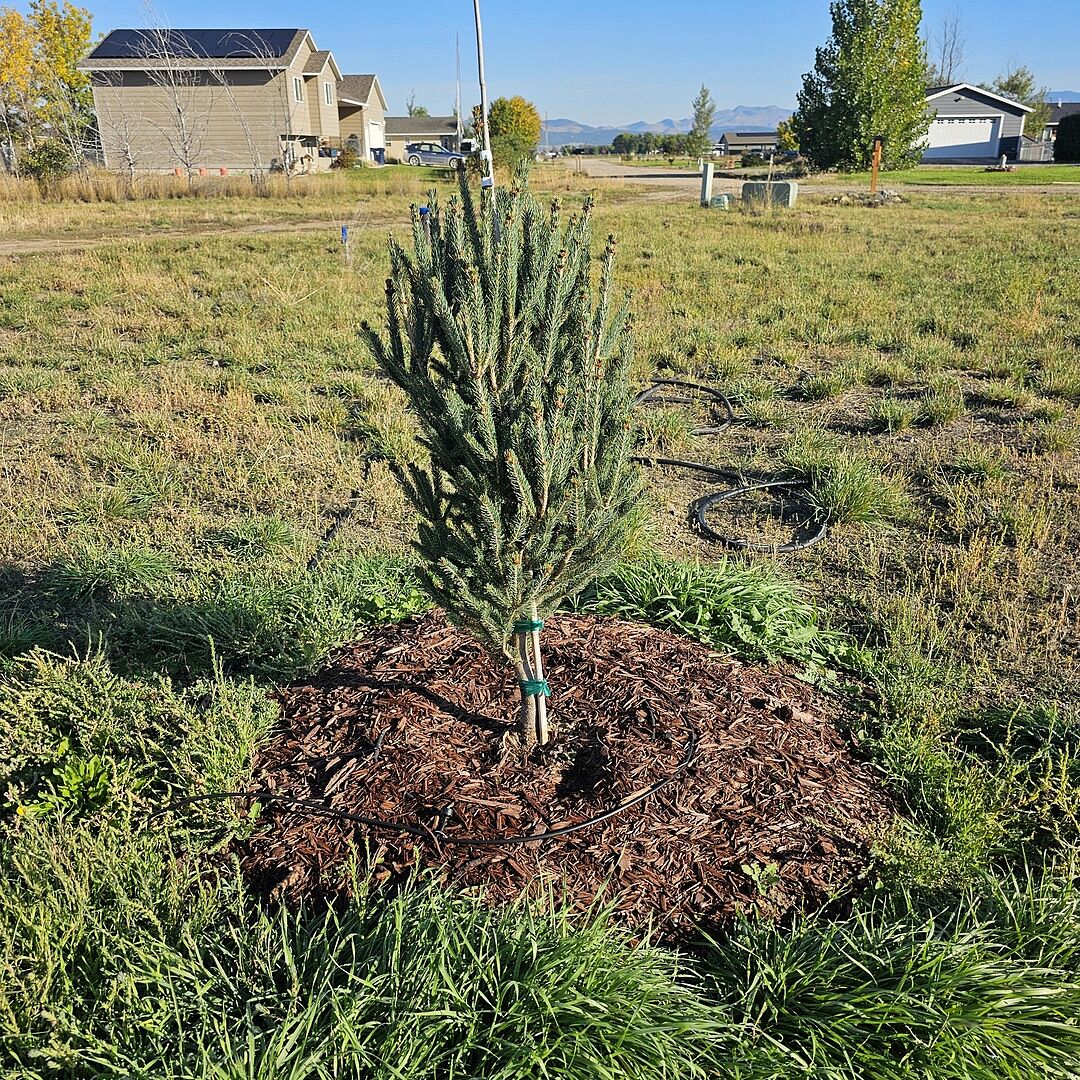
Rugged, unfussy, and easy to grow, the Dwarf Mugo Pine is a dwarf evergreen shrub with dense green needles. It keeps a low, loose shrub habit that spreads wider than tall, with a naturally mounded shape close to the ground.
- Mature size: 3–5 ft. tall, 6–10 ft. wide
- Zones: 2–8
- Sunlight: full sun to partial shade
It's one of the most cold-hardy options here, making it a great low-maintenance alternative to boxwood for rock gardens, wide borders, or foundation beds. Just plan for that generous mature spread. It's also quite drought-tolerant once established and needs only average moisture to get by.
Dwarf Burford Holly

Dwarf Burford Holly combines glossy evergreen leaves with cheerful red berries, giving your landscape year-round color and texture. As with most hollies, female plants are needed to produce those berries.
- Mature size: 6–8 ft. tall, 8-10 ft. wide
- Zones: 7–9
- Sunlight: Full sun to partial shade
Its naturally dense shape makes it an excellent choice for low hedges, foundation plantings, or evergreen borders. It's easy to maintain, mid-sized enough to fit most yards, and provides reliable structure and year-round interest.
Waxleaf Privet

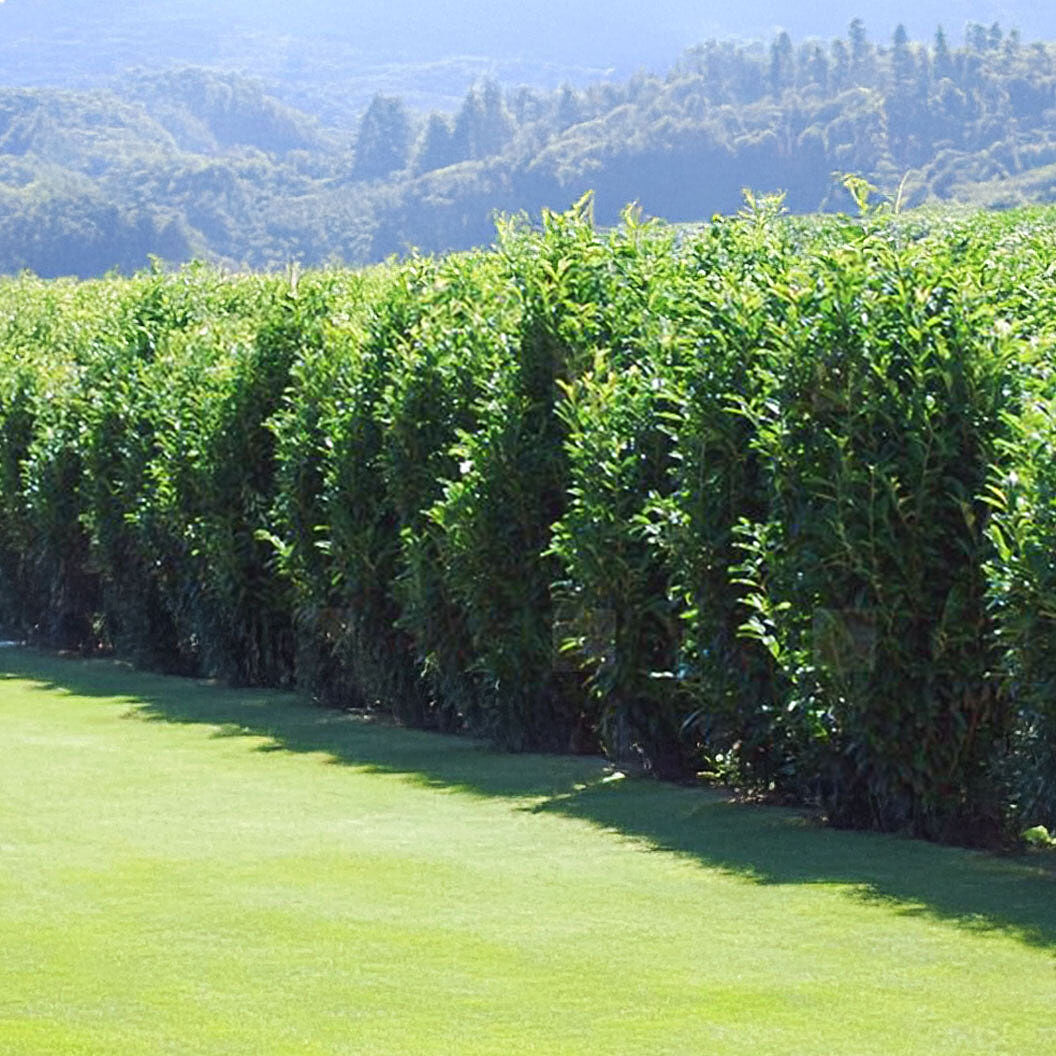
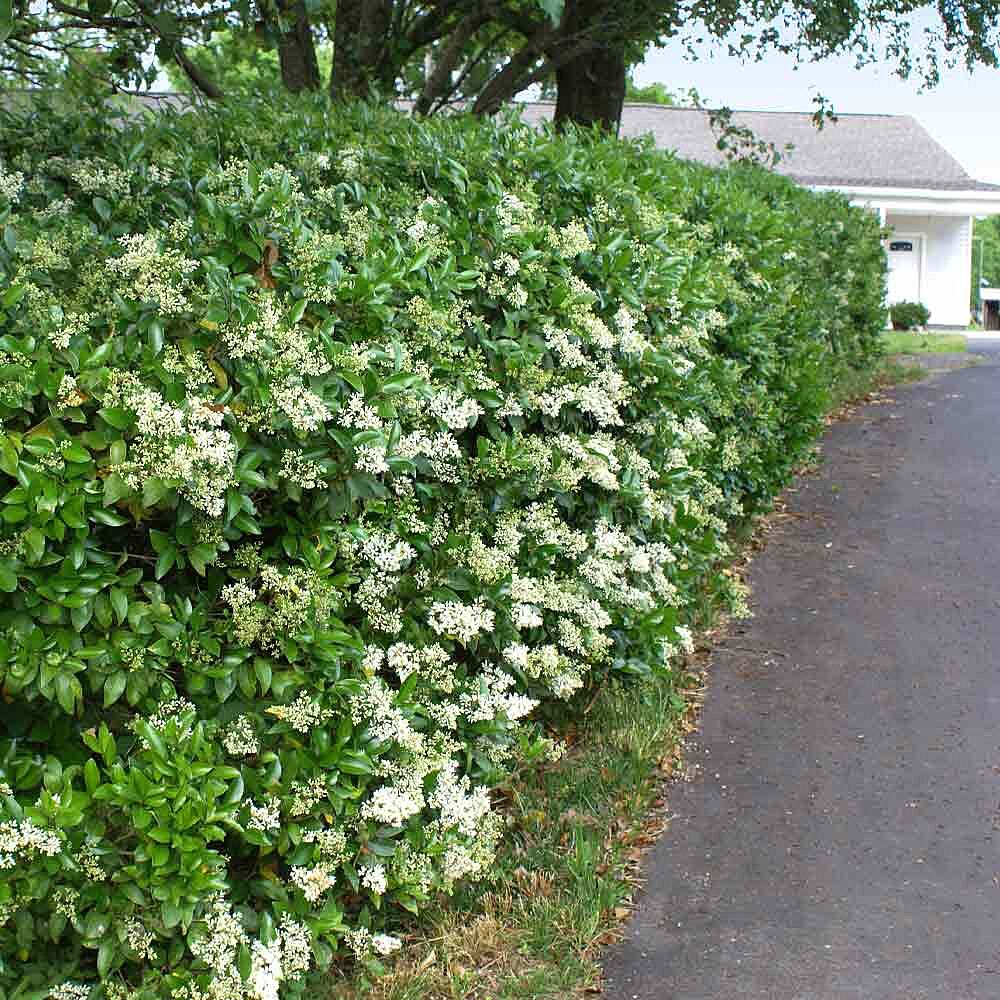
For a fast fill in warm climates, Waxleaf Privet brings glossy foliage and fragrant white blooms from spring to summer. It's a tolerant plant that adapts well to different growing conditions, including coastal gardens.
- Mature size: 8–10 ft. tall, 4–6 ft. wide
- Zones: 7–11
- Sunlight: full sun to partial shade
It's a classic choice for clipped hedges, privacy borders, or formal screening. One practical note: privet can be regulated or discouraged in some regions, so check your local planting guidance before adding it to your yard. Still, for fast, fragrant results, it's worth considering.
Mohave Pyracantha (Firethorn)

If you're looking for year-round color, Mohave Pyracantha — highly known by its common name, Firethorn — combines glossy evergreen foliage, clusters of white flowers in spring, and bright orange-red berries that last into fall and winter.
- Mature size: 8–12 ft. tall, 8–12 ft. wide
- Zones: 6–9
- Sunlight: Full sun to partial shade
It's a great choice for informal hedges, privacy screens, or training against a wall or fence. The dense branching also provides valuable shelter and nesting sites for birds, plus a reliable food source when berries ripen.
Pieris Mountain Fire

Rounding out the list, Pieris Mountain Fire offers showy spring interest and fiery, colorful new growth on an evergreen frame.
- Mature size: 4–8 ft. tall, 3–6 ft. wide
- Zones: 5–8
- Sunlight: full sun to partial shade
It's the more ornamental boxwood alternative—great for foundation beds, shaded borders, and entry plantings where you want structure plus a real seasonal show.
How to Choose the Right Boxwood Alternative
The best pick comes down to what you're after: a true boxwood-like look, a taller hedge, more flowers, cold hardiness, or a lower-maintenance shape. As you compare, weigh each shrub's mature size, sunlight needs — most take full sun to part shade, and a few even tolerate part sun to full shade — drought tolerance, and growing zone (many span zones 5-9, though a few range from zone 2 to 11), and think about whether you want it to keep its natural form or take well to clipping into formal shapes.
Here's a cheat sheet to help you choose:
- For the closest boxwood-like look: Arrow Point® Japanese Holly, Dwarf Burford Holly, or Hicks Yew.
- For taller hedges or privacy: Podocarpus, Waxleaf Privet, Dwarf Burford Holly, or Arrow Point® Japanese Holly.
- For more color: Crimson Fire™ Loropetalum, Autumn Bonfire® Encore® Azalea, or Pieris Mountain Fire, or Mohave Pyracantha (Firethorn).
- For colder climates: Dwarf Mugo Pine, Iseli® Blue Moon Sawara Cypress, or Hicks Yew.,
- For warm climates: Podocarpus, Waxleaf Privet, Crimson Fire™ Loropetalum, or Autumn Bonfire® Encore® Azalea.
Still thinking about boxwoods as an option? Check out all our boxwood shrubs alongside these alternatives to see what fits best.
Get Happy, Healthy Boxwood Alternatives From Trees.com
Boxwoods are popular for a reason,but the right alternative can give you a similar look and the same polished structure with more color, more height, better cold hardiness, or an easier-care shape. Before you choose, compare each shrub's mature size, growing zone, and sunlight needs against your own yard.
When you're ready, Trees.com can deliver healthy, well-rooted shrubs right to your door. Explore our full selection of shrubs to find the boxwood alternative that's just right for your space.
Sources:
- Oregon State University. Boxwood blight symptoms and cause. https://www.umass.edu/agriculture-food-environment/landscape/fact-sheets/boxwood-blight
- USDA APHIS and University of Georgia CAES. Box tree moth (Cydalima perspectalis). https://fieldreport.caes.uga.edu/publications/C1319/box-tree-moth-an-invasive-pest-on-ornamentals-in-nurseries-and-landscapes/
Written by
Abby Healy
Abby is an avid plant lover and the Director of Content at Trees.com. She grew up in Maine, graduated from Davidson College, and now resides in Charlotte, North Carolina with her husband and two dogs. Her previous roles include leading content teams at Red Ventures, a large digital media company, and launching the content and marketing functions at an ecommerce analytics start-up.
While her indoor plant collection is always growing, she also loves landscaping tips and learning more about plant care and maintenance. Her favorite plants are Japanese maples, roses of all kinds, and unique house plants.