Asexual or Vegetative Propagation

Last updated: Aug 05 2026

Key takeaways
Vegetative propagation creates new plants from stems, roots, leaves, or other plant parts rather than producing them from seeds.
Cuttings, layering, division, grafting, and budding are vegetative propagation methods used to reproduce plants with desired traits.
Plants produced through vegetative propagation are genetically identical to the parent plant, helping preserve specific characteristics.
Written by
Abby Healy
Abby is an avid plant lover and the Director of Content at Trees.com. She grew up in Maine, graduated from Davidson College, and now resides in Charlotte, North Carolina with her husband and two dogs. Her previous roles include leading content teams at Red Ventures, a large digital media company, and launching the content and marketing functions at an ecommerce analytics start-up.
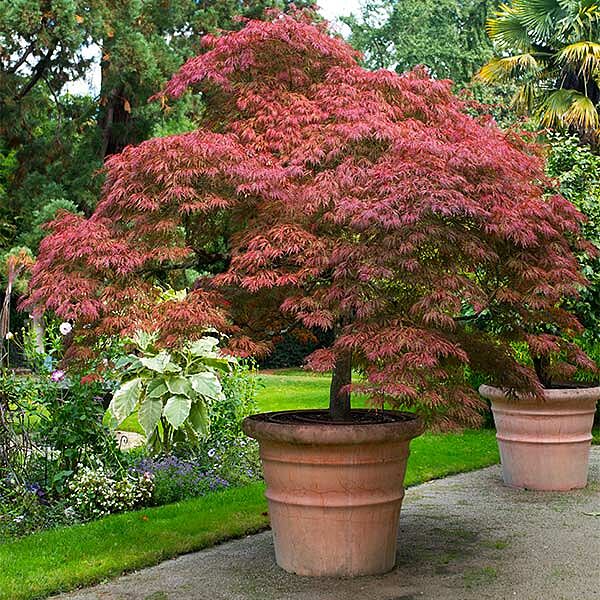
While her indoor plant collection is always growing, she also loves landscaping tips and learning more about plant care and maintenance. Her favorite plants are Japanese maples, roses of all kinds, and unique house plants.