Green Velvet Boxwood vs Winter Gem: Differences + More

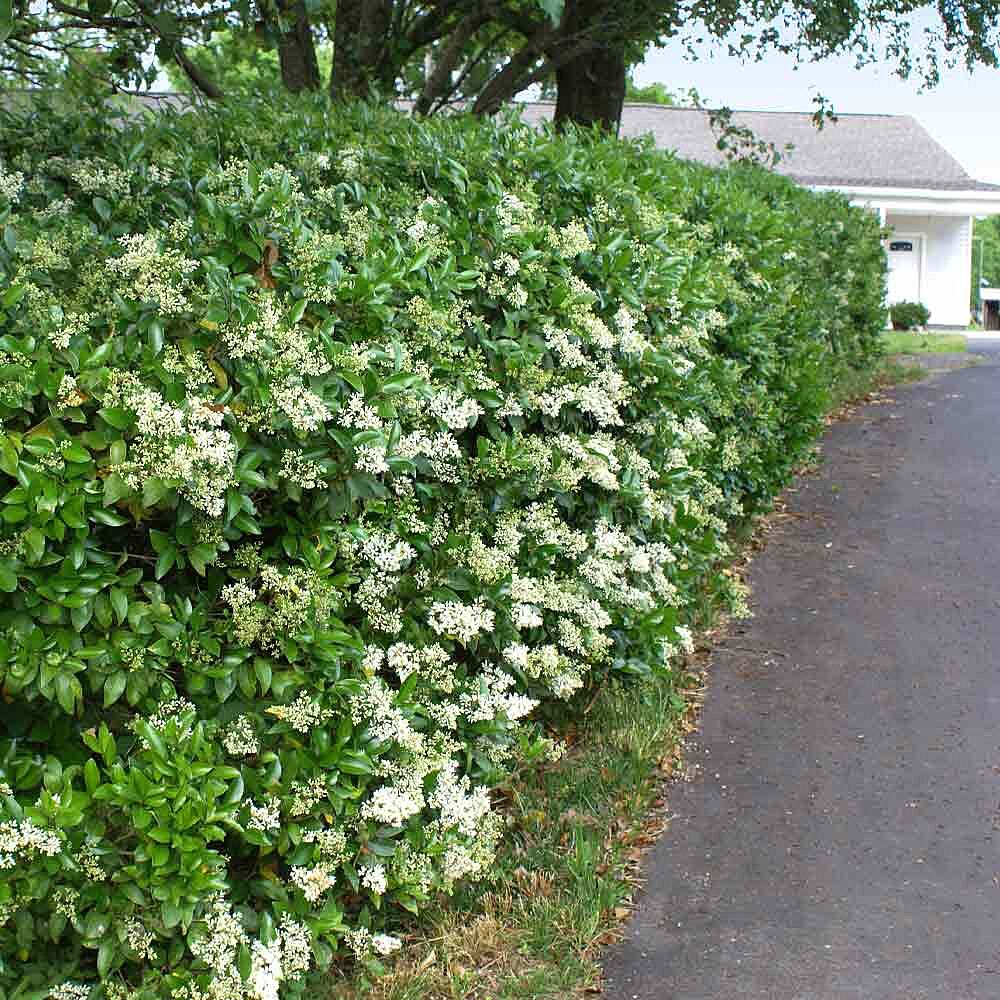
Green Velvet and Winter Gem are two of the most popular compact boxwoods, and at first glance they can look almost identical. They’re both dense, evergreen shrubs that are commonly used for hedges, borders, and foundation plantings. Out in the landscape, the differences become much more noticeable, especially in size, shape, and growth rate.
Those distinctions will help you choose which boxwood is a better fit for your yard. We’ll compare Green Velvet and Winter Gem side by side. Plus, to make it a practical comparison, we'll also cover the Sprinter Boxwood, an improved cultivar bred from Winter Gem, since Sprinter is the variety most gardeners can actually buy and plant today.
Here at Trees.com, our Plant Experts work with these boxwood shrubs every day. Read on to see which one fits your yard.
Quick Comparison: Which Boxwood Is Right for You?
Short on time? Choose Green Velvet if you want a slow-growing, naturally rounded shrub for lower hedges, tidy borders, or a focal point that keeps its shape with little fuss. Choose Winter Gem—or its faster Sprinter upgrade—if you want quicker fill and a slightly taller, more upright hedge. Both are cold-hardy, deer-resistant evergreens, so you can't really go wrong.
Green Velvet, Winter Gem, and Sprinter Boxwoods at a Glance
Here's how the three stack up side by side. Green Velvet and Sprinter are both available at Trees.com. Winter Gem is also included for reference.
|
Feature |
Green Velvet |
Winter Gem |
Sprinter |
|---|---|---|---|
|
Botanical name |
Buxus 'Green Velvet' |
Buxus microphylla var. japonica 'Winter Gem' |
Buxus microphylla 'Bulthouse' (USPP 25,896) |
|
Mature height |
3–4 ft |
2–4 ft |
2–4 ft |
|
Mature width |
3–4 ft |
2–4 ft |
2–4 ft |
|
Growth rate |
Slow growing |
Slow to moderate |
Fast growing |
|
Foliage color |
Deep, velvety green; may bronze in winter |
Glossy green; bronze in winter |
Glossy green; may bronze in winter |
|
Leaf shape |
Small, oval |
Small, rounded |
Small, rounded |
|
Growing zones |
4– 9 |
5-9 |
5–8 |
|
Sunlight |
Full sun to part shade |
Full sun to part shade |
Full sun to part shade |
|
Deer resistance |
Yes (rarely browsed) |
Yes (rarely browsed) |
Yes (rarely browsed) |
How These Boxwoods Are Similar
Let’s dig a little deeper into our boxwood comparison, starting with how much they have in common. They actually share many similarities, which is part of why they're so easy to confuse.
- Compact evergreens: All three hold their small green leaves year-round.
- Deer resistant: Deer tend to pass them by (more on that below).
- Spring bloomers: Each produces tiny, bright, fragrant, greenish-yellow spring flowers that pollinators love.
- Similar hardiness: All are cold-hardy through the northern half of the country.
- Shallow rooted and shade tolerant: They adapt well to sun or shade and don't send down deep, disruptive roots.
- Low maintenance: Every one takes pruning well, so they're favorites for hedges, borders, and topiary.
Key Differences Between Green Velvet and Winter Gem
While they have a lot in common, it’s the differences that actually affect your buying decision.This comes down to five things: mature size, growth rate, foliage color, leaf shape, and natural form.
Mature Size and Growth Rate
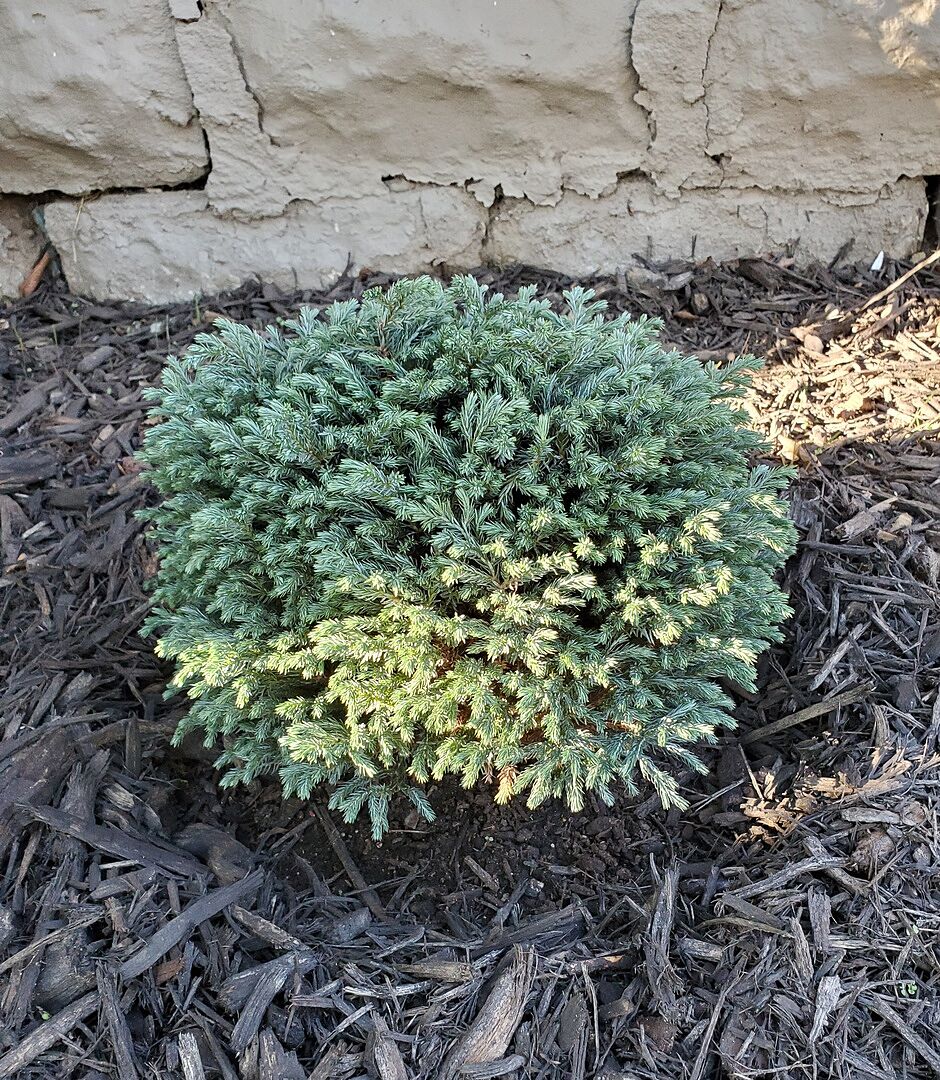
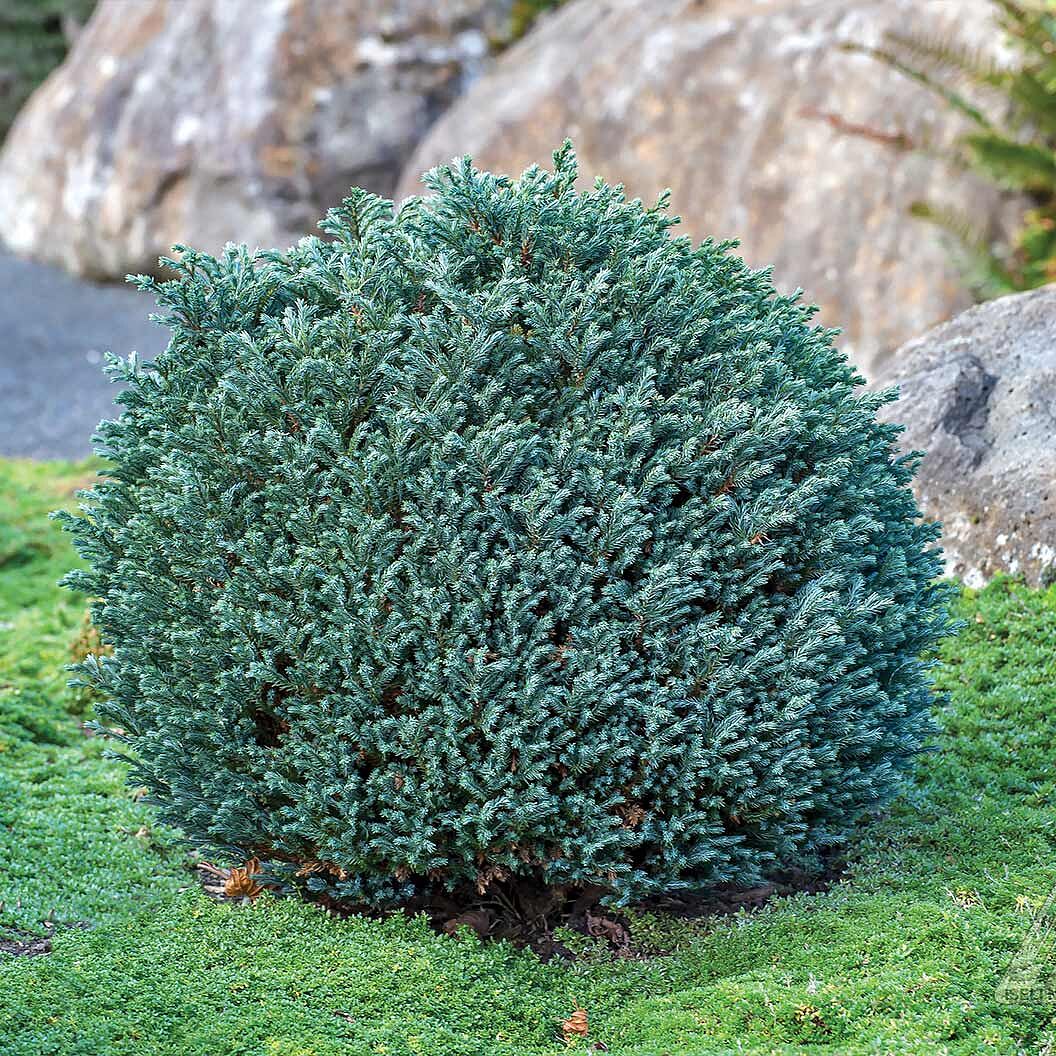
Green Velvet is the slow-and-steady one. It grows slowly, settling in at around 3 to 4 feet tall and wide, holding a tight, compact frame the whole way.
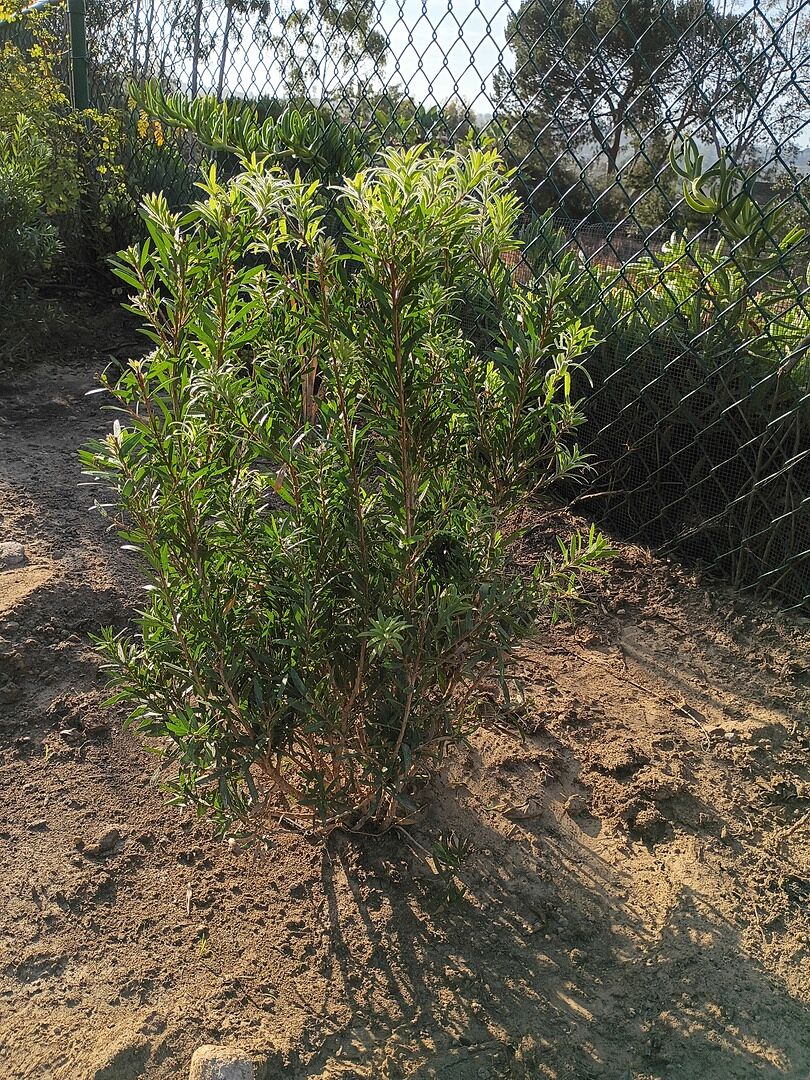
Winter Gem grows a little faster and can reach slightly taller, typically around 2 to 4 feet (and sometimes more). Its shape is a bit more upright and less rounded than Green Velvet, with a looser, more open look.. For a hedge, that means Winter Gem fills the gaps between plants sooner, while Green Velvet asks for a bit more patience but creates a denser, lower silhouette. Space and hedge height should follow from that: plan tighter, lower lines with Green Velvet and slightly taller ones with Winter Gem.
Foliage Color and Leaf Shape
Both have small, glossy green leaves, but there are subtle seasonal differences. Green Velvet was bred specifically to hold a darker, more velvety green color through winter—one of its signature selling points. Although the Green Velvet maintains color more in the winter, they sometimes can exhibit slight winter bronzing, especially when exposed more to dehydrating winter winds.
Winter Gem is also evergreen, but in cold, exposed landscapes, its foliage can take on a golden-bronze cast during winter before turning green in spring. If you want the most consistent winter green in a windy or wide-open spot, Green Velvet has the edge.
Size and Shape
Green Velvet grows into a naturally rounded shape with a soft, mounding habit, so it looks polished even without much shearing. It’s ideal for low borders and as a focal point in your landscape.. Winter Gem grows a bit taller and more upright, making it a great choice for formal hedges. Choose Green Velvet for a softer, rounded look and Winter Gem when you want a more structured hedge.
Meet the Sprinter Boxwood: An Upgraded Winter Gem

Here's the practical twist. If you love the look of Winter Gem, the plant you'll most likely bring home today is Sprinter Boxwood, a Proven Winners® cultivar bred from Winter Gem.
Sprinter keeps many of Winter Gem's best qualities—glossy foliage, cold hardiness, and dense growth but fills in noticeably faster. Its upright, dense growth and deer-resistance makes it a go-to when you want the Winter Gem's qualities in a plant you can actually buy and plant.
How Sprinter Improves on Winter Gem
Sprinter earns its name by doing a few specific things better:
- Faster fill: It's one of the quicker-growing boxwoods, so hedges knit together sooner.
- Dense, upright form: It holds a tidy shape with less heavy pruning than many boxwoods need.
- Strong cold hardiness: It's reliably hardy through zones 5 to 8, tolerating temperature drops to about -10°F.
- Year-round foliage: Glossy green leaves stay on the plant through all four seasons.
Keep in mind that every garden is different. Your plant’s growth will depend on your climate, soil, and overall growing conditions.
Green Velvet vs Sprinter Boxwood
For most shoppers, the real choice is Green Velvet vs Sprinter, since those are the two available at Trees.com.
Pick Green Velvet for slower, rounded, mounding growth and standout cold-climate performance—it's the pick for the coldest yards (hardy to zone 4, down to -20°F) and for anyone who wants a naturally tidy, low form. Pick Sprinter for a faster, more upright fill. It's hardy through zone 5 to 8 and a great fit for warmer regions. In short: Green Velvet for patient, rounded structure; Sprinter for a quicker, taller, formal hedge.
Are These Boxwoods Deer-Resistant?
Yes! All three are considered deer-resistant, and that's a big part of their appeal. Boxwood foliage contains bitter compounds that deer find unpalatable, so they usually browse elsewhere.
It’s important to understand that "deer-resistant" means rarely eaten, not one hundred percent deer-proof. In a hard winter with scarce food, hungry deer may still nibble almost anything. If you're planting in serious deer country, it's smart to pair boxwoods with other reliable choices. Take a look at our deer-resistant shrubs for tons of options.
Plant Classification and Origin
With so many types of boxwood on the market, there's a lot of confusion online about how these three boxwoods are classified, so here's the straight version.
Green Velvet is a hybrid, Buxus × 'Green Velvet'. It was developed at Sheridan Nurseries in Ontario, Canada, from crosses between the Korean boxwood (Buxus sinica var. insularis), native to Korea, and the common, or English, boxwood (B. sempervirens). That unique parentage is the secret to its personality. It inherited the cold hardiness and compactness of the Korean parent and the fine winter color of the English one.
Winter Gem is a different species entirely: it's a Japanese boxwood, Buxus microphylla var. japonica 'Winter Gem'. Despite what some articles claim, it isn't a Korean boxwood.
Sprinter is Buxus microphylla 'Bulthouse', an improved selection bred from Winter Gem and introduced by Proven Winners®. So Sprinter and Winter Gem are close relatives, while Green Velvet sits on a separate, hybrid branch of the family tree.

How to Plant and Grow These Boxwoods
The good news is that care is nearly identical across all three. Get the basics right and these are some of the most forgiving evergreens you can plant.
Light, Soil, and Watering Needs
All three grow in full sun to part shade, but there's a sweet spot: morning sun with afternoon shade. Too much hot, full-day exposure—especially in winter wind—can lead to leaf scorch or winter browning.
For soil and water, keep these guidelines in mind:
- Soil: Well-draining soil is essential, as boxwoods dislike wet feet. A slightly acidic-to-neutral pH suits them well.
- Watering (establishment): Water regularly the first season to help roots settle in, keeping soil moist but never soggy.
- Watering (mature): Once established, they're fairly drought-tolerant and need supplemental water mainly during dry spells.
- Fertilizing: A light feeding of balanced fertilizer in spring can help support fresh new growth, though established plants need very little.
- Mulch: A 2- to 3-inch layer of mulch around the base helps retain soil moisture and protect their shallow roots.
Spacing and Pruning Tips
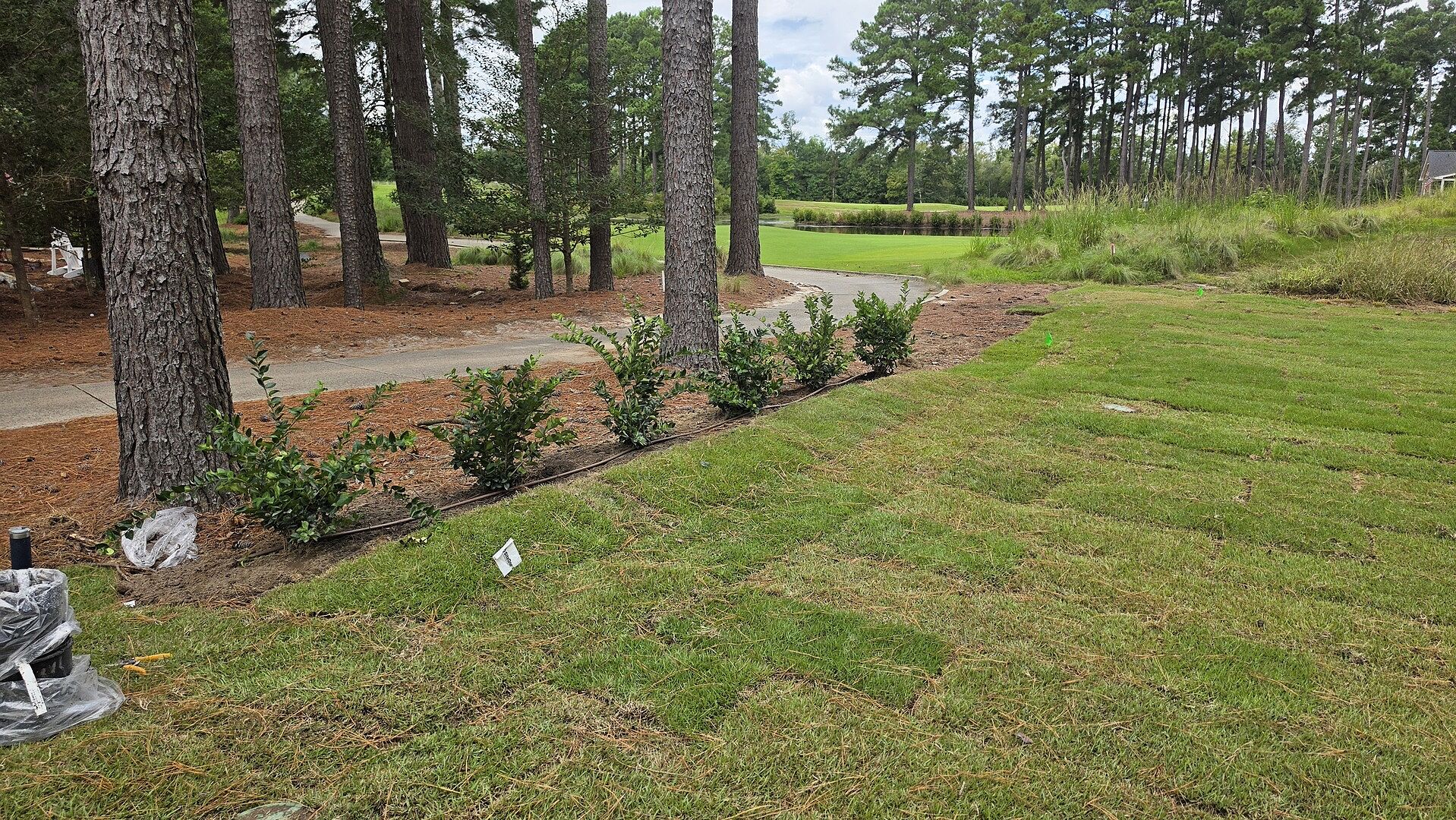
Spacing depends on the look you're after. For a solid hedge, plant closer together so the shrubs grow into one another. For specimens or a looser border, give each plant room to show its natural shape. For a Sprinter hedge, 2 to 3 feet apart is a good rule of thumb.
When it comes to trimming and pruning, a little timing goes a long way:
- Prune: Do this annually after the last frost so tender new growth isn't damaged by a late cold snap.
- Thin: Doing so occasionally will help the interior open up airflow, which helps prevent disease.
- Shear: Do this lightly and often rather than cutting back hard all at once.
Common Problems and How to Avoid Them
Boxwoods are tough, but they aren't trouble-free. Knowing what to watch for makes prevention easy.
- Winter bronzing: Cold wind and sun can turn foliage bronze. Choose a sheltered spot, or lean toward Green Velvet, which holds its deep green foliage best through winter.
- Boxwood leafminer: This common pest tunnels inside glossy leaves, leaving telltale trails. Catch it early and prune out affected growth.
- Mites: Watch for stippled or dull leaves in hot, dry stretches.
- Root rot: This is almost always a drainage problem. Plant in well-draining soil and avoid overwatering.
- Poor airflow: Crowded, dense interiors invite disease. Thinning and proper spacing are your best defense.
Landscaping Ideas and Companion Plants
Because they're such tidy, adaptable bushes, these boxwoods slot into all kinds of eye-catching designs:
- Green Velvet: low hedges, foundation plantings, formal knots, and rounded specimens.
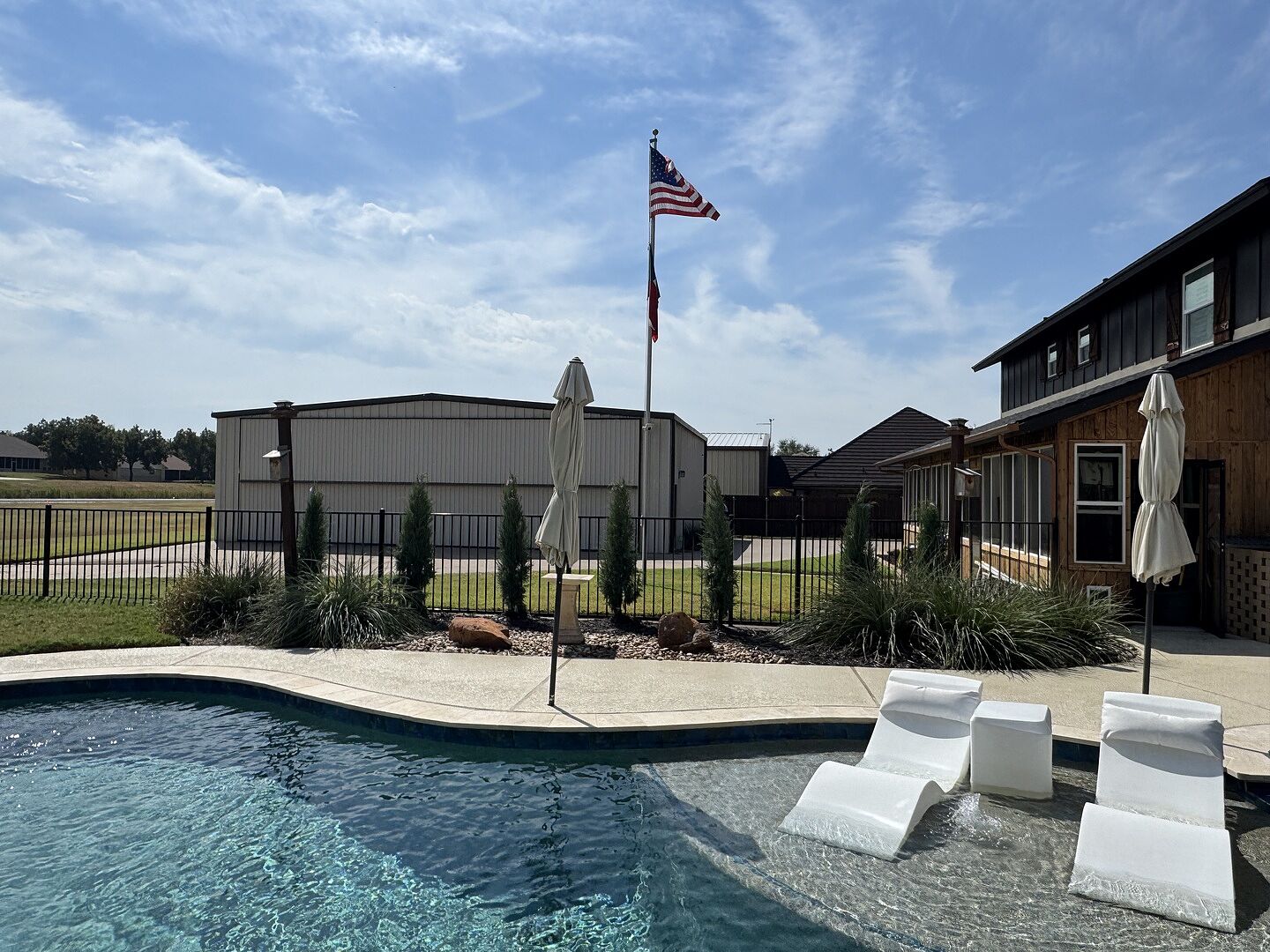
- Winter Gem / Sprinter: taller formal hedges, privacy screens, clipped topiary, and structured borders.
For companions, pair boxwoods with plants that share their easygoing nature. Panicle or smooth hydrangeas, roses, and flowering perennials all look sharp against that clean green backdrop, and layering in other deer-resistant shrubs keeps the whole bed protected. For even more structure and screening ideas, explore our full selection of shrubs.
Which Boxwood Should You Choose?
Go with Green Velvet Boxwood for slower, compact, rounded growth and top-tier cold hardiness. Go with Sprinter Boxwood for faster fill and an upright hedge that carries all of Winter Gem's best qualities in a plant you can buy today.
Either way, check the mature size and growing zone against your own yard before you plant—that's the surest path to a hedge you'll love for years.
Frequently Asked Questions
Is the Green Velvet or Sprinter Boxwood faster growing?
Sprinter is the faster grower of the two and fills in noticeably quicker, which makes it the better pick when you want a hedge to knit together sooner.
Can I still buy a Winter Gem Boxwood, or should I get the Sprinter?
For most gardeners, Sprinter is the practical choice. It was bred from Winter Gem and keeps the same look and hardiness while filling in faster.
Which boxwood stays greener through winter?
Green Velvet holds its rich green color especially well through winter. Winter Gem and Sprinter are evergreen too, but their foliage can take on a golden-bronze tint in cold, exposed spots before greening up in spring.
How far apart should I plant boxwoods for a hedge?
Spacing depends on the variety and the look you want, but for a Sprinter hedge, 2 to 3 feet apart is a reliable guideline. Plant closer for a solid, continuous hedge and farther apart for individual specimens.
Do these boxwoods bloom?
They do, though the flowers are easy to miss. All three produce small, fragrant, greenish-yellow blooms in spring that are popular with bees and other pollinators.
Can Green Velvet and Sprinter Boxwoods grow in containers?
Yes. Their compact size and shallow roots make both good candidates for large containers.Just use a well-draining pot and potting mix, and water a bit more often, since container plants dry out faster than those in the ground.