How Are Plants Classified?

Last updated: Aug 05 2026

Key takeaways
Plants are classified by life cycle as annuals, biennials, or perennials based on how many growing seasons they live.
Perennials may be deciduous, evergreen, or semi-evergreen depending on how and when they retain or shed their leaves.
Scientific classification groups plants from kingdom to species, while binomial names use the genus and specific epithet.
Updated Nov 6, 2026
The universe of plants that exist on earth is very large. To better understand and study plants, it is necessary to have a method of classifying them. There are many ways that plants have been classified throughout time.
Classifying Based on Growth Cycles
Plants are classified into three classes based on how long it takes to complete their life cycle, specifically the number of growing seasons.
What Are Annual Plants?
Plants that complete their lifecycle (sprout, grow, flower, produce seeds and die) in one growing season or one calendar year is known as an annual. For example, they can be further divided into rainy season annuals, winter season annuals, and summer season annuals.
What Are Biennial Plants?
Biennials are plants that require two growing seasons or two calendar years to complete their lifecycle. Typically, they sprout and complete vegetative growth during the first growing season and flower, produce seeds, and die in the second growing season.
What Are Perennial Plants?
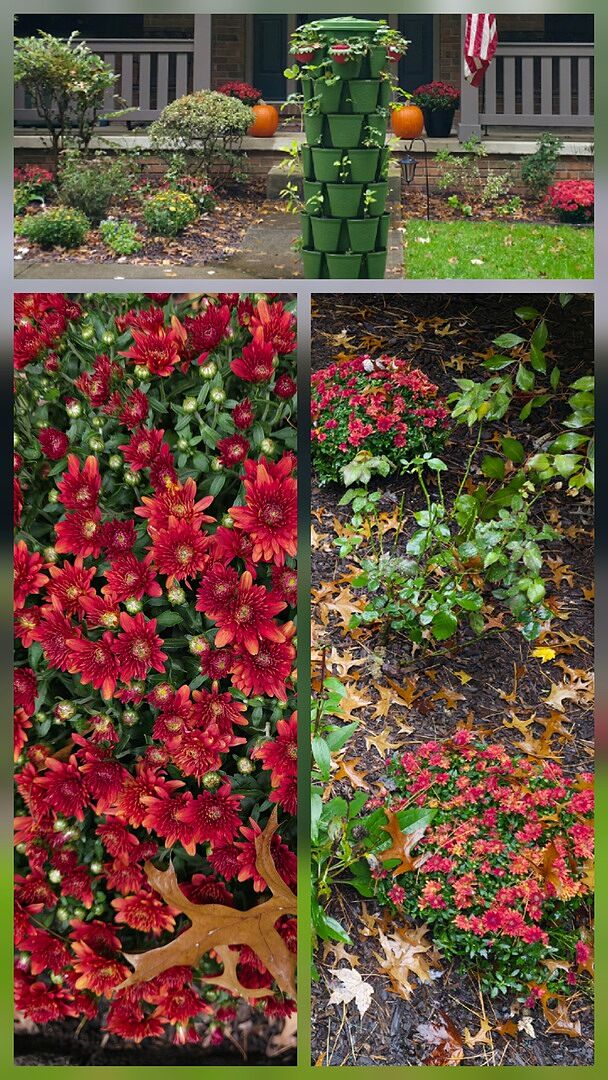
Perennials are plants that grow year after year once planted. These plants typically produce flowers and seeds each year after reaching maturity. Perennials are further classified into herbaceous and woody perennials. If the fleshy, above ground portions of the plant die back each winter and new stems emerge each spring, then the perennial plant is said to be herbaceous. Perennials such as shrubs and trees whose top growth becomes hard and fibrous, persisting year-round, are said to be woody.
Classifying Based on Form or Structure
Plants come in many forms or structures. Some common groups of plants based on these forms or structures include vines, ground cover, shrubs, and trees.
Vines
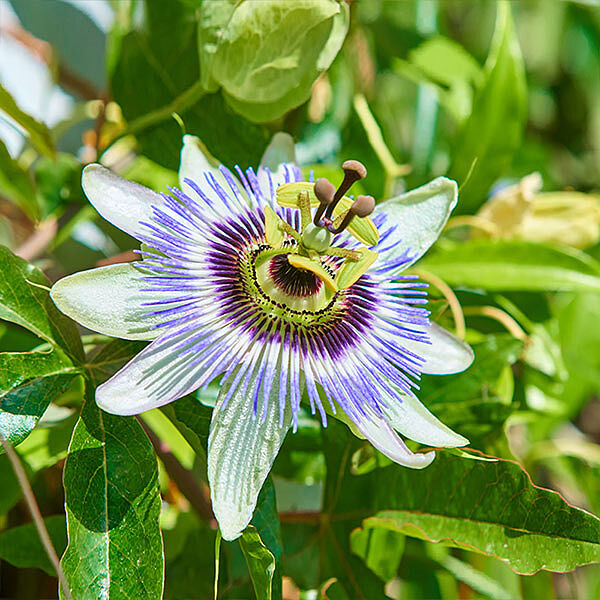
Vines are plants with long, thin woody stems that grow along the ground or require the support of other plants or structures to grow upward. Those vines capable of climbing do so by twining around supporting plants or structures or using tendrils which twine or have adhesive tips.
Ground Cover Plants
Ground cover plants grow close to the ground and form a dense soil cover to help control erosion and prevent weeds. They range in height from an inch to two or three feet.
Shrubs
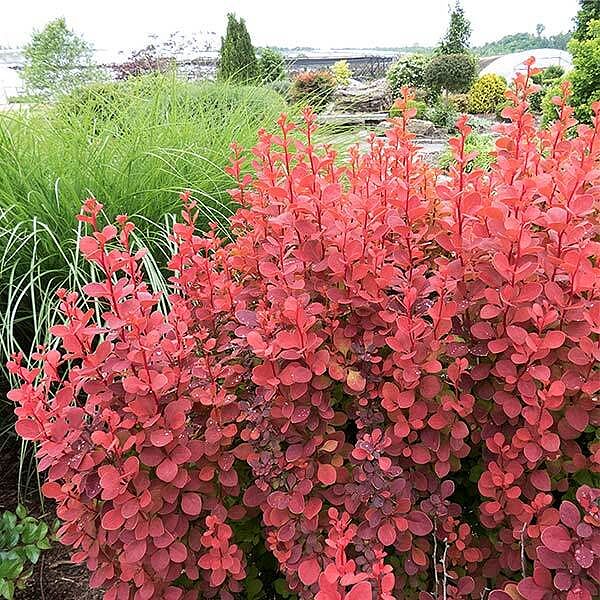
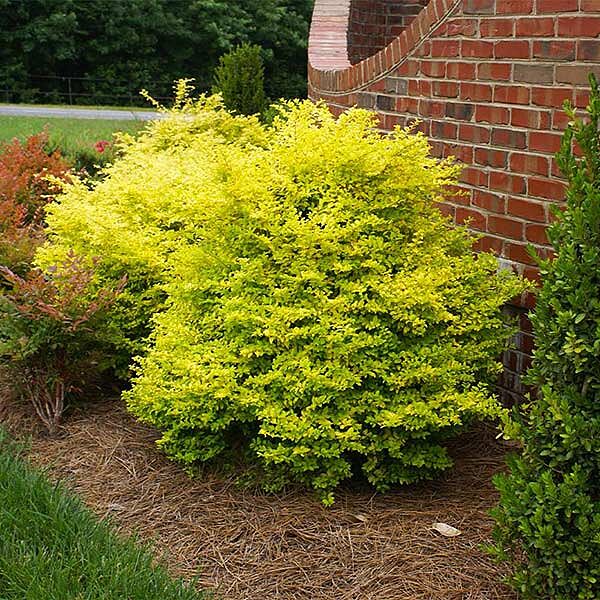
Shrubs are woody perennial plants that have many branches arising from the base of the plant near ground level. They have no single main trunk and are smaller than trees. They survive for many years, though less than trees.
Trees
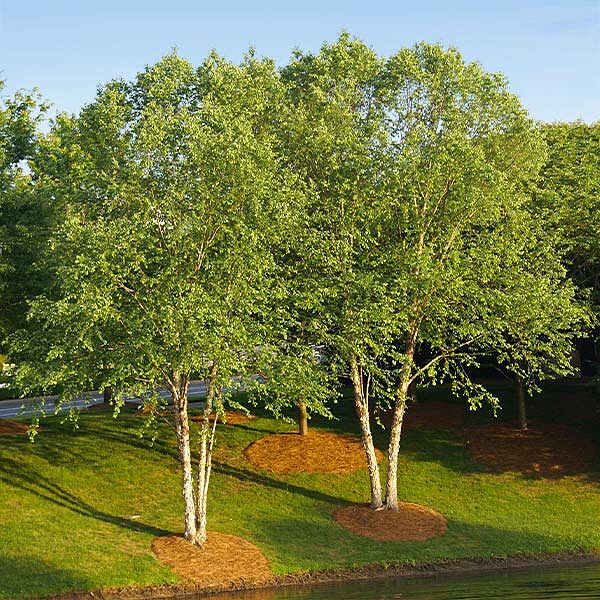
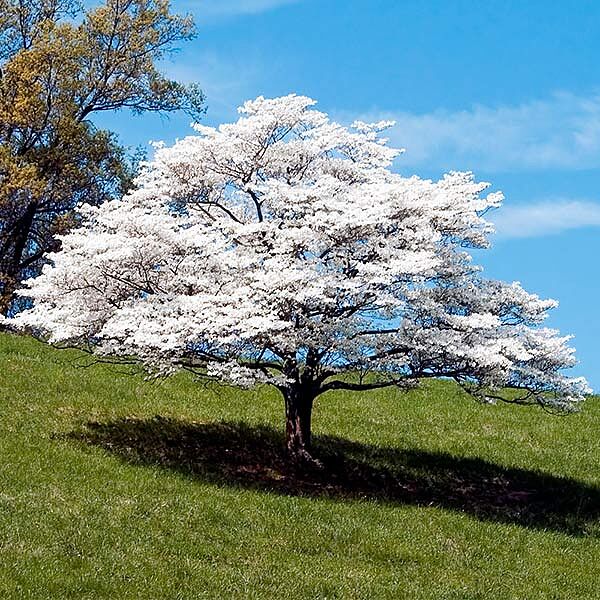
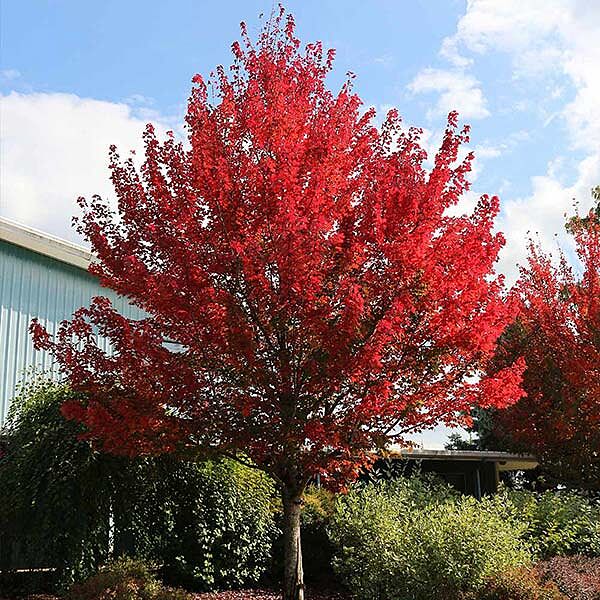
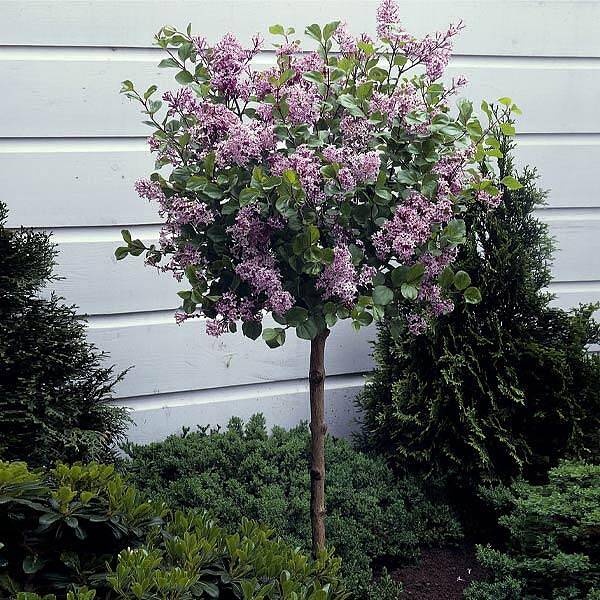
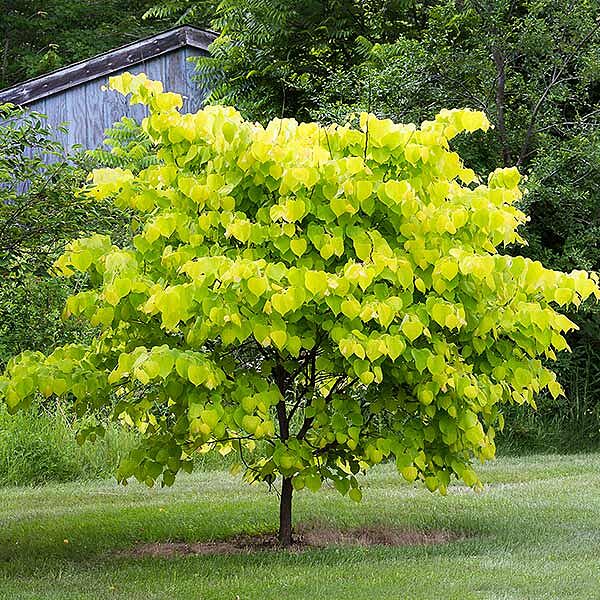
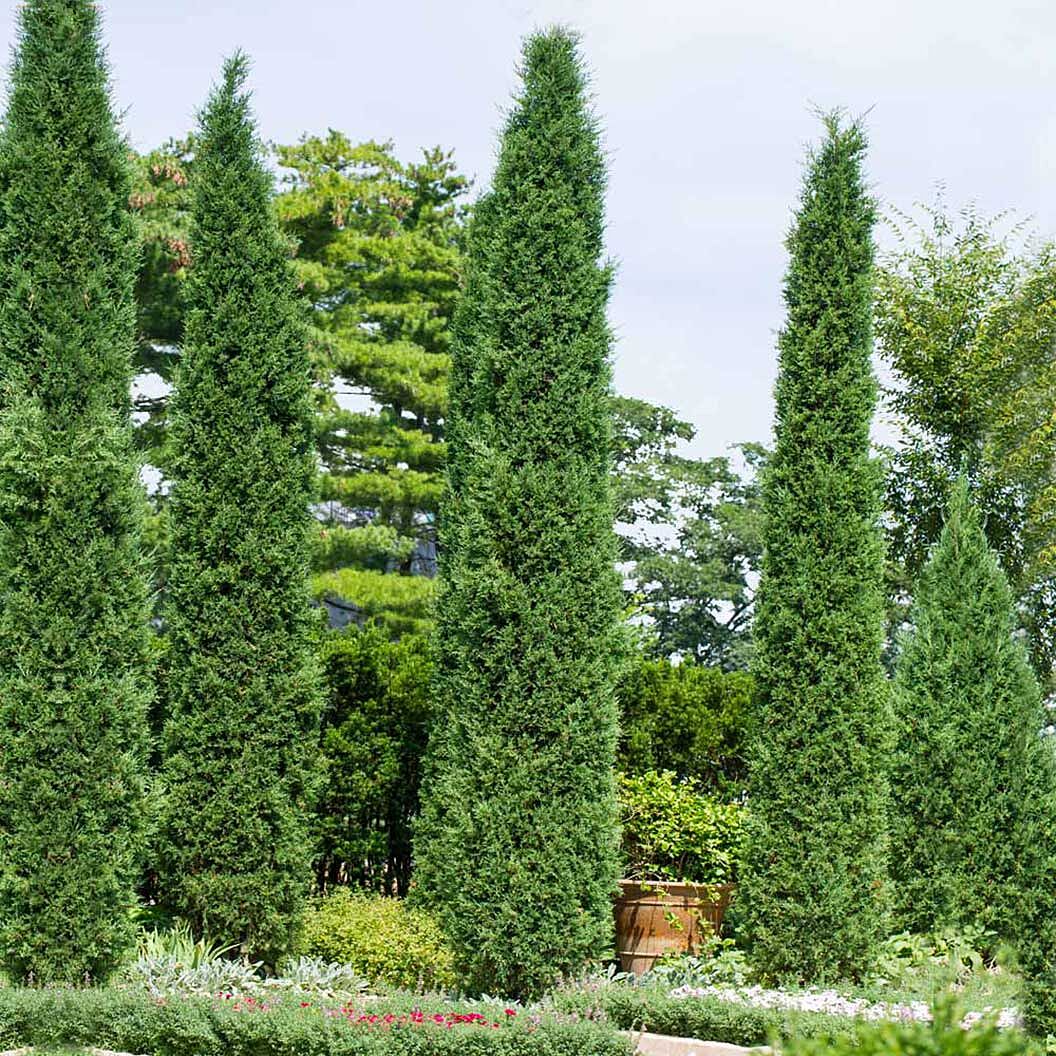
Trees are plants that have a main trunk that bears wood branches, twigs, and leaves typically some distance above the ground. Trees typically survive for many years.

Classifying Based on Leaf/Needle Retention
Most perennials are classified as either deciduous or evergreen.
Deciduous Plants
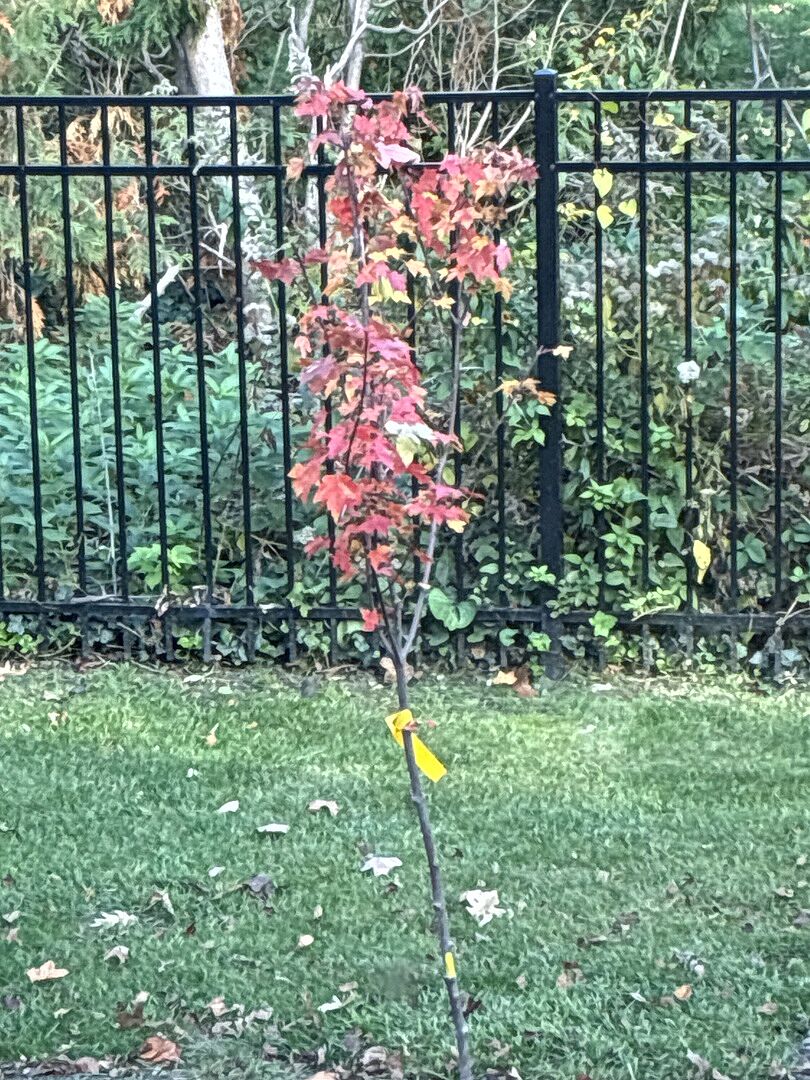
Deciduous plants lose all their leaves once per year, typically in the cold seasons of late fall/winter. But certain deciduous trees can shed their leaves annually during the dry season.
Evergreen Plants
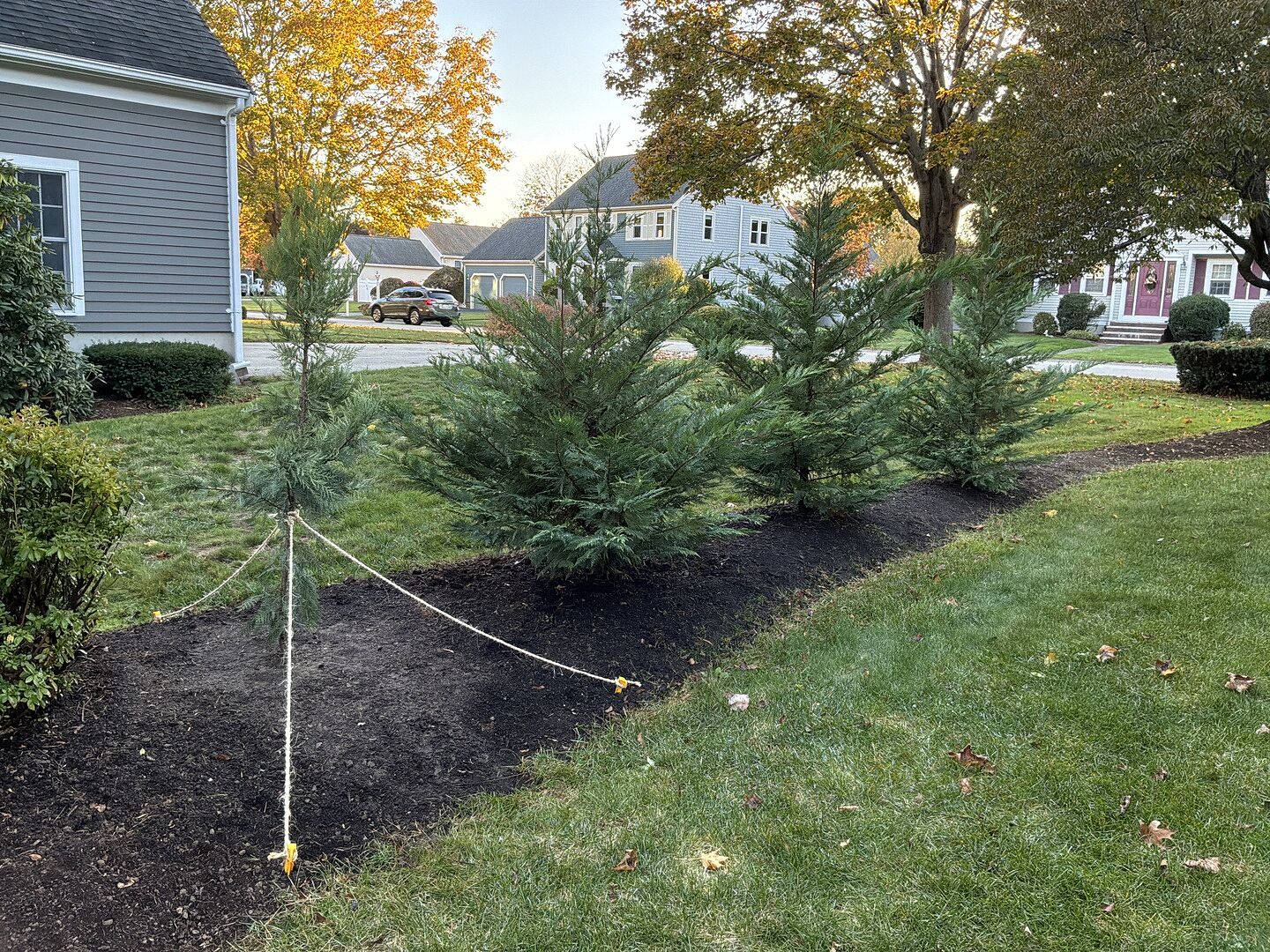
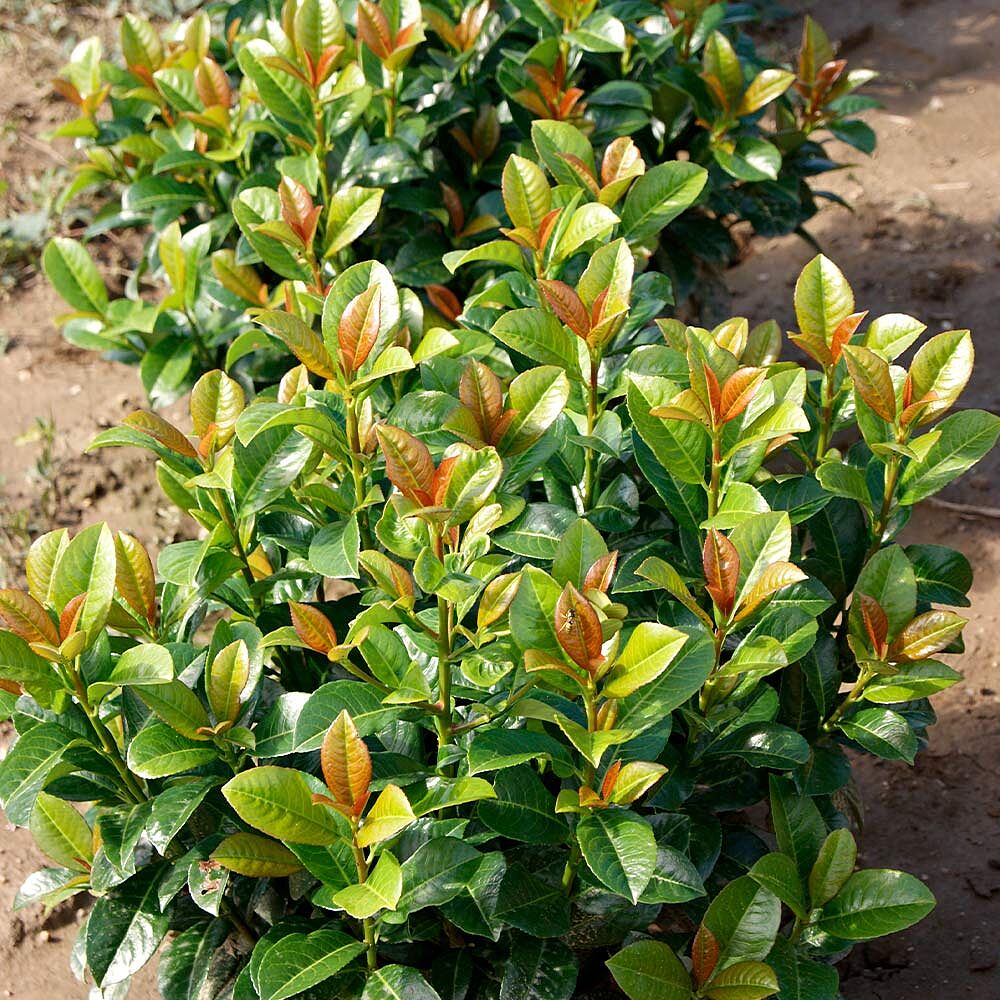
Evergreen plants maintain leaves year-round. While they do shed leaves, they do not do so all at once. Older leaves are periodically shed but there are still many other leaves on an evergreen plant when this happens.
Semi-Deciduous and Semi-Evergreen Plants
Semi-deciduous or semi-evergreen is a term for plants who lose their leaves for only a very short period each year as the old leaves fall off and new growth appears. This occurs in certain tropical and subtropical woody perennials.
Classifying Based on Climate Adaptation
Perennial plants can be classified based on their ability to adapt to changes in climates.
Tropical Plants
Tropical plants originate between the Tropic of Cancer and Tropic of Capricorn close to the equator where it is never cold. Such plants do not tolerate cold weather well and can be severely damaged or killed by freezing temperatures.
Subtropical Plants
Subtropical plants grow in climates like those of tropical plants. However, unlike tropical plants, subtropical plants can survive brief exposures to temperatures at or slightly below freezing.
Hardy Plants
Hardy plants are those that have adapted to long periods of below freezing temperatures. How long they can endure cold weather and the minimum temperatures they can survive depends on their degree of hardiness.
Hardy vs. Tender Plants and Cool- vs. Warm-Season Crops
Other non-perennials can also be classified based on the temperatures they can tolerate. For example, those that can tolerate brief periods of freezing temperatures are called hardy, while those that cannot are called tender. Plants can also be classified by their temperature preference for optimal growth. For example, cool season crops produce the best yield during the cooler months of the year while warm season crops produce the best yield during the warmer summer months.
Classification by Uses
One ancient way to classify plants was based on their use. Plants were grouped based on whether they were sources of food, spices, fibers to make clothing, sources of drugs, or had ornamental value. The horticultural plants that are sources of food are further divided into fruits, vegetables, herbs, and nuts.
However, there are inherent problems with this system of classification, as the same plant may have different uses in different parts of the world. And some plants do not fit neatly into a single grouping.
Scientific Plant Classification
The most precise way to classify or categorize plants is using the scientific system of classification. This classification system was designed for use in classifying all living organisms, not just plants. It creates a hierarchy of categories and subcategories based on characteristics of each organism. Built into the categories is information about not only the specific species of organism, but also its closest relatives and evolution.
The Linnaean Hierarchy: Kingdom to Species
The original scientific classification system was published by Carolus Linnaeus in the 1700s. He is known as “the father of taxonomy." It originally grouped organisms into a hierarchy of categories from broadest to most specific as:
-
Kingdom
-
Phylum
-
Class
-
Order
-
Family
-
Genus
-
Species
This early system was based on morphological characteristics (what something looks like). Over the years more and more sublevels have been added to the above hierarchy to account for new differences observed in organisms. In recent years, there has been a radical shift in how organisms are grouped due primarily to DNA technologies.
Plant Kingdom, Phylum, and Class
When classifying plants, the broadest category is the kingdom, named Plantae. All plants are members of the Plantae kingdom.
The next category level in this hierarchy is phylum . It is at this level where the distinction is made between gymnosperms (phylum name Coniferophyta), angiosperms (phylum name Anthophyta), and other high-level plant types.

Monocots vs. Dicots
Angiosperms are further divided into two classes: dicotyledons or dicots (class name Magnoliopsida) and monocotyledons or monocots (class name Liliopsida). Each of these classes of flowering plants has certain common characteristics. For example, monocot seedlings emerge from the soil with a single “seed leaf” or cotyledon, where dicot seedlings emerge from the soil with two cotyledons. Monocots typically have sepals and/or petals that occur in threes or multiples of threes where dicots typically have sepals and petals that occur in fours, fives, or multiples thereof. The vascular bundles of monocots are typically scattered throughout the stem where those of dicots form concentric circles.
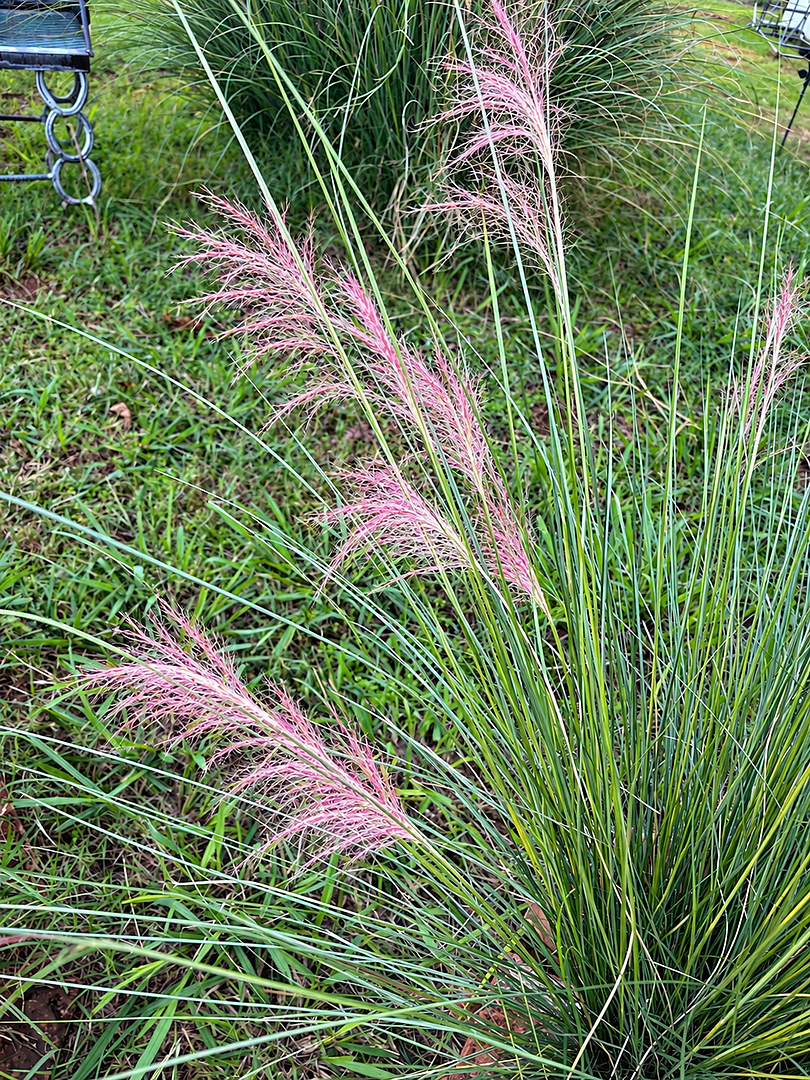
There’s an easy way to tell monocots and dicots apart without waiting for a seedling: look at the leaves. Monocot leaves have veins that run side by side in parallel lines, like you’d see on a blade of grass. Dicot leaves have a net-like pattern, with a central vein and smaller veins branching off it. Grasses, lilies, orchids, and palms are monocots, while most trees, shrubs, and flowering perennials are dicots. It’s a handy rule of thumb, though a few plants break it.
Orders and Families
Below class, plants are grouped into orders, and orders are divided into families. Order names usually end in “-ales,” like Sapindales, the order that includes maples.
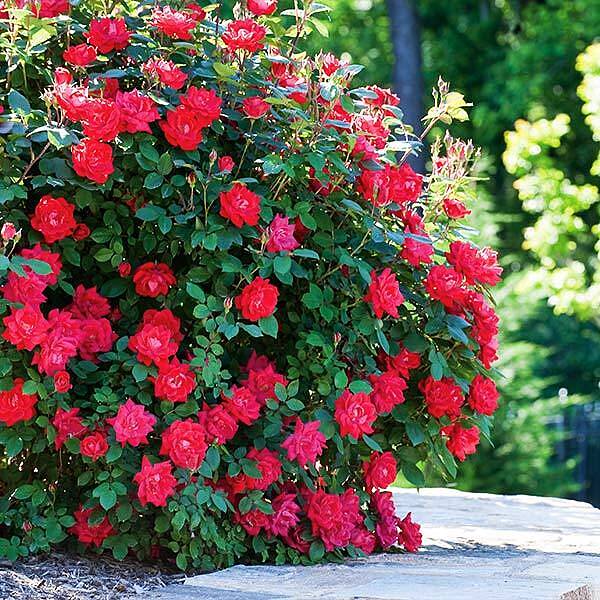
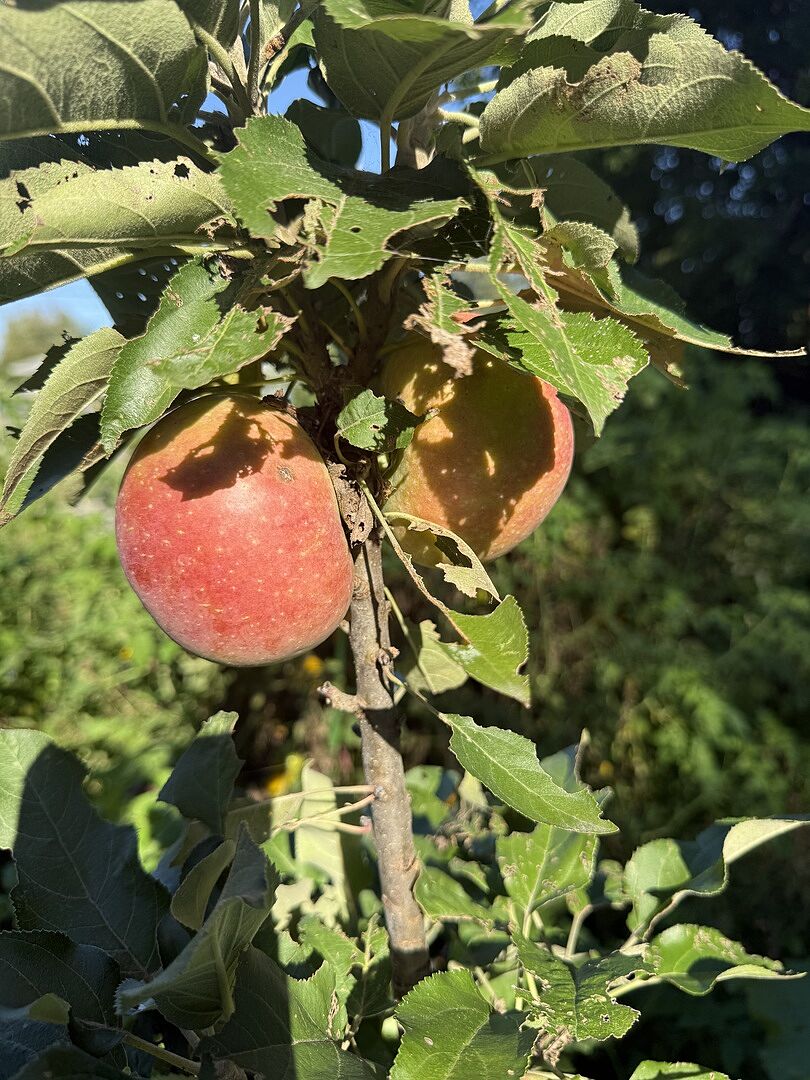
Family is the level most gardeners run into, because plants in the same family share many botanical features. Family names usually end in “-aceae.” The rose family (Rosaceae), for example, includes apples, cherries, peaches, and pears, which is why they have so much in common. Family is also the highest level people typically mention when describing a plant.
Scientists also add in-between levels, such as subclass, subfamily, and tribe, when they need more detail. These follow the same pattern of set endings: subclasses end in “-idae,” subfamilies end in “-oideae,” and tribes end in “-eae.” Not every plant needs every sublevel.
Example: How a Japanese Maple Is Classified
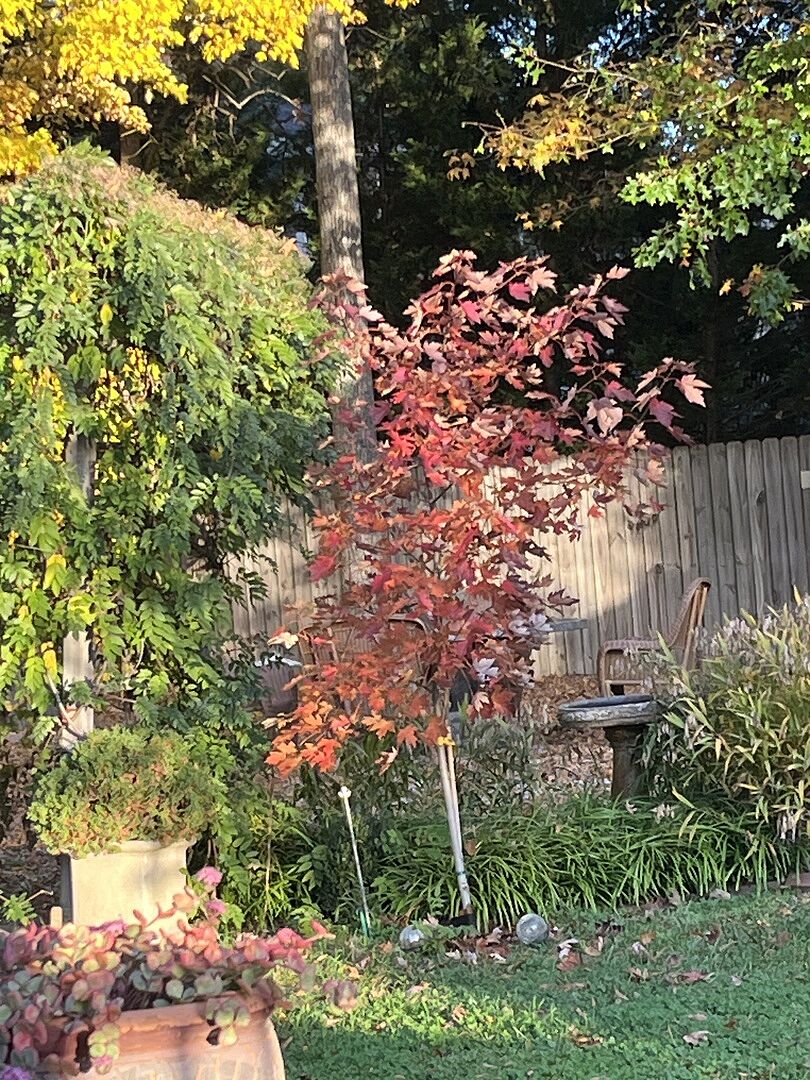
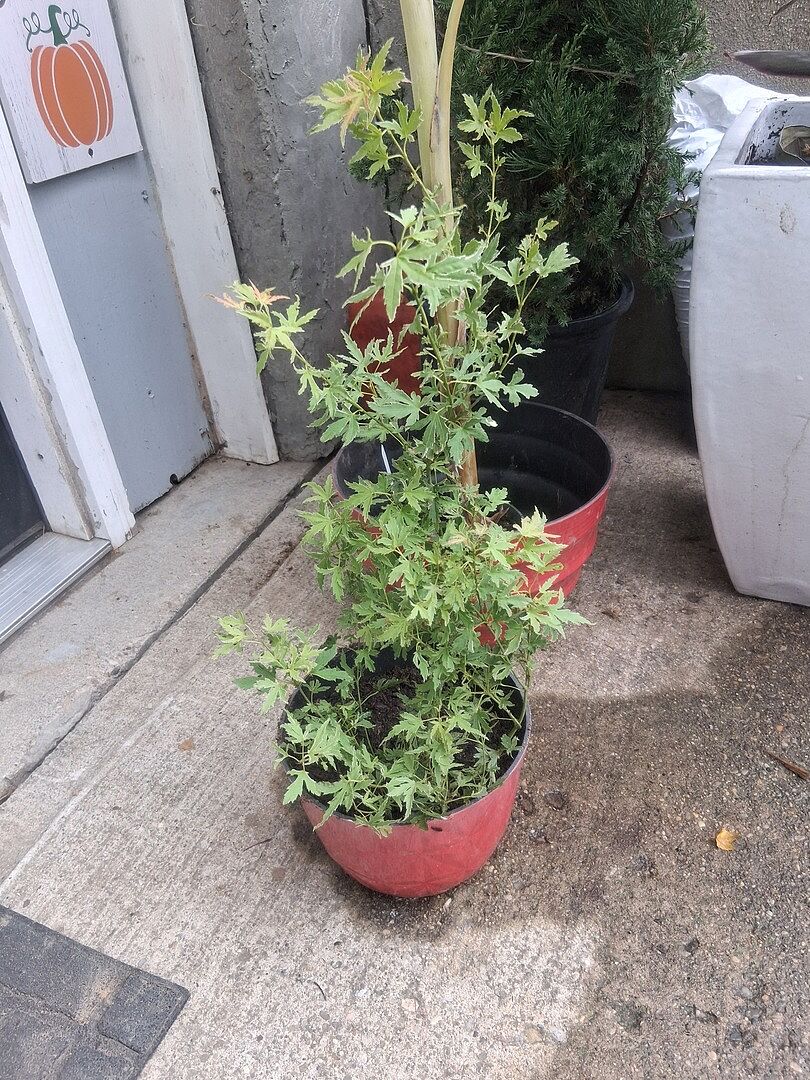
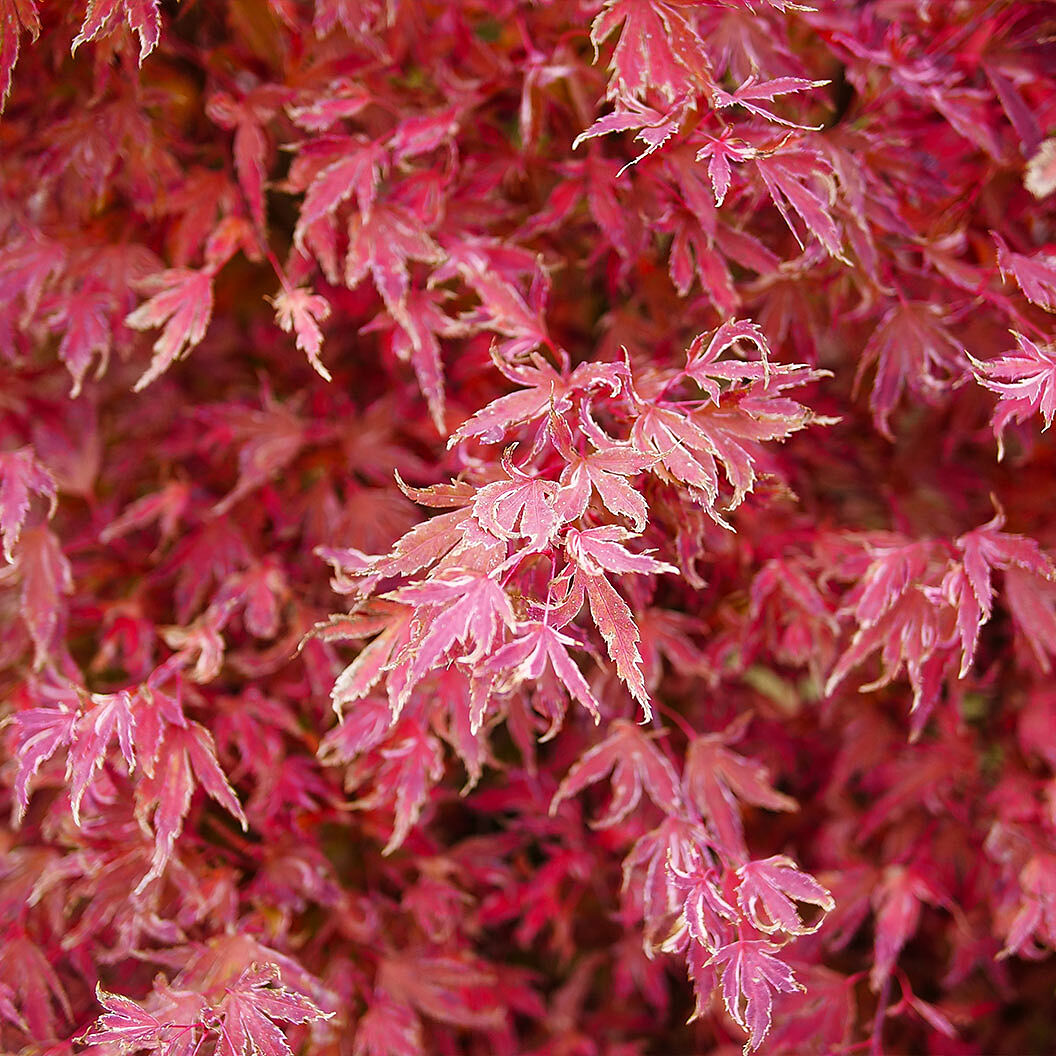
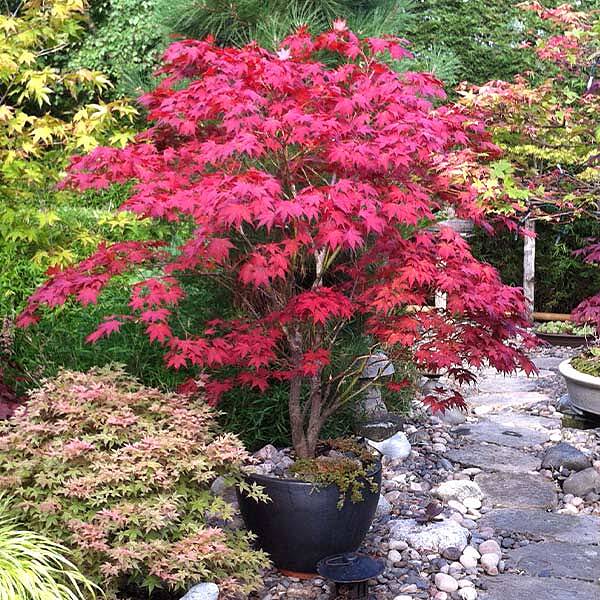
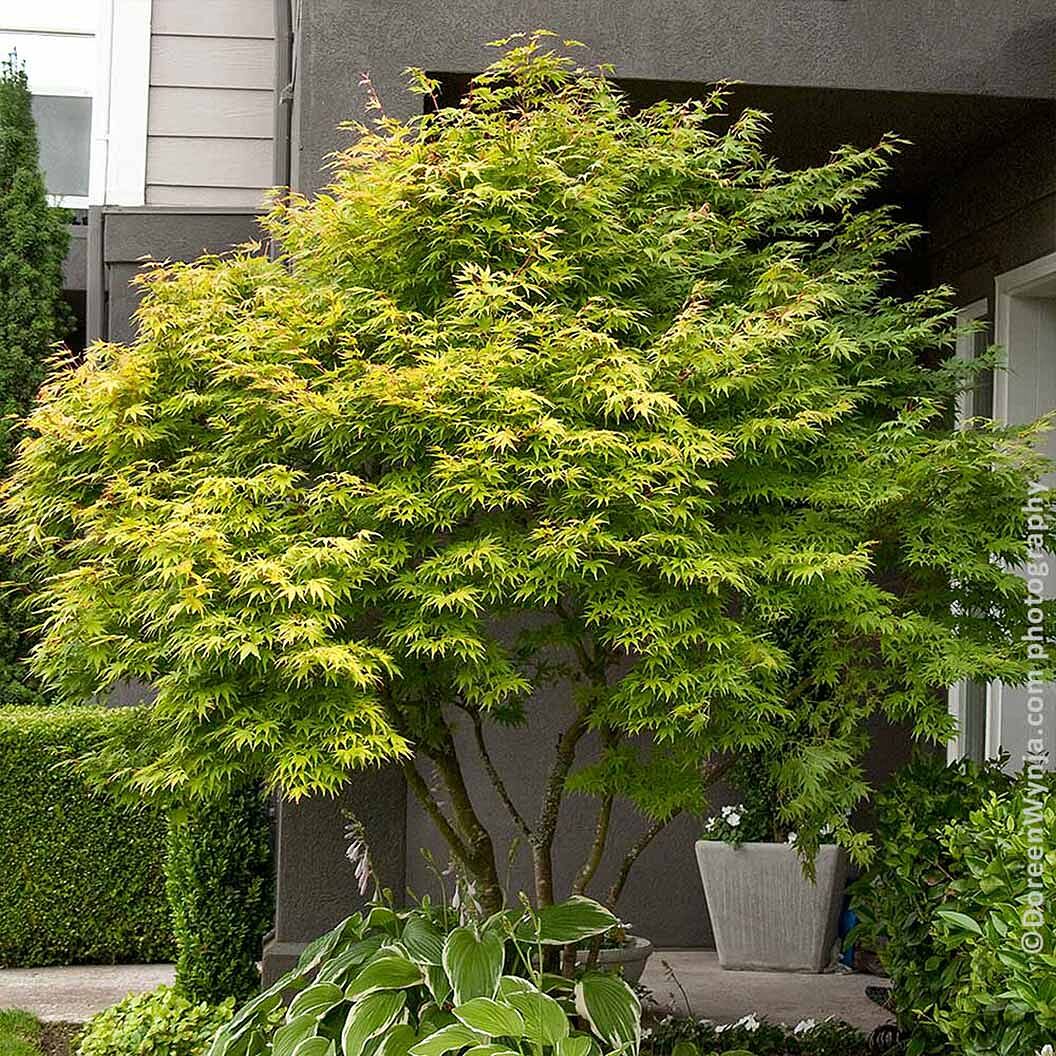
Here’s how those levels come together for a plant you may already know, the Japanese maple (Acer palmatum):
|
Kingdom |
Plantae (plants) |
|
Phylum |
Anthophyta (flowering plants) |
|
Class |
Magnoliopsida (dicots) |
|
Order |
Sapindales |
|
Family |
Sapindaceae (soapberry family) |
|
Genus |
Acer (maples) |
|
Species |
Acer palmatum (Japanese maple) |
Classification keeps evolving, too. Maples used to have their own family, Aceraceae, until DNA studies placed them in the soapberry family, Sapindaceae.
Why Scientific Classification Matters
At each level of this scientific classification system, certain characteristics are used to group similar plants. As you move deeper into the classification system from kingdom to phylum to class to order to family to genus to species, those characteristics get more and more specific. This classification system is useful when attempting to identify an unknown plant or trying to understand characteristics and problems of a given plant. It can also be helpful in determining plants which might be suitable for grafting or for breeding together to create a new hybrid.
Scientific Names for Plants
Carolus Linnaeus changed the way plants were named when he published Species Plantarum in 1753. Rather than naming plants using long, Latin names with many words to describe various aspects of the plant, he shortened the names of plants to just two words like a person’s last and first name. The genus is listed first and identifies a group to which the plant belongs, like a person’s last name identifies a family to which they belong. The specific epithet follows the genus to identify the specific plant in the genus, like a person’s first name identifies the specific family member. Together, the genus plus specific epithet identify a species of plant. This naming strategy is called the Latin system of binomial nomenclature.
What “sp.” and “spp.” Mean
Sometimes a genus is followed by “sp.” which represents a singular species within that genus or a singular species whose specific epithet is not known. References are also sometimes made to a genus followed by “spp.” That is an abbreviation for the plural form of species and used to refer to all species in that genus.
How to Write a Scientific Name
Scientific names should always be italicized or underlined in written documents. The genus names should be capitalized while the specific epithets should always be lower case, as in Acer palmatum (Japanese maple).
Cultivars
Plants can have a third name called the cultivar . Cultivar is short for “cultivated variety”. These cultivars differ from the species typically in some characteristic, like the color of the flower, color of the leaves or height of the plant. They are almost always the result of cultivation (propagated through vegetative cuttings instead of seeds) and rarely occur in nature. They are not true-to-seed, meaning their seeds are not guaranteed to yield a plant with the same characteristics as the cultivar from which it comes. Cultivar names should be enclosed with single quotes and the first letter of each word capitalized, like Latingenus latinspecies ‘Cultivar Name’. An example is Acer palmatum 'Tamukeyama', or the Tamukeyama Japanese Maple Tree.
Hybrids
Other plants may have an “x” between the Genus and specific epithet indicating that the species is a hybrid created by crossing two species in the same genus. For example, Latingenus x latinspeciesnew indicates that the new latinspeciesnew species was created by cross breeding two other species from the Latingenus genus.
Varieties
Some plants have a third Latin name preceded by “var.” like Latingenus latinspecies var. latinvarietym, which indicates a variety. Varieties are true-to-seed meaning that (unlike cultivars), plants grown from seeds of the variety will inherit and retain the unique characteristic that makes that variety different from the species.
Trademarked Marketing Names
Some plants may also have a trademarked marketing name like MytrademarkednameTM. This can sometimes be confused with a cultivar name, though the marketing name is not part of the scientific name of the plant.
Scientific Names vs. Common Names
Though Latin names can be intimidating, they often offer various clues about the plant being named such as its geographic origin, shape, size, color, and more. But sometimes they can mislead.
It should be noted that a plant may have several common names that may differ depending on geographic region. Multiple plants may share the same common name, and they may or may not be related. What is constant is that a plant will have a single scientific name.
Putting Plant Classification to Work in Your Yard
Plant classification isn't just for botanists. A plant's life cycle tells you whether it will come back next year, its leaf retention shows what your yard will look like in winter, and its hardiness tells you whether it will survive your climate at all. The botanical name on each Trees.com product page also confirms exactly which plant you're getting, even when common names overlap. Browse our full collection of trees and plants to find your next addition, and if you're not sure which one fits your yard, our Plant Experts are happy to help.
Written by
Abby Healy
Abby is an avid plant lover and the Director of Content at Trees.com. She grew up in Maine, graduated from Davidson College, and now resides in Charlotte, North Carolina with her husband and two dogs. Her previous roles include leading content teams at Red Ventures, a large digital media company, and launching the content and marketing functions at an ecommerce analytics start-up.
While her indoor plant collection is always growing, she also loves landscaping tips and learning more about plant care and maintenance. Her favorite plants are Japanese maples, roses of all kinds, and unique house plants.