Types of Bamboo Plants: Varieties That Aren’t Invasive

Last updated: Mar 31 2022

Key takeaways
Bamboo can be invasive, but not every type of bamboo spreads aggressively. Running bamboo spreads through underground rhizomes, while non-invasive clumping bamboo grows in a tighter cluster, making it easier to manage in home gardens.
Clumping bamboo is a strong choice for privacy screens, hedges, containers, and decorative landscapes. It offers dense evergreen foliage, upright canes, and a lush look without the same spread concerns as running bamboo.
The best bamboo plant for your garden depends on your climate, available space, sunlight, and goal. Choose cold-hardy bamboo for cooler regions, taller varieties for privacy, and compact clumping bamboo for patios, containers, or smaller landscapes.
Most people already know that bamboo is a beautiful, exotic plant that comes in a variety of colors to brighten up the landscape. But let's dig a little deeper and explore its planting benefits and care instructions, as well as how to stop the spread of it.
Is Bamboo Invasive?
Bamboo is associated with being an invasive plant that can quickly take over an area. But not all types of bamboo are invasive. It’s actually extremely easy to care for and grows very well in containers as the perfect house plant.
What is Bamboo?
Bamboo is a fast-growing type of woody grass that's often mistaken for a tree. It's the largest member of the grass family and has hollow shoots that grow straight upwards and produce leaves. It’s considered to be one of the fastest-growing plants in the world, with some species of bamboo growing at a rate of 36 inches a day. Bamboo is often the go-to plant for something that is low-maintenance and fuss-free. It's perfect for beginners - indoors or outdoors. Plus, bamboo stalks also act as a great accent piece to add an explosion of color to any landscape.
Bamboo is a Grass, Not a Tree
Even though bamboo can grow tall like a tree, as mentioned, it is actually a type of grass. Many bamboo species develop strong, upright stems that look like woody trunks, but the plant grows differently from trees and shrubs. Instead of forming branches from a single trunk, bamboo sends up new shoots from its underground root system.
This fast-growing habit is part of what makes bamboo such a versatile landscape plant. Depending on the variety, bamboo can be used as a privacy screen, hedge, decorative accent, or container plant. Some types stay compact and easy to maintain, while others grow into giant bamboo with a lush canopy and a bold tropical look.
Because bamboo is evergreen in many climates, it can bring structure, movement, and foliage to the garden throughout the year.
Bamboo Culms, Canes, Stems, Nodes, and Shoots Explained
Bamboo has a few plant parts that make it distinctive. Once you know what they mean, it becomes easier to understand how bamboo grows and how to care for it.
- Culm: The main upright stem of a bamboo plant. This is the tall, cane-like part most people notice first.
- Cane: Another common name for a bamboo culm.
- Stem: A general term used to describe the upright growth of the plant.
- Node: The raised ring or joint along each culm. Branches and leaves often grow from these points.
- Shoot: New bamboo growth that emerges from the ground before developing into a mature culm.
- Rhizome: The underground growth system that helps bamboo spread or form a clump, depending on the type of bamboo.
Clumping bamboo produces new culms close to the original plant, creating a tight cluster. Running bamboo sends rhizomes farther from the parent plant, which is why it can become invasive without proper control.

Why Should You Plant Bamboo?
Different Types of Bamboo
There are over 1,000 different types. Bamboo comes in a variety of different colors, with stalks ranging from blacks and goldens to light and dark greens.
A few varieties, like Multiplex Bamboo, have a growth rate of 10 or more feet per year and with the ability to spring up as a privacy fence in the blink of an eye.
Privacy Fence
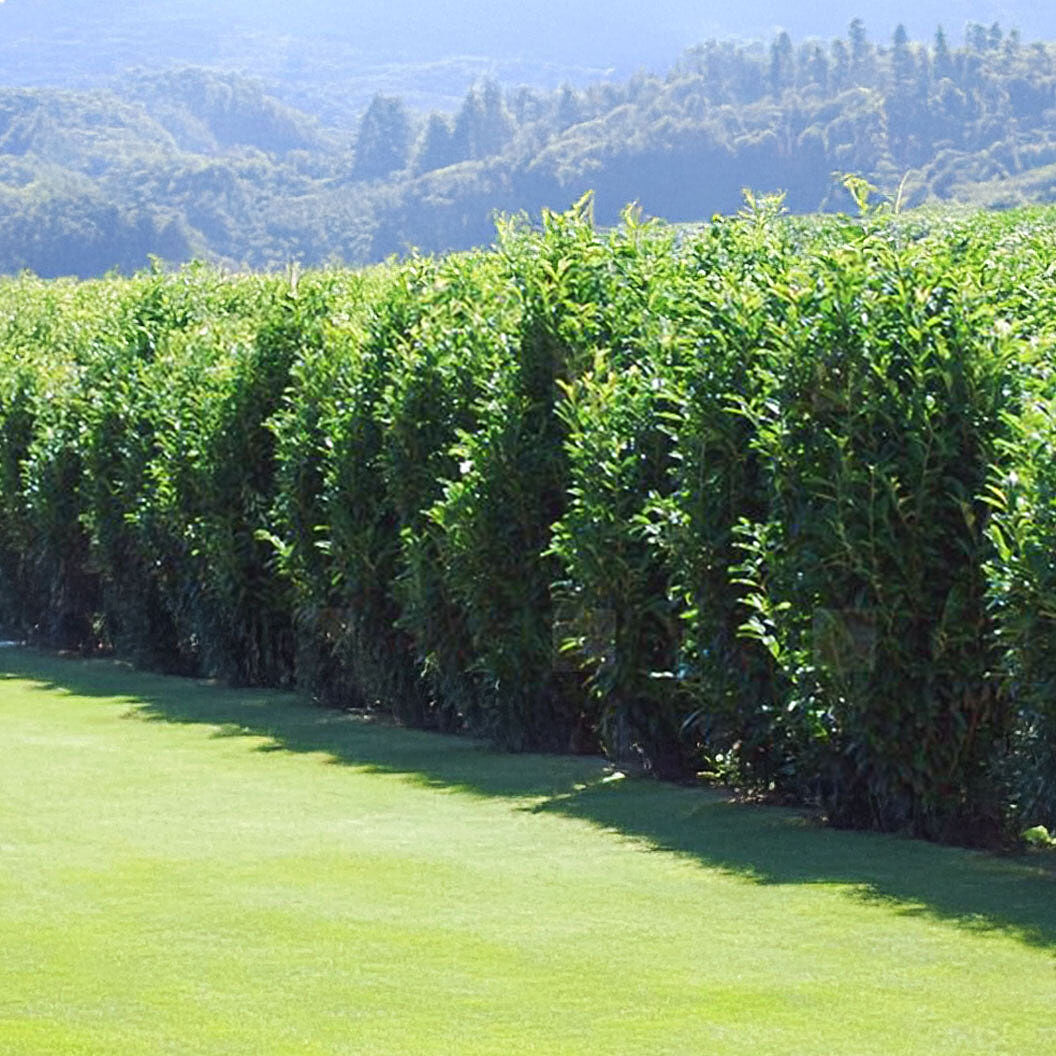
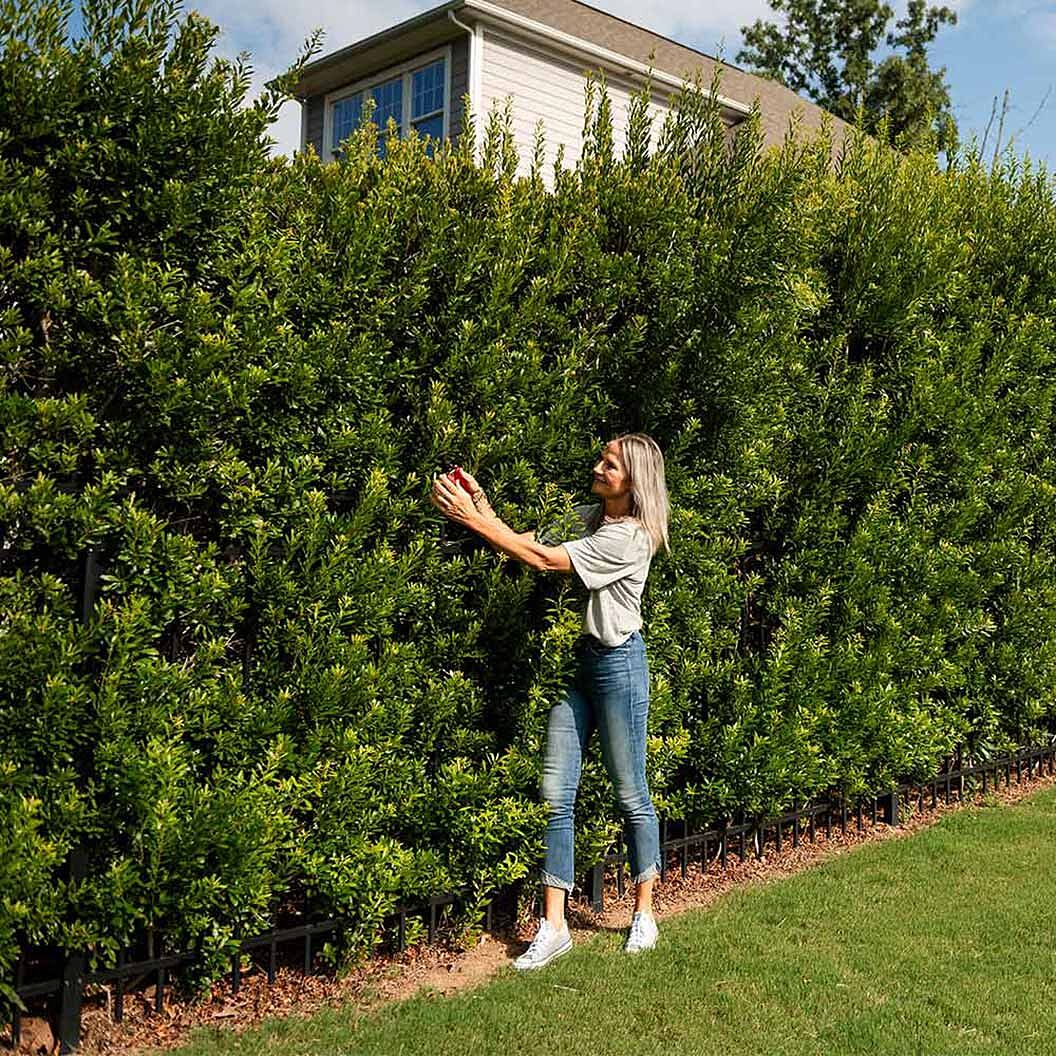
If planted in rows, bamboo makes for an attractive privacy hedge that can easily be kept at a certain height. You don’t have to worry about hurting your bamboo if you prune it to keep it at your desired height because it’s quick to regenerate.
Eco-Friendly
Bamboo can also benefit the ecosystem. When planted in groups, bamboo prevents soil erosion on slopes and hills. The plant’s regenerative properties make it an eco-friendly resource for paper, food, furniture, homes and more.
Indoor and Outdoor Plants
If you have limited space or have the desire to bring bamboo inside your home, don’t hesitate! Simply place it in a container. Potted bamboo looks excellent on porches, patios and as indoor decor. Not only will bamboo in containers flourish in low-light conditions inside, but it'll also bring fresh air, peace, and luck.
Best Non-Invasive Clumping Bamboo Varieties for Your Garden
Not every type of bamboo behaves the same way in the garden. Some bamboo species spread quickly through underground rhizome systems, while others stay in a more manageable clump. If you want bamboo to grow as a privacy screen, hedge, or decorative landscape plant without the worry of aggressive sprawl, non-invasive clumping bamboo is usually the better choice.
Clumping bamboo plants grow in a tight cluster, with new culms emerging close to the main plant instead of spreading far across the yard. This makes them easier to maintain than running bamboo and a good fit for gardeners who want lush foliage, upright stems, and a dense evergreen look without constant control work.
When choosing bamboo to grow, consider:
- Climate: Some varieties are tropical, while others are cold-hardy or better suited for temperate regions.
- Height: Bamboo can range from a short hedge to giant bamboo that reaches 40 feet tall or more.
- Purpose: Some bamboo types are best for privacy, while others work well as decorative accents, container plants, or slope stabilizers.
- Space: Even clumping bamboo needs room to mature, so check the expected height and width before planting.
Hardy Clumping Bamboo For Cooler Climates
Hardy clumping bamboo is a great option if you want bamboo’s graceful look but live in a cooler climate. These varieties are generally better suited to temperate gardens and can handle colder conditions than many tropical bamboo species.
A cold-hardy bamboo plant can bring year-round structure to the landscape, especially when used as a screen, hedge, or upright focal point. The evergreen foliage helps soften fences, block views, and add movement to the garden even when other plants are dormant.
Hardy bamboo is especially useful for gardeners who want a low-maintenance plant with a clean, natural look. Once established in fertile, well-drained soil with consistent water, many clumping types are easy to maintain and can thrive with basic seasonal care.
Giant Timber Bamboo For Tall Privacy Screens
If privacy is your main goal, giant timber bamboo can create a tall, dense screen with a bold tropical feel. This type of bamboo is known for its impressive height, strong culm structure, and lush canopy. In the right climate, mature plants can grow quickly and create natural coverage where you want separation from neighbors, roads, or open views.
Giant bamboo and timber bamboo varieties are best for larger spaces because they need room to grow tall and wide. Some can reach around 40 feet tall or more, depending on the species, climate, and growing conditions.
Use giant timber bamboo when you want:
- A tall privacy screen
- A dramatic landscape feature
- Dense evergreen foliage
- A tropical or Asian-inspired garden style
- A vigorous plant for larger yards
For smaller spaces, a compact clumping bamboo or container planting may be a better choice.
Black Bamboo, Golden Bamboo, And Decorative Bamboo Types
Some bamboo varieties are grown as much for their distinctive look as their practical use. Black bamboo is known for its dark canes, which create a striking contrast against green foliage. Golden bamboo has bright, warm-toned stems that can stand out in the landscape. Rare bamboo varieties may offer unique culm color, leaf shape, branch structure, or growth habit.
However, always check whether a decorative bamboo variety is clumping or running before you plant it. Some well-known ornamental types, including certain forms of black bamboo and golden bamboo, can spread more aggressively if they are running bamboo. If your goal is a non-invasive clumping bamboo, choose the species carefully and follow the plant’s care guidance.
Decorative bamboo works well in:
- Patio containers
- Asian-inspired gardens
- Entryway plantings
- Privacy hedges
- Mixed evergreen borders
- Modern landscape designs
A beautiful bamboo plant can be versatile, but the right variety makes all the difference.

How to Choose the Right Bamboo for Your Climate, Space, and Landscape
The best bamboo to plant depends on where you live, how much room you have, and how you want the plant to function in your garden. Some bamboo grows best in tropical regions, while other varieties are more cold-hardy. Some prefer full sun, while others can handle part shade. Some grow into tall privacy screens, while others stay compact enough for a short hedge or container planting.
Before you browse bamboo varieties, think about the role you want the plant to play. Are you looking for privacy? A decorative focal point? A low-maintenance evergreen screen? A slope-friendly plant that may help with erosion? Once you know your goal, it’s much easier to choose the right type of bamboo.
A simple way to narrow your choice:
- For privacy: Choose a dense, upright clumping bamboo with enough mature height.
- For containers: Choose a smaller clumping bamboo that stays manageable.
- For cold regions: Look for hardy clumping bamboo or cold-hardy varieties.
- For tropical style: Choose a lush bamboo species with bold foliage and tall culms.
- For easy care: Avoid invasive running bamboo unless you are prepared to manage rhizome spread.
Best Bamboo For Full Sun, Shade, And Moist Soil
Most bamboo plants grow best with plenty of sunlight, consistent water, and fertile soil. Many varieties thrive in full sun, especially when they receive enough moisture during hot weather. Others can tolerate part shade, which may be helpful in warmer climates or smaller garden spaces with filtered light.
For best results, plant bamboo in soil that stays moist but drains well. Bamboo likes water, but it does not want to sit in soggy ground for long periods. A healthy root system supports strong new culms, better foliage, and a fuller canopy.
Helpful planting tips:
- Choose full sun for faster growth and denser screening.
- Choose part shade in hotter areas where afternoon sunlight may be intense.
- Keep soil moist, especially while the bamboo is getting established.
- Add mulch to help protect roots and retain soil moisture.
- Avoid planting in areas where water pools after rain.
Best Bamboo For Privacy Screens, Hedges, And Containers
Bamboo is one of the most useful garden plants for privacy because it can grow upright, dense, and evergreen. A clumping bamboo hedge can create a natural screen without the hard look of a fence. For a softer border, choose a variety with fine foliage and a graceful branch structure.
For privacy screens, look for bamboo with:
- Dense growth
- Upright culms
- Mature height that matches your privacy needs
- Evergreen foliage
- A clumping growth habit
For a short hedge, choose a smaller variety that can be pruned lightly to shape the plant. For container planting, select a bamboo plant that stays compact and grows well in pots. Containers are also helpful if you want bamboo on a patio, balcony, or near an entryway without giving it open garden space.
If you choose running bamboo for any purpose, use proper containment. Otherwise, the plant may become invasive over time.
What Bamboo Height And Growth Habit Mean For Your Yard
Bamboo height can vary widely by species. Some varieties stay compact, while others become tall landscape features. A bamboo listed at 6 to 10 feet tall may work well as a hedge or patio screen, while giant timber bamboo or other giant bamboo types may need much more space.
Growth habit matters just as much as height. Clumping bamboo grows from a central cluster, with each new shoot and culm appearing close to the original plant. Running bamboo spreads through long rhizomes and can move beyond its planting area if not controlled.
Before planting, ask:
- How tall will this bamboo grow when mature?
- Is it clumping bamboo or running bamboo?
- Will it fit the space without crowding nearby plants?
- Does it need full sun, shade, or a mix of both?
- Is it cold-hardy enough for my climate?
- Will it work better in the ground or in a container?
With the right variety, bamboo can be a lush, low-maintenance, and versatile addition to the landscape. The key is choosing a bamboo plant that fits your space from the start, so it can grow beautifully without taking over.
How to Stop the Spread of Invasive Bamboo
Clumping vs. Running Bamboo
Running plants are the varieties that spread out over large areas. They have roots called rhizomes that spread out horizontally from the root system and produce new shoots. The rhizomes stay close to the surface and can be found about 10 to 12 inches below the soil line.
One way to stop running bamboo is to get a clumping variety. Clumping bamboo doesn’t send out rhizome roots. Instead of spreading out over several feet, they get a few inches wider. Clumping varieties tend to have a faster growing rate because they grow taller instead of spreading outwards.
There's a number of solutions when it comes to easily maintaining running varieties.
How to Control Running Bamboo
- You can plant running bamboo in a container to keep inside or out. To make a bamboo privacy fence, plant it in a long container or multiple containers side by side. It will still fill in to form a solid living wall.
- You can maintain it in the ground by mowing around the edges of its planting location. It won't harm the plant or the mower to ride over new shoots.
- Another option would be to dig a trench around your plant that's about 10 to 12 inches deep. The plant’s roots that spread stay close to the surface, and you’ll be able to see them poking through the sides of the trench. When you see them, cut them with a pair of hand pruners, loppers, or a sharp shovel.
- Another common solution would be to plant your bamboo in a raised planting bed that’s surrounded by walls or cement.
Why Running Bamboo Can Become Invasive
Running bamboo can become invasive because it spreads through long underground rhizomes. These rhizomes can travel away from the original plant and send up new shoots in unexpected areas of the garden. Without control, running bamboo may move into lawns, neighboring beds, fence lines, or nearby properties.
This does not mean every bamboo plant behaves the same way. The biggest difference is between running bamboo and clumping bamboo. Running bamboo spreads outward more aggressively, while clumping bamboo grows in a tighter cluster.
If you are worried about bamboo spread, always check the variety before planting. Knowing the type of bamboo from the start helps you avoid future maintenance problems.
How Rhizome Barriers Help Control Running Bamboo
A rhizome barrier is a physical barrier installed underground to help keep running bamboo in a specific area. It works by blocking or redirecting the underground rhizomes before they spread too far.
If you choose running bamboo, containment is important. A barrier should be installed deep enough and checked regularly to make sure rhizomes are not escaping over the top or around the edges.
Basic ways to manage running bamboo include:
- Install a proper rhizome barrier around the planting area.
- Inspect the edges regularly during the growing season.
- Remove unwanted shoots as soon as they appear.
- Prune and thin the plant to keep the grove manageable.
- Avoid planting running bamboo near property lines unless it is fully contained.
Running bamboo can be beautiful, but it needs more planning and upkeep than non-invasive clumping bamboo.
When to Choose Non-Invasive Clumping Bamboo Instead
For most home gardeners, non-invasive clumping bamboo is the easier and more reassuring choice. Clumping bamboo plants grow from a central base, with new culms emerging close to the parent plant. This creates a fuller clump without the same aggressive sprawl associated with running bamboo.
Choose non-invasive clumping bamboo if you want:
- A privacy screen that is easier to control
- A bamboo hedge for a smaller garden
- A container-friendly bamboo plant
- A tropical look without constant rhizome management
- A low-maintenance landscape plant
- A cleaner option near patios, fences, or walkways
Clumping bamboo still needs space to mature, but it is generally more predictable. That makes it a strong choice for gardeners who want bamboo’s beauty without worrying about invasive spread.
Bamboo Plant Care
Outdoor Bamboo Plants
To grow bamboo outdoors, plant in an area that receives full to partial sunlight. Bamboo will grow in a variety of different lighting conditions, but it grows the fastest in full sun. Keep in mind that young plants may need protection from the harsh summer heat if planted during the summer months.
Your plant will adapt to your natural soil, even if it’s sandy or heavy in clay, as long as it drains well. Make sure that your plant gets about an inch of water per week, either from rainfall or by hand. By adding a 3-inch layer of mulch around your plant, you’ll help the soil retain moisture and nutrients. And every year in early spring, give your plant a little well-balanced, organic fertilizer.
Potted Bamboo Plants
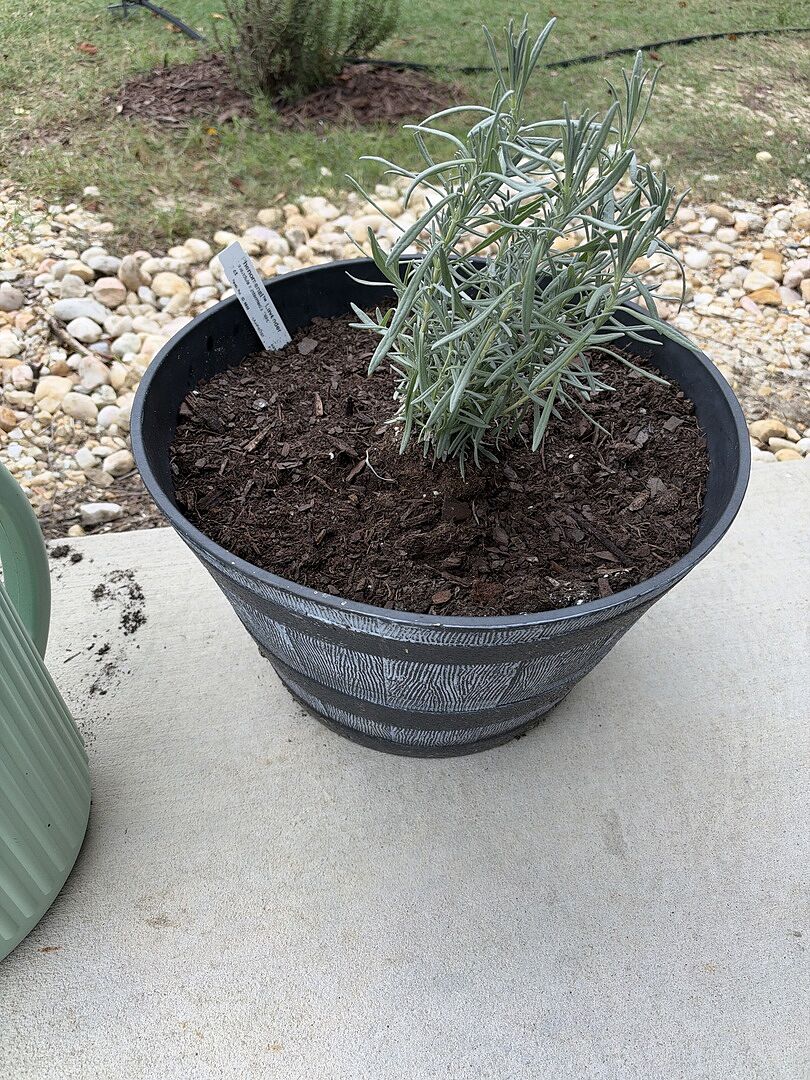
If you plan to keep your bamboo in a container, make sure it has drainage holes at the bottom. Water your potted plant until you see liquid draining from the bottom of the pot. Remember that potted plants will need water more often than those planted in the ground.
Bring your container plant indoors once the cold weather comes, or insulate the pots with mulch and wrap the container in an insulating material (like burlap).
How Much Sunlight Bamboo Needs
Most bamboo grows best with plenty of sunlight. Many varieties thrive in full sun, especially when they have consistent moisture and fertile soil. However, some bamboo species can also grow in part shade, which can be helpful in warmer climates or areas with intense afternoon sun.
As a general guide:
- Full sun: Best for faster growth, denser foliage, and strong privacy screens.
- Part shade: Helpful in hot regions or for varieties that prefer filtered light.
- Too much shade: May lead to thinner growth, fewer new culms, and a less dense screen.
Before planting, check the needs of your specific variety. A cold-hardy bamboo for a temperate climate may have different sunlight needs than a tropical bamboo grown in a warm region.
Watering Bamboo in the Ground vs. Containers
Bamboo likes consistent water, especially while it is getting established. In the ground, water deeply so moisture reaches the root zone. Once mature, many bamboo plants can handle short dry periods, but they will look better with steady moisture.
Container bamboo usually needs more frequent watering because pots dry out faster than garden soil. During hot weather, potted bamboo may need water more often to keep the foliage fresh and prevent stress.
Helpful watering tips:
- Keep soil moist but not soggy.
- Water deeply after planting to help roots settle.
- Add mulch around outdoor bamboo to hold moisture.
- Check container bamboo often during summer.
- Make sure pots have drainage holes.
- Reduce watering during cooler seasons when growth slows.
Good watering supports stronger stems, healthier leaves, and better new shoot development.
How to Prune Bamboo and Encourage New Culms
Pruning bamboo helps keep the plant clean, healthy, and shaped for your space. You do not need to prune heavily, but removing old or weak culms can improve airflow and encourage a fresher look.
To prune bamboo:
- Remove dead, damaged, or thin canes at ground level.
- Thin crowded culms to open the clump.
- Trim lower branches if you want to show off the stems.
- Cut back unwanted shoots early before they mature.
- Shape lightly, especially if using bamboo as a hedge or screen.
New culms usually emerge during the active growing season. To encourage healthy growth, give your bamboo enough sunlight, water, and fertile soil. Avoid cutting all new shoots, since those fresh culms help the plant fill in and create the dense, lush look bamboo is known for.
For more bamboo inspiration, check out our collection of bamboo!
FAQs
Should I plant bamboo for privacy?
Bamboo creates excellent privacy for your landscape. Planted in rows, it makes a dense hedge that can keep out unwanted noise or unsightly views, giving you the lush privacy you’re looking for.
What is a clumping bamboo?
Clumping bamboo has a shorter root structure and doesn’t send out rhizome roots like running bamboo does. Clumping varieties grow outward from a central plant and tend to have a faster growth rate because they grow taller instead of spreading widely.
What are the advantages of clumping bamboos?
Clumping bamboos are non-invasive and usually easier to control. They won’t spread out as widely as running varieties, which is preferred by many people.
Written by
Blair Brown
Blair is the Content Marketing Manager at Trees.com, and though she's not your traditional gardener, the planting world is definitely growing on her (pun intended!). She's enjoyed digging into plant care and maintenance and growing her plant collection, especially with exotic indoor varieties.