American Pillar Arborvitae vs Green Giant: A Comparison

Last updated: Sep 28 2026

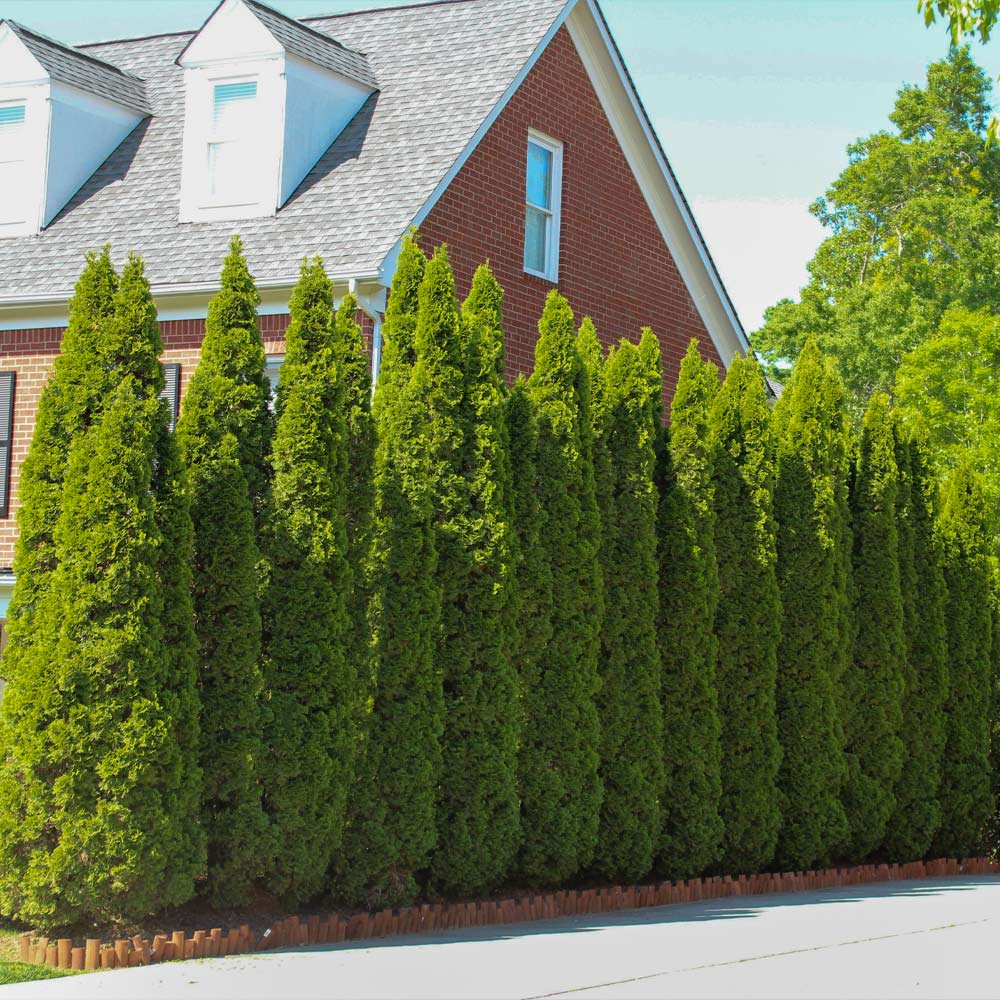
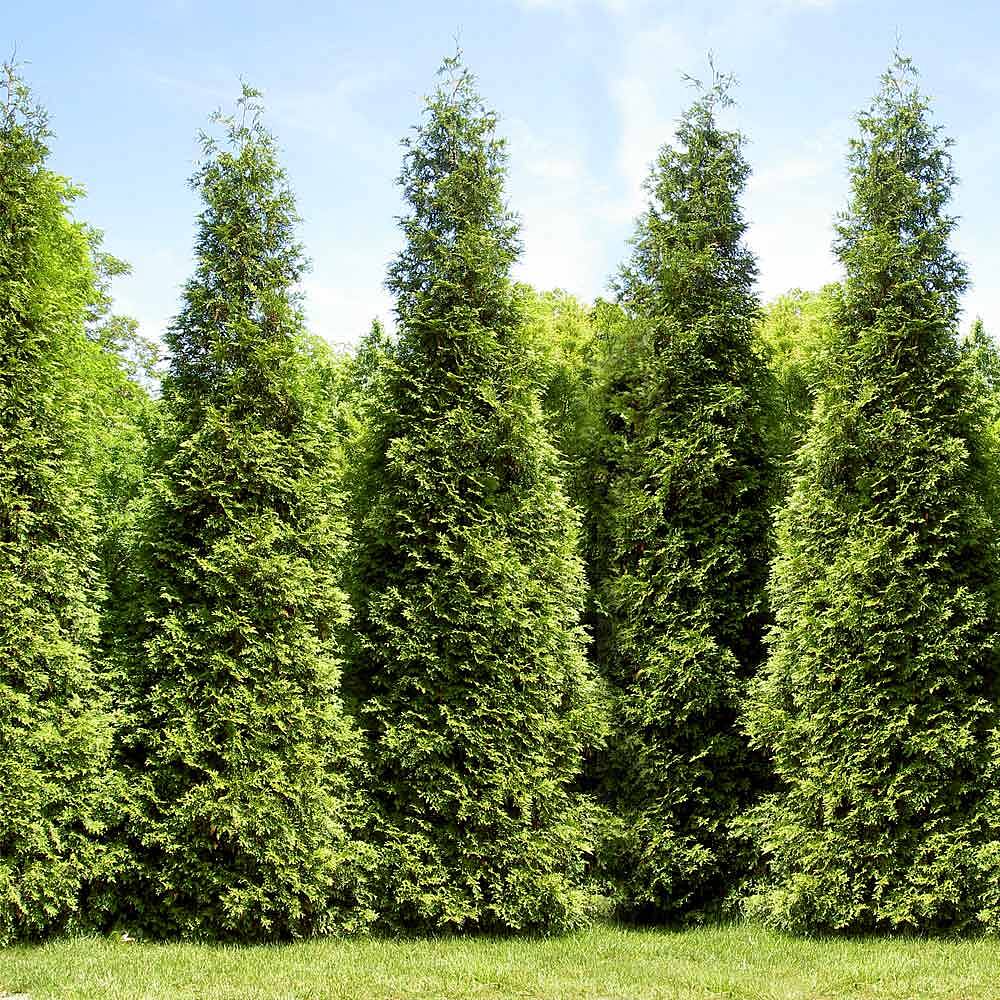
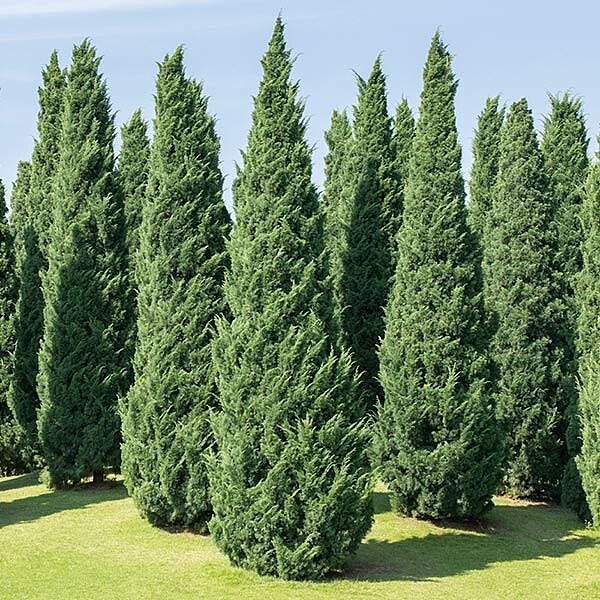
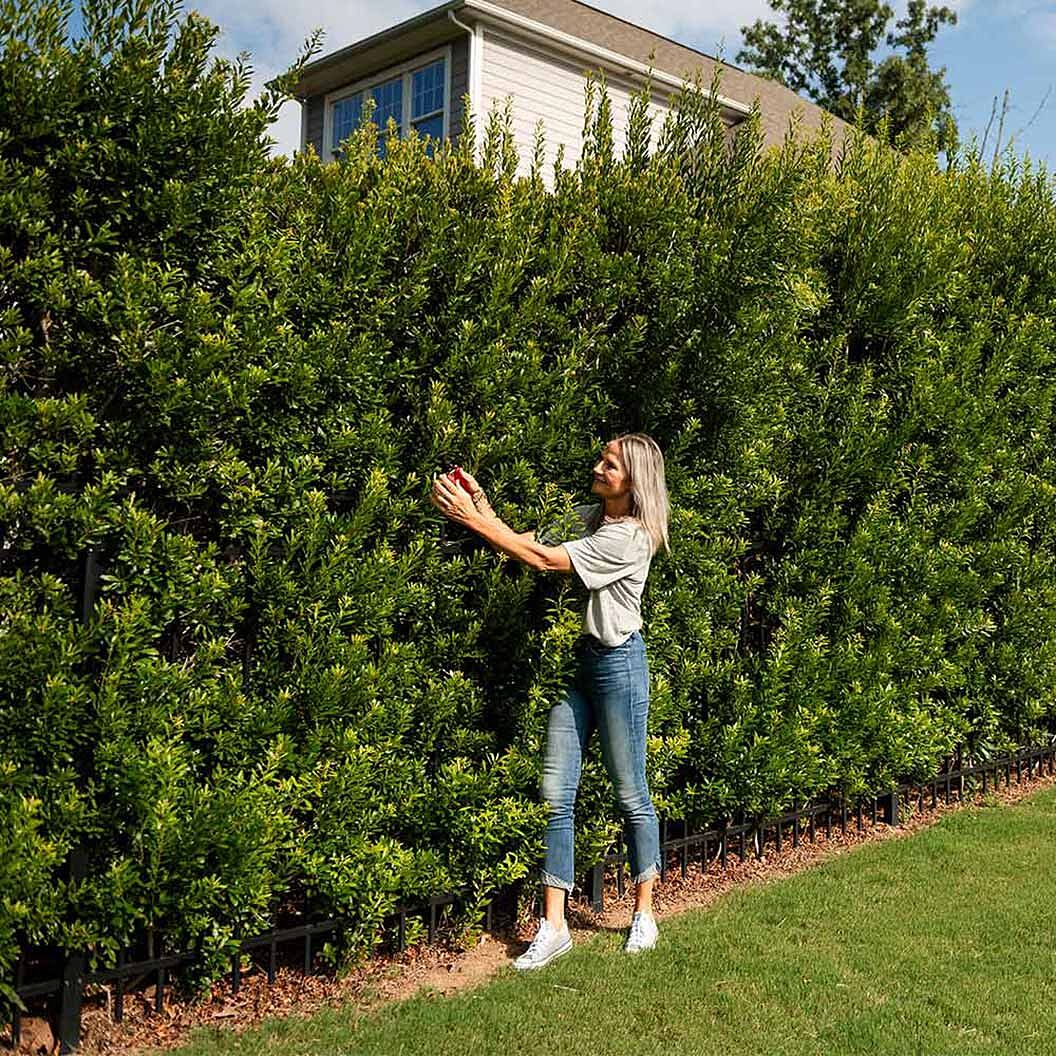
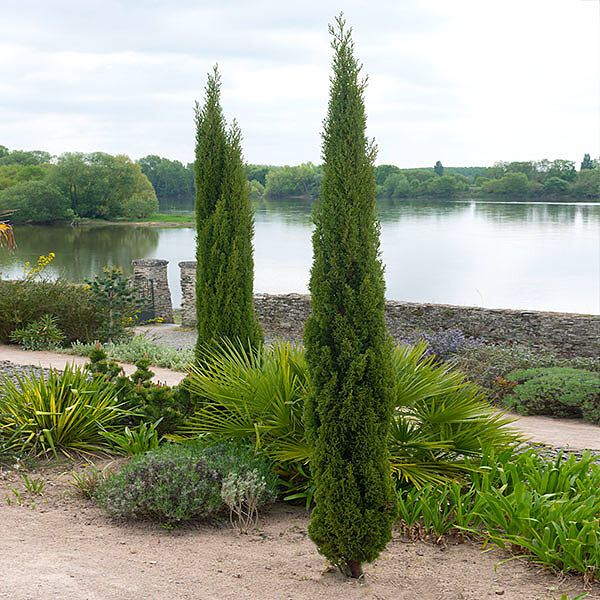
Line up an American Pillar Arborvitae and a Thuja Green Giant at the nursery and you'd be forgiven for mixing them up. Both are popular arborvitae varieties: fast-growing evergreens, both hold their color through winter, and both will screen your landscape yard years before a slower tree gets going.
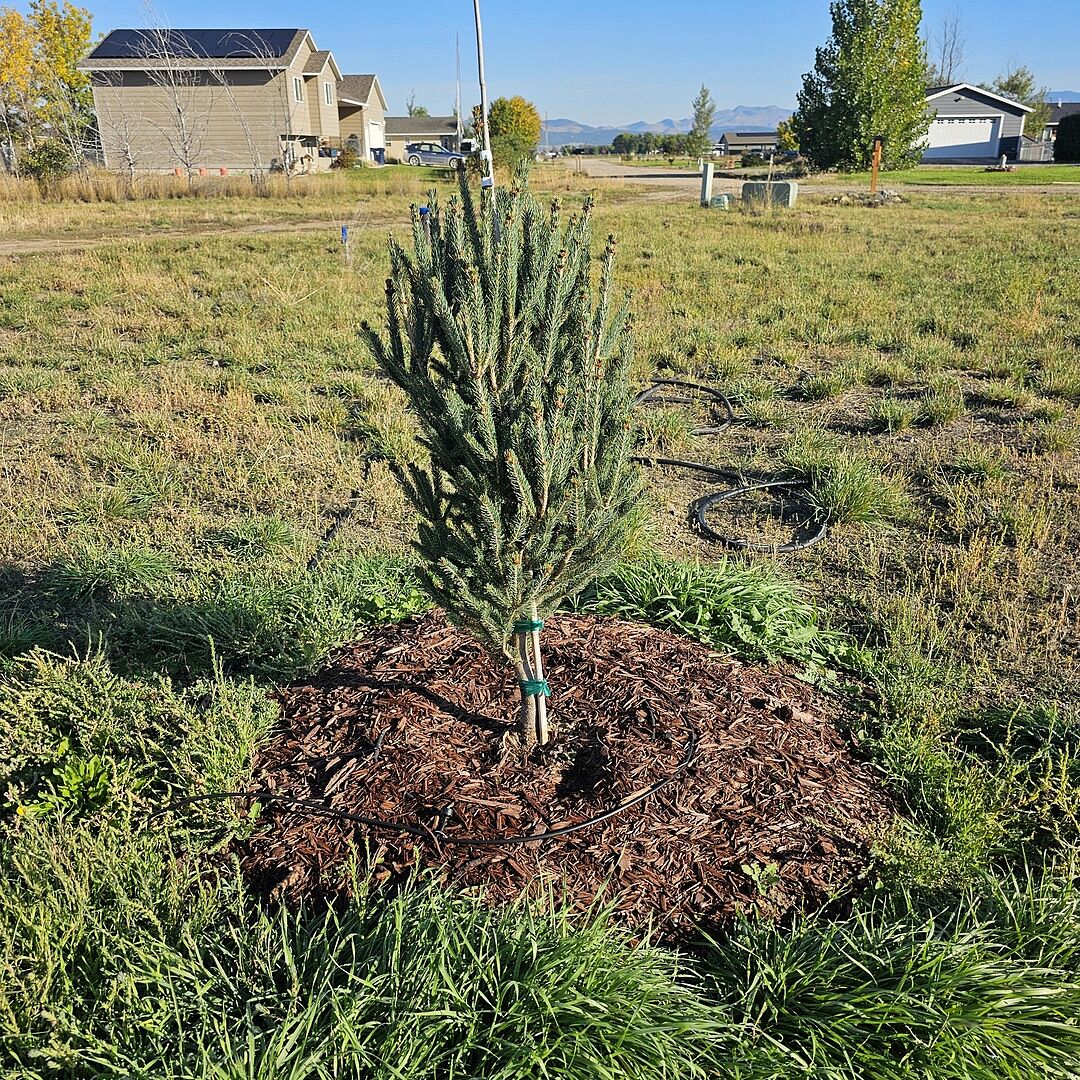
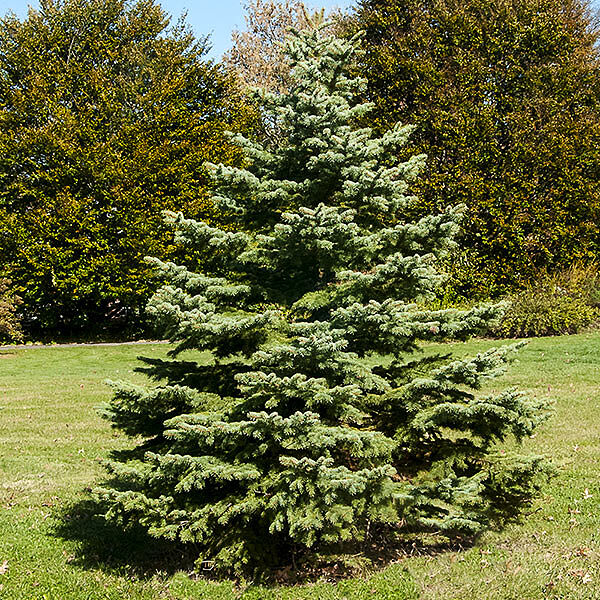
The biggest difference? Width. American Pillar holds a narrow 4-foot column, while Green Giant spreads to 12 to 15 feet. If your planting strip is tight or your winters drop below -10℉, American Pillar is your tree. If you have room to spare and want serious height, plant the Green Giant.
A quick guide to choosing your best fit
Both trees grow fast, so speed isn't what separates them. The better choice comes down to what matters most: available space, mature height, or cold hardiness.
- Choose American Pillar if your planting strip is under about 8 feet wide, or you garden in zones 3 or 4.
- Choose Green Giant if you have 12 to 15 feet of width and want a screen 30 to 50 feet tall.
American Pillar and Green Giant at a Glance
Here's how the two compare side by side.
|
Full Speed A Hedge® American Pillar Arborvitae |
Thuja Green Giant Arborvitae |
|
|---|---|---|
|
Botanical name |
Thuja occidentalis 'American Pillar' |
Thuja plicata x standishii 'Green Giant' |
|
Mature height |
25–30 ft. |
30–50 ft. |
|
Mature width |
4 ft. |
12–15 ft. |
|
Growth rate |
More than 3 ft. per year, and 3–5 ft. in ideal conditions once established |
3–5 ft. per year once established |
|
Growing zones |
3–8 outdoors |
5–8 outdoors |
|
Cold hardiness |
Hardy to Zone 3 (-40℉) |
Hardy to Zone 5 (-20℉) |
|
Sunlight |
Full sun to partial shade |
Full sun to partial shade |
|
Foliage |
Evergreen, less prone to winter bronzing |
Evergreen, less prone to winter bronzing |
|
Deer resistance |
Not deer resistant |
Not deer resistant |
|
Hedge spacing |
About 3 ft. apart, trunk to trunk |
5 ft. apart for 20–25 ft.; 8 ft. for 25–30 ft.; 10 ft. for 30–40 ft. |
|
Best use |
Narrow strips, property lines, pool screens |
Tall screens and windbreaks with room to spread |
Where the differences matter most
Once you know how these trees grow, four things will help make your decision: how wide they get, how tall they get, how much cold they can handle, and how many trees your project needs.
Mature width: how much room they need
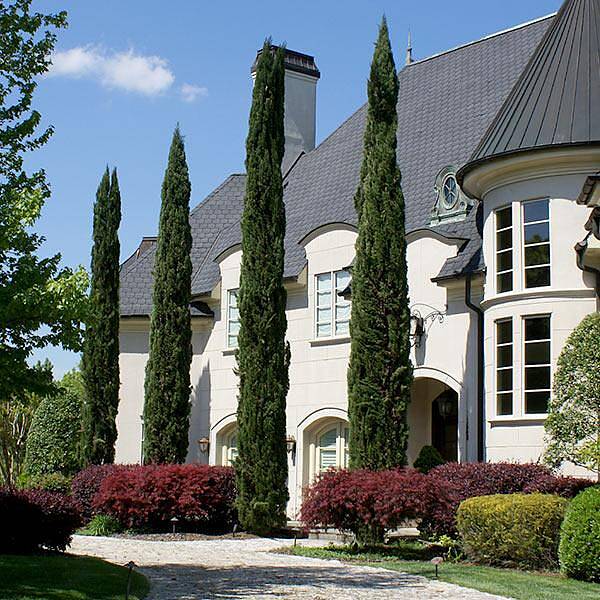
This is the biggest difference between the two, and it’s the distinction homeowners miss the most. American Pillar holds a narrow width of about 4 feet, staying compact across. Green Giant reaches 12 to 15 feet—roughly three to four times wider.
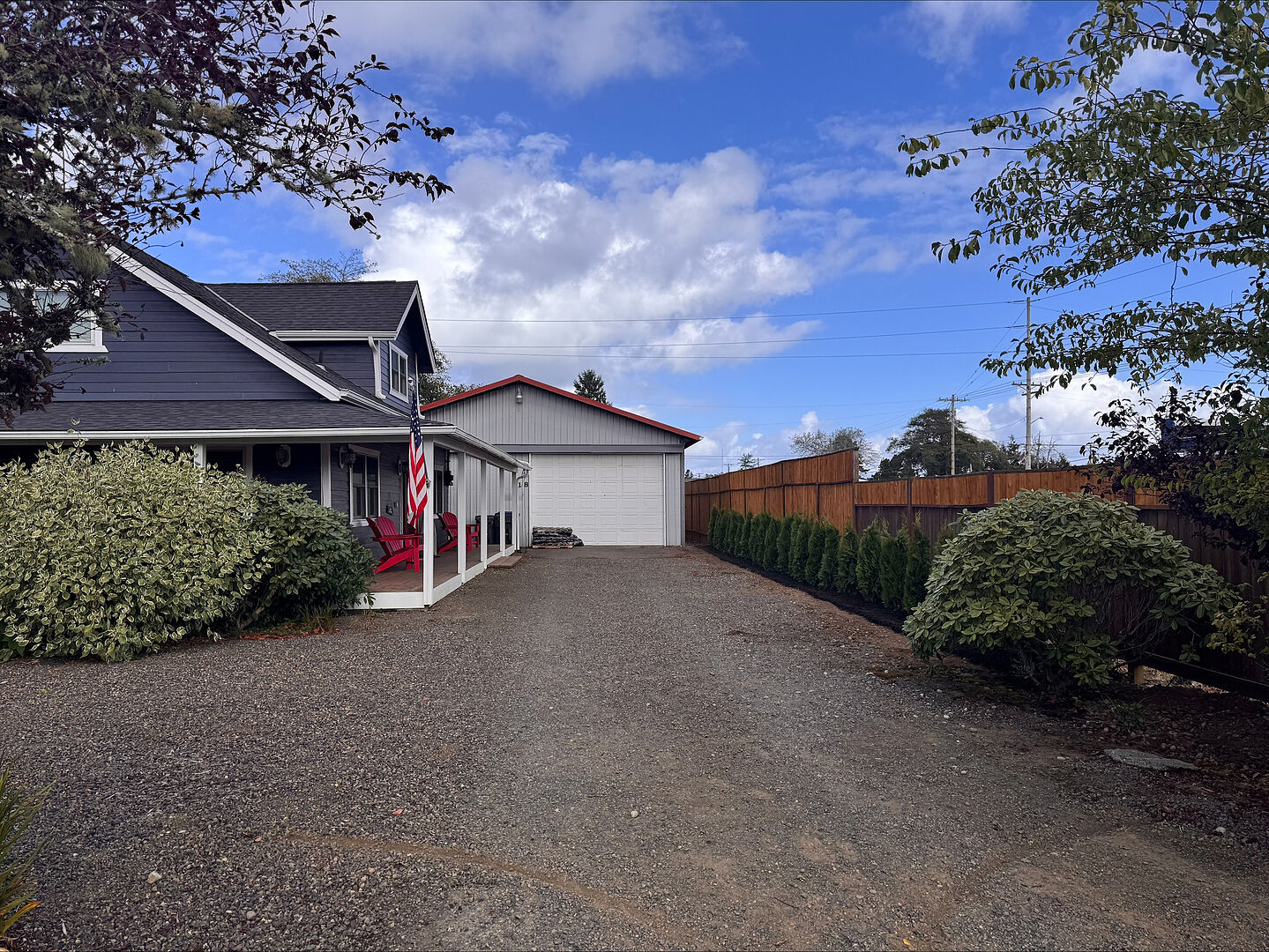
That gap shows up years later. A Green Giant planted 3 feet off your fence line will eventually press into the fence, lean over the property line, or crowd the driveway, and no amount of pruning will talk it out of its natural size.
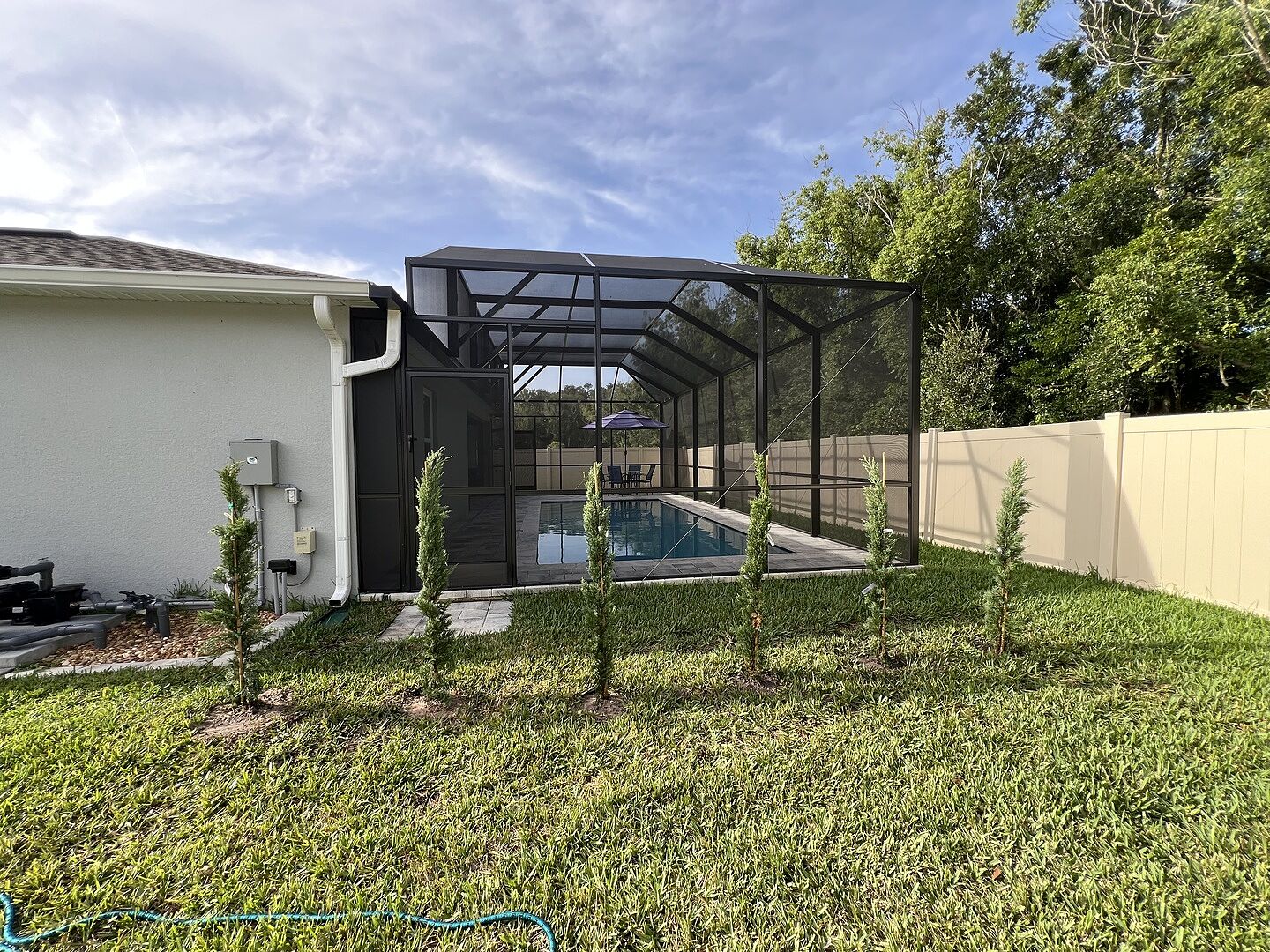
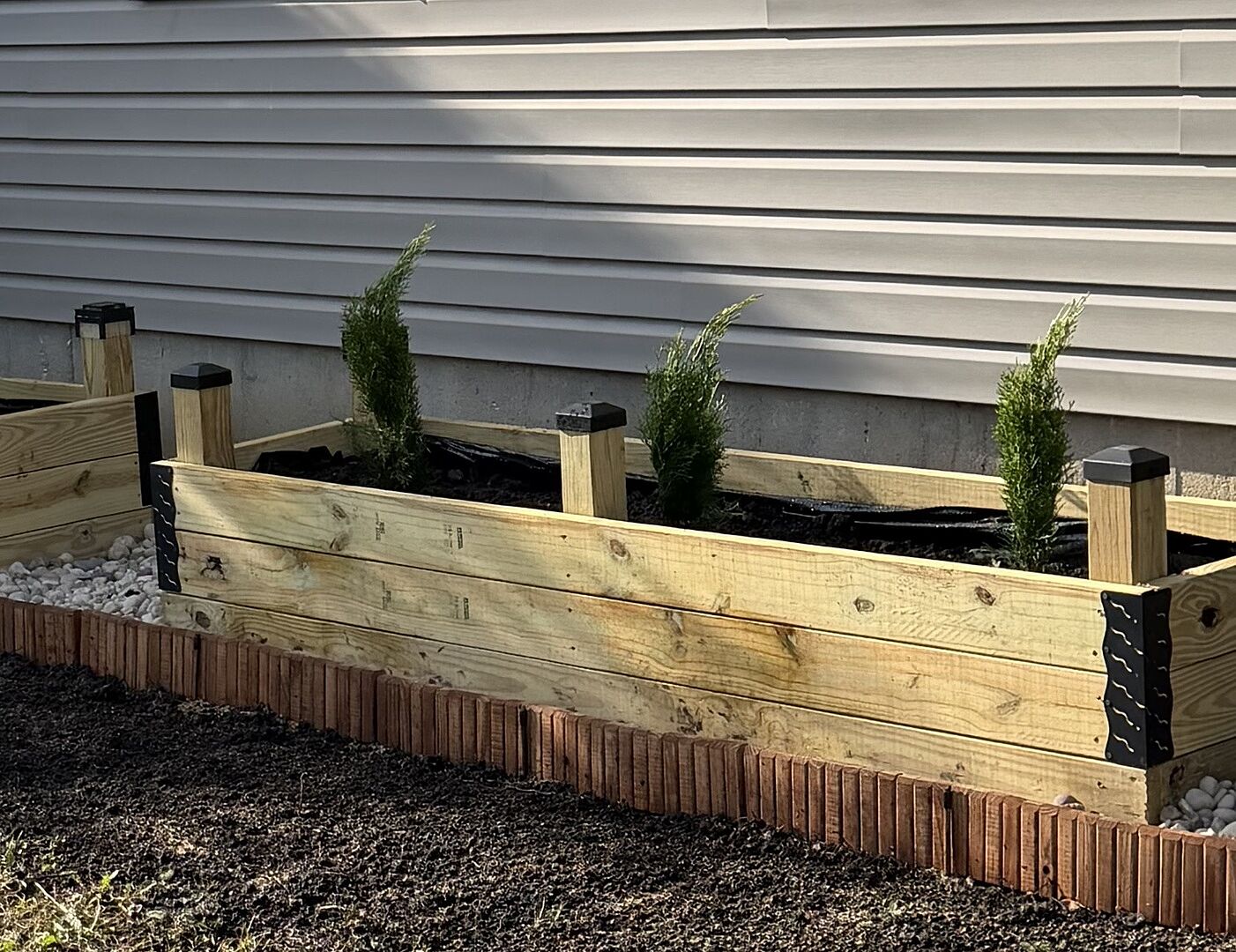
American Pillar was made for exactly these spots: side yards, property lines, pool screens, and the narrow strip between your house and your neighbor's.
Height and growth rate: how tall your screen will get
Both trees are fast growers, but Green Giant ultimately gets taller.
- Green Giant reaches 30 to 50 feet and grows 3 to 5 feet per year in ideal conditions once established.
- American Pillar reaches 25 to 30 feet and can grow more than 3 feet per year, with 3 to 5 feet possible in ideal conditions once established.
So growth rate isn't a major reason to choose one over the other. The bigger question is how tall you actually need your screen to be.
For most residential privacy screens, American Pillar provides plenty of height. Green Giant makes more sense when you have the space for a larger tree and want the extra height and mass.
Cold hardiness: what temps can they take
This is another major differentiator.
- American Pillar grows in zones 3 to 8 and takes temperatures all the way down to -40℉.
- Green Giant grows in zones 5 to 8 and is hardy to -20℉. That's a two-zone gap.
If you garden in zone 3 or 4, which covers the upper Midwest, northern New England, and much of the Mountain West, Green Giant falls outside its rated range and American Pillar becomes the clear pick. Look up your zone on the USDA Plant Hardiness Zone Map before you order anything.
Spacing: how many trees you need
A narrower tree means more trees in the row, but far less yard given up.
Say you're screening a 60-foot run:
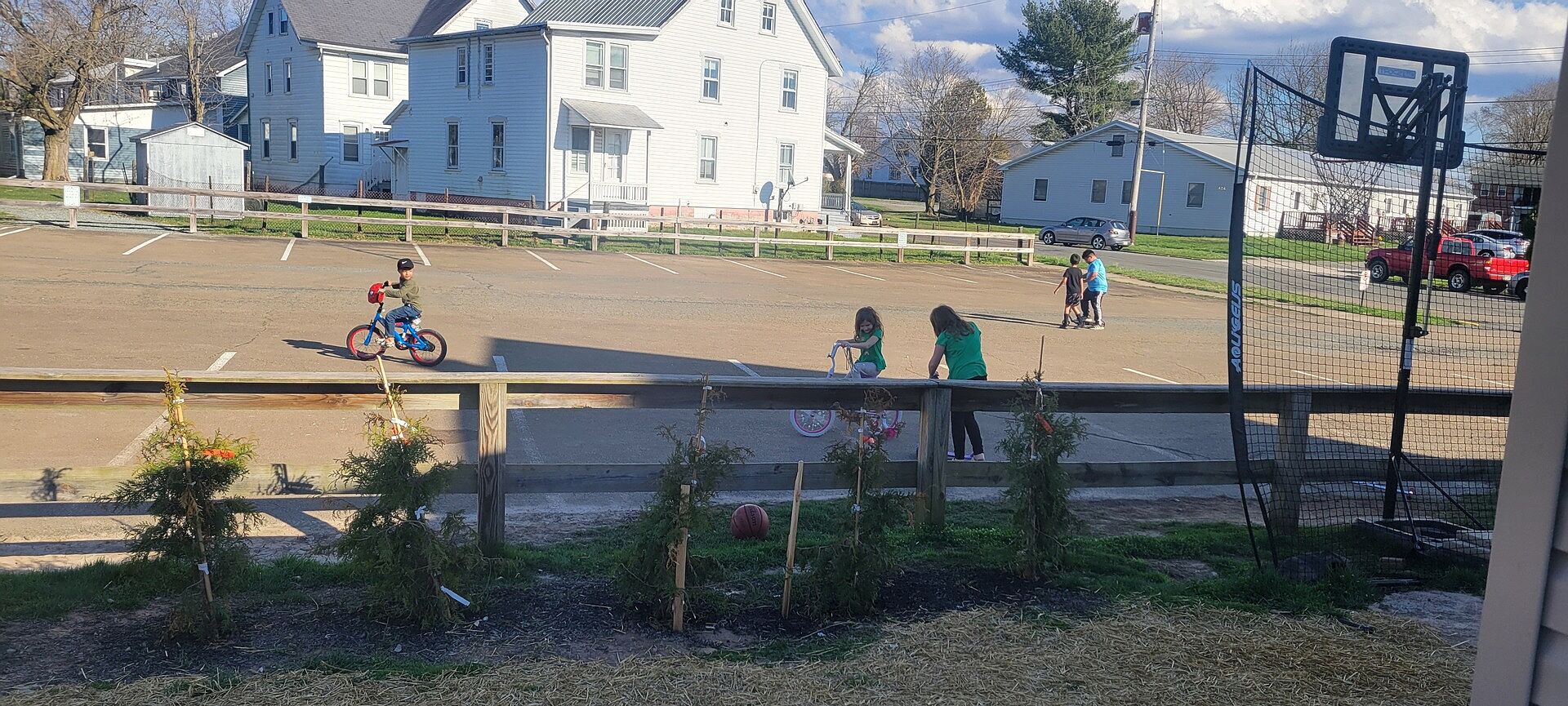
- Green Giant: at 5 feet apart, for a 20 to 25 foot screen: about 13 trees. At 8 feet apart: 8 or 9. At 10 feet apart: about 7.
- American Pillar at about 3 feet apart, trunk to trunk: about 21 trees.
Now look at the other side of that trade. Planting American Pillars closer together gives you more density without a bigger footprint: At maturity, your row of Green Giants occupies roughly 720 to 900 square feet of yard. The same run of American Pillars takes about 240. You're buying more trees to keep around 500 square feet of usable ground.

How American Pillar and Green Giant are similar
For everything besides size and cold tolerance, these two have plenty in common. Both are:
- Fast-growing evergreen thujas with a growth habit that's less prone to winter bronzing
- Drought tolerant once established
- Happy in full sun to partial shade
- Adaptable to most soils, but certain soils do need to be amended at planting
- Sturdy against ice and snow damage
- Naturally shapely, so neither one requires pruning
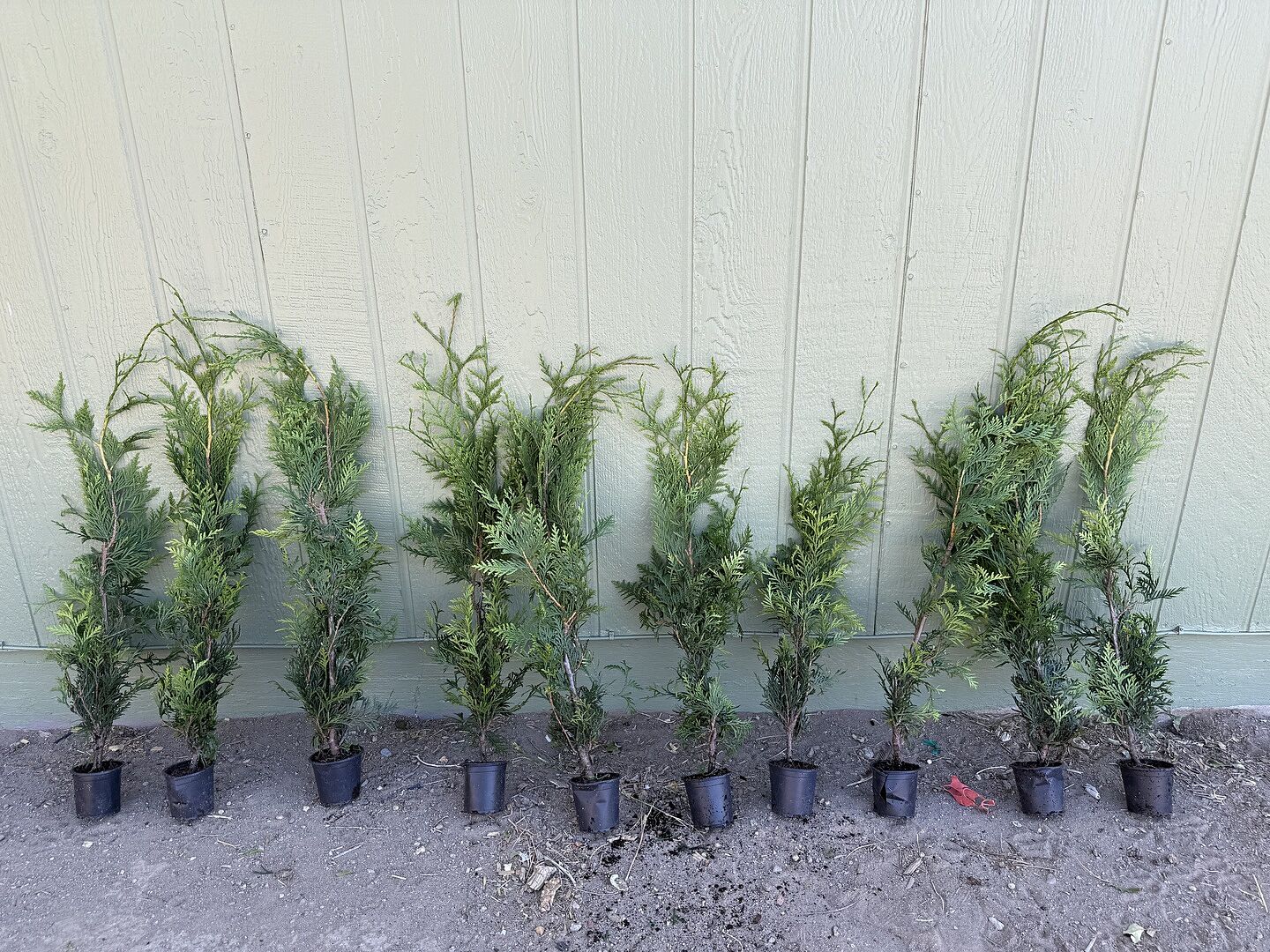
Their year-round foliage is close enough that most people can't tell them apart on a nursery lot, which is exactly how so many homeowners end up with a width problem five years later.
Match the arborvitae to your yard
Still deciding? Start with your growing conditions.
- A narrow side yard or pool screen: American Pillar arborvitae
- Blocking a two-story house: Either one will do it
- A long windbreak on larger properties or open land: Thuja Green Giant
- Zone 3 or 4 winters: American Pillar
- An HOA height limit: American Pillar
Want to see how these two stack up against the rest of the lineup? Browse all our privacy trees!
How to plant and grow your privacy screen
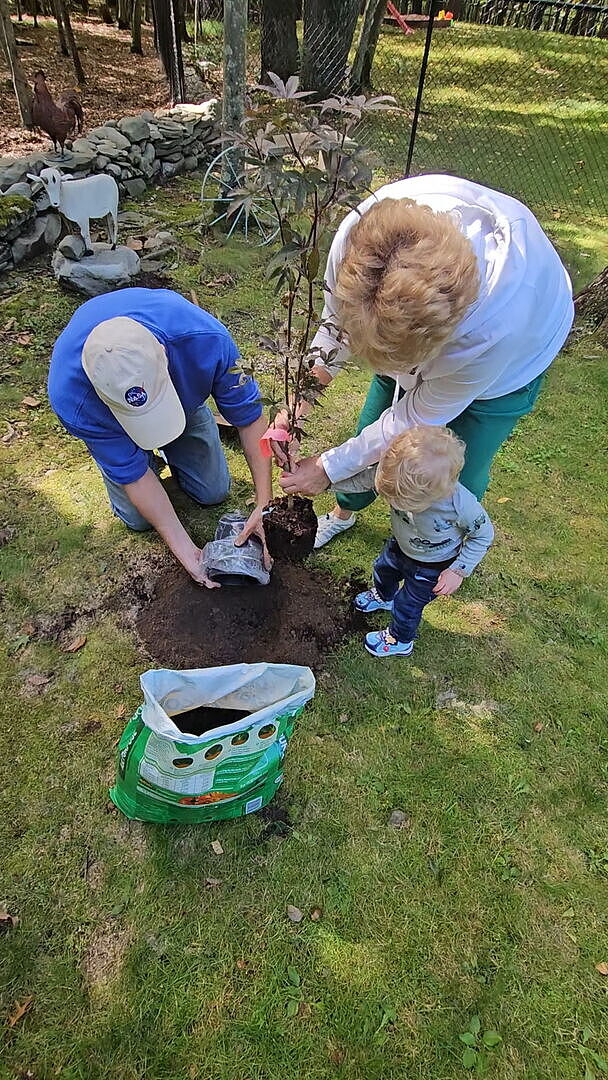
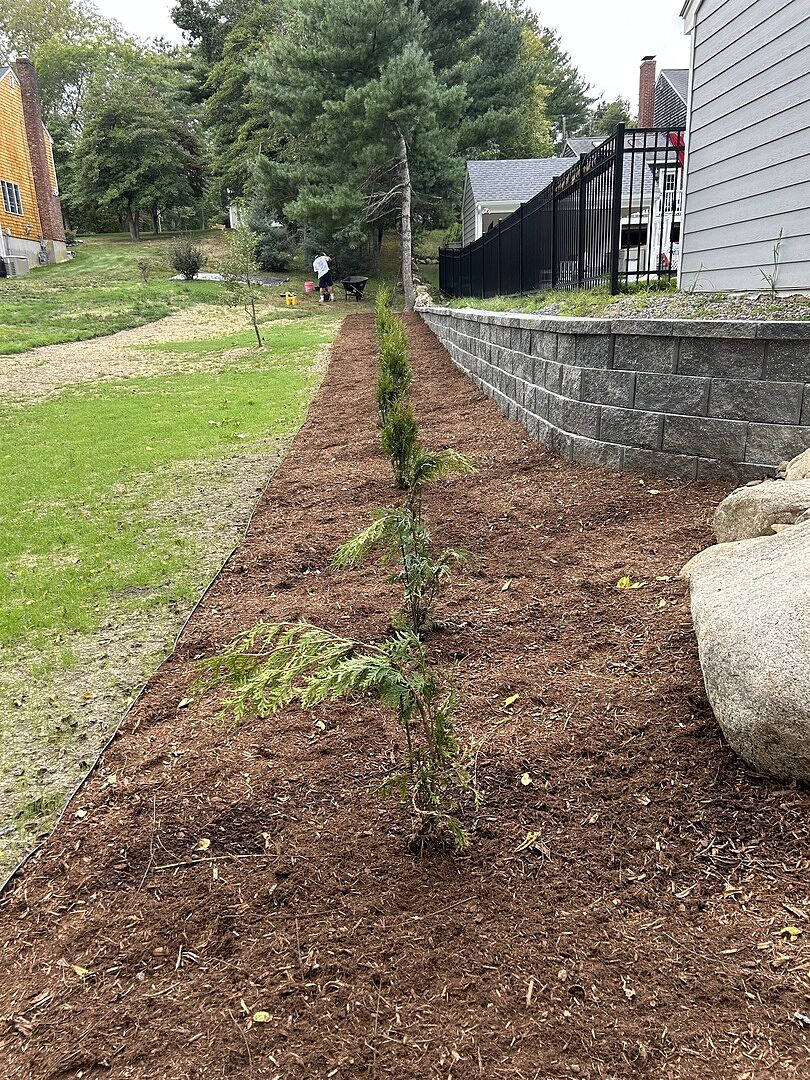
Planting is the same for both trees. Dig a hole twice as wide as the root ball and just as deep, Amend the soil with a mixture of native soil and compost, tamp the backfill to close up air pockets, water it in well, and finish with a 3" layer of mulch three feet around the trees, pulled back from the trunk.
Spacing for a hedge or screen
For Green Giant, the spacing you choose sets the height you get:
|
Screen height you want |
Distance between trees |
|---|---|
|
20–25 feet |
5 feet apart |
|
25–30 feet |
8 feet apart |
|
30–40 feet |
10 feet apart |
American Pillar plants much closer, about 3 feet apart trunk to trunk for a dense hedge. Tighter spacing creates a denser screen sooner, but the trees will still grow toward their natural mature height.
Sunlight, soil, and watering
Both trees want six or more hours of sun a day, and compost mixed with native soil can improve sandy or heavy clay soils. soil conditions. For watering, our Green Giant schedule makes a good default: every other day for the first two weeks, every 2-3 days for the next two, then 2-3 times a week through summer, tapering off in fall to once or twice a week until the ground freezes for winter. After the first year, your trees will have some root growth, but it’s best to keep watering once to twice a week the following summer. Trees can take up to three years to get established, and during this time, the extra work watering will build a foundation so that once established, rainfall will usually sustain them through normal dry spells.
Pruning and long-term maintenance
Neither tree needs regular pruning to hold its shape, so maintenance requirements stay low. Growing Green Giants as a hedge? Shear or trim them once a year after the last frost. For either tree, avoid cutting back into bare old wood. Arborvitae generally won’t regrow from those areas.
Common problems and how to avoid them
- Root rot in soggy soil. This is the most common killer of both, and it’s the reason drainage matters more than fertilizer. If water pools where you're planting, fix the drainage or move the row.
- Winter burn on exposed sites. Wind and winter sun on frozen ground can brown the foliage. Going into winter well watered is the best prevention, along with wrapping plants in burlap in colder zones.
- Bagworms. Look for small spindle-shaped bags hanging in the foliage and pick them off by hand before they multiply. With proper care, thujas aren't typically prone to bagworm problems.
- Spider mites. Most common on stressed, dusty plants in hot weather. A strong spray of water knocks them back.

Are American Pillar and Green Giant deer resistant?
Neither of these trees are deer resistant. If there are issues with deer, we recommend going with a different plant (check out our deer resistant trees collection) or committing to regular repellent sprays and caging or wrapping plants in winter.
What about Emerald Green and other alternatives?
Two other trees come up often in this conversation.
- Emerald Green Arborvitae grows 10 to 15 feet tall and 3 to 4 feet wide in zones 3 to 8, with dense, bright green foliage, and is hardy to -40℉. It’s narrow and very cold hardy, but it’s a slow grower at about 2 to 3 feet per year, and it won’t reach a second-story screen.
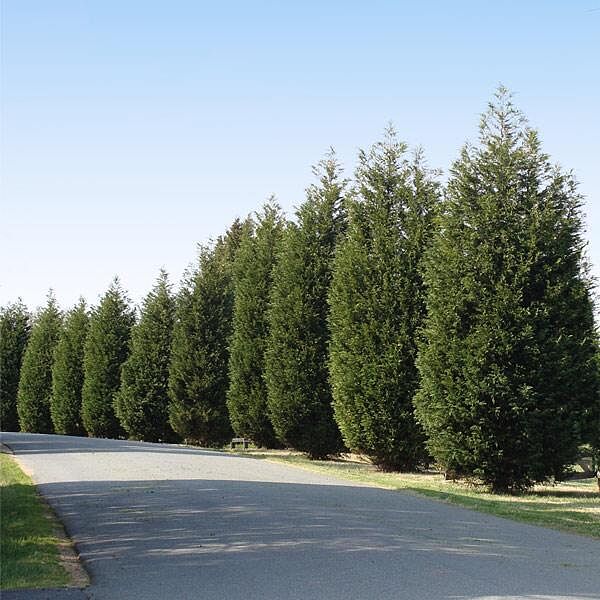
- Leyland Cypress reaches 40 to 60 feet tall and 20 to 25 feet wide in zones 6 to 10, growing 3 to 5 feet a year. It's quick, but it needs serious space and it's prone to bagworms and canker where plantings are crowded or stressed. Better suited to acreage than a suburban side yard.
Neither one displaces the main two for most yards. Compare the whole family in our arborvitae trees collection.
Shop with confidence
Whichever arborvitae you choose, it’s covered by our 1-year Alive & Thrive Guarantee™, so it arrives alive and healthy. If it dies of natural causes in its first year, we’ll provide a one-time replacement.
If you still need help deciding, book a consultation with one of our Plant Experts.
Frequently Asked Questions
Is American Pillar or Green Giant faster growing?
They're close. Green Giant puts on 3 to 5 feet per year once established. American Pillar grows more than 3 feet per year, and 3 to 5 feet in ideal conditions. Speed shouldn't decide this one for you. Mature width and cold-hardiness should.
How far apart should I plant American Pillar or Green Giant for a hedge?
American Pillar goes about 3 feet apart, trunk to trunk, for a dense hedge. Green Giant depends on the height you want: 5 feet apart for a 20 to 25 foot screen, 8 feet for 25 to 30 feet, and 10 feet for 30 to 40 feet.
Which arborvitae is better for a narrow yard?
American Pillar, without question. It holds about 4 feet wide at maturity, while Green Giant reaches 12 to 15 feet. That makes American Pillar the fit for side yards and property lines that a Green Giant would eventually overwhelm.
Can Green Giant grow in Zone 4?
No. Green Giant is rated for zones 5 to 8 and hardy to -20℉, which puts zone 4 outside its range. American Pillar is your zone 4 answer, rated for zones 3 to 8 and hardy down to -40℉. We recommend colder climates plant a tree that is two zones lower than their zone for the best cold protection. For example, we would recommend a zone 5 customer go with a zone 3 plant.
How tall does American Pillar arborvitae get?
American Pillar matures at 25 to 30 feet tall with a width of about 4 feet. That's plenty of height to screen a two-story view.
Are American Pillar and Green Giant deer resistant?
No, both are not deer resistant. They will need regular repellents every 3-6 weeks or caging and fencing.
How many trees do I need for a 100-foot privacy screen?
About 34 American Pillar at 3 feet apart. Green Giant depends on your target height: roughly 21 trees at 5 feet apart, 13 or 14 at 8 feet, and 11 at 10 feet apart.
Written by
Abby Healy
Abby is an avid plant lover and the Director of Content at Trees.com. She grew up in Maine, graduated from Davidson College, and now resides in Charlotte, North Carolina with her husband and two dogs. Her previous roles include leading content teams at Red Ventures, a large digital media company, and launching the content and marketing functions at an ecommerce analytics start-up.
While her indoor plant collection is always growing, she also loves landscaping tips and learning more about plant care and maintenance. Her favorite plants are Japanese maples, roses of all kinds, and unique house plants.